How Big Agencies Exploit Legal Loopholes in the Use of Digital Recorders
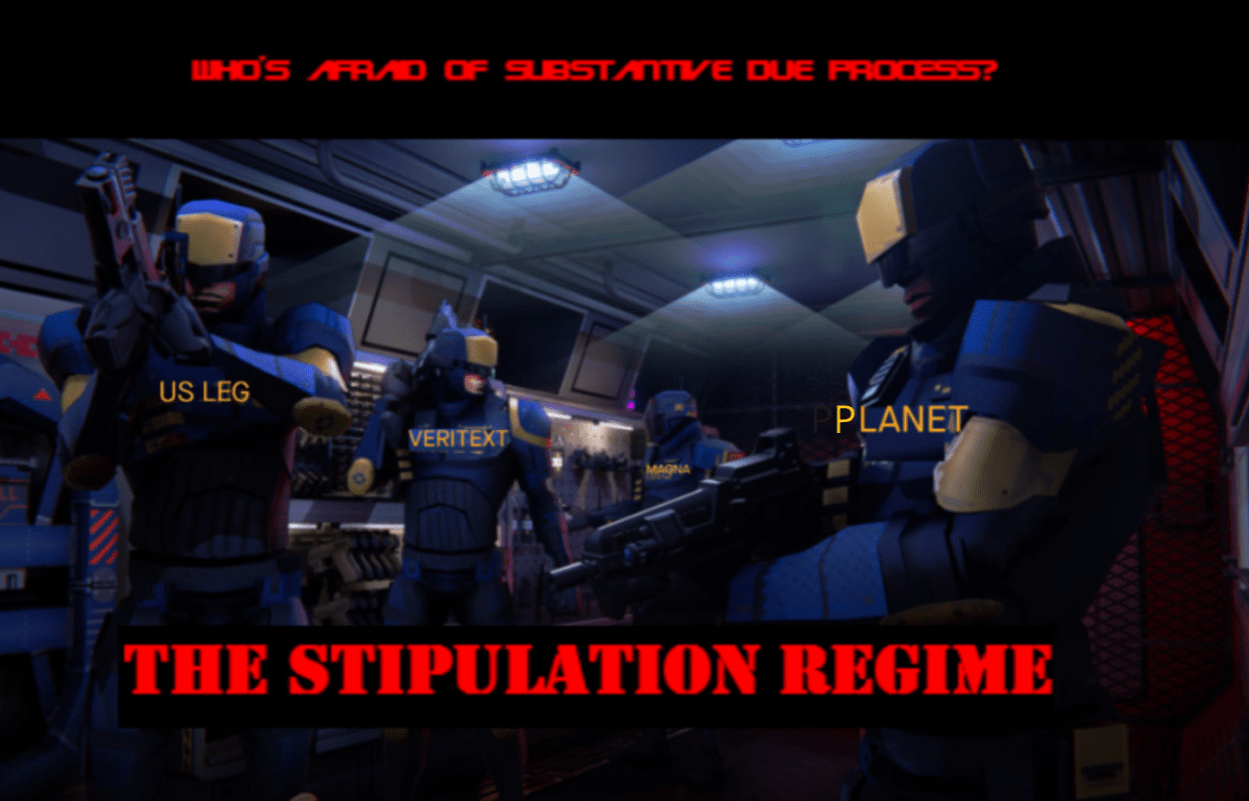
Many large agencies that advocate for the use of digital recorders are managing to circumvent laws in 25 states that require transcripts to be produced by licensed Court Reporters (CSRs). They argue that these laws can be bypassed through stipulations, and in some cases, they’ve succeeded in convincing the legal system of this. For example, a Veritext executive recently stated that they have yet to find any law preventing them from stipulating to the use of a digital recorder instead of a stenographer.
Due Process and Its Constitutional Roots
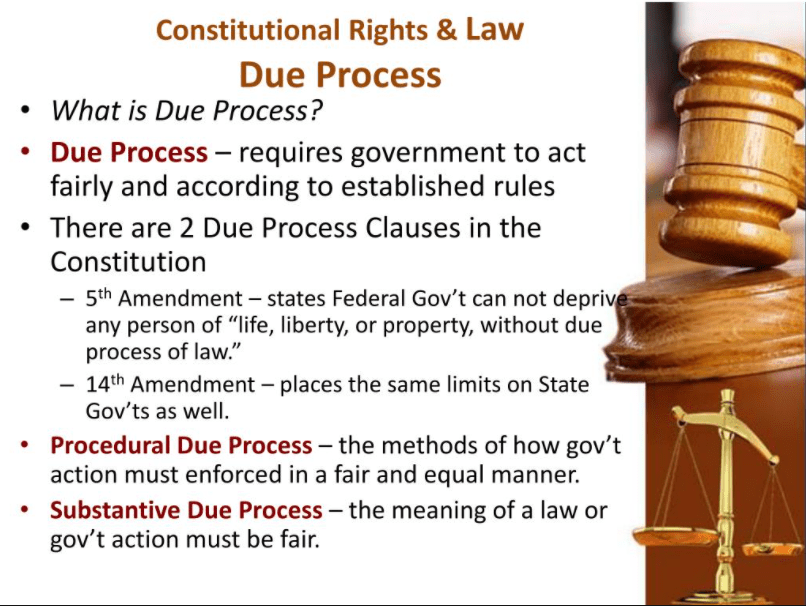
The concept of due process is deeply embedded in U.S. law, particularly in the Fifth and Fourteenth Amendments of the U.S. Constitution. The Fifth Amendment guarantees that no individual shall be deprived of “life, liberty, or property” by the government without due process of law. The Fourteenth Amendment extends these protections to all U.S. citizens, regardless of race, gender, or religion.
Due process ensures that legal matters are handled according to established rules and principles and that individuals are treated fairly. Its origins can be traced to the Magna Carta, a foundational document from the 13th century that established key legal protections. One notable clause in the Magna Carta reads: “No free man shall be seized or imprisoned, or stripped of his rights or possessions, or outlawed or exiled, or deprived of his standing in any other way, nor will we proceed with force against him, or send others to do so, except by the lawful judgment of his equals or by the law of the land.” This essentially means that a judge must review and rule on any stipulation made in a legal case.
The Due Process Exclusionary Rule: A Barrier to Illegal Practices
The Due Process Exclusionary Rule states that if evidence is obtained illegally — for instance, through an unlawful search and seizure without a warrant — that evidence cannot be admitted in court. This principle can be extended to the creation of transcripts. If a transcript is made illegally, through methods that violate state laws or regulations, it cannot be used in court.
Stipulations and the Role of the Judge
While attorneys may attempt to stipulate away legal requirements, the law is clear: only a judge has the authority to validate such stipulations. Attorneys cannot simply bypass laws on their own. If they wish to alter or disregard a specific legal provision, such as the requirement for a licensed CSR to produce transcripts, they must present their stipulation to the judge. Only after the judge’s ruling will the stipulation hold weight.
Attorneys can stipulate to anything they want, but only a judge can make it so. If attorneys want to stipulate away a law, then they must bring it before the judge who will then make a ruling on their stipulation before it will be allowed.
Published by stenoimperium
We exist to facilitate the fortifying of the Stenography profession and ensure its survival for the next hundred years!
As court reporters, we've handed the relationship role with our customers, or attorneys, over to the agencies and their sales reps. This has done a lot of damage to our industry. It has taken away our ability to have those relationships, the ability to be humanized and valued. We've become a replaceable commodity.
Merely saying we are the “Gold Standard” tells them that we’re the best, but there are alternatives. Who we are though, is much, much more powerful than that! We are the Responsible Charge. “Responsible Charge” means responsibility for the direction, control, supervision, and possession of stenographic & transcription work, as the case may be, to assure that the work product has been critically examined and evaluated for compliance with appropriate professional standards by a licensee in the profession, and by sealing and signing the documents, the professional stenographer accepts responsibility for the stenographic or transcription work, respectively, represented by the documents and that applicable stenographic and professional standards have been met.
This designation exists in other professions, such as engineering, land surveying, public water works, landscape architects, land surveyors, fire preventionists, geologists, architects, and more. In the case of professional engineers, the engineering association adopted a Responsible Charge position statement that says, “A professional engineer is only considered to be in responsible charge of an engineering work if the professional engineer makes independent professional decisions regarding the engineering work without requiring instruction or approval from another authority and maintains control over those decisions by the professional engineer’s physical presence at the location where the engineering work is performed or by electronic communication with the individual executing the engineering work.”
If we were to adopt a Responsible Charge position statement for our industry, we could start with a draft that looks something like this: "A professional court reporter, or stenographer, is only considered to be in responsible charge of court reporting work if the professional court reporter makes independent professional decisions regarding the court reporting work without requiring instruction or approval from another authority and maintains control over those decisions by the professional court reporter’s physical presence at the location where the court reporting work is performed or by electronic communication with the individual executing the court reporting work.”
Shared purpose
The cornerstone of a strategic narrative is a shared purpose. This shared purpose is the outcome that you and your customer are working toward together. It’s more than a value proposition of what you deliver to them. Or a mission of what you do for the world. It’s the journey that you are on with them. By having a shared purpose, the relationship shifts from consumer to co-creator.
In court reporting, our mission is “to bring justice to every litigant in the U.S.” That purpose is shared by all involved in the litigation process – judges, attorneys, everyone. Who we are is the Responsible Charge. How we do that is by Protecting the Record.
View more posts

 STENOIMPERIUM