
Court reporting technology vendors are not Big Tech. They are small, specialized companies serving a shrinking professional market. Expecting instant, round-the-clock concierge support misunderstands the realities of the industry. Professional competence requires patience, self-sufficiency, and deep knowledge of one’s tools. When a reporter’s livelihood depends entirely on immediate vendor intervention, the risk is not poor service—it is misplaced dependency.
Tag Archives: technology
When Efficiency Overrides the Law – Why Badran v. Badran Got Admissibility Wrong

The Badran v. Badran ruling did not affirm professionalism in modern depositions; it excused its absence. Admissibility does not turn on convenience, volume, or after-the-fact agreement. It turns on lawful process and qualified human oversight. Agencies are not officers of the record, and parties cannot stipulate away licensure, evidentiary foundation, or due process in the name of efficiency.
Celebration or Contradiction – When Corporate CEU’s Collide With the Reality of the Record

Corporate newsletters now celebrate “community” and “professional pride” while quietly advancing business models that make those same professionals optional. When private-equity-backed firms praise stenographers as essential yet invest in scalable digital replacements, the contradiction isn’t accidental — it’s strategic. Celebration becomes optics management, not advocacy, and reporters are left to reconcile flattering words with an economic reality moving in the opposite direction.
The Masks Court Reporters Wear—and the Cost of Wearing Them Too Long

Court reporters are trained to capture the truth verbatim, yet many have learned to suppress their own. In a profession built on accuracy and independence, silence has become a survival strategy. Over time, professionalism has been mistaken for passivity, and conformity for neutrality. The result is a culture where dissent feels dangerous—and where thinking independently is quietly discouraged.
Opinion: Texas Isn’t Confused About Digital Reporting — Only the Vendors Are

Texas is not confused about digital reporting — only the vendors are. Esquire, U.S. Legal, and Veritext recast a business model as a legal right, insisting courts ignore reliability gaps, nonexistent licensure, and the safeguards built directly into Rule 203.6. The trial court didn’t err; it exercised discretion. Corporate convenience is not access to justice, and marketing cannot replace a certified, accountable record.
The Trojan Horse Problem – Why Software Companies Should Not Masquerade as Court Reporting Agencies

Software companies moving into the court reporting agency space do not represent innovation; they represent structural risk. When the same platform controls the technology, the data, and the labor pipeline, independence erodes and normalization begins. The danger is not sudden replacement but gradual acceptance, until reporters become optional upgrades instead of guardians of the record. The profession must recognize this encroachment and defend its sovereignty.
Why Transcript Correction Disputes Are Rising — And Where the Problem Originated

Certified court reporters are seeing a rise in large-scale transcript correction requests, but the issue is not declining reporter skill. It stems from the increased use of digital audio and ASR-generated transcripts being treated as equivalent to stenographic reporting. Once attorneys began comparing transcripts with software tools, the inconsistencies became clear. Accuracy starts at the point of capture, and the method matters.
AI Transcripts Gone Wild – The Day a Transcription Company Asked a Court Reporter to “Certify” Their Robot

A transcription company actually asked a certified court reporter to “sign off” on an AI-generated deposition—no oath, no saved audio, no chain of custody. When the attorney demanded a lawful certification, they tried to hire a reporter to legitimize their robot record. This isn’t innovation; it’s impersonation—and it threatens the integrity of every legal transcript in America.
The Incontrovertible Record – Why a Stenographer’s Notes Still Reign Supreme

In every courtroom, voices overlap, tempers flare, and the stakes couldn’t be higher. Amid the chaos, one thing never wavers: the stenographer’s notes. They are the unshakable record—neutral, permanent, and immune to distortion. Machines may glitch, audio may falter, but the stenographer’s notes never lie. They remain the ultimate safeguard of truth in our justice system.
Why Judges Cannot Rely on AI Captions – The Legal and Ethical Imperative of Certified Realtime

Judges may think AI captions save money, but the law is clear: only a certified court reporter can create the official record. ASR is error-prone, insecure, and unauthorized — and I’ve personally seen judges forced into readback when captions got it wrong. Bridge with Boost offers the lawful, accurate, profession-saving alternative that protects evidentiary integrity, judicial ethics, and access to justice.
AI Summaries, CCR 2474, and the Fight Over Who Owns the Record

AI deposition summaries aren’t innovation—they’re exploitation. Agencies are monetizing transcripts into derivative products without consent or compensation, creating unjust enrichment while undermining the integrity of the record. California’s CCR 2474 wasn’t written with AI in mind, but the principle remains: reporters must not be in the business of interpretation. It’s time for contracts, regulation, and reform to safeguard neutrality, fairness, and trust in the transcript.
Why Congress Must Hold Hearings on the Integrity of Court Reporting in the Age of Digital Recording and AI

Congress must investigate: Who protects the record when justice is on the line? The integrity of the legal record is at risk. Attorneys report defective transcripts, hidden digital recorders, and AI posing as stenographers. This isn’t just an industry dispute — it threatens due process nationwide. Congress must act. A hearing is urgently needed to expose these practices, enforce responsible charge, and protect the record. Our democracy depends on accurate transcripts.
Digital Reporting, AI, and the Future of Court Reporting – Allegations, Lawsuits, and Industry Implications

Veritext’s reliance on digital recording and AI transcripts is finally facing attorney pushback—and possible lawsuits. For years, I’ve warned that agencies exploit loopholes like “agency certificates” to bypass stenographers. Without a responsible charge statement, the legal record is at risk of fraud and failure. It’s time for attorneys and reporters alike to demand accountability and protect the integrity of the record.
What If the United States Made Your Voice and Likeness Your Property?

What if your voice became your legal property? Denmark’s proposed law could make every voice and likeness owned — with takedowns and royalties for unauthorized use. If the U.S. follows, ASR and digital reporting face huge risks, while stenographers become the gold standard for secure, human-verified transcripts. In a world of deepfakes, stenography is justice’s strongest safeguard.
Why AI Will Never Replace Human Court Reporters – The Hearsay at the Heart of the Machine

AI is nothing more than a statistical parrot—rearranging old data, guessing the next word. In court, that’s not testimony. That’s hearsay. Only a certified, sworn reporter can deliver a verbatim, admissible record. Machines can imitate, but only humans safeguard justice. Stenography isn’t nostalgia—it’s necessity.
The Knox County Privacy Breach – A Wake-Up Call on Confidentiality and Professional Duty

A hidden microphone at the Knox County courthouse exposed private meetings and cost three officials their careers. Beyond Nebraska, the message is clear: confidentiality is the backbone of justice. Court reporters, attorneys, and judges alike must protect the record, audit technology, and guard against shifting liability. Trust, once lost, is nearly impossible to restore.
Why Transcribing from Electronic Recordings Is Hearsay — and the Stenographic Profession’s Strongest Defense

AI and electronic recordings can’t replace stenographic reporters. Why? Because transcripts created by someone not present are hearsay — and hearsay is inadmissible. Only a sworn reporter assumes Responsible Charge of the record, accountable under law. AI can’t be punished, fined, jailed, or defend its transcript in court. Without accountability, it’s just unverifiable hearsay.
Outsider Companies Are Knocking – Why Court Reporters Must Push Back and Protect the Profession

Over the past year, a growing number of emails, social media posts, and marketing campaigns have landed in court reporters’ inboxes. The message is always the same: “Join us. Work with us. We’re the future of legal reporting.” Recently, one such email from a company called Prevail Legal circulated among reporters. Their pitch sounded familiar:Continue reading “Outsider Companies Are Knocking – Why Court Reporters Must Push Back and Protect the Profession”
The Irreplaceable Human Court Reporter – Why AI Will Never Capture the Record

A courtroom is not a lab. It is not a tech demo or a theoretical exercise in “innovation.” It is a crucible where freedom, reputation, livelihood, and even personal safety are decided every day. The people who work there know this truth in their bones: the record matters. And when it comes to creating thatContinue reading “The Irreplaceable Human Court Reporter – Why AI Will Never Capture the Record”
The Otter Lawsuit – AI, Privacy, and the Fight Over Consent

A groundbreaking lawsuit has been filed against Otter.ai, a company known for its AI-powered meeting transcription and recording services. At the center of the complaint is a fundamental question: Can AI companies record, transcribe, and train on private conversations without the explicit consent of all participants? The lawsuit, which touches multiple federal and state privacyContinue reading “The Otter Lawsuit – AI, Privacy, and the Fight Over Consent”
When Robots Win Trophies – What It Means for the Future of Stenography

A robot holding a trophy may symbolize progress, but in the courtroom, it represents a dangerous shortcut. While AI may offer speed, only a human stenographer ensures accuracy, accountability, and justice. When automation wins the spotlight, due process can lose. Let’s not trade trust for tech.
No, You Never Served Me – The Truth Behind False Cease-and-Desist Claims

Shaunise Day falsely claimed a cease and desist “didn’t work” against me — but the truth is, it was never valid to begin with. The letter came from someone with a JD but no law license. The California State Bar ruled it was unauthorized practice of law, issued a cease and desist to her, and referred the case to the DOJ. Facts matter. Lies don’t intimidate me.
The High Cost of Convenience – How Digital Court Reporting Risks Destroying the Profession It Claims to Modernize
As court reporting agencies rush to adopt AI and digital tools, they risk undermining the very profession they rely on. Accuracy, ethics, and human expertise are being sacrificed for speed and cost. Agencies must choose: innovate with reporters, or replace them entirely—and suffer the consequences. The legal system deserves better than a transcript powered by hope and algorithms.
Why Whisper Can’t Replace Court Reporters in the U.S. Legal System

Canada’s Legislative Assembly proved AI like Whisper can assist—but not replace—human editors. Meanwhile, U.S. courts risk due process by adopting ASR without oversight. Speaker errors, misattribution, and data risks abound. Justice demands more than a “good enough” transcript. We must follow Canada’s lead: human-led, AI-assisted. The record—and constitutional rights—depend on it.
Why Human Stenographers Still Outperform AI in the “Cocktail Party” Problem—and Always Will in Legal Proceedings

AI still can’t match human stenographers—especially in legal settings. From overlapping speech and accents to emotional testimony, the “cocktail party problem” is far from solved. Only a certified court reporter can deliver 99% accuracy, real-time clarification, and a legally admissible record. Don’t fall for the hype. Humans are still the gold standard.
Human Oversight is Now Law – Virginia Leads the Nation with Groundbreaking AI Legislation Protecting the Judicial Record
Virginia just became the first state to legally require human oversight of AI in courtrooms. With HB 1642, justice stays human-centered—protecting certified transcripts, ethical decision-making, and the future of court reporting. This is a national model for balancing innovation with integrity.
The Subtle Power of a Word – Why ASR Can’t Replace Human Court Reporters

One wrong word — like “sale” instead of “cell” — can alter the facts. ASR doesn’t understand the difference, and neither did my scopist, because they weren’t a trained court reporter. In legal proceedings, every word matters. Court reporters aren’t just typists — we are the responsible charge, the last line of defense for truth and accuracy in the record.
The Case for Court Reporter Cost Transparency and Industry Reform

Attorneys are furious over rising court reporting costs—but the truth is, reporters aren’t the ones profiting. Agencies are marking up per diems by 100–200%, keeping fees for add-ons like exhibits and digital access, while reporters see less than half. It’s time for legislative reform, transparency, and a fair compensation model that protects the profession—and restores integrity to the legal record.
How Court Reporting Can Survive and Thrive in the Age of AI and ASR
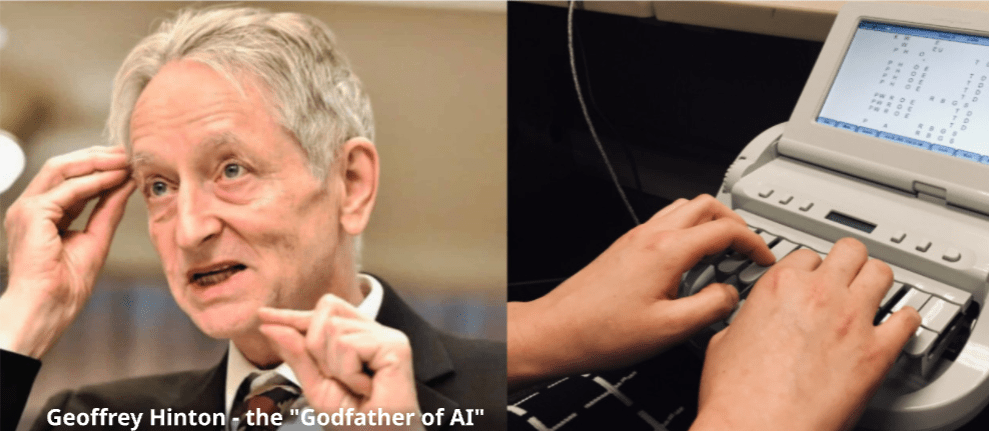
Court reporting isn’t just transcription — it’s the human backbone of justice. Whether using a steno machine or voice mask, stenographers capture the spoken word in real time to create certified, accurate records that AI simply can’t replicate. In the face of automation, our unity, skill, and accountability will define our survival. We aren’t obsolete — we’re indispensable. And now is the time to prove it.
Why AAERT-Certified Digital Reporters Are Not the Answer to the Court Reporter Crisis
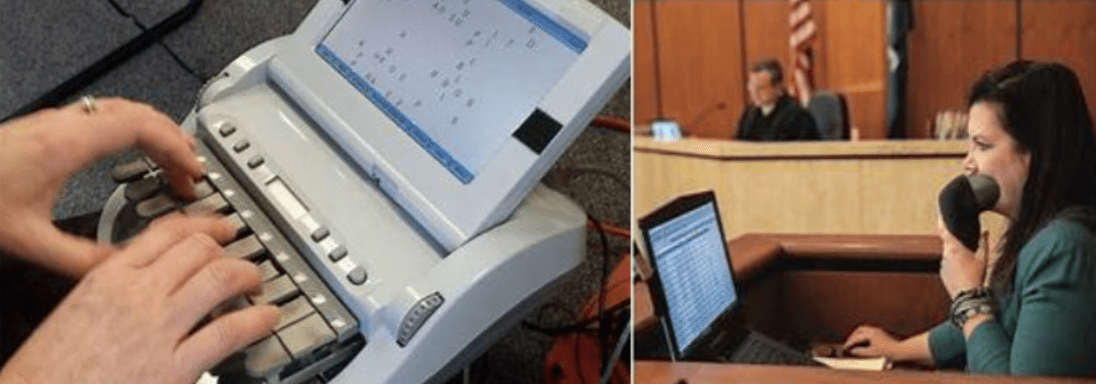
Digital reporters certified by AAERT are not equivalent to licensed court reporters. They don’t write realtime, certify records on the spot, or meet the legal standards required in high-stakes proceedings. While digital recording may seem like a quick fix for shortages, it risks long-term damage to the integrity of the record. The solution isn’t substitution—it’s investment in the gold-standard profession that’s already working.
The Scopist Crisis – A Silent Threat to the Integrity of Court Reporting
The scopist shortage is becoming a hidden crisis in court reporting. Too many unqualified applicants—often unfamiliar with software like StenoCat32—are delivering error-filled transcripts that compromise accuracy and trust. As court reporters face mounting pressure, it’s time to demand better training, certification, and collaboration from those supporting our record.
Protecting the Integrity of the Legal Record Nationwide – A Formal Request for NCRA to Lead on ASR Policy Reform
A National Model Law to Regulate the Use of ASR and Preserve Human Oversight in Legal Proceedings As part of this effort, I respectfully ask that NCRA spearhead a coordinated legislative campaign across all 50 states, using this proposal as a model law. NCRA can play a vital role by providing state associations with aContinue reading “Protecting the Integrity of the Legal Record Nationwide – A Formal Request for NCRA to Lead on ASR Policy Reform”
Protected: CA Legislative Proposal – Court Reporter Certification and Automated Transcription Integrity Act
There is no excerpt because this is a protected post.
ASR in Court Reporting – Tool, Threat, or Transformation?

As court reporting faces increasing pressure from digital disruption, the debate over ASR (Automatic Speech Recognition) intensifies. Can it be used responsibly — or does its adoption spell the end of human-led recordkeeping? This article explores the nuanced question: If ASR is wielded by a trained, licensed stenographer, does it become a tool — or remain a threat? The future of our profession may hinge on the answer.
“Five-Oh-Two” & The Invisible Danger in ASR Court Transcripts

ASR may produce clean-looking transcripts, but it lacks the human judgment needed to capture meaning, nuance, and legal context. In court, where every word matters, even subtle misinterpretations can distort the record and impact outcomes. Accuracy isn’t just about words—it’s about understanding. That’s why certified court reporters remain essential in preserving the integrity of the legal process.
The Future of Court Reporting & Why the Fight Is Now—And Why You Should Step Into Your Place & Join

A student recently asked me: “What are the chances of AI putting court reporters out of work in the next five to ten years?” The honest answer? It’s a tricky question. Because we’re not looking at a slow fade—we’re standing at a tipping point. The next one to three years will determine everything. There’s seriousContinue reading “The Future of Court Reporting & Why the Fight Is Now—And Why You Should Step Into Your Place & Join”
Save Steno Now, or Lose It Forever – Why Court Reporters Can’t Be Replaced by AI

Court reporting isn’t dying—it’s evolving. With overflowing steno schools, waitlists, and voicewriters accelerating training, we’re meeting demand. The real threat isn’t a shortage—it’s premature replacement by AI. If we let this profession collapse, we lose the infrastructure that guarantees accuracy in our justice system. If you want us tomorrow, you must choose to support us today—before it’s too late.
The Hidden Cost of AI and Digital Reporters is A Looming Crisis in the Court Reporting Industry

As agencies and tech vendors chase profits, they’re offloading transcript cleanup onto scopists and proofreaders, driving up subcontractor rates and forcing court reporters to raise theirs just to survive. Attorneys balk at rising costs, unaware reporters are earning the same as decades ago. This shift isn’t just inefficient—it feels intentional, pushing experienced professionals out to make way for cheaper, lower-quality digital alternatives masked as innovation.
The California Court Reporting Crisis and How the System Undermines Its Own Professionals

California court reporters are being edged out as agencies prioritize out-of-state labor for remote jobs—often at the expense of legal compliance. Despite clear transcript standards, violations go unchecked due to the CRB’s lack of enforcement authority. Without reforms to licensing, job assignment transparency, and regulatory power, California’s reporting professionals face burnout, underemployment, and a system that no longer supports the high standards it claims to uphold.
Fixing the Broken Court Reporting Compensation Model: A FairSplit™ Proposal

Court reporters are vital to the legal system but are often underpaid and overworked. The FairSplit™ model aims to fix that with a fairer compensation structure—70/30 revenue splits, transcript ownership rights, and 100% per diem pay. It’s a blueprint for restoring dignity, transparency, and sustainability in the profession. FairSplit™ is more than a model—it’s a movement for justice in justice.
The Biden Audio Leak Is a Warning to All of Us in Court Reporting
The leak of President Biden’s deposition audio reveals a deeper issue: what happens when legal recordings are handled by bureaucracies instead of court reporters? With a track record of confidentiality and ethical responsibility, court reporters must remain the Responsible Charge of legal records. This incident is a warning—and a call to preserve the integrity of our justice system.
Why AAERT Certification Falls Short in the Court Reporting Profession

AAERT certification may exist, but it does not meet the rigorous standards of licensed stenographic court reporters. Unlike stenographers, who provide realtime, verifiable transcripts and are held to strict legal and ethical codes, AAERT-certified digital reporters often work with less oversight and accountability. In high-stakes legal proceedings, accuracy and reliability are paramount — and that’s why stenography remains the trusted standard in the court reporting profession.
The Silent Squeeze! How Insurance Companies and Contracting Are Crippling Court Reporters—and How to Fight Back

Insurance company contracting is quietly destroying the court reporting profession. Illegal in many states but rarely enforced, this practice strips independent reporters of long-time clients, undermines transcript integrity, and centralizes control in the hands of big-box firms. We must educate attorneys, demand legal enforcement, and organize as a profession. This is more than business—it’s about preserving justice, impartiality, and the future of court reporting.
The Hidden Hands in the Courtroom – How Insurance Companies Are Undermining Court Reporting and What We Can Do About It

Insurance companies are quietly driving the shift from certified stenographers to digital court reporting, prioritizing cost-cutting over courtroom accuracy. This threatens the integrity of legal records, disproportionately harms vulnerable litigants, and benefits insurers when ambiguity delays or denies justice. Certified stenographers are essential to preserving the truth in legal proceedings—replacing them with flawed technology compromises fairness in our courts. It’s time to protect professionalism over profit.
The Record Must Remain Ours – A Court Reporting Call to Action

Court reporters are not outdated—we’re digital pioneers. As ASR and CAT tools flood the market, we must assert professional control. Certification, responsibility, and independence are non-negotiable. The individual capturing the record must also certify it. Letting courts or unlicensed tech operators own the record threatens justice itself. We must lead the change—on our terms. The record must remain ours.
Fail to Adapt to Disruption and Pay the Price – Court Reporters Heed the Warning
Court reporting isn’t antiquated—it’s one of the most technologically advanced professions in the legal world. As we pass the tipping point of digital disruption, our challenge isn’t resisting change but leading it. Certified reporters, using sophisticated tools like ASR-integrated CAT software, must set the standard. The future depends on preserving integrity, enforcing certification, and maintaining responsible charge in every courtroom transcript.
The Silent Breach – How Attorneys Are Illegally Sharing Court Transcripts in Violation of California Law

Under California Government Code § 69954(d), parties who purchase court transcripts may use them internally or as exhibits but cannot share copies with others. Despite this, many attorneys unlawfully distribute transcripts to opposing firms, undermining court reporters’ earnings and violating legal ethics. Unauthorized sharing risks sanctions, financial penalties, and damages the integrity of litigation. Compliance is essential to uphold fairness and professional responsibility.
Transcript Theft and Timeless Pricing Contributes To The Court Reporting Crisis
Court reporters are being squeezed by an outdated pricing model and rampant unauthorized transcript sharing. Despite legal protections under California law and federal copyright, attorneys often duplicate transcripts without paying, devaluing the reporter’s work. It’s time to modernize: shift all costs into the original transcript and make copies cheap or free. This simple change could restore fairness, stop transcript theft, and protect the profession’s future.
Florida’s Embrace of Digital Court Reporting – A Controversial Shift in Legal Transcription

Florida is redefining court reporting by certifying digital reporters through its FPR™ program, allowing them to capture proceedings without directly transcribing them. Unlike stenographers and voice writers—who are in responsible charge of the record—digital reporters often outsource transcription, raising concerns about accuracy, accountability, and legal integrity. This shift may influence other states, but the long-term risks demand careful scrutiny and stronger regulatory oversight.
Antitrust Concerns in Court Reporting and Navigating the Legal Landscape
Introduction Antitrust laws exist to ensure fair competition in the marketplace. While court reporting may not seem like a typical industry subject to antitrust scrutiny, it is not exempt from these legal principles. Recent discussions within professional associations, such as the Texas Court Reporters Association (TEXDRA), highlight the importance of understanding what court reporters, includingContinue reading “Antitrust Concerns in Court Reporting and Navigating the Legal Landscape”
 STENOIMPERIUM