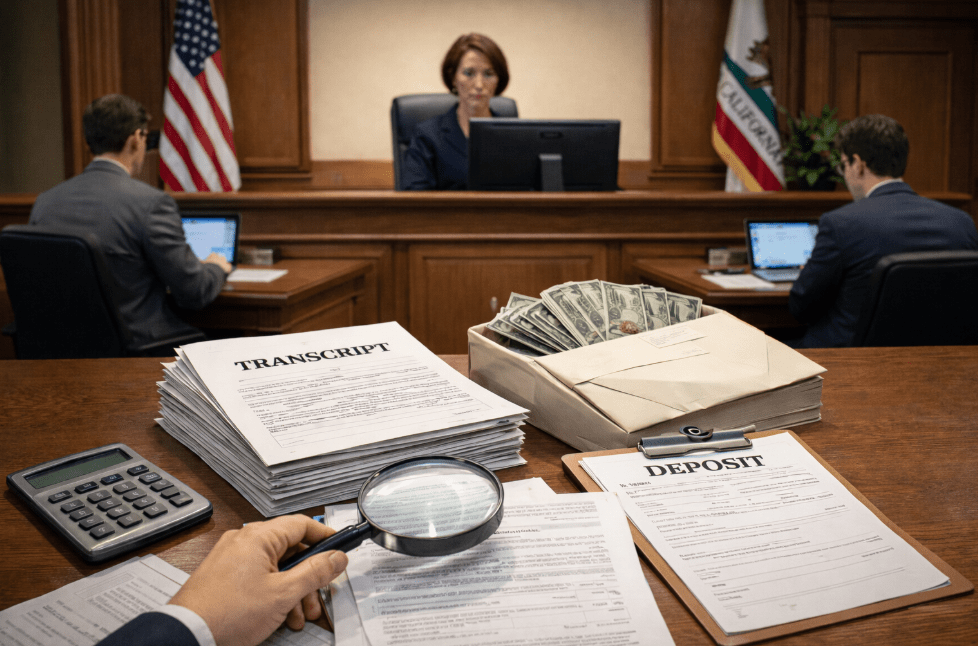
On January 21, 2026, the Los Angeles County Superior Court quietly clarified how parties may purchase reporter’s transcripts on appeal—reshaping the financial and procedural mechanics behind who pays, who receives copies, and how the official record moves forward. While technical on its face, the change touches the core of appellate practice: access to the words that ultimately decide cases.
Tag Archives: supreme-court
The Lessons of Badran – A Roadmap for How NCRA Must Defend the Legal Record

The Badran ruling exposed a growing risk: courts are redefining admissibility without guidance from the profession that creates the record. As audio-based reporting and vendor workflows spread, efficiency arguments are replacing evidentiary law. This article offers a clear roadmap for how NCRA can act—now, in active cases, and long-term—to defend due process, professional oversight, and the integrity of the record.
Not Optional – Why Stenographers Are Essential to the Constitution and Your Freedom

Court reporters aren’t just transcribers—they’re constitutional safeguards. Without a certified human creating the record, due process collapses. No accurate transcript means no appeal, no accountability, no justice. Stenographers ensure the truth is preserved, rights are protected, and freedom is upheld. Replacing them with machines doesn’t save money—it erodes democracy. Court reporters are the quiet guardians of liberty. Lose them, and you lose the record that protects us all.
Why Are Court Reporting Agencies Now on the Record? A Look at the New L.A. Superior Court Form and the Responsible Charge
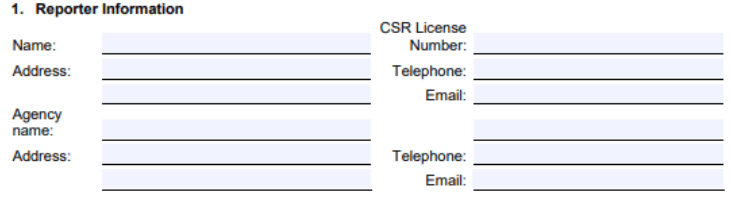
The revised Order Appointing Court Approved Reporter As Official Reporter Pro Tempore form at Los Angeles Superior Court now requests agency information—raising concerns among court reporters. Agencies handle billing and marketing, but they are not responsible for the official court record. Accountability must remain with the licensed reporter. If accessibility is the issue, update reporter contact details, not the form, to avoid misplacing legal responsibility.
The Peril of Courts Owning the Record – Why the Move Away from Stenographic Reporters Is a Dangerous Step Toward Tyranny

The move to electronic court recording shifts control of the legal record into the hands of the very courts it’s meant to hold accountable—a dangerous conflict of interest. Without independent stenographic court reporters safeguarding the record, transparency erodes, accountability vanishes, and justice itself is jeopardized. When the court owns the record, it controls the narrative—and unchecked power over the truth is the foundation of tyranny.
Backing the Bill, Battling the Bench

California court reporters face a critical moment as the Judicial Council pushes to expand electronic recordings in courtrooms. AB 882 offers a temporary, balanced response—preserving live reporting where possible and requiring accountability where it’s not. Supporting this bill keeps our profession at the table. But we must go further—organizing, advocating, and building alliances to defend the record and protect access to justice statewide.
A Crisis in the Courts – L.A. County’s Reporter Shortage, Jessner’s Controversial Order, and the Looming Threat of Jury Nullification

Los Angeles County is facing a legal crisis as Presiding Judge Jessner issues an order allowing electronic recordings in civil, family, and probate courts—directly violating California law. After the legislature rejected AB 662, which sought similar changes, Jessner acted unilaterally. Critics warn this judicial overreach undermines public trust and could spark jury nullification, with citizens questioning why they should follow laws judges themselves ignore.
Court Reporters Are the Change Agents

The U.S. faces a critical shortage of court reporters, driven by an aging workforce, declining enrollment, and rising demand. This crisis threatens the efficiency of the judicial system. Court reporters must become change agents by advocating for education reforms, promoting the profession, embracing technology, and pushing for policy changes. Without action, justice delays and inaccuracies will escalate, underscoring the profession’s indispensable role in the legal system.
The Vanishing Court Reporters: A Crisis in the Justice System and How to Fix It

Court reporters are essential to the justice system, but their numbers are dwindling. A shrinking workforce, declining training programs, and low interest among young professionals have contributed to a nationwide shortage. Solutions include expanding digital court reporting, modernizing certification laws, increasing financial incentives, and promoting the profession to new talent. Without immediate action, courts will face growing delays and challenges in preserving accurate legal records.
Court Reporters: Guardians of Integrity in America’s Judiciary

Court reporters play a crucial role in maintaining judicial integrity by ensuring accurate, unaltered records of legal proceedings. Senator Mark Warner emphasized their importance, particularly amid rising federal litigation. Human stenographers prevent record manipulation, unlike AI-based transcription, which risks errors and loss of critical data. Legislative efforts, such as the Research and Oversight of Potential AI in Courts Act, aim to safeguard judicial transparency and accountability.
 STENOIMPERIUM