
Court reporting demands silence, precision, and emotional control. But when bullying enters the workplace, the damage does not stay professional. It becomes biological. Chronic targeting alters sleep, memory, immunity, and emotional regulation. Too often, institutions remove the injured reporter instead of the harmful behavior. The result is a quiet health crisis inside a profession built on endurance.
Tag Archives: StenoImperium
When the Court Becomes the Classroom – How In-House Voice-Writing Programs Are Reshaping the Record

Courts across the country are quietly launching in-house voice-writing programs, training clerks and court staff to become certified reporters. Framed as a solution to shortages, these initiatives shift education inside the institution itself. But when courts become the classroom, deeper questions emerge about independence, professional standards, and who ultimately controls the creation of the legal record.
When the Record Listens Back -How the Heppner Era of AI Liability Collides With Court Reporting

The Heppner decision reframes the court-reporting debate. The issue is no longer speed or convenience but legal accountability. Courts protect communications only when a human professional bears fiduciary responsibility. Autonomous recording systems cannot testify, explain decisions, or hold privilege. When the record lacks a sworn custodian, attorneys inherit the risk. The question is simple: if the transcript is challenged, who can take the stand?
The “Warm Body” Problem – How Court Reporters Became the Last Line of Accountability

Court reporters are increasingly being treated as logistical placeholders rather than as the professional safeguard of the legal record. Assignments arrive stripped of party information, context, and verification, yet reporters are still asked to place their names and license numbers on transcripts that carry legal weight. The frustration spreading through the profession is not about workload. It is about accountability.
The Floor and the Ceiling – Why Experience Should Raise Earnings — Not Lower the Profession’s Base Rate

Court reporting faces a critical pricing question: should new reporters charge less for the same official record? The answer determines whether the profession maintains a stable foundation or trains the market to seek the lowest bidder. Experience should raise earnings through advanced services like realtime and expedited delivery — not reduce the baseline value of the record itself.
After the Week – What “The Record Under Pressure” Set Out to Do—and Why It Cannot End Here
“The Record Under Pressure” was not written to celebrate a profession, but to examine a system. Over eight days, this series traced how technology, business consolidation, and courtroom drift are reshaping the legal record. Its purpose was simple: to make the justice system’s memory visible again, and to ask whether its transformation is being governed by law—or by convenience.
If the Record Fails – The Future of Justice in a Court System That Can No Longer Prove Itself
A justice system survives only as long as it can prove what happens inside its own courtrooms. As the legal record weakens, appeals turn speculative, accountability erodes, and legitimacy fractures. Courts may continue to rule, but they will increasingly struggle to justify. A system that cannot reliably preserve its proceedings eventually forfeits authority over its own truth.
What Courts Must Do Now – The Legal Record at a Crossroads
The American justice system is approaching a crossroads. Technology, business consolidation, and courtroom drift are quietly redesigning how truth enters law. Courts must now decide whether the legal record will remain a governed evidentiary system or become a technical byproduct of convenience. This is not an operational question. It is a constitutional one.
The Last Neutral in the Room – Why the Court Reporter Is a Structural Safeguard, Not a Service
Court reporters are not service providers. They are structural safeguards. As neutral officers of the court, they preserve the conditions under which justice can later be reviewed, challenged, and corrected. When that role is reframed as clerical or commercial, the system does not merely modernize. It dismantles one of the protections that make legitimacy possible.
Between Bench and Record – What Is Already Happening Inside America’s Courtrooms
The transformation of the legal record is no longer theoretical. It is already happening in everyday courtrooms, through routine decisions that quietly reshape how proceedings are preserved. Reporters are discouraged, recordings are substituted, and speed overtakes precision. These changes rarely make headlines, yet they are redefining the evidentiary foundation of justice.
Private Equity, Public Records – How Business Is Reengineering Custody of the Legal Transcript
The legal transcript has quietly become a commercial asset. As private equity and corporate platforms centralize custody of the record, financial logic is beginning to replace evidentiary logic. Custody determines power. And when custody moves from courts into markets, the justice system inherits risks it did not design and cannot easily unwind.
When Software Becomes a Silent Witness – Ethics, Technology, and the Coming Evidentiary Reckoning
For the first time, courts are being asked not merely to use technology, but to trust it. As software moves into the evidentiary core of proceedings, responsibility is diffusing, accountability is thinning, and ethical frameworks are lagging behind technical adoption. This is not a workflow shift. It is an evidentiary one.
The Legal Record, Explained – Why a Transcript Is Not a Recording—and Why That Distinction Now Matters
A recording is raw data. A transcript is sworn evidence. A legal record is an evidentiary system. Today, those distinctions are being blurred, and the justice system is inheriting risks it does not yet see. When accountability chains thin and custody diffuses, courts lose more than accuracy. They lose defensibility.
The Record Under Pressure – Why the Legal Record Has Entered Its Most Dangerous Era
The legal record is being reshaped faster than the justice system’s safeguards can adapt. Technology, business consolidation, and courtroom practices are quietly altering how truth is captured, preserved, and controlled. This series begins with a warning: when the record changes, the justice system changes with it. And right now, the record is under pressure.
Court Reporting & Captioning Week | StenoImperium Launch Post
During Court Reporting & Captioning Week, celebration alone is not enough. The legal record is under pressure, reshaped by technology, business models, and quiet courtroom shifts. This series asks court reporters to step into their professional responsibility: to circulate clear analysis to attorneys and judges, and to help the legal community understand what is happening to the evidentiary spine of justice right now today nationwide.
Continuing Education or Professional Replacement?

An Investigation Into NCRA’s CEU Approvals, Vendor Influence, and Financial Pressures When Continuing Education Becomes Industry Re-Engineering – Questions Surround NCRA-Approved CEUs and Method-Agnostic Training StenoImperium Investigative Series Draft A Profession Being Rewritten — With Its Own Credentials For decades, stenographic court reporters relied on the National Court Reporters Association (NCRA) as both their professionalContinue reading “Continuing Education or Professional Replacement?”
Coming Soon! The Record Under Pressure
Coming soon! In courtrooms across the country, the legal record is being reshaped by technology, business consolidation, and quiet procedural drift. These changes are rarely debated, yet they are redefining how truth enters law. During Court Reporting & Captioning Week, StenoImperium will launch an investigative series examining what is happening to the record—and what the justice system risks becoming if it is not governed deliberately.
Between the Words – What Court Reporters Can Learn From the People Who Interrupt

In courtrooms, interruption is often treated as a matter of manners. But emerging research suggests it is more often a matter of nervous systems. High processing speed, anxiety, and attention-regulation differences can drive people to speak before they mean to. For court reporters, understanding this distinction is not indulgence. It is a practical tool for protecting the record and restoring order with precision rather than irritation.
Courts Do Not Have an AI Problem. They Have a Record-Keeping and Accountability Problem.
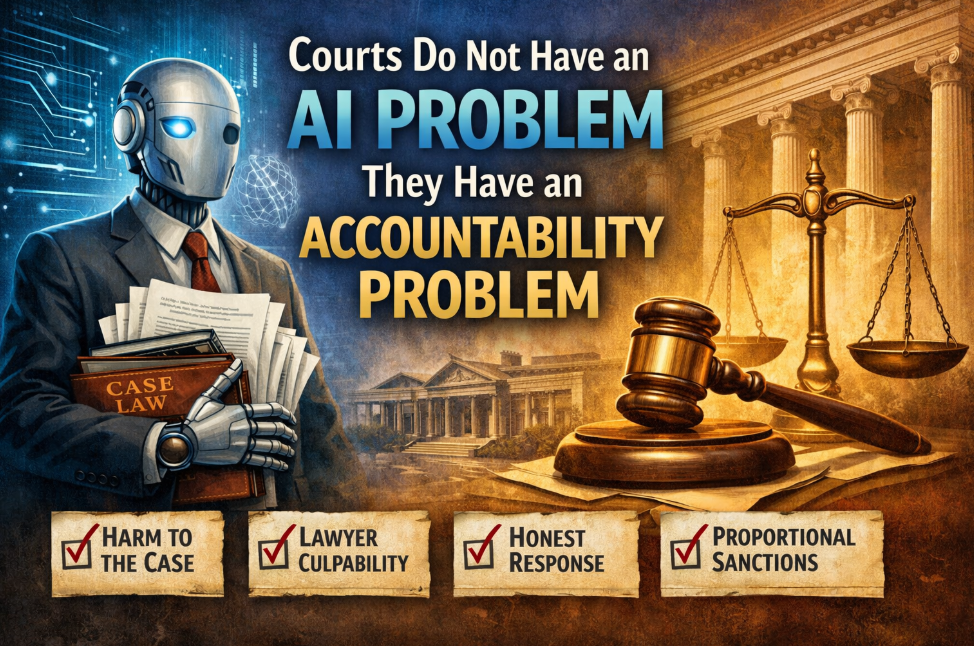
Courts do not face an artificial intelligence crisis so much as a crisis of accountability. AI-related errors expose gaps in supervision, verification, and professional responsibility, not rogue technology. Judicial legitimacy is not threatened by tools, but by inconsistent governance. The question before the courts is not whether AI will be used, but whether responsibility will remain clearly human.
Beyond the Page Count – Why Purpose, Not Just Performance, Must Guide Court Reporters

Court reporters are trained to chase goals: speed, certifications, page counts, income. But goals end. Purpose does not. Purpose is what transforms transcription into stewardship and accuracy into a public trust. When reporters lead their careers with purpose, they stop merely producing records and start protecting them. In a justice system under strain, that distinction has never mattered more.
Staying in the Chair – What Court Reporting Teaches Us About Pain, Presence, and Power
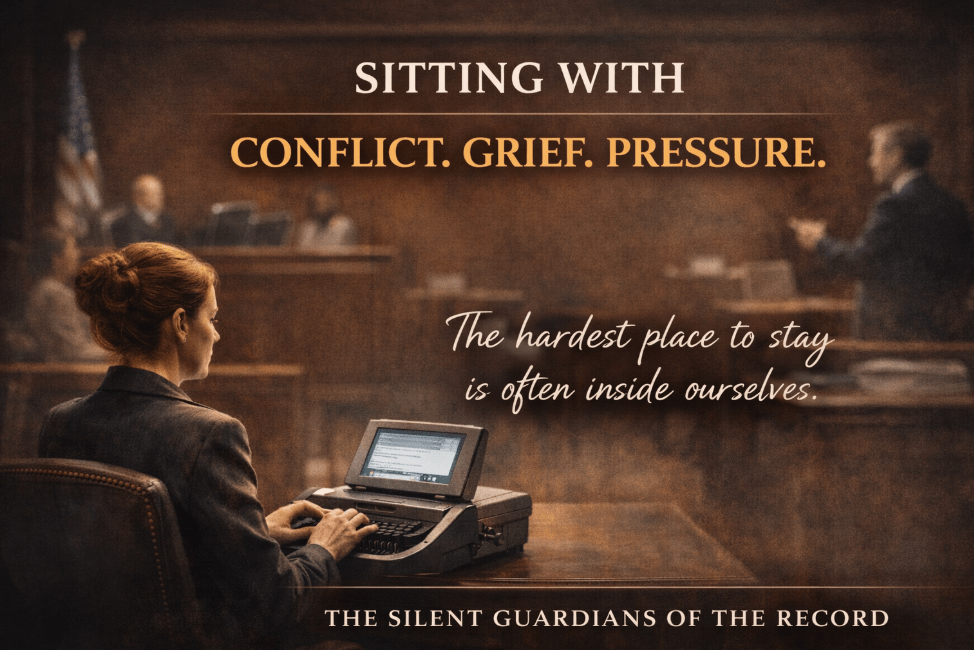
Court reporters spend their careers staying in rooms most people instinctively want to leave. They sit inside conflict, grief, tension, and pressure so the legal record can exist. But the profession rarely teaches reporters what to do with what accumulates inside them. This article explores why presence, not avoidance, is often the beginning of resilience—and real professional power.
Never Waste an Opportunity to Go to CourtWhat a Court Reporter Sees From the Other Side of the Record
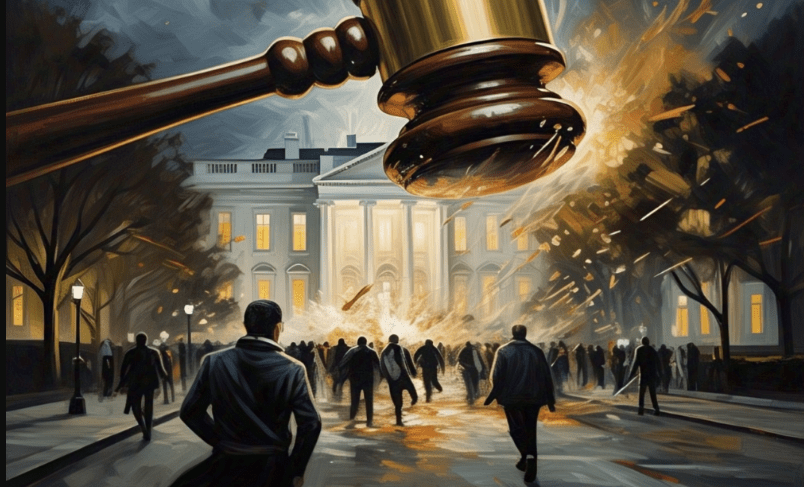
Court is not the end of the work. It is where the work becomes real. From the court reporter’s chair, I watch young attorneys transform not through victories, but through presence—learning how to speak to a judge, how to build a record, how to listen under pressure, and how to develop the quiet authority that cannot be taught in an office.
Who Is NCRA Working For?
The National Court Reporters Association was created to guard a profession built on precision, licensure, and trust. But its expanding relationships with digital training companies, corporate consolidators, and branding organizations raise an urgent question: is NCRA still defending stenography, or has it begun financing its own displacement? When a trade association profits from the markets replacing its members, neutrality becomes a business model.
Whitney Kumar Returns to the Spotlight as Judy Justice Begins Another Season – 2026

Whitney Kumar is back for another season of Judy Justice, returning to the courtroom where precision meets prime time. As the show’s official court reporter, Whitney brings authenticity, professionalism, and deep legal expertise to one of streaming’s most-watched courtroom series. Her continued presence highlights not only her own success, but the vital role court reporters play in preserving the integrity of the record.
Court Transcript Rules Shift in Los Angeles County – What Litigants Need to Know
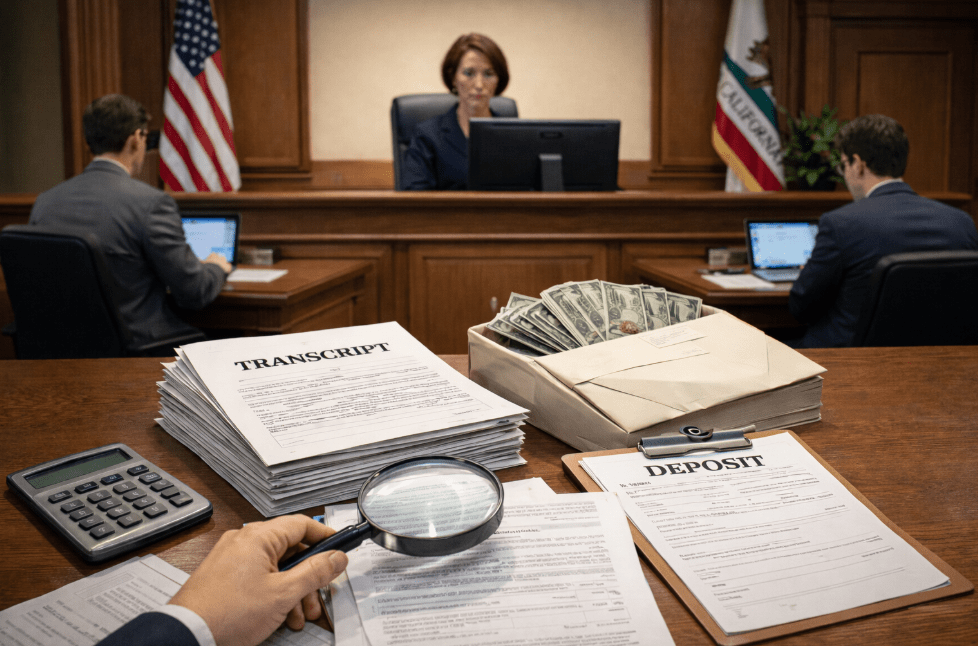
On January 21, 2026, the Los Angeles County Superior Court quietly clarified how parties may purchase reporter’s transcripts on appeal—reshaping the financial and procedural mechanics behind who pays, who receives copies, and how the official record moves forward. While technical on its face, the change touches the core of appellate practice: access to the words that ultimately decide cases.
The Quiet Fear Inside the Record
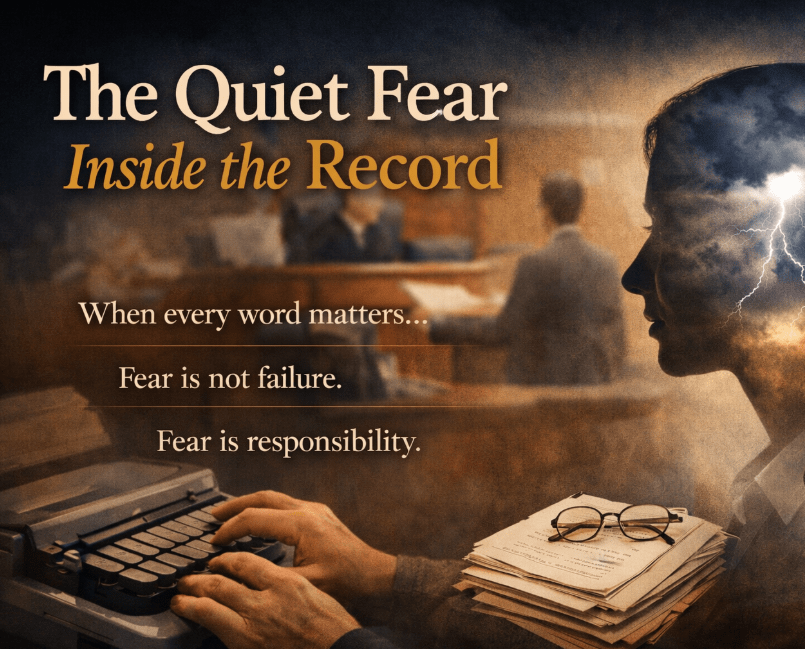
Court reporters rarely speak about fear, yet it quietly accompanies some of the most important moments of their careers. It surfaces in high-stakes trials, unfamiliar courtrooms, and proceedings where every word carries lasting consequence. This fear is not evidence of failure. It is evidence of responsibility. And learning to work with it, rather than retreat from it, may be one of the profession’s most essential skills.
When “Live Notes” Enters the Notice – What the Confusion Over AI in Depositions Is Really About

As artificial intelligence quietly enters deposition rooms under vague terms like “live notes,” court reporters are being forced into a new role: boundary-setters for the legal record itself. The issue is no longer whether proceedings can be recorded, but who controls what is captured, who is accountable for what is created, and what truly constitutes the official record in modern litigation.
When Machines Become Witnesses – Why the Federal Judiciary’s AI Evidence Proposal Quietly Reinforces the Role of Court Reporters

The federal judiciary’s proposed rule on AI-generated evidence quietly draws a critical line: machine output is not inherently trustworthy and must be tested like expert testimony. That distinction reinforces the structural role of court reporters. A certified transcript is a human-governed legal record, not algorithmic evidence. Once the human layer disappears, the court record itself becomes something the law now admits is dangerous.
When the Record Is Public, Who Pays for It?

Court transcripts are treated as public goods, but the labor that creates them is not. While federal courts quietly preserve a temporary restriction period before transcripts become freely accessible, state court systems operate under very different economic models. Together, these frameworks reveal how control of the legal record has shifted away from court reporters, steadily separating access from fair compensation.
The Illusion of Unity – When “Movement” Becomes Message Control

The rise of “STENO United” and the Fearless Stenographers Conference reflects a growing trend in our field: advocacy transformed into spectacle. Inspiration becomes insulation when branding replaces transparency, and unity becomes a tool for silencing dissent. Our profession doesn’t need one movement claiming moral authority—it needs distributed, ethical leadership grounded in accountability, not curated mythology.
Could California Court Reporters Bring a Holmgren-Style Case Against CRB?
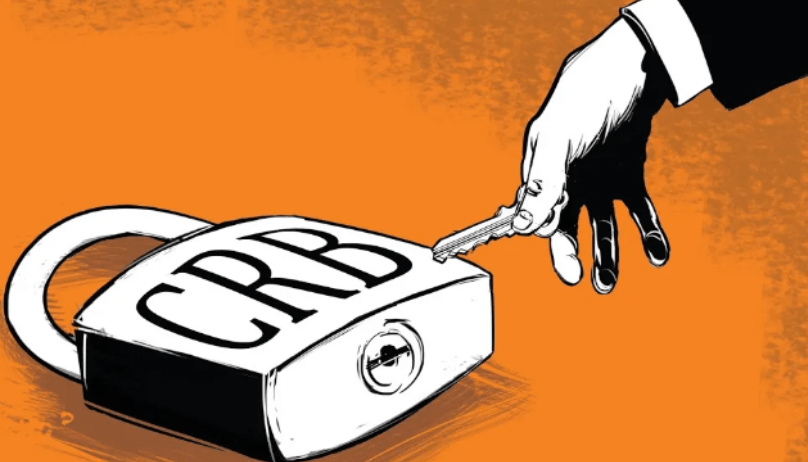
A quiet but consequential legal question is emerging in California: Can court reporters compel their own regulator to enforce laws already on the books against the expansion of digital-only reporting? Inspired by Texas’s Holmgren case, this analysis explores the hypothetical viability of a mandamus action against the Court Reporters Board for non-enforcement, examining standing, risk, and the strategic steps that would be required before such a case could responsibly proceed.
A Membership Wall Around Opportunity – NCRA’s New Jobs Board Restriction Raises Questions in a Shrinking Profession

The National Court Reporters Association has quietly restricted its Jobs Board to dues-paying members only, blocking more than 13,000 qualified non-member reporters from viewing official court reporter openings. The move comes amid nationwide staffing shortages in court systems and raises concerns that a membership paywall could shrink the hiring pool and undermine efforts to preserve stenographic officialships. Critics warn the policy conflicts with the profession’s survival needs.
The Death of Expertise and the Erosion of the Record & Why Court Reporters Are the Last Line of Truth

In The Death of Expertise, Tom Nichols warns that society is replacing knowledge with convenience. Court reporting stands at that fault line. AI may transcribe words, but it cannot witness truth. Only a certified reporter — physically present, ethically bound — can certify a record. To sign off on machine output isn’t innovation; it’s fraud. And it marks the death of expertise itself.
Court Reporters v. Digital Recording and Voice Recognition – A Comprehensive Breakdown

Digital recording and ASR may promise convenience, but they fail the test of law and logic. Machine transcripts aren’t sworn, certified, or admissible—they’re hearsay without a human declarant. Court reporters remain the only officers of the record who can guarantee accuracy, authenticity, and accountability in real time. Justice still depends on human precision.
The Freelancer’s Harvest & What a California Farmer Can Teach Court Reporters About Diversification

When a California farmer’s entire grape crop was rejected over a 0.1% sugar shortfall, he lost a year’s income overnight. Freelancers face the same risk when they depend on one agency or client. If that relationship sours—or gets bought out—you’re back at zero. Diversify now. Build multiple income streams so your livelihood doesn’t hinge on someone else’s decision.
StenoImperium Marks 400 Articles – A Chronicle of Truth, Transparency, and Tenacity
StenoImperium celebrates its 400th article — a milestone built on truth, transparency, and independence. While often mistaken for Stenonymous, we are not the same. We’re two separate blogs, on opposite coasts, with distinct voices and philosophies, united only by our shared passion for stenography and protecting the integrity of the record in an era of automation and misinformation.
Dividing Zero – The Illusion of Division in the Court Reporting Profession

There is no “division” in the court reporting profession — only distinction. Reporters are more united than ever: mentoring students, fighting the shortage myth, and defending the record against digital and AI intrusion. Outsiders may market unity to mask exploitation, but unity built on falsehoods isn’t healing. It’s control. You can’t divide zero.
The CA Law Has Changed – Freelancers Now Have Legal Protection — Even If Agencies Don’t Know It Yet

California’s new Freelance Worker Protection Act (SB 988) is in effect, but many agencies are still unaware they’re breaking the law. Reporters can protect themselves through education and documentation—adding FWPA clauses to rate sheets, email signatures, and job confirmations. Timely payment is now required, and retaliation for collection efforts is prohibited. Knowledge is power—spread awareness and stand firm.
“Spin to Win” for Transcripts? Why This Giveaway Likely Violates California Lottery & Professional Standards Laws

Magna’s “Spin to Win” wheel isn’t harmless fun—it’s an illegal lottery in disguise. By tying raffle entries to transcript submissions and page counts, the company recreates the same scheme Shaunise Day’s Steno in the City™ ran in Long Beach without DOJ registration. In California and most states, Prize + Chance + Consideration = lottery. No free entry means no compliance.
 STENOIMPERIUM