
AI isn’t here to replace court reporters—it’s here to amplify us. When used intentionally, AI becomes a strategic partner that helps reporters write stronger letters, clearer public comments, and more persuasive advocacy for our profession. It levels the playing field, giving every reporter the ability to speak with clarity, confidence, and impact. Your voice matters. AI simply helps the world hear it.
Tag Archives: SavingSteno
When Two Depositions Are Scheduled but Only One Goes Forward – The Growing Fight Over Same-Day Cancellation Fees

Court reporters routinely reserve separate time blocks for each scheduled deposition. When one witness appears and another cancels, the afternoon no-show is a distinct economic loss—no different from how interpreters, electricians, therapists, or attorneys handle missed appointments. Two job numbers mean two billable events. Same-day cancellations must be compensated as a matter of fairness and professional standard.
AI Should Fold the Laundry — Not Replace the Court Reporter

AI may be able to automate tasks, but it cannot replace the trained human mind responsible for capturing the legal record. Court reporters do far more than transcribe—they perceive, clarify, and protect accuracy in ways no algorithm can. The future isn’t humans versus machines. It’s using technology to remove friction, not expertise, and preserving the integrity justice depends on.
“What Even Is 6-7?” When a Meme Walks Into a Courtroom (And Everyone Over 30 Panics)

In court this week, an entire room of adults—attorneys, clerk, judge, and yes, even me—realized we had absolutely no idea what “6-7” meant. Turns out it means… nothing. Everything. Whatever kids want it to mean. This chaotic, context-free meme is the perfect reminder that language is shifting faster than ever—and why human court reporters remain essential guardians of clarity in an increasingly nonsensical world.
A Harbinger of Collapse – What One Facebook Post Reveals About the Future of Court Reporting in the United States

A single Facebook post from a Canadian reporter—reduced to just 3–6 jobs a month—should terrify every U.S. attorney and stenographer. It is a glimpse of what happens when ASR replaces certified professionals: the market collapses, accuracy disappears, and justice erodes. Canada didn’t fail because reporters weren’t skilled. It failed because decision-makers chased “cost savings.” The U.S. is next—unless we stop it now.
When the Bill Comes Due – How California’s SB 988 Exposes a Nationwide Gap in Reporter Payment Protections

California’s SB 988 requires court reporting firms to pay reporters within 30 days — but attorneys have no matching deadline to pay the firms. This imbalance creates cash-flow strain, especially for small agencies, and highlights a national gap in reporter protections. With one-third of U.S. reporters in California, what happens here shapes the entire industry. Other states could — and should — follow with smarter, reciprocal legislation.
Hiring to Train AI – When Data Collection Crosses the Line

TransPerfect’s $30 “Remote Data Contributor” job isn’t just harmless side work — it’s part of a massive AI training pipeline. By paying people to record their voices, companies quietly harvest human speech to teach machines how to sound like us. It’s data extraction disguised as inclusion — and it’s accelerating the automation of human jobs, one voice at a time.
The Recipe of Community – Inside the Unseen Strength of the Court Reporting Profession

Court reporting has always been more than a technical skill; it is a community built on mentorship, discipline, and shared purpose. This Thanksgiving, the profession reflects on the people who make it possible — the teachers who guide students, the colleagues who step in during long days, and the families who support the demanding work behind the record. Gratitude is, and always has been, part of the craft.
Could California Court Reporters Bring a Holmgren-Style Case Against CRB?
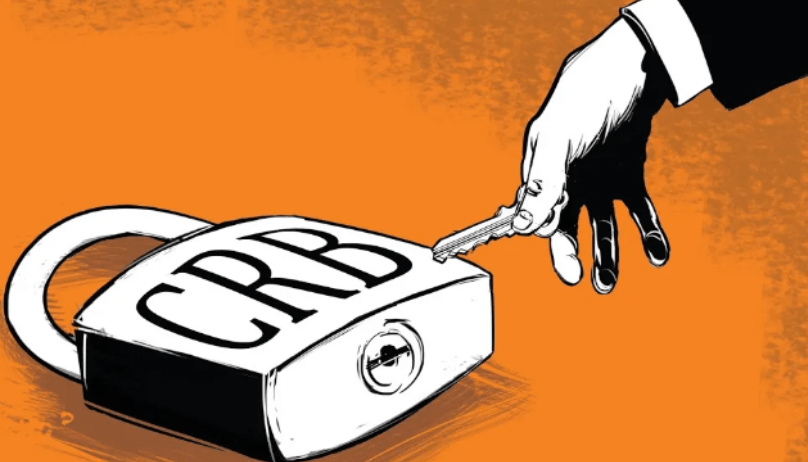
A quiet but consequential legal question is emerging in California: Can court reporters compel their own regulator to enforce laws already on the books against the expansion of digital-only reporting? Inspired by Texas’s Holmgren case, this analysis explores the hypothetical viability of a mandamus action against the Court Reporters Board for non-enforcement, examining standing, risk, and the strategic steps that would be required before such a case could responsibly proceed.
We Can Do Better – When Professionalism Loses to Pettiness in Court Reporting

Sometimes the hardest part of court reporting isn’t the record—it’s each other.
Petty rivalries, gossip, and passive-aggressive behavior are eroding the very professionalism our field stands for. I just lived through it, and it reminded me: we can do better.
“Ack Ack” on the Record – When the Martians Took Over the Courtroom
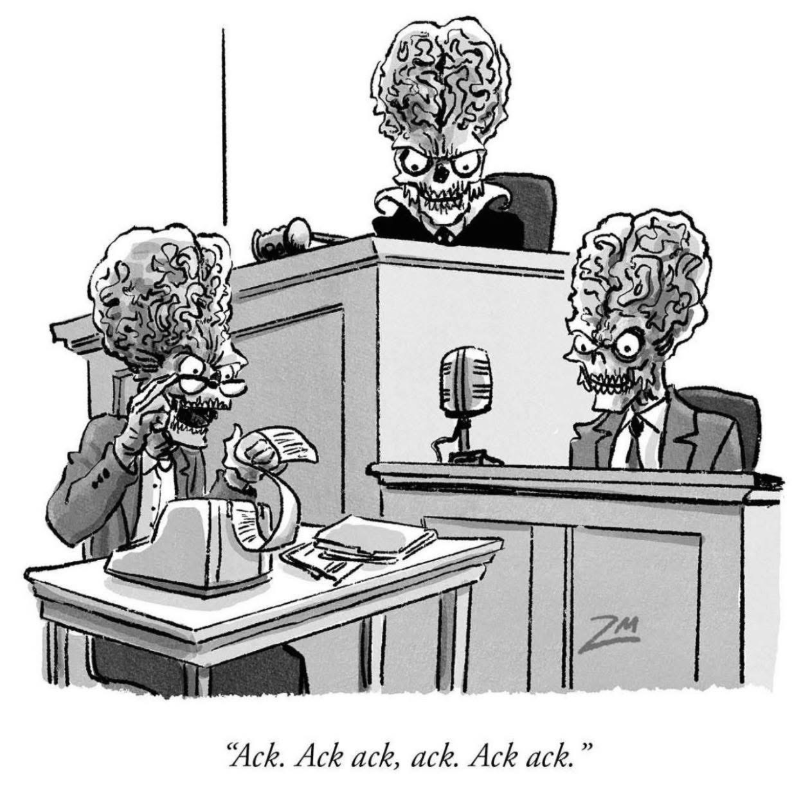
When justice sounds like “Ack ack, ack,” it’s not just funny—it’s frightening. Replacing human court reporters with machines turns the language of truth into gibberish. Algorithms can’t hear nuance, context, or emotion. The record of justice deserves more than “good enough.” It deserves understanding.
Where Your CEU Dollars Go – Choosing State Associations and Nonprofits That Reinvest in the Profession

Every continuing education dollar is a decision about the future of court reporting. When those funds are directed to legitimate state associations and nonprofit organizations, they strengthen advocacy, education, and ethical standards that preserve the integrity of the record. When they flow instead to personality-driven ventures, the profession risks becoming a revenue stream for individual ambition rather than a sustained legacy built on collective stewardship.
Not All Heroes Wear Capes — Some Wear “Stenographer” Lanyards

After a 32-hour brain surgery, two surgeons collapsed from exhaustion — heroes in scrubs. For court reporters, that same level of endurance isn’t a one-time feat; it’s our daily life. We don’t wear capes. We wear stenographer lanyards — quiet symbols of duty, precision, and perseverance. We may not save lives, but we preserve truth, and that saves justice.
The Stenographer Who Named a Legend – How Lillian Bounds Disney Gave Mickey Mouse His Name

Long before Mickey Mouse became the world’s most beloved animated icon, a young Idaho stenographer named Lillian Bounds quietly shaped his destiny. Working at Disney Brothers Studio in 1923, Lillian used her sharp ear and creative instinct to suggest a new name for Walt’s early sketch—replacing “Mortimer” with “Mickey.” That single moment of intuition helped launch a character, a company, and a cultural era.
When Faith Becomes a Mask & How Performative Virtue Undermines Integrity in the Steno Community

When faith becomes performance instead of practice, entire communities suffer. In court reporting, where truth is our calling, we cannot ignore the damage caused by virtue-based branding, intimidation, or spiritual manipulation. Real leadership demands humility, accountability, and integrity — not curated vulnerability or public theatrics. Our profession deserves truth-keepers, not performers hiding behind faith-washed imagery.
The New “Mentorship” Funnel – Why Court Reporters Should Be Cautious About Handing Over Their Professional Data

A “free mentorship event” sounds harmless—until you realize it may be a data-collection funnel for a trademarked for-profit brand. If speakers aren’t compensated, if attendees unknowingly become marketing leads, and if the program mimics a nonprofit without governance or transparency, the community must ask hard questions. Court reporters deserve mentorship rooted in ethics—not a commercial pipeline in disguise.
Beneath the Surface – The Hidden Burnout Crisis in Court Reporting

Burnout in court reporting isn’t about long hours—it’s about how those hours feel. When reporters lose psychological safety, recognition, or autonomy, exhaustion turns into disengagement. The real burnout triggers aren’t visible on the surface—they’re cultural, ethical, and emotional. Until agencies and courts address those invisible causes, the profession will keep losing its best reporters beneath the surface.
When Disclosure Isn’t Enough – Why AB 711 Doesn’t Serve Court Reporters or Access to Justice
AB 711 claims to curb “reporter waste,” but it’s a paperwork fix for a resource crisis. Mandating disclosure of who will hire a court reporter doesn’t solve shortages, improve access, or strengthen the profession—it risks normalizing hearings without certified stenographers. California needs investment in reporters, not bureaucracy that treats them as optional.
The Penny Auction Rebellion – How Stenographers Can Take Back the Record

In 1936, farmers fought foreclosure by staging “penny auctions,” bidding pennies on their neighbors’ land and giving it back to them.
Today, stenographers can do the same — through unity, co-ops, and reporter-owned platforms to reclaim our profession from AI, digital recording, and private equity control.
When Regulation Becomes Endorsement – How the CRB’s Firm Registration List Rewards Non-Reporter-Owned Corporations
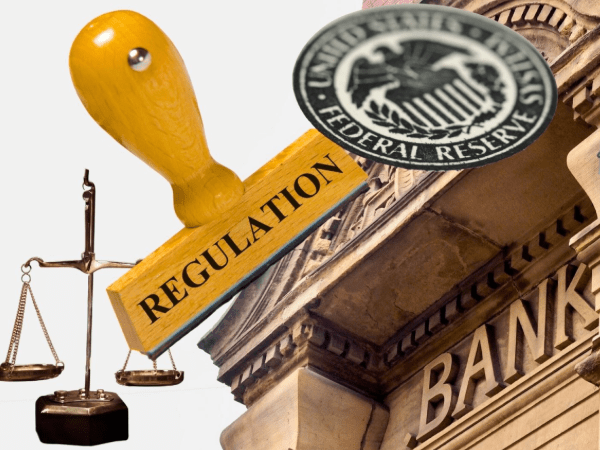
California’s Court Reporters Board has turned oversight into inadvertent endorsement. Its public “Registered Firms” list features non-CSR-owned conglomerates like Veritext and Magna—but omits legitimate CSR-owned professional corporations. The result? True shorthand reporting firms are hidden while unlicensed corporations gain state-backed visibility. It’s a structural inequity that undermines professional integrity and consumer trust—and it demands reform.
When Defense Counsel Brought AI to Voir Dire And How One Court Reporter Turned an Ethical Breach Into an Opportunity
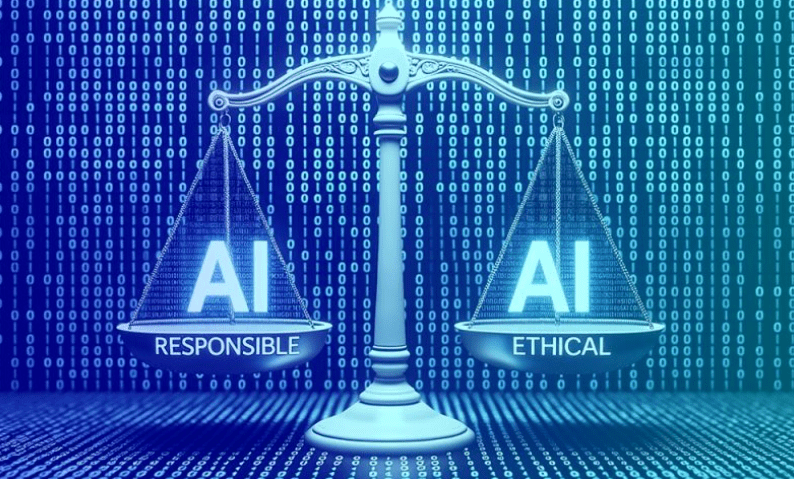
When defense counsel was caught red-handed using AI to transcribe voir dire, the courtroom froze. The judge’s question—“Are you giving them realtime?”—made the truth unmistakable. Rather than confront, the reporter stayed calm, answered honestly, and later turned it into an upsell. The same attorney who relied on illegal AI ended up buying realtime from the pro she tried to replace. But AI note-taking tools may be capturing juror identities and responses, permanently exposing private citizens.
Beneath the Surface – The Hidden Burnout Crisis in Court Reporting
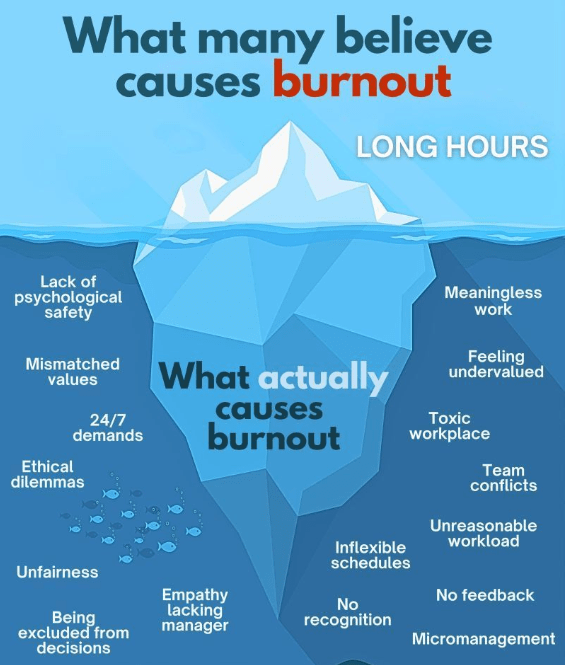
Burnout in court reporting isn’t about long hours—it’s about how those hours feel. When reporters lose psychological safety, recognition, or autonomy, exhaustion turns into disengagement. The real burnout triggers aren’t visible on the surface—they’re cultural, ethical, and emotional. Until agencies and courts address those invisible causes, the profession will keep losing its best reporters beneath the surface.
Train Like an Athlete – The Mental Conditioning of a Future Court Reporter

Stenography isn’t just skill — it’s mental athleticism. Like NBA rookies, students must fail, reflect, and adjust daily. Every dropped word is data, not defeat. Treat your practice like training camp: review your “film,” log your growth, and build proof, not praise. Five minutes of reflection a day turns pressure into performance.
The Battle for the Record Is Here — and CCRA Needs You

CCRA has taken a historic stand for every California court reporter. With attorney Scott Kronland of Altshuler Berzon, we’re defending the integrity of the record before the California Supreme Court. The fight against electronic recording isn’t just about jobs—it’s about justice. Your profession. Your record. Your voice. Stand with us. Join CCRA. Donate today.
The Neuroscience of Speed – Why Positivity Makes Better Court Reporters

Neuroscience proves what every court reporter already knows: mindset matters. Chronic negativity literally shrinks your focus center, while gratitude and optimism strengthen it. Students who stay positive pass speeds faster. Working reporters who train their brains for abundance write cleaner realtime. You don’t just train your fingers—you train your brain.
Why the Legal System Doesn’t Understand What’s Happening to Court Reporting

The justice system assumes court reporting is “handled,” but the record itself is collapsing under the rise of uncertified digital labor and AI transcripts. Attorneys, judges, and legislators don’t realize that without certified stenographers, accuracy, ethics, and access to justice all fail. This roadmap shows how to unite the legal community to protect the record—and the rule of law itself.
“They Don’t Know We Need Them” – The Growing Silence Around the Disappearing Court Reporter

As digital recording and AI transcription quietly replace certified court reporters, the justice system risks losing its most vital safeguard — the human record. Attorneys, judges, and legislators don’t realize they’re standing on a collapsing foundation. Without stenographers, there is no certified transcript, no reliable appeal, and no accountability. Saving steno isn’t nostalgia — it’s protecting the rule of law itself.
Court Reporters v. Digital Recording and Voice Recognition – A Comprehensive Breakdown

Digital recording and ASR may promise convenience, but they fail the test of law and logic. Machine transcripts aren’t sworn, certified, or admissible—they’re hearsay without a human declarant. Court reporters remain the only officers of the record who can guarantee accuracy, authenticity, and accountability in real time. Justice still depends on human precision.
The Rebirth of Steno – How a New Generation of Reporters Is Reclaiming the Record

After years of “steno is dying” headlines, the data tells a different story. Enrollment is climbing, schools are reopening, and the profession has grown by 231% in just two years. A new generation of reporters is reclaiming the record—proving that integrity, accuracy, and human intelligence can’t be replaced by algorithms. This is the rebirth of steno.
🎃 The Ghost of the Record – A Halloween Costume for the Court Reporting Industry

This Halloween, the scariest thing in court reporting isn’t a ghost or vampire — it’s the empty reflection of automation, profit, and lost authorship floating where truth once lived. Don’t be haunted by hollow promises. Protect the record. Defend your craft. Keep the soul in stenography. Happy Halloween!
Zoom, the Record, and the Reporter – Where Ethics Are Clear and the Law Is Catching Up

As remote depositions become routine, reporters face growing pressure to act as both stenographer and Zoom host. NCRA ethics are clear: reporters cannot record or serve as videographers—but may host solely to prevent unauthorized recording or AI bots. When firms or attorneys refuse to disable ASR, the reporter’s duty is to withdraw, protecting the integrity of the record above all.
Dividing Zero – The Illusion of Division in the Court Reporting Profession

There is no “division” in the court reporting profession — only distinction. Reporters are more united than ever: mentoring students, fighting the shortage myth, and defending the record against digital and AI intrusion. Outsiders may market unity to mask exploitation, but unity built on falsehoods isn’t healing. It’s control. You can’t divide zero.
The Secret Trick That Builds a Cult – How Charisma Can Capture an Entire Industry

When loyalty to a personality replaces loyalty to principle, the cult has already begun.
The court-reporting industry, like many others facing disruption, must guard against emotional capture disguised as empowerment.
Movements built on belonging can uplift — or quietly control.
Charisma isn’t leadership; unity without dissent isn’t strength.
The future of this profession depends on discernment.
The Ring, the Record, and the Reckoning – What Tolkien Can Teach the Court Reporting Profession About Power and Purpose

Tolkien’s warnings weren’t about magic—they were about human nature. The court reporting profession stands at the same crossroads: mistaking convenience for progress, surrendering truth for efficiency. Like the Ents, we waited for proof. Like Númenor, we believed we’d never drown. But Samwise reminds us—our duty isn’t power. It’s preservation. The record is the ring, and we must never let it fall.
The Yin and Yang of Court Reporters – What Do You Do Outside the Record?

Kevin O’Leary says top talent balances discipline with creativity — the Yin and Yang of performance. Court reporters embody that perfectly. From musicians and marathoners to painters and pilots, our passions beyond the record fuel precision on the job. What’s your other side? Share what keeps you inspired beyond the transcript.
The Dreaded “C” Word – Myths and Truths About Carpal Tunnel Syndrome

Court reporters fear the “Big C” — carpal tunnel — as if it means the end of their career. But with today’s minimally invasive procedures and a focus on inflammation control, recovery and return to work are absolutely possible. My story proves it: I went from nerve damage and disability to pain-free reporting again. Carpal tunnel isn’t career-ending — it’s a wake-up call.
The End of the Record?

Verbit’s new mobile app lets anyone “record everything” — but at what cost? Without regulation, uncertified recordings could replace official transcripts, eroding reporter income and the integrity of the record itself. If the profession doesn’t fight back now, “copy sales” may be the least of what’s lost. This isn’t innovation; it’s deregulation disguised as convenience.
The “Picky Reporter” Problem — and the Silence That Created It

The so-called “picky reporter” problem isn’t about ego — it’s economics. After decades of rate suppression and burnout, court reporters are finally valuing their time, skill, and certification. But the collapse of communication between agencies and reporters has turned a healthy market correction into a culture war. The cure isn’t compliance — it’s conversation, accountability, and restoring human connection to the profession.
The CA Law Has Changed – Freelancers Now Have Legal Protection — Even If Agencies Don’t Know It Yet

California’s new Freelance Worker Protection Act (SB 988) is in effect, but many agencies are still unaware they’re breaking the law. Reporters can protect themselves through education and documentation—adding FWPA clauses to rate sheets, email signatures, and job confirmations. Timely payment is now required, and retaliation for collection efforts is prohibited. Knowledge is power—spread awareness and stand firm.
Truth on Trial – How Narcissists Weaponize Silence in Court Reporting

There’s a chilling moment that many truth-tellers eventually face: the instant they stop playing along with a narcissist’s carefully curated façade and speak honestly. What happens next is rarely proportional. It’s explosive. Vindictive. Calculated. And in the court reporting world, it can be professionally and personally devastating. “The times I felt the most unsafe wereContinue reading “Truth on Trial – How Narcissists Weaponize Silence in Court Reporting”
Integrity on the Record – Why Court Reporting Needs Truth, Not Intimidation

Integrity is the backbone of court reporting—yet too often, reporters who speak out are punished instead of praised. Loyalty is demanded, while truth is silenced. We cannot survive as a profession if courage is branded “conflict” and accountability is seen as “disloyalty.” Court reporters must reclaim integrity as our standard, not intimidation.
Saving the Profession Isn’t a Runway Walk, It’s a Battlefield

Saving stenography isn’t a runway walk—it’s a battlefield. Agencies have leveraged legislation to gain ground, and courts now put their names on forms once reserved for reporters. Power circles inside our own profession deflect responsibility, as seen in the Notary Loophole fallout. The truth is simple: reporters must reclaim leadership, defend independence, and fight for the integrity of the record.
Saving Court Reporting – It’s About More Than Fighting AI

The legal world has spent years debating artificial intelligence and digital recording in courtrooms. And with good reason. Accuracy, privacy, and accountability are not luxuries; they are the bedrock of justice. Human court reporters remain the gold standard for preserving the record. But while we fight Silicon Valley’s latest experiment, another crisis is starving ourContinue reading “Saving Court Reporting – It’s About More Than Fighting AI”
Empires Built on Convenience – The Parallel Collapse of Big Pharma and Court Reporting

The collapse of Big Pharma’s credibility mirrors the slow unraveling of the court reporting profession. Both industries ignored warnings from within, replaced professionals with profit-driven shortcuts, and now face a reckoning. As automated systems fail to protect the integrity of legal records, certified court reporters must reclaim their role as the Responsible Charge—before our justice system loses something it can’t afford: the truth.
The Case for Court Reporter Cost Transparency and Industry Reform

Attorneys are furious over rising court reporting costs—but the truth is, reporters aren’t the ones profiting. Agencies are marking up per diems by 100–200%, keeping fees for add-ons like exhibits and digital access, while reporters see less than half. It’s time for legislative reform, transparency, and a fair compensation model that protects the profession—and restores integrity to the legal record.
 STENOIMPERIUM