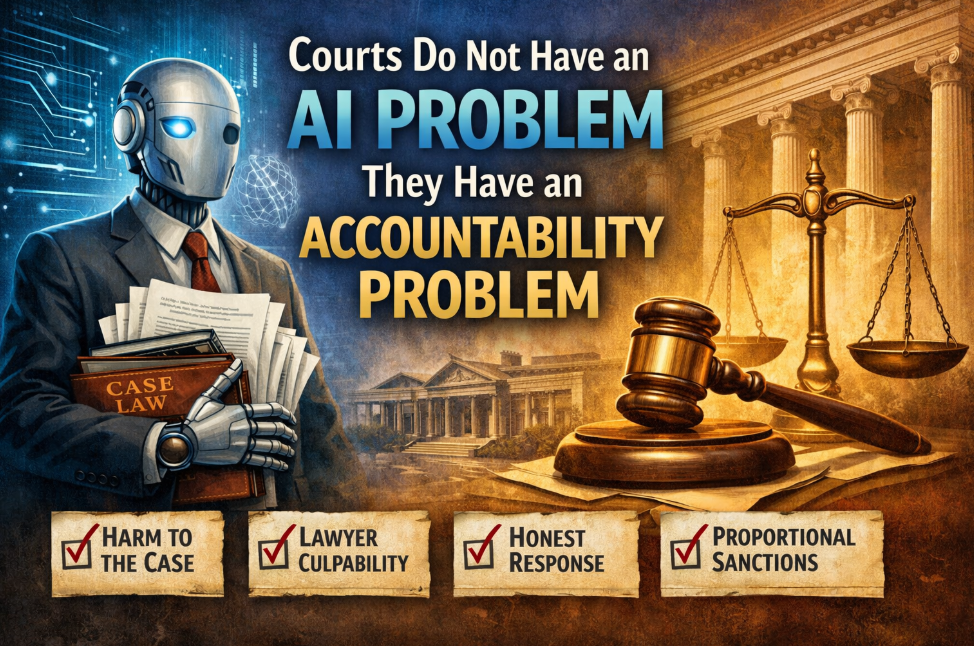
Courts do not face an artificial intelligence crisis so much as a crisis of accountability. AI-related errors expose gaps in supervision, verification, and professional responsibility, not rogue technology. Judicial legitimacy is not threatened by tools, but by inconsistent governance. The question before the courts is not whether AI will be used, but whether responsibility will remain clearly human.
Tag Archives: RuleOfLaw
Court Transcript Rules Shift in Los Angeles County – What Litigants Need to Know
On January 21, 2026, the Los Angeles County Superior Court quietly clarified how parties may purchase reporter’s transcripts on appeal—reshaping the financial and procedural mechanics behind who pays, who receives copies, and how the official record moves forward. While technical on its face, the change touches the core of appellate practice: access to the words that ultimately decide cases.
Court Reporters’ Open Letter – The Rule of Law Begins With the Legal Record

The legal record is not a convenience or a product. It is constitutional infrastructure. As courts quietly replace licensed stenographic court reporters with unregulated recording systems, they are not modernizing procedure. They are removing accountability from the point where law becomes fact. Without a trustworthy, professionally certified record, due process weakens, appellate rights erode, and judicial legitimacy itself is placed at risk.
The Fragile Spine of Justice – Why Courts Must Defend the Integrity of the Legal Record
The legal record is the spine of the justice system. Every appeal, ruling, and public trust in the courts rests on its integrity. When record-making is treated as a technical task rather than an evidentiary duty, courts risk weakening the very structure that allows justice to stand. Defending the record is not administrative—it is constitutional.
An Open Letter to Judges – On the Custody of the Record
The judiciary’s authority endures not through rulings alone, but through the integrity of the record. When courts weaken professional accountability over how proceedings are captured, they do not merely modernize operations—they destabilize the evidentiary foundation of justice itself. The legal record is not output. It is evidence. And evidence requires human, licensed custody.
The Record Is the Case – Why Saving Court Reporting Means Saving Legal Reality

The record is not a convenience. It is evidence.
Every ruling, appeal, settlement, and precedent rests on the integrity of the transcript. When courts weaken the standards governing how the record is created, they are not modernizing—they are destabilizing the very foundation of justice. Saving court reporting is not about preserving a profession. It is about protecting legal reality itself.
You Can’t Stipulate Your Way Around the Law – The Dangerous Fiction of the “No-Reporter Stipulation”

A court transcript is not a convenience. It is evidence. When attorneys stipulate to proceed without a court reporter, they are not authorizing an “alternative record.” They are agreeing that no lawful evidentiary record will be created. What follows—a stipulated statement of proceedings—is not a transcript, but a negotiated reconstruction. And evidence cannot be manufactured after the fact.
Why Judges Shouldn’t Rely on AI Yet – A Cautionary Case Against Generative AI in the Courts
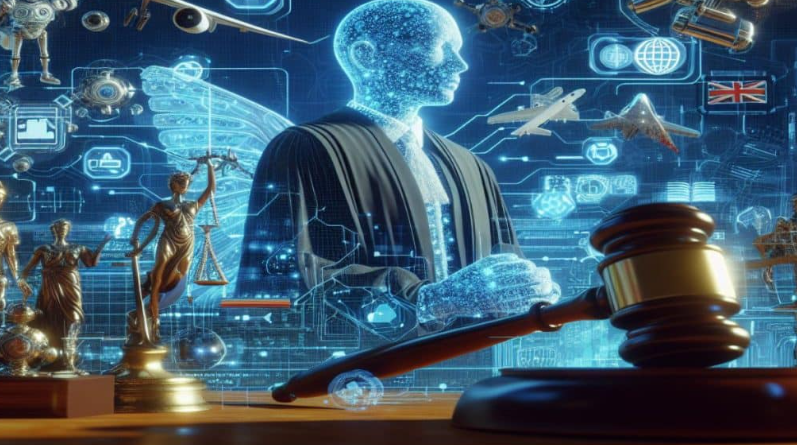
As courts experiment with generative AI, the judiciary risks embracing a technology that is not yet reliable, transparent, or safe enough for justice. From hallucinated legal authority to inaccurate ASR records, today’s AI systems already struggle with basic courtroom functions. Introducing them into judicial workflows now risks compromising confidentiality, fairness, and public trust at the very moment the courts can least afford it.
When the Courtroom Becomes a Dataset – Why Media Recording in 2026 Is No Longer Just “Coverage”
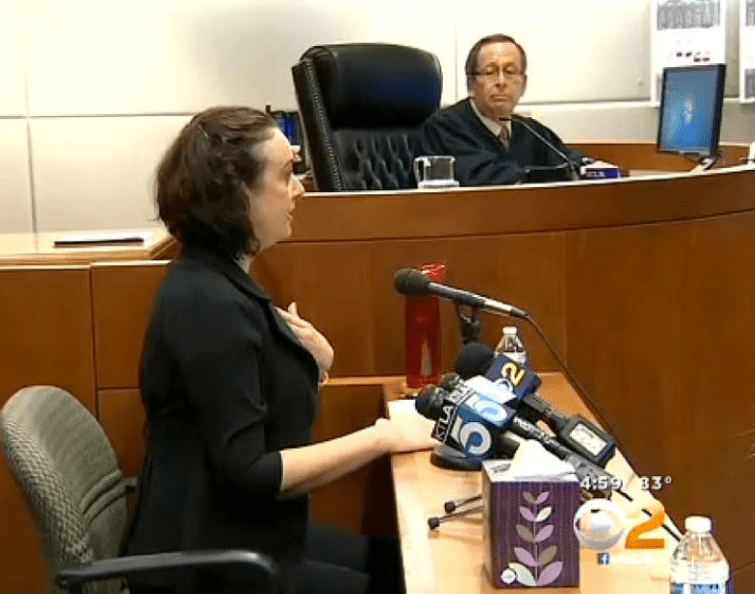
Courtroom recording is no longer simply about cameras and coverage. In 2026, it is about what happens after the audio leaves the room: automated transcription, cloud storage, permanent datasets, and uncontrolled reuse. When proceedings become machine-readable assets, courts risk losing authority over the official record, participant privacy, and the conditions necessary for fair, orderly justice.
If You Want Lower Transcript Costs, Help Create More Court Reporters

Transcript prices are not rising because court reporters are greedy; they are rising because there are fewer of them. Like any market, court reporting follows basic economic rules: when supply shrinks and demand grows, prices increase. If attorneys want lower transcript costs, the solution is not cheaper capture methods—it is helping rebuild, retain, and respect the human court reporting workforce.
The Lessons of Badran – A Roadmap for How NCRA Must Defend the Legal Record

The Badran ruling exposed a growing risk: courts are redefining admissibility without guidance from the profession that creates the record. As audio-based reporting and vendor workflows spread, efficiency arguments are replacing evidentiary law. This article offers a clear roadmap for how NCRA can act—now, in active cases, and long-term—to defend due process, professional oversight, and the integrity of the record.
When the Record Becomes Elastic – Why Badran v. Badran Misunderstood Admissibility
Badran v. Badran exposes the danger of redefining testimony after the fact. In a remote deposition, a vendor-produced transcript was altered based on audio review, adding remarks not perceived in real time as testimony. Efficiency and stipulation cannot convert recordings into evidence. Without a licensed reporter in responsible charge, the record becomes elastic—and due process collapses.
When Efficiency Overrides the Law – Why Badran v. Badran Got Admissibility Wrong

The Badran v. Badran ruling did not affirm professionalism in modern depositions; it excused its absence. Admissibility does not turn on convenience, volume, or after-the-fact agreement. It turns on lawful process and qualified human oversight. Agencies are not officers of the record, and parties cannot stipulate away licensure, evidentiary foundation, or due process in the name of efficiency.
Petition to the National Court Reporters Association – In Re Stronger Regulatory Reforms for AI Innovation in Federal Court Proceedings

The integrity of the official court record is not a technology preference—it is a constitutional safeguard. This petition calls on the National Court Reporters Association to take a clearer, firmer position opposing AI-generated transcripts as the official record and to advocate for mandatory use of licensed stenographic court reporters to protect due process, accountability, and public trust in the justice system.
When Caution Becomes Capitulation – NCRA’s AI Filing and the Quiet Risk to the Court Record
As courts rush to embrace artificial intelligence, a quiet but consequential shift is underway. A recent federal submission by the National Court Reporters Association acknowledges AI’s flaws—yet stops short of drawing the line where it matters most. When caution replaces clarity, the integrity of the official court record, and the constitutional rights it protects, are placed at risk.
Why the Legal System Doesn’t Understand What’s Happening to Court Reporting

The justice system assumes court reporting is “handled,” but the record itself is collapsing under the rise of uncertified digital labor and AI transcripts. Attorneys, judges, and legislators don’t realize that without certified stenographers, accuracy, ethics, and access to justice all fail. This roadmap shows how to unite the legal community to protect the record—and the rule of law itself.
“They Don’t Know We Need Them” – The Growing Silence Around the Disappearing Court Reporter

As digital recording and AI transcription quietly replace certified court reporters, the justice system risks losing its most vital safeguard — the human record. Attorneys, judges, and legislators don’t realize they’re standing on a collapsing foundation. Without stenographers, there is no certified transcript, no reliable appeal, and no accountability. Saving steno isn’t nostalgia — it’s protecting the rule of law itself.
Where the Record Is Really Being Written – A Quiet Transformation Hidden in Plain Sight

Courtrooms across America are quietly shifting from certified verbatim reporting to AI transcripts, digital recordings, and agency-controlled “roughs.” The result? Hearsay masquerading as the official record — with no clear custodian, no accountability, and enormous power flowing to private platforms. This isn’t just a professional issue; it’s a constitutional one. If we lose control of the record, we lose control of justice itself.
Breaking News!!! L.A. Judge Refuses Jury Readback Instruction in Civil Trial — Citing “Time” as Reason

In Department 16 of Los Angeles Superior Court, Judge Steve Cochran told jurors, “We don’t do that,” referring to readback of testimony—directly contradicting CCP § 614, which guarantees every civil jury the right to request testimony readback during deliberations. His refusal highlights a growing erosion of due process as judges quietly sidestep mandatory procedures meant to preserve the integrity of the record.
 STENOIMPERIUM