
Court reporting faces a critical pricing question: should new reporters charge less for the same official record? The answer determines whether the profession maintains a stable foundation or trains the market to seek the lowest bidder. Experience should raise earnings through advanced services like realtime and expedited delivery — not reduce the baseline value of the record itself.
Tag Archives: RealtimeReporting
When Professional Advocacy Drifts Off Message

During Court Reporting & Captioning Week, every public event should reinforce the profession’s credibility, technical expertise, and essential role in preserving the official record. Programming that does not clearly connect to stenographic skill, transcript integrity, or public education risks confusing the audience and weakening advocacy efforts at a time when the profession must present a unified, disciplined message.
The Quiet Fear Inside the Record
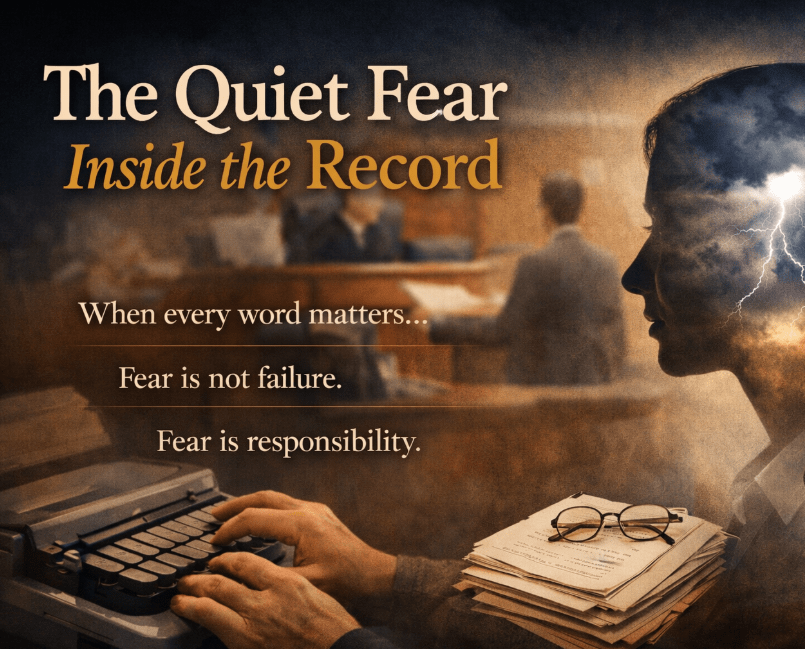
Court reporters rarely speak about fear, yet it quietly accompanies some of the most important moments of their careers. It surfaces in high-stakes trials, unfamiliar courtrooms, and proceedings where every word carries lasting consequence. This fear is not evidence of failure. It is evidence of responsibility. And learning to work with it, rather than retreat from it, may be one of the profession’s most essential skills.
The Voice Writing Question – Is the Fastest Entry Path Quietly Reshaping—and Risking—the Court Reporting Profession?
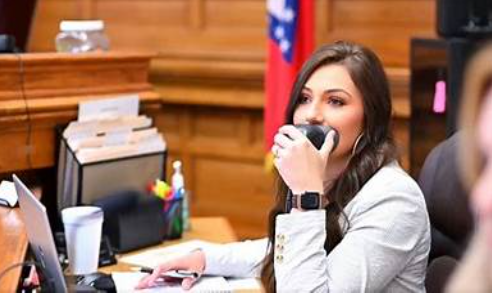
Voice writing is rapidly being marketed as the fastest path into court reporting, even as it remains unrecognized as stenography by the profession’s own national association. This article examines the growing disconnect between how voice writing is sold and how the legal record actually functions, why many machine reporters are learning voice for longevity—not superiority—and what happens when speed of entry outpaces experience in a profession built on precision.
When Caution Becomes Capitulation – NCRA’s AI Filing and the Quiet Risk to the Court Record
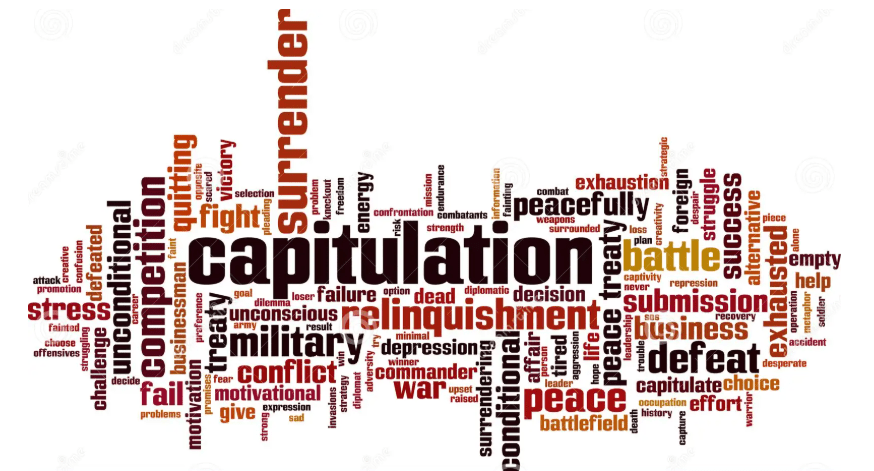
As courts rush to embrace artificial intelligence, a quiet but consequential shift is underway. A recent federal submission by the National Court Reporters Association acknowledges AI’s flaws—yet stops short of drawing the line where it matters most. When caution replaces clarity, the integrity of the official court record, and the constitutional rights it protects, are placed at risk.
When Practice Drifts From the Code – How Informal Norms Are Reshaping the Courtroom Record

In courtrooms nationwide, a quiet shift is underway. The rules governing the official record remain unchanged, yet everyday practice has drifted from the code. Realtime feeds and rough drafts, once tools for preparation, are increasingly treated as authoritative sources in high-stakes moments. This slow normalization of informality carries real legal risk—for attorneys, judges, and especially the reporters entrusted with preserving the record.
The Profession No One Talks About—Until Everything Depends on It

From ancient Phoenician scribes depicted in Disney’s EPCOT to modern realtime stenographers writing 225 words per minute at 95 percent accuracy, court reporters have always safeguarded civilization’s most critical words. They are the neutral architects of the legal record, preserving testimony that determines rights, liberty, and history itself. In an era of automation myths, their human precision remains indispensable.
Bridging the Career Services Gap in the Court Reporting Profession

Court reporting associations are facing a reckoning. Reporters are not disengaging because they dislike the profession; they are disengaging because their associations no longer align with their most urgent priorities: jobs, advancement, training, and real career security. In an era of technological disruption and shrinking pipelines, associations that fail to become career catalysts risk losing not just members, but the future of the profession itself.
Why Most Court Reporters Don’t Quit — And Why That Matters

An AI summary claims court reporters quit because the job is unbearable. The reality is the opposite. Most reporters stay for decades—often an entire working lifetime—because the profession rewards mastery, autonomy, and adaptability. Court reporting is demanding, yes, but for those built for it, it becomes a superpower, not a burnout sentence.
“What Even Is 6-7?” When a Meme Walks Into a Courtroom (And Everyone Over 30 Panics)

In court this week, an entire room of adults—attorneys, clerk, judge, and yes, even me—realized we had absolutely no idea what “6-7” meant. Turns out it means… nothing. Everything. Whatever kids want it to mean. This chaotic, context-free meme is the perfect reminder that language is shifting faster than ever—and why human court reporters remain essential guardians of clarity in an increasingly nonsensical world.
The Bubble Beneath the Record – A Financial Crisis in Court Reporting Is Coming

A financial bubble is forming beneath the court reporting industry. Private equity markups have pushed attorneys toward cheaper “alternative” record methods, but those substitutes fail evidentiary standards and are beginning to collapse under legal scrutiny. As reporters reject unsustainable rates and attorneys realize uncertified transcripts don’t hold up in court, the industry is nearing a correction. The record cannot be commodified—and the bubble will burst.
When Defense Counsel Brought AI to Voir Dire And How One Court Reporter Turned an Ethical Breach Into an Opportunity
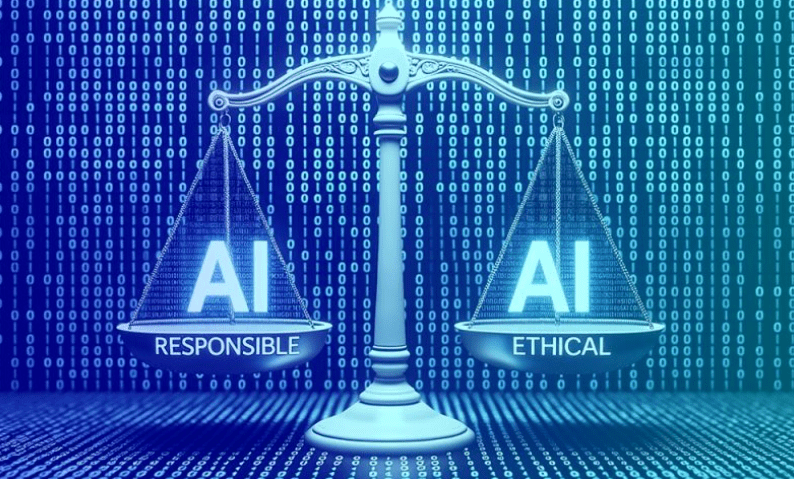
When defense counsel was caught red-handed using AI to transcribe voir dire, the courtroom froze. The judge’s question—“Are you giving them realtime?”—made the truth unmistakable. Rather than confront, the reporter stayed calm, answered honestly, and later turned it into an upsell. The same attorney who relied on illegal AI ended up buying realtime from the pro she tried to replace. But AI note-taking tools may be capturing juror identities and responses, permanently exposing private citizens.
🎃 The Ghost of the Record – A Halloween Costume for the Court Reporting Industry

This Halloween, the scariest thing in court reporting isn’t a ghost or vampire — it’s the empty reflection of automation, profit, and lost authorship floating where truth once lived. Don’t be haunted by hollow promises. Protect the record. Defend your craft. Keep the soul in stenography. Happy Halloween!
Top Court Reporting Trends to Watch in 2025 – Real Innovation, Legal Integrity, and the Return to Verbatim

The future of court reporting isn’t automated—it’s live, verbatim, and unstoppable. In 2025, certified stenographers and voice writers are shattering the shortage myth, expanding remote coverage, and using cutting-edge tools to uphold the integrity of the record. “Record now, transcribe later” isn’t innovation—it’s regression. The real revolution is happening in real time, with reporters leading the charge.
“No Such Thing as a Job Nobody Wants” – Debunking a Convenient Myth in the Court Reporting Industry
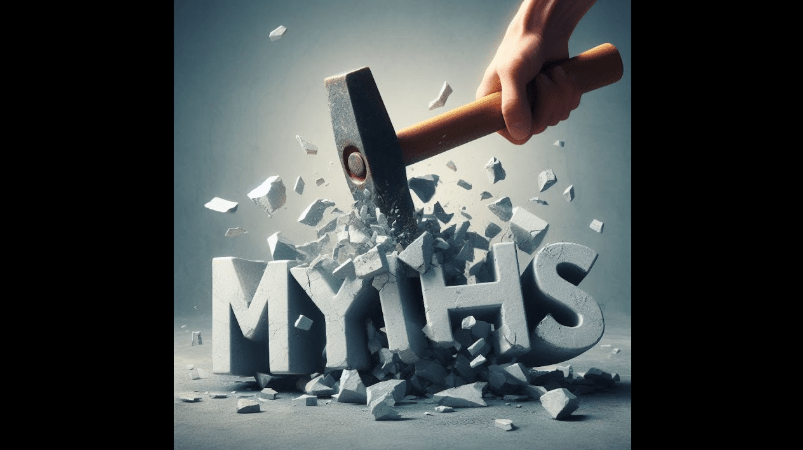
Agencies claim they use digital recorders only for the “jobs no one wants.” But reporters know better. Short PI and workers’ comp depos aren’t unwanted—they’re flexible, essential, and often preferred. Labeling them “undesirable” masks profit motives, undercuts opportunities for new talent, and devalues critical legal proceedings. There’s no such thing as a job nobody wants—only work that deserves respect and fair pay.
Why Save Steno?

Stenographers aren’t relics—they’re the guardians of the record. In courtrooms where every word matters, only a trained human can ensure accuracy, context, and integrity. When we replace steno with machines, we invite errors, mistrials, and lost justice. This isn’t about resisting technology. It’s about protecting due process. Save steno—because once it’s gone, you won’t realize what you’ve lost until it’s too late.
ASR in Court Reporting – Tool, Threat, or Transformation?

As court reporting faces increasing pressure from digital disruption, the debate over ASR (Automatic Speech Recognition) intensifies. Can it be used responsibly — or does its adoption spell the end of human-led recordkeeping? This article explores the nuanced question: If ASR is wielded by a trained, licensed stenographer, does it become a tool — or remain a threat? The future of our profession may hinge on the answer.
Crushing it with Carol!

Carol Reed Naughton’s victory in the NCRA VP race is more than a win—it’s a rejection of toxic leadership. In a profession where integrity is often tested, the community chose accountability over ambition, process over performance. This result proves that even in environments where manipulation can thrive, truth still resonates. For every steno who values ethics over ego—this moment is yours.
“Five-Oh-Two” & The Invisible Danger in ASR Court Transcripts

ASR may produce clean-looking transcripts, but it lacks the human judgment needed to capture meaning, nuance, and legal context. In court, where every word matters, even subtle misinterpretations can distort the record and impact outcomes. Accuracy isn’t just about words—it’s about understanding. That’s why certified court reporters remain essential in preserving the integrity of the legal process.
 STENOIMPERIUM