
True martyrdom cannot be faked. Charlie Kirk’s assassination proved it — millions honored his memory without manufactured drama. In our field, however, certain personalities wrap themselves in a cloak of victimhood to shield self-interest. Reporters must see through that illusion. The real martyrs are the students, schools, and working reporters who quietly sacrifice every day to protect the record.
Tag Archives: ProtectTheRecord
The Stars That Sing – Hearing the Truth in Court Reporting

The Bushmen pitied Laurens van der Post when he admitted he could not hear the stars sing. Today, I feel the same grief for our profession. The truth rings out—schools reporting poaching, leaders failing in accountability—yet so many refuse to hear it. Our poverty is not material, but in losing the ability to hear the song of truth itself.
How Zoom Depositions, Consent Laws, and Competing Recordings Are a Growing Dilemma for Court Reporters
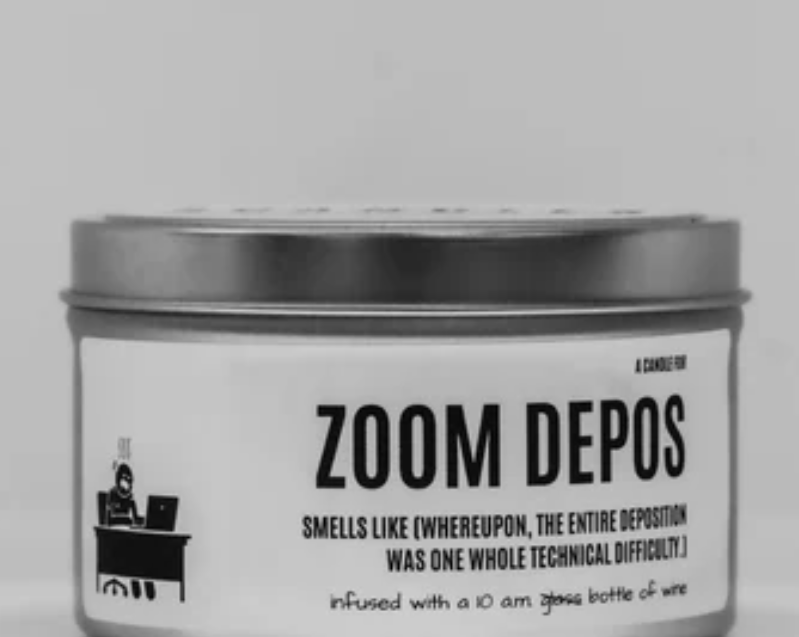
In the age of Zoom depositions, competing recordings raise more than technical concerns — they strike at the integrity of the record. When attorneys attempt to capture their own audio, they risk violating consent laws, breaching confidentiality, and undermining the court reporter’s role. Protecting the official record sometimes means halting proceedings, even when it costs time and money.
Technology and Workplace Efficiency – The Court Reporter’s Competitive Edge

Court reporters ranked technology and workplace efficiency as their #1 priority in the latest NCRA poll (37.2%). From realtime integration to secure tools like Eclipse Boost, technology is not a threat but an amplifier—when it’s reporter-controlled. Efficiency means more accuracy, faster turnaround, less stress, and stronger client loyalty. The future of steno is in our hands.
The Language of CCP 2093(a) & Why Notaries Are Not Deposition Officers

California Code of Civil Procedure § 2093(a) names notaries and deposition officers as able to administer oaths—but only certified shorthand reporters are authorized to take testimony and certify transcripts. The “notary loophole” misleads attorneys into believing oaths alone make a deposition valid. Without a CSR, the record collapses. Learn why due process demands stenographers—not shortcuts.
Who’s Really Swearing in Your Witness?
Attorneys can stipulate to many things, but not to override law. Only a judge can validate agreements that alter statutory or constitutional requirements. The 5th and 14th Amendments guarantee due process: no person can be deprived of rights without it. When a deposition officer asks parties to “stipulate” to a remote oath, that shortcut risks invalidating the entire proceeding.
Fair Compensation in the Age of Derivative Products – Why Reporters Must Create a New Rate Sheet
Agencies are profiting from condensed transcripts, indexes, concordances, and now AI summaries—often billing attorneys transcript-level rates while paying reporters nothing. This is unjust enrichment. Reporters must reclaim fairness by publishing new rate sheets that define compensation for every derivative product. From condensed pages to AI outputs, the message is clear: if it’s built on the transcript, reporters deserve their share.
Who Owns the Transcript?

AI-generated deposition summaries may look like efficiency, but they’re really exploitation. Agencies are repackaging reporters’ transcripts into derivative products—condensed transcripts, indexes, concordances, now AI summaries—without consent or compensation. This is unjust enrichment. Reporters must protect their work with contracts, while the Court Reporters Board closes loopholes in CCR 2474. The official record is sacred, and AI summaries threaten its integrity.
Parasites with Power – How Toxic Management is Destroying Court Reporting in Superior Courts

Toxic bosses in superior courts aren’t leaders—they’re parasites with power. Court reporters are bullied, gaslit, and punished for human missteps while corruption thrives. Instead of compassion or rehabilitation, reporters are discarded, treated worse than criminals for delays often born of impossible workloads or unforeseen crises. Real reform means accountability, support, and a path back—not destruction of careers that sustain justice.
Busting the Digital “Mythbusters” – Why AI and Recorders Can’t Replace Stenographers
Digital advocates claim transcripts generated from recordings and AI are just as accurate as stenography. But predictive algorithms don’t capture testimony verbatim—they guess. That’s hearsay, not a legal record. Unlike stenographers, digital systems outsource editing, compromise confidentiality, and fail the chain of custody. Justice demands certainty, not predictions. Only stenographers deliver a verbatim, admissible record you can trust in court.
The Moment the Notary Loophole Was Unleashed in a Firestorm

On July 21, 2018, CalDRA President Cheryl Haab led a pivotal town hall in Huntington Beach where Kimberly D’Urso pressed the issue of reporter-free depositions and Ed Howard advanced a flawed interpretation of California law. This “notary loophole” allowed videographers with notary commissions to bypass court reporters—fracturing the chain of oath, taking, and certification, and putting the admissibility of testimony at risk.
Major Impacts on Court Reporting if U.S. Adopts a “Voice & Likeness Property Law”

If the U.S. adopts a Denmark-style “Voice & Likeness Property Law,” digital reporting and ASR systems could face insurmountable hurdles. Every participant’s consent — and even royalties — would be required for recordings, making stenographers the clear, risk-free choice. In a world grappling with deepfakes, our ability to capture the record without recording voices positions stenographers as the most reliable safeguard of truth.
Who Really Has the Authority to Swear in Witnesses? The Notary vs. Court Reporter Divide

Who really has the authority to swear in witnesses—court reporters or notaries? It’s not a technicality. The power to administer an oath is what gives testimony its binding force. Court reporters, as officers of the court, carry statutory authority. Notaries don’t. Digital reporters straddle the line, often skipping safeguards entirely. The result? A dangerous fault line threatening the integrity of legal proceedings.
Why Congress Must Hold Hearings on the Integrity of Court Reporting in the Age of Digital Recording and AI

Congress must investigate: Who protects the record when justice is on the line? The integrity of the legal record is at risk. Attorneys report defective transcripts, hidden digital recorders, and AI posing as stenographers. This isn’t just an industry dispute — it threatens due process nationwide. Congress must act. A hearing is urgently needed to expose these practices, enforce responsible charge, and protect the record. Our democracy depends on accurate transcripts.
Digital Reporting, AI, and the Future of Court Reporting – Allegations, Lawsuits, and Industry Implications
Veritext’s reliance on digital recording and AI transcripts is finally facing attorney pushback—and possible lawsuits. For years, I’ve warned that agencies exploit loopholes like “agency certificates” to bypass stenographers. Without a responsible charge statement, the legal record is at risk of fraud and failure. It’s time for attorneys and reporters alike to demand accountability and protect the integrity of the record.
Beyond the Hype – Redefining Court Reporting in the Age of AI

Artificial intelligence is changing the conversation in court reporting—but it’s not a substitute for human judgment, ethics, and accountability. The real risk lies in misleading narratives and policy shifts that treat automation as “good enough.” By uniting as professionals and adopting AI on our terms, we can protect the record, strengthen our work, and ensure justice remains built on accuracy.
The Knox County Privacy Breach – A Wake-Up Call on Confidentiality and Professional Duty

A hidden microphone at the Knox County courthouse exposed private meetings and cost three officials their careers. Beyond Nebraska, the message is clear: confidentiality is the backbone of justice. Court reporters, attorneys, and judges alike must protect the record, audit technology, and guard against shifting liability. Trust, once lost, is nearly impossible to restore.
Why Transcribing from Electronic Recordings Is Hearsay — and the Stenographic Profession’s Strongest Defense

AI and electronic recordings can’t replace stenographic reporters. Why? Because transcripts created by someone not present are hearsay — and hearsay is inadmissible. Only a sworn reporter assumes Responsible Charge of the record, accountable under law. AI can’t be punished, fined, jailed, or defend its transcript in court. Without accountability, it’s just unverifiable hearsay.
The Irreplaceable Human Court Reporter – Why AI Will Never Capture the Record
A courtroom is not a lab. It is not a tech demo or a theoretical exercise in “innovation.” It is a crucible where freedom, reputation, livelihood, and even personal safety are decided every day. The people who work there know this truth in their bones: the record matters. And when it comes to creating thatContinue reading “The Irreplaceable Human Court Reporter – Why AI Will Never Capture the Record”
AI, Ethics, and the Future of Court Reporting – From Hype to Practical Tools
Artificial intelligence is reshaping court reporting—but it’s not a substitute for trained professionals. The real risk isn’t the technology itself, but the narrative that it can replace human judgment and ethics. By understanding AI’s limits, pushing back on misleading claims, and using the right tools under our control, we can protect the record and strengthen our profession.
Bullies in Court Reporting – The Personal, Systemic, and Cultural Forces Pushing Stenographers to the Brink

Bullying in court reporting isn’t just personal — it’s systemic and cultural. Agencies, attorneys, and association leaders exploit fear, favoritism, and humiliation while hiding behind “industry standards.” Calling out unethical conduct is not bullying. The real bully rallies a crowd to silence a lone voice. It’s time to treat bullying as a medical crisis, not a leadership style.
AB 711 Passed—But Is It Really a Win? Why This New Law Signals the Next Phase in the Elimination of Certified Court Reporters

When a judge tells attorneys they “don’t need a court reporter”—despite one being present and assigned—the threat to justice becomes undeniable. AB 711 enables this erosion, shifting the burden of preserving the record onto attorneys while courts quietly sideline certified reporters. The result? Trials with no transcript, no appeal, and no accountability. This isn’t modernization. It’s judicial overreach.
AB 711 Passed—But at What Cost? A Closer Look at the Real Consequences for California’s Legal System
AB 711 isn’t a victory—it’s a retreat. By shifting the responsibility of providing court reporters to attorneys, California courts are abandoning their duty to guarantee a fair, accurate record. This law deepens inequality, privatizes access to justice, and accelerates the erosion of the certified reporting profession. When justice depends on who can afford the record, justice is already lost.
A Dangerous Shift in California – Why Changes to CSR Exam Requirements Could Gut the Stenographic Pipeline

A qualified student, ready to take California’s rigorous CSR exam after five years of training, was blocked by her school for not passing an internal 225 test—not a state requirement. Other schools refused to sponsor her out of fear of retaliation. Meanwhile, voice writers face fewer barriers. This isn’t about standards—it’s gatekeeping. Politics and policy shifts are sabotaging the steno pipeline from within.
Trial Without a Reporter – What I Witnessed in L.A. Court Should Alarm Every Litigator
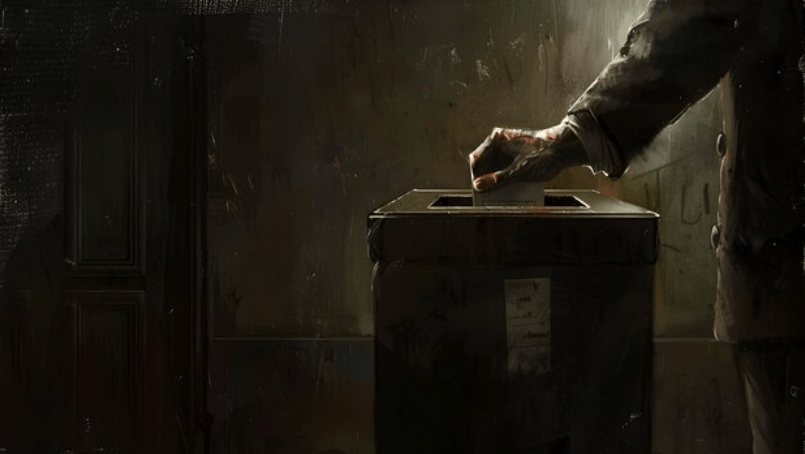
When a judge told attorneys, “you don’t need a court reporter” — despite one being present and assigned — it exposed a growing judicial trend: bypassing licensed reporters in favor of unregulated recordings. Critics say it’s not about shortages. It’s about power, profit, and erasing the record itself.
A Victory for Nevada Court Reporters: Senate Bill 191 Signed, Rate Increases Effective January 2026
Nevada court reporters just won big—Governor Lombardo signed a rate increase into law, effective January 1, 2026. This echoes California’s 2021 rate hike from $3.00 to $3.99/page and signals rising recognition of our profession. Freelancers: This is your win, too. Celebrate with NVCRA this Saturday at Café du Central and get ready for what’s next.
Why Save Steno?

Stenographers aren’t relics—they’re the guardians of the record. In courtrooms where every word matters, only a trained human can ensure accuracy, context, and integrity. When we replace steno with machines, we invite errors, mistrials, and lost justice. This isn’t about resisting technology. It’s about protecting due process. Save steno—because once it’s gone, you won’t realize what you’ve lost until it’s too late.
When the Record Breaks – A Deposition Disaster That Proves Why Humans Beat Machines
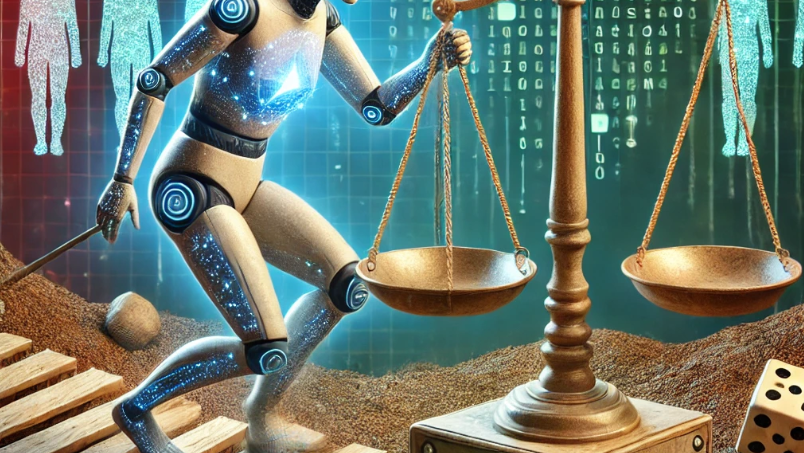
During a deposition, an attorney slammed the table in frustration—causing a digital “court reporter” to lose a large portion of the testimony due to equipment failure. Unlike certified stenographers, machines can’t adapt in real time or ensure the integrity of the record. This incident is a stark reminder: when accuracy matters, only a trained, licensed court reporter can truly safeguard the legal record.
Protected: The Booth, the Database, and the Backdoor – How ILCRA’s Free Table at a For-Profit Event May Have Compromised Member Data
There is no excerpt because this is a protected post.
Why Digital Recorders Are Not Court Reporters—And Why That Matters in California
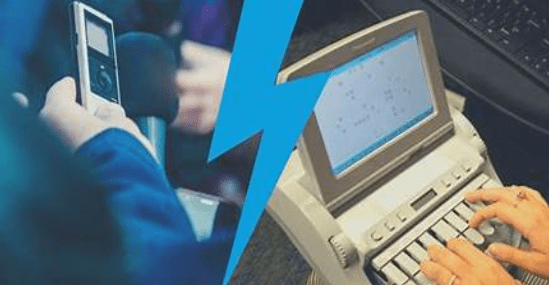
Digital “reporters” are not licensed court reporters—and in California, their use is illegal in most court proceedings. Attorneys cannot stipulate around the law or sidestep due process. When the record is flawed, justice is compromised. A certified shorthand reporter (CSR) is not optional—it’s essential. Don’t be misled: replacing a stenographer with a recorder isn’t innovation. It’s a legal and ethical liability.
Why Whisper Can’t Replace Court Reporters in the U.S. Legal System

Canada’s Legislative Assembly proved AI like Whisper can assist—but not replace—human editors. Meanwhile, U.S. courts risk due process by adopting ASR without oversight. Speaker errors, misattribution, and data risks abound. Justice demands more than a “good enough” transcript. We must follow Canada’s lead: human-led, AI-assisted. The record—and constitutional rights—depend on it.
Why Human Stenographers Still Outperform AI in the “Cocktail Party” Problem—and Always Will in Legal Proceedings

AI still can’t match human stenographers—especially in legal settings. From overlapping speech and accents to emotional testimony, the “cocktail party problem” is far from solved. Only a certified court reporter can deliver 99% accuracy, real-time clarification, and a legally admissible record. Don’t fall for the hype. Humans are still the gold standard.
Human Oversight is Now Law – Virginia Leads the Nation with Groundbreaking AI Legislation Protecting the Judicial Record
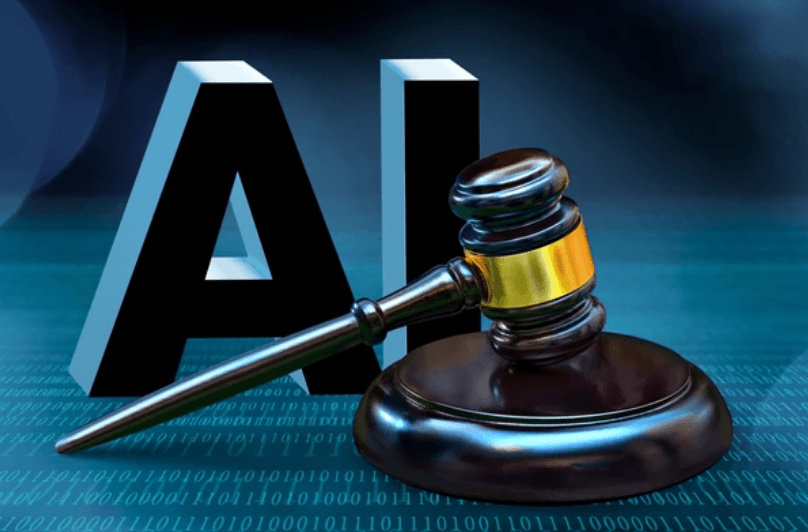
Virginia just became the first state to legally require human oversight of AI in courtrooms. With HB 1642, justice stays human-centered—protecting certified transcripts, ethical decision-making, and the future of court reporting. This is a national model for balancing innovation with integrity.
AI Might Be Cheaper—But It’s Gutting the Court Reporting Pipeline

Courtrooms aren’t podcasts—and AI isn’t ready to replace human court reporters. What’s at stake isn’t just jobs, but an entire pipeline: schools, certification boards, machine makers, and trained professionals. Once that system collapses, it’s gone. If we cut too deep, there will be no one left when AI fails. Choose accuracy. Choose humans. Choose us—while you still can.
Ethical Red Flags – Are Attorneys Violating Rules of Professional Conduct by Retaliating Against Court Reporters?

Some plaintiff attorneys are retaliating against court reporters by replacing them with uncertified digital alternatives—not out of necessity, but spite. In doing so, they may be violating ethical rules around competence, candor, and fairness. Using uncertified transcripts can mislead the court, harm clients, and erode due process. It’s not just bad judgment—it may be professional misconduct.
The Backfire of the Stop the SoCal Stip Movement – How a Campaign to Protect Court Reporting Accelerated Its Threat

The Stop the SoCal Stip movement was meant to protect court reporters—but instead, it triggered resentment among attorneys that’s now fueling our replacement. What began as a legal ethics stand has been twisted into a narrative of greed. The result? Retaliation via digital recording and ASR. If we don’t reclaim the narrative, the gold standard of stenography could disappear.
The Subtle Power of a Word – Why ASR Can’t Replace Human Court Reporters

One wrong word — like “sale” instead of “cell” — can alter the facts. ASR doesn’t understand the difference, and neither did my scopist, because they weren’t a trained court reporter. In legal proceedings, every word matters. Court reporters aren’t just typists — we are the responsible charge, the last line of defense for truth and accuracy in the record.
Empires Built on Convenience – The Parallel Collapse of Big Pharma and Court Reporting

The collapse of Big Pharma’s credibility mirrors the slow unraveling of the court reporting profession. Both industries ignored warnings from within, replaced professionals with profit-driven shortcuts, and now face a reckoning. As automated systems fail to protect the integrity of legal records, certified court reporters must reclaim their role as the Responsible Charge—before our justice system loses something it can’t afford: the truth.
The Case for Court Reporter Cost Transparency and Industry Reform
Attorneys are furious over rising court reporting costs—but the truth is, reporters aren’t the ones profiting. Agencies are marking up per diems by 100–200%, keeping fees for add-ons like exhibits and digital access, while reporters see less than half. It’s time for legislative reform, transparency, and a fair compensation model that protects the profession—and restores integrity to the legal record.
Why AAERT-Certified Digital Reporters Are Not the Answer to the Court Reporter Crisis
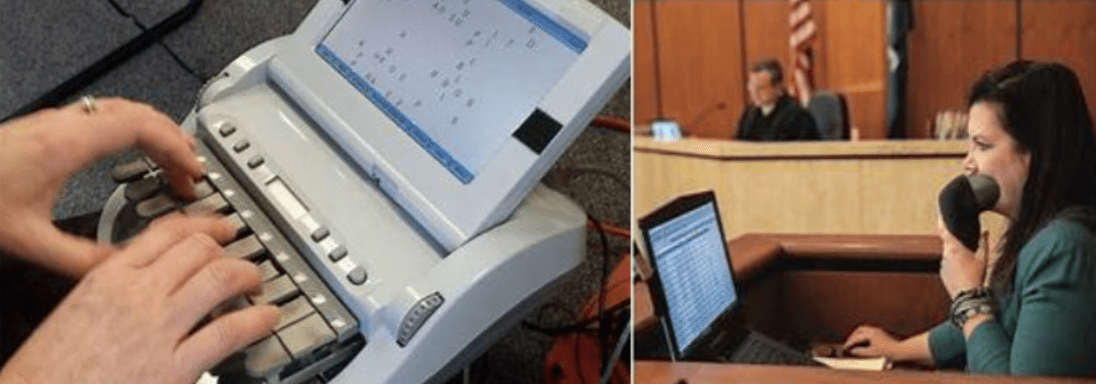
Digital reporters certified by AAERT are not equivalent to licensed court reporters. They don’t write realtime, certify records on the spot, or meet the legal standards required in high-stakes proceedings. While digital recording may seem like a quick fix for shortages, it risks long-term damage to the integrity of the record. The solution isn’t substitution—it’s investment in the gold-standard profession that’s already working.
When “No Options” Isn’t an Option – The Quiet Collapse of Court Reporting in West Texas

In West Texas, court reporters are disappearing — and judges are turning to digital recording as a last resort. One court has had zero applicants and is now speaking with Verbatim. This isn’t about convenience; it’s a collapse. Melissa’s story reveals the human toll of inaction and the urgent need to protect the integrity of our record. “No options” is not an excuse. It’s a wake-up call.
ASR in Court Reporting – Tool, Threat, or Transformation?

As court reporting faces increasing pressure from digital disruption, the debate over ASR (Automatic Speech Recognition) intensifies. Can it be used responsibly — or does its adoption spell the end of human-led recordkeeping? This article explores the nuanced question: If ASR is wielded by a trained, licensed stenographer, does it become a tool — or remain a threat? The future of our profession may hinge on the answer.
“Five-Oh-Two” & The Invisible Danger in ASR Court Transcripts

ASR may produce clean-looking transcripts, but it lacks the human judgment needed to capture meaning, nuance, and legal context. In court, where every word matters, even subtle misinterpretations can distort the record and impact outcomes. Accuracy isn’t just about words—it’s about understanding. That’s why certified court reporters remain essential in preserving the integrity of the legal process.
 STENOIMPERIUM