
The U.S. faces a critical shortage of court reporters, driven by an aging workforce, declining enrollment, and rising demand. This crisis threatens the efficiency of the judicial system. Court reporters must become change agents by advocating for education reforms, promoting the profession, embracing technology, and pushing for policy changes. Without action, justice delays and inaccuracies will escalate, underscoring the profession’s indispensable role in the legal system.
Tag Archives: politics
The Vanishing Court Reporters: A Crisis in the Justice System and How to Fix It

Court reporters are essential to the justice system, but their numbers are dwindling. A shrinking workforce, declining training programs, and low interest among young professionals have contributed to a nationwide shortage. Solutions include expanding digital court reporting, modernizing certification laws, increasing financial incentives, and promoting the profession to new talent. Without immediate action, courts will face growing delays and challenges in preserving accurate legal records.
Court Reporters: Guardians of Integrity in America’s Judiciary

Court reporters play a crucial role in maintaining judicial integrity by ensuring accurate, unaltered records of legal proceedings. Senator Mark Warner emphasized their importance, particularly amid rising federal litigation. Human stenographers prevent record manipulation, unlike AI-based transcription, which risks errors and loss of critical data. Legislative efforts, such as the Research and Oversight of Potential AI in Courts Act, aim to safeguard judicial transparency and accountability.
The Impact of Corporate Mergers on the Court Reporting Industry: A Growing Crisis

The consolidation of the court reporting industry by large corporations like Veritext has led to higher prices, reduced service quality, and worker exploitation. As smaller firms are acquired, competition dwindles, leaving consumers and court reporters vulnerable. This growing monopoly stifles innovation and creates barriers for aspiring professionals. Regulatory action is crucial to restore fairness, protect workers, and ensure consumers aren’t overcharged for essential legal services.
COURT REPORTER CEO on Attorneys who don’t pay for transcripts: “These are Shoplifters.”

A court reporting industry leader has criticized attorneys who refuse to pay for transcripts, calling them “shoplifters.” In a recent interview, they argued that such actions undermine the legal system, stressing the importance of fair compensation for court reporters. The debate over transcript fees continues to grow.
Corporate Sponsorships Solicited by a For-Profit Steno, LLC, but with No Business Entity in California
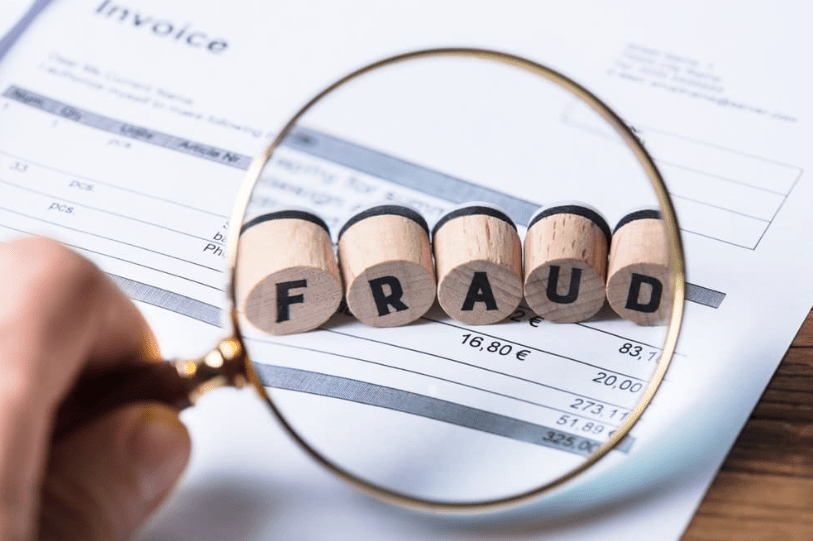
Shaunise Day’s for-profit LLC, Steno In The City, raised over $100,000 in corporate sponsorships for an event in California, but without being properly registered as a business entity in the state. This violation of California business laws could result in significant legal and criminal consequences, including fines, tax evasion charges, and potential civil lawsuits from sponsors. Proper registration is crucial to avoid such legal pitfalls.
7 Ways A Steno Imposter is Manipulating You To Make You Trust Them

In the world of stenography, trust is everything—but it’s also something that fake scammers prey on. Court reporters are increasingly targeted by imposters who use manipulative tactics to gain trust and exploit it for their own gain. From playing the role of a caring listener to fast-tracking relationships, these imposters employ deceptive strategies to manipulate the legal community and profit off of us. Learn how to spot the signs and protect yourself.
RULES FOR THEE, BUT NOT FOR ME SAYS SUPERIOR COURT JUDGES!

Los Angeles Superior Court judges have replaced real-time court reporters with AI-based ASR software, potentially violating court rules prohibiting recordings. Judge Carolyn B. Kuhl’s use of “word processing” notetaking software suggests reliance on ASR transcription. Despite the court’s own ban on recordings, ASR inherently captures and processes audio. This raises concerns about judicial accountability and a troubling double standard in courtroom transparency.
Digital Court Reporting: Trying to Disrupt the Stenographic Industry in the Same Way Uber Revolutionized Transportation

Digital court reporting is disrupting the traditional stenographic industry much like Uber revolutionized transportation. By leveraging advanced audio, video, and AI-driven transcription systems, digital reporting offers faster, more cost-effective, and scalable solutions. With benefits like real-time access and reduced labor costs, digital court reporting is reshaping how legal professionals handle court transcripts, improving accessibility and efficiency in the legal process, similar to Uber’s impact on the taxi industry.
Why Digital Court Reporting Will Never Be the Uber of the Legal System

Digital court reporting may promise speed and cost savings, but it threatens the accuracy and integrity of legal transcripts. Unlike stenography, which ensures precise, reliable records through professional expertise, digital systems are prone to errors and lack human oversight. While digital reporting may aspire to complement the legal process, stenography will always remain the gold standard, safeguarding the quality and trustworthiness of the legal system’s official records.
New York Courts Exploitation of Court Reporter Transcripts: Historic and Unacceptable
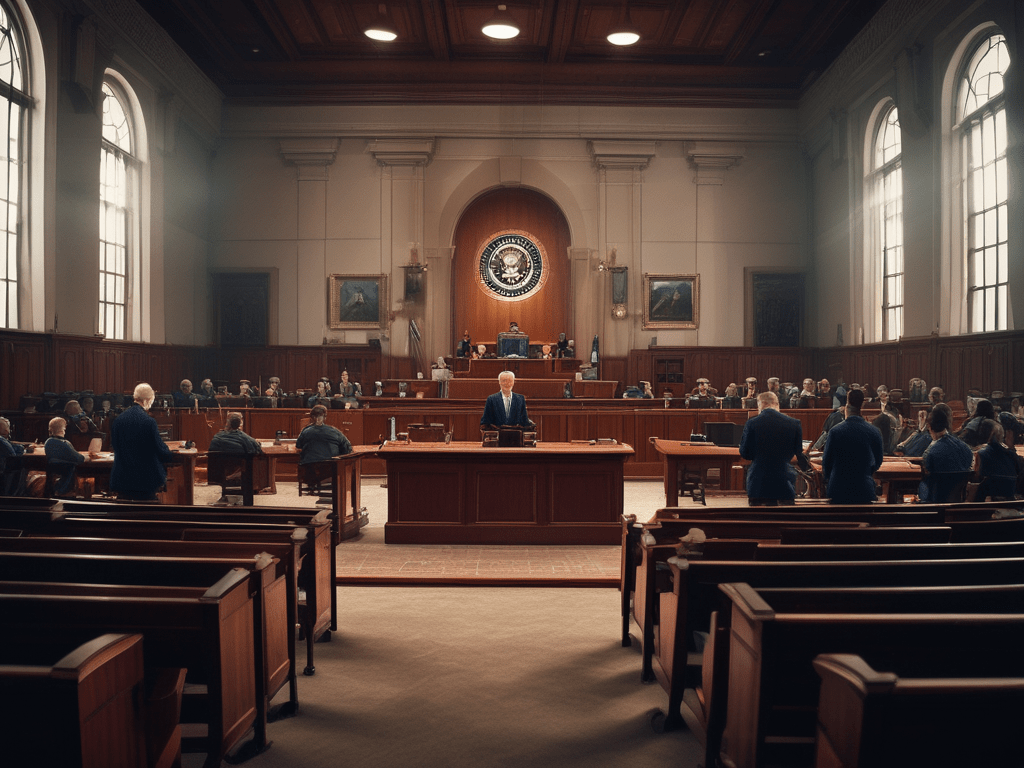
I just learned that the New York courts plan to publish daily transcripts of the Trump trial. This is a blatant and egregious exploitation of the court reporter’s transcript! New York court’s are using an official court reporter to capture the live verbatim testimony in that trial. Official court reporters across the country are employedContinue reading “New York Courts Exploitation of Court Reporter Transcripts: Historic and Unacceptable”
Corporate Cannibalization in Court Reporting

Introduction The legal services industry, like many others, is experiencing a seismic shift in response to the digital age. Traditional practices are being disrupted, and nowhere is this transformation more apparent than in the field of court reporting. Presently, court reporters, skilled individuals trained to capture the spoken word and transcribe legal proceedings, are indispensableContinue reading “Corporate Cannibalization in Court Reporting”
 STENOIMPERIUM