
California CSRs are being pushed into unsustainable in-person work while remote jobs go to out-of-state reporters—many unfamiliar with California’s strict formatting laws. As noncompliant transcripts flood the system and local professionals are quietly sidelined, the state’s regulatory board remains largely inactive. Without stronger enforcement, equitable job distribution, and industry-wide reform, the profession risks losing both its standards and its future in California.
Tag Archives: politics
Why Are Court Reporting Agencies Now on the Record? A Look at the New L.A. Superior Court Form and the Responsible Charge
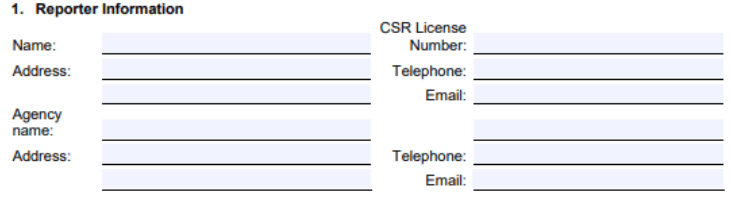
The revised Order Appointing Court Approved Reporter As Official Reporter Pro Tempore form at Los Angeles Superior Court now requests agency information—raising concerns among court reporters. Agencies handle billing and marketing, but they are not responsible for the official court record. Accountability must remain with the licensed reporter. If accessibility is the issue, update reporter contact details, not the form, to avoid misplacing legal responsibility.
The Peril of Courts Owning the Record – Why the Move Away from Stenographic Reporters Is a Dangerous Step Toward Tyranny

The move to electronic court recording shifts control of the legal record into the hands of the very courts it’s meant to hold accountable—a dangerous conflict of interest. Without independent stenographic court reporters safeguarding the record, transparency erodes, accountability vanishes, and justice itself is jeopardized. When the court owns the record, it controls the narrative—and unchecked power over the truth is the foundation of tyranny.
California’s AB 882 – A Temporary Solution or a Trojan Horse?

California’s AB 882 aims to address the court reporter shortage by temporarily allowing electronic recordings, but its vague language on “good-faith” hiring efforts leaves room for abuse. Without clear standards, the bill risks becoming a Trojan horse for permanent electronic recording. Real solutions require accountability, innovation, and long-term investment—not a short-term fix that could undermine human court reporting forever.
Fixing the Broken Court Reporting Compensation Model: A FairSplit™ Proposal

Court reporters are vital to the legal system but are often underpaid and overworked. The FairSplit™ model aims to fix that with a fairer compensation structure—70/30 revenue splits, transcript ownership rights, and 100% per diem pay. It’s a blueprint for restoring dignity, transparency, and sustainability in the profession. FairSplit™ is more than a model—it’s a movement for justice in justice.
Inside the Diddy Trial – The Rock Star is the Real-Time Court Reporter Behind the Scenes – While Media Leans on AI

While media outlets like Court TV rely on AI-generated summaries of the Diddy trial, a skilled real-time stenographic reporter from Southern District Reporters, P.C. is officially documenting every word in federal court. Despite public confusion, the court’s official transcript comes from this human professional—not artificial intelligence. Journalists like Meghann Cuniff have praised the court reporter’s accuracy and speed in such a high-profile, fast-paced case.
The Realities of Court Reporting School, Certification, and Career Paths in California

Court reporting offers a high-demand, well-compensated career, but entering the field requires a major investment of time and money. With rigorous certification standards, state licensing requirements, and tuition costs exceeding $60,000, it’s not a casual commitment. However, the long-term rewards—job security, strong benefits, and six-figure potential—make it a viable path for those prepared to meet the challenge and navigate California’s competitive legal landscape.
Court Reporting vs. Other Professions – A Wake-Up Call on ROI for Students

Court reporting is one of the best-kept secrets in high-income careers. With just 1–3 years of training and a $20K–$65K investment, skilled reporters in California can earn $180K–$360K+, with top earners hitting $500K–$1M+. Compared to the time and cost of becoming a doctor or lawyer, court reporting offers an unmatched ROI—fast, lucrative, and future-proof for students seeking real financial freedom.
The Myth of 60,000 Court Reporters – How Inflated Figures Are Misleading the Legal Industry

The court reporter “shortage” has been exaggerated by misleading data—like inflated claims of 60,000 past reporters and failed projections from the 2013 Ducker Study. In reality, California has over 5,500 active reporters, with new licensees—especially voice writers—on the rise. With realistic recruitment, the shortage could be resolved in under six years. The crisis isn’t supply—it’s misinformation and mismanagement.
Who Owns the Record? What the Biden Leak Means for Court Reporters

President Biden’s leaked audio wasn’t just a political moment—it was a wake-up call for court reporters. When legal recordings fall into untrained hands, confidentiality and trust go with them. This blog explores why court reporters, as the Responsible Charge, are essential to protecting the integrity of the record—and what’s at stake if we’re pushed out of the process.
The Silent Professionals – What Court Reporting Teaches Us About High-Potential Employees

Court reporters are the silent professionals who exemplify high-potential traits: initiative, integrity, focus, and continuous growth. Though often overlooked, their precision and professionalism mirror what makes top employees thrive in any field. They work without drama, adapt across hierarchies, and know when to speak up. Their quiet discipline reminds us that leadership isn’t always loud—it’s often about doing the right work with unwavering excellence.
The Court Reporter Shortage Is a Myth: A Manufactured Crisis to Push Automation

The so-called court reporter shortage is a manufactured crisis driven by budget cuts and tech interests—not a true lack of skilled professionals. Courts and private vendors push this narrative to justify replacing trained stenographers with unreliable digital systems. In reality, systemic underinvestment and poor recruitment are to blame. This myth threatens due process and shifts the burden of justice onto those who can least afford it.
The Biden Audio Leak Is a Warning to All of Us in Court Reporting
The leak of President Biden’s deposition audio reveals a deeper issue: what happens when legal recordings are handled by bureaucracies instead of court reporters? With a track record of confidentiality and ethical responsibility, court reporters must remain the Responsible Charge of legal records. This incident is a warning—and a call to preserve the integrity of our justice system.
The Silent Squeeze! How Insurance Companies and Contracting Are Crippling Court Reporters—and How to Fight Back

Insurance company contracting is quietly destroying the court reporting profession. Illegal in many states but rarely enforced, this practice strips independent reporters of long-time clients, undermines transcript integrity, and centralizes control in the hands of big-box firms. We must educate attorneys, demand legal enforcement, and organize as a profession. This is more than business—it’s about preserving justice, impartiality, and the future of court reporting.
The Hidden Dangers of Hiring Uncertified Court Reporting Professionals – Why Due Diligence Matters Now More Than Ever

In today’s digital landscape, uncertified court reporters, scopists, and proofreaders are flooding the market, raising serious concerns for professionals. The rise of “fly-by-night” providers threatens the accuracy, confidentiality, and integrity of legal transcripts. Every hiring decision matters—because your name, reputation, and certification are on the line. Trust, but verify. Vet every collaborator carefully to protect your professional legacy and uphold the standards of the court reporting industry.
The Power of Collective Action – What Court Reporters Can Learn from Agnodice

Court reporters stand at a pivotal moment, facing pressure from corporations eager to replace them with flawed technology. But like Agnodice, the first female doctor in ancient Greece, they hold untapped power. By uniting, advocating, and sharing their vital role in safeguarding justice, court reporters can resist this wave and preserve the integrity of the legal system. Together, they can shape the future — and win this battle.
A Gentle and Straightforward Reply to Christopher Day’s Response
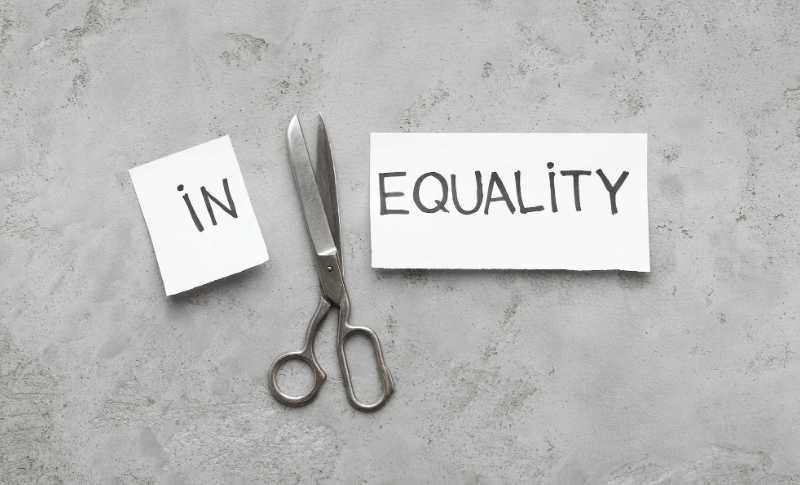
Digital pay parity might sound fair, but it risks blurring the line between skilled stenographers and less-trained digital reporters. Instead of raising digital to match steno, we should protect the value of expertise and focus on raising industry standards. Pay equality alone won’t stop corporations from chasing cheaper options — quality, skill, and human judgment are what truly set stenographers apart and secure their future.
The Silent Breach – How Attorneys Are Illegally Sharing Court Transcripts in Violation of California Law

Under California Government Code § 69954(d), parties who purchase court transcripts may use them internally or as exhibits but cannot share copies with others. Despite this, many attorneys unlawfully distribute transcripts to opposing firms, undermining court reporters’ earnings and violating legal ethics. Unauthorized sharing risks sanctions, financial penalties, and damages the integrity of litigation. Compliance is essential to uphold fairness and professional responsibility.
Quirky Quaverly Causes Commotion
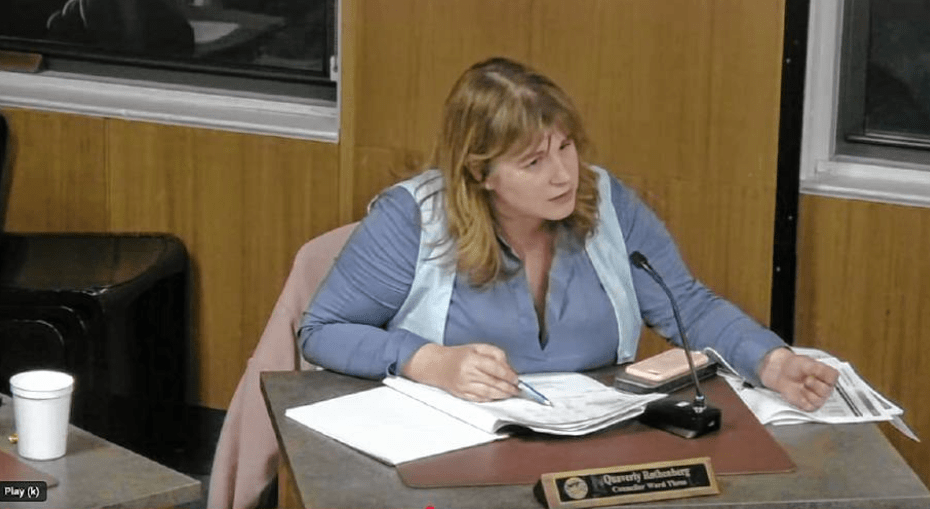
Quaverly Rothenberg, a City Councilor from Northampton, Massachusetts, has long positioned herself as a progressive voice in local government—but outside of City Hall, she’s made a name for herself in an entirely different and controversial domain: the court reporting world. Recently, Rothenberg didn’t make headlines—but she did raise suspicions—not for her political activity, but forContinue reading “Quirky Quaverly Causes Commotion”
The Appeal of Reform – A Call for Change in How Court Reporters Handle Appeals

Court reporters are experts in real-time transcription, yet the appeal process often turns them into reluctant project managers. Chasing down transcripts, begging for responses, and managing silence from colleagues isn’t just frustrating—it’s unsustainable. It’s time to modernize the system. Each reporter should submit their own work independently, on deadline. Let’s shift the culture, share the responsibility, and restore professionalism to the appeals process.
Backing the Bill, Battling the Bench

California court reporters face a critical moment as the Judicial Council pushes to expand electronic recordings in courtrooms. AB 882 offers a temporary, balanced response—preserving live reporting where possible and requiring accountability where it’s not. Supporting this bill keeps our profession at the table. But we must go further—organizing, advocating, and building alliances to defend the record and protect access to justice statewide.
The Fear of Retribution in the Court Reporting Industry – Navigating a Culture of Silence and Fear

The fear of retribution in the court reporting industry is a pervasive issue, where reporters hesitate to speak out against unethical practices like stolen transcripts or delayed payments due to the risk of losing work. This culture of silence is reinforced by tight-knit professional networks where outcasts face isolation and gossip. Addressing this fear requires fostering supportive communities and promoting transparency to protect reporters’ rights and uphold the integrity of the profession.
THE RECORD IS NOT OPTIONAL – Despite AB 2664, Attorneys Still Challenge Freelance Reporters in Courtrooms

In April 2025, a freelance court reporter shared a troubling story: an attorney attempted to oppose the appointment of a reporter pro tempore during a hearing. Despite clear legal precedent, the attorney challenged the reporter’s right to be present simply because the reporter was a freelancer. This should no longer be happening. California law settledContinue reading “THE RECORD IS NOT OPTIONAL – Despite AB 2664, Attorneys Still Challenge Freelance Reporters in Courtrooms”
Antitrust Concerns in Court Reporting and Navigating the Legal Landscape
Introduction Antitrust laws exist to ensure fair competition in the marketplace. While court reporting may not seem like a typical industry subject to antitrust scrutiny, it is not exempt from these legal principles. Recent discussions within professional associations, such as the Texas Court Reporters Association (TEXDRA), highlight the importance of understanding what court reporters, includingContinue reading “Antitrust Concerns in Court Reporting and Navigating the Legal Landscape”
A Crisis in the Courts – L.A. County’s Reporter Shortage, Jessner’s Controversial Order, and the Looming Threat of Jury Nullification

Los Angeles County is facing a legal crisis as Presiding Judge Jessner issues an order allowing electronic recordings in civil, family, and probate courts—directly violating California law. After the legislature rejected AB 662, which sought similar changes, Jessner acted unilaterally. Critics warn this judicial overreach undermines public trust and could spark jury nullification, with citizens questioning why they should follow laws judges themselves ignore.
“Why I Love Court Reporting” FB Group Celebrates a Decade of Dedication in the Court Reporters’ Community & Camaraderie

For ten years, the Why I Love Court Reporting Facebook group has fostered camaraderie, inspiration, and unwavering support for court reporters worldwide. With over 5,000 members, this thriving community celebrates the profession’s passion, perseverance, and purpose. As we mark this milestone, we honor the dedication of those who uphold justice with every keystroke. Here’s to a decade of dedication—and many more to come!
The Role of Court Reporters and the Limits of Interpreter Expectations

Court reporters ensure accurate legal records, but they are not responsible for providing interpreters with LiveNote or laptops. Interpreters must work from what they hear, not read, as real-time feeds are unedited drafts. If an interpreter requires accommodations, it is the responsibility of their agency, not the court reporter. Setting clear boundaries protects court reporters from undue burdens while maintaining the integrity of legal proceedings.
Transcript Theft: The Silent Threat to Court Reporters

Court reporters are increasingly encountering attorneys who discuss “splitting costs” but ultimately share a single transcript instead of ordering their own. This practice impacts reporters’ earnings and devalues their work. To address this, reporters must clarify orders upfront, advocate for firm policies, and reinforce ethical standards. As the legal landscape evolves, standing firm on fair compensation and professional respect remains essential for the future of court reporting.
Denise A. Tugade’s Appointment to the Court Reporters Board is a Possible Threat to the Future of Court Reporting in California

Denise A. Tugade’s appointment to the California Court Reporters Board on February 11, 2025, raises serious concerns for court reporters. With deep ties to SEIU—known for allowing court reporter layoffs—and former Assemblymember Lorena Gonzalez, a proponent of replacing court reporters with automation, Tugade’s influence could further undermine the profession. Her appointment signals potential threats to job security and the integrity of legal transcripts in California courts.
Stenos Fight for Justice, Not Just Survival

Stenographers are not just fighting for jobs—they are fighting for justice. While digital court reporting companies chase profit, stenographers uphold accuracy, integrity, and the legal system itself. Like a deer outrunning a lion, stenographers are driven by purpose, not just need. The battle against digital reporting is not just about technology—it’s about ensuring truth prevails. And in that fight, passion will always win.
The Quoted Material Conundrum

The case involved 20 plaintiffs alleging medical injuries from toxic exposure, with a defense attorney struggling through medical terms. The jury endured a monotonous stipulation reading, prompting a juror to request a break. As the court reporter, I battled error-ridden documents and rapid speech. Despite frustrations, I ensured accuracy, corrected mispronunciations, and upheld proper punctuation—proving that expertise in this demanding trial was well worth the effort.
Understanding the Use of Ellipses in Legal Transcripts and When They Are Appropriate

Ellipses are valuable tools in legal writing, allowing for concise quotations while maintaining clarity. However, their misuse can lead to misrepresentation, misleading citations, or even judicial scrutiny. Judges emphasize the importance of transparency, particularly in legal briefs and jury instructions. Attorneys should ensure ellipses do not alter meaning, adhere to ethical standards, and provide full context to uphold credibility in legal discourse and maintain judicial integrity.
The Ethical Dilemma of “No Payment Until Settlement” in Court Reporting
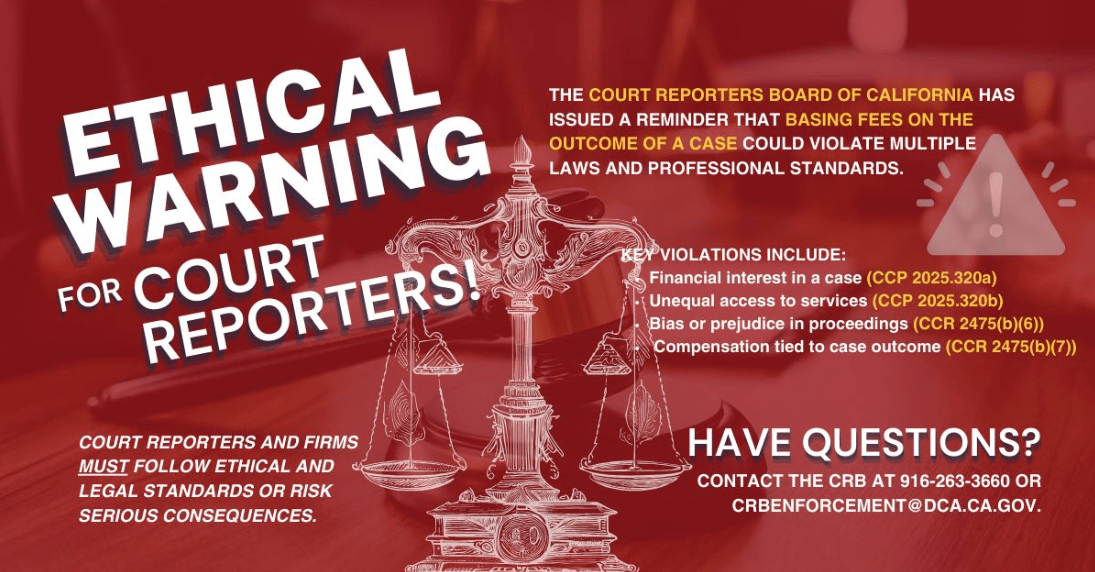
Court reporting firms must uphold neutrality, yet some offer “no payment until settlement” to clients while demanding immediate payment from opponents. This raises ethical concerns and may violate California law. The Court Reporters Board of California warns that such practices compromise impartiality and could result in regulatory action. Maintaining fair payment policies is essential to preserving trust and integrity in legal proceedings.
A Transcript Without a Certified Court Reporter’s Signature: The Legal and Ethical Implications
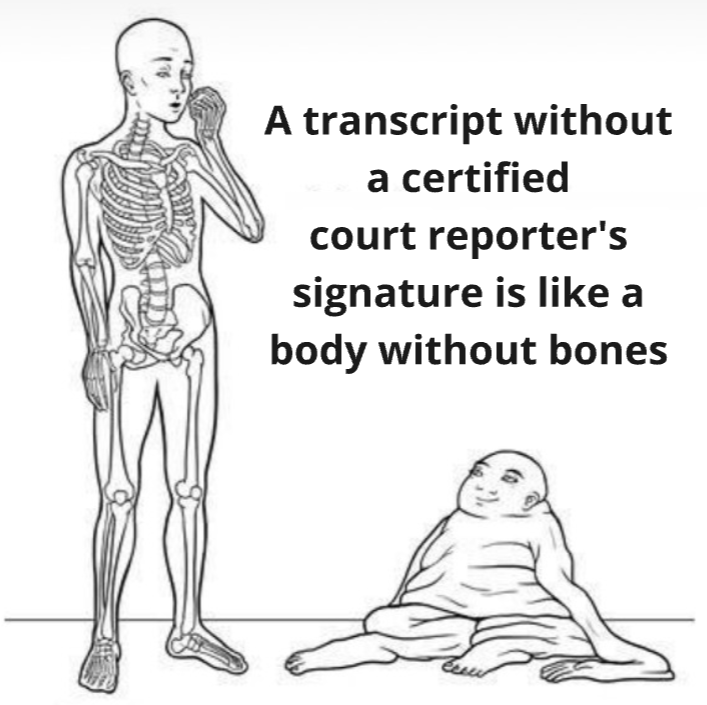
A certified court reporter’s signature is the backbone of a legally sound transcript. Without it, the transcript lacks credibility and admissibility in court. Recently, I encountered a deposition labeled only as “The Deposition Officer,” a red flag indicating an uncertified digital reporter. This raises serious ethical and legal concerns, as uncertified transcripts can mislead courts, compromise due process, and undermine the integrity of judicial proceedings.
Court Reporters Must Go West!

Court reporters today face a growing demand for services, much like pioneers seeking new paths to the American West. By leveraging platforms like CoverCrow, which connects reporters and agencies, the profession can build efficient, collaborative “roads” to meet these demands. With centralized job boards and seamless communication, court reporters can cover work across the country, ensuring efficiency and accuracy while maintaining traditional methods of reporting.
The Consequences Attorneys Face for Using Digital Court Reporters in States Requiring Licensed Court Reporters

Attorneys who use digital court reporters in states requiring licensed professionals risk severe consequences. Courts may impose fines, revoke privileges, and hold attorneys accountable for noncompliance. The Morgan & Morgan case underscores the importance of verifying legal filings and ensuring compliance. Attorneys must review filings, confirm legal requirements, and avoid shortcuts that could lead to sanctions, financial penalties, and reputational damage.
A Stark Lesson in Supply and Demand: The State of Court Reporting in 2025

The court reporting industry faces an ongoing struggle between supply, demand, and efforts to replace stenographers with digital recording and transcription. While organizations like Project Steno and NCRA’s AtoZ program work to train new reporters, opportunistic agencies exploit legal loopholes to cut costs. As stenographers fight to maintain quality and fair compensation, the industry urgently needs updated data and strong advocacy to protect its future.
Corrupt Courts and Vanishing Voices: The Peril of Power Without Proof
The saying “Absolute power corrupts absolutely” is a widely recognized adage that reflects a fundamental truth about human nature and governance. This phrase, often attributed to Lord Acton, encapsulates the observation that when individuals or institutions gain unchecked power, they are prone to corruption. However, the concept predates Acton’s famous quote and has been expressedContinue reading “Corrupt Courts and Vanishing Voices: The Peril of Power Without Proof”
Don’t Let Courts Push You Into Trusting Your Life to a Tape Recorder

Electronic recording devices in courtrooms pose a serious risk to justice. Unlike trained court reporters, these systems fail to capture accurate, verbatim records, often resulting in missing or unintelligible testimony. Equipment failures, poor acoustics, and language barriers further compromise reliability. Instead of replacing human reporters, lawmakers should expand recruitment, implement remote reporting, and support voice writers to ensure fairness in legal proceedings. Justice depends on accuracy.
The California Supreme Court to Hear Family Violence Appellate Project v. Superior Courts: A Pivotal Moment for Court Reporting

Last Wednesday, the California Supreme Court made a significant decision to hear the case of Family Violence Appellate Project v. Superior Courts, a case that carries substantial implications for the future of court reporting in the state. This lawsuit alleges that several county superior courts—including those in Contra Costa, Los Angeles, San Diego, and SantaContinue reading “The California Supreme Court to Hear Family Violence Appellate Project v. Superior Courts: A Pivotal Moment for Court Reporting”
The Case Against Electronic Recording: Protecting the Integrity of the Judicial Record

The reliance on electronic recording threatens the accuracy and integrity of court records, undermining the role of certified court reporters. Unlike live reporters, digital recordings can suffer from technical failures, inaudible speech, and misinterpretations, jeopardizing appellate review. The push for electronic recording prioritizes cost-cutting over justice, ignoring the critical need for precise, verbatim transcripts in high-stakes cases such as family law and probate disputes.
The War Against Women in the Courts: How Judges Are Targeting Female Court Reporters

Court reporters, a profession dominated by women, are under attack as judges push to replace them with flawed electronic recording systems. This shift isn’t about efficiency—it’s about economic resentment and control. Court reporters provide accuracy and real-time transcription that machines cannot match. Eliminating them not only jeopardizes justice but also threatens the financial independence of thousands of women in the workforce.
The Court Reporter vs. The Attorney: A Case of Misplaced Offense

Being called a court reporter is not an insult—it’s an upgrade. Court reporters are among the most skilled professionals in the legal system, transcribing proceedings in real-time with unmatched precision. Judges often call them the most important person in the room, as without their record, cases would crumble. Attorneys should respect, not diminish, the role of the court reporter.
Unlock Your Full Potential with Strategic Rest: A Guide for Steno Students

Mastering stenography is a marathon, not a sprint. The best stenographers don’t just work hard; they rest smart. Strategic rest isn’t a weakness—it’s a competitive advantage. By integrating mental, physical, emotional, social, sensory, creative, and spiritual rest into your routine, you can boost focus, stamina, and success. Which type of rest do you need today? Small changes can make a big impact.
The Hidden Truth About Unpaid Transcript Copy Orders in the Legal Industry

Unpaid transcript copy orders are a hidden issue in the court reporting industry, often resulting in lost income for reporters. Some agencies may fail to disburse payments, either through oversight or lack of transparency. By tracking orders, following up on payments, and advocating for industry accountability, court reporters can protect themselves. Awareness and vigilance are crucial to ensuring fair compensation for their hard work.
The Hidden Costs of Replacing Human Court Reporters with Digital Alternatives

Agencies charge attorneys the same fees for both digital court reporters and traditional stenographers, so there are no upfront savings when choosing digital alternatives. Despite the initial cost being the same, certified shorthand reporters ultimately save law firms money by ensuring accurate, reliable transcripts. They help avoid costly mistakes, delays, and legal challenges, offering more value and protecting a firm’s reputation compared to digital reporting methods.
A Court Reporter’s Guide to Navigating Difficult Attorneys

Court reporters play a vital role in ensuring an accurate record, yet some attorneys challenge their authority and dismiss procedural norms. Setting expectations early, standing firm, and leveraging judicial support can mitigate these challenges. Addressing common disruptions like cross-talk, mumbling, and dismissiveness is crucial. Ultimately, maintaining professionalism and confidence ensures smooth proceedings while preserving the integrity of the record. Stay strong—your work is essential!
The Era of Court Reporting Disrupters is Over

Despite major investments and promises of innovation, digital court reporting has failed to disrupt the industry. Legal and regulatory hurdles, operational inefficiencies, and resistance from legal professionals have kept traditional stenographers in control. Companies like Veritext and US Legal have faced financial struggles, proving that digital solutions have yet to replace human expertise. The industry remains dominated by established players, with disruption proving far more difficult than anticipated.
The FBI’s Battle Against Transnational Crime and the Shadowy Operations of Steno Nexus

FICTION, SHORT STORY: Steno Nexus, led by the enigmatic Serena Vale, operates as a respected legal industry firm—while secretly laundering money for a transnational criminal network. Under FBI scrutiny, its façade is unraveling, revealing deep connections to illicit enterprises. As investigators close in, the fate of this hidden empire hangs in the balance.
Judges in Los Angeles County are Breaking the Law!
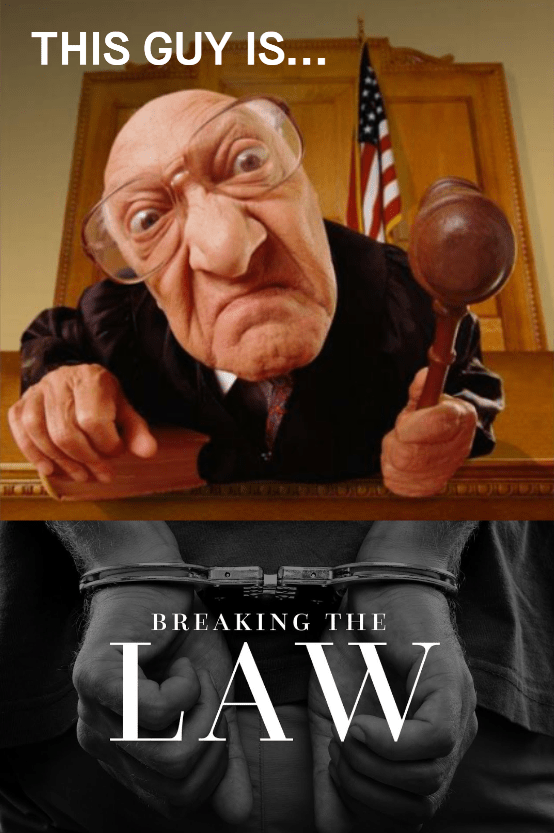
Judges in Los Angeles County are deliberately dismantling the court reporting system, violating the law to impose electronic recordings despite legislative rejection. This manufactured crisis threatens due process and public trust in the judiciary. As jurors question why they should follow the law when judges do not, a constitutional crisis looms. If unchecked, this judicial overreach could erode the entire legal system.
 STENOIMPERIUM