
Court reporters play a vital role in legal proceedings, capturing verbatim transcripts while maintaining impartiality. A critical aspect of their professionalism is the ability to maintain a neutral, expressionless demeanor—often referred to as a “poker face.” This skill ensures they remain unbiased, avoid distractions, and uphold the integrity of the legal process, even when witnessing emotionally charged or controversial testimonies in the courtroom.
Tag Archives: news
Stenos Fight for Justice, Not Just Survival

Stenographers are not just fighting for jobs—they are fighting for justice. While digital court reporting companies chase profit, stenographers uphold accuracy, integrity, and the legal system itself. Like a deer outrunning a lion, stenographers are driven by purpose, not just need. The battle against digital reporting is not just about technology—it’s about ensuring truth prevails. And in that fight, passion will always win.
Appeals and Court Reporters The Frustrations and Need for Change

The appeals process for court reporters is plagued by inefficiencies, unresponsiveness, and unnecessary burdens placed on responsible professionals. Instead of chasing down transcripts, each reporter should be required to upload their own work by a set deadline. A more structured, accountable system will ensure fairness, reduce delays, and maintain professionalism. It is time for change in Los Angeles County’s approach to handling appeals.
The Quoted Material Conundrum

The case involved 20 plaintiffs alleging medical injuries from toxic exposure, with a defense attorney struggling through medical terms. The jury endured a monotonous stipulation reading, prompting a juror to request a break. As the court reporter, I battled error-ridden documents and rapid speech. Despite frustrations, I ensured accuracy, corrected mispronunciations, and upheld proper punctuation—proving that expertise in this demanding trial was well worth the effort.
Understanding the Use of Ellipses in Legal Transcripts and When They Are Appropriate

Ellipses are valuable tools in legal writing, allowing for concise quotations while maintaining clarity. However, their misuse can lead to misrepresentation, misleading citations, or even judicial scrutiny. Judges emphasize the importance of transparency, particularly in legal briefs and jury instructions. Attorneys should ensure ellipses do not alter meaning, adhere to ethical standards, and provide full context to uphold credibility in legal discourse and maintain judicial integrity.
Save What You Love

Stenography is at a crossroads, facing technological disruption, educational decline, and misconceptions about its relevance. However, innovation offers hope—new technology is emerging that integrates human expertise with automatic speech recognition, ensuring unmatched accuracy. To save stenography, we must revitalize training programs, challenge outdated perceptions, and embrace advancements that empower, rather than replace, skilled professionals. The future of this vital profession depends on it.
The Ethical Dilemma of “No Payment Until Settlement” in Court Reporting
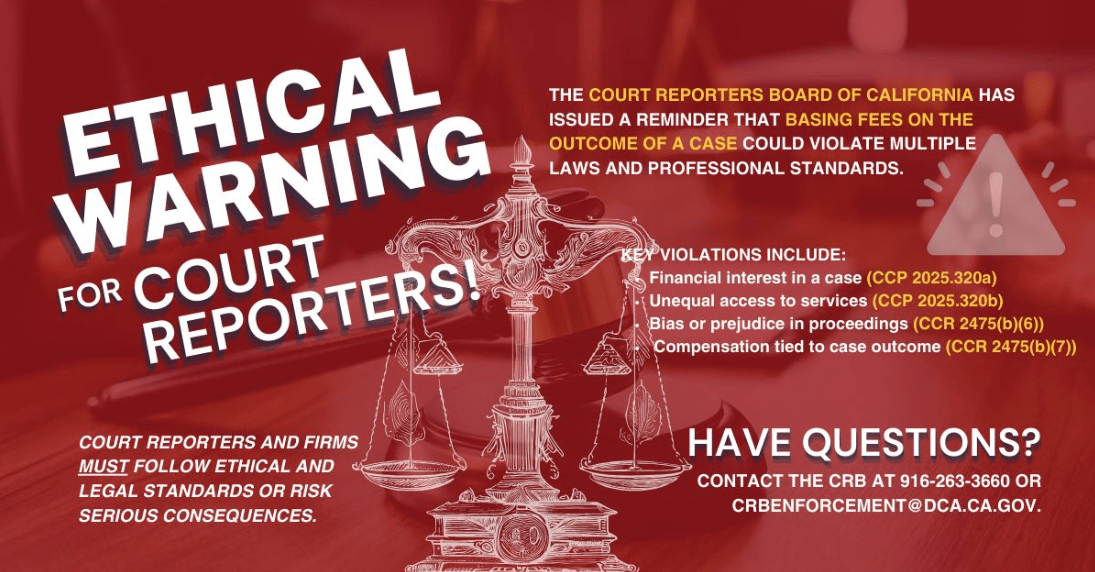
Court reporting firms must uphold neutrality, yet some offer “no payment until settlement” to clients while demanding immediate payment from opponents. This raises ethical concerns and may violate California law. The Court Reporters Board of California warns that such practices compromise impartiality and could result in regulatory action. Maintaining fair payment policies is essential to preserving trust and integrity in legal proceedings.
A Transcript Without a Certified Court Reporter’s Signature: The Legal and Ethical Implications
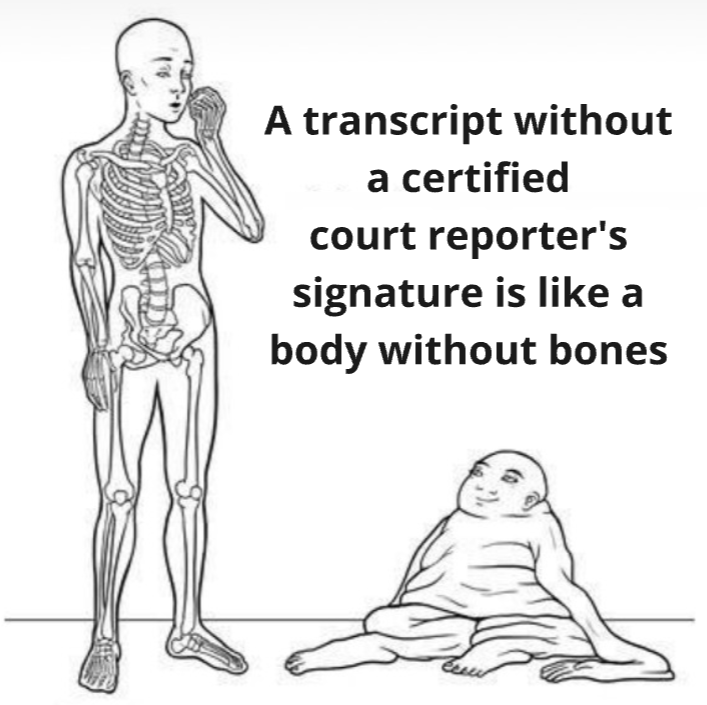
A certified court reporter’s signature is the backbone of a legally sound transcript. Without it, the transcript lacks credibility and admissibility in court. Recently, I encountered a deposition labeled only as “The Deposition Officer,” a red flag indicating an uncertified digital reporter. This raises serious ethical and legal concerns, as uncertified transcripts can mislead courts, compromise due process, and undermine the integrity of judicial proceedings.
The Decentralized Model and Why Entrusting Court Reporters with the Record is Superior to a Centralized System

A centralized court record system is vulnerable to floods, fires, cyberattacks, and corruption, risking catastrophic data loss. Court reporters, using eight backup methods, ensure unmatched redundancy and security. Inspired by the Mossad’s decentralized intelligence model, their independent record-keeping safeguards justice against systemic failures. By maintaining control in multiple hands, decentralization strengthens the integrity, reliability, and long-term preservation of legal records.
The Unsettling Reality of Online Data Tracking and How It Affects Court Reporters

In the digital age, our devices seem to know more about us than we realize. While many believe smartphones secretly listen to conversations, the reality is more complex. Advanced algorithms use location data, browsing history, and social connections to predict interests with eerie accuracy. Protecting privacy requires limiting app permissions, disabling location tracking, and managing social media settings to reduce unwanted data collection. Awareness is key to safeguarding personal information.
Court Reporters Must Go West!

Court reporters today face a growing demand for services, much like pioneers seeking new paths to the American West. By leveraging platforms like CoverCrow, which connects reporters and agencies, the profession can build efficient, collaborative “roads” to meet these demands. With centralized job boards and seamless communication, court reporters can cover work across the country, ensuring efficiency and accuracy while maintaining traditional methods of reporting.
The Consequences Attorneys Face for Using Digital Court Reporters in States Requiring Licensed Court Reporters

Attorneys who use digital court reporters in states requiring licensed professionals risk severe consequences. Courts may impose fines, revoke privileges, and hold attorneys accountable for noncompliance. The Morgan & Morgan case underscores the importance of verifying legal filings and ensuring compliance. Attorneys must review filings, confirm legal requirements, and avoid shortcuts that could lead to sanctions, financial penalties, and reputational damage.
A Stark Lesson in Supply and Demand: The State of Court Reporting in 2025

The court reporting industry faces an ongoing struggle between supply, demand, and efforts to replace stenographers with digital recording and transcription. While organizations like Project Steno and NCRA’s AtoZ program work to train new reporters, opportunistic agencies exploit legal loopholes to cut costs. As stenographers fight to maintain quality and fair compensation, the industry urgently needs updated data and strong advocacy to protect its future.
Corrupt Courts and Vanishing Voices: The Peril of Power Without Proof
The saying “Absolute power corrupts absolutely” is a widely recognized adage that reflects a fundamental truth about human nature and governance. This phrase, often attributed to Lord Acton, encapsulates the observation that when individuals or institutions gain unchecked power, they are prone to corruption. However, the concept predates Acton’s famous quote and has been expressedContinue reading “Corrupt Courts and Vanishing Voices: The Peril of Power Without Proof”
How the NCRA Can Increase Its Membership and Thrive Again

The NCRA can revitalize its membership by advocating for state-mandated certification, ensuring legal recognition and job security for court reporters. By lobbying for standardized state licensing, transitioning from proprietary certifications, and fostering industry partnerships, the NCRA can strengthen career stability and elevate professional standards. This bold shift would cement court reporters’ essential role in the legal system and make the organization more relevant than ever.
The High Cost of Essential Services: What a $13,000 Ambulance Ride and Expensive Court Reporters Have in Common

A San Francisco runner was shocked by a $13,000 ambulance bill for a short hospital transfer—just one example of skyrocketing costs in essential services. Similarly, California court reporters face criticism for high fees, raising concerns about accessibility in the legal system. Both cases highlight systemic issues of transparency, regulation, and affordability, underscoring the urgent need for reform in service-based industries.
Don’t Let Courts Push You Into Trusting Your Life to a Tape Recorder

Electronic recording devices in courtrooms pose a serious risk to justice. Unlike trained court reporters, these systems fail to capture accurate, verbatim records, often resulting in missing or unintelligible testimony. Equipment failures, poor acoustics, and language barriers further compromise reliability. Instead of replacing human reporters, lawmakers should expand recruitment, implement remote reporting, and support voice writers to ensure fairness in legal proceedings. Justice depends on accuracy.
The California Supreme Court to Hear Family Violence Appellate Project v. Superior Courts: A Pivotal Moment for Court Reporting

Last Wednesday, the California Supreme Court made a significant decision to hear the case of Family Violence Appellate Project v. Superior Courts, a case that carries substantial implications for the future of court reporting in the state. This lawsuit alleges that several county superior courts—including those in Contra Costa, Los Angeles, San Diego, and SantaContinue reading “The California Supreme Court to Hear Family Violence Appellate Project v. Superior Courts: A Pivotal Moment for Court Reporting”
The Case Against Electronic Recording: Protecting the Integrity of the Judicial Record

The reliance on electronic recording threatens the accuracy and integrity of court records, undermining the role of certified court reporters. Unlike live reporters, digital recordings can suffer from technical failures, inaudible speech, and misinterpretations, jeopardizing appellate review. The push for electronic recording prioritizes cost-cutting over justice, ignoring the critical need for precise, verbatim transcripts in high-stakes cases such as family law and probate disputes.
The War Against Women in the Courts: How Judges Are Targeting Female Court Reporters

Court reporters, a profession dominated by women, are under attack as judges push to replace them with flawed electronic recording systems. This shift isn’t about efficiency—it’s about economic resentment and control. Court reporters provide accuracy and real-time transcription that machines cannot match. Eliminating them not only jeopardizes justice but also threatens the financial independence of thousands of women in the workforce.
Unlock Your Full Potential with Strategic Rest: A Guide for Steno Students

Mastering stenography is a marathon, not a sprint. The best stenographers don’t just work hard; they rest smart. Strategic rest isn’t a weakness—it’s a competitive advantage. By integrating mental, physical, emotional, social, sensory, creative, and spiritual rest into your routine, you can boost focus, stamina, and success. Which type of rest do you need today? Small changes can make a big impact.
Parallels Between Unauthorized Legal Practice and Digital Court Recording
The unauthorized practice of law (UPL) and digital court recording share common concerns regarding regulation, ethical standards, and their impact on the justice system. Both require certification to ensure accuracy and confidentiality, and violations can disrupt legal proceedings. Unqualified legal advice or inaccurate court transcripts can lead to wrongful outcomes, highlighting the need for regulatory oversight to maintain integrity. Technology’s role in both areas requires careful navigation to avoid legal risks and uphold public trust.
The Hidden Truth About Unpaid Transcript Copy Orders in the Legal Industry

Unpaid transcript copy orders are a hidden issue in the court reporting industry, often resulting in lost income for reporters. Some agencies may fail to disburse payments, either through oversight or lack of transparency. By tracking orders, following up on payments, and advocating for industry accountability, court reporters can protect themselves. Awareness and vigilance are crucial to ensuring fair compensation for their hard work.
Stenograph’s Price Hike Raises Antitrust Concerns
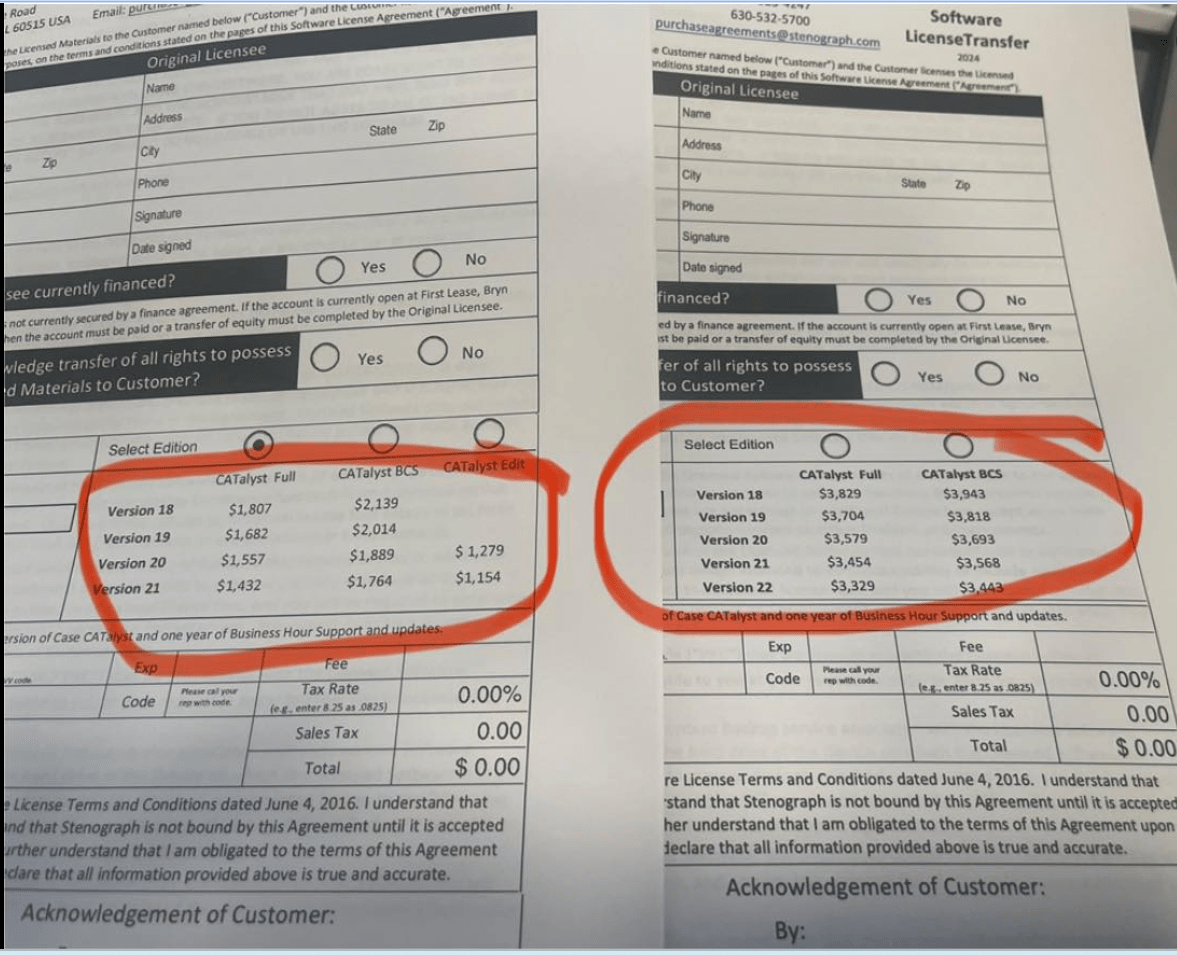
A recent consumer post highlights a significant increase in Stenograph’s software license transfer fees, jumping from $1,400 to $3,400. This price hike raises concerns about anti-competitive practices, potentially restricting competition and harming retiring professionals who rely on selling their software. The situation mirrors historical antitrust cases, prompting questions about whether Stenograph’s actions could violate antitrust laws, potentially leading to legal challenges and investigations into monopolistic behavior.
The Hidden Costs of Replacing Human Court Reporters with Digital Alternatives

Agencies charge attorneys the same fees for both digital court reporters and traditional stenographers, so there are no upfront savings when choosing digital alternatives. Despite the initial cost being the same, certified shorthand reporters ultimately save law firms money by ensuring accurate, reliable transcripts. They help avoid costly mistakes, delays, and legal challenges, offering more value and protecting a firm’s reputation compared to digital reporting methods.
Rethinking the “Digital Court Reporting Revolution”
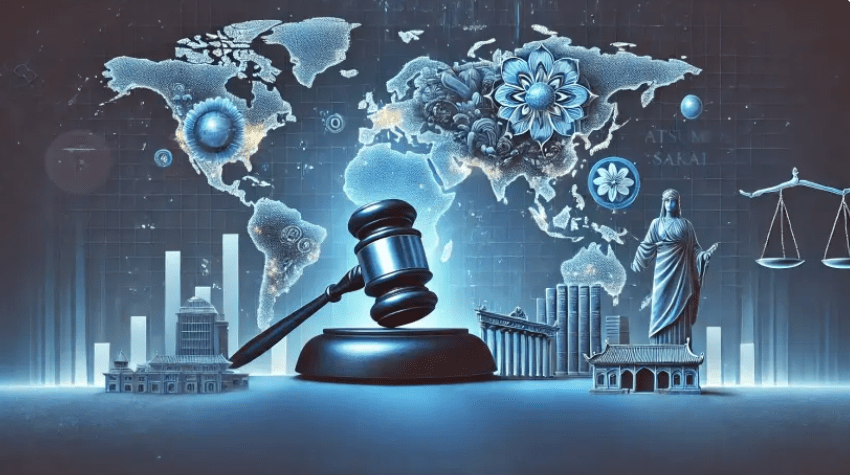
The legal documentation landscape is rapidly transforming as Court Reporting Agencies (CRAs) integrate digital solutions and AI to meet growing demands for accuracy and accessibility. By embracing AI-powered transcription, human-AI collaboration, and automated workflows, CRAs can enhance efficiency, expand service capacity, and maintain high standards of legal accuracy. This shift towards hybrid models and advanced security standards will reshape the future of court reporting in 2025 and beyond.
Why AI Translation Tools Have No Place in Legal Depositions and Courtrooms
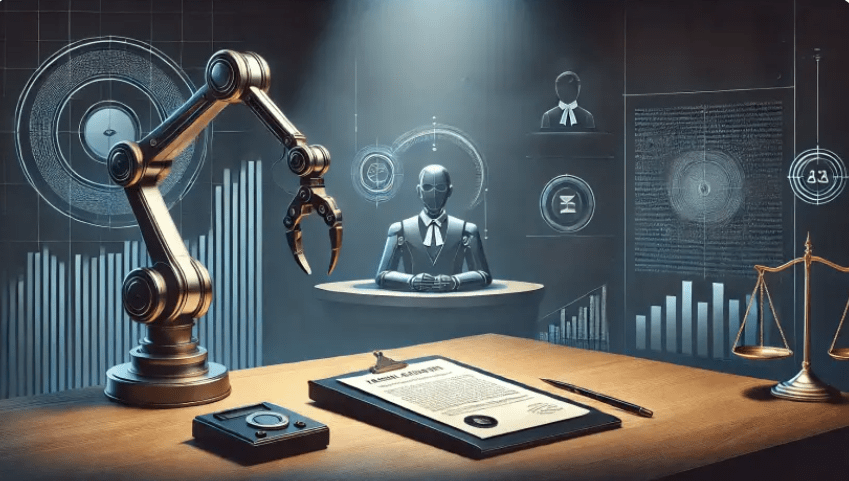
AI translation tools pose serious risks in legal settings, where precision and nuance are essential. Depositions and courtroom proceedings require human interpreters who understand legal terminology, cultural context, and ethical responsibilities. AI lacks the ability to interpret tone, intent, and specialized legal language accurately. Relying on technology over trained professionals can lead to misinterpretations, jeopardizing cases and undermining justice. Human expertise remains irreplaceable.
Court Reporters and the Bully Brigade in the Digital Age

The court reporting profession is evolving rapidly with technological advancements, but social media has introduced new challenges. While platforms offer networking opportunities, they have also given rise to the “Bully Brigade,” where professionals face scrutiny and criticism from peers. This dynamic creates tension over technology adoption, job security, and professional elitism. Navigating these issues requires promoting digital literacy, fostering collaboration, and encouraging constructive discourse within the industry.
A Court Reporter’s Guide to Navigating Difficult Attorneys

Court reporters play a vital role in ensuring an accurate record, yet some attorneys challenge their authority and dismiss procedural norms. Setting expectations early, standing firm, and leveraging judicial support can mitigate these challenges. Addressing common disruptions like cross-talk, mumbling, and dismissiveness is crucial. Ultimately, maintaining professionalism and confidence ensures smooth proceedings while preserving the integrity of the record. Stay strong—your work is essential!
Securing the Future of Court Reporting with a Responsible Charge Statement

Adopting a Responsible Charge Statement (similar to what the Society of Professional Engineers have implemented) could be an impactful and strategic move for the court reporting profession. This type of statement or standard would clarify the legal and ethical responsibilities of a court reporter, helping to further professionalize and legitimize the role. Here’s why itContinue reading “Securing the Future of Court Reporting with a Responsible Charge Statement”
The Era of Court Reporting Disrupters is Over

Despite major investments and promises of innovation, digital court reporting has failed to disrupt the industry. Legal and regulatory hurdles, operational inefficiencies, and resistance from legal professionals have kept traditional stenographers in control. Companies like Veritext and US Legal have faced financial struggles, proving that digital solutions have yet to replace human expertise. The industry remains dominated by established players, with disruption proving far more difficult than anticipated.
The FBI’s Battle Against Transnational Crime and the Shadowy Operations of Steno Nexus

FICTION, SHORT STORY: Steno Nexus, led by the enigmatic Serena Vale, operates as a respected legal industry firm—while secretly laundering money for a transnational criminal network. Under FBI scrutiny, its façade is unraveling, revealing deep connections to illicit enterprises. As investigators close in, the fate of this hidden empire hangs in the balance.
Notaries Posing as Court Reporters

Notaries posing as court reporters raise significant legal and ethical concerns, risking the accuracy of court transcripts and the integrity of legal proceedings. This issue underscores the broader debate over nonlawyer involvement in legal services, highlighting the need for clearer regulations and stronger safeguards to protect consumers and maintain justice.
When Your Job Gets “Canceled” but You Catch It Billing Anyway

Some court reporters discover their “canceled” jobs were reassigned to digital reporters without notice. This deceptive practice undermines stenographers and affects legal record quality. By informing attorneys and holding agencies accountable, reporters can combat these unethical tactics and protect both their profession and the integrity of legal proceedings.
Judges in Los Angeles County are Breaking the Law!
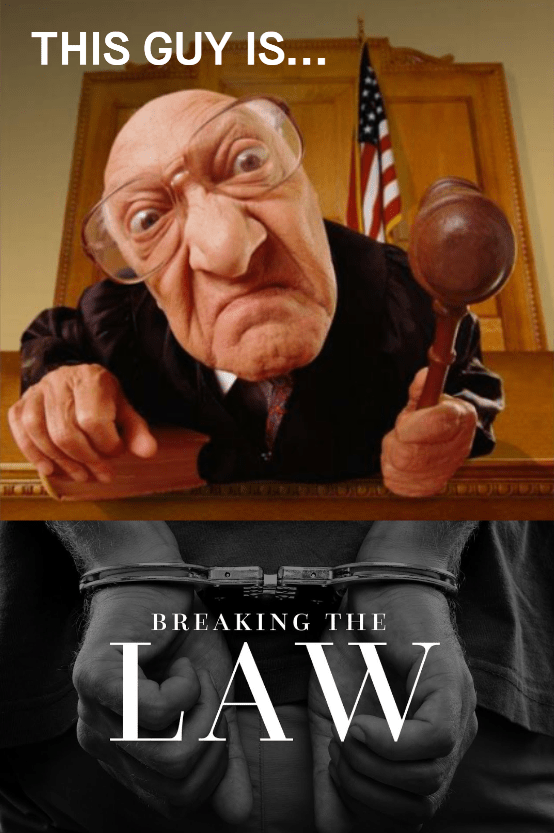
Judges in Los Angeles County are deliberately dismantling the court reporting system, violating the law to impose electronic recordings despite legislative rejection. This manufactured crisis threatens due process and public trust in the judiciary. As jurors question why they should follow the law when judges do not, a constitutional crisis looms. If unchecked, this judicial overreach could erode the entire legal system.
Court Reporters Are the Change Agents

The U.S. faces a critical shortage of court reporters, driven by an aging workforce, declining enrollment, and rising demand. This crisis threatens the efficiency of the judicial system. Court reporters must become change agents by advocating for education reforms, promoting the profession, embracing technology, and pushing for policy changes. Without action, justice delays and inaccuracies will escalate, underscoring the profession’s indispensable role in the legal system.
The Vanishing Court Reporters: A Crisis in the Justice System and How to Fix It

Court reporters are essential to the justice system, but their numbers are dwindling. A shrinking workforce, declining training programs, and low interest among young professionals have contributed to a nationwide shortage. Solutions include expanding digital court reporting, modernizing certification laws, increasing financial incentives, and promoting the profession to new talent. Without immediate action, courts will face growing delays and challenges in preserving accurate legal records.
Court Reporters: Guardians of Integrity in America’s Judiciary

Court reporters play a crucial role in maintaining judicial integrity by ensuring accurate, unaltered records of legal proceedings. Senator Mark Warner emphasized their importance, particularly amid rising federal litigation. Human stenographers prevent record manipulation, unlike AI-based transcription, which risks errors and loss of critical data. Legislative efforts, such as the Research and Oversight of Potential AI in Courts Act, aim to safeguard judicial transparency and accountability.
The Impact of Corporate Mergers on the Court Reporting Industry: A Growing Crisis

The consolidation of the court reporting industry by large corporations like Veritext has led to higher prices, reduced service quality, and worker exploitation. As smaller firms are acquired, competition dwindles, leaving consumers and court reporters vulnerable. This growing monopoly stifles innovation and creates barriers for aspiring professionals. Regulatory action is crucial to restore fairness, protect workers, and ensure consumers aren’t overcharged for essential legal services.
COURT REPORTER CEO on Attorneys who don’t pay for transcripts: “These are Shoplifters.”

A court reporting industry leader has criticized attorneys who refuse to pay for transcripts, calling them “shoplifters.” In a recent interview, they argued that such actions undermine the legal system, stressing the importance of fair compensation for court reporters. The debate over transcript fees continues to grow.
Corporate Sponsorships Solicited by a For-Profit Steno, LLC, but with No Business Entity in California
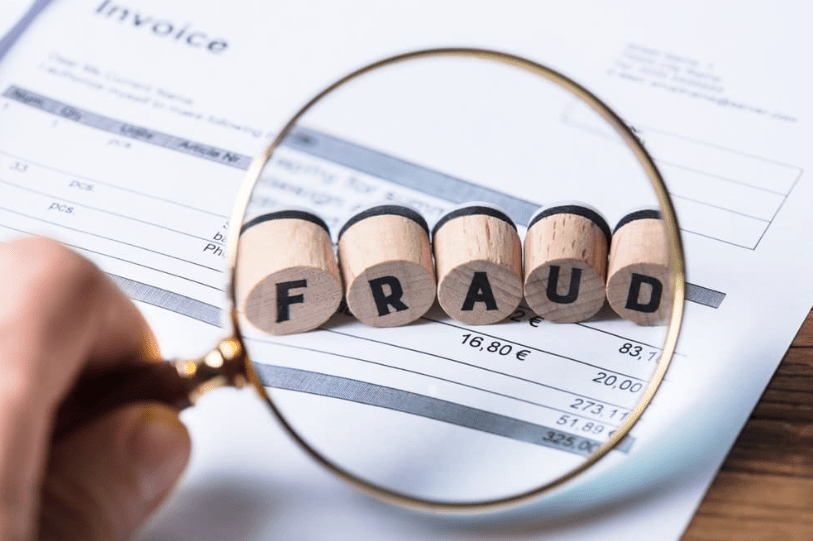
Shaunise Day’s for-profit LLC, Steno In The City, raised over $100,000 in corporate sponsorships for an event in California, but without being properly registered as a business entity in the state. This violation of California business laws could result in significant legal and criminal consequences, including fines, tax evasion charges, and potential civil lawsuits from sponsors. Proper registration is crucial to avoid such legal pitfalls.
7 Ways A Steno Imposter is Manipulating You To Make You Trust Them

In the world of stenography, trust is everything—but it’s also something that fake scammers prey on. Court reporters are increasingly targeted by imposters who use manipulative tactics to gain trust and exploit it for their own gain. From playing the role of a caring listener to fast-tracking relationships, these imposters employ deceptive strategies to manipulate the legal community and profit off of us. Learn how to spot the signs and protect yourself.
RULES FOR THEE, BUT NOT FOR ME SAYS SUPERIOR COURT JUDGES!

Los Angeles Superior Court judges have replaced real-time court reporters with AI-based ASR software, potentially violating court rules prohibiting recordings. Judge Carolyn B. Kuhl’s use of “word processing” notetaking software suggests reliance on ASR transcription. Despite the court’s own ban on recordings, ASR inherently captures and processes audio. This raises concerns about judicial accountability and a troubling double standard in courtroom transparency.
Digital Court Reporting: Trying to Disrupt the Stenographic Industry in the Same Way Uber Revolutionized Transportation

Digital court reporting is disrupting the traditional stenographic industry much like Uber revolutionized transportation. By leveraging advanced audio, video, and AI-driven transcription systems, digital reporting offers faster, more cost-effective, and scalable solutions. With benefits like real-time access and reduced labor costs, digital court reporting is reshaping how legal professionals handle court transcripts, improving accessibility and efficiency in the legal process, similar to Uber’s impact on the taxi industry.
Why Digital Court Reporting Will Never Be the Uber of the Legal System

Digital court reporting may promise speed and cost savings, but it threatens the accuracy and integrity of legal transcripts. Unlike stenography, which ensures precise, reliable records through professional expertise, digital systems are prone to errors and lack human oversight. While digital reporting may aspire to complement the legal process, stenography will always remain the gold standard, safeguarding the quality and trustworthiness of the legal system’s official records.
The Transformative Potential of AI in Stenographic Court Reporting

This article explores the transformative potential of emerging technologies, particularly Automated Speech Recognition integrated within Computer-Aided Transcription software, to enhance the speed and accuracy of court reporters. It underscores the importance of preserving the court reporter’s role as the Responsible Charge, emphasizing accountability and professional expertise as essential to the legal process. The piece contrasts these advancements with outdated digital transcriber solutions, arguing that only technologies that support and elevate the court reporter’s role will endure in the evolving landscape of the industry.
New York Courts Exploitation of Court Reporter Transcripts: Historic and Unacceptable
I just learned that the New York courts plan to publish daily transcripts of the Trump trial. This is a blatant and egregious exploitation of the court reporter’s transcript! New York court’s are using an official court reporter to capture the live verbatim testimony in that trial. Official court reporters across the country are employedContinue reading “New York Courts Exploitation of Court Reporter Transcripts: Historic and Unacceptable”
The Rise of Imposters in the Stenography Industry: Button Pushers or Court Reporters?

In the age of technological advancement, traditional professions have undergone significant transformations, and the field of stenography is no exception. However, alongside legitimate advancements, a concerning trend has emerged – the infiltration of imposters masquerading as court reporters. These individuals, armed with fake steno machines and minimal skills, undermine the integrity of the profession, posingContinue reading “The Rise of Imposters in the Stenography Industry: Button Pushers or Court Reporters?”
Corporate Cannibalization in Court Reporting

Introduction The legal services industry, like many others, is experiencing a seismic shift in response to the digital age. Traditional practices are being disrupted, and nowhere is this transformation more apparent than in the field of court reporting. Presently, court reporters, skilled individuals trained to capture the spoken word and transcribe legal proceedings, are indispensableContinue reading “Corporate Cannibalization in Court Reporting”
 STENOIMPERIUM