
Court reporting is not a sprint profession. It is a deep-water profession. Built on repetition, neural conditioning, emotional regulation, and thousands of invisible strokes. Certification is not won by panic or comparison. It is won by consistency. By showing up. By consolidating. By letting progress compound quietly. The turtle always arrives.
Tag Archives: ncra
Continuing Education or Professional Replacement?
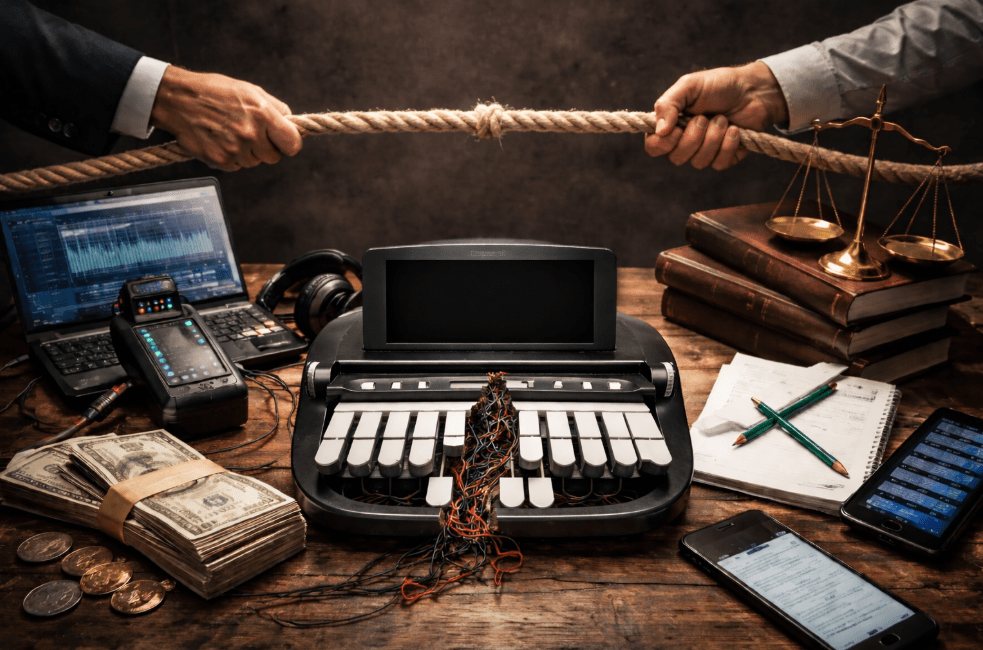
An Investigation Into NCRA’s CEU Approvals, Vendor Influence, and Financial Pressures When Continuing Education Becomes Industry Re-Engineering – Questions Surround NCRA-Approved CEUs and Method-Agnostic Training StenoImperium Investigative Series Draft A Profession Being Rewritten — With Its Own Credentials For decades, stenographic court reporters relied on the National Court Reporters Association (NCRA) as both their professionalContinue reading “Continuing Education or Professional Replacement?”
Who Is NCRA Working For?
The National Court Reporters Association was created to guard a profession built on precision, licensure, and trust. But its expanding relationships with digital training companies, corporate consolidators, and branding organizations raise an urgent question: is NCRA still defending stenography, or has it begun financing its own displacement? When a trade association profits from the markets replacing its members, neutrality becomes a business model.
AB 1189 Collapses — and Why That Matters More Than the Victory Lap Suggests

Assembly Bill 1189 did not collapse because of rhetoric or resistance to change. It failed because it attempted to shift control of California’s official legal record away from the state and into private hands. While its withdrawal is significant, it is not the end of the effort to reframe record creation. The next proposal will be quieter, cleaner, and harder to spot.
The Readback Problem in Voice Writing—and How to Solve It
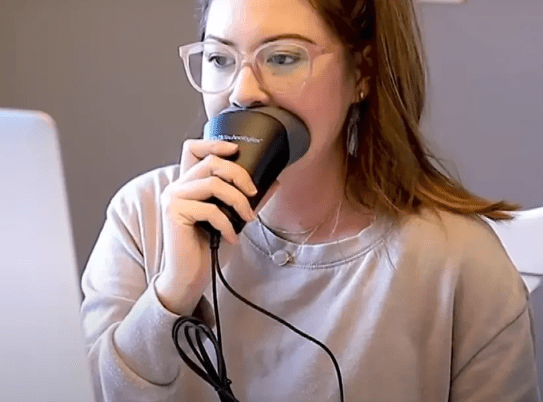
Readback is where the record proves its reliability. For voice writers, that moment too often collapses into rewind and guesswork when ASR fails. The solution is not better training, but better software: a persistent phonetic fallback, confidence-aware output, and word-level audio that function like steno notes. Voice does not need perfection—it needs an inspectable substrate.
When the Machine Gets It Wrong, Who Pays the Price?

Courts have been clear: artificial intelligence may assist lawyers, but it does not absolve them. When ASR systems miss testimony or AI summaries omit critical facts, responsibility does not vanish into the software. It lands squarely on the professionals who relied on it. As automation reshapes the legal record, a new reckoning over accountability is quietly approaching.
Vendors Are Not Officers of the Court
Court reporting agencies schedule proceedings and process invoices—but they do not create the legal record. Yet some national agencies are now attaching corporate “company certificates” to deposition transcripts they did not take and cannot lawfully certify. This quiet shift blurs statutory boundaries, risks inadmissibility, and threatens due process by substituting branding for licensure in the creation of sworn testimony.
The Lessons of Badran – A Roadmap for How NCRA Must Defend the Legal Record

The Badran ruling exposed a growing risk: courts are redefining admissibility without guidance from the profession that creates the record. As audio-based reporting and vendor workflows spread, efficiency arguments are replacing evidentiary law. This article offers a clear roadmap for how NCRA can act—now, in active cases, and long-term—to defend due process, professional oversight, and the integrity of the record.
Petition to the National Court Reporters Association – In Re Stronger Regulatory Reforms for AI Innovation in Federal Court Proceedings

The integrity of the official court record is not a technology preference—it is a constitutional safeguard. This petition calls on the National Court Reporters Association to take a clearer, firmer position opposing AI-generated transcripts as the official record and to advocate for mandatory use of licensed stenographic court reporters to protect due process, accountability, and public trust in the justice system.
When Caution Becomes Capitulation – NCRA’s AI Filing and the Quiet Risk to the Court Record
As courts rush to embrace artificial intelligence, a quiet but consequential shift is underway. A recent federal submission by the National Court Reporters Association acknowledges AI’s flaws—yet stops short of drawing the line where it matters most. When caution replaces clarity, the integrity of the official court record, and the constitutional rights it protects, are placed at risk.
The Profession No One Talks About—Until Everything Depends on It

From ancient Phoenician scribes depicted in Disney’s EPCOT to modern realtime stenographers writing 225 words per minute at 95 percent accuracy, court reporters have always safeguarded civilization’s most critical words. They are the neutral architects of the legal record, preserving testimony that determines rights, liberty, and history itself. In an era of automation myths, their human precision remains indispensable.
The Polite Language of Professional Displacement

Veritext’s latest CEU webinar series is being framed as professional development, but its core message deserves scrutiny. By asserting that capture method does not matter, the programming advances a narrative that conflicts with evidentiary law, professional ethics, and NCRA’s stated mission. With CEU approval still pending, members have a narrow window to speak up—before silence is mistaken for consent.
Bridging the Career Services Gap in the Court Reporting Profession

Court reporting associations are facing a reckoning. Reporters are not disengaging because they dislike the profession; they are disengaging because their associations no longer align with their most urgent priorities: jobs, advancement, training, and real career security. In an era of technological disruption and shrinking pipelines, associations that fail to become career catalysts risk losing not just members, but the future of the profession itself.
A Kentucky Hearing Shows Why Digital Recording Is Not — and Never Will Be — an Acceptable Official Record
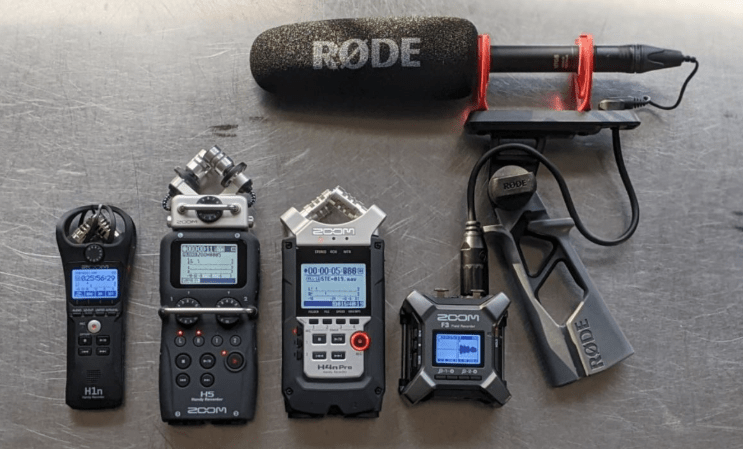
A Kentucky administrative hearing again exposed the fatal flaw of digital recording: when the agency’s “official” audio failed, a certified court reporter was the only reason the record survived. Due process cannot depend on glitchy technology or missing audio files. This case proves, yet again, that the stenographic reporter—not a digital recorder—is the only acceptable guardian of the legal record.
The Familiar Face Fallacy & Why Court Reporters Must Question the Platform Narrative

Familiarity is not alignment. When a recognizable face stands before the profession offering reassurance, it is easy to mistake comfort for safety. But critical thinking demands a harder question: who benefits if our work becomes optional? Reporters must look beyond polished narratives and ask what external platforms gain from reshaping our role. Strategy deserves scrutiny, not applause, and vigilance is the price of sovereignty always.
A Harbinger of Collapse – What One Facebook Post Reveals About the Future of Court Reporting in the United States

A single Facebook post from a Canadian reporter—reduced to just 3–6 jobs a month—should terrify every U.S. attorney and stenographer. It is a glimpse of what happens when ASR replaces certified professionals: the market collapses, accuracy disappears, and justice erodes. Canada didn’t fail because reporters weren’t skilled. It failed because decision-makers chased “cost savings.” The U.S. is next—unless we stop it now.
The Trojan Horse Problem – Why Software Companies Should Not Masquerade as Court Reporting Agencies

Software companies moving into the court reporting agency space do not represent innovation; they represent structural risk. When the same platform controls the technology, the data, and the labor pipeline, independence erodes and normalization begins. The danger is not sudden replacement but gradual acceptance, until reporters become optional upgrades instead of guardians of the record. The profession must recognize this encroachment and defend its sovereignty.
Where Your CEU Dollars Go – Choosing State Associations and Nonprofits That Reinvest in the Profession

Every continuing education dollar is a decision about the future of court reporting. When those funds are directed to legitimate state associations and nonprofit organizations, they strengthen advocacy, education, and ethical standards that preserve the integrity of the record. When they flow instead to personality-driven ventures, the profession risks becoming a revenue stream for individual ambition rather than a sustained legacy built on collective stewardship.
The Bubble Beneath the Record – A Financial Crisis in Court Reporting Is Coming

A financial bubble is forming beneath the court reporting industry. Private equity markups have pushed attorneys toward cheaper “alternative” record methods, but those substitutes fail evidentiary standards and are beginning to collapse under legal scrutiny. As reporters reject unsustainable rates and attorneys realize uncertified transcripts don’t hold up in court, the industry is nearing a correction. The record cannot be commodified—and the bubble will burst.
The New “Mentorship” Funnel – Why Court Reporters Should Be Cautious About Handing Over Their Professional Data
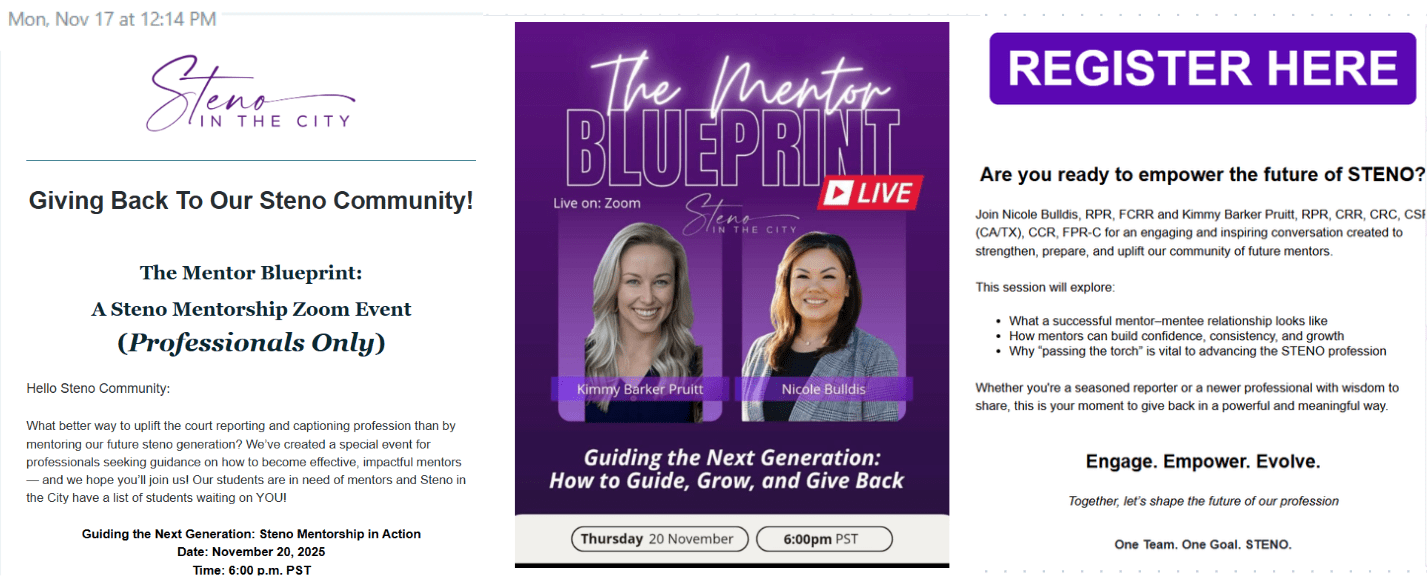
A “free mentorship event” sounds harmless—until you realize it may be a data-collection funnel for a trademarked for-profit brand. If speakers aren’t compensated, if attendees unknowingly become marketing leads, and if the program mimics a nonprofit without governance or transparency, the community must ask hard questions. Court reporters deserve mentorship rooted in ethics—not a commercial pipeline in disguise.
When Disclosure Isn’t Enough – Why AB 711 Doesn’t Serve Court Reporters or Access to Justice
AB 711 claims to curb “reporter waste,” but it’s a paperwork fix for a resource crisis. Mandating disclosure of who will hire a court reporter doesn’t solve shortages, improve access, or strengthen the profession—it risks normalizing hearings without certified stenographers. California needs investment in reporters, not bureaucracy that treats them as optional.
The Penny Auction Rebellion – How Stenographers Can Take Back the Record

In 1936, farmers fought foreclosure by staging “penny auctions,” bidding pennies on their neighbors’ land and giving it back to them.
Today, stenographers can do the same — through unity, co-ops, and reporter-owned platforms to reclaim our profession from AI, digital recording, and private equity control.
When Regulation Becomes Endorsement – How the CRB’s Firm Registration List Rewards Non-Reporter-Owned Corporations
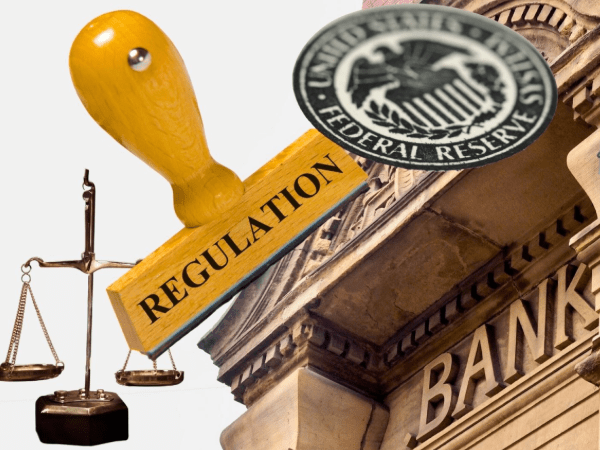
California’s Court Reporters Board has turned oversight into inadvertent endorsement. Its public “Registered Firms” list features non-CSR-owned conglomerates like Veritext and Magna—but omits legitimate CSR-owned professional corporations. The result? True shorthand reporting firms are hidden while unlicensed corporations gain state-backed visibility. It’s a structural inequity that undermines professional integrity and consumer trust—and it demands reform.
The Death of Expertise and the Erosion of the Record & Why Court Reporters Are the Last Line of Truth

In The Death of Expertise, Tom Nichols warns that society is replacing knowledge with convenience. Court reporting stands at that fault line. AI may transcribe words, but it cannot witness truth. Only a certified reporter — physically present, ethically bound — can certify a record. To sign off on machine output isn’t innovation; it’s fraud. And it marks the death of expertise itself.
Train Like an Athlete – The Mental Conditioning of a Future Court Reporter

Stenography isn’t just skill — it’s mental athleticism. Like NBA rookies, students must fail, reflect, and adjust daily. Every dropped word is data, not defeat. Treat your practice like training camp: review your “film,” log your growth, and build proof, not praise. Five minutes of reflection a day turns pressure into performance.
🎃 The Ghost of the Record – A Halloween Costume for the Court Reporting Industry

This Halloween, the scariest thing in court reporting isn’t a ghost or vampire — it’s the empty reflection of automation, profit, and lost authorship floating where truth once lived. Don’t be haunted by hollow promises. Protect the record. Defend your craft. Keep the soul in stenography. Happy Halloween!
Zoom, the Record, and the Reporter – Where Ethics Are Clear and the Law Is Catching Up
As remote depositions become routine, reporters face growing pressure to act as both stenographer and Zoom host. NCRA ethics are clear: reporters cannot record or serve as videographers—but may host solely to prevent unauthorized recording or AI bots. When firms or attorneys refuse to disable ASR, the reporter’s duty is to withdraw, protecting the integrity of the record above all.
The Secret Trick That Builds a Cult – How Charisma Can Capture an Entire Industry
When loyalty to a personality replaces loyalty to principle, the cult has already begun.
The court-reporting industry, like many others facing disruption, must guard against emotional capture disguised as empowerment.
Movements built on belonging can uplift — or quietly control.
Charisma isn’t leadership; unity without dissent isn’t strength.
The future of this profession depends on discernment.
What Court Reporters Can (and Cannot) Talk About – Ethics, Boundaries, and Public Perception

Court reporters hold the public’s trust—and that includes what we say after we leave the room. Sharing case details, even without names, can still identify participants and damage our impartiality. Confidentiality isn’t just about secrecy; it’s about respect, neutrality, and professionalism. Protecting the record means protecting our reputation—on and offline.
When the DRA Ignores Its Own Backyard – Why California’s Court Reporting Schools Deserve Defense, Not Displacement

California’s only NCRA-approved court reporting school has faced relentless audits while producing more CSRs than any other in the state. Yet the DRA features out-of-state speakers poaching students into unproven “write shorter” programs instead of honoring educators using proven speed-building methods like RWG theory. If the DRA truly supports the profession, advocacy must start at home — with California’s own schools.
Should Court Reporters Redact Social Security Numbers in Transcripts?

Some reporters are quietly redacting Social Security numbers from transcripts—without realizing they may be altering the official record. Privacy concerns are valid, but under most state and federal rules, redaction is the attorney’s responsibility, not the reporter’s. Here’s why automatic redaction could violate ethical duties—and how to protect both accuracy and privacy the right way.
Protected: Thousands of California Court Reporters Just Got an Email — and It’s Damage Control Disguised as “Dialogue”
There is no excerpt because this is a protected post.
Credentials vs. Competence – Rethinking Professional Standards in Court Reporting

Court reporting’s future depends on more than letters after our names. Credentials have value, but without strong state licensure, standardized titles, and real enforcement, they offer no structural protection. As attorneys push back on “high rates” and cheaper labor undercuts skilled reporters, the profession must unify around measurable skill, fair rates, and regulatory strength—not voluntary designations.
Mark Kislingbury’s 370 WPM ‘Guinness Record’ That Wasn’t: How a Historic Steno Feat Went Unratified

Shaunise Day’s handling of the 2022 Steno in the City™ event was professionally negligent. She failed to submit the proper paperwork to Guinness, and as a result, Mark Kislingbury’s historic 370 WPM performance was never ratified. That failure didn’t just cost him recognition — it misled the community and damaged the profession.
The Great Theory Divide – Why “Short Writing” Alone Won’t Save Court Reporting

Court reporting’s future hinges on how we train new reporters. While “short writing” promises speed, decades of data show it fails to scale. Traditional phonetic theories taught in NCRA-accredited programs remain the backbone of reporter education—emphasizing accuracy, clarity, and proven outcomes. Recruitment reform, not shortcuts, will strengthen the pipeline and ensure a generation ready to protect the record.
Unleash the Power Within the Court Reporting Profession

Court reporters and small agencies: this is not the end — it’s the beginning of transformation. When you step into the fire of immersion, fear fades, energy multiplies, and breakthroughs happen. You are the guardian of truth, and together we are unstoppable. Don’t wait. Reclaim your value, stand tall, and help save the profession today.
AI Transcripts vs. Human Court Reporters & Why the Record Still Needs a Person

Stanford’s data shows ASR makes twice as many errors with Black speakers as white speakers. The NCRA warns of bias, misattribution, and chain-of-custody failures. In trial after trial, I’ve seen judges and attorneys turn back to the human transcript when accuracy matters. Until a machine can raise its right hand and swear to accuracy, the record still belongs to court reporters.
The Stars That Sing – Hearing the Truth in Court Reporting

The Bushmen pitied Laurens van der Post when he admitted he could not hear the stars sing. Today, I feel the same grief for our profession. The truth rings out—schools reporting poaching, leaders failing in accountability—yet so many refuse to hear it. Our poverty is not material, but in losing the ability to hear the song of truth itself.
When Recruitment Crosses the Line – Court Reporting Schools Push Back After DRA Event

California court reporting schools are pushing back after the last DRA conference, where a speaker allegedly recruited students directly out of their programs—even inside private Teams accounts. One 200-wpm student on the verge of the CSR was lost. School leaders say enough is enough: associations must protect students from solicitation if they want them in the room.
Technology and Workplace Efficiency – The Court Reporter’s Competitive Edge

Court reporters ranked technology and workplace efficiency as their #1 priority in the latest NCRA poll (37.2%). From realtime integration to secure tools like Eclipse Boost, technology is not a threat but an amplifier—when it’s reporter-controlled. Efficiency means more accuracy, faster turnaround, less stress, and stronger client loyalty. The future of steno is in our hands.
The Language of CCP 2093(a) & Why Notaries Are Not Deposition Officers

California Code of Civil Procedure § 2093(a) names notaries and deposition officers as able to administer oaths—but only certified shorthand reporters are authorized to take testimony and certify transcripts. The “notary loophole” misleads attorneys into believing oaths alone make a deposition valid. Without a CSR, the record collapses. Learn why due process demands stenographers—not shortcuts.
AB 711 Passed—But Is It Really a Win? Why This New Law Signals the Next Phase in the Elimination of Certified Court Reporters

When a judge tells attorneys they “don’t need a court reporter”—despite one being present and assigned—the threat to justice becomes undeniable. AB 711 enables this erosion, shifting the burden of preserving the record onto attorneys while courts quietly sideline certified reporters. The result? Trials with no transcript, no appeal, and no accountability. This isn’t modernization. It’s judicial overreach.
Human Oversight is Now Law – Virginia Leads the Nation with Groundbreaking AI Legislation Protecting the Judicial Record
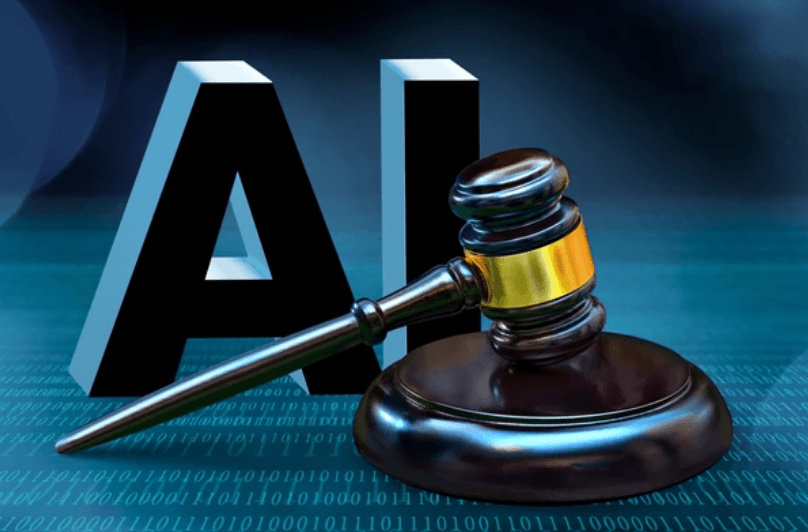
Virginia just became the first state to legally require human oversight of AI in courtrooms. With HB 1642, justice stays human-centered—protecting certified transcripts, ethical decision-making, and the future of court reporting. This is a national model for balancing innovation with integrity.
A Strategic Bypass or a Pattern of Evasion? A Deeper Look at Margary Rogers’ Candidacy for NCRA Vice President
Margary Rogers bypassed the official Nominating Committee process to run for NCRA Vice President—a move she admitted was “strategic.” But her track record tells a deeper story: financial mismanagement, declining membership, and unresolved debts during her tenure at MCRA. Meanwhile, Carol Reed Naughton followed the proper process, demonstrated steady leadership, and earned her nomination. This vote isn’t just about preference—it’s about protecting the integrity of our profession.
When Critique Gets Censored – My Experience With a Trademark Complaint
After receiving a trademark complaint from the founder of Steno In The City, I’m speaking out. This isn’t about infringement — it’s about silencing criticism. I’ve used the name fairly, for commentary and accountability. When brand protection takes priority over ethical responsibility, we have to ask: who’s being protected, and who’s being exploited? This is my experience, and why I won’t stay silent.
Saving Court Reporting – Why Canada’s Loss Is America’s Opportunity to Help

Canada’s only accredited court reporting program is on the verge of collapse—and with it, the integrity of legal records, live captioning, and accessibility services. Called a “national crisis” by the Canadian Hard of Hearing Association, NAIT’s decision jeopardizes justice and inclusion. Court reporters aren’t typists—they are the final authority on the record. This profession is vital, and it must be protected.
One Man, Many Hats – Is It Time to Talk About Dave Wenhold’s Role Across Court Reporting Associations?

Dave Wenhold, Executive Director of both NCRA and ILCRA, wields uncommon influence across court reporting associations—raising serious questions about transparency and fairness. With overlapping leadership roles in multiple organizations, critics warn of blurred priorities, potential conflicts of interest, and limited oversight. As membership declines and industry threats grow, many are asking: is this governance structure truly serving the profession—or concentrating too much power in one place?
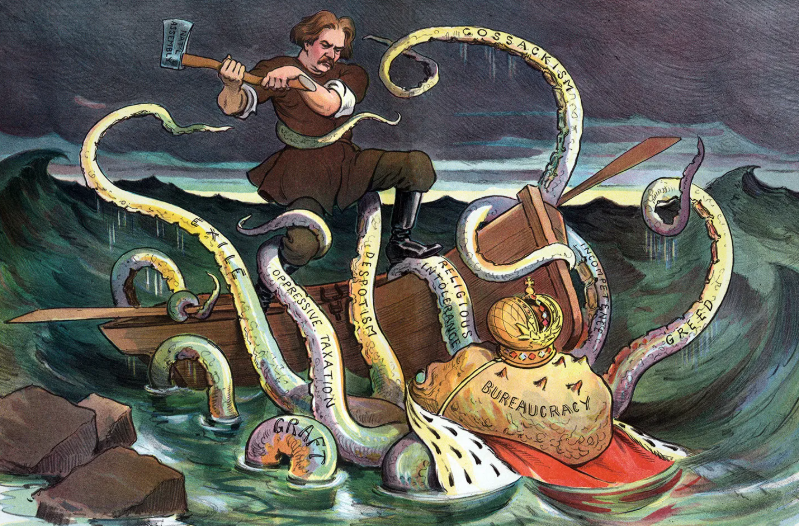
The Manufactured Court Reporter ‘Crisis’ and the Dangerous Push for Unlicensed Transcription
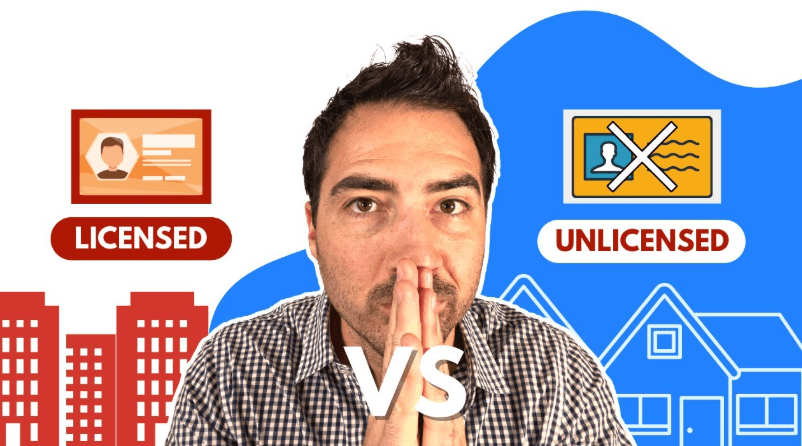
The myth of a court reporter shortage is being exploited to push unlicensed transcription services into the legal system. But only certified court reporters—not agencies or transcriptionists—can serve as the Responsible Charge. They alone have the authority to certify transcripts, administer oaths, and safeguard the record. Replacing them with unqualified labor threatens due process and undermines the very foundation of courtroom integrity.
 STENOIMPERIUM