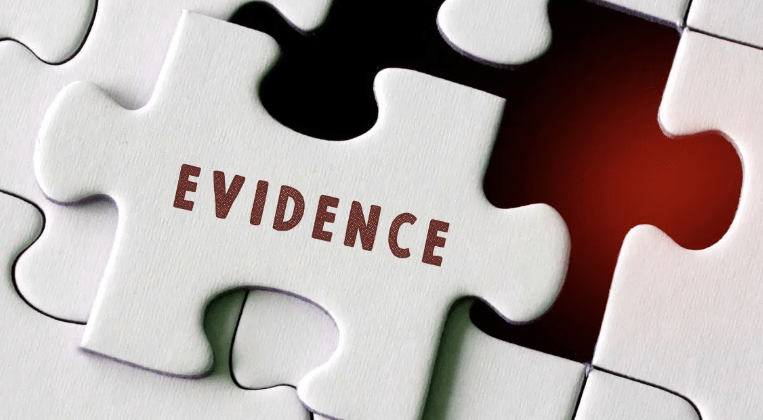
A legal transcript is not a convenience product. It is evidence. Evidence requires provenance, certification, and lawful creation. When proceedings are merely recorded and later transcribed by unlicensed individuals, the result is not a court record—it is media. Courts are quietly replacing evidentiary safeguards with technical workflows, downgrading the legal record from authenticated proof to a reconstructive artifact.
Tag Archives: LegalTechnology
When a Profession Is Under Siege, Its Trade Association Should Not Be Hosting Craft Night

As courts experiment with digital capture and AI transcription, the integrity of the legal record is under unprecedented pressure. Yet California’s flagship Court Reporting & Captioning Week is being promoted with craft nights and lifestyle events. At a moment that demands advocacy, public education, and professional defense, the association’s messaging risks trivializing a profession that exists to safeguard due process itself.
When the Machine Gets It Wrong, the Court Still Blames the Human
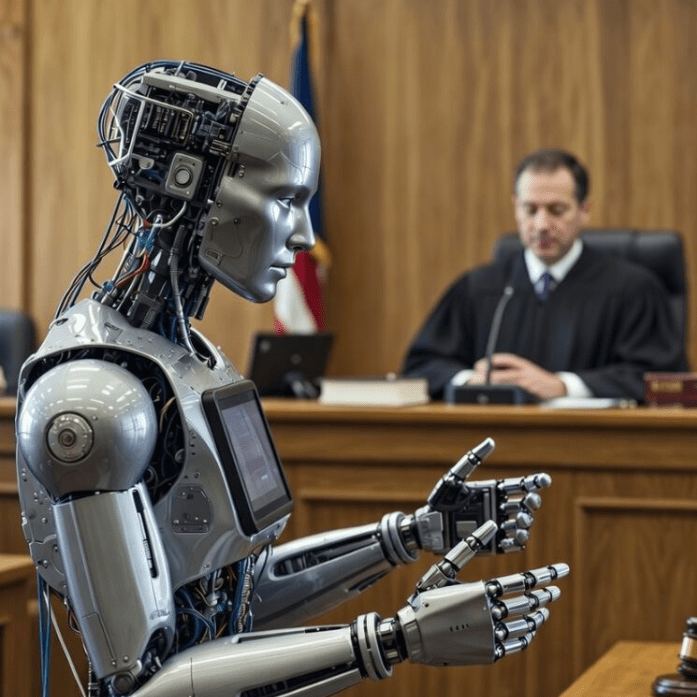
Courts across the country are delivering a blunt verdict on artificial intelligence: speed does not excuse accuracy. As lawyers face sanctions for AI-generated errors, judges are reaffirming an old rule in a new era—accountability remains human. In an age of automation, the certified court record and the professionals who create it have never mattered more.
When Speed Replaces the Record – What “FTR Now” Reveals About the Future of Court Transcription

A new legal tech product promises “searchable transcripts” from courtroom audio in minutes, built in just two days and priced at seven dollars an hour. But speed and convenience come at a cost. When automated transcription is mistaken for the official record, accuracy, accountability, and due process are quietly put at risk—often before attorneys realize the distinction matters.
 STENOIMPERIUM