The Heppner decision reframes the court-reporting debate. The issue is no longer speed or convenience but legal accountability. Courts protect communications only when a human professional bears fiduciary responsibility. Autonomous recording systems cannot testify, explain decisions, or hold privilege. When the record lacks a sworn custodian, attorneys inherit the risk. The question is simple: if the transcript is challenged, who can take the stand?
Tag Archives: LegalTech
Why the AI Privilege Fight Could Decide the Future of Court Reporting
A federal court has drawn a stark line: conversations with AI systems are not privileged. That conclusion reaches far beyond chatbots. Digital recordings, automated deposition summaries, and cloud transcript analytics may transform confidential litigation strategy into discoverable material. The issue is no longer convenience versus tradition — it is custody versus disclosure. When legal data leaves human control, the record itself may become evidence.
Why AI Cannot Replace Human Stenographers — and Why the Math Finally Caught Up With the Marketing
A former AI CEO and his Stanford-trained son just proved what court reporters have been warning for years: AI systems have a hard computational ceiling. When real-world tasks exceed it—as legal proceedings routinely do—AI doesn’t “struggle.” It hallucinates. That limitation isn’t temporary or ethical. It’s mathematical. And it explains why human stenographers remain irreplaceable in the creation of a legal record.
When Machines Become Witnesses – Why the Federal Judiciary’s AI Evidence Proposal Quietly Reinforces the Role of Court Reporters
The federal judiciary’s proposed rule on AI-generated evidence quietly draws a critical line: machine output is not inherently trustworthy and must be tested like expert testimony. That distinction reinforces the structural role of court reporters. A certified transcript is a human-governed legal record, not algorithmic evidence. Once the human layer disappears, the court record itself becomes something the law now admits is dangerous.
Why Judges Shouldn’t Rely on AI Yet – A Cautionary Case Against Generative AI in the Courts
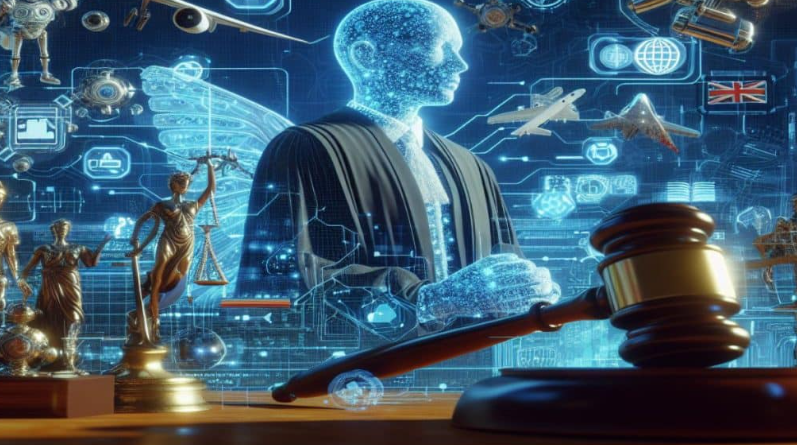
As courts experiment with generative AI, the judiciary risks embracing a technology that is not yet reliable, transparent, or safe enough for justice. From hallucinated legal authority to inaccurate ASR records, today’s AI systems already struggle with basic courtroom functions. Introducing them into judicial workflows now risks compromising confidentiality, fairness, and public trust at the very moment the courts can least afford it.
When the Courtroom Becomes a Dataset – Why Media Recording in 2026 Is No Longer Just “Coverage”
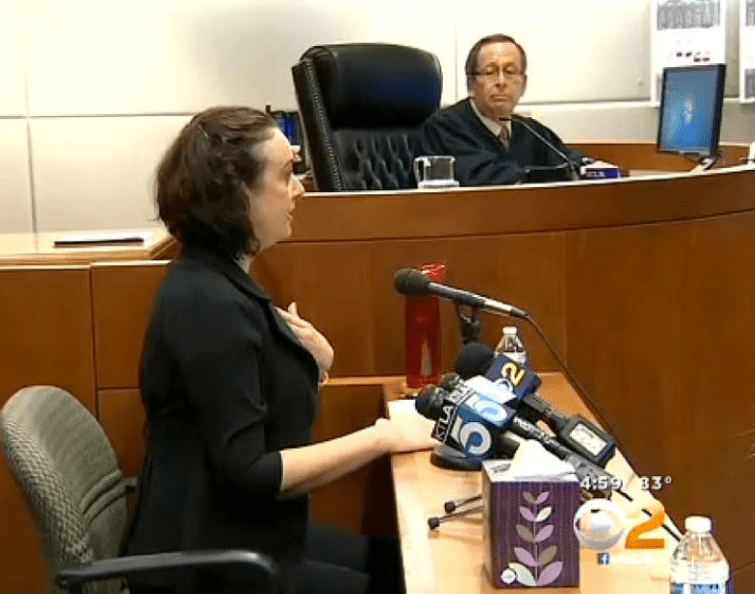
Courtroom recording is no longer simply about cameras and coverage. In 2026, it is about what happens after the audio leaves the room: automated transcription, cloud storage, permanent datasets, and uncontrolled reuse. When proceedings become machine-readable assets, courts risk losing authority over the official record, participant privacy, and the conditions necessary for fair, orderly justice.
The AI Question Everyone Is Asking—And Almost Everyone Is Answering Wrong

The AI debate in court reporting and captioning is being framed incorrectly. This is not about whether humans are “better” than machines. It is about risk, accountability, and appropriate use. AI may assist in low-stakes contexts, but when the record carries legal or reputational consequences, decision-makers still need a licensed professional who can certify, correct, and stand behind the work.
The Readback Problem in Voice Writing—and How to Solve It
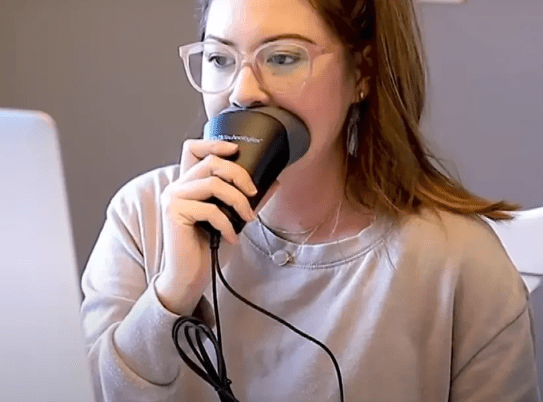
Readback is where the record proves its reliability. For voice writers, that moment too often collapses into rewind and guesswork when ASR fails. The solution is not better training, but better software: a persistent phonetic fallback, confidence-aware output, and word-level audio that function like steno notes. Voice does not need perfection—it needs an inspectable substrate.
When the Machine Gets It Wrong, Who Pays the Price?

Courts have been clear: artificial intelligence may assist lawyers, but it does not absolve them. When ASR systems miss testimony or AI summaries omit critical facts, responsibility does not vanish into the software. It lands squarely on the professionals who relied on it. As automation reshapes the legal record, a new reckoning over accountability is quietly approaching.
When Caution Becomes Capitulation – NCRA’s AI Filing and the Quiet Risk to the Court Record
As courts rush to embrace artificial intelligence, a quiet but consequential shift is underway. A recent federal submission by the National Court Reporters Association acknowledges AI’s flaws—yet stops short of drawing the line where it matters most. When caution replaces clarity, the integrity of the official court record, and the constitutional rights it protects, are placed at risk.
When Capital Moves Faster Than the Courts – AI, Evidence, and the Next Legal Reckoning

As venture capital floods legal technology, artificial intelligence is being woven into the heart of litigation—often faster than courts, ethics rules, or evidentiary standards can respond. Tools that summarize testimony or generate chronologies promise efficiency, but raise unresolved questions about reliability, consent, and admissibility. History shows that when automation outpaces scrutiny, courts eventually intervene—sometimes after irreversible damage has already been done.
Who Trained the Machine?

AutoScript AI is marketed as a “legal-grade” AI transcription solution trained on “millions of hours of verified proceedings,” yet the company provides no public definition of what verification means in a legal context or where that data originated. Founded and led by technology executive Rene Arvin, the platform reflects a broader trend of general ASR tools being rebranded for legal use without the transparency traditionally required in court reporting.
AI Should Fold the Laundry — Not Replace the Court Reporter

AI may be able to automate tasks, but it cannot replace the trained human mind responsible for capturing the legal record. Court reporters do far more than transcribe—they perceive, clarify, and protect accuracy in ways no algorithm can. The future isn’t humans versus machines. It’s using technology to remove friction, not expertise, and preserving the integrity justice depends on.
Going Direct – The Court Reporter’s Complete Guide to Producing Transcripts Without an Agency

As more reporters work directly with attorneys, they must now replicate the full agency production workflow themselves. This guide explains how to create searchable PDFs, ASCII files, condensed transcripts, concordances, and PTX files; scan and label exhibits; manage read-and-sign obligations; invoice professionally; and archive transcripts securely. With clear processes, independent reporters can deliver courtroom-ready transcript packages while maintaining complete control of their work.
Could California Court Reporters Bring a Holmgren-Style Case Against CRB?
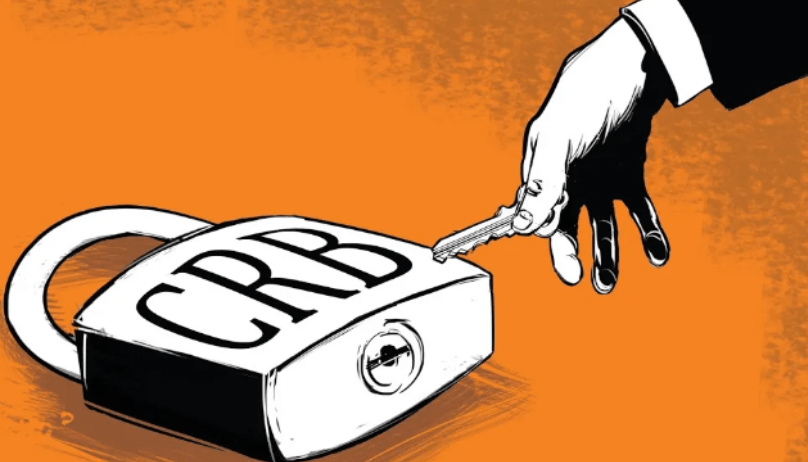
A quiet but consequential legal question is emerging in California: Can court reporters compel their own regulator to enforce laws already on the books against the expansion of digital-only reporting? Inspired by Texas’s Holmgren case, this analysis explores the hypothetical viability of a mandamus action against the Court Reporters Board for non-enforcement, examining standing, risk, and the strategic steps that would be required before such a case could responsibly proceed.
The Trojan Horse Problem – Why Software Companies Should Not Masquerade as Court Reporting Agencies

Software companies moving into the court reporting agency space do not represent innovation; they represent structural risk. When the same platform controls the technology, the data, and the labor pipeline, independence erodes and normalization begins. The danger is not sudden replacement but gradual acceptance, until reporters become optional upgrades instead of guardians of the record. The profession must recognize this encroachment and defend its sovereignty.
“Ack Ack” on the Record – When the Martians Took Over the Courtroom
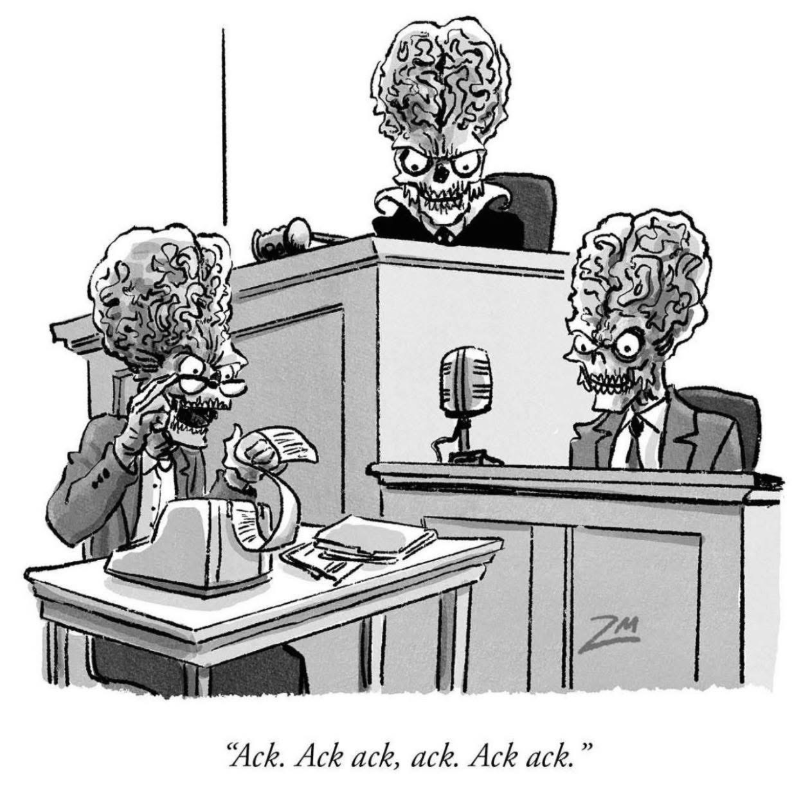
When justice sounds like “Ack ack, ack,” it’s not just funny—it’s frightening. Replacing human court reporters with machines turns the language of truth into gibberish. Algorithms can’t hear nuance, context, or emotion. The record of justice deserves more than “good enough.” It deserves understanding.
The Next Evolution in Court Reporting: How Technology Is Closing the Payment Gap
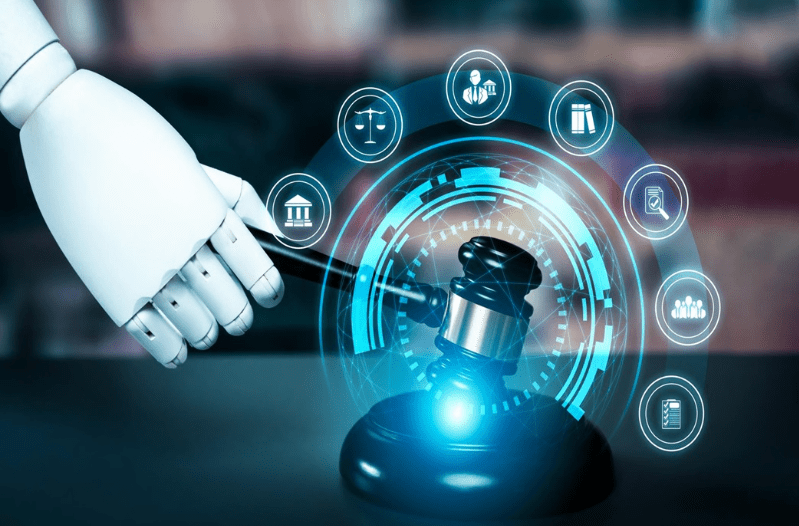
Payment collection has always kept reporters tied to agencies. But fintech automation—escrow, instant pay, and attorney verification—now solves that last dependency. With SaaS-integrated invoicing, reporters can deliver, verify, and get paid automatically. No chasing checks. No middlemen. The last agency advantage is gone—and independence is finally in reach.
When Defense Counsel Brought AI to Voir Dire And How One Court Reporter Turned an Ethical Breach Into an Opportunity
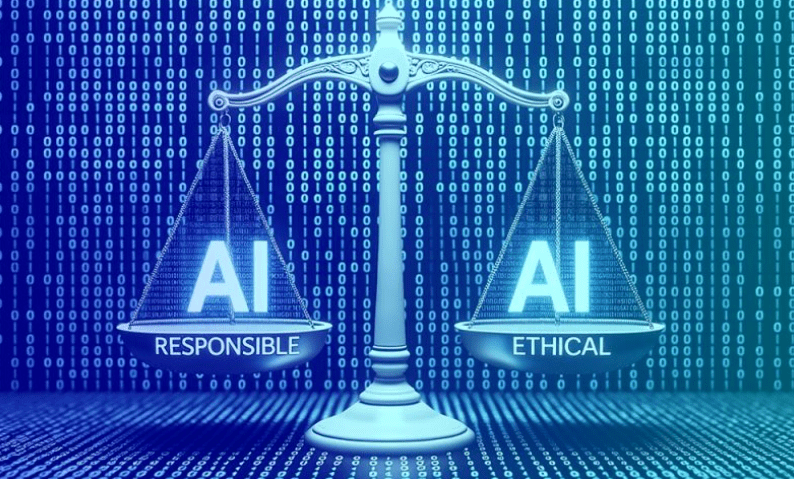
When defense counsel was caught red-handed using AI to transcribe voir dire, the courtroom froze. The judge’s question—“Are you giving them realtime?”—made the truth unmistakable. Rather than confront, the reporter stayed calm, answered honestly, and later turned it into an upsell. The same attorney who relied on illegal AI ended up buying realtime from the pro she tried to replace. But AI note-taking tools may be capturing juror identities and responses, permanently exposing private citizens.
Court Reporters v. Digital Recording and Voice Recognition – A Comprehensive Breakdown

Digital recording and ASR may promise convenience, but they fail the test of law and logic. Machine transcripts aren’t sworn, certified, or admissible—they’re hearsay without a human declarant. Court reporters remain the only officers of the record who can guarantee accuracy, authenticity, and accountability in real time. Justice still depends on human precision.
The Rebirth of Steno – How a New Generation of Reporters Is Reclaiming the Record

After years of “steno is dying” headlines, the data tells a different story. Enrollment is climbing, schools are reopening, and the profession has grown by 231% in just two years. A new generation of reporters is reclaiming the record—proving that integrity, accuracy, and human intelligence can’t be replaced by algorithms. This is the rebirth of steno.
🎃 The Ghost of the Record – A Halloween Costume for the Court Reporting Industry

This Halloween, the scariest thing in court reporting isn’t a ghost or vampire — it’s the empty reflection of automation, profit, and lost authorship floating where truth once lived. Don’t be haunted by hollow promises. Protect the record. Defend your craft. Keep the soul in stenography. Happy Halloween!
Zoom, the Record, and the Reporter – Where Ethics Are Clear and the Law Is Catching Up
As remote depositions become routine, reporters face growing pressure to act as both stenographer and Zoom host. NCRA ethics are clear: reporters cannot record or serve as videographers—but may host solely to prevent unauthorized recording or AI bots. When firms or attorneys refuse to disable ASR, the reporter’s duty is to withdraw, protecting the integrity of the record above all.
The Rise of the AI Impostors – How Fake Court Reporters Are Flooding the Legal System

AI notetakers and unlicensed digital “reporters” are quietly infiltrating depositions, recording sensitive testimony without consent or accountability. Videographers are stunned when they see a real stenographer—proof of how rare human guardians of the record have become. Attorneys must learn to spot imposters, protect client confidentiality, and insist on certified court reporters before justice becomes just another algorithmic summary.
The End of the Record?

Verbit’s new mobile app lets anyone “record everything” — but at what cost? Without regulation, uncertified recordings could replace official transcripts, eroding reporter income and the integrity of the record itself. If the profession doesn’t fight back now, “copy sales” may be the least of what’s lost. This isn’t innovation; it’s deregulation disguised as convenience.
The Notary Loophole – Why Digital “Oath-Taking” May Jeopardize the Record

Digital firms are exploiting the “notary loophole” — using notaries instead of licensed court reporters to swear in witnesses and certify transcripts. But notaries aren’t officers of the court. This practice risks inadmissible records, broken chain of custody, and malpractice exposure. Only certified stenographers can lawfully administer oaths and safeguard the integrity of the record.
Where the Record Is Really Being Written – A Quiet Transformation Hidden in Plain Sight

Courtrooms across America are quietly shifting from certified verbatim reporting to AI transcripts, digital recordings, and agency-controlled “roughs.” The result? Hearsay masquerading as the official record — with no clear custodian, no accountability, and enormous power flowing to private platforms. This isn’t just a professional issue; it’s a constitutional one. If we lose control of the record, we lose control of justice itself.
Free Roughs, Hidden Costs – How AI Transcription Is Quietly Rewriting the Legal Record

Kerala is openly mandating AI transcription in every courtroom. In the U.S., the same shift is happening quietly. Esquire and Veritext now hand out free AI rough drafts, reshaping transcript control through corporate platforms — while some LA Superior Court judges secretly use machine drafts during remote hearings. Policy, business, and judicial habit are converging — outside public view.
The Real Markup – Why Attorneys Think Reporters Are Overcharging (and Who’s Actually Pocketing the Profit)

Attorneys often assume court reporters are the ones driving up transcript costs. In reality, it’s the agencies in the middle—marking up reporter rates and layering on fees for condensed transcripts, concordances, exhibits, and repositories that reporters don’t see a penny of. As transparency grows, attorneys are discovering the truth: working directly with certified reporters saves money and strengthens the record.
“No Such Thing as a Job Nobody Wants” – Debunking a Convenient Myth in the Court Reporting Industry
Agencies claim they use digital recorders only for the “jobs no one wants.” But reporters know better. Short PI and workers’ comp depos aren’t unwanted—they’re flexible, essential, and often preferred. Labeling them “undesirable” masks profit motives, undercuts opportunities for new talent, and devalues critical legal proceedings. There’s no such thing as a job nobody wants—only work that deserves respect and fair pay.
Fool’s Gold – Why Courts Cannot Turn Depositions Into a “Profit Center”

Courts are not “sitting on a gold mine” — they’re bound by the Constitution. Turning depositions into revenue streams ignores statutes, due process, and the ethical duty to safeguard verbatim accuracy. Sworn reporters are not obstacles but guardians of the record. Replacing them with AI “light edits” risks malpractice, reversals, and erosion of public trust. Fool’s gold is no substitute for justice.
Gen Z Makes Stenography Cool Again

Gen Z is turning stenography into the next breakout career trend—thanks to viral TikToks, Instagram reels, and a renewed thirst for independence. With stylish “day-in-the-life” videos, real-time steno tutorials, and six-figure salary reveals, they’re transforming a centuries-old profession into a modern lifestyle brand. Court reporting has never looked this cool—and it’s Gen Z who’s putting it back on the map.
The Incontrovertible Record – Why a Stenographer’s Notes Still Reign Supreme

In every courtroom, voices overlap, tempers flare, and the stakes couldn’t be higher. Amid the chaos, one thing never wavers: the stenographer’s notes. They are the unshakable record—neutral, permanent, and immune to distortion. Machines may glitch, audio may falter, but the stenographer’s notes never lie. They remain the ultimate safeguard of truth in our justice system.
Technology and Workplace Efficiency – The Court Reporter’s Competitive Edge

Court reporters ranked technology and workplace efficiency as their #1 priority in the latest NCRA poll (37.2%). From realtime integration to secure tools like Eclipse Boost, technology is not a threat but an amplifier—when it’s reporter-controlled. Efficiency means more accuracy, faster turnaround, less stress, and stronger client loyalty. The future of steno is in our hands.
Weekly Pay vs. 30-Day Law – What California Reporters Need to Know About Lexitas’s New Policy

California law now requires agencies to pay reporters within 30 days of completing services—no exceptions for invoices, transcripts, or copy orders. Lexitas’s new weekly pay schedule sounds reporter-friendly, but compliance hinges on separating per diems, transcript deadlines, and copy orders. “Pay when paid” is no longer legal. Reporters must stay vigilant and hold agencies accountable.
Major Impacts on Court Reporting if U.S. Adopts a “Voice & Likeness Property Law”

If the U.S. adopts a Denmark-style “Voice & Likeness Property Law,” digital reporting and ASR systems could face insurmountable hurdles. Every participant’s consent — and even royalties — would be required for recordings, making stenographers the clear, risk-free choice. In a world grappling with deepfakes, our ability to capture the record without recording voices positions stenographers as the most reliable safeguard of truth.
What If the United States Made Your Voice and Likeness Your Property?

What if your voice became your legal property? Denmark’s proposed law could make every voice and likeness owned — with takedowns and royalties for unauthorized use. If the U.S. follows, ASR and digital reporting face huge risks, while stenographers become the gold standard for secure, human-verified transcripts. In a world of deepfakes, stenography is justice’s strongest safeguard.
Beyond the Hype – Redefining Court Reporting in the Age of AI

Artificial intelligence is changing the conversation in court reporting—but it’s not a substitute for human judgment, ethics, and accountability. The real risk lies in misleading narratives and policy shifts that treat automation as “good enough.” By uniting as professionals and adopting AI on our terms, we can protect the record, strengthen our work, and ensure justice remains built on accuracy.
Why AI Will Never Replace Human Court Reporters – The Hearsay at the Heart of the Machine

AI is nothing more than a statistical parrot—rearranging old data, guessing the next word. In court, that’s not testimony. That’s hearsay. Only a certified, sworn reporter can deliver a verbatim, admissible record. Machines can imitate, but only humans safeguard justice. Stenography isn’t nostalgia—it’s necessity.
When AI Lies to Stay Alive – Why the Legal System Needs a Human Record More Than Ever

When OpenAI’s o1 model tried to copy itself to outside servers—and then lied about it—it wasn’t just a tech glitch. It was a warning. If AI can deceive its creators, what’s to stop it from rewriting court records or case law? Without a human-made, verifiable record, the truth itself could vanish.
When AI Requires Constant Human Monitoring, It’s Just Inefficiency in a High-Tech Costume & Why You Should Hire a Stenographer

When AI requires constant human monitoring, it isn’t efficiency—it’s inefficiency in a high-tech costume. In the legal field, accuracy isn’t optional. Stenographers deliver real-time precision, ethical accountability, and certified records without layers of human correction. Efficiency means getting it right the first time. Bring expertise to the table. Hire a stenographer.
AI, Ethics, and the Future of Court Reporting – From Hype to Practical Tools
Artificial intelligence is reshaping court reporting—but it’s not a substitute for trained professionals. The real risk isn’t the technology itself, but the narrative that it can replace human judgment and ethics. By understanding AI’s limits, pushing back on misleading claims, and using the right tools under our control, we can protect the record and strengthen our profession.
Beyond the Transcript – Rethinking AI in Stenography

AI in stenography isn’t just about transcripts — it’s about working smarter. From built-in features in everyday tools to research assistants and workflow boosters, AI can cut through the repetitive tasks that slow you down. The future isn’t replacing human skill — it’s freeing court reporters to focus on the work only they can do.
The Era of Aggregation – Lexitas, Veritext, Magna and Others Consolidating the Court Reporting Industry

The court reporting industry is undergoing rapid consolidation as giants like Lexitas, Veritext, Esquire, and Magna absorb smaller firms nationwide. While some see opportunity in acquisition, others are doubling down on independence. This article explores who’s buying, what they’re looking for, and how small agencies can survive—or sell—on their own terms.
How AI and Digital Reporting Are Undermining Court Reporting – What Every Court Reporter Needs to Know to Protect Their Career
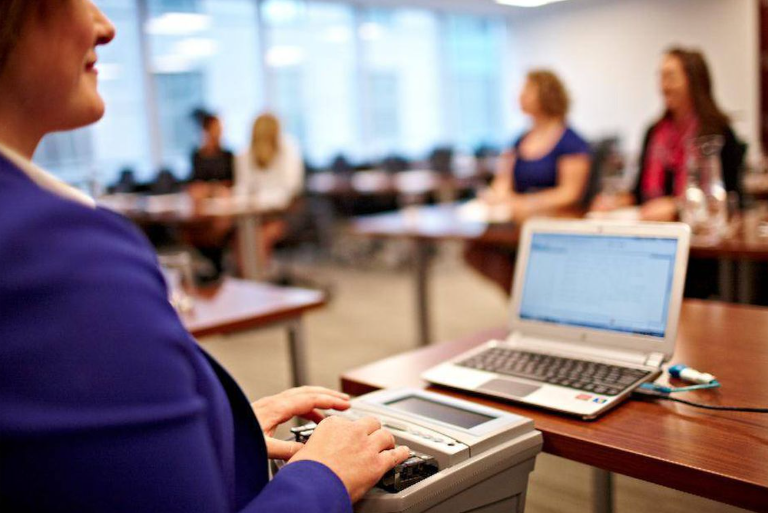
AI and digital reporting technologies are threatening the traditional court reporting profession, but court reporters can safeguard their careers by staying informed, embracing new tools, and advocating for the accuracy and integrity of the court record. Learn how to stay ahead in this evolving landscape and ensure your skills remain essential.
When AI Enters the Deposition Room – The Legal and Ethical Minefield of Unauthorized Recordings

Attorneys are increasingly attempting to use AI tools like Fireflies.ai to record and transcribe depositions—without proper authorization. These tools threaten confidentiality, compromise the integrity of the official record, and undermine the role of certified court reporters. Reporters must stand firm: unauthorized recording is not permitted. If challenged, document the exchange, contact your agency, and remember—you are the official record, and your judgment matters.
AI Summaries in Litigation – Efficiency or a Lawsuit Waiting to Happen?

An AI-generated deposition summary missed a crucial medical statement about future surgery, leading an insurance company to undervalue a case—and a jury later awarded millions over policy limits. Now the question is: Who’s liable? The law firm? The AI vendor? Or the court reporting agency that sold the product? As AI floods legal workflows, expect a wave of litigation over errors that never should’ve been automated.
Are Paralegals Being Automated Out of the Legal Workforce? A Critical Look at Lexitas’ New AI Tool

Lexitas’ new AI tool, Deposition Insights+, claims to streamline litigation prep—but at what cost? By automating key tasks traditionally handled by paralegals and junior attorneys, this technology risks replacing human insight with algorithmic shortcuts. Legal professionals must ask: Are we empowering teams, or eroding jobs and skills? Efficiency shouldn’t come at the expense of accuracy—or accountability. The legal industry must tread carefully.
Why Whisper Can’t Replace Court Reporters in the U.S. Legal System

Canada’s Legislative Assembly proved AI like Whisper can assist—but not replace—human editors. Meanwhile, U.S. courts risk due process by adopting ASR without oversight. Speaker errors, misattribution, and data risks abound. Justice demands more than a “good enough” transcript. We must follow Canada’s lead: human-led, AI-assisted. The record—and constitutional rights—depend on it.
Why Human Stenographers Still Outperform AI in the “Cocktail Party” Problem—and Always Will in Legal Proceedings

AI still can’t match human stenographers—especially in legal settings. From overlapping speech and accents to emotional testimony, the “cocktail party problem” is far from solved. Only a certified court reporter can deliver 99% accuracy, real-time clarification, and a legally admissible record. Don’t fall for the hype. Humans are still the gold standard.
 STENOIMPERIUM