
There was a time when court reporters stayed with agencies because agencies gave them stability, protection, professional identity, and a future. That relationship quietly eroded as the industry shifted toward volume, platforms, and cost-cutting. If agencies want loyalty again, they must rebuild what once existed: fair pay, safety, respect, growth paths, and a mission reporters actually recognize.
Tag Archives: LegalRecord
The “Warm Body” Problem – How Court Reporters Became the Last Line of Accountability

Court reporters are increasingly being treated as logistical placeholders rather than as the professional safeguard of the legal record. Assignments arrive stripped of party information, context, and verification, yet reporters are still asked to place their names and license numbers on transcripts that carry legal weight. The frustration spreading through the profession is not about workload. It is about accountability.
After the Week – What “The Record Under Pressure” Set Out to Do—and Why It Cannot End Here
“The Record Under Pressure” was not written to celebrate a profession, but to examine a system. Over eight days, this series traced how technology, business consolidation, and courtroom drift are reshaping the legal record. Its purpose was simple: to make the justice system’s memory visible again, and to ask whether its transformation is being governed by law—or by convenience.
If the Record Fails – The Future of Justice in a Court System That Can No Longer Prove Itself
A justice system survives only as long as it can prove what happens inside its own courtrooms. As the legal record weakens, appeals turn speculative, accountability erodes, and legitimacy fractures. Courts may continue to rule, but they will increasingly struggle to justify. A system that cannot reliably preserve its proceedings eventually forfeits authority over its own truth.
What Courts Must Do Now – The Legal Record at a Crossroads
The American justice system is approaching a crossroads. Technology, business consolidation, and courtroom drift are quietly redesigning how truth enters law. Courts must now decide whether the legal record will remain a governed evidentiary system or become a technical byproduct of convenience. This is not an operational question. It is a constitutional one.
The Last Neutral in the Room – Why the Court Reporter Is a Structural Safeguard, Not a Service
Court reporters are not service providers. They are structural safeguards. As neutral officers of the court, they preserve the conditions under which justice can later be reviewed, challenged, and corrected. When that role is reframed as clerical or commercial, the system does not merely modernize. It dismantles one of the protections that make legitimacy possible.
Between Bench and Record – What Is Already Happening Inside America’s Courtrooms
The transformation of the legal record is no longer theoretical. It is already happening in everyday courtrooms, through routine decisions that quietly reshape how proceedings are preserved. Reporters are discouraged, recordings are substituted, and speed overtakes precision. These changes rarely make headlines, yet they are redefining the evidentiary foundation of justice.
Private Equity, Public Records – How Business Is Reengineering Custody of the Legal Transcript
The legal transcript has quietly become a commercial asset. As private equity and corporate platforms centralize custody of the record, financial logic is beginning to replace evidentiary logic. Custody determines power. And when custody moves from courts into markets, the justice system inherits risks it did not design and cannot easily unwind.
When Software Becomes a Silent Witness – Ethics, Technology, and the Coming Evidentiary Reckoning
For the first time, courts are being asked not merely to use technology, but to trust it. As software moves into the evidentiary core of proceedings, responsibility is diffusing, accountability is thinning, and ethical frameworks are lagging behind technical adoption. This is not a workflow shift. It is an evidentiary one.
The Legal Record, Explained – Why a Transcript Is Not a Recording—and Why That Distinction Now Matters
A recording is raw data. A transcript is sworn evidence. A legal record is an evidentiary system. Today, those distinctions are being blurred, and the justice system is inheriting risks it does not yet see. When accountability chains thin and custody diffuses, courts lose more than accuracy. They lose defensibility.
The Record Under Pressure – Why the Legal Record Has Entered Its Most Dangerous Era
The legal record is being reshaped faster than the justice system’s safeguards can adapt. Technology, business consolidation, and courtroom practices are quietly altering how truth is captured, preserved, and controlled. This series begins with a warning: when the record changes, the justice system changes with it. And right now, the record is under pressure.
Court Reporting & Captioning Week | StenoImperium Launch Post
During Court Reporting & Captioning Week, celebration alone is not enough. The legal record is under pressure, reshaped by technology, business models, and quiet courtroom shifts. This series asks court reporters to step into their professional responsibility: to circulate clear analysis to attorneys and judges, and to help the legal community understand what is happening to the evidentiary spine of justice right now today nationwide.
Coming Soon! The Record Under Pressure
Coming soon! In courtrooms across the country, the legal record is being reshaped by technology, business consolidation, and quiet procedural drift. These changes are rarely debated, yet they are redefining how truth enters law. During Court Reporting & Captioning Week, StenoImperium will launch an investigative series examining what is happening to the record—and what the justice system risks becoming if it is not governed deliberately.
Who Is NCRA Working For?
The National Court Reporters Association was created to guard a profession built on precision, licensure, and trust. But its expanding relationships with digital training companies, corporate consolidators, and branding organizations raise an urgent question: is NCRA still defending stenography, or has it begun financing its own displacement? When a trade association profits from the markets replacing its members, neutrality becomes a business model.
Court Transcript Rules Shift in Los Angeles County – What Litigants Need to Know
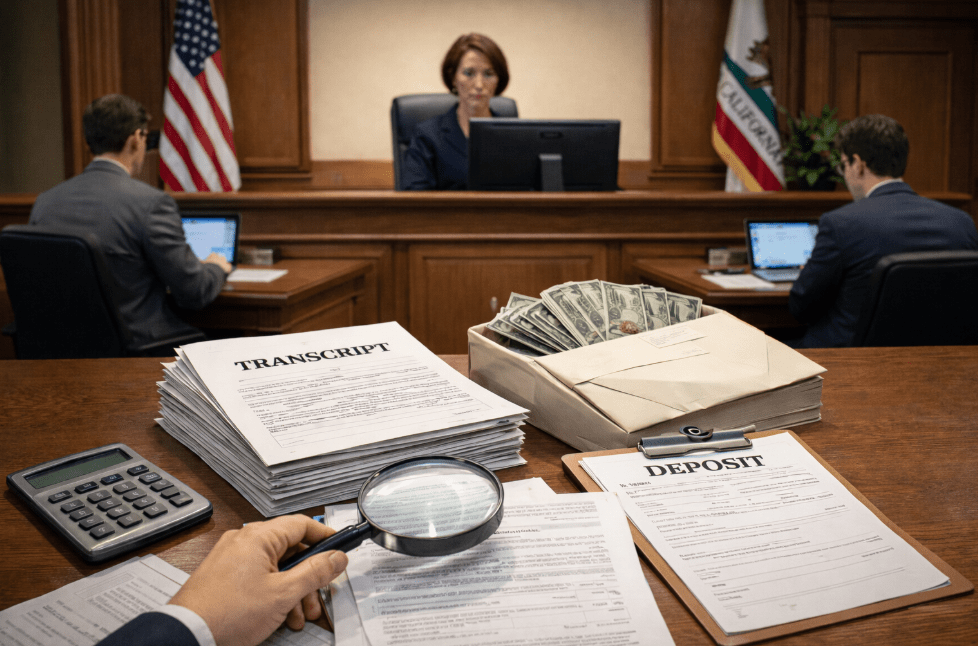
On January 21, 2026, the Los Angeles County Superior Court quietly clarified how parties may purchase reporter’s transcripts on appeal—reshaping the financial and procedural mechanics behind who pays, who receives copies, and how the official record moves forward. While technical on its face, the change touches the core of appellate practice: access to the words that ultimately decide cases.
The Quiet Fear Inside the Record
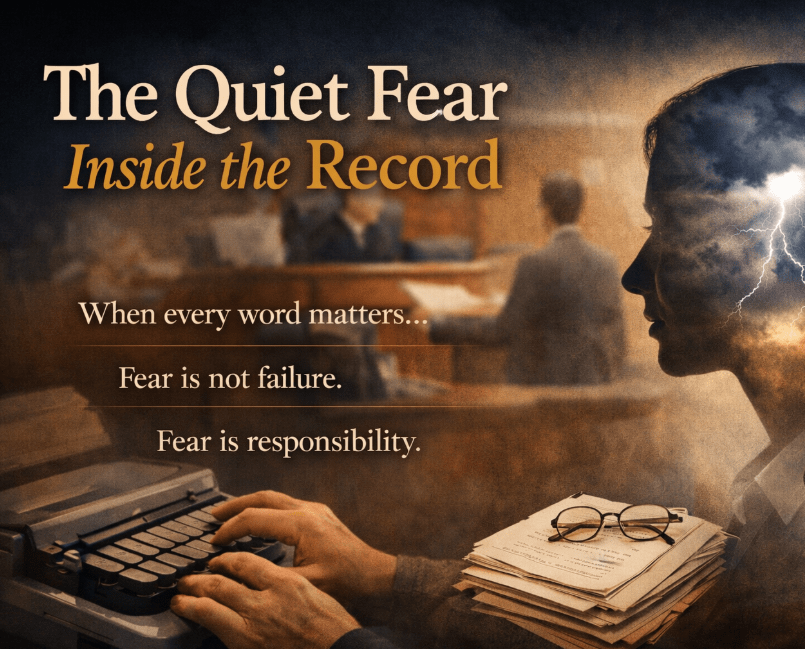
Court reporters rarely speak about fear, yet it quietly accompanies some of the most important moments of their careers. It surfaces in high-stakes trials, unfamiliar courtrooms, and proceedings where every word carries lasting consequence. This fear is not evidence of failure. It is evidence of responsibility. And learning to work with it, rather than retreat from it, may be one of the profession’s most essential skills.
An Open Letter to Judges – On the Custody of the Record
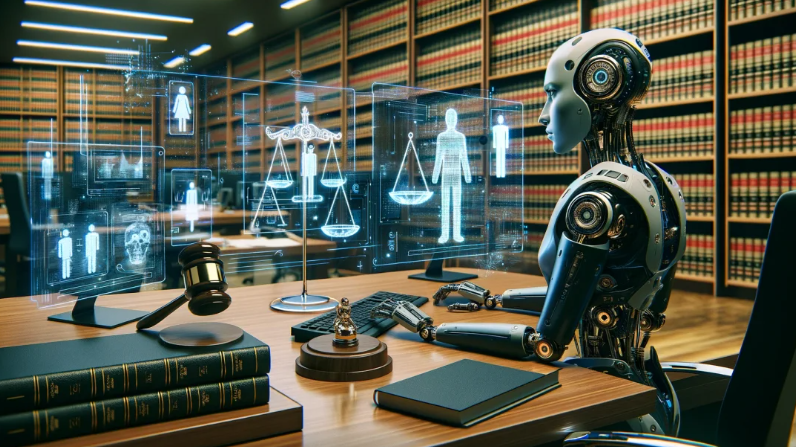
The judiciary’s authority endures not through rulings alone, but through the integrity of the record. When courts weaken professional accountability over how proceedings are captured, they do not merely modernize operations—they destabilize the evidentiary foundation of justice itself. The legal record is not output. It is evidence. And evidence requires human, licensed custody.
The Record Is the Case – Why Saving Court Reporting Means Saving Legal Reality

The record is not a convenience. It is evidence.
Every ruling, appeal, settlement, and precedent rests on the integrity of the transcript. When courts weaken the standards governing how the record is created, they are not modernizing—they are destabilizing the very foundation of justice. Saving court reporting is not about preserving a profession. It is about protecting legal reality itself.
When a Profession Is Under Siege, Its Trade Association Should Not Be Hosting Craft Night

As courts experiment with digital capture and AI transcription, the integrity of the legal record is under unprecedented pressure. Yet California’s flagship Court Reporting & Captioning Week is being promoted with craft nights and lifestyle events. At a moment that demands advocacy, public education, and professional defense, the association’s messaging risks trivializing a profession that exists to safeguard due process itself.
Remote Reporting Didn’t Devalue the Profession. It Forced It to Clarify Its Value.

Remote proceedings did not cheapen court reporting. They stripped away logistics and forced the profession to confront what it actually sells: custody of the legal record. As rate debates intensify, the future of stenography may depend less on where reporters sit and more on whether the profession anchors its value in accountability, professional responsibility, and the integrity of the record itself.
AB 1189 Collapses — and Why That Matters More Than the Victory Lap Suggests

Assembly Bill 1189 did not collapse because of rhetoric or resistance to change. It failed because it attempted to shift control of California’s official legal record away from the state and into private hands. While its withdrawal is significant, it is not the end of the effort to reframe record creation. The next proposal will be quieter, cleaner, and harder to spot.
When an AI “Note-Taker” Shows Up to a Legal Proceeding

AI note-taking tools may be convenient in business meetings, but their presence in legal proceedings raises serious concerns about confidentiality, chain of custody, and record integrity. When unauthorized bots capture testimony, the official record can be compromised in ways that surface long after the proceeding ends. Protecting the record means understanding when technology crosses a legal line.
When the Record Is Public, Who Pays for It?

Court transcripts are treated as public goods, but the labor that creates them is not. While federal courts quietly preserve a temporary restriction period before transcripts become freely accessible, state court systems operate under very different economic models. Together, these frameworks reveal how control of the legal record has shifted away from court reporters, steadily separating access from fair compensation.
The Voice Writing Question – Is the Fastest Entry Path Quietly Reshaping—and Risking—the Court Reporting Profession?
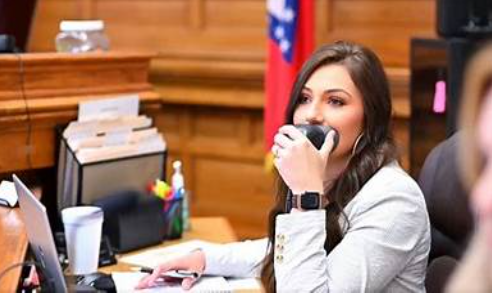
Voice writing is rapidly being marketed as the fastest path into court reporting, even as it remains unrecognized as stenography by the profession’s own national association. This article examines the growing disconnect between how voice writing is sold and how the legal record actually functions, why many machine reporters are learning voice for longevity—not superiority—and what happens when speed of entry outpaces experience in a profession built on precision.
2026: The Year the Record Reasserts Itself

2026 is shaping up to be a pivotal year for court reporting. As courts and lawmakers confront the limits of agencies, AI, and automated recording, the profession is seeing renewed focus on responsible charge, accountability, and human judgment. Legislative clarity, reporter-centric technology, and coming court decisions may finally reassert who—and what—the legal record truly depends on.
Why “We’re Embracing AI” Is the Wrong Message for Court Reporting

In an era of relentless reassurance, court reporters are being told that embracing AI is the path forward. But optimism without precision is dangerous. Technology that assists a licensed human record is not the same as technology that replaces it. When method, authority, and chain of custody are blurred, the integrity of the legal record—not just a profession—is placed at risk.
A Kentucky Hearing Shows Why Digital Recording Is Not — and Never Will Be — an Acceptable Official Record
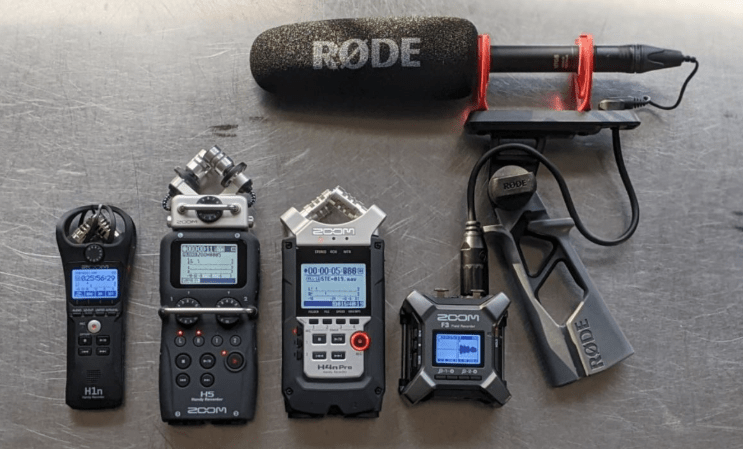
A Kentucky administrative hearing again exposed the fatal flaw of digital recording: when the agency’s “official” audio failed, a certified court reporter was the only reason the record survived. Due process cannot depend on glitchy technology or missing audio files. This case proves, yet again, that the stenographic reporter—not a digital recorder—is the only acceptable guardian of the legal record.
Where the Record Is Really Being Written – A Quiet Transformation Hidden in Plain Sight

Courtrooms across America are quietly shifting from certified verbatim reporting to AI transcripts, digital recordings, and agency-controlled “roughs.” The result? Hearsay masquerading as the official record — with no clear custodian, no accountability, and enormous power flowing to private platforms. This isn’t just a professional issue; it’s a constitutional one. If we lose control of the record, we lose control of justice itself.
 STENOIMPERIUM