
Court reporting demands silence, precision, and emotional control. But when bullying enters the workplace, the damage does not stay professional. It becomes biological. Chronic targeting alters sleep, memory, immunity, and emotional regulation. Too often, institutions remove the injured reporter instead of the harmful behavior. The result is a quiet health crisis inside a profession built on endurance.
Tag Archives: LegalProfession
When the Court Becomes the Classroom – How In-House Voice-Writing Programs Are Reshaping the Record

Courts across the country are quietly launching in-house voice-writing programs, training clerks and court staff to become certified reporters. Framed as a solution to shortages, these initiatives shift education inside the institution itself. But when courts become the classroom, deeper questions emerge about independence, professional standards, and who ultimately controls the creation of the legal record.
The Floor and the Ceiling – Why Experience Should Raise Earnings — Not Lower the Profession’s Base Rate

Court reporting faces a critical pricing question: should new reporters charge less for the same official record? The answer determines whether the profession maintains a stable foundation or trains the market to seek the lowest bidder. Experience should raise earnings through advanced services like realtime and expedited delivery — not reduce the baseline value of the record itself.
Between the Words – What Court Reporters Can Learn From the People Who Interrupt

In courtrooms, interruption is often treated as a matter of manners. But emerging research suggests it is more often a matter of nervous systems. High processing speed, anxiety, and attention-regulation differences can drive people to speak before they mean to. For court reporters, understanding this distinction is not indulgence. It is a practical tool for protecting the record and restoring order with precision rather than irritation.
Staying in the Chair – What Court Reporting Teaches Us About Pain, Presence, and Power
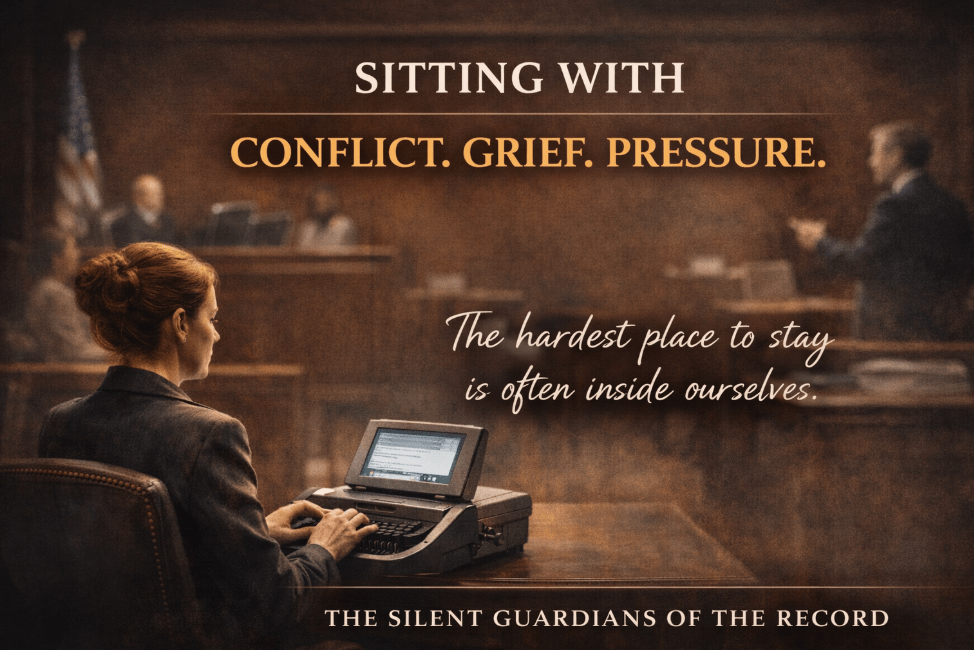
Court reporters spend their careers staying in rooms most people instinctively want to leave. They sit inside conflict, grief, tension, and pressure so the legal record can exist. But the profession rarely teaches reporters what to do with what accumulates inside them. This article explores why presence, not avoidance, is often the beginning of resilience—and real professional power.
Never Waste an Opportunity to Go to CourtWhat a Court Reporter Sees From the Other Side of the Record
Court is not the end of the work. It is where the work becomes real. From the court reporter’s chair, I watch young attorneys transform not through victories, but through presence—learning how to speak to a judge, how to build a record, how to listen under pressure, and how to develop the quiet authority that cannot be taught in an office.
Whitney Kumar Returns to the Spotlight as Judy Justice Begins Another Season – 2026

Whitney Kumar is back for another season of Judy Justice, returning to the courtroom where precision meets prime time. As the show’s official court reporter, Whitney brings authenticity, professionalism, and deep legal expertise to one of streaming’s most-watched courtroom series. Her continued presence highlights not only her own success, but the vital role court reporters play in preserving the integrity of the record.
Who Is Really Overcharging Attorneys? Inside the Business of Court Reporting in the Private-Equity Era

When attorneys receive shocking court reporting invoices, frustration is understandable. But those inflated charges are not enriching court reporters. They are the product of private-equity consolidation, corporate billing structures, and middlemen who control pricing while paying reporters a shrinking share. If the profession is being hollowed out, it is not by stenographers. It is by the business models built on top of them.
Remote Reporting Didn’t Devalue the Profession. It Forced It to Clarify Its Value.

Remote proceedings did not cheapen court reporting. They stripped away logistics and forced the profession to confront what it actually sells: custody of the legal record. As rate debates intensify, the future of stenography may depend less on where reporters sit and more on whether the profession anchors its value in accountability, professional responsibility, and the integrity of the record itself.
Celebration or Contradiction – When Corporate CEU’s Collide With the Reality of the Record

Corporate newsletters now celebrate “community” and “professional pride” while quietly advancing business models that make those same professionals optional. When private-equity-backed firms praise stenographers as essential yet invest in scalable digital replacements, the contradiction isn’t accidental — it’s strategic. Celebration becomes optics management, not advocacy, and reporters are left to reconcile flattering words with an economic reality moving in the opposite direction.
Using AI to Strengthen Your Voice – How Court Reporters Can Advocate Powerfully for Our Profession

AI isn’t here to replace court reporters—it’s here to amplify us. When used intentionally, AI becomes a strategic partner that helps reporters write stronger letters, clearer public comments, and more persuasive advocacy for our profession. It levels the playing field, giving every reporter the ability to speak with clarity, confidence, and impact. Your voice matters. AI simply helps the world hear it.
The Profession No One Talks About—Until Everything Depends on It

From ancient Phoenician scribes depicted in Disney’s EPCOT to modern realtime stenographers writing 225 words per minute at 95 percent accuracy, court reporters have always safeguarded civilization’s most critical words. They are the neutral architects of the legal record, preserving testimony that determines rights, liberty, and history itself. In an era of automation myths, their human precision remains indispensable.
The Masks Court Reporters Wear—and the Cost of Wearing Them Too Long

Court reporters are trained to capture the truth verbatim, yet many have learned to suppress their own. In a profession built on accuracy and independence, silence has become a survival strategy. Over time, professionalism has been mistaken for passivity, and conformity for neutrality. The result is a culture where dissent feels dangerous—and where thinking independently is quietly discouraged.
Bridging the Career Services Gap in the Court Reporting Profession

Court reporting associations are facing a reckoning. Reporters are not disengaging because they dislike the profession; they are disengaging because their associations no longer align with their most urgent priorities: jobs, advancement, training, and real career security. In an era of technological disruption and shrinking pipelines, associations that fail to become career catalysts risk losing not just members, but the future of the profession itself.
Opinion: Texas Isn’t Confused About Digital Reporting — Only the Vendors Are

Texas is not confused about digital reporting — only the vendors are. Esquire, U.S. Legal, and Veritext recast a business model as a legal right, insisting courts ignore reliability gaps, nonexistent licensure, and the safeguards built directly into Rule 203.6. The trial court didn’t err; it exercised discretion. Corporate convenience is not access to justice, and marketing cannot replace a certified, accountable record.
AI Should Fold the Laundry — Not Replace the Court Reporter

AI may be able to automate tasks, but it cannot replace the trained human mind responsible for capturing the legal record. Court reporters do far more than transcribe—they perceive, clarify, and protect accuracy in ways no algorithm can. The future isn’t humans versus machines. It’s using technology to remove friction, not expertise, and preserving the integrity justice depends on.
Recording Roulette – When Courtroom Captures Become Costly Compromises

In courtrooms across the country, attorneys are increasingly encountering a problem they did not anticipate: they do not know whether their proceeding will be staffed by a certified stenographic reporter or by a digital recording operator until the matter is already underway. That uncertainty—once unthinkable in a profession built on procedural predictability—has become common inContinue reading “Recording Roulette – When Courtroom Captures Become Costly Compromises”
The First Impression Bias & How Female Court Reporters Are Judged on Appearance Before Skill
Women in court reporting are often judged on appearance long before anyone recognizes our skill. I’ve walked into rooms dressed like an attorney and still been mistaken for anything but the professional safeguarding the record. These subtle moments add up—and they reveal a deeper bias in the legal system. Our work deserves recognition based on expertise, not aesthetics.
Surviving the Holidays as a Court Reporter – A Realistic Guide to Family Drama, Deadlines, and the December Blues

The holidays can be brutal for court reporters — transcript overload, family drama, grief, financial stress, and the pressure to be “festive” when you’re barely holding it together. This guide offers real strategies for surviving December without drowning: boundaries, triage systems, emotional self-care, and expectations that won’t break you. You don’t need a perfect holiday. You need a kind one — and you deserve that peace.
The Illusion of Unity – When “Movement” Becomes Message Control

The rise of “STENO United” and the Fearless Stenographers Conference reflects a growing trend in our field: advocacy transformed into spectacle. Inspiration becomes insulation when branding replaces transparency, and unity becomes a tool for silencing dissent. Our profession doesn’t need one movement claiming moral authority—it needs distributed, ethical leadership grounded in accountability, not curated mythology.
Going Direct – The Court Reporter’s Complete Guide to Producing Transcripts Without an Agency

As more reporters work directly with attorneys, they must now replicate the full agency production workflow themselves. This guide explains how to create searchable PDFs, ASCII files, condensed transcripts, concordances, and PTX files; scan and label exhibits; manage read-and-sign obligations; invoice professionally; and archive transcripts securely. With clear processes, independent reporters can deliver courtroom-ready transcript packages while maintaining complete control of their work.
When the Bill Comes Due – How California’s SB 988 Exposes a Nationwide Gap in Reporter Payment Protections

California’s SB 988 requires court reporting firms to pay reporters within 30 days — but attorneys have no matching deadline to pay the firms. This imbalance creates cash-flow strain, especially for small agencies, and highlights a national gap in reporter protections. With one-third of U.S. reporters in California, what happens here shapes the entire industry. Other states could — and should — follow with smarter, reciprocal legislation.
Not All Heroes Wear Capes — Some Wear “Stenographer” Lanyards

After a 32-hour brain surgery, two surgeons collapsed from exhaustion — heroes in scrubs. For court reporters, that same level of endurance isn’t a one-time feat; it’s our daily life. We don’t wear capes. We wear stenographer lanyards — quiet symbols of duty, precision, and perseverance. We may not save lives, but we preserve truth, and that saves justice.
A Membership Wall Around Opportunity – NCRA’s New Jobs Board Restriction Raises Questions in a Shrinking Profession

The National Court Reporters Association has quietly restricted its Jobs Board to dues-paying members only, blocking more than 13,000 qualified non-member reporters from viewing official court reporter openings. The move comes amid nationwide staffing shortages in court systems and raises concerns that a membership paywall could shrink the hiring pool and undermine efforts to preserve stenographic officialships. Critics warn the policy conflicts with the profession’s survival needs.
Your Journey. Your Way. Flawlessly.

Court reporting is no longer confined to a single path or setting. Today’s reporter chooses where, how, and when they work—courtroom, deposition, captioning, remote, or across borders. The skill remains constant: the ability to capture testimony with precision and integrity. The journey, however, now belongs to the reporter. Your profession. Your autonomy. Your record. Your Journey. Your Way. Flawlessly.
Beneath the Surface – The Hidden Burnout Crisis in Court Reporting

Burnout in court reporting isn’t about long hours—it’s about how those hours feel. When reporters lose psychological safety, recognition, or autonomy, exhaustion turns into disengagement. The real burnout triggers aren’t visible on the surface—they’re cultural, ethical, and emotional. Until agencies and courts address those invisible causes, the profession will keep losing its best reporters beneath the surface.
Beneath the Surface – The Hidden Burnout Crisis in Court Reporting
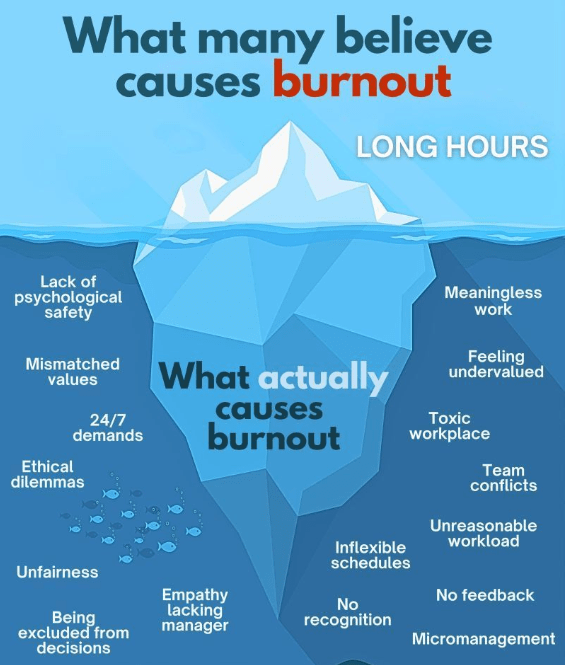
Burnout in court reporting isn’t about long hours—it’s about how those hours feel. When reporters lose psychological safety, recognition, or autonomy, exhaustion turns into disengagement. The real burnout triggers aren’t visible on the surface—they’re cultural, ethical, and emotional. Until agencies and courts address those invisible causes, the profession will keep losing its best reporters beneath the surface.
“They Don’t Know We Need Them” – The Growing Silence Around the Disappearing Court Reporter

As digital recording and AI transcription quietly replace certified court reporters, the justice system risks losing its most vital safeguard — the human record. Attorneys, judges, and legislators don’t realize they’re standing on a collapsing foundation. Without stenographers, there is no certified transcript, no reliable appeal, and no accountability. Saving steno isn’t nostalgia — it’s protecting the rule of law itself.
The Freelancer’s Harvest & What a California Farmer Can Teach Court Reporters About Diversification

When a California farmer’s entire grape crop was rejected over a 0.1% sugar shortfall, he lost a year’s income overnight. Freelancers face the same risk when they depend on one agency or client. If that relationship sours—or gets bought out—you’re back at zero. Diversify now. Build multiple income streams so your livelihood doesn’t hinge on someone else’s decision.
Dress Like You Belong in the Record

The court reporter should be the best-dressed person in the room. We’re not schoolteachers — we’re officers of the court, guardians of the record, and in many cases, we earn more than the judge, the attorneys, and the experts combined. Dress like your presence matters, because it does. Professionalism isn’t optional; it’s part of the record you create.
The “Picky Reporter” Problem — and the Silence That Created It

The so-called “picky reporter” problem isn’t about ego — it’s economics. After decades of rate suppression and burnout, court reporters are finally valuing their time, skill, and certification. But the collapse of communication between agencies and reporters has turned a healthy market correction into a culture war. The cure isn’t compliance — it’s conversation, accountability, and restoring human connection to the profession.
Do Freelance Court Reporters Have to Provide Parking Receipts? The Truth About Fixed-Rate Line Items and 1099 Independence

One agency insists I upload parking receipts — even though my rates are fixed by contract. Here’s the truth: 1099 reporters don’t owe receipts for fixed-rate line items. The “requirement” is usually a software stopgap, not a legal rule. Upload your rate sheet or agreement instead — protect your independence and bypass bureaucracy.
Credentials vs. Competence – Rethinking Professional Standards in Court Reporting

Court reporting’s future depends on more than letters after our names. Credentials have value, but without strong state licensure, standardized titles, and real enforcement, they offer no structural protection. As attorneys push back on “high rates” and cheaper labor undercuts skilled reporters, the profession must unify around measurable skill, fair rates, and regulatory strength—not voluntary designations.
The Great Theory Divide – Why “Short Writing” Alone Won’t Save Court Reporting

Court reporting’s future hinges on how we train new reporters. While “short writing” promises speed, decades of data show it fails to scale. Traditional phonetic theories taught in NCRA-accredited programs remain the backbone of reporter education—emphasizing accuracy, clarity, and proven outcomes. Recruitment reform, not shortcuts, will strengthen the pipeline and ensure a generation ready to protect the record.
“No Such Thing as a Job Nobody Wants” – Debunking a Convenient Myth in the Court Reporting Industry

Agencies claim they use digital recorders only for the “jobs no one wants.” But reporters know better. Short PI and workers’ comp depos aren’t unwanted—they’re flexible, essential, and often preferred. Labeling them “undesirable” masks profit motives, undercuts opportunities for new talent, and devalues critical legal proceedings. There’s no such thing as a job nobody wants—only work that deserves respect and fair pay.
When the Horse Is Dead – Lessons for the Court Reporting Profession

The “Dead Horse Theory” warns against clinging to what no longer works. In court reporting, denial looks like endless committees, reshuffled leadership, or shiny tech distractions. We can’t revive failed strategies. The courage to dismount—naming what’s broken and moving toward real solutions—is the only path forward. Our future depends on choosing life over illusion.
When Recruitment Crosses the Line – Court Reporting Schools Push Back After DRA Event

California court reporting schools are pushing back after the last DRA conference, where a speaker allegedly recruited students directly out of their programs—even inside private Teams accounts. One 200-wpm student on the verge of the CSR was lost. School leaders say enough is enough: associations must protect students from solicitation if they want them in the room.
The Myth of the “Killer Litigator”

The myth of the “killer litigator” makes for great television but poor courtroom strategy. After 20 years reporting every type of trial, I’ve seen the best win not by shouting but by clarity, discipline, and respect. Calm, principled advocacy persuades juries and builds credibility. The loudest voice rarely prevails—credibility, preparation, and respect for the record always do.
The Last Guardians of Trust & Why Human Court Reporters Still Matter

“Cracker Barrel isn’t the last bit of nostalgia we have left,” says veteran court reporter Al Betz. “That may belong to live court reporters you can trust to keep an accurate record. A human being has to be ‘the one’ responsible, not the machine.” In an age of automation, justice still requires accountability only humans can provide.
The Knox County Privacy Breach – A Wake-Up Call on Confidentiality and Professional Duty

A hidden microphone at the Knox County courthouse exposed private meetings and cost three officials their careers. Beyond Nebraska, the message is clear: confidentiality is the backbone of justice. Court reporters, attorneys, and judges alike must protect the record, audit technology, and guard against shifting liability. Trust, once lost, is nearly impossible to restore.
Court Reporting is the $35,000 Investment That Can Yield Millions
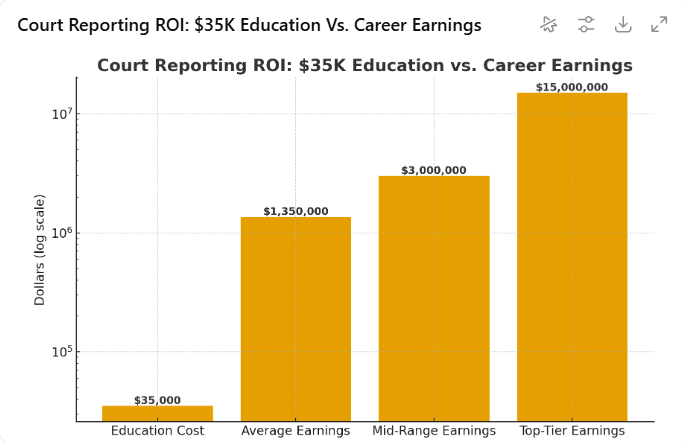
Court reporting may be the smartest career investment few people talk about. For about $35,000 in education, reporters can earn anywhere from $45,000 a year on average to $500,000+ at the top of the field. That’s a lifetime income range of $1.35 million to $15 million. Even at the low end, the ROI far outpaces most college degrees.
AI, Ethics, and the Future of Court Reporting – From Hype to Practical Tools

Artificial intelligence is reshaping court reporting—but it’s not a substitute for trained professionals. The real risk isn’t the technology itself, but the narrative that it can replace human judgment and ethics. By understanding AI’s limits, pushing back on misleading claims, and using the right tools under our control, we can protect the record and strengthen our profession.
Bullies in Court Reporting – The Personal, Systemic, and Cultural Forces Pushing Stenographers to the Brink

Bullying in court reporting isn’t just personal — it’s systemic and cultural. Agencies, attorneys, and association leaders exploit fear, favoritism, and humiliation while hiding behind “industry standards.” Calling out unethical conduct is not bullying. The real bully rallies a crowd to silence a lone voice. It’s time to treat bullying as a medical crisis, not a leadership style.
Beyond the Transcript – Rethinking AI in Stenography

AI in stenography isn’t just about transcripts — it’s about working smarter. From built-in features in everyday tools to research assistants and workflow boosters, AI can cut through the repetitive tasks that slow you down. The future isn’t replacing human skill — it’s freeing court reporters to focus on the work only they can do.
The High Cost of Replacing a Court Reporter

Replacing a court reporter isn’t just a staffing issue—it’s a silent crisis. With veteran reporters retiring, mentoring gaps widening, and agencies scrambling to cover jobs, the true cost of turnover is mounting: lost trust, delayed justice, and record integrity at risk. Court reporters aren’t interchangeable. They’re essential. Until we start treating them that way, the system will keep bleeding talent—and accuracy.
When Depositions Had Coffee Breaks – A Court Reporter’s Call to Action

There was a time when depositions had structure, civility, and coffee breaks. Now, reporters face 300-page days with no breaks, no boundaries, and inhuman turnaround times. We didn’t lose this all at once—it slipped away because no one said “no.” It’s time to draw the line. For our health, our quality, and the future of court reporting. We either reclaim our power—or watch it disappear for good.
AI Might Be Cheaper—But It’s Gutting the Court Reporting Pipeline

Courtrooms aren’t podcasts—and AI isn’t ready to replace human court reporters. What’s at stake isn’t just jobs, but an entire pipeline: schools, certification boards, machine makers, and trained professionals. Once that system collapses, it’s gone. If we cut too deep, there will be no one left when AI fails. Choose accuracy. Choose humans. Choose us—while you still can.
The Scopist Crisis – A Silent Threat to the Integrity of Court Reporting
The scopist shortage is becoming a hidden crisis in court reporting. Too many unqualified applicants—often unfamiliar with software like StenoCat32—are delivering error-filled transcripts that compromise accuracy and trust. As court reporters face mounting pressure, it’s time to demand better training, certification, and collaboration from those supporting our record.
ASR in Court Reporting – Tool, Threat, or Transformation?

As court reporting faces increasing pressure from digital disruption, the debate over ASR (Automatic Speech Recognition) intensifies. Can it be used responsibly — or does its adoption spell the end of human-led recordkeeping? This article explores the nuanced question: If ASR is wielded by a trained, licensed stenographer, does it become a tool — or remain a threat? The future of our profession may hinge on the answer.
 STENOIMPERIUM