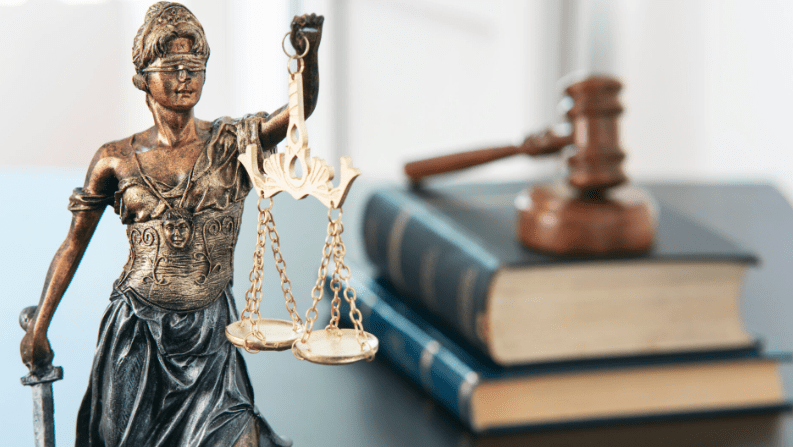
AB 711 claims to curb “reporter waste,” but it’s a paperwork fix for a resource crisis. Mandating disclosure of who will hire a court reporter doesn’t solve shortages, improve access, or strengthen the profession—it risks normalizing hearings without certified stenographers. California needs investment in reporters, not bureaucracy that treats them as optional.
Tag Archives: legalethics
When Regulation Becomes Endorsement – How the CRB’s Firm Registration List Rewards Non-Reporter-Owned Corporations
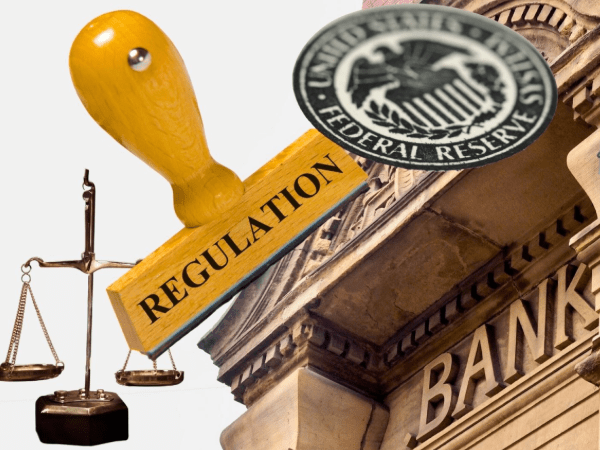
California’s Court Reporters Board has turned oversight into inadvertent endorsement. Its public “Registered Firms” list features non-CSR-owned conglomerates like Veritext and Magna—but omits legitimate CSR-owned professional corporations. The result? True shorthand reporting firms are hidden while unlicensed corporations gain state-backed visibility. It’s a structural inequity that undermines professional integrity and consumer trust—and it demands reform.
When Defense Counsel Brought AI to Voir Dire And How One Court Reporter Turned an Ethical Breach Into an Opportunity
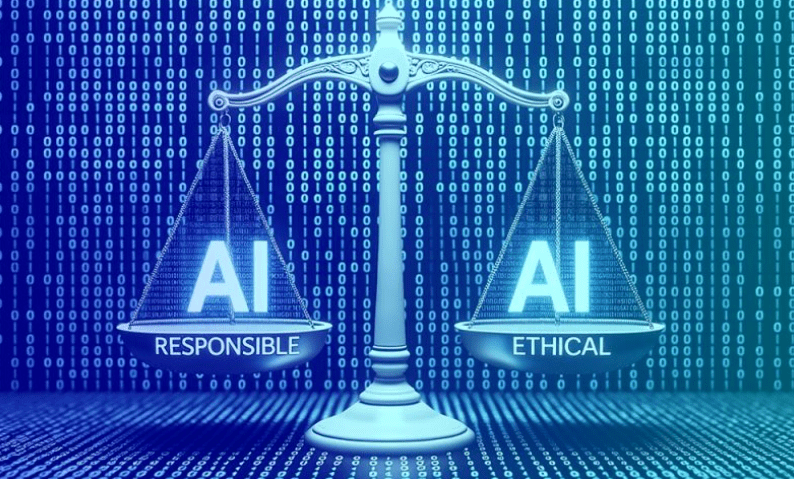
When defense counsel was caught red-handed using AI to transcribe voir dire, the courtroom froze. The judge’s question—“Are you giving them realtime?”—made the truth unmistakable. Rather than confront, the reporter stayed calm, answered honestly, and later turned it into an upsell. The same attorney who relied on illegal AI ended up buying realtime from the pro she tried to replace. But AI note-taking tools may be capturing juror identities and responses, permanently exposing private citizens.
The Death of Expertise and the Erosion of the Record & Why Court Reporters Are the Last Line of Truth

In The Death of Expertise, Tom Nichols warns that society is replacing knowledge with convenience. Court reporting stands at that fault line. AI may transcribe words, but it cannot witness truth. Only a certified reporter — physically present, ethically bound — can certify a record. To sign off on machine output isn’t innovation; it’s fraud. And it marks the death of expertise itself.
When a Video Is Played in Court – How to Handle, Certify, and Communicate It Professionally

When an attorney asks you to “take down” a video played in court, your authority comes from Rule 2.1040(d)—not the attorney. Always obtain a court order, mark the playback as a “transcription of an electronic recording,” and certify it separately. This protects your license, the record’s integrity, and your professional credibility while keeping the attorneys—and the judge—happy.
Why the Legal System Doesn’t Understand What’s Happening to Court Reporting

The justice system assumes court reporting is “handled,” but the record itself is collapsing under the rise of uncertified digital labor and AI transcripts. Attorneys, judges, and legislators don’t realize that without certified stenographers, accuracy, ethics, and access to justice all fail. This roadmap shows how to unite the legal community to protect the record—and the rule of law itself.
“They Don’t Know We Need Them” – The Growing Silence Around the Disappearing Court Reporter

As digital recording and AI transcription quietly replace certified court reporters, the justice system risks losing its most vital safeguard — the human record. Attorneys, judges, and legislators don’t realize they’re standing on a collapsing foundation. Without stenographers, there is no certified transcript, no reliable appeal, and no accountability. Saving steno isn’t nostalgia — it’s protecting the rule of law itself.
Court Reporters v. Digital Recording and Voice Recognition – A Comprehensive Breakdown

Digital recording and ASR may promise convenience, but they fail the test of law and logic. Machine transcripts aren’t sworn, certified, or admissible—they’re hearsay without a human declarant. Court reporters remain the only officers of the record who can guarantee accuracy, authenticity, and accountability in real time. Justice still depends on human precision.
Zoom, the Record, and the Reporter – Where Ethics Are Clear and the Law Is Catching Up
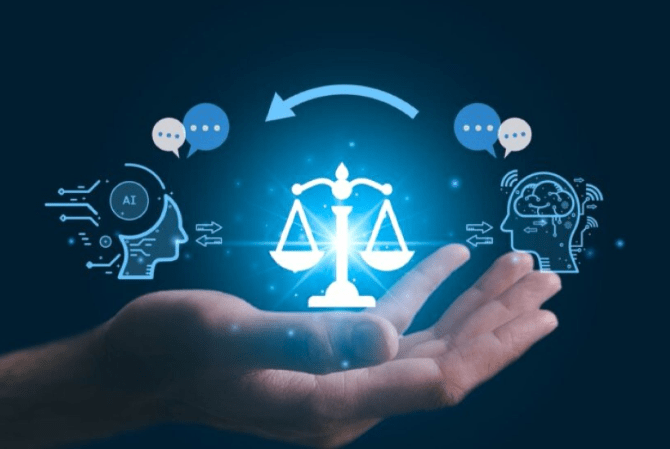
As remote depositions become routine, reporters face growing pressure to act as both stenographer and Zoom host. NCRA ethics are clear: reporters cannot record or serve as videographers—but may host solely to prevent unauthorized recording or AI bots. When firms or attorneys refuse to disable ASR, the reporter’s duty is to withdraw, protecting the integrity of the record above all.
Spooky Season or Shady Season?
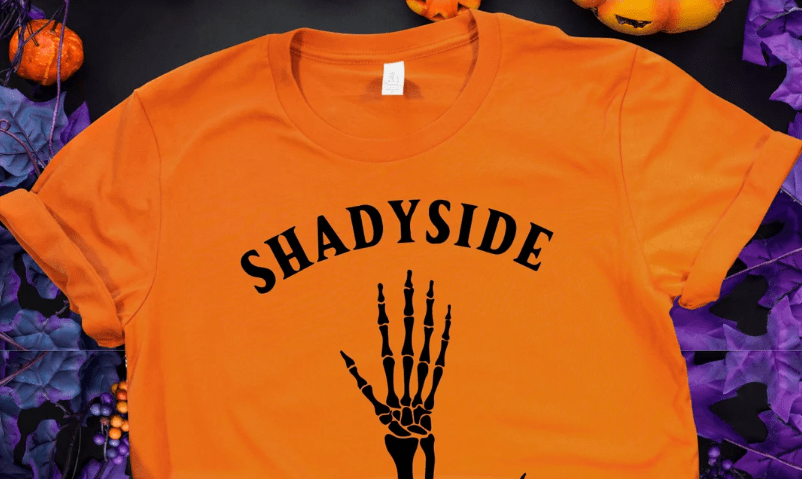
Magna’s Halloween “Spooky Season” giveaway offers $25 gift cards for every 100-page transcript — a festive twist that may violate California’s court-reporting ethics code. By tying rewards directly to transcript production, the program breaches CCR § 2475(b)(8), which bans gifts or incentives for reporting services. What looks like a treat could become a costly trick for Magna and participating reporters.
StenoImperium Marks 400 Articles – A Chronicle of Truth, Transparency, and Tenacity
StenoImperium celebrates its 400th article — a milestone built on truth, transparency, and independence. While often mistaken for Stenonymous, we are not the same. We’re two separate blogs, on opposite coasts, with distinct voices and philosophies, united only by our shared passion for stenography and protecting the integrity of the record in an era of automation and misinformation.
What Court Reporters Can (and Cannot) Talk About – Ethics, Boundaries, and Public Perception

Court reporters hold the public’s trust—and that includes what we say after we leave the room. Sharing case details, even without names, can still identify participants and damage our impartiality. Confidentiality isn’t just about secrecy; it’s about respect, neutrality, and professionalism. Protecting the record means protecting our reputation—on and offline.
The Ring, the Record, and the Reckoning – What Tolkien Can Teach the Court Reporting Profession About Power and Purpose

Tolkien’s warnings weren’t about magic—they were about human nature. The court reporting profession stands at the same crossroads: mistaking convenience for progress, surrendering truth for efficiency. Like the Ents, we waited for proof. Like Númenor, we believed we’d never drown. But Samwise reminds us—our duty isn’t power. It’s preservation. The record is the ring, and we must never let it fall.
Making a Record – Why Attorneys Keep Losing Their Exhibits on Appeal

Attorneys often assume that showing or publishing an exhibit makes it part of the record—it doesn’t. Only the judge can direct that an exhibit be “marked” or “received.” The clerk keeps the official list; the reporter records what’s said. If you skip the formal steps, your exhibits vanish on appeal. Make your record right, or risk losing it forever.
AI Transcripts Gone Wild – The Day a Transcription Company Asked a Court Reporter to “Certify” Their Robot

A transcription company actually asked a certified court reporter to “sign off” on an AI-generated deposition—no oath, no saved audio, no chain of custody. When the attorney demanded a lawful certification, they tried to hire a reporter to legitimize their robot record. This isn’t innovation; it’s impersonation—and it threatens the integrity of every legal transcript in America.
The Rise of the AI Impostors – How Fake Court Reporters Are Flooding the Legal System

AI notetakers and unlicensed digital “reporters” are quietly infiltrating depositions, recording sensitive testimony without consent or accountability. Videographers are stunned when they see a real stenographer—proof of how rare human guardians of the record have become. Attorneys must learn to spot imposters, protect client confidentiality, and insist on certified court reporters before justice becomes just another algorithmic summary.
The End of the Record?

Verbit’s new mobile app lets anyone “record everything” — but at what cost? Without regulation, uncertified recordings could replace official transcripts, eroding reporter income and the integrity of the record itself. If the profession doesn’t fight back now, “copy sales” may be the least of what’s lost. This isn’t innovation; it’s deregulation disguised as convenience.
The Notary Loophole – Why Digital “Oath-Taking” May Jeopardize the Record
Digital firms are exploiting the “notary loophole” — using notaries instead of licensed court reporters to swear in witnesses and certify transcripts. But notaries aren’t officers of the court. This practice risks inadmissible records, broken chain of custody, and malpractice exposure. Only certified stenographers can lawfully administer oaths and safeguard the integrity of the record.
Free Roughs, Hidden Costs – How AI Transcription Is Quietly Rewriting the Legal Record

Kerala is openly mandating AI transcription in every courtroom. In the U.S., the same shift is happening quietly. Esquire and Veritext now hand out free AI rough drafts, reshaping transcript control through corporate platforms — while some LA Superior Court judges secretly use machine drafts during remote hearings. Policy, business, and judicial habit are converging — outside public view.
Should Court Reporters Redact Social Security Numbers in Transcripts?

Some reporters are quietly redacting Social Security numbers from transcripts—without realizing they may be altering the official record. Privacy concerns are valid, but under most state and federal rules, redaction is the attorney’s responsibility, not the reporter’s. Here’s why automatic redaction could violate ethical duties—and how to protect both accuracy and privacy the right way.
The Real Markup – Why Attorneys Think Reporters Are Overcharging (and Who’s Actually Pocketing the Profit)

Attorneys often assume court reporters are the ones driving up transcript costs. In reality, it’s the agencies in the middle—marking up reporter rates and layering on fees for condensed transcripts, concordances, exhibits, and repositories that reporters don’t see a penny of. As transparency grows, attorneys are discovering the truth: working directly with certified reporters saves money and strengthens the record.
Protected: Thousands of California Court Reporters Just Got an Email — and It’s Damage Control Disguised as “Dialogue”
There is no excerpt because this is a protected post.
He Who Controls the Record, Controls Reality – Why Court Reporters Are the Last Line of Defense

Whoever controls the record controls reality. Across history, power has always sought to erase, rewrite, or distort inconvenient truths. In today’s courtrooms, the neutral stenographic reporter is the last line of defense against narrative manipulation by judges, agencies, corporations, or algorithms. Undermining their role isn’t modernization — it’s historical amnesia. Guard the record, or lose the truth.
“No Such Thing as a Job Nobody Wants” – Debunking a Convenient Myth in the Court Reporting Industry
Agencies claim they use digital recorders only for the “jobs no one wants.” But reporters know better. Short PI and workers’ comp depos aren’t unwanted—they’re flexible, essential, and often preferred. Labeling them “undesirable” masks profit motives, undercuts opportunities for new talent, and devalues critical legal proceedings. There’s no such thing as a job nobody wants—only work that deserves respect and fair pay.
Fool’s Gold – Why Courts Cannot Turn Depositions Into a “Profit Center”

Courts are not “sitting on a gold mine” — they’re bound by the Constitution. Turning depositions into revenue streams ignores statutes, due process, and the ethical duty to safeguard verbatim accuracy. Sworn reporters are not obstacles but guardians of the record. Replacing them with AI “light edits” risks malpractice, reversals, and erosion of public trust. Fool’s gold is no substitute for justice.
Integrity on the Record – Why Court Reporting Needs Truth, Not Intimidation

Integrity is the backbone of court reporting—yet too often, reporters who speak out are punished instead of praised. Loyalty is demanded, while truth is silenced. We cannot survive as a profession if courage is branded “conflict” and accountability is seen as “disloyalty.” Court reporters must reclaim integrity as our standard, not intimidation.
Small Agencies in Crisis – Competing Fairly in an Unfair Market
Small, reporter-owned agencies are being squeezed by Big Box firms offering lavish gifts, delayed payment schemes, digital reporters, and AI summaries. Competing on those terms is impossible — and unethical. But survival is still possible. By flipping their business model upside down — paying reporters faster, networking instead of consolidating, and selling ethics instead of perks — small agencies can thrive again.
Agencies Exploit Reporters Twice – Once for Their Labor, Once for Their Marketing

Court reporting agencies profit twice: first from our labor, then by conscripting us as unpaid sales reps. Some agencies do better, but one is too many. Reporters are not brand ambassadors, cookie pushers, or mock jurors. We are officers of the court, and when neutrality is compromised, justice itself is at risk. Agencies must change — or be called out.
“Spin to Win” for Transcripts? Why This Giveaway Likely Violates California Lottery & Professional Standards Laws

Magna’s “Spin to Win” wheel isn’t harmless fun—it’s an illegal lottery in disguise. By tying raffle entries to transcript submissions and page counts, the company recreates the same scheme Shaunise Day’s Steno in the City™ ran in Long Beach without DOJ registration. In California and most states, Prize + Chance + Consideration = lottery. No free entry means no compliance.
How Zoom Depositions, Consent Laws, and Competing Recordings Are a Growing Dilemma for Court Reporters
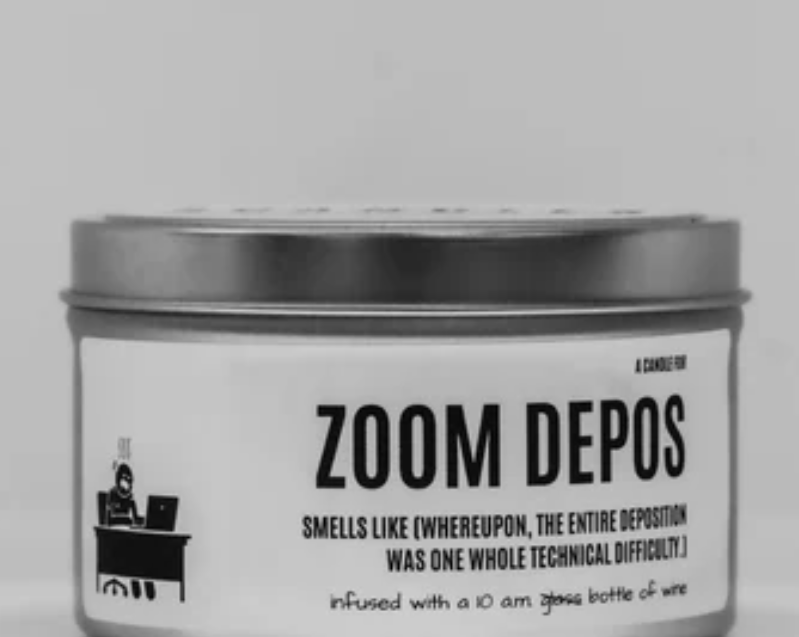
In the age of Zoom depositions, competing recordings raise more than technical concerns — they strike at the integrity of the record. When attorneys attempt to capture their own audio, they risk violating consent laws, breaching confidentiality, and undermining the court reporter’s role. Protecting the official record sometimes means halting proceedings, even when it costs time and money.
The Language of CCP 2093(a) & Why Notaries Are Not Deposition Officers

California Code of Civil Procedure § 2093(a) names notaries and deposition officers as able to administer oaths—but only certified shorthand reporters are authorized to take testimony and certify transcripts. The “notary loophole” misleads attorneys into believing oaths alone make a deposition valid. Without a CSR, the record collapses. Learn why due process demands stenographers—not shortcuts.
Who’s Really Swearing in Your Witness?
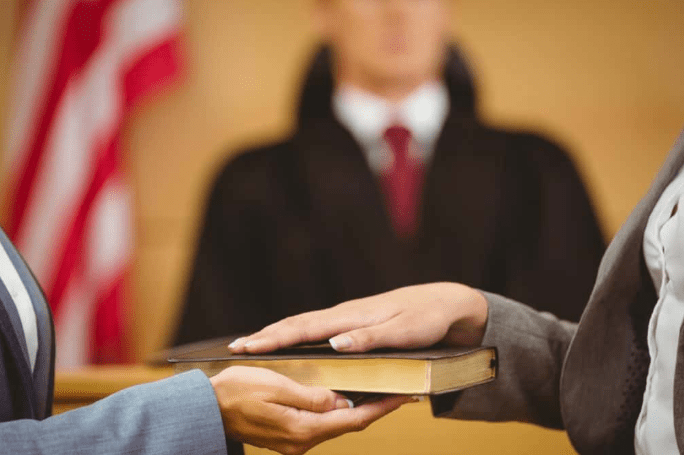
Attorneys can stipulate to many things, but not to override law. Only a judge can validate agreements that alter statutory or constitutional requirements. The 5th and 14th Amendments guarantee due process: no person can be deprived of rights without it. When a deposition officer asks parties to “stipulate” to a remote oath, that shortcut risks invalidating the entire proceeding.
Fair Compensation in the Age of Derivative Products – Why Reporters Must Create a New Rate Sheet
Agencies are profiting from condensed transcripts, indexes, concordances, and now AI summaries—often billing attorneys transcript-level rates while paying reporters nothing. This is unjust enrichment. Reporters must reclaim fairness by publishing new rate sheets that define compensation for every derivative product. From condensed pages to AI outputs, the message is clear: if it’s built on the transcript, reporters deserve their share.
AI Summaries, CCR 2474, and the Fight Over Who Owns the Record

AI deposition summaries aren’t innovation—they’re exploitation. Agencies are monetizing transcripts into derivative products without consent or compensation, creating unjust enrichment while undermining the integrity of the record. California’s CCR 2474 wasn’t written with AI in mind, but the principle remains: reporters must not be in the business of interpretation. It’s time for contracts, regulation, and reform to safeguard neutrality, fairness, and trust in the transcript.
Who Owns the Transcript?

AI-generated deposition summaries may look like efficiency, but they’re really exploitation. Agencies are repackaging reporters’ transcripts into derivative products—condensed transcripts, indexes, concordances, now AI summaries—without consent or compensation. This is unjust enrichment. Reporters must protect their work with contracts, while the Court Reporters Board closes loopholes in CCR 2474. The official record is sacred, and AI summaries threaten its integrity.
Busting the Digital “Mythbusters” – Why AI and Recorders Can’t Replace Stenographers
Digital advocates claim transcripts generated from recordings and AI are just as accurate as stenography. But predictive algorithms don’t capture testimony verbatim—they guess. That’s hearsay, not a legal record. Unlike stenographers, digital systems outsource editing, compromise confidentiality, and fail the chain of custody. Justice demands certainty, not predictions. Only stenographers deliver a verbatim, admissible record you can trust in court.
The Moment the Notary Loophole Was Unleashed in a Firestorm

On July 21, 2018, CalDRA President Cheryl Haab led a pivotal town hall in Huntington Beach where Kimberly D’Urso pressed the issue of reporter-free depositions and Ed Howard advanced a flawed interpretation of California law. This “notary loophole” allowed videographers with notary commissions to bypass court reporters—fracturing the chain of oath, taking, and certification, and putting the admissibility of testimony at risk.
Who Really Has the Authority to Swear in Witnesses? The Notary vs. Court Reporter Divide

Who really has the authority to swear in witnesses—court reporters or notaries? It’s not a technicality. The power to administer an oath is what gives testimony its binding force. Court reporters, as officers of the court, carry statutory authority. Notaries don’t. Digital reporters straddle the line, often skipping safeguards entirely. The result? A dangerous fault line threatening the integrity of legal proceedings.
Digital Reporting, AI, and the Future of Court Reporting – Allegations, Lawsuits, and Industry Implications
Veritext’s reliance on digital recording and AI transcripts is finally facing attorney pushback—and possible lawsuits. For years, I’ve warned that agencies exploit loopholes like “agency certificates” to bypass stenographers. Without a responsible charge statement, the legal record is at risk of fraud and failure. It’s time for attorneys and reporters alike to demand accountability and protect the integrity of the record.
What If the United States Made Your Voice and Likeness Your Property?

What if your voice became your legal property? Denmark’s proposed law could make every voice and likeness owned — with takedowns and royalties for unauthorized use. If the U.S. follows, ASR and digital reporting face huge risks, while stenographers become the gold standard for secure, human-verified transcripts. In a world of deepfakes, stenography is justice’s strongest safeguard.
Why AI “Prediction” Can Never Replace Verbatim Court Reporting

CAT software doesn’t replace court reporters—it’s a tool they control to produce a verbatim, certified record. Digital/AI systems are different: they predict what might have been said, dropping words, mishearing accents, and collapsing overlapping speech. In court, guesses aren’t good enough. Justice requires certainty, and certainty requires stenographers—not algorithms.
Why Digital Recording Endangers Justice in Texas

The Texas Supreme Court is weighing whether to treat digital recording as equal to stenography. But digital transcripts—outsourced, uncertified, and based on hearsay—threaten accuracy, security, and due process. Claims of a “stenographer shortage” are exaggerated; online programs are thriving, with waitlists in California. Protecting litigants means protecting verbatim reporting—not lowering standards for convenience.
How to Be a Court Reporter’s Dream – A Guide for Attorneys and Witnesses

A strong transcript doesn’t happen by accident. Attorneys and witnesses can make a court reporter’s day—and protect their own record—by pacing questions, spelling difficult names, avoiding overlap, and simply showing respect. The reporter is your silent partner in justice. A handshake, a thank you, or a moment of clarity today can safeguard your record tomorrow.
The Knox County Privacy Breach – A Wake-Up Call on Confidentiality and Professional Duty

A hidden microphone at the Knox County courthouse exposed private meetings and cost three officials their careers. Beyond Nebraska, the message is clear: confidentiality is the backbone of justice. Court reporters, attorneys, and judges alike must protect the record, audit technology, and guard against shifting liability. Trust, once lost, is nearly impossible to restore.
Why Transcribing from Electronic Recordings Is Hearsay — and the Stenographic Profession’s Strongest Defense

AI and electronic recordings can’t replace stenographic reporters. Why? Because transcripts created by someone not present are hearsay — and hearsay is inadmissible. Only a sworn reporter assumes Responsible Charge of the record, accountable under law. AI can’t be punished, fined, jailed, or defend its transcript in court. Without accountability, it’s just unverifiable hearsay.
Hearsay on the Record – When Transcripts Lose Their Voice
“I know you think you understand the words I said, but what you understand is not what I meant.” That statement could be made in any courtroom in America. It captures the perennial problem of miscommunication. Words are slippery things—spoken in haste, accented by dialect, altered by noise, or even obscured by emotion. Now imagineContinue reading “Hearsay on the Record – When Transcripts Lose Their Voice”
The Irreplaceable Human Court Reporter – Why AI Will Never Capture the Record
A courtroom is not a lab. It is not a tech demo or a theoretical exercise in “innovation.” It is a crucible where freedom, reputation, livelihood, and even personal safety are decided every day. The people who work there know this truth in their bones: the record matters. And when it comes to creating thatContinue reading “The Irreplaceable Human Court Reporter – Why AI Will Never Capture the Record”
Who’s Reading the Jurors’ Notes? A Confidentiality Breach Hiding in Plain Sight

After a jury trial concluded, I witnessed a courtroom assistant reading through jurors’ notebooks for entertainment—laughing, speculating, and sharing contents with the clerk. Juror notes are confidential and must be destroyed, not treated like gossip fodder. This isn’t just unprofessional—it’s a breach of trust that undermines the integrity of our justice system.
When AI Enters the Deposition Room – The Legal and Ethical Minefield of Unauthorized Recordings

Attorneys are increasingly attempting to use AI tools like Fireflies.ai to record and transcribe depositions—without proper authorization. These tools threaten confidentiality, compromise the integrity of the official record, and undermine the role of certified court reporters. Reporters must stand firm: unauthorized recording is not permitted. If challenged, document the exchange, contact your agency, and remember—you are the official record, and your judgment matters.
AI Summaries in Litigation – Efficiency or a Lawsuit Waiting to Happen?

An AI-generated deposition summary missed a crucial medical statement about future surgery, leading an insurance company to undervalue a case—and a jury later awarded millions over policy limits. Now the question is: Who’s liable? The law firm? The AI vendor? Or the court reporting agency that sold the product? As AI floods legal workflows, expect a wave of litigation over errors that never should’ve been automated.
 STENOIMPERIUM