The Heppner decision reframes the court-reporting debate. The issue is no longer speed or convenience but legal accountability. Courts protect communications only when a human professional bears fiduciary responsibility. Autonomous recording systems cannot testify, explain decisions, or hold privilege. When the record lacks a sworn custodian, attorneys inherit the risk. The question is simple: if the transcript is challenged, who can take the stand?
Tag Archives: legalethics
Why the AI Privilege Fight Could Decide the Future of Court Reporting
A federal court has drawn a stark line: conversations with AI systems are not privileged. That conclusion reaches far beyond chatbots. Digital recordings, automated deposition summaries, and cloud transcript analytics may transform confidential litigation strategy into discoverable material. The issue is no longer convenience versus tradition — it is custody versus disclosure. When legal data leaves human control, the record itself may become evidence.
After the Week – What “The Record Under Pressure” Set Out to Do—and Why It Cannot End Here
“The Record Under Pressure” was not written to celebrate a profession, but to examine a system. Over eight days, this series traced how technology, business consolidation, and courtroom drift are reshaping the legal record. Its purpose was simple: to make the justice system’s memory visible again, and to ask whether its transformation is being governed by law—or by convenience.
What Courts Must Do Now – The Legal Record at a Crossroads
The American justice system is approaching a crossroads. Technology, business consolidation, and courtroom drift are quietly redesigning how truth enters law. Courts must now decide whether the legal record will remain a governed evidentiary system or become a technical byproduct of convenience. This is not an operational question. It is a constitutional one.
When the Record Speaks — and Software Interprets – The Unsettled Ethics of AI Deposition Summaries
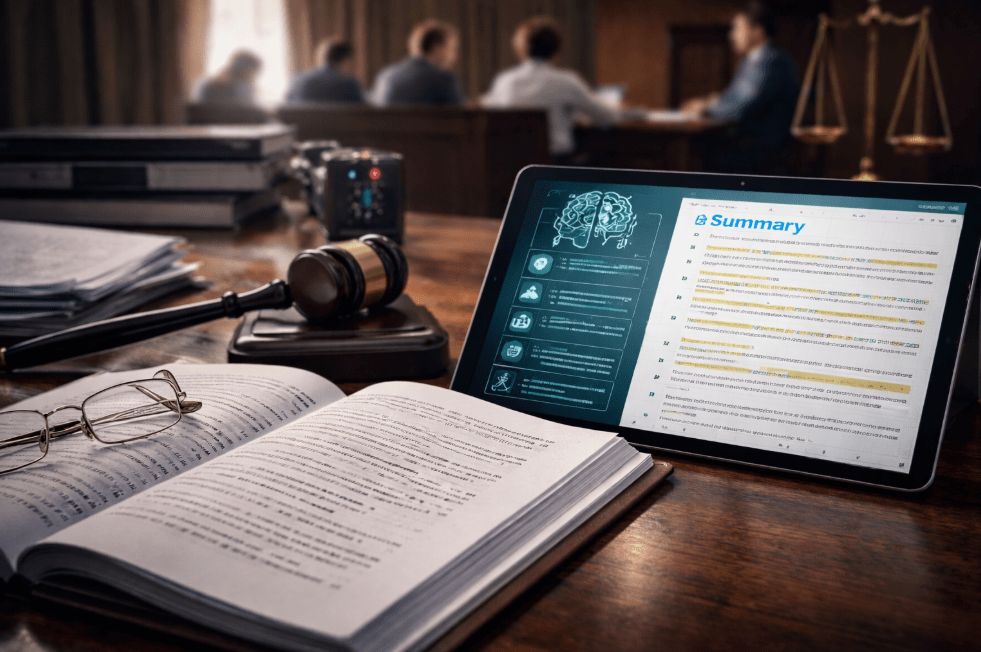
AI deposition summaries are being sold beside sworn transcripts, raising a question older than the technology itself: when interpretation travels with the record, does neutrality follow it? Advisory Opinion 32 was written to protect public confidence in the reporter’s role, not to regulate keyboards. Replacing a human summarizer with software may change the tool, but it does not automatically eliminate the appearance concerns the rule was meant to prevent.
The Last Neutral in the Room – Why the Court Reporter Is a Structural Safeguard, Not a Service
Court reporters are not service providers. They are structural safeguards. As neutral officers of the court, they preserve the conditions under which justice can later be reviewed, challenged, and corrected. When that role is reframed as clerical or commercial, the system does not merely modernize. It dismantles one of the protections that make legitimacy possible.
Private Equity, Public Records – How Business Is Reengineering Custody of the Legal Transcript
The legal transcript has quietly become a commercial asset. As private equity and corporate platforms centralize custody of the record, financial logic is beginning to replace evidentiary logic. Custody determines power. And when custody moves from courts into markets, the justice system inherits risks it did not design and cannot easily unwind.
When Software Becomes a Silent Witness – Ethics, Technology, and the Coming Evidentiary Reckoning
For the first time, courts are being asked not merely to use technology, but to trust it. As software moves into the evidentiary core of proceedings, responsibility is diffusing, accountability is thinning, and ethical frameworks are lagging behind technical adoption. This is not a workflow shift. It is an evidentiary one.
Court Reporting & Captioning Week | StenoImperium Launch Post
During Court Reporting & Captioning Week, celebration alone is not enough. The legal record is under pressure, reshaped by technology, business models, and quiet courtroom shifts. This series asks court reporters to step into their professional responsibility: to circulate clear analysis to attorneys and judges, and to help the legal community understand what is happening to the evidentiary spine of justice right now today nationwide.
Coming Soon! The Record Under Pressure
Coming soon! In courtrooms across the country, the legal record is being reshaped by technology, business consolidation, and quiet procedural drift. These changes are rarely debated, yet they are redefining how truth enters law. During Court Reporting & Captioning Week, StenoImperium will launch an investigative series examining what is happening to the record—and what the justice system risks becoming if it is not governed deliberately.
Courts Do Not Have an AI Problem. They Have a Record-Keeping and Accountability Problem.
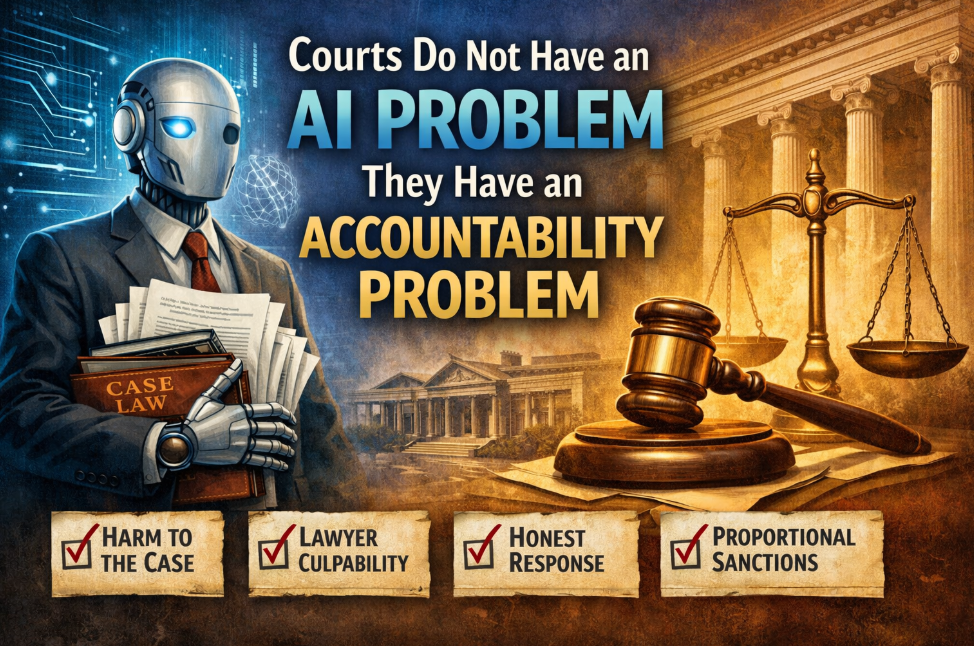
Courts do not face an artificial intelligence crisis so much as a crisis of accountability. AI-related errors expose gaps in supervision, verification, and professional responsibility, not rogue technology. Judicial legitimacy is not threatened by tools, but by inconsistent governance. The question before the courts is not whether AI will be used, but whether responsibility will remain clearly human.
The Fragile Spine of Justice – Why Courts Must Defend the Integrity of the Legal Record

The legal record is the spine of the justice system. Every appeal, ruling, and public trust in the courts rests on its integrity. When record-making is treated as a technical task rather than an evidentiary duty, courts risk weakening the very structure that allows justice to stand. Defending the record is not administrative—it is constitutional.
When “Live Notes” Enters the Notice – What the Confusion Over AI in Depositions Is Really About
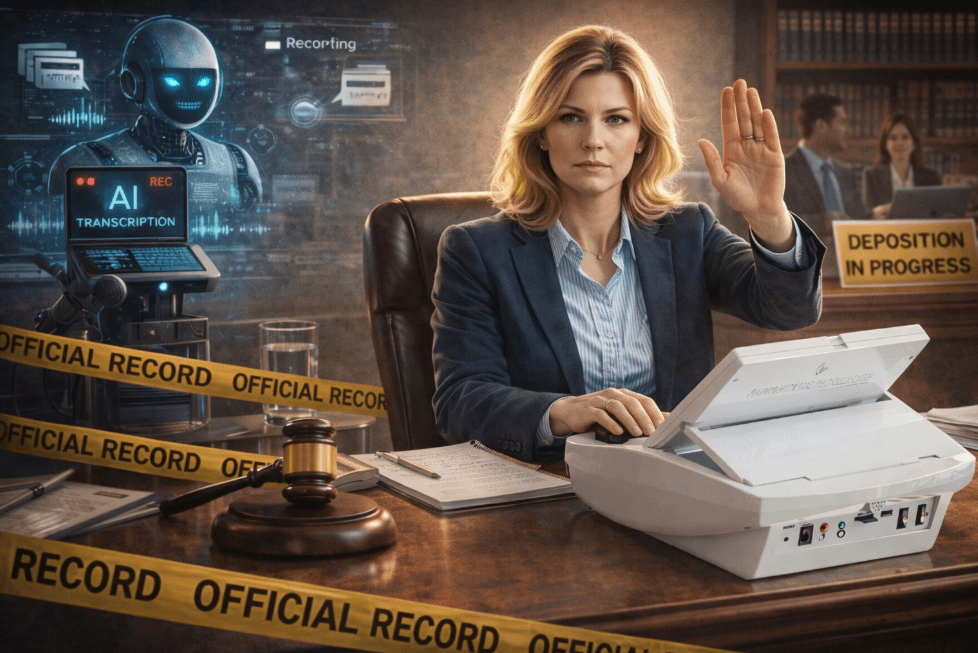
As artificial intelligence quietly enters deposition rooms under vague terms like “live notes,” court reporters are being forced into a new role: boundary-setters for the legal record itself. The issue is no longer whether proceedings can be recorded, but who controls what is captured, who is accountable for what is created, and what truly constitutes the official record in modern litigation.
Who Is Really Overcharging Attorneys? Inside the Business of Court Reporting in the Private-Equity Era

When attorneys receive shocking court reporting invoices, frustration is understandable. But those inflated charges are not enriching court reporters. They are the product of private-equity consolidation, corporate billing structures, and middlemen who control pricing while paying reporters a shrinking share. If the profession is being hollowed out, it is not by stenographers. It is by the business models built on top of them.
The Court Reporter Is the Custodian of the Record – Why Decentralized Evidence Systems Protect Justice

Court reporters are not just transcribers. They are custodians of a decentralized evidentiary system. Through layered capture, redundant backups, and personal legal responsibility, licensed reporters preserve the court’s memory across hundreds of sworn officers. Centralized recording systems collapse that structure into a single point of failure—making the legal record easier to manage, and easier to lose.
An Open Letter to Judges – On the Custody of the Record
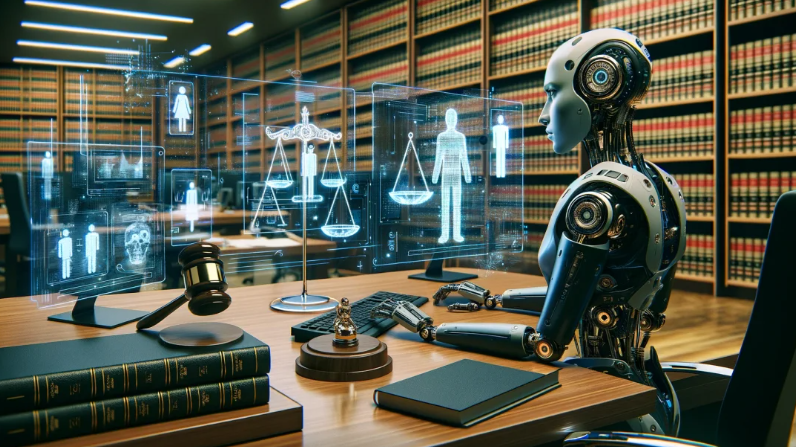
The judiciary’s authority endures not through rulings alone, but through the integrity of the record. When courts weaken professional accountability over how proceedings are captured, they do not merely modernize operations—they destabilize the evidentiary foundation of justice itself. The legal record is not output. It is evidence. And evidence requires human, licensed custody.
The Record Is the Case – Why Saving Court Reporting Means Saving Legal Reality

The record is not a convenience. It is evidence.
Every ruling, appeal, settlement, and precedent rests on the integrity of the transcript. When courts weaken the standards governing how the record is created, they are not modernizing—they are destabilizing the very foundation of justice. Saving court reporting is not about preserving a profession. It is about protecting legal reality itself.
You Can’t Stipulate Your Way Around the Law – The Dangerous Fiction of the “No-Reporter Stipulation”

A court transcript is not a convenience. It is evidence. When attorneys stipulate to proceed without a court reporter, they are not authorizing an “alternative record.” They are agreeing that no lawful evidentiary record will be created. What follows—a stipulated statement of proceedings—is not a transcript, but a negotiated reconstruction. And evidence cannot be manufactured after the fact.
When Machines Become Witnesses – Why the Federal Judiciary’s AI Evidence Proposal Quietly Reinforces the Role of Court Reporters

The federal judiciary’s proposed rule on AI-generated evidence quietly draws a critical line: machine output is not inherently trustworthy and must be tested like expert testimony. That distinction reinforces the structural role of court reporters. A certified transcript is a human-governed legal record, not algorithmic evidence. Once the human layer disappears, the court record itself becomes something the law now admits is dangerous.
Imagine the Crime Scene

A homicide scene is sealed. Shell casings lie on the ground. A knife glints in the dirt. But instead of licensed evidence technicians, untrained contractors gather the items, store them in a warehouse, and weeks later unlicensed processors label what matters. When court begins, no sworn professional can certify integrity. The “evidence” collapses into mere objects.
Why Judges Shouldn’t Rely on AI Yet – A Cautionary Case Against Generative AI in the Courts
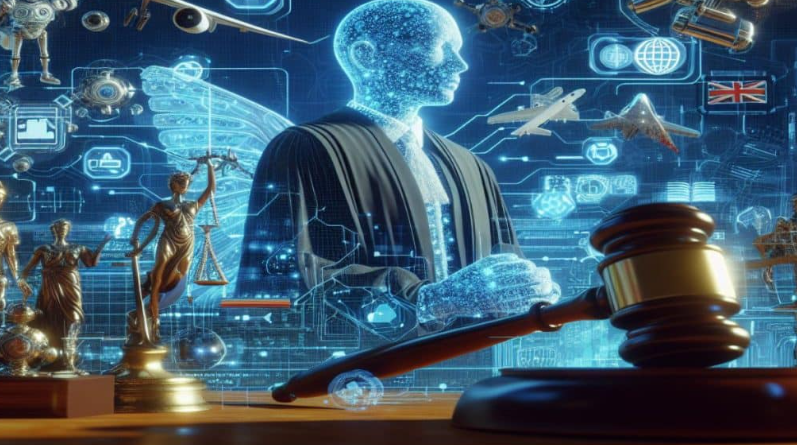
As courts experiment with generative AI, the judiciary risks embracing a technology that is not yet reliable, transparent, or safe enough for justice. From hallucinated legal authority to inaccurate ASR records, today’s AI systems already struggle with basic courtroom functions. Introducing them into judicial workflows now risks compromising confidentiality, fairness, and public trust at the very moment the courts can least afford it.
When the Courtroom Becomes a Dataset – Why Media Recording in 2026 Is No Longer Just “Coverage”
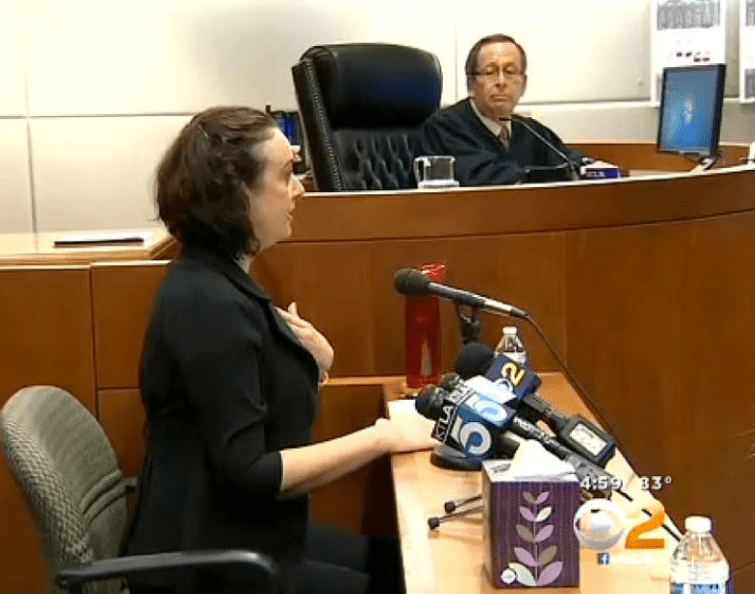
Courtroom recording is no longer simply about cameras and coverage. In 2026, it is about what happens after the audio leaves the room: automated transcription, cloud storage, permanent datasets, and uncontrolled reuse. When proceedings become machine-readable assets, courts risk losing authority over the official record, participant privacy, and the conditions necessary for fair, orderly justice.
AB 1189 Collapses — and Why That Matters More Than the Victory Lap Suggests

Assembly Bill 1189 did not collapse because of rhetoric or resistance to change. It failed because it attempted to shift control of California’s official legal record away from the state and into private hands. While its withdrawal is significant, it is not the end of the effort to reframe record creation. The next proposal will be quieter, cleaner, and harder to spot.
When an AI “Note-Taker” Shows Up to a Legal Proceeding

AI note-taking tools may be convenient in business meetings, but their presence in legal proceedings raises serious concerns about confidentiality, chain of custody, and record integrity. When unauthorized bots capture testimony, the official record can be compromised in ways that surface long after the proceeding ends. Protecting the record means understanding when technology crosses a legal line.
When the Record Is Public, Who Pays for It?

Court transcripts are treated as public goods, but the labor that creates them is not. While federal courts quietly preserve a temporary restriction period before transcripts become freely accessible, state court systems operate under very different economic models. Together, these frameworks reveal how control of the legal record has shifted away from court reporters, steadily separating access from fair compensation.
When the Record Goes Missing – Digital Recording, Judicial Discretion, and the Fragility of the Official Court Record

As courts increasingly replace stenographic reporters with digital recording systems, the promise of efficiency collides with a harder truth: a recording is not the same as a reliable record. When equipment fails, speakers overlap, or entire proceedings go unrecorded, there is no safety net. The cost savings vanish quickly—leaving judges, attorneys, and litigants to reckon with what was lost.
When the Machine Gets It Wrong, Who Pays the Price?

Courts have been clear: artificial intelligence may assist lawyers, but it does not absolve them. When ASR systems miss testimony or AI summaries omit critical facts, responsibility does not vanish into the software. It lands squarely on the professionals who relied on it. As automation reshapes the legal record, a new reckoning over accountability is quietly approaching.
When Software Tries to Stand In for a License – Why ASR “Cleanup” Is Not Court Reporting

As courts embrace automated speech recognition, a critical question is being overlooked: who controls the legal record, and where does it live? Replacing licensed court reporters with cloud-based transcription and post-hoc “cleanup” introduces risks that go far beyond accuracy. From silent realtime edits to juror privacy in voir dire, the integrity of the record—and public trust in the justice system—are at stake.
Vendors Are Not Officers of the Court
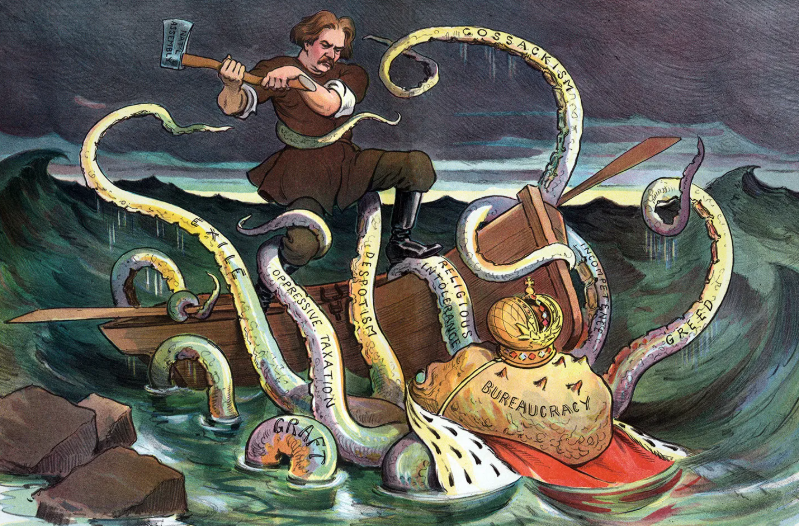
Court reporting agencies schedule proceedings and process invoices—but they do not create the legal record. Yet some national agencies are now attaching corporate “company certificates” to deposition transcripts they did not take and cannot lawfully certify. This quiet shift blurs statutory boundaries, risks inadmissibility, and threatens due process by substituting branding for licensure in the creation of sworn testimony.
If You Want Lower Transcript Costs, Help Create More Court Reporters

Transcript prices are not rising because court reporters are greedy; they are rising because there are fewer of them. Like any market, court reporting follows basic economic rules: when supply shrinks and demand grows, prices increase. If attorneys want lower transcript costs, the solution is not cheaper capture methods—it is helping rebuild, retain, and respect the human court reporting workforce.
The Lessons of Badran – A Roadmap for How NCRA Must Defend the Legal Record

The Badran ruling exposed a growing risk: courts are redefining admissibility without guidance from the profession that creates the record. As audio-based reporting and vendor workflows spread, efficiency arguments are replacing evidentiary law. This article offers a clear roadmap for how NCRA can act—now, in active cases, and long-term—to defend due process, professional oversight, and the integrity of the record.
When the Record Becomes Elastic – Why Badran v. Badran Misunderstood Admissibility
Badran v. Badran exposes the danger of redefining testimony after the fact. In a remote deposition, a vendor-produced transcript was altered based on audio review, adding remarks not perceived in real time as testimony. Efficiency and stipulation cannot convert recordings into evidence. Without a licensed reporter in responsible charge, the record becomes elastic—and due process collapses.
When Efficiency Overrides the Law – Why Badran v. Badran Got Admissibility Wrong

The Badran v. Badran ruling did not affirm professionalism in modern depositions; it excused its absence. Admissibility does not turn on convenience, volume, or after-the-fact agreement. It turns on lawful process and qualified human oversight. Agencies are not officers of the record, and parties cannot stipulate away licensure, evidentiary foundation, or due process in the name of efficiency.
Petition to the National Court Reporters Association – In Re Stronger Regulatory Reforms for AI Innovation in Federal Court Proceedings

The integrity of the official court record is not a technology preference—it is a constitutional safeguard. This petition calls on the National Court Reporters Association to take a clearer, firmer position opposing AI-generated transcripts as the official record and to advocate for mandatory use of licensed stenographic court reporters to protect due process, accountability, and public trust in the justice system.
When Caution Becomes Capitulation – NCRA’s AI Filing and the Quiet Risk to the Court Record
As courts rush to embrace artificial intelligence, a quiet but consequential shift is underway. A recent federal submission by the National Court Reporters Association acknowledges AI’s flaws—yet stops short of drawing the line where it matters most. When caution replaces clarity, the integrity of the official court record, and the constitutional rights it protects, are placed at risk.
Celebration or Contradiction – When Corporate CEU’s Collide With the Reality of the Record

Corporate newsletters now celebrate “community” and “professional pride” while quietly advancing business models that make those same professionals optional. When private-equity-backed firms praise stenographers as essential yet invest in scalable digital replacements, the contradiction isn’t accidental — it’s strategic. Celebration becomes optics management, not advocacy, and reporters are left to reconcile flattering words with an economic reality moving in the opposite direction.
Using AI to Strengthen Your Voice – How Court Reporters Can Advocate Powerfully for Our Profession

AI isn’t here to replace court reporters—it’s here to amplify us. When used intentionally, AI becomes a strategic partner that helps reporters write stronger letters, clearer public comments, and more persuasive advocacy for our profession. It levels the playing field, giving every reporter the ability to speak with clarity, confidence, and impact. Your voice matters. AI simply helps the world hear it.
When the Machine Gets It Wrong, the Court Still Blames the Human
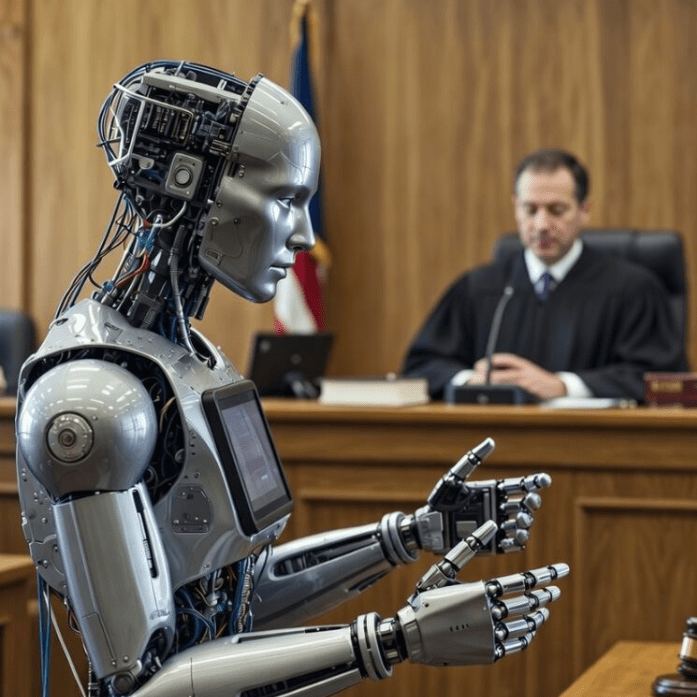
Courts across the country are delivering a blunt verdict on artificial intelligence: speed does not excuse accuracy. As lawyers face sanctions for AI-generated errors, judges are reaffirming an old rule in a new era—accountability remains human. In an age of automation, the certified court record and the professionals who create it have never mattered more.
When Practice Drifts From the Code – How Informal Norms Are Reshaping the Courtroom Record

In courtrooms nationwide, a quiet shift is underway. The rules governing the official record remain unchanged, yet everyday practice has drifted from the code. Realtime feeds and rough drafts, once tools for preparation, are increasingly treated as authoritative sources in high-stakes moments. This slow normalization of informality carries real legal risk—for attorneys, judges, and especially the reporters entrusted with preserving the record.
Who Trained the Machine?

AutoScript AI is marketed as a “legal-grade” AI transcription solution trained on “millions of hours of verified proceedings,” yet the company provides no public definition of what verification means in a legal context or where that data originated. Founded and led by technology executive Rene Arvin, the platform reflects a broader trend of general ASR tools being rebranded for legal use without the transparency traditionally required in court reporting.
Opinion | Digital Reporting Is Not “Clearly Lawful.” It Is Clearly Inferior — and Legally Dangerous

Digital reporting is not merely a different tool — it is a different evidentiary product. A transcript created after the fact from audio is reconstruction, not a contemporaneous verbatim record. Without licensed stenographic capture, individual accountability, and real-time certification, courts are left with hearsay dressed up as efficiency. The integrity of the record is not optional.
Trial Etiquette – The Unwritten Code Every Court Reporter Is Expected to Follow

Trial etiquette carries unwritten rules, and one of the strongest is this: if you accept a trial, you finish it. Leaving mid-trial hurts colleagues, judges, and even jurors—especially when readback requests arise and transcripts were never prepared. Substitute reporters are often handed unusable roughs or incomplete PDFs, creating risk of reversible error. Judges notice. Agencies remember. Professionalism demands continuity from start to finish.
Opinion: Texas Isn’t Confused About Digital Reporting — Only the Vendors Are

Texas is not confused about digital reporting — only the vendors are. Esquire, U.S. Legal, and Veritext recast a business model as a legal right, insisting courts ignore reliability gaps, nonexistent licensure, and the safeguards built directly into Rule 203.6. The trial court didn’t err; it exercised discretion. Corporate convenience is not access to justice, and marketing cannot replace a certified, accountable record.
Recording Roulette – When Courtroom Captures Become Costly Compromises

In courtrooms across the country, attorneys are increasingly encountering a problem they did not anticipate: they do not know whether their proceeding will be staffed by a certified stenographic reporter or by a digital recording operator until the matter is already underway. That uncertainty—once unthinkable in a profession built on procedural predictability—has become common inContinue reading “Recording Roulette – When Courtroom Captures Become Costly Compromises”
The First Impression Bias & How Female Court Reporters Are Judged on Appearance Before Skill
Women in court reporting are often judged on appearance long before anyone recognizes our skill. I’ve walked into rooms dressed like an attorney and still been mistaken for anything but the professional safeguarding the record. These subtle moments add up—and they reveal a deeper bias in the legal system. Our work deserves recognition based on expertise, not aesthetics.
A Harbinger of Collapse – What One Facebook Post Reveals About the Future of Court Reporting in the United States

A single Facebook post from a Canadian reporter—reduced to just 3–6 jobs a month—should terrify every U.S. attorney and stenographer. It is a glimpse of what happens when ASR replaces certified professionals: the market collapses, accuracy disappears, and justice erodes. Canada didn’t fail because reporters weren’t skilled. It failed because decision-makers chased “cost savings.” The U.S. is next—unless we stop it now.
The Hidden Cost of Convenience – Are Cloud-Stored Transcripts Training AI Without Your Consent?

Cloud convenience comes with a hidden cost: many platforms quietly reserve the right to use or sell your synchronized transcripts and audio to train their AI. Whether or not AI is “inevitable” isn’t the point—consent is. Legal transcripts contain privileged, high-value data, and no reporter should unknowingly contribute to systems designed to replace them. Protecting the record means protecting our work.
The Weight of Watching- A Court Reporter’s Reflection When Justice Falters
Court reporters are trained to remain neutral observers, preserving the record without influence or intervention. Yet we also witness the moments when the justice system’s safeguards fail—when potential juror bias goes unexamined or judicial oversight falls short. We cannot raise concerns or redirect the process; our role is silence. The emotional toll comes from knowing what fairness requires, and watching when it is not upheld.
The Bubble Beneath the Record – A Financial Crisis in Court Reporting Is Coming

A financial bubble is forming beneath the court reporting industry. Private equity markups have pushed attorneys toward cheaper “alternative” record methods, but those substitutes fail evidentiary standards and are beginning to collapse under legal scrutiny. As reporters reject unsustainable rates and attorneys realize uncertified transcripts don’t hold up in court, the industry is nearing a correction. The record cannot be commodified—and the bubble will burst.
When the Forest Votes for the Axe – A Warning to the Court Reporting Profession

The profession is the forest—and we are the trees. Yet many have been persuaded to welcome the very axe designed to replace us. Digital and AI models present themselves as allies, promising convenience and efficiency, while quietly eroding our roots: accuracy, ethics, and due process. The future of the record depends on whether we recognize the axe for what it is—and defend the forest together.
 STENOIMPERIUM