
Insurance company contracting is quietly destroying the court reporting profession. Illegal in many states but rarely enforced, this practice strips independent reporters of long-time clients, undermines transcript integrity, and centralizes control in the hands of big-box firms. We must educate attorneys, demand legal enforcement, and organize as a profession. This is more than business—it’s about preserving justice, impartiality, and the future of court reporting.
Tag Archives: law
The Hidden Hands in the Courtroom – How Insurance Companies Are Undermining Court Reporting and What We Can Do About It

Insurance companies are quietly driving the shift from certified stenographers to digital court reporting, prioritizing cost-cutting over courtroom accuracy. This threatens the integrity of legal records, disproportionately harms vulnerable litigants, and benefits insurers when ambiguity delays or denies justice. Certified stenographers are essential to preserving the truth in legal proceedings—replacing them with flawed technology compromises fairness in our courts. It’s time to protect professionalism over profit.
Exposing the Threat to Stenography – A Call for Transparency, Strategy, and Action

A coordinated campaign is exposing the hidden network pushing uncertified digital court reporting. With a public “Dark Money Map,” polished advocacy materials, and targeted outreach tools, stenographers can fight back with clarity and impact. This effort reveals key players, debunks the shortage myth, and empowers professionals to defend accuracy and integrity in the legal system. It’s time to name names and take action.
The Real Threat to Stenography Isn’t Technology — It’s a Manufactured Crisis

The stenographic profession isn’t outdated — it’s under attack. A manufactured “shortage” narrative, pushed by corporate interests, aims to replace certified reporters with unregulated digital alternatives. But court reporting is thriving, technologically advanced, and essential to justice. It’s time to expose the fraud, reclaim our narrative, and fight for the integrity of the record — because the truth deserves a skilled human witness.
The Record Must Remain Ours – A Court Reporting Call to Action

Court reporters are not outdated—we’re digital pioneers. As ASR and CAT tools flood the market, we must assert professional control. Certification, responsibility, and independence are non-negotiable. The individual capturing the record must also certify it. Letting courts or unlicensed tech operators own the record threatens justice itself. We must lead the change—on our terms. The record must remain ours.
Fail to Adapt to Disruption and Pay the Price – Court Reporters Heed the Warning

Court reporting isn’t antiquated—it’s one of the most technologically advanced professions in the legal world. As we pass the tipping point of digital disruption, our challenge isn’t resisting change but leading it. Certified reporters, using sophisticated tools like ASR-integrated CAT software, must set the standard. The future depends on preserving integrity, enforcing certification, and maintaining responsible charge in every courtroom transcript.
A Court Reporter’s Perspective – Clearing Up the “Uh-huh” vs. “Huh-uh” Confusion in Transcripts

Attorneys often tell witnesses, “Please answer with ‘yes’ or ‘no’ because the court reporter can’t type ‘uh-huh.’” But the truth is, we can—and do—capture every utterance phonetically. The real issue arises when interpreting these sounds on paper. A simple solution? State upfront: “‘Uh-huh’ means yes; ‘huh-uh’ means no.” This small clarification eliminates later confusion and ensures a clear, undisputed record for all.
The Hidden Dangers of Hiring Uncertified Court Reporting Professionals – Why Due Diligence Matters Now More Than Ever

In today’s digital landscape, uncertified court reporters, scopists, and proofreaders are flooding the market, raising serious concerns for professionals. The rise of “fly-by-night” providers threatens the accuracy, confidentiality, and integrity of legal transcripts. Every hiring decision matters—because your name, reputation, and certification are on the line. Trust, but verify. Vet every collaborator carefully to protect your professional legacy and uphold the standards of the court reporting industry.
Membership Boundaries Are Not Exclusion – A Counterpoint to Christopher Day

Professional associations like NCRA and CalDRA exist to serve their members — and that includes offering member-only social media spaces. Restricting access isn’t exclusion; it’s about delivering value to those who support the organization. While open forums like Stenonymous have their place, national associations have a different mission. The real challenge isn’t access — it’s ensuring membership remains meaningful, relevant, and worth the investment.
The Power of Collective Action – What Court Reporters Can Learn from Agnodice

Court reporters stand at a pivotal moment, facing pressure from corporations eager to replace them with flawed technology. But like Agnodice, the first female doctor in ancient Greece, they hold untapped power. By uniting, advocating, and sharing their vital role in safeguarding justice, court reporters can resist this wave and preserve the integrity of the legal system. Together, they can shape the future — and win this battle.
A Gentle and Straightforward Reply to Christopher Day’s Response

Digital pay parity might sound fair, but it risks blurring the line between skilled stenographers and less-trained digital reporters. Instead of raising digital to match steno, we should protect the value of expertise and focus on raising industry standards. Pay equality alone won’t stop corporations from chasing cheaper options — quality, skill, and human judgment are what truly set stenographers apart and secure their future.
When Green Covers Go – Shrinking Demand and Shifting Court Reporting

As demand dwindles and technology reshapes court reporting, long-standing vendors are closing their doors, and beloved traditions are fading away. The disappearance of embossed green transcript covers symbolizes a larger shift in an industry struggling to survive rather than thrive. Amid rapid change, court reporters face the challenge of honoring their craft while adapting to a future where even the smallest details carry deep meaning.
Protecting the Integrity of the FPR™ Credential – What We Can Do About Fraudulent Use

Protecting the integrity of the FPR™ credential is vital to maintaining trust in Florida’s legal system. When individuals misuse this title, it undermines the profession and misleads the public. By reporting concerns to FCRA, notifying regulatory agencies, alerting platforms, and verifying facts before acting publicly, we can help ensure that court reporting credentials remain credible, respected, and protected from misuse.
The Silent Breach – How Attorneys Are Illegally Sharing Court Transcripts in Violation of California Law

Under California Government Code § 69954(d), parties who purchase court transcripts may use them internally or as exhibits but cannot share copies with others. Despite this, many attorneys unlawfully distribute transcripts to opposing firms, undermining court reporters’ earnings and violating legal ethics. Unauthorized sharing risks sanctions, financial penalties, and damages the integrity of litigation. Compliance is essential to uphold fairness and professional responsibility.
The End of Software Lifecycles – When “Upgrade” Means “No Choice” — And Why Court Reporters Are Concerned
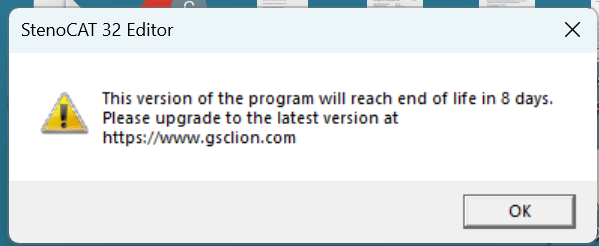
Gigatron has officially retired StenoCat32, forcing court reporters to migrate to a new version that’s still riddled with bugs. Users report instability, lost data, and workflow disruptions—raising serious concerns in a field where precision is critical. While Gigatron promises ongoing fixes, the rushed transition highlights a growing industry trend: when software reaches end-of-life, users often have no choice but to upgrade, ready or not.
The Appeal of Reform – A Call for Change in How Court Reporters Handle Appeals

Court reporters are experts in real-time transcription, yet the appeal process often turns them into reluctant project managers. Chasing down transcripts, begging for responses, and managing silence from colleagues isn’t just frustrating—it’s unsustainable. It’s time to modernize the system. Each reporter should submit their own work independently, on deadline. Let’s shift the culture, share the responsibility, and restore professionalism to the appeals process.
Transcript Theft and Timeless Pricing Contributes To The Court Reporting Crisis

Court reporters are being squeezed by an outdated pricing model and rampant unauthorized transcript sharing. Despite legal protections under California law and federal copyright, attorneys often duplicate transcripts without paying, devaluing the reporter’s work. It’s time to modernize: shift all costs into the original transcript and make copies cheap or free. This simple change could restore fairness, stop transcript theft, and protect the profession’s future.
Florida’s Embrace of Digital Court Reporting – A Controversial Shift in Legal Transcription

Florida is redefining court reporting by certifying digital reporters through its FPR™ program, allowing them to capture proceedings without directly transcribing them. Unlike stenographers and voice writers—who are in responsible charge of the record—digital reporters often outsource transcription, raising concerns about accuracy, accountability, and legal integrity. This shift may influence other states, but the long-term risks demand careful scrutiny and stronger regulatory oversight.
Behind the Bench – The Economic Discrimination Against Pro Tempore Court Reporters

Pro tempore court reporters face economic discrimination rooted in misunderstanding and bias. Judges and attorneys see high invoices and assume excessive pay, unaware that agencies take 50%, and reporters shoulder business expenses, including subcontractors and costly equipment. Many reporters are women, and gender bias fuels resentment over perceived earnings. Despite outdated statutory rates and lack of benefits, court reporters remain essential yet undervalued pillars of the justice system.
Backing the Bill, Battling the Bench

California court reporters face a critical moment as the Judicial Council pushes to expand electronic recordings in courtrooms. AB 882 offers a temporary, balanced response—preserving live reporting where possible and requiring accountability where it’s not. Supporting this bill keeps our profession at the table. But we must go further—organizing, advocating, and building alliances to defend the record and protect access to justice statewide.
The Hidden Cost of Attorneys “Saving Money” – How Rough Orders Are Breaking the Court Reporting System

Attorneys think they’re saving money by ordering rough transcripts instead of daily certified copies, but they’re actually paying more—and overloading court reporters in the process. Without steady daily orders, reporters can’t retain scopists, leading to delays and burnout. Behind every transcript is a person working nonstop, juggling deadlines, family, and exhaustion. The solution? Order next-day expedites. It’s faster, cheaper overall, and keeps the whole system running.
How to Report Judicial Misconduct in California

In California, judicial misconduct can be reported by anyone—including attorneys, litigants, and the public—to the Commission on Judicial Performance. Misconduct includes unethical behavior like bias, rudeness, or abuse of power. Complaints must be submitted in writing with detailed information. The Commission investigates credible cases and may issue warnings, public censure, or removal to uphold judicial integrity and maintain public trust in the legal system.
Steno Success – Finding Your Purpose in Court Reporting

Court reporting is where passion meets purpose. It’s more than typing fast—it’s preserving truth, supporting justice, and giving voice to every word spoken. If you’re detail-driven, love language, and want meaningful impact, this profession offers deep fulfillment. Your skills matter here. With dedication and heart, stenography becomes more than a career—it becomes a calling. Discover the power of your unique voice in the courtroom and beyond.
The Fear of Retribution in the Court Reporting Industry – Navigating a Culture of Silence and Fear

The fear of retribution in the court reporting industry is a pervasive issue, where reporters hesitate to speak out against unethical practices like stolen transcripts or delayed payments due to the risk of losing work. This culture of silence is reinforced by tight-knit professional networks where outcasts face isolation and gossip. Addressing this fear requires fostering supportive communities and promoting transparency to protect reporters’ rights and uphold the integrity of the profession.
Court Reporter Anxiety – Managing Stress in a High-Stakes Career

Court reporting is a demanding profession that requires precision, focus, and mental resilience. The constant pressure to produce accurate transcripts, manage tight deadlines, and absorb emotionally intense content can lead to anxiety and burnout. Prioritizing mental health through self-care, mindfulness, and professional support is essential. By recognizing the signs of stress and taking proactive steps, court reporters can protect their well-being and thrive in their careers.
THE RECORD IS NOT OPTIONAL – Despite AB 2664, Attorneys Still Challenge Freelance Reporters in Courtrooms

In April 2025, a freelance court reporter shared a troubling story: an attorney attempted to oppose the appointment of a reporter pro tempore during a hearing. Despite clear legal precedent, the attorney challenged the reporter’s right to be present simply because the reporter was a freelancer. This should no longer be happening. California law settledContinue reading “THE RECORD IS NOT OPTIONAL – Despite AB 2664, Attorneys Still Challenge Freelance Reporters in Courtrooms”
Tax Tides and Transcript Troubles – How Southern California’s Hikes Hit Court Reporters

Southern California’s recent sales tax hikes—like Los Angeles County’s jump to 9.75%—are creating ripple effects beyond consumers, hitting independent professionals like court reporters. As essential legal transcribers, many are now facing increased costs for equipment, software, and supplies. These hikes are pushing court reporters to rethink budgets, consider fee adjustments, and find new strategies to stay competitive in a shifting economic landscape.
The Rise of Private Gatekeepers in Freelance Court Reporting

Some freelance court reporters say Facebook job groups are being misused by “gatekeepers” who exclude others and give jobs to friends. These gatekeepers may also receive perks or higher-paying jobs from agencies in return. Reporters argue this favoritism is unethical—and possibly illegal. Job opportunities should be shared fairly, not brokered through backroom deals. The court reporting profession needs transparency, not cliques or hidden kickbacks.
Inside the Mind of a Court Reporter – Between Transcripts and Grocery Lists

While attorneys argue and witnesses testify, court reporters are silently working magic—capturing every word, even as their minds drift to dinner plans or dog cuddles. We may not always be mentally present, but the record is. Opinions? We keep those to ourselves. Our focus isn’t on the drama unfolding—it’s on the speed, clarity, and precision of speech. The result? A flawless transcript, every time.
Freelance vs. Official Court Reporting – Weighing the Pros and Cons for Your Career Path

Freelance court reporting offers freedom, flexibility, and the potential for high earnings—but it comes with uncertainty, no benefits, and a constant hustle. Official positions provide stability, a steady paycheck, and valuable perks like insurance and retirement, though the structure can feel rigid and depends heavily on the judge. Your choice depends on your lifestyle, risk tolerance, and what you value more: independence or security.
Steno Still Stands Strong

Verbatim court reporting relies on three methods: steno machine, steno mask, and AI/ASR. Only steno machine and mask writers are certified and legally accepted in over half the states. The steno machine remains the gold standard, offering unmatched accuracy and instant readback. AI/ASR, while emerging, lacks certification, reliability, and accountability—posing serious risks in legal settings where precision is non-negotiable. Certification must be required for all reporting methods.
A Crisis in the Courts – L.A. County’s Reporter Shortage, Jessner’s Controversial Order, and the Looming Threat of Jury Nullification

Los Angeles County is facing a legal crisis as Presiding Judge Jessner issues an order allowing electronic recordings in civil, family, and probate courts—directly violating California law. After the legislature rejected AB 662, which sought similar changes, Jessner acted unilaterally. Critics warn this judicial overreach undermines public trust and could spark jury nullification, with citizens questioning why they should follow laws judges themselves ignore.
“Why I Love Court Reporting” FB Group Celebrates a Decade of Dedication in the Court Reporters’ Community & Camaraderie

For ten years, the Why I Love Court Reporting Facebook group has fostered camaraderie, inspiration, and unwavering support for court reporters worldwide. With over 5,000 members, this thriving community celebrates the profession’s passion, perseverance, and purpose. As we mark this milestone, we honor the dedication of those who uphold justice with every keystroke. Here’s to a decade of dedication—and many more to come!
The Role of Court Reporters and the Limits of Interpreter Expectations

Court reporters ensure accurate legal records, but they are not responsible for providing interpreters with LiveNote or laptops. Interpreters must work from what they hear, not read, as real-time feeds are unedited drafts. If an interpreter requires accommodations, it is the responsibility of their agency, not the court reporter. Setting clear boundaries protects court reporters from undue burdens while maintaining the integrity of legal proceedings.
Building Strong Networks as a Court Reporter: Identifying People Who Will Advocate for You

Building strong professional networks is essential for court reporters. By observing how others behave, how they network, and what feedback they receive, you can identify those most likely to advocate for you. People who highlight others’ achievements, share opportunities, and offer support without expecting anything in return are key connections. Likewise, being a generous, supportive professional fosters reciprocal relationships that help propel your career forward.
Court Reporters Are The Most Advanced Professionals in Realtime Transcription

Court reporting isn’t old-fashioned—it’s the most advanced transcription method in existence. Digital recording takes us back 100 years, while AI struggles with accuracy. Court reporters, powered by cutting-edge steno CAT software like Eclipse Boost, harness AI to enhance speed and precision—without losing control. No machine can match our expertise, adaptability, or real-time accuracy. We’re not outdated—we’re indispensable. 💯 #CourtReporting #StenoTech
The Importance of Ergonomics and Professionalism for Court Reporters

For those who spend long hours reporting from home, investing in a high-quality chair is essential. I’ve had my Herman Miller Embody chair for about a decade, and I couldn’t report without it. Designed for long-term comfort and optimal posture, it provides the perfect balance of support and flexibility, reducing strain during marathon transcription sessions. If you’re looking for a game-changer in home office ergonomics, this chair is worth every penny.
Transcript Theft: The Silent Threat to Court Reporters

Court reporters are increasingly encountering attorneys who discuss “splitting costs” but ultimately share a single transcript instead of ordering their own. This practice impacts reporters’ earnings and devalues their work. To address this, reporters must clarify orders upfront, advocate for firm policies, and reinforce ethical standards. As the legal landscape evolves, standing firm on fair compensation and professional respect remains essential for the future of court reporting.
Taming the Tech Tyrant: Conquering the Chaos of Courtroom Correspondence

Is your inbox overflowing, distracting you, and slowing down your productivity? Court reporters deal with constant email communication, but without a system, it can become overwhelming. By adopting structured strategies—such as scheduled inbox management, the “Four Ds” decision-making method, and email automation tools—you can regain control. Improve efficiency, reduce stress, and turn your email from a burden into a productivity-boosting tool today!
Courtroom Champions – Crafting Resilience in a Rapidly Revolutionizing Realm

In a fast-changing legal landscape, court reporters must adapt to survive and thrive. By embracing technology, committing to continuous professional development, and upholding ethical standards, they can remain indispensable. As digital tools evolve, human expertise remains crucial for accuracy and nuance. This article explores strategies to build resilience, ensuring court reporters stay at the forefront of the profession in an increasingly complex and competitive world.
Fighting Like Hell to Save the Stenography Profession Through Innovation, Grit, and Perseverance

The stenography profession is at a crossroads, facing threats from AI and digital transcription. But history shows that industries on the brink can fight back. By embracing innovation, public awareness campaigns, high school outreach, and social media engagement, stenographers can reclaim their place as the gold standard in legal documentation. It’s time to fight like hell—because the future of stenography depends on it.
The Battle Between Humans and AI in Court Reporting

The battle between humans and AI in court reporting is intensifying as Automatic Speech Recognition (ASR) technology advances. While ASR promises faster, cost-effective transcriptions, its current 76% accuracy rate still falls short in legal proceedings, where precision is critical. Human court reporters maintain an edge with their contextual understanding, adaptability, and ability to transcribe multiple speakers, ensuring accuracy that AI currently cannot match.
Digital Pay Parity A Pipe Dream of Unbalanced Benefit

Digital pay parity may seem like a solution, but it’s a false promise that upholds corporate greed while undermining human skill. Christopher Day of Stenonymous advocates for unionization to keep digital at bay, yet his vision still overlooks the irreplaceable expertise of real stenographers. True progress lies in recognizing the value of craftsmanship, not in embracing shortcuts that favor profits over people. The future is human, not digital.
The Importance of Allowing Full Interpretation in Legal Proceedings

In legal proceedings, allowing full interpretation ensures accuracy and clarity. When interpreters are not allowed to fully translate, gaps are created, making the court reporter’s job more difficult. Court reporters rely on complete translations to produce verbatim transcripts. Missing words or partial translations can lead to confusion and inaccuracies in the record, impacting the fairness and integrity of the legal process for all parties involved.
Denise A. Tugade’s Appointment to the Court Reporters Board is a Possible Threat to the Future of Court Reporting in California

Denise A. Tugade’s appointment to the California Court Reporters Board on February 11, 2025, raises serious concerns for court reporters. With deep ties to SEIU—known for allowing court reporter layoffs—and former Assemblymember Lorena Gonzalez, a proponent of replacing court reporters with automation, Tugade’s influence could further undermine the profession. Her appointment signals potential threats to job security and the integrity of legal transcripts in California courts.
The Digital Court Reporting Scam – How Aspiring Court Reporters Are Being Duped
Digital court reporting programs are misleading aspiring court reporters, especially in states like California, where digital recording of legal proceedings is illegal. Many students invest time and money in these courses, only to find out they do not lead to licensure. Universities continue to offer these programs for profit, despite their lack of credibility. Prospective students must research and choose accredited stenographic training instead.
SITC/Day Violates Louisiana Solicitation and Volunteer Laws, Again

Steno in the City is once again facing legal scrutiny for violating Louisiana’s solicitation and volunteer laws. Marketed as a professional development event, this for-profit venture misleads sponsors, vendors, and volunteers while improperly soliciting funds. By exploiting unpaid labor and misrepresenting financial contributions, Steno in the City risks legal consequences. Transparency, compliance, and ethical responsibility are essential to ensuring accountability in the court reporting industry.
The Many Reasons Court Reporters Love Their Profession

Court reporting is more than just a job—it’s a passion. From the rhythmic keystrokes of the stenograph to the thrill of capturing every word in high-stakes legal proceedings, court reporters thrive on accuracy, language, and the pursuit of truth. They witness justice unfold, document history in real time, and fight to preserve their profession’s integrity. Their dedication ensures the legal record remains precise and reliable.
Empowering Women in Court Reporting for Success and Fulfillment

Women in court reporting play a vital role in the legal system, bringing precision, adaptability, and expertise to the field. By building strong support networks, advocating for equal opportunities, and embracing technological advancements, they can achieve lasting success. With flexible career options and leadership opportunities, court reporting empowers women to thrive professionally while maintaining work-life balance, ensuring a more inclusive and dynamic future for the industry.
Success of a Court Reporter: Defining and Measuring Achievement

Success in court reporting comes in many forms—financial stability, professional influence, and personal fulfillment. Whether measured by certifications, income, client demand, leadership roles, or even luxury lifestyles like exotic cars and designer bags, success remains subjective. True excellence, however, lies in the quality of work produced. The real measure is not just perception but the accuracy, reliability, and impact a court reporter leaves behind.
 STENOIMPERIUM