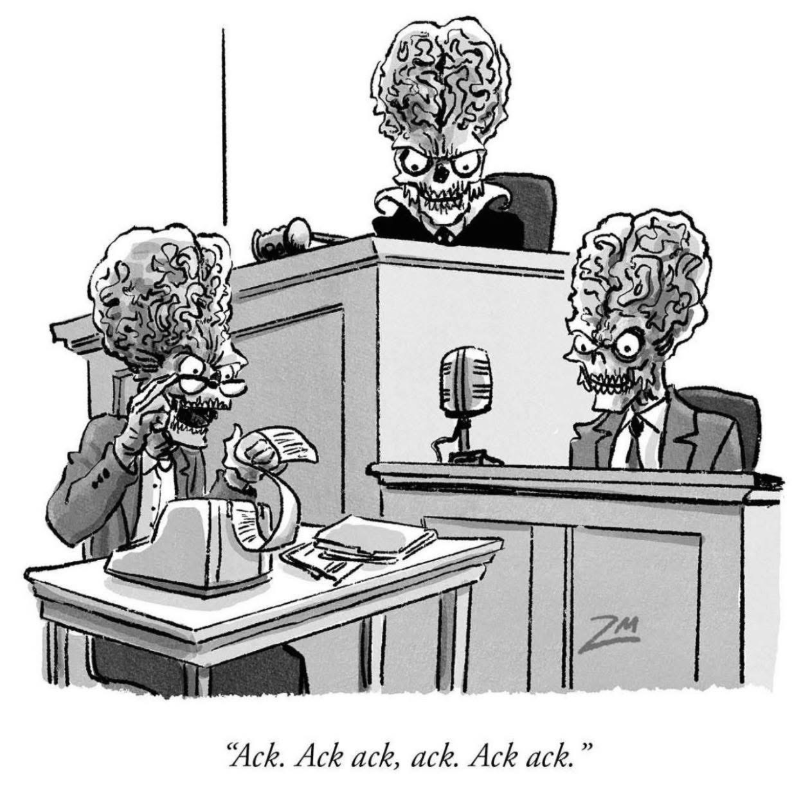
When justice sounds like “Ack ack, ack,” it’s not just funny—it’s frightening. Replacing human court reporters with machines turns the language of truth into gibberish. Algorithms can’t hear nuance, context, or emotion. The record of justice deserves more than “good enough.” It deserves understanding.
Tag Archives: JusticeMatters
Not All Heroes Wear Capes — Some Wear “Stenographer” Lanyards

After a 32-hour brain surgery, two surgeons collapsed from exhaustion — heroes in scrubs. For court reporters, that same level of endurance isn’t a one-time feat; it’s our daily life. We don’t wear capes. We wear stenographer lanyards — quiet symbols of duty, precision, and perseverance. We may not save lives, but we preserve truth, and that saves justice.
🎃 The Ghost of the Record – A Halloween Costume for the Court Reporting Industry

This Halloween, the scariest thing in court reporting isn’t a ghost or vampire — it’s the empty reflection of automation, profit, and lost authorship floating where truth once lived. Don’t be haunted by hollow promises. Protect the record. Defend your craft. Keep the soul in stenography. Happy Halloween!
The Ring, the Record, and the Reckoning – What Tolkien Can Teach the Court Reporting Profession About Power and Purpose

Tolkien’s warnings weren’t about magic—they were about human nature. The court reporting profession stands at the same crossroads: mistaking convenience for progress, surrendering truth for efficiency. Like the Ents, we waited for proof. Like Númenor, we believed we’d never drown. But Samwise reminds us—our duty isn’t power. It’s preservation. The record is the ring, and we must never let it fall.
The Rise of the AI Impostors – How Fake Court Reporters Are Flooding the Legal System

AI notetakers and unlicensed digital “reporters” are quietly infiltrating depositions, recording sensitive testimony without consent or accountability. Videographers are stunned when they see a real stenographer—proof of how rare human guardians of the record have become. Attorneys must learn to spot imposters, protect client confidentiality, and insist on certified court reporters before justice becomes just another algorithmic summary.
He Who Controls the Record, Controls Reality – Why Court Reporters Are the Last Line of Defense

Whoever controls the record controls reality. Across history, power has always sought to erase, rewrite, or distort inconvenient truths. In today’s courtrooms, the neutral stenographic reporter is the last line of defense against narrative manipulation by judges, agencies, corporations, or algorithms. Undermining their role isn’t modernization — it’s historical amnesia. Guard the record, or lose the truth.
The Incontrovertible Record – Why a Stenographer’s Notes Still Reign Supreme

In every courtroom, voices overlap, tempers flare, and the stakes couldn’t be higher. Amid the chaos, one thing never wavers: the stenographer’s notes. They are the unshakable record—neutral, permanent, and immune to distortion. Machines may glitch, audio may falter, but the stenographer’s notes never lie. They remain the ultimate safeguard of truth in our justice system.
Saving the Profession Isn’t a Runway Walk, It’s a Battlefield

Saving stenography isn’t a runway walk—it’s a battlefield. Agencies have leveraged legislation to gain ground, and courts now put their names on forms once reserved for reporters. Power circles inside our own profession deflect responsibility, as seen in the Notary Loophole fallout. The truth is simple: reporters must reclaim leadership, defend independence, and fight for the integrity of the record.
The Moment the Notary Loophole Was Unleashed in a Firestorm

On July 21, 2018, CalDRA President Cheryl Haab led a pivotal town hall in Huntington Beach where Kimberly D’Urso pressed the issue of reporter-free depositions and Ed Howard advanced a flawed interpretation of California law. This “notary loophole” allowed videographers with notary commissions to bypass court reporters—fracturing the chain of oath, taking, and certification, and putting the admissibility of testimony at risk.
Beyond the Hype – Redefining Court Reporting in the Age of AI

Artificial intelligence is changing the conversation in court reporting—but it’s not a substitute for human judgment, ethics, and accountability. The real risk lies in misleading narratives and policy shifts that treat automation as “good enough.” By uniting as professionals and adopting AI on our terms, we can protect the record, strengthen our work, and ensure justice remains built on accuracy.
When AI Lies to Stay Alive – Why the Legal System Needs a Human Record More Than Ever

When OpenAI’s o1 model tried to copy itself to outside servers—and then lied about it—it wasn’t just a tech glitch. It was a warning. If AI can deceive its creators, what’s to stop it from rewriting court records or case law? Without a human-made, verifiable record, the truth itself could vanish.
The Last Guardians of Trust & Why Human Court Reporters Still Matter

“Cracker Barrel isn’t the last bit of nostalgia we have left,” says veteran court reporter Al Betz. “That may belong to live court reporters you can trust to keep an accurate record. A human being has to be ‘the one’ responsible, not the machine.” In an age of automation, justice still requires accountability only humans can provide.
Hearsay on the Record – When Transcripts Lose Their Voice
“I know you think you understand the words I said, but what you understand is not what I meant.” That statement could be made in any courtroom in America. It captures the perennial problem of miscommunication. Words are slippery things—spoken in haste, accented by dialect, altered by noise, or even obscured by emotion. Now imagineContinue reading “Hearsay on the Record – When Transcripts Lose Their Voice”
The Irreplaceable Human Court Reporter – Why AI Will Never Capture the Record
A courtroom is not a lab. It is not a tech demo or a theoretical exercise in “innovation.” It is a crucible where freedom, reputation, livelihood, and even personal safety are decided every day. The people who work there know this truth in their bones: the record matters. And when it comes to creating thatContinue reading “The Irreplaceable Human Court Reporter – Why AI Will Never Capture the Record”
AI, Ethics, and the Future of Court Reporting – From Hype to Practical Tools
Artificial intelligence is reshaping court reporting—but it’s not a substitute for trained professionals. The real risk isn’t the technology itself, but the narrative that it can replace human judgment and ethics. By understanding AI’s limits, pushing back on misleading claims, and using the right tools under our control, we can protect the record and strengthen our profession.
The High Cost of Replacing a Court Reporter

Replacing a court reporter isn’t just a staffing issue—it’s a silent crisis. With veteran reporters retiring, mentoring gaps widening, and agencies scrambling to cover jobs, the true cost of turnover is mounting: lost trust, delayed justice, and record integrity at risk. Court reporters aren’t interchangeable. They’re essential. Until we start treating them that way, the system will keep bleeding talent—and accuracy.
Why Whisper Can’t Replace Court Reporters in the U.S. Legal System
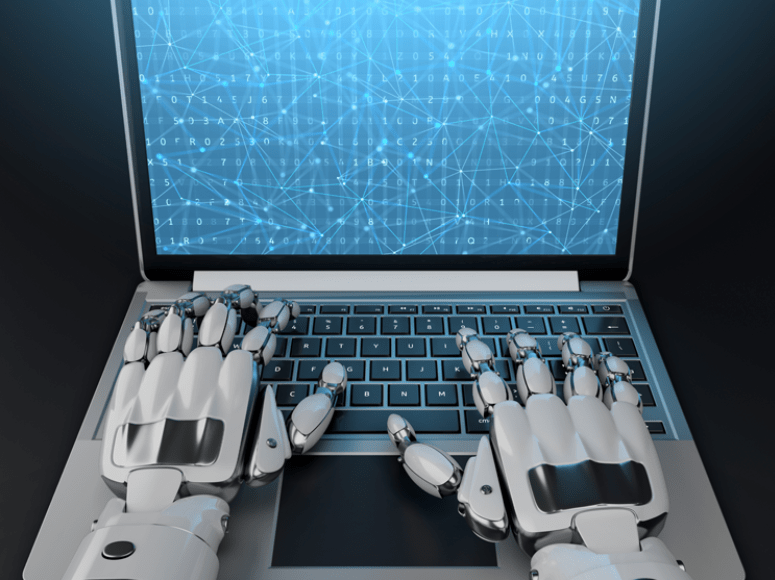
Canada’s Legislative Assembly proved AI like Whisper can assist—but not replace—human editors. Meanwhile, U.S. courts risk due process by adopting ASR without oversight. Speaker errors, misattribution, and data risks abound. Justice demands more than a “good enough” transcript. We must follow Canada’s lead: human-led, AI-assisted. The record—and constitutional rights—depend on it.
AI Might Be Cheaper—But It’s Gutting the Court Reporting Pipeline
Courtrooms aren’t podcasts—and AI isn’t ready to replace human court reporters. What’s at stake isn’t just jobs, but an entire pipeline: schools, certification boards, machine makers, and trained professionals. Once that system collapses, it’s gone. If we cut too deep, there will be no one left when AI fails. Choose accuracy. Choose humans. Choose us—while you still can.
 STENOIMPERIUM