
Judges may think AI captions save money, but the law is clear: only a certified court reporter can create the official record. ASR is error-prone, insecure, and unauthorized — and I’ve personally seen judges forced into readback when captions got it wrong. Bridge with Boost offers the lawful, accurate, profession-saving alternative that protects evidentiary integrity, judicial ethics, and access to justice.
Tag Archives: justice
Why AI Will Never Replace Human Court Reporters – The Hearsay at the Heart of the Machine

AI is nothing more than a statistical parrot—rearranging old data, guessing the next word. In court, that’s not testimony. That’s hearsay. Only a certified, sworn reporter can deliver a verbatim, admissible record. Machines can imitate, but only humans safeguard justice. Stenography isn’t nostalgia—it’s necessity.
Save Steno Now, or Lose It Forever – Why Court Reporters Can’t Be Replaced by AI

Court reporting isn’t dying—it’s evolving. With overflowing steno schools, waitlists, and voicewriters accelerating training, we’re meeting demand. The real threat isn’t a shortage—it’s premature replacement by AI. If we let this profession collapse, we lose the infrastructure that guarantees accuracy in our justice system. If you want us tomorrow, you must choose to support us today—before it’s too late.
The California Supreme Court to Hear Family Violence Appellate Project v. Superior Courts: A Pivotal Moment for Court Reporting

Last Wednesday, the California Supreme Court made a significant decision to hear the case of Family Violence Appellate Project v. Superior Courts, a case that carries substantial implications for the future of court reporting in the state. This lawsuit alleges that several county superior courts—including those in Contra Costa, Los Angeles, San Diego, and SantaContinue reading “The California Supreme Court to Hear Family Violence Appellate Project v. Superior Courts: A Pivotal Moment for Court Reporting”
The Case Against Electronic Recording: Protecting the Integrity of the Judicial Record

The reliance on electronic recording threatens the accuracy and integrity of court records, undermining the role of certified court reporters. Unlike live reporters, digital recordings can suffer from technical failures, inaudible speech, and misinterpretations, jeopardizing appellate review. The push for electronic recording prioritizes cost-cutting over justice, ignoring the critical need for precise, verbatim transcripts in high-stakes cases such as family law and probate disputes.
Judges in Los Angeles County are Breaking the Law!
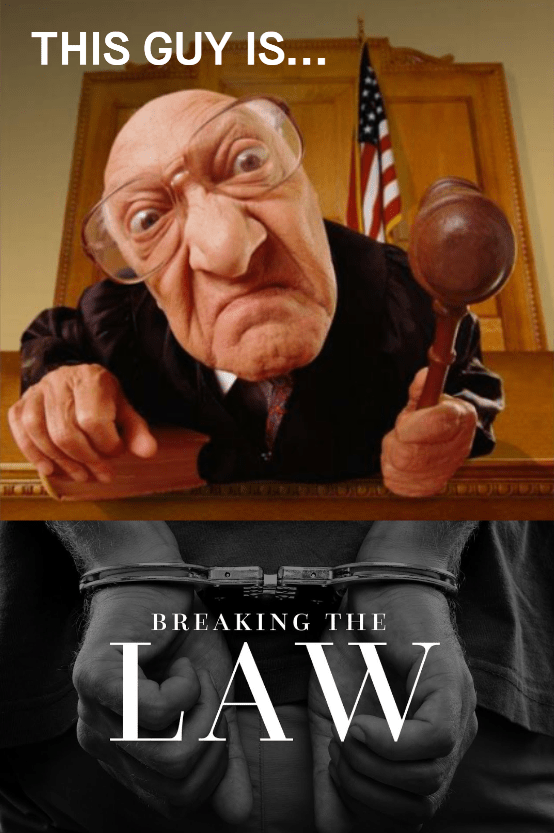
Judges in Los Angeles County are deliberately dismantling the court reporting system, violating the law to impose electronic recordings despite legislative rejection. This manufactured crisis threatens due process and public trust in the judiciary. As jurors question why they should follow the law when judges do not, a constitutional crisis looms. If unchecked, this judicial overreach could erode the entire legal system.
Justices Removing Justice

The article discusses the growing trend of courts removing stenographic court reporters in favor of cost-cutting measures, such as electronic recordings and outsourcing transcription. It highlights the crucial role stenographers play in maintaining an unbiased, accurate, and secure record of proceedings. The piece emphasizes the dangers of replacing stenographers, citing concerns over accountability, data security, and potential bias in cases like Darrell Brooks’. The author argues that eliminating stenographic reporters undermines justice and should be prohibited by law.
 STENOIMPERIUM