“The Record Under Pressure” was not written to celebrate a profession, but to examine a system. Over eight days, this series traced how technology, business consolidation, and courtroom drift are reshaping the legal record. Its purpose was simple: to make the justice system’s memory visible again, and to ask whether its transformation is being governed by law—or by convenience.
Tag Archives: JudicialIntegrity
If the Record Fails – The Future of Justice in a Court System That Can No Longer Prove Itself
A justice system survives only as long as it can prove what happens inside its own courtrooms. As the legal record weakens, appeals turn speculative, accountability erodes, and legitimacy fractures. Courts may continue to rule, but they will increasingly struggle to justify. A system that cannot reliably preserve its proceedings eventually forfeits authority over its own truth.
When a Celebration Becomes a Lottery – The Legal Risks Behind “Enter to Win” Promotions in the Court Reporting Industry

A well-intended recruitment promotion can cross a legal line. When participants must provide referrals or testimonials for a chance to win a prize, the offer may become a raffle — and commercial raffles are prohibited in California. For court reporters, whose work supports the judicial record, the issue extends beyond marketing compliance to professional integrity and public trust.
What Courts Must Do Now – The Legal Record at a Crossroads
The American justice system is approaching a crossroads. Technology, business consolidation, and courtroom drift are quietly redesigning how truth enters law. Courts must now decide whether the legal record will remain a governed evidentiary system or become a technical byproduct of convenience. This is not an operational question. It is a constitutional one.
When the Record Speaks — and Software Interprets – The Unsettled Ethics of AI Deposition Summaries
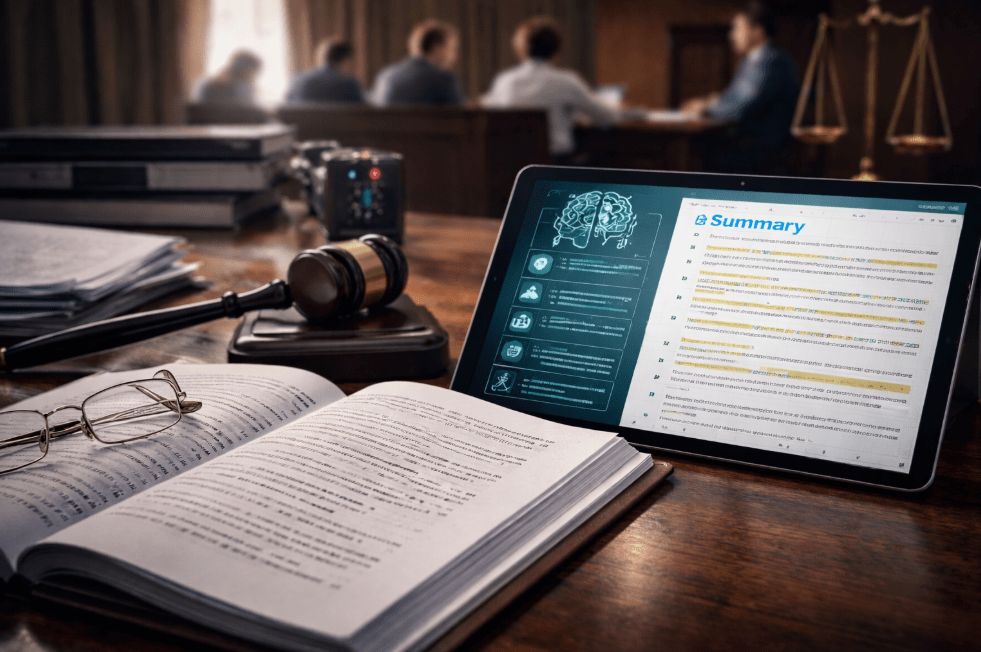
AI deposition summaries are being sold beside sworn transcripts, raising a question older than the technology itself: when interpretation travels with the record, does neutrality follow it? Advisory Opinion 32 was written to protect public confidence in the reporter’s role, not to regulate keyboards. Replacing a human summarizer with software may change the tool, but it does not automatically eliminate the appearance concerns the rule was meant to prevent.
The Last Neutral in the Room – Why the Court Reporter Is a Structural Safeguard, Not a Service
Court reporters are not service providers. They are structural safeguards. As neutral officers of the court, they preserve the conditions under which justice can later be reviewed, challenged, and corrected. When that role is reframed as clerical or commercial, the system does not merely modernize. It dismantles one of the protections that make legitimacy possible.
Between Bench and Record – What Is Already Happening Inside America’s Courtrooms
The transformation of the legal record is no longer theoretical. It is already happening in everyday courtrooms, through routine decisions that quietly reshape how proceedings are preserved. Reporters are discouraged, recordings are substituted, and speed overtakes precision. These changes rarely make headlines, yet they are redefining the evidentiary foundation of justice.
Private Equity, Public Records – How Business Is Reengineering Custody of the Legal Transcript
The legal transcript has quietly become a commercial asset. As private equity and corporate platforms centralize custody of the record, financial logic is beginning to replace evidentiary logic. Custody determines power. And when custody moves from courts into markets, the justice system inherits risks it did not design and cannot easily unwind.
When Software Becomes a Silent Witness – Ethics, Technology, and the Coming Evidentiary Reckoning
For the first time, courts are being asked not merely to use technology, but to trust it. As software moves into the evidentiary core of proceedings, responsibility is diffusing, accountability is thinning, and ethical frameworks are lagging behind technical adoption. This is not a workflow shift. It is an evidentiary one.
The Legal Record, Explained – Why a Transcript Is Not a Recording—and Why That Distinction Now Matters
A recording is raw data. A transcript is sworn evidence. A legal record is an evidentiary system. Today, those distinctions are being blurred, and the justice system is inheriting risks it does not yet see. When accountability chains thin and custody diffuses, courts lose more than accuracy. They lose defensibility.
The Record Under Pressure – Why the Legal Record Has Entered Its Most Dangerous Era
The legal record is being reshaped faster than the justice system’s safeguards can adapt. Technology, business consolidation, and courtroom practices are quietly altering how truth is captured, preserved, and controlled. This series begins with a warning: when the record changes, the justice system changes with it. And right now, the record is under pressure.
Coming Soon! The Record Under Pressure
Coming soon! In courtrooms across the country, the legal record is being reshaped by technology, business consolidation, and quiet procedural drift. These changes are rarely debated, yet they are redefining how truth enters law. During Court Reporting & Captioning Week, StenoImperium will launch an investigative series examining what is happening to the record—and what the justice system risks becoming if it is not governed deliberately.
Courts Do Not Have an AI Problem. They Have a Record-Keeping and Accountability Problem.
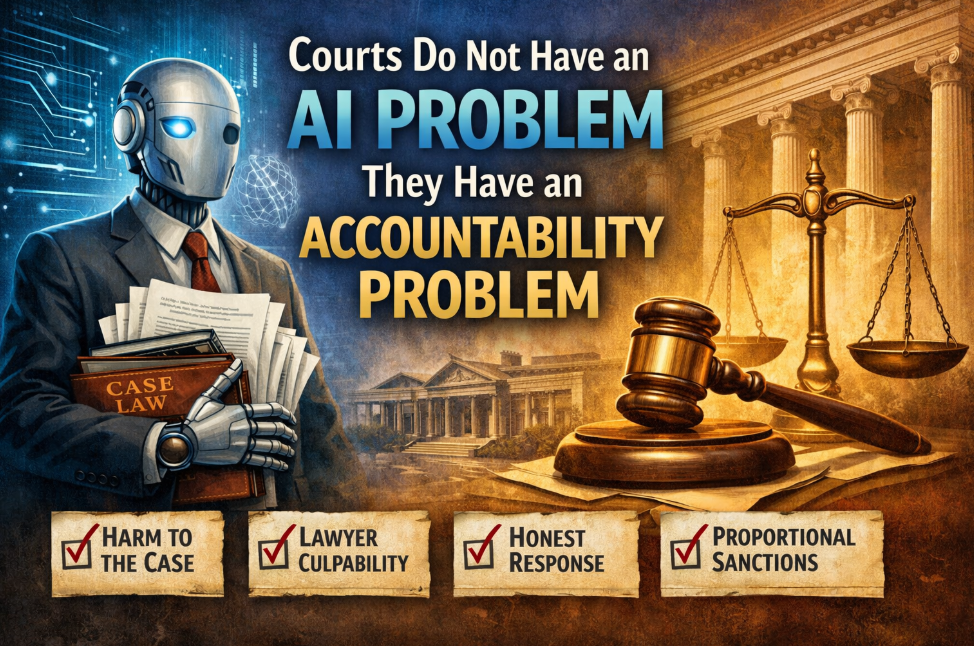
Courts do not face an artificial intelligence crisis so much as a crisis of accountability. AI-related errors expose gaps in supervision, verification, and professional responsibility, not rogue technology. Judicial legitimacy is not threatened by tools, but by inconsistent governance. The question before the courts is not whether AI will be used, but whether responsibility will remain clearly human.
Court Reporters’ Open Letter – The Rule of Law Begins With the Legal Record

The legal record is not a convenience or a product. It is constitutional infrastructure. As courts quietly replace licensed stenographic court reporters with unregulated recording systems, they are not modernizing procedure. They are removing accountability from the point where law becomes fact. Without a trustworthy, professionally certified record, due process weakens, appellate rights erode, and judicial legitimacy itself is placed at risk.
The Court Reporter Is the Custodian of the Record – Why Decentralized Evidence Systems Protect Justice

Court reporters are not just transcribers. They are custodians of a decentralized evidentiary system. Through layered capture, redundant backups, and personal legal responsibility, licensed reporters preserve the court’s memory across hundreds of sworn officers. Centralized recording systems collapse that structure into a single point of failure—making the legal record easier to manage, and easier to lose.
When Machines Become Witnesses – Why the Federal Judiciary’s AI Evidence Proposal Quietly Reinforces the Role of Court Reporters
The federal judiciary’s proposed rule on AI-generated evidence quietly draws a critical line: machine output is not inherently trustworthy and must be tested like expert testimony. That distinction reinforces the structural role of court reporters. A certified transcript is a human-governed legal record, not algorithmic evidence. Once the human layer disappears, the court record itself becomes something the law now admits is dangerous.
Imagine the Crime Scene

A homicide scene is sealed. Shell casings lie on the ground. A knife glints in the dirt. But instead of licensed evidence technicians, untrained contractors gather the items, store them in a warehouse, and weeks later unlicensed processors label what matters. When court begins, no sworn professional can certify integrity. The “evidence” collapses into mere objects.
The Legal Record Is Not a Decorative Byproduct of Litigation. It Is Evidence.
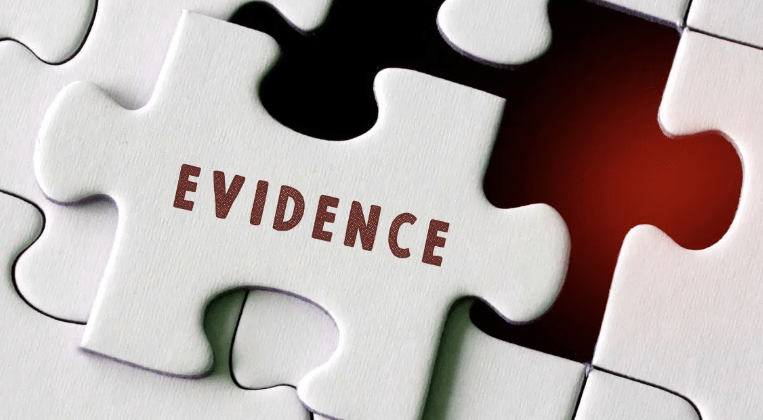
A legal transcript is not a convenience product. It is evidence. Evidence requires provenance, certification, and lawful creation. When proceedings are merely recorded and later transcribed by unlicensed individuals, the result is not a court record—it is media. Courts are quietly replacing evidentiary safeguards with technical workflows, downgrading the legal record from authenticated proof to a reconstructive artifact.
Why Judges Shouldn’t Rely on AI Yet – A Cautionary Case Against Generative AI in the Courts
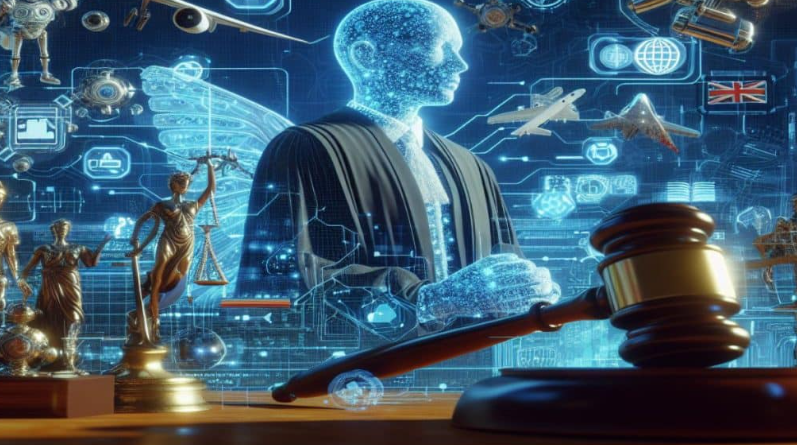
As courts experiment with generative AI, the judiciary risks embracing a technology that is not yet reliable, transparent, or safe enough for justice. From hallucinated legal authority to inaccurate ASR records, today’s AI systems already struggle with basic courtroom functions. Introducing them into judicial workflows now risks compromising confidentiality, fairness, and public trust at the very moment the courts can least afford it.
AB 1189 Collapses — and Why That Matters More Than the Victory Lap Suggests

Assembly Bill 1189 did not collapse because of rhetoric or resistance to change. It failed because it attempted to shift control of California’s official legal record away from the state and into private hands. While its withdrawal is significant, it is not the end of the effort to reframe record creation. The next proposal will be quieter, cleaner, and harder to spot.
Petition to the National Court Reporters Association – In Re Stronger Regulatory Reforms for AI Innovation in Federal Court Proceedings

The integrity of the official court record is not a technology preference—it is a constitutional safeguard. This petition calls on the National Court Reporters Association to take a clearer, firmer position opposing AI-generated transcripts as the official record and to advocate for mandatory use of licensed stenographic court reporters to protect due process, accountability, and public trust in the justice system.
When Caution Becomes Capitulation – NCRA’s AI Filing and the Quiet Risk to the Court Record
As courts rush to embrace artificial intelligence, a quiet but consequential shift is underway. A recent federal submission by the National Court Reporters Association acknowledges AI’s flaws—yet stops short of drawing the line where it matters most. When caution replaces clarity, the integrity of the official court record, and the constitutional rights it protects, are placed at risk.
Fool’s Gold – Why Courts Cannot Turn Depositions Into a “Profit Center”

Courts are not “sitting on a gold mine” — they’re bound by the Constitution. Turning depositions into revenue streams ignores statutes, due process, and the ethical duty to safeguard verbatim accuracy. Sworn reporters are not obstacles but guardians of the record. Replacing them with AI “light edits” risks malpractice, reversals, and erosion of public trust. Fool’s gold is no substitute for justice.
Parasites with Power – How Toxic Management is Destroying Court Reporting in Superior Courts

Toxic bosses in superior courts aren’t leaders—they’re parasites with power. Court reporters are bullied, gaslit, and punished for human missteps while corruption thrives. Instead of compassion or rehabilitation, reporters are discarded, treated worse than criminals for delays often born of impossible workloads or unforeseen crises. Real reform means accountability, support, and a path back—not destruction of careers that sustain justice.
Human Oversight is Now Law – Virginia Leads the Nation with Groundbreaking AI Legislation Protecting the Judicial Record
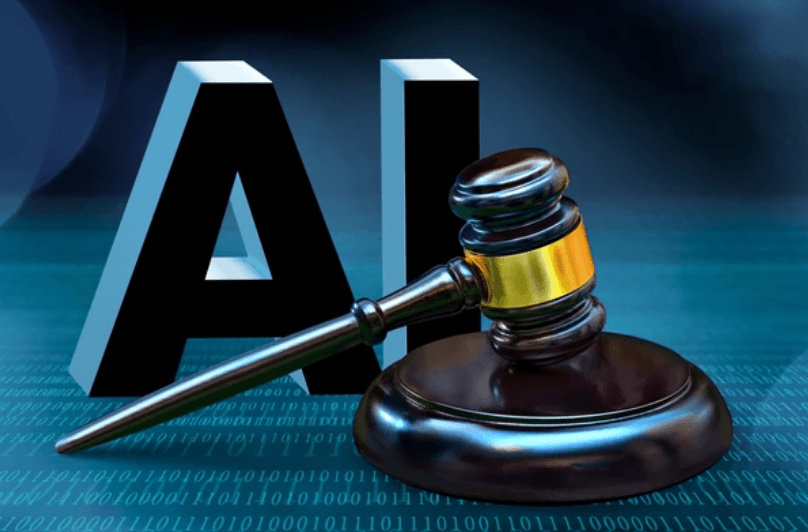
Virginia just became the first state to legally require human oversight of AI in courtrooms. With HB 1642, justice stays human-centered—protecting certified transcripts, ethical decision-making, and the future of court reporting. This is a national model for balancing innovation with integrity.
 STENOIMPERIUM