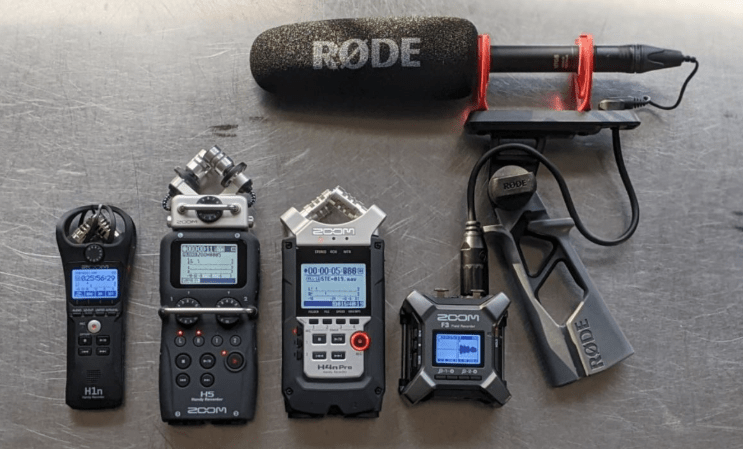
A Kentucky administrative hearing again exposed the fatal flaw of digital recording: when the agency’s “official” audio failed, a certified court reporter was the only reason the record survived. Due process cannot depend on glitchy technology or missing audio files. This case proves, yet again, that the stenographic reporter—not a digital recorder—is the only acceptable guardian of the legal record.
Tag Archives: JeopardizingJustice
Trial Etiquette – The Unwritten Code Every Court Reporter Is Expected to Follow

Trial etiquette carries unwritten rules, and one of the strongest is this: if you accept a trial, you finish it. Leaving mid-trial hurts colleagues, judges, and even jurors—especially when readback requests arise and transcripts were never prepared. Substitute reporters are often handed unusable roughs or incomplete PDFs, creating risk of reversible error. Judges notice. Agencies remember. Professionalism demands continuity from start to finish.
Sliding Into the High-Speed You – What a Russian Physicist’s Theory Teaches Court Reporters About Passing the CSR, RPR, and Every Other “Impossible” Test

High-speed stenography isn’t about gripping harder — it’s about shifting into the version of yourself who already writes with ease. When you stop treating certification like a monster and adopt a “no-big-deal” mindset, your hands relax, your rhythm returns, and speed finally emerges. You don’t force 225. You become it.
The Familiar Face Fallacy & Why Court Reporters Must Question the Platform Narrative

Familiarity is not alignment. When a recognizable face stands before the profession offering reassurance, it is easy to mistake comfort for safety. But critical thinking demands a harder question: who benefits if our work becomes optional? Reporters must look beyond polished narratives and ask what external platforms gain from reshaping our role. Strategy deserves scrutiny, not applause, and vigilance is the price of sovereignty always.
The Trojan Horse Problem – Why Software Companies Should Not Masquerade as Court Reporting Agencies

Software companies moving into the court reporting agency space do not represent innovation; they represent structural risk. When the same platform controls the technology, the data, and the labor pipeline, independence erodes and normalization begins. The danger is not sudden replacement but gradual acceptance, until reporters become optional upgrades instead of guardians of the record. The profession must recognize this encroachment and defend its sovereignty.
When Disclosure Isn’t Enough – Why AB 711 Doesn’t Serve Court Reporters or Access to Justice
AB 711 claims to curb “reporter waste,” but it’s a paperwork fix for a resource crisis. Mandating disclosure of who will hire a court reporter doesn’t solve shortages, improve access, or strengthen the profession—it risks normalizing hearings without certified stenographers. California needs investment in reporters, not bureaucracy that treats them as optional.
The Penny Auction Rebellion – How Stenographers Can Take Back the Record

In 1936, farmers fought foreclosure by staging “penny auctions,” bidding pennies on their neighbors’ land and giving it back to them.
Today, stenographers can do the same — through unity, co-ops, and reporter-owned platforms to reclaim our profession from AI, digital recording, and private equity control.
When Regulation Becomes Endorsement – How the CRB’s Firm Registration List Rewards Non-Reporter-Owned Corporations
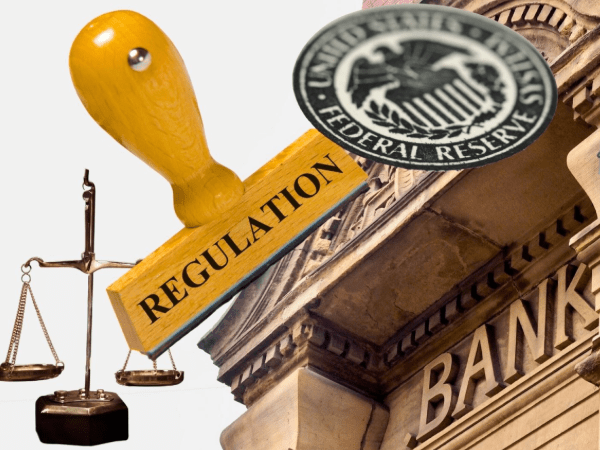
California’s Court Reporters Board has turned oversight into inadvertent endorsement. Its public “Registered Firms” list features non-CSR-owned conglomerates like Veritext and Magna—but omits legitimate CSR-owned professional corporations. The result? True shorthand reporting firms are hidden while unlicensed corporations gain state-backed visibility. It’s a structural inequity that undermines professional integrity and consumer trust—and it demands reform.
The Death of Expertise and the Erosion of the Record & Why Court Reporters Are the Last Line of Truth

In The Death of Expertise, Tom Nichols warns that society is replacing knowledge with convenience. Court reporting stands at that fault line. AI may transcribe words, but it cannot witness truth. Only a certified reporter — physically present, ethically bound — can certify a record. To sign off on machine output isn’t innovation; it’s fraud. And it marks the death of expertise itself.
Train Like an Athlete – The Mental Conditioning of a Future Court Reporter

Stenography isn’t just skill — it’s mental athleticism. Like NBA rookies, students must fail, reflect, and adjust daily. Every dropped word is data, not defeat. Treat your practice like training camp: review your “film,” log your growth, and build proof, not praise. Five minutes of reflection a day turns pressure into performance.
The Battle for the Record Is Here — and CCRA Needs You

CCRA has taken a historic stand for every California court reporter. With attorney Scott Kronland of Altshuler Berzon, we’re defending the integrity of the record before the California Supreme Court. The fight against electronic recording isn’t just about jobs—it’s about justice. Your profession. Your record. Your voice. Stand with us. Join CCRA. Donate today.
The Neuroscience of Speed – Why Positivity Makes Better Court Reporters

Neuroscience proves what every court reporter already knows: mindset matters. Chronic negativity literally shrinks your focus center, while gratitude and optimism strengthen it. Students who stay positive pass speeds faster. Working reporters who train their brains for abundance write cleaner realtime. You don’t just train your fingers—you train your brain.
Why Transcript Correction Disputes Are Rising — And Where the Problem Originated

Certified court reporters are seeing a rise in large-scale transcript correction requests, but the issue is not declining reporter skill. It stems from the increased use of digital audio and ASR-generated transcripts being treated as equivalent to stenographic reporting. Once attorneys began comparing transcripts with software tools, the inconsistencies became clear. Accuracy starts at the point of capture, and the method matters.
When a Video Is Played in Court – How to Handle, Certify, and Communicate It Professionally

When an attorney asks you to “take down” a video played in court, your authority comes from Rule 2.1040(d)—not the attorney. Always obtain a court order, mark the playback as a “transcription of an electronic recording,” and certify it separately. This protects your license, the record’s integrity, and your professional credibility while keeping the attorneys—and the judge—happy.
“They Don’t Know We Need Them” – The Growing Silence Around the Disappearing Court Reporter

As digital recording and AI transcription quietly replace certified court reporters, the justice system risks losing its most vital safeguard — the human record. Attorneys, judges, and legislators don’t realize they’re standing on a collapsing foundation. Without stenographers, there is no certified transcript, no reliable appeal, and no accountability. Saving steno isn’t nostalgia — it’s protecting the rule of law itself.
Court Reporters v. Digital Recording and Voice Recognition – A Comprehensive Breakdown

Digital recording and ASR may promise convenience, but they fail the test of law and logic. Machine transcripts aren’t sworn, certified, or admissible—they’re hearsay without a human declarant. Court reporters remain the only officers of the record who can guarantee accuracy, authenticity, and accountability in real time. Justice still depends on human precision.
The Rebirth of Steno – How a New Generation of Reporters Is Reclaiming the Record

After years of “steno is dying” headlines, the data tells a different story. Enrollment is climbing, schools are reopening, and the profession has grown by 231% in just two years. A new generation of reporters is reclaiming the record—proving that integrity, accuracy, and human intelligence can’t be replaced by algorithms. This is the rebirth of steno.
🎃 The Ghost of the Record – A Halloween Costume for the Court Reporting Industry

This Halloween, the scariest thing in court reporting isn’t a ghost or vampire — it’s the empty reflection of automation, profit, and lost authorship floating where truth once lived. Don’t be haunted by hollow promises. Protect the record. Defend your craft. Keep the soul in stenography. Happy Halloween!
The Secret Trick That Builds a Cult – How Charisma Can Capture an Entire Industry
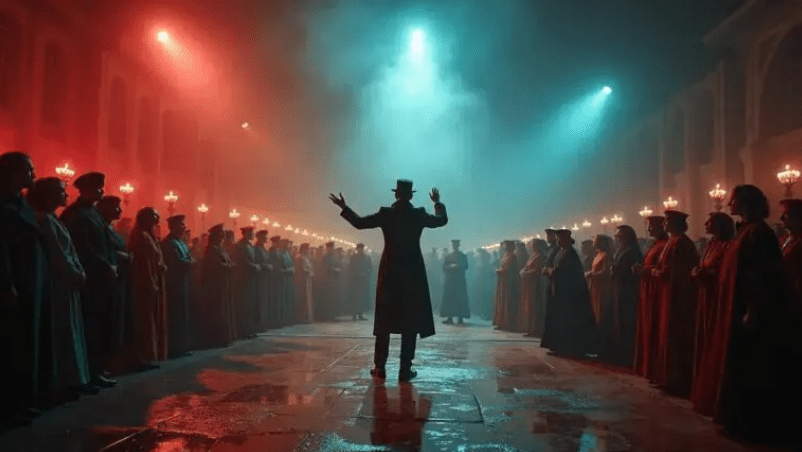
When loyalty to a personality replaces loyalty to principle, the cult has already begun.
The court-reporting industry, like many others facing disruption, must guard against emotional capture disguised as empowerment.
Movements built on belonging can uplift — or quietly control.
Charisma isn’t leadership; unity without dissent isn’t strength.
The future of this profession depends on discernment.
When the DRA Ignores Its Own Backyard – Why California’s Court Reporting Schools Deserve Defense, Not Displacement

California’s only NCRA-approved court reporting school has faced relentless audits while producing more CSRs than any other in the state. Yet the DRA features out-of-state speakers poaching students into unproven “write shorter” programs instead of honoring educators using proven speed-building methods like RWG theory. If the DRA truly supports the profession, advocacy must start at home — with California’s own schools.
 STENOIMPERIUM