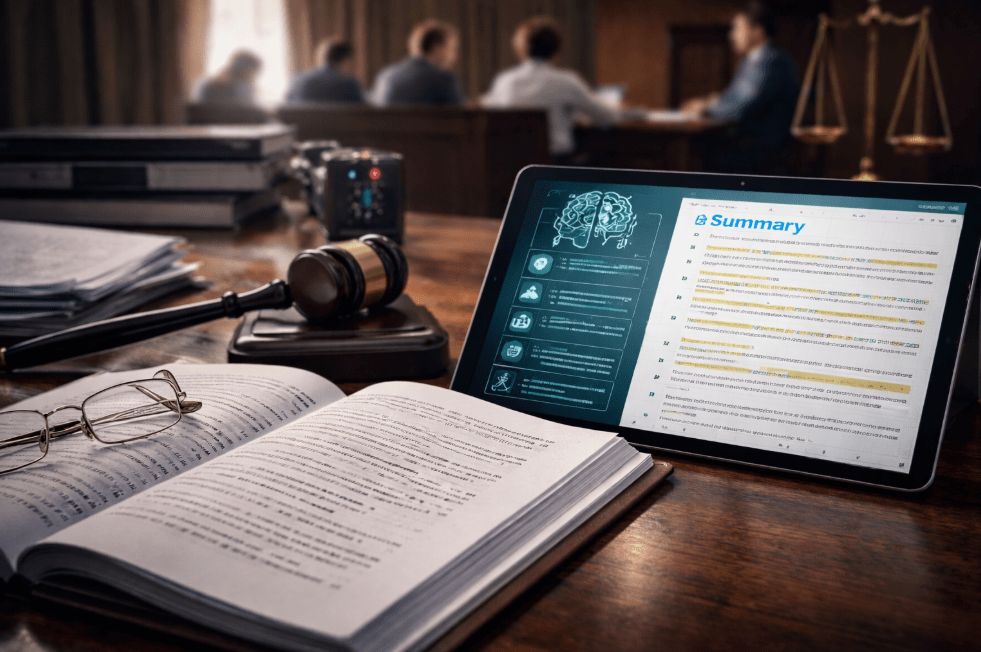
AI deposition summaries are being sold beside sworn transcripts, raising a question older than the technology itself: when interpretation travels with the record, does neutrality follow it? Advisory Opinion 32 was written to protect public confidence in the reporter’s role, not to regulate keyboards. Replacing a human summarizer with software may change the tool, but it does not automatically eliminate the appearance concerns the rule was meant to prevent.
Tag Archives: history
Private Equity, Public Records – How Business Is Reengineering Custody of the Legal Transcript
The legal transcript has quietly become a commercial asset. As private equity and corporate platforms centralize custody of the record, financial logic is beginning to replace evidentiary logic. Custody determines power. And when custody moves from courts into markets, the justice system inherits risks it did not design and cannot easily unwind.
Whitney Kumar Returns to the Spotlight as Judy Justice Begins Another Season – 2026

Whitney Kumar is back for another season of Judy Justice, returning to the courtroom where precision meets prime time. As the show’s official court reporter, Whitney brings authenticity, professionalism, and deep legal expertise to one of streaming’s most-watched courtroom series. Her continued presence highlights not only her own success, but the vital role court reporters play in preserving the integrity of the record.
Court Transcript Rules Shift in Los Angeles County – What Litigants Need to Know
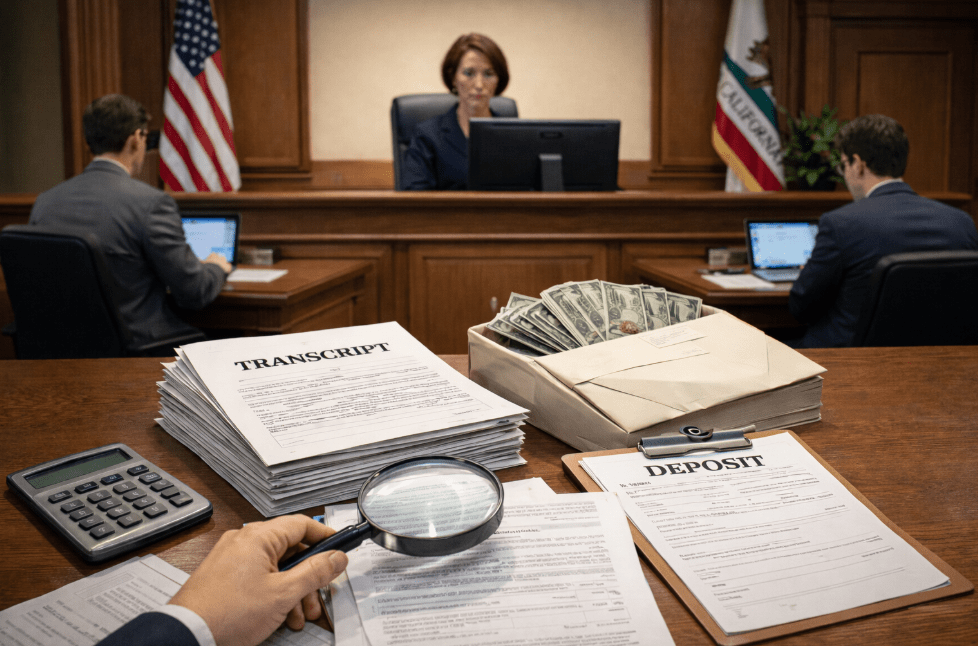
On January 21, 2026, the Los Angeles County Superior Court quietly clarified how parties may purchase reporter’s transcripts on appeal—reshaping the financial and procedural mechanics behind who pays, who receives copies, and how the official record moves forward. While technical on its face, the change touches the core of appellate practice: access to the words that ultimately decide cases.
When the Record Becomes Elastic – Why Badran v. Badran Misunderstood Admissibility

Badran v. Badran exposes the danger of redefining testimony after the fact. In a remote deposition, a vendor-produced transcript was altered based on audio review, adding remarks not perceived in real time as testimony. Efficiency and stipulation cannot convert recordings into evidence. Without a licensed reporter in responsible charge, the record becomes elastic—and due process collapses.
When Efficiency Overrides the Law – Why Badran v. Badran Got Admissibility Wrong

The Badran v. Badran ruling did not affirm professionalism in modern depositions; it excused its absence. Admissibility does not turn on convenience, volume, or after-the-fact agreement. It turns on lawful process and qualified human oversight. Agencies are not officers of the record, and parties cannot stipulate away licensure, evidentiary foundation, or due process in the name of efficiency.
A Kentucky Hearing Shows Why Digital Recording Is Not — and Never Will Be — an Acceptable Official Record
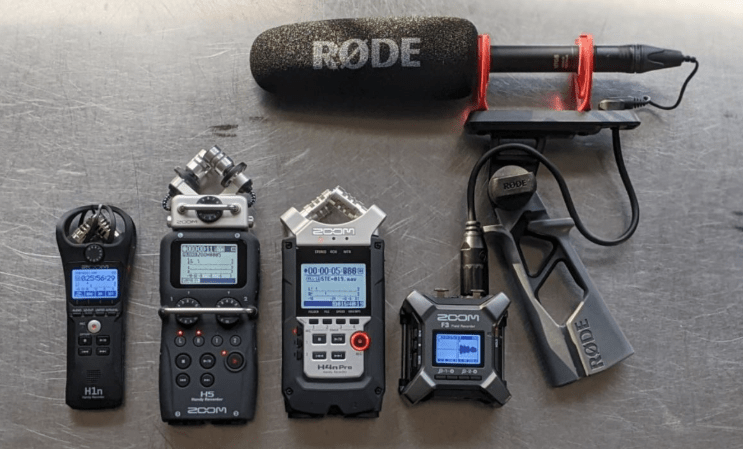
A Kentucky administrative hearing again exposed the fatal flaw of digital recording: when the agency’s “official” audio failed, a certified court reporter was the only reason the record survived. Due process cannot depend on glitchy technology or missing audio files. This case proves, yet again, that the stenographic reporter—not a digital recorder—is the only acceptable guardian of the legal record.
An Off-the-Record Recording Takes Center Stage in Judge Hannah Dugan’s Federal Trial
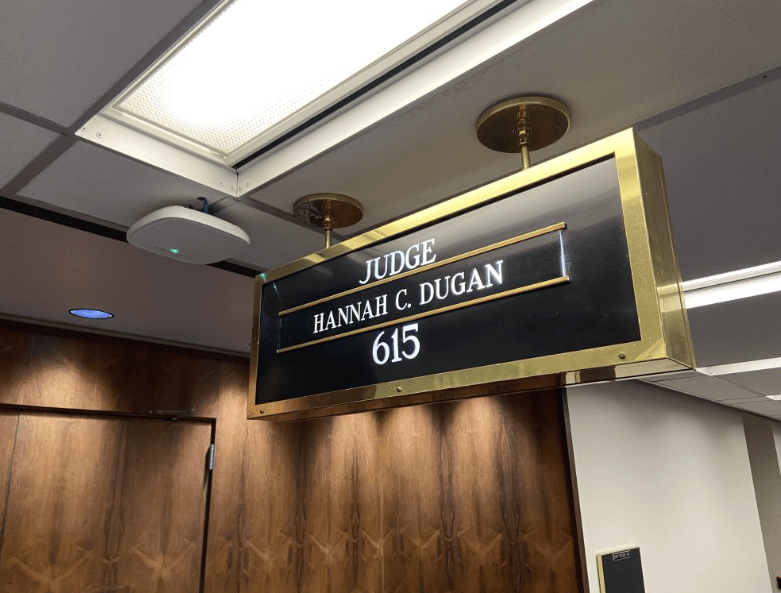
When jury selection begins next week in the federal obstruction case against Milwaukee County Circuit Court Judge Hannah Dugan, the proceedings will unfold under the shadow of a piece of evidence rarely seen in an American courtroom: an off-the-record audio recording captured inside her courtroom during a criminal calendar session. The recording—sealed from public releaseContinue reading “An Off-the-Record Recording Takes Center Stage in Judge Hannah Dugan’s Federal Trial”
Dividing Zero – The Illusion of Division in the Court Reporting Profession

There is no “division” in the court reporting profession — only distinction. Reporters are more united than ever: mentoring students, fighting the shortage myth, and defending the record against digital and AI intrusion. Outsiders may market unity to mask exploitation, but unity built on falsehoods isn’t healing. It’s control. You can’t divide zero.
Breaking News!!! L.A. Judge Refuses Jury Readback Instruction in Civil Trial — Citing “Time” as Reason

In Department 16 of Los Angeles Superior Court, Judge Steve Cochran told jurors, “We don’t do that,” referring to readback of testimony—directly contradicting CCP § 614, which guarantees every civil jury the right to request testimony readback during deliberations. His refusal highlights a growing erosion of due process as judges quietly sidestep mandatory procedures meant to preserve the integrity of the record.
Saving the Profession Isn’t a Runway Walk, It’s a Battlefield

Saving stenography isn’t a runway walk—it’s a battlefield. Agencies have leveraged legislation to gain ground, and courts now put their names on forms once reserved for reporters. Power circles inside our own profession deflect responsibility, as seen in the Notary Loophole fallout. The truth is simple: reporters must reclaim leadership, defend independence, and fight for the integrity of the record.
Who Really Has the Authority to Swear in Witnesses? The Notary vs. Court Reporter Divide

Who really has the authority to swear in witnesses—court reporters or notaries? It’s not a technicality. The power to administer an oath is what gives testimony its binding force. Court reporters, as officers of the court, carry statutory authority. Notaries don’t. Digital reporters straddle the line, often skipping safeguards entirely. The result? A dangerous fault line threatening the integrity of legal proceedings.
Why Transcribing from Electronic Recordings Is Hearsay — and the Stenographic Profession’s Strongest Defense

AI and electronic recordings can’t replace stenographic reporters. Why? Because transcripts created by someone not present are hearsay — and hearsay is inadmissible. Only a sworn reporter assumes Responsible Charge of the record, accountable under law. AI can’t be punished, fined, jailed, or defend its transcript in court. Without accountability, it’s just unverifiable hearsay.
A Dangerous Shift in California – Why Changes to CSR Exam Requirements Could Gut the Stenographic Pipeline

A qualified student, ready to take California’s rigorous CSR exam after five years of training, was blocked by her school for not passing an internal 225 test—not a state requirement. Other schools refused to sponsor her out of fear of retaliation. Meanwhile, voice writers face fewer barriers. This isn’t about standards—it’s gatekeeping. Politics and policy shifts are sabotaging the steno pipeline from within.
Trial Without a Reporter – What I Witnessed in L.A. Court Should Alarm Every Litigator
When a judge told attorneys, “you don’t need a court reporter” — despite one being present and assigned — it exposed a growing judicial trend: bypassing licensed reporters in favor of unregulated recordings. Critics say it’s not about shortages. It’s about power, profit, and erasing the record itself.
Not Optional – Why Stenographers Are Essential to the Constitution and Your Freedom

Court reporters aren’t just transcribers—they’re constitutional safeguards. Without a certified human creating the record, due process collapses. No accurate transcript means no appeal, no accountability, no justice. Stenographers ensure the truth is preserved, rights are protected, and freedom is upheld. Replacing them with machines doesn’t save money—it erodes democracy. Court reporters are the quiet guardians of liberty. Lose them, and you lose the record that protects us all.
Ethical Red Flags – Are Attorneys Violating Rules of Professional Conduct by Retaliating Against Court Reporters?

Some plaintiff attorneys are retaliating against court reporters by replacing them with uncertified digital alternatives—not out of necessity, but spite. In doing so, they may be violating ethical rules around competence, candor, and fairness. Using uncertified transcripts can mislead the court, harm clients, and erode due process. It’s not just bad judgment—it may be professional misconduct.
Protecting the Integrity of the Legal Record Nationwide – A Formal Request for NCRA to Lead on ASR Policy Reform
A National Model Law to Regulate the Use of ASR and Preserve Human Oversight in Legal Proceedings As part of this effort, I respectfully ask that NCRA spearhead a coordinated legislative campaign across all 50 states, using this proposal as a model law. NCRA can play a vital role by providing state associations with aContinue reading “Protecting the Integrity of the Legal Record Nationwide – A Formal Request for NCRA to Lead on ASR Policy Reform”
An Urgent Call for Federal Action – Protecting the Legal Record in the Age of ASR

To the NCRA Board of Directors and Executive Leadership: As our profession stands at a technological crossroads, we are faced with a choice: lead the conversation on responsible innovation—or watch from the sidelines as automation reshapes our industry without us. This letter is a call to action, urging the National Court Reporters Association to takeContinue reading “An Urgent Call for Federal Action – Protecting the Legal Record in the Age of ASR”
When a State Association Leaves the State – Why ILCRA’s Move to Florida Is a Red Flag for Court Reporters Everywhere
Illinois—home to one of the top four court reporting populations in the U.S.—just saw its association headquarters moved to Florida, a state that has eliminated licensing and gone digital. This alarming relocation by ILCRA raises serious concerns about transparency, oversight, and the future of stenography. Why outsource leadership to a state that no longer values licensed court reporters? Members must demand accountability now.
When Campaign Emails Cross the Line – A Closer Look at the NCRA Vice President Race
Margary Rogers’ campaign email for NCRA Vice President sparked concern for its tone, tactics, and alignment. While promoting experience and leadership, the message included subtle jabs at opponents and leaned heavily on personal branding. With the profession at a crossroads, members should expect professionalism over promotion, and clarity over charisma. This election is about trust, not just titles—and our standards should reflect that.
The Peril of Courts Owning the Record – Why the Move Away from Stenographic Reporters Is a Dangerous Step Toward Tyranny

The move to electronic court recording shifts control of the legal record into the hands of the very courts it’s meant to hold accountable—a dangerous conflict of interest. Without independent stenographic court reporters safeguarding the record, transparency erodes, accountability vanishes, and justice itself is jeopardized. When the court owns the record, it controls the narrative—and unchecked power over the truth is the foundation of tyranny.
California’s AB 882 – A Temporary Solution or a Trojan Horse?

California’s AB 882 aims to address the court reporter shortage by temporarily allowing electronic recordings, but its vague language on “good-faith” hiring efforts leaves room for abuse. Without clear standards, the bill risks becoming a Trojan horse for permanent electronic recording. Real solutions require accountability, innovation, and long-term investment—not a short-term fix that could undermine human court reporting forever.
The Myth of 60,000 Court Reporters – How Inflated Figures Are Misleading the Legal Industry

The court reporter “shortage” has been exaggerated by misleading data—like inflated claims of 60,000 past reporters and failed projections from the 2013 Ducker Study. In reality, California has over 5,500 active reporters, with new licensees—especially voice writers—on the rise. With realistic recruitment, the shortage could be resolved in under six years. The crisis isn’t supply—it’s misinformation and mismanagement.
EXPOSÉ: The California Court Reporters Board’s Data Discrepancies and the Push Toward Digital Recording

Introduction In recent years, California has faced a well-documented shortage of certified shorthand reporters (CSRs), the professionals responsible for preserving verbatim transcripts of courtroom proceedings. This shortage has prompted a flurry of legislative activity, public concern, and institutional strategy-shifting within the judiciary. However, beneath the surface of these systemic discussions lies an alarming and potentiallyContinue reading “EXPOSÉ: The California Court Reporters Board’s Data Discrepancies and the Push Toward Digital Recording”
The Real Threat to Stenography Isn’t Technology — It’s a Manufactured Crisis

The stenographic profession isn’t outdated — it’s under attack. A manufactured “shortage” narrative, pushed by corporate interests, aims to replace certified reporters with unregulated digital alternatives. But court reporting is thriving, technologically advanced, and essential to justice. It’s time to expose the fraud, reclaim our narrative, and fight for the integrity of the record — because the truth deserves a skilled human witness.
The Power of Collective Action – What Court Reporters Can Learn from Agnodice

Court reporters stand at a pivotal moment, facing pressure from corporations eager to replace them with flawed technology. But like Agnodice, the first female doctor in ancient Greece, they hold untapped power. By uniting, advocating, and sharing their vital role in safeguarding justice, court reporters can resist this wave and preserve the integrity of the legal system. Together, they can shape the future — and win this battle.
The Silent Breach – How Attorneys Are Illegally Sharing Court Transcripts in Violation of California Law

Under California Government Code § 69954(d), parties who purchase court transcripts may use them internally or as exhibits but cannot share copies with others. Despite this, many attorneys unlawfully distribute transcripts to opposing firms, undermining court reporters’ earnings and violating legal ethics. Unauthorized sharing risks sanctions, financial penalties, and damages the integrity of litigation. Compliance is essential to uphold fairness and professional responsibility.
Quirky Quaverly Causes Commotion
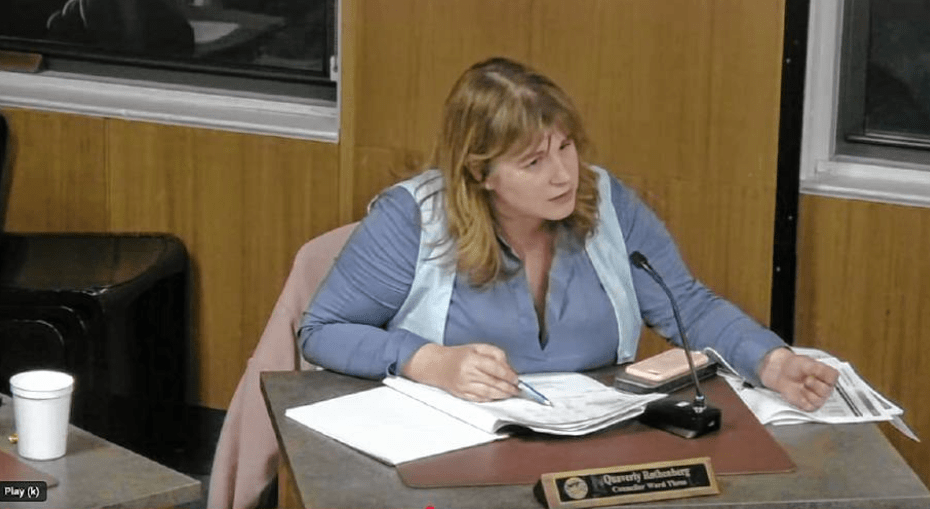
Quaverly Rothenberg, a City Councilor from Northampton, Massachusetts, has long positioned herself as a progressive voice in local government—but outside of City Hall, she’s made a name for herself in an entirely different and controversial domain: the court reporting world. Recently, Rothenberg didn’t make headlines—but she did raise suspicions—not for her political activity, but forContinue reading “Quirky Quaverly Causes Commotion”
Backing the Bill, Battling the Bench

California court reporters face a critical moment as the Judicial Council pushes to expand electronic recordings in courtrooms. AB 882 offers a temporary, balanced response—preserving live reporting where possible and requiring accountability where it’s not. Supporting this bill keeps our profession at the table. But we must go further—organizing, advocating, and building alliances to defend the record and protect access to justice statewide.
The Fear of Retribution in the Court Reporting Industry – Navigating a Culture of Silence and Fear

The fear of retribution in the court reporting industry is a pervasive issue, where reporters hesitate to speak out against unethical practices like stolen transcripts or delayed payments due to the risk of losing work. This culture of silence is reinforced by tight-knit professional networks where outcasts face isolation and gossip. Addressing this fear requires fostering supportive communities and promoting transparency to protect reporters’ rights and uphold the integrity of the profession.
Antitrust Concerns in Court Reporting and Navigating the Legal Landscape
Introduction Antitrust laws exist to ensure fair competition in the marketplace. While court reporting may not seem like a typical industry subject to antitrust scrutiny, it is not exempt from these legal principles. Recent discussions within professional associations, such as the Texas Court Reporters Association (TEXDRA), highlight the importance of understanding what court reporters, includingContinue reading “Antitrust Concerns in Court Reporting and Navigating the Legal Landscape”
The Digital Court Reporting Scam – How Aspiring Court Reporters Are Being Duped
Digital court reporting programs are misleading aspiring court reporters, especially in states like California, where digital recording of legal proceedings is illegal. Many students invest time and money in these courses, only to find out they do not lead to licensure. Universities continue to offer these programs for profit, despite their lack of credibility. Prospective students must research and choose accredited stenographic training instead.
Save What You Love

Stenography is at a crossroads, facing technological disruption, educational decline, and misconceptions about its relevance. However, innovation offers hope—new technology is emerging that integrates human expertise with automatic speech recognition, ensuring unmatched accuracy. To save stenography, we must revitalize training programs, challenge outdated perceptions, and embrace advancements that empower, rather than replace, skilled professionals. The future of this vital profession depends on it.
Court Reporters Must Go West!

Court reporters today face a growing demand for services, much like pioneers seeking new paths to the American West. By leveraging platforms like CoverCrow, which connects reporters and agencies, the profession can build efficient, collaborative “roads” to meet these demands. With centralized job boards and seamless communication, court reporters can cover work across the country, ensuring efficiency and accuracy while maintaining traditional methods of reporting.
Corrupt Courts and Vanishing Voices: The Peril of Power Without Proof
The saying “Absolute power corrupts absolutely” is a widely recognized adage that reflects a fundamental truth about human nature and governance. This phrase, often attributed to Lord Acton, encapsulates the observation that when individuals or institutions gain unchecked power, they are prone to corruption. However, the concept predates Acton’s famous quote and has been expressedContinue reading “Corrupt Courts and Vanishing Voices: The Peril of Power Without Proof”
The California Supreme Court to Hear Family Violence Appellate Project v. Superior Courts: A Pivotal Moment for Court Reporting

Last Wednesday, the California Supreme Court made a significant decision to hear the case of Family Violence Appellate Project v. Superior Courts, a case that carries substantial implications for the future of court reporting in the state. This lawsuit alleges that several county superior courts—including those in Contra Costa, Los Angeles, San Diego, and SantaContinue reading “The California Supreme Court to Hear Family Violence Appellate Project v. Superior Courts: A Pivotal Moment for Court Reporting”
The War Against Women in the Courts: How Judges Are Targeting Female Court Reporters

Court reporters, a profession dominated by women, are under attack as judges push to replace them with flawed electronic recording systems. This shift isn’t about efficiency—it’s about economic resentment and control. Court reporters provide accuracy and real-time transcription that machines cannot match. Eliminating them not only jeopardizes justice but also threatens the financial independence of thousands of women in the workforce.
 STENOIMPERIUM