
The legal record is the spine of the justice system. Every appeal, ruling, and public trust in the courts rests on its integrity. When record-making is treated as a technical task rather than an evidentiary duty, courts risk weakening the very structure that allows justice to stand. Defending the record is not administrative—it is constitutional.
Tag Archives: EvidenceIntegrity
An Open Letter to Judges – On the Custody of the Record
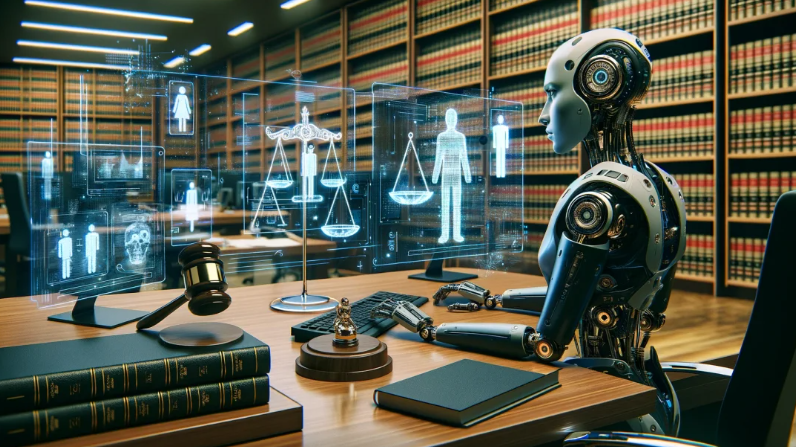
The judiciary’s authority endures not through rulings alone, but through the integrity of the record. When courts weaken professional accountability over how proceedings are captured, they do not merely modernize operations—they destabilize the evidentiary foundation of justice itself. The legal record is not output. It is evidence. And evidence requires human, licensed custody.
The Record Is the Case – Why Saving Court Reporting Means Saving Legal Reality

The record is not a convenience. It is evidence.
Every ruling, appeal, settlement, and precedent rests on the integrity of the transcript. When courts weaken the standards governing how the record is created, they are not modernizing—they are destabilizing the very foundation of justice. Saving court reporting is not about preserving a profession. It is about protecting legal reality itself.
When the Machine Gets It Wrong, Who Pays the Price?

Courts have been clear: artificial intelligence may assist lawyers, but it does not absolve them. When ASR systems miss testimony or AI summaries omit critical facts, responsibility does not vanish into the software. It lands squarely on the professionals who relied on it. As automation reshapes the legal record, a new reckoning over accountability is quietly approaching.
Petition to the National Court Reporters Association – In Re Stronger Regulatory Reforms for AI Innovation in Federal Court Proceedings

The integrity of the official court record is not a technology preference—it is a constitutional safeguard. This petition calls on the National Court Reporters Association to take a clearer, firmer position opposing AI-generated transcripts as the official record and to advocate for mandatory use of licensed stenographic court reporters to protect due process, accountability, and public trust in the justice system.
When Caution Becomes Capitulation – NCRA’s AI Filing and the Quiet Risk to the Court Record
As courts rush to embrace artificial intelligence, a quiet but consequential shift is underway. A recent federal submission by the National Court Reporters Association acknowledges AI’s flaws—yet stops short of drawing the line where it matters most. When caution replaces clarity, the integrity of the official court record, and the constitutional rights it protects, are placed at risk.
Recording Roulette – When Courtroom Captures Become Costly Compromises

In courtrooms across the country, attorneys are increasingly encountering a problem they did not anticipate: they do not know whether their proceeding will be staffed by a certified stenographic reporter or by a digital recording operator until the matter is already underway. That uncertainty—once unthinkable in a profession built on procedural predictability—has become common inContinue reading “Recording Roulette – When Courtroom Captures Become Costly Compromises”
 STENOIMPERIUM