
AI isn’t here to replace court reporters—it’s here to amplify us. When used intentionally, AI becomes a strategic partner that helps reporters write stronger letters, clearer public comments, and more persuasive advocacy for our profession. It levels the playing field, giving every reporter the ability to speak with clarity, confidence, and impact. Your voice matters. AI simply helps the world hear it.
Tag Archives: DueProcessMatters
AB 711 Passed—But Is It Really a Win? Why This New Law Signals the Next Phase in the Elimination of Certified Court Reporters

When a judge tells attorneys they “don’t need a court reporter”—despite one being present and assigned—the threat to justice becomes undeniable. AB 711 enables this erosion, shifting the burden of preserving the record onto attorneys while courts quietly sideline certified reporters. The result? Trials with no transcript, no appeal, and no accountability. This isn’t modernization. It’s judicial overreach.
Why Save Steno?

Stenographers aren’t relics—they’re the guardians of the record. In courtrooms where every word matters, only a trained human can ensure accuracy, context, and integrity. When we replace steno with machines, we invite errors, mistrials, and lost justice. This isn’t about resisting technology. It’s about protecting due process. Save steno—because once it’s gone, you won’t realize what you’ve lost until it’s too late.
Why Digital Recorders Are Not Court Reporters—And Why That Matters in California
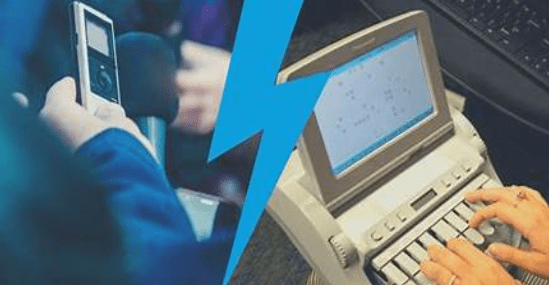
Digital “reporters” are not licensed court reporters—and in California, their use is illegal in most court proceedings. Attorneys cannot stipulate around the law or sidestep due process. When the record is flawed, justice is compromised. A certified shorthand reporter (CSR) is not optional—it’s essential. Don’t be misled: replacing a stenographer with a recorder isn’t innovation. It’s a legal and ethical liability.
 STENOIMPERIUM