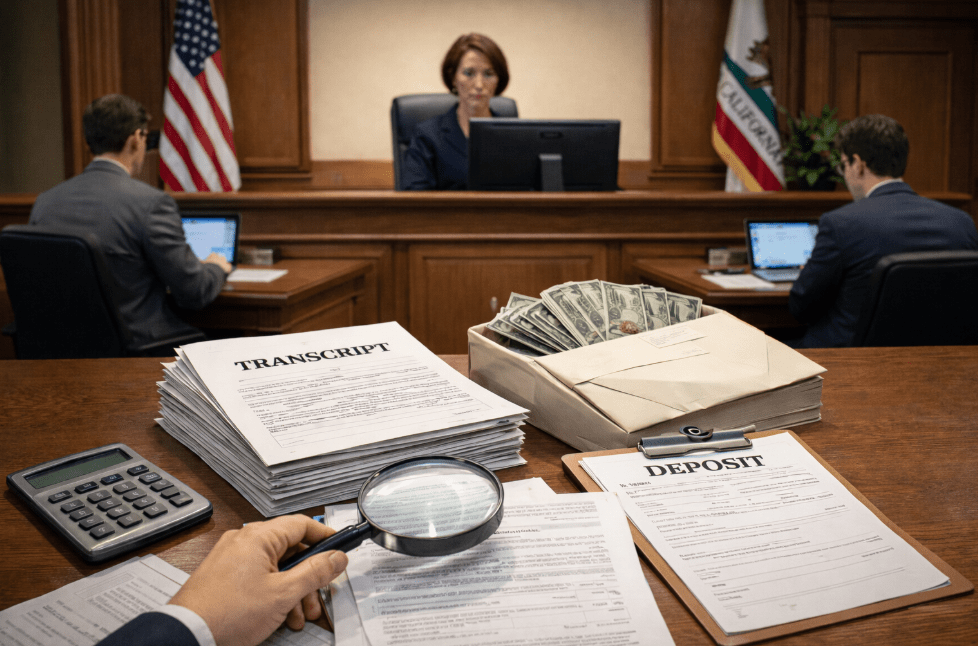
On January 21, 2026, the Los Angeles County Superior Court quietly clarified how parties may purchase reporter’s transcripts on appeal—reshaping the financial and procedural mechanics behind who pays, who receives copies, and how the official record moves forward. While technical on its face, the change touches the core of appellate practice: access to the words that ultimately decide cases.
Tag Archives: dueprocess
Court Reporters’ Open Letter – The Rule of Law Begins With the Legal Record
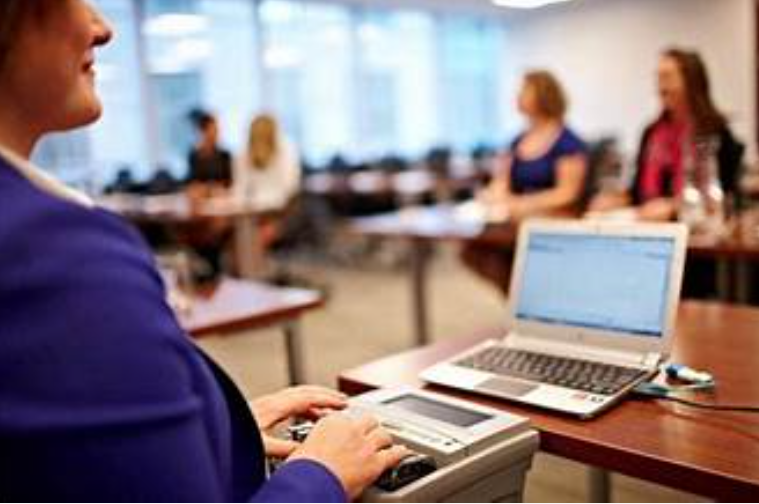
The legal record is not a convenience or a product. It is constitutional infrastructure. As courts quietly replace licensed stenographic court reporters with unregulated recording systems, they are not modernizing procedure. They are removing accountability from the point where law becomes fact. Without a trustworthy, professionally certified record, due process weakens, appellate rights erode, and judicial legitimacy itself is placed at risk.
The Quiet Fear Inside the Record
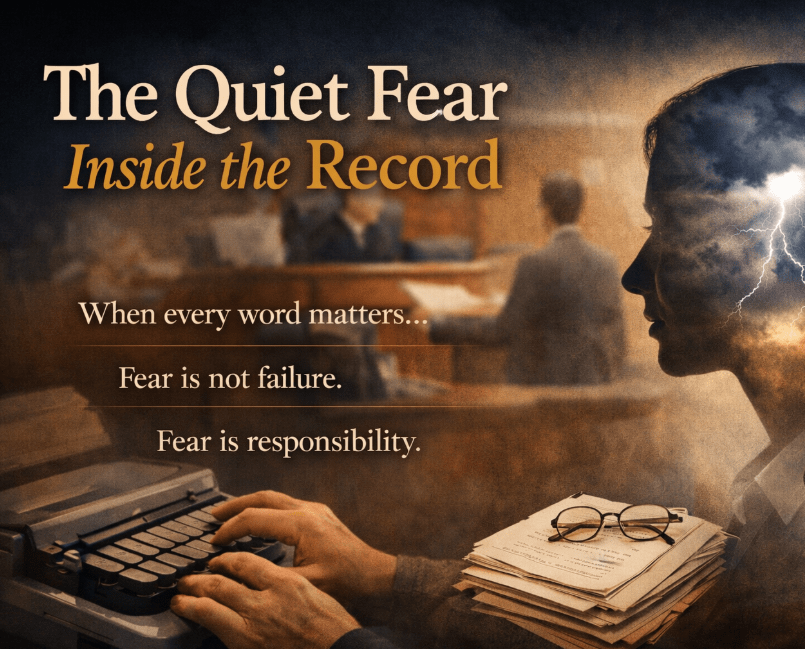
Court reporters rarely speak about fear, yet it quietly accompanies some of the most important moments of their careers. It surfaces in high-stakes trials, unfamiliar courtrooms, and proceedings where every word carries lasting consequence. This fear is not evidence of failure. It is evidence of responsibility. And learning to work with it, rather than retreat from it, may be one of the profession’s most essential skills.
The Fragile Spine of Justice – Why Courts Must Defend the Integrity of the Legal Record
The legal record is the spine of the justice system. Every appeal, ruling, and public trust in the courts rests on its integrity. When record-making is treated as a technical task rather than an evidentiary duty, courts risk weakening the very structure that allows justice to stand. Defending the record is not administrative—it is constitutional.
Who Is Really Overcharging Attorneys? Inside the Business of Court Reporting in the Private-Equity Era
When attorneys receive shocking court reporting invoices, frustration is understandable. But those inflated charges are not enriching court reporters. They are the product of private-equity consolidation, corporate billing structures, and middlemen who control pricing while paying reporters a shrinking share. If the profession is being hollowed out, it is not by stenographers. It is by the business models built on top of them.
The Court Reporter Is the Custodian of the Record – Why Decentralized Evidence Systems Protect Justice

Court reporters are not just transcribers. They are custodians of a decentralized evidentiary system. Through layered capture, redundant backups, and personal legal responsibility, licensed reporters preserve the court’s memory across hundreds of sworn officers. Centralized recording systems collapse that structure into a single point of failure—making the legal record easier to manage, and easier to lose.
An Open Letter to Judges – On the Custody of the Record
The judiciary’s authority endures not through rulings alone, but through the integrity of the record. When courts weaken professional accountability over how proceedings are captured, they do not merely modernize operations—they destabilize the evidentiary foundation of justice itself. The legal record is not output. It is evidence. And evidence requires human, licensed custody.
The Record Is the Case – Why Saving Court Reporting Means Saving Legal Reality

The record is not a convenience. It is evidence.
Every ruling, appeal, settlement, and precedent rests on the integrity of the transcript. When courts weaken the standards governing how the record is created, they are not modernizing—they are destabilizing the very foundation of justice. Saving court reporting is not about preserving a profession. It is about protecting legal reality itself.
You Can’t Stipulate Your Way Around the Law – The Dangerous Fiction of the “No-Reporter Stipulation”

A court transcript is not a convenience. It is evidence. When attorneys stipulate to proceed without a court reporter, they are not authorizing an “alternative record.” They are agreeing that no lawful evidentiary record will be created. What follows—a stipulated statement of proceedings—is not a transcript, but a negotiated reconstruction. And evidence cannot be manufactured after the fact.
When Machines Become Witnesses – Why the Federal Judiciary’s AI Evidence Proposal Quietly Reinforces the Role of Court Reporters
The federal judiciary’s proposed rule on AI-generated evidence quietly draws a critical line: machine output is not inherently trustworthy and must be tested like expert testimony. That distinction reinforces the structural role of court reporters. A certified transcript is a human-governed legal record, not algorithmic evidence. Once the human layer disappears, the court record itself becomes something the law now admits is dangerous.
Imagine the Crime Scene
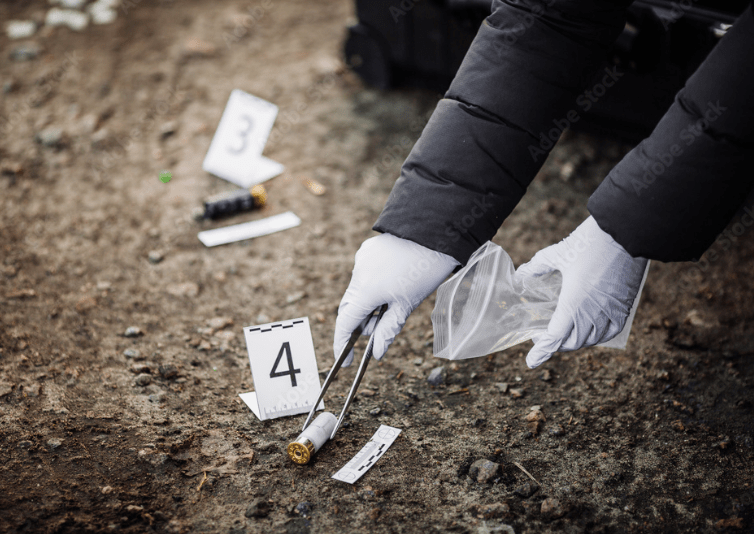
A homicide scene is sealed. Shell casings lie on the ground. A knife glints in the dirt. But instead of licensed evidence technicians, untrained contractors gather the items, store them in a warehouse, and weeks later unlicensed processors label what matters. When court begins, no sworn professional can certify integrity. The “evidence” collapses into mere objects.
The Legal Record Is Not a Decorative Byproduct of Litigation. It Is Evidence.
A legal transcript is not a convenience product. It is evidence. Evidence requires provenance, certification, and lawful creation. When proceedings are merely recorded and later transcribed by unlicensed individuals, the result is not a court record—it is media. Courts are quietly replacing evidentiary safeguards with technical workflows, downgrading the legal record from authenticated proof to a reconstructive artifact.
Why Judges Shouldn’t Rely on AI Yet – A Cautionary Case Against Generative AI in the Courts
As courts experiment with generative AI, the judiciary risks embracing a technology that is not yet reliable, transparent, or safe enough for justice. From hallucinated legal authority to inaccurate ASR records, today’s AI systems already struggle with basic courtroom functions. Introducing them into judicial workflows now risks compromising confidentiality, fairness, and public trust at the very moment the courts can least afford it.
When a Profession Is Under Siege, Its Trade Association Should Not Be Hosting Craft Night

As courts experiment with digital capture and AI transcription, the integrity of the legal record is under unprecedented pressure. Yet California’s flagship Court Reporting & Captioning Week is being promoted with craft nights and lifestyle events. At a moment that demands advocacy, public education, and professional defense, the association’s messaging risks trivializing a profession that exists to safeguard due process itself.
When the Courtroom Becomes a Dataset – Why Media Recording in 2026 Is No Longer Just “Coverage”
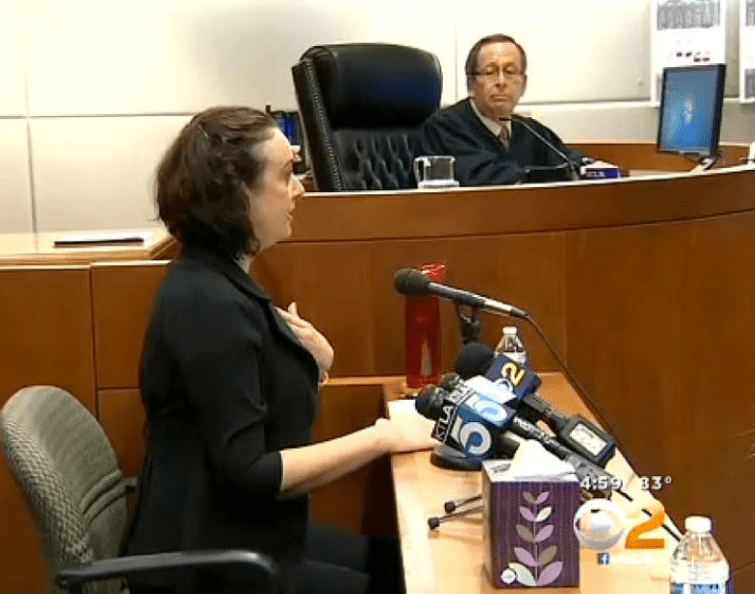
Courtroom recording is no longer simply about cameras and coverage. In 2026, it is about what happens after the audio leaves the room: automated transcription, cloud storage, permanent datasets, and uncontrolled reuse. When proceedings become machine-readable assets, courts risk losing authority over the official record, participant privacy, and the conditions necessary for fair, orderly justice.
AB 1189 Collapses — and Why That Matters More Than the Victory Lap Suggests

Assembly Bill 1189 did not collapse because of rhetoric or resistance to change. It failed because it attempted to shift control of California’s official legal record away from the state and into private hands. While its withdrawal is significant, it is not the end of the effort to reframe record creation. The next proposal will be quieter, cleaner, and harder to spot.
When an AI “Note-Taker” Shows Up to a Legal Proceeding
AI note-taking tools may be convenient in business meetings, but their presence in legal proceedings raises serious concerns about confidentiality, chain of custody, and record integrity. When unauthorized bots capture testimony, the official record can be compromised in ways that surface long after the proceeding ends. Protecting the record means understanding when technology crosses a legal line.
When the Record Goes Missing – Digital Recording, Judicial Discretion, and the Fragility of the Official Court Record

As courts increasingly replace stenographic reporters with digital recording systems, the promise of efficiency collides with a harder truth: a recording is not the same as a reliable record. When equipment fails, speakers overlap, or entire proceedings go unrecorded, there is no safety net. The cost savings vanish quickly—leaving judges, attorneys, and litigants to reckon with what was lost.
2026: The Year the Record Reasserts Itself

2026 is shaping up to be a pivotal year for court reporting. As courts and lawmakers confront the limits of agencies, AI, and automated recording, the profession is seeing renewed focus on responsible charge, accountability, and human judgment. Legislative clarity, reporter-centric technology, and coming court decisions may finally reassert who—and what—the legal record truly depends on.
When Software Tries to Stand In for a License – Why ASR “Cleanup” Is Not Court Reporting

As courts embrace automated speech recognition, a critical question is being overlooked: who controls the legal record, and where does it live? Replacing licensed court reporters with cloud-based transcription and post-hoc “cleanup” introduces risks that go far beyond accuracy. From silent realtime edits to juror privacy in voir dire, the integrity of the record—and public trust in the justice system—are at stake.
Vendors Are Not Officers of the Court
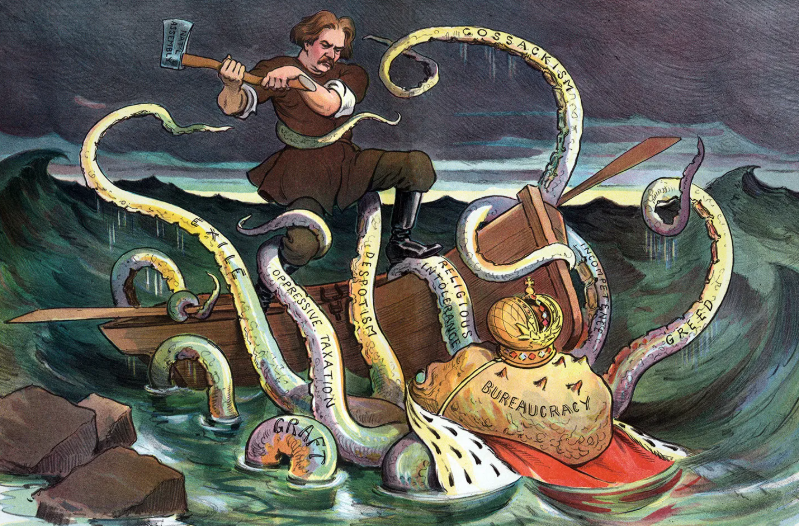
Court reporting agencies schedule proceedings and process invoices—but they do not create the legal record. Yet some national agencies are now attaching corporate “company certificates” to deposition transcripts they did not take and cannot lawfully certify. This quiet shift blurs statutory boundaries, risks inadmissibility, and threatens due process by substituting branding for licensure in the creation of sworn testimony.
The Lessons of Badran – A Roadmap for How NCRA Must Defend the Legal Record

The Badran ruling exposed a growing risk: courts are redefining admissibility without guidance from the profession that creates the record. As audio-based reporting and vendor workflows spread, efficiency arguments are replacing evidentiary law. This article offers a clear roadmap for how NCRA can act—now, in active cases, and long-term—to defend due process, professional oversight, and the integrity of the record.
When the Record Becomes Elastic – Why Badran v. Badran Misunderstood Admissibility
Badran v. Badran exposes the danger of redefining testimony after the fact. In a remote deposition, a vendor-produced transcript was altered based on audio review, adding remarks not perceived in real time as testimony. Efficiency and stipulation cannot convert recordings into evidence. Without a licensed reporter in responsible charge, the record becomes elastic—and due process collapses.
When Efficiency Overrides the Law – Why Badran v. Badran Got Admissibility Wrong

The Badran v. Badran ruling did not affirm professionalism in modern depositions; it excused its absence. Admissibility does not turn on convenience, volume, or after-the-fact agreement. It turns on lawful process and qualified human oversight. Agencies are not officers of the record, and parties cannot stipulate away licensure, evidentiary foundation, or due process in the name of efficiency.
Petition to the National Court Reporters Association – In Re Stronger Regulatory Reforms for AI Innovation in Federal Court Proceedings

The integrity of the official court record is not a technology preference—it is a constitutional safeguard. This petition calls on the National Court Reporters Association to take a clearer, firmer position opposing AI-generated transcripts as the official record and to advocate for mandatory use of licensed stenographic court reporters to protect due process, accountability, and public trust in the justice system.
When Caution Becomes Capitulation – NCRA’s AI Filing and the Quiet Risk to the Court Record
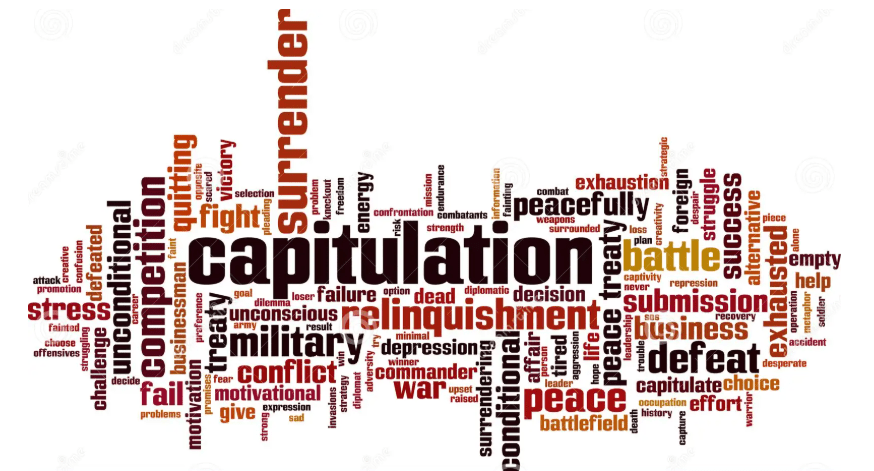
As courts rush to embrace artificial intelligence, a quiet but consequential shift is underway. A recent federal submission by the National Court Reporters Association acknowledges AI’s flaws—yet stops short of drawing the line where it matters most. When caution replaces clarity, the integrity of the official court record, and the constitutional rights it protects, are placed at risk.
Why “We’re Embracing AI” Is the Wrong Message for Court Reporting

In an era of relentless reassurance, court reporters are being told that embracing AI is the path forward. But optimism without precision is dangerous. Technology that assists a licensed human record is not the same as technology that replaces it. When method, authority, and chain of custody are blurred, the integrity of the legal record—not just a profession—is placed at risk.
When Speed Replaces the Record – What “FTR Now” Reveals About the Future of Court Transcription

A new legal tech product promises “searchable transcripts” from courtroom audio in minutes, built in just two days and priced at seven dollars an hour. But speed and convenience come at a cost. When automated transcription is mistaken for the official record, accuracy, accountability, and due process are quietly put at risk—often before attorneys realize the distinction matters.
Opinion | Digital Reporting Is Not “Clearly Lawful.” It Is Clearly Inferior — and Legally Dangerous

Digital reporting is not merely a different tool — it is a different evidentiary product. A transcript created after the fact from audio is reconstruction, not a contemporaneous verbatim record. Without licensed stenographic capture, individual accountability, and real-time certification, courts are left with hearsay dressed up as efficiency. The integrity of the record is not optional.
A Kentucky Hearing Shows Why Digital Recording Is Not — and Never Will Be — an Acceptable Official Record
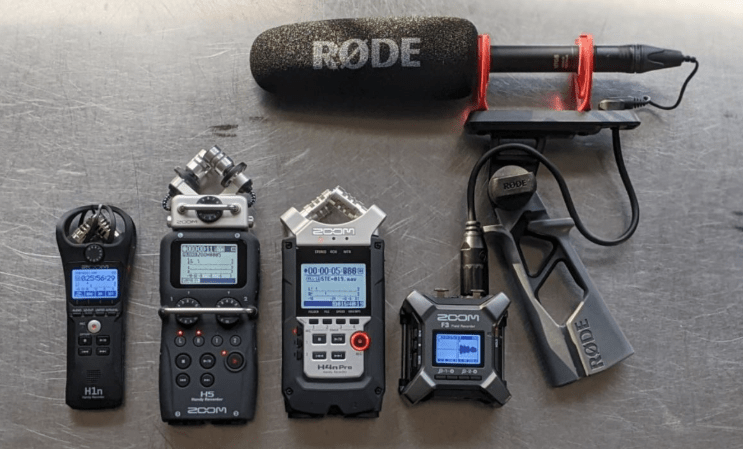
A Kentucky administrative hearing again exposed the fatal flaw of digital recording: when the agency’s “official” audio failed, a certified court reporter was the only reason the record survived. Due process cannot depend on glitchy technology or missing audio files. This case proves, yet again, that the stenographic reporter—not a digital recorder—is the only acceptable guardian of the legal record.
Save Us, Elon – The Justice System Is Sleepwalking Into Collapse

America’s justice system is quietly collapsing as courts replace human stenographers with error-prone ASR. When the record fails, due process dies — and with it, the safeguards that protect us from wrongful convictions, corruption, and authoritarian drift. This is a plea to Elon Musk: recognize the danger before it becomes irreversible. Without a reliable human record, there is no justice — and no freedom.
The Weight of Watching- A Court Reporter’s Reflection When Justice Falters
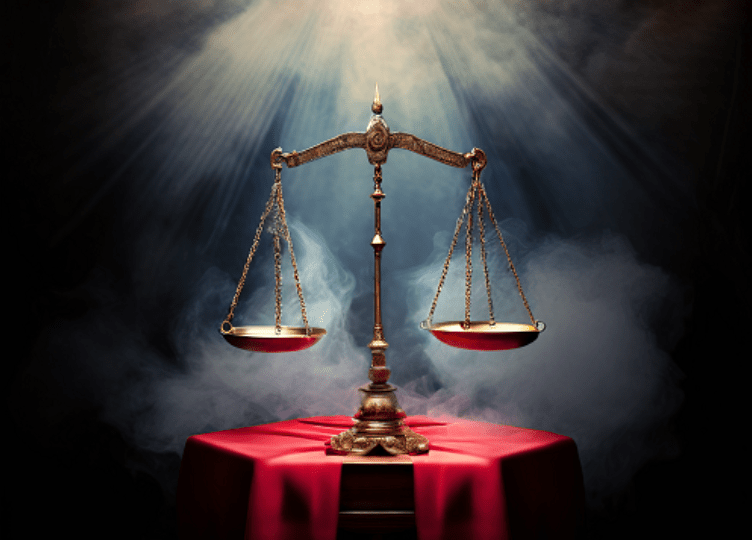
Court reporters are trained to remain neutral observers, preserving the record without influence or intervention. Yet we also witness the moments when the justice system’s safeguards fail—when potential juror bias goes unexamined or judicial oversight falls short. We cannot raise concerns or redirect the process; our role is silence. The emotional toll comes from knowing what fairness requires, and watching when it is not upheld.
Court Reporters v. Digital Recording and Voice Recognition – A Comprehensive Breakdown

Digital recording and ASR may promise convenience, but they fail the test of law and logic. Machine transcripts aren’t sworn, certified, or admissible—they’re hearsay without a human declarant. Court reporters remain the only officers of the record who can guarantee accuracy, authenticity, and accountability in real time. Justice still depends on human precision.
The Rise of the AI Impostors – How Fake Court Reporters Are Flooding the Legal System

AI notetakers and unlicensed digital “reporters” are quietly infiltrating depositions, recording sensitive testimony without consent or accountability. Videographers are stunned when they see a real stenographer—proof of how rare human guardians of the record have become. Attorneys must learn to spot imposters, protect client confidentiality, and insist on certified court reporters before justice becomes just another algorithmic summary.
The End of the Record?

Verbit’s new mobile app lets anyone “record everything” — but at what cost? Without regulation, uncertified recordings could replace official transcripts, eroding reporter income and the integrity of the record itself. If the profession doesn’t fight back now, “copy sales” may be the least of what’s lost. This isn’t innovation; it’s deregulation disguised as convenience.
Where the Record Is Really Being Written – A Quiet Transformation Hidden in Plain Sight

Courtrooms across America are quietly shifting from certified verbatim reporting to AI transcripts, digital recordings, and agency-controlled “roughs.” The result? Hearsay masquerading as the official record — with no clear custodian, no accountability, and enormous power flowing to private platforms. This isn’t just a professional issue; it’s a constitutional one. If we lose control of the record, we lose control of justice itself.
Free Roughs, Hidden Costs – How AI Transcription Is Quietly Rewriting the Legal Record

Kerala is openly mandating AI transcription in every courtroom. In the U.S., the same shift is happening quietly. Esquire and Veritext now hand out free AI rough drafts, reshaping transcript control through corporate platforms — while some LA Superior Court judges secretly use machine drafts during remote hearings. Policy, business, and judicial habit are converging — outside public view.
Breaking News!!! L.A. Judge Refuses Jury Readback Instruction in Civil Trial — Citing “Time” as Reason

In Department 16 of Los Angeles Superior Court, Judge Steve Cochran told jurors, “We don’t do that,” referring to readback of testimony—directly contradicting CCP § 614, which guarantees every civil jury the right to request testimony readback during deliberations. His refusal highlights a growing erosion of due process as judges quietly sidestep mandatory procedures meant to preserve the integrity of the record.
Protected: Thousands of California Court Reporters Just Got an Email — and It’s Damage Control Disguised as “Dialogue”
There is no excerpt because this is a protected post.
He Who Controls the Record, Controls Reality – Why Court Reporters Are the Last Line of Defense

Whoever controls the record controls reality. Across history, power has always sought to erase, rewrite, or distort inconvenient truths. In today’s courtrooms, the neutral stenographic reporter is the last line of defense against narrative manipulation by judges, agencies, corporations, or algorithms. Undermining their role isn’t modernization — it’s historical amnesia. Guard the record, or lose the truth.
Fool’s Gold – Why Courts Cannot Turn Depositions Into a “Profit Center”

Courts are not “sitting on a gold mine” — they’re bound by the Constitution. Turning depositions into revenue streams ignores statutes, due process, and the ethical duty to safeguard verbatim accuracy. Sworn reporters are not obstacles but guardians of the record. Replacing them with AI “light edits” risks malpractice, reversals, and erosion of public trust. Fool’s gold is no substitute for justice.
The Language of CCP 2093(a) & Why Notaries Are Not Deposition Officers

California Code of Civil Procedure § 2093(a) names notaries and deposition officers as able to administer oaths—but only certified shorthand reporters are authorized to take testimony and certify transcripts. The “notary loophole” misleads attorneys into believing oaths alone make a deposition valid. Without a CSR, the record collapses. Learn why due process demands stenographers—not shortcuts.
Who’s Really Swearing in Your Witness?
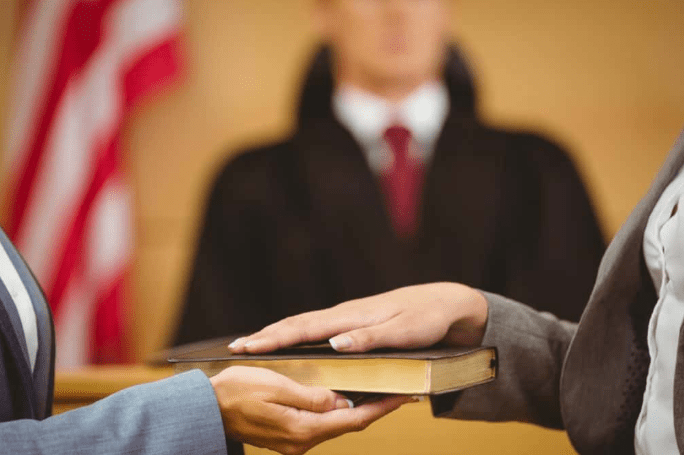
Attorneys can stipulate to many things, but not to override law. Only a judge can validate agreements that alter statutory or constitutional requirements. The 5th and 14th Amendments guarantee due process: no person can be deprived of rights without it. When a deposition officer asks parties to “stipulate” to a remote oath, that shortcut risks invalidating the entire proceeding.
Why AI “Prediction” Can Never Replace Verbatim Court Reporting

CAT software doesn’t replace court reporters—it’s a tool they control to produce a verbatim, certified record. Digital/AI systems are different: they predict what might have been said, dropping words, mishearing accents, and collapsing overlapping speech. In court, guesses aren’t good enough. Justice requires certainty, and certainty requires stenographers—not algorithms.
Why Digital Recording Endangers Justice in Texas

The Texas Supreme Court is weighing whether to treat digital recording as equal to stenography. But digital transcripts—outsourced, uncertified, and based on hearsay—threaten accuracy, security, and due process. Claims of a “stenographer shortage” are exaggerated; online programs are thriving, with waitlists in California. Protecting litigants means protecting verbatim reporting—not lowering standards for convenience.
Why AI Will Never Replace Human Court Reporters – The Hearsay at the Heart of the Machine

AI is nothing more than a statistical parrot—rearranging old data, guessing the next word. In court, that’s not testimony. That’s hearsay. Only a certified, sworn reporter can deliver a verbatim, admissible record. Machines can imitate, but only humans safeguard justice. Stenography isn’t nostalgia—it’s necessity.
Hearsay on the Record – When Transcripts Lose Their Voice

“I know you think you understand the words I said, but what you understand is not what I meant.” That statement could be made in any courtroom in America. It captures the perennial problem of miscommunication. Words are slippery things—spoken in haste, accented by dialect, altered by noise, or even obscured by emotion. Now imagineContinue reading “Hearsay on the Record – When Transcripts Lose Their Voice”
Who’s Reading the Jurors’ Notes? A Confidentiality Breach Hiding in Plain Sight

After a jury trial concluded, I witnessed a courtroom assistant reading through jurors’ notebooks for entertainment—laughing, speculating, and sharing contents with the clerk. Juror notes are confidential and must be destroyed, not treated like gossip fodder. This isn’t just unprofessional—it’s a breach of trust that undermines the integrity of our justice system.
Trial Without a Reporter – What I Witnessed in L.A. Court Should Alarm Every Litigator

When a judge told attorneys, “you don’t need a court reporter” — despite one being present and assigned — it exposed a growing judicial trend: bypassing licensed reporters in favor of unregulated recordings. Critics say it’s not about shortages. It’s about power, profit, and erasing the record itself.
The High Cost of Replacing a Court Reporter

Replacing a court reporter isn’t just a staffing issue—it’s a silent crisis. With veteran reporters retiring, mentoring gaps widening, and agencies scrambling to cover jobs, the true cost of turnover is mounting: lost trust, delayed justice, and record integrity at risk. Court reporters aren’t interchangeable. They’re essential. Until we start treating them that way, the system will keep bleeding talent—and accuracy.
 STENOIMPERIUM