
In courtrooms across the country, attorneys are increasingly encountering a problem they did not anticipate: they do not know whether their proceeding will be staffed by a certified stenographic reporter or by a digital recording operator until the matter is already underway. That uncertainty—once unthinkable in a profession built on procedural predictability—has become common inContinue reading “Recording Roulette – When Courtroom Captures Become Costly Compromises”
Tag Archives: digital court reporter
The First Impression Bias & How Female Court Reporters Are Judged on Appearance Before Skill
Women in court reporting are often judged on appearance long before anyone recognizes our skill. I’ve walked into rooms dressed like an attorney and still been mistaken for anything but the professional safeguarding the record. These subtle moments add up—and they reveal a deeper bias in the legal system. Our work deserves recognition based on expertise, not aesthetics.
“What Even Is 6-7?” When a Meme Walks Into a Courtroom (And Everyone Over 30 Panics)

In court this week, an entire room of adults—attorneys, clerk, judge, and yes, even me—realized we had absolutely no idea what “6-7” meant. Turns out it means… nothing. Everything. Whatever kids want it to mean. This chaotic, context-free meme is the perfect reminder that language is shifting faster than ever—and why human court reporters remain essential guardians of clarity in an increasingly nonsensical world.
A Harbinger of Collapse – What One Facebook Post Reveals About the Future of Court Reporting in the United States

A single Facebook post from a Canadian reporter—reduced to just 3–6 jobs a month—should terrify every U.S. attorney and stenographer. It is a glimpse of what happens when ASR replaces certified professionals: the market collapses, accuracy disappears, and justice erodes. Canada didn’t fail because reporters weren’t skilled. It failed because decision-makers chased “cost savings.” The U.S. is next—unless we stop it now.
Surviving the Holidays as a Court Reporter – A Realistic Guide to Family Drama, Deadlines, and the December Blues

The holidays can be brutal for court reporters — transcript overload, family drama, grief, financial stress, and the pressure to be “festive” when you’re barely holding it together. This guide offers real strategies for surviving December without drowning: boundaries, triage systems, emotional self-care, and expectations that won’t break you. You don’t need a perfect holiday. You need a kind one — and you deserve that peace.
The Illusion of Unity – When “Movement” Becomes Message Control

The rise of “STENO United” and the Fearless Stenographers Conference reflects a growing trend in our field: advocacy transformed into spectacle. Inspiration becomes insulation when branding replaces transparency, and unity becomes a tool for silencing dissent. Our profession doesn’t need one movement claiming moral authority—it needs distributed, ethical leadership grounded in accountability, not curated mythology.
Going Direct – The Court Reporter’s Complete Guide to Producing Transcripts Without an Agency

As more reporters work directly with attorneys, they must now replicate the full agency production workflow themselves. This guide explains how to create searchable PDFs, ASCII files, condensed transcripts, concordances, and PTX files; scan and label exhibits; manage read-and-sign obligations; invoice professionally; and archive transcripts securely. With clear processes, independent reporters can deliver courtroom-ready transcript packages while maintaining complete control of their work.
When the Bill Comes Due – How California’s SB 988 Exposes a Nationwide Gap in Reporter Payment Protections

California’s SB 988 requires court reporting firms to pay reporters within 30 days — but attorneys have no matching deadline to pay the firms. This imbalance creates cash-flow strain, especially for small agencies, and highlights a national gap in reporter protections. With one-third of U.S. reporters in California, what happens here shapes the entire industry. Other states could — and should — follow with smarter, reciprocal legislation.
The Hidden Cost of Convenience – Are Cloud-Stored Transcripts Training AI Without Your Consent?

Cloud convenience comes with a hidden cost: many platforms quietly reserve the right to use or sell your synchronized transcripts and audio to train their AI. Whether or not AI is “inevitable” isn’t the point—consent is. Legal transcripts contain privileged, high-value data, and no reporter should unknowingly contribute to systems designed to replace them. Protecting the record means protecting our work.
Hiring to Train AI – When Data Collection Crosses the Line

TransPerfect’s $30 “Remote Data Contributor” job isn’t just harmless side work — it’s part of a massive AI training pipeline. By paying people to record their voices, companies quietly harvest human speech to teach machines how to sound like us. It’s data extraction disguised as inclusion — and it’s accelerating the automation of human jobs, one voice at a time.
The Recipe of Community – Inside the Unseen Strength of the Court Reporting Profession

Court reporting has always been more than a technical skill; it is a community built on mentorship, discipline, and shared purpose. This Thanksgiving, the profession reflects on the people who make it possible — the teachers who guide students, the colleagues who step in during long days, and the families who support the demanding work behind the record. Gratitude is, and always has been, part of the craft.
Could California Court Reporters Bring a Holmgren-Style Case Against CRB?
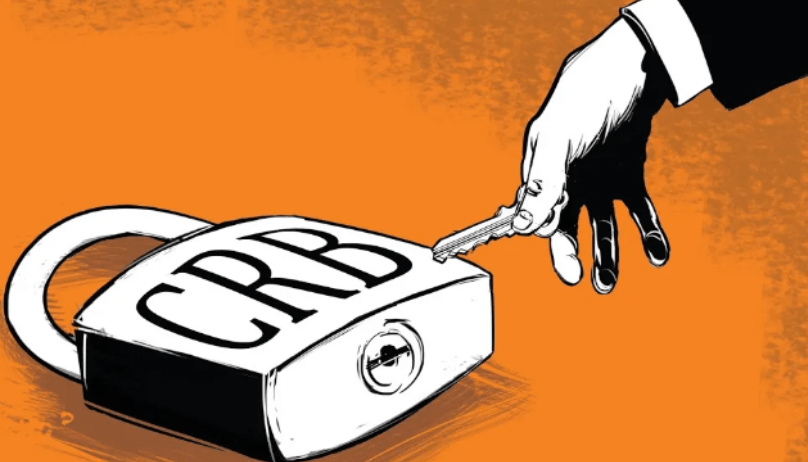
A quiet but consequential legal question is emerging in California: Can court reporters compel their own regulator to enforce laws already on the books against the expansion of digital-only reporting? Inspired by Texas’s Holmgren case, this analysis explores the hypothetical viability of a mandamus action against the Court Reporters Board for non-enforcement, examining standing, risk, and the strategic steps that would be required before such a case could responsibly proceed.
The Trojan Horse Problem – Why Software Companies Should Not Masquerade as Court Reporting Agencies

Software companies moving into the court reporting agency space do not represent innovation; they represent structural risk. When the same platform controls the technology, the data, and the labor pipeline, independence erodes and normalization begins. The danger is not sudden replacement but gradual acceptance, until reporters become optional upgrades instead of guardians of the record. The profession must recognize this encroachment and defend its sovereignty.
We Can Do Better – When Professionalism Loses to Pettiness in Court Reporting

Sometimes the hardest part of court reporting isn’t the record—it’s each other.
Petty rivalries, gossip, and passive-aggressive behavior are eroding the very professionalism our field stands for. I just lived through it, and it reminded me: we can do better.
“Ack Ack” on the Record – When the Martians Took Over the Courtroom
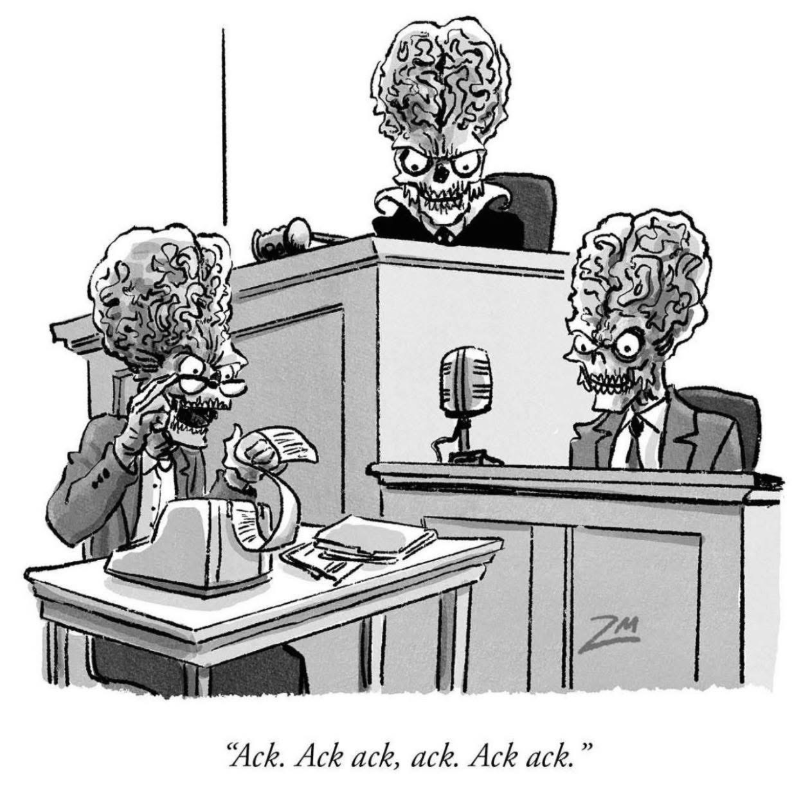
When justice sounds like “Ack ack, ack,” it’s not just funny—it’s frightening. Replacing human court reporters with machines turns the language of truth into gibberish. Algorithms can’t hear nuance, context, or emotion. The record of justice deserves more than “good enough.” It deserves understanding.
Where Your CEU Dollars Go – Choosing State Associations and Nonprofits That Reinvest in the Profession

Every continuing education dollar is a decision about the future of court reporting. When those funds are directed to legitimate state associations and nonprofit organizations, they strengthen advocacy, education, and ethical standards that preserve the integrity of the record. When they flow instead to personality-driven ventures, the profession risks becoming a revenue stream for individual ambition rather than a sustained legacy built on collective stewardship.
Not All Heroes Wear Capes — Some Wear “Stenographer” Lanyards

After a 32-hour brain surgery, two surgeons collapsed from exhaustion — heroes in scrubs. For court reporters, that same level of endurance isn’t a one-time feat; it’s our daily life. We don’t wear capes. We wear stenographer lanyards — quiet symbols of duty, precision, and perseverance. We may not save lives, but we preserve truth, and that saves justice.
The Weight of Watching- A Court Reporter’s Reflection When Justice Falters

Court reporters are trained to remain neutral observers, preserving the record without influence or intervention. Yet we also witness the moments when the justice system’s safeguards fail—when potential juror bias goes unexamined or judicial oversight falls short. We cannot raise concerns or redirect the process; our role is silence. The emotional toll comes from knowing what fairness requires, and watching when it is not upheld.
The Stenographer Who Named a Legend – How Lillian Bounds Disney Gave Mickey Mouse His Name

Long before Mickey Mouse became the world’s most beloved animated icon, a young Idaho stenographer named Lillian Bounds quietly shaped his destiny. Working at Disney Brothers Studio in 1923, Lillian used her sharp ear and creative instinct to suggest a new name for Walt’s early sketch—replacing “Mortimer” with “Mickey.” That single moment of intuition helped launch a character, a company, and a cultural era.
A Membership Wall Around Opportunity – NCRA’s New Jobs Board Restriction Raises Questions in a Shrinking Profession

The National Court Reporters Association has quietly restricted its Jobs Board to dues-paying members only, blocking more than 13,000 qualified non-member reporters from viewing official court reporter openings. The move comes amid nationwide staffing shortages in court systems and raises concerns that a membership paywall could shrink the hiring pool and undermine efforts to preserve stenographic officialships. Critics warn the policy conflicts with the profession’s survival needs.
Your Journey. Your Way. Flawlessly.

Court reporting is no longer confined to a single path or setting. Today’s reporter chooses where, how, and when they work—courtroom, deposition, captioning, remote, or across borders. The skill remains constant: the ability to capture testimony with precision and integrity. The journey, however, now belongs to the reporter. Your profession. Your autonomy. Your record. Your Journey. Your Way. Flawlessly.
The Next Evolution in Court Reporting: How Technology Is Closing the Payment Gap

Payment collection has always kept reporters tied to agencies. But fintech automation—escrow, instant pay, and attorney verification—now solves that last dependency. With SaaS-integrated invoicing, reporters can deliver, verify, and get paid automatically. No chasing checks. No middlemen. The last agency advantage is gone—and independence is finally in reach.
The Bubble Beneath the Record – A Financial Crisis in Court Reporting Is Coming

A financial bubble is forming beneath the court reporting industry. Private equity markups have pushed attorneys toward cheaper “alternative” record methods, but those substitutes fail evidentiary standards and are beginning to collapse under legal scrutiny. As reporters reject unsustainable rates and attorneys realize uncertified transcripts don’t hold up in court, the industry is nearing a correction. The record cannot be commodified—and the bubble will burst.
When Faith Becomes a Mask & How Performative Virtue Undermines Integrity in the Steno Community

When faith becomes performance instead of practice, entire communities suffer. In court reporting, where truth is our calling, we cannot ignore the damage caused by virtue-based branding, intimidation, or spiritual manipulation. Real leadership demands humility, accountability, and integrity — not curated vulnerability or public theatrics. Our profession deserves truth-keepers, not performers hiding behind faith-washed imagery.
The New “Mentorship” Funnel – Why Court Reporters Should Be Cautious About Handing Over Their Professional Data

A “free mentorship event” sounds harmless—until you realize it may be a data-collection funnel for a trademarked for-profit brand. If speakers aren’t compensated, if attendees unknowingly become marketing leads, and if the program mimics a nonprofit without governance or transparency, the community must ask hard questions. Court reporters deserve mentorship rooted in ethics—not a commercial pipeline in disguise.
Avoid the April Surprise – Smart Tax Planning for Court Reporters

Court reporters can reduce taxes and keep more of what they earn with smart retirement planning. Both Solo 401(k) and Corporate 401(k) plans allow high annual contributions, but incorporating as an S-Corp lets you take part of your earnings as distributions—not subject to self-employment tax. By setting a strategic W-2 salary and using employer profit-sharing contributions, reporters can lower tax burden and build long-term financial security.
Beneath the Surface – The Hidden Burnout Crisis in Court Reporting

Burnout in court reporting isn’t about long hours—it’s about how those hours feel. When reporters lose psychological safety, recognition, or autonomy, exhaustion turns into disengagement. The real burnout triggers aren’t visible on the surface—they’re cultural, ethical, and emotional. Until agencies and courts address those invisible causes, the profession will keep losing its best reporters beneath the surface.
When the Forest Votes for the Axe – A Warning to the Court Reporting Profession

The profession is the forest—and we are the trees. Yet many have been persuaded to welcome the very axe designed to replace us. Digital and AI models present themselves as allies, promising convenience and efficiency, while quietly eroding our roots: accuracy, ethics, and due process. The future of the record depends on whether we recognize the axe for what it is—and defend the forest together.
When Disclosure Isn’t Enough – Why AB 711 Doesn’t Serve Court Reporters or Access to Justice

AB 711 claims to curb “reporter waste,” but it’s a paperwork fix for a resource crisis. Mandating disclosure of who will hire a court reporter doesn’t solve shortages, improve access, or strengthen the profession—it risks normalizing hearings without certified stenographers. California needs investment in reporters, not bureaucracy that treats them as optional.
The Penny Auction Rebellion – How Stenographers Can Take Back the Record

In 1936, farmers fought foreclosure by staging “penny auctions,” bidding pennies on their neighbors’ land and giving it back to them.
Today, stenographers can do the same — through unity, co-ops, and reporter-owned platforms to reclaim our profession from AI, digital recording, and private equity control.
When Regulation Becomes Endorsement – How the CRB’s Firm Registration List Rewards Non-Reporter-Owned Corporations
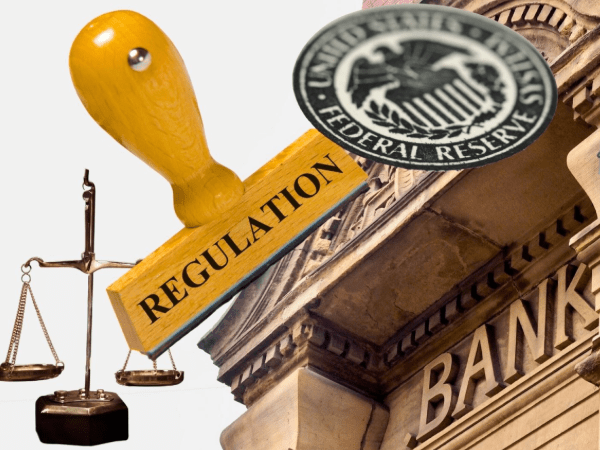
California’s Court Reporters Board has turned oversight into inadvertent endorsement. Its public “Registered Firms” list features non-CSR-owned conglomerates like Veritext and Magna—but omits legitimate CSR-owned professional corporations. The result? True shorthand reporting firms are hidden while unlicensed corporations gain state-backed visibility. It’s a structural inequity that undermines professional integrity and consumer trust—and it demands reform.
When Defense Counsel Brought AI to Voir Dire And How One Court Reporter Turned an Ethical Breach Into an Opportunity
When defense counsel was caught red-handed using AI to transcribe voir dire, the courtroom froze. The judge’s question—“Are you giving them realtime?”—made the truth unmistakable. Rather than confront, the reporter stayed calm, answered honestly, and later turned it into an upsell. The same attorney who relied on illegal AI ended up buying realtime from the pro she tried to replace. But AI note-taking tools may be capturing juror identities and responses, permanently exposing private citizens.
The Death of Expertise and the Erosion of the Record & Why Court Reporters Are the Last Line of Truth

In The Death of Expertise, Tom Nichols warns that society is replacing knowledge with convenience. Court reporting stands at that fault line. AI may transcribe words, but it cannot witness truth. Only a certified reporter — physically present, ethically bound — can certify a record. To sign off on machine output isn’t innovation; it’s fraud. And it marks the death of expertise itself.
Beneath the Surface – The Hidden Burnout Crisis in Court Reporting
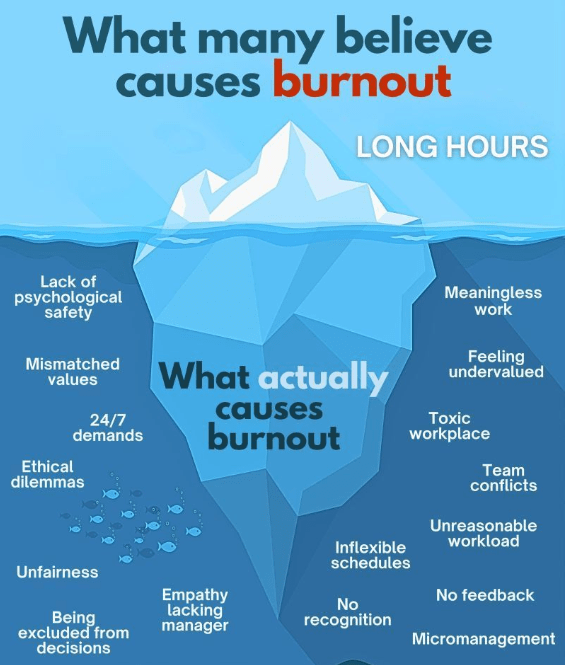
Burnout in court reporting isn’t about long hours—it’s about how those hours feel. When reporters lose psychological safety, recognition, or autonomy, exhaustion turns into disengagement. The real burnout triggers aren’t visible on the surface—they’re cultural, ethical, and emotional. Until agencies and courts address those invisible causes, the profession will keep losing its best reporters beneath the surface.
Train Like an Athlete – The Mental Conditioning of a Future Court Reporter

Stenography isn’t just skill — it’s mental athleticism. Like NBA rookies, students must fail, reflect, and adjust daily. Every dropped word is data, not defeat. Treat your practice like training camp: review your “film,” log your growth, and build proof, not praise. Five minutes of reflection a day turns pressure into performance.
The Battle for the Record Is Here — and CCRA Needs You

CCRA has taken a historic stand for every California court reporter. With attorney Scott Kronland of Altshuler Berzon, we’re defending the integrity of the record before the California Supreme Court. The fight against electronic recording isn’t just about jobs—it’s about justice. Your profession. Your record. Your voice. Stand with us. Join CCRA. Donate today.
The Neuroscience of Speed – Why Positivity Makes Better Court Reporters

Neuroscience proves what every court reporter already knows: mindset matters. Chronic negativity literally shrinks your focus center, while gratitude and optimism strengthen it. Students who stay positive pass speeds faster. Working reporters who train their brains for abundance write cleaner realtime. You don’t just train your fingers—you train your brain.
Why Transcript Correction Disputes Are Rising — And Where the Problem Originated

Certified court reporters are seeing a rise in large-scale transcript correction requests, but the issue is not declining reporter skill. It stems from the increased use of digital audio and ASR-generated transcripts being treated as equivalent to stenographic reporting. Once attorneys began comparing transcripts with software tools, the inconsistencies became clear. Accuracy starts at the point of capture, and the method matters.
The Court Reporting Industry Faces Structural Stress

The court reporting sector is showing signs of structural stress after years of private-equity consolidation and rising interest rates. Higher transcript costs and declining reporter compensation have prompted some firms to explore lower-cost recording methods, though many of these alternatives face evidentiary and certification limits. As labor supply tightens and compliance standards remain unchanged, the market appears to be shifting back toward models emphasizing reliability and credentialed recordkeeping.
When a Video Is Played in Court – How to Handle, Certify, and Communicate It Professionally

When an attorney asks you to “take down” a video played in court, your authority comes from Rule 2.1040(d)—not the attorney. Always obtain a court order, mark the playback as a “transcription of an electronic recording,” and certify it separately. This protects your license, the record’s integrity, and your professional credibility while keeping the attorneys—and the judge—happy.
Why the Legal System Doesn’t Understand What’s Happening to Court Reporting

The justice system assumes court reporting is “handled,” but the record itself is collapsing under the rise of uncertified digital labor and AI transcripts. Attorneys, judges, and legislators don’t realize that without certified stenographers, accuracy, ethics, and access to justice all fail. This roadmap shows how to unite the legal community to protect the record—and the rule of law itself.
“They Don’t Know We Need Them” – The Growing Silence Around the Disappearing Court Reporter

As digital recording and AI transcription quietly replace certified court reporters, the justice system risks losing its most vital safeguard — the human record. Attorneys, judges, and legislators don’t realize they’re standing on a collapsing foundation. Without stenographers, there is no certified transcript, no reliable appeal, and no accountability. Saving steno isn’t nostalgia — it’s protecting the rule of law itself.
Court Reporters v. Digital Recording and Voice Recognition – A Comprehensive Breakdown

Digital recording and ASR may promise convenience, but they fail the test of law and logic. Machine transcripts aren’t sworn, certified, or admissible—they’re hearsay without a human declarant. Court reporters remain the only officers of the record who can guarantee accuracy, authenticity, and accountability in real time. Justice still depends on human precision.
The Rebirth of Steno – How a New Generation of Reporters Is Reclaiming the Record

After years of “steno is dying” headlines, the data tells a different story. Enrollment is climbing, schools are reopening, and the profession has grown by 231% in just two years. A new generation of reporters is reclaiming the record—proving that integrity, accuracy, and human intelligence can’t be replaced by algorithms. This is the rebirth of steno.
The Freelancer’s Harvest & What a California Farmer Can Teach Court Reporters About Diversification

When a California farmer’s entire grape crop was rejected over a 0.1% sugar shortfall, he lost a year’s income overnight. Freelancers face the same risk when they depend on one agency or client. If that relationship sours—or gets bought out—you’re back at zero. Diversify now. Build multiple income streams so your livelihood doesn’t hinge on someone else’s decision.
🎃 The Ghost of the Record – A Halloween Costume for the Court Reporting Industry

This Halloween, the scariest thing in court reporting isn’t a ghost or vampire — it’s the empty reflection of automation, profit, and lost authorship floating where truth once lived. Don’t be haunted by hollow promises. Protect the record. Defend your craft. Keep the soul in stenography. Happy Halloween!
The Endgame Nobody Sees Coming – Reporters, Not Agencies, Will Control the Future

Big agencies believe consolidation is their final victory. In reality, they’re setting the stage for their own disruption. Reporters hold the licenses, the legal authority, and now — thanks to modern tech — the tools to bypass the middle layer entirely. When the market flips, it won’t be agencies in control. It will be the reporters.
Zoom, the Record, and the Reporter – Where Ethics Are Clear and the Law Is Catching Up

As remote depositions become routine, reporters face growing pressure to act as both stenographer and Zoom host. NCRA ethics are clear: reporters cannot record or serve as videographers—but may host solely to prevent unauthorized recording or AI bots. When firms or attorneys refuse to disable ASR, the reporter’s duty is to withdraw, protecting the integrity of the record above all.
Spooky Season or Shady Season?

Magna’s Halloween “Spooky Season” giveaway offers $25 gift cards for every 100-page transcript — a festive twist that may violate California’s court-reporting ethics code. By tying rewards directly to transcript production, the program breaches CCR § 2475(b)(8), which bans gifts or incentives for reporting services. What looks like a treat could become a costly trick for Magna and participating reporters.
StenoImperium Marks 400 Articles – A Chronicle of Truth, Transparency, and Tenacity
StenoImperium celebrates its 400th article — a milestone built on truth, transparency, and independence. While often mistaken for Stenonymous, we are not the same. We’re two separate blogs, on opposite coasts, with distinct voices and philosophies, united only by our shared passion for stenography and protecting the integrity of the record in an era of automation and misinformation.
 STENOIMPERIUM