
Court reporting faces a critical pricing question: should new reporters charge less for the same official record? The answer determines whether the profession maintains a stable foundation or trains the market to seek the lowest bidder. Experience should raise earnings through advanced services like realtime and expedited delivery — not reduce the baseline value of the record itself.
Tag Archives: DepositionPractice
When the Record Speaks — and Software Interprets – The Unsettled Ethics of AI Deposition Summaries
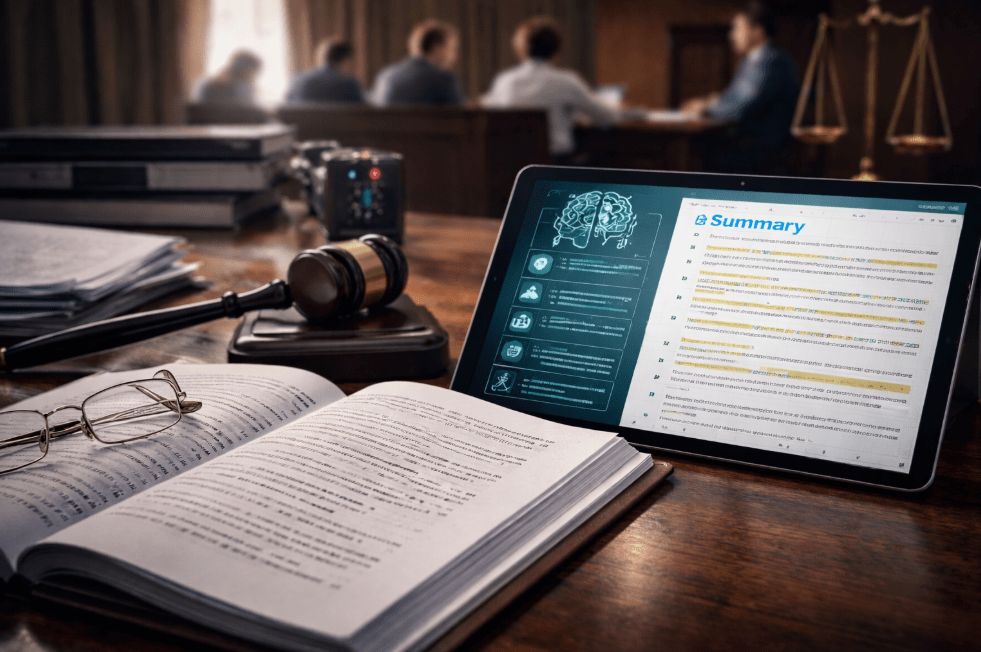
AI deposition summaries are being sold beside sworn transcripts, raising a question older than the technology itself: when interpretation travels with the record, does neutrality follow it? Advisory Opinion 32 was written to protect public confidence in the reporter’s role, not to regulate keyboards. Replacing a human summarizer with software may change the tool, but it does not automatically eliminate the appearance concerns the rule was meant to prevent.
When “Live Notes” Enters the Notice – What the Confusion Over AI in Depositions Is Really About

As artificial intelligence quietly enters deposition rooms under vague terms like “live notes,” court reporters are being forced into a new role: boundary-setters for the legal record itself. The issue is no longer whether proceedings can be recorded, but who controls what is captured, who is accountable for what is created, and what truly constitutes the official record in modern litigation.
Opinion: Texas Isn’t Confused About Digital Reporting — Only the Vendors Are

Texas is not confused about digital reporting — only the vendors are. Esquire, U.S. Legal, and Veritext recast a business model as a legal right, insisting courts ignore reliability gaps, nonexistent licensure, and the safeguards built directly into Rule 203.6. The trial court didn’t err; it exercised discretion. Corporate convenience is not access to justice, and marketing cannot replace a certified, accountable record.
The Notary Loophole – Why Digital “Oath-Taking” May Jeopardize the Record

Digital firms are exploiting the “notary loophole” — using notaries instead of licensed court reporters to swear in witnesses and certify transcripts. But notaries aren’t officers of the court. This practice risks inadmissible records, broken chain of custody, and malpractice exposure. Only certified stenographers can lawfully administer oaths and safeguard the integrity of the record.
 STENOIMPERIUM