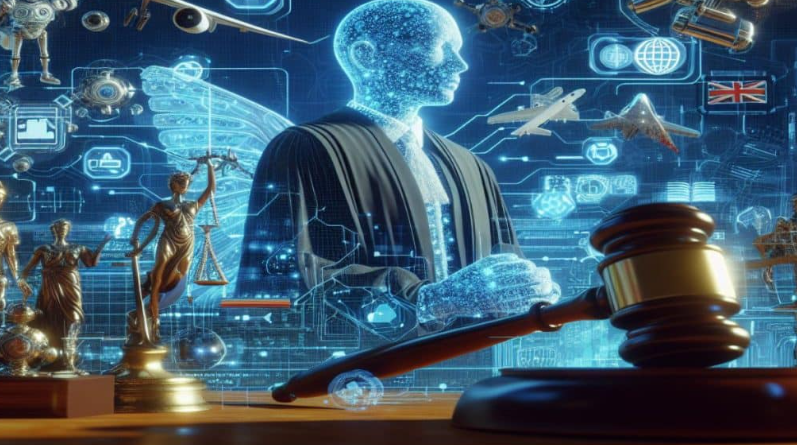
As courts experiment with generative AI, the judiciary risks embracing a technology that is not yet reliable, transparent, or safe enough for justice. From hallucinated legal authority to inaccurate ASR records, today’s AI systems already struggle with basic courtroom functions. Introducing them into judicial workflows now risks compromising confidentiality, fairness, and public trust at the very moment the courts can least afford it.
Tag Archives: DataPrivacy
The Hidden Cost of Convenience – Are Cloud-Stored Transcripts Training AI Without Your Consent?

Cloud convenience comes with a hidden cost: many platforms quietly reserve the right to use or sell your synchronized transcripts and audio to train their AI. Whether or not AI is “inevitable” isn’t the point—consent is. Legal transcripts contain privileged, high-value data, and no reporter should unknowingly contribute to systems designed to replace them. Protecting the record means protecting our work.
Hiring to Train AI – When Data Collection Crosses the Line

TransPerfect’s $30 “Remote Data Contributor” job isn’t just harmless side work — it’s part of a massive AI training pipeline. By paying people to record their voices, companies quietly harvest human speech to teach machines how to sound like us. It’s data extraction disguised as inclusion — and it’s accelerating the automation of human jobs, one voice at a time.
The Rise of the AI Impostors – How Fake Court Reporters Are Flooding the Legal System

AI notetakers and unlicensed digital “reporters” are quietly infiltrating depositions, recording sensitive testimony without consent or accountability. Videographers are stunned when they see a real stenographer—proof of how rare human guardians of the record have become. Attorneys must learn to spot imposters, protect client confidentiality, and insist on certified court reporters before justice becomes just another algorithmic summary.
Should Court Reporters Redact Social Security Numbers in Transcripts?

Some reporters are quietly redacting Social Security numbers from transcripts—without realizing they may be altering the official record. Privacy concerns are valid, but under most state and federal rules, redaction is the attorney’s responsibility, not the reporter’s. Here’s why automatic redaction could violate ethical duties—and how to protect both accuracy and privacy the right way.
The Knox County Privacy Breach – A Wake-Up Call on Confidentiality and Professional Duty

A hidden microphone at the Knox County courthouse exposed private meetings and cost three officials their careers. Beyond Nebraska, the message is clear: confidentiality is the backbone of justice. Court reporters, attorneys, and judges alike must protect the record, audit technology, and guard against shifting liability. Trust, once lost, is nearly impossible to restore.
 STENOIMPERIUM