During Court Reporting & Captioning Week, celebration alone is not enough. The legal record is under pressure, reshaped by technology, business models, and quiet courtroom shifts. This series asks court reporters to step into their professional responsibility: to circulate clear analysis to attorneys and judges, and to help the legal community understand what is happening to the evidentiary spine of justice right now today nationwide.
Tag Archives: CourtroomIntegrity
Who Is NCRA Working For?
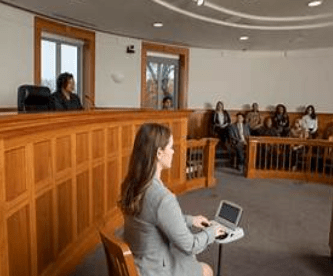
The National Court Reporters Association was created to guard a profession built on precision, licensure, and trust. But its expanding relationships with digital training companies, corporate consolidators, and branding organizations raise an urgent question: is NCRA still defending stenography, or has it begun financing its own displacement? When a trade association profits from the markets replacing its members, neutrality becomes a business model.
The Quiet Fear Inside the Record
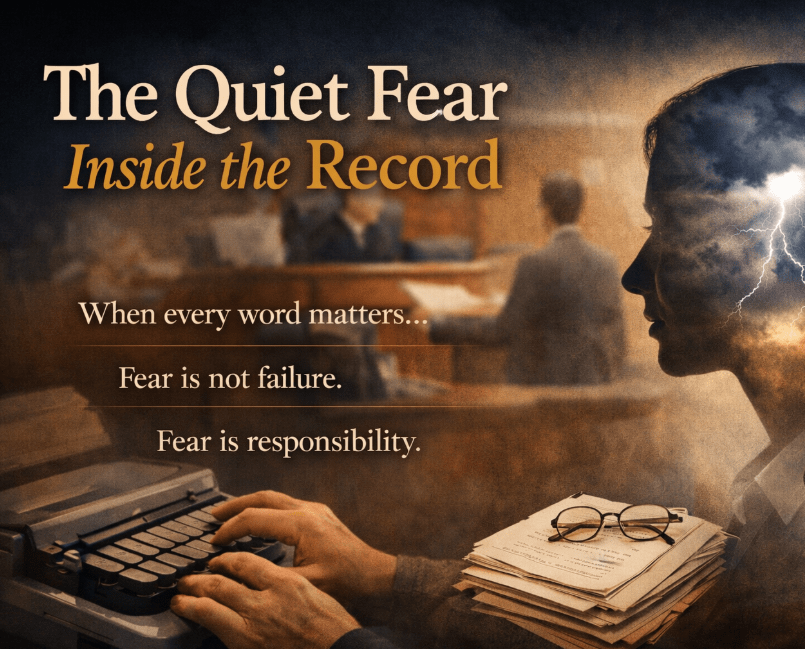
Court reporters rarely speak about fear, yet it quietly accompanies some of the most important moments of their careers. It surfaces in high-stakes trials, unfamiliar courtrooms, and proceedings where every word carries lasting consequence. This fear is not evidence of failure. It is evidence of responsibility. And learning to work with it, rather than retreat from it, may be one of the profession’s most essential skills.
When a Profession Is Under Siege, Its Trade Association Should Not Be Hosting Craft Night

As courts experiment with digital capture and AI transcription, the integrity of the legal record is under unprecedented pressure. Yet California’s flagship Court Reporting & Captioning Week is being promoted with craft nights and lifestyle events. At a moment that demands advocacy, public education, and professional defense, the association’s messaging risks trivializing a profession that exists to safeguard due process itself.
When the Courtroom Becomes a Dataset – Why Media Recording in 2026 Is No Longer Just “Coverage”
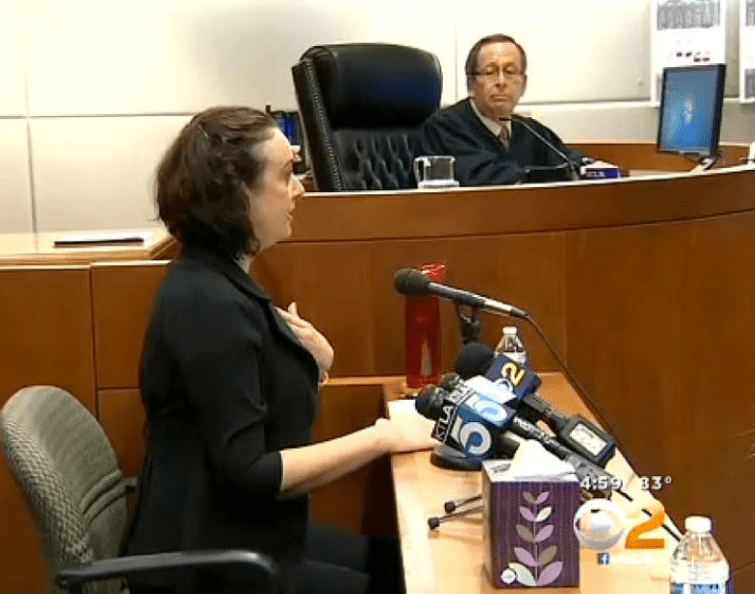
Courtroom recording is no longer simply about cameras and coverage. In 2026, it is about what happens after the audio leaves the room: automated transcription, cloud storage, permanent datasets, and uncontrolled reuse. When proceedings become machine-readable assets, courts risk losing authority over the official record, participant privacy, and the conditions necessary for fair, orderly justice.
When Efficiency Overrides the Law – Why Badran v. Badran Got Admissibility Wrong

The Badran v. Badran ruling did not affirm professionalism in modern depositions; it excused its absence. Admissibility does not turn on convenience, volume, or after-the-fact agreement. It turns on lawful process and qualified human oversight. Agencies are not officers of the record, and parties cannot stipulate away licensure, evidentiary foundation, or due process in the name of efficiency.
When Practice Drifts From the Code – How Informal Norms Are Reshaping the Courtroom Record

In courtrooms nationwide, a quiet shift is underway. The rules governing the official record remain unchanged, yet everyday practice has drifted from the code. Realtime feeds and rough drafts, once tools for preparation, are increasingly treated as authoritative sources in high-stakes moments. This slow normalization of informality carries real legal risk—for attorneys, judges, and especially the reporters entrusted with preserving the record.
When Defense Counsel Brought AI to Voir Dire And How One Court Reporter Turned an Ethical Breach Into an Opportunity
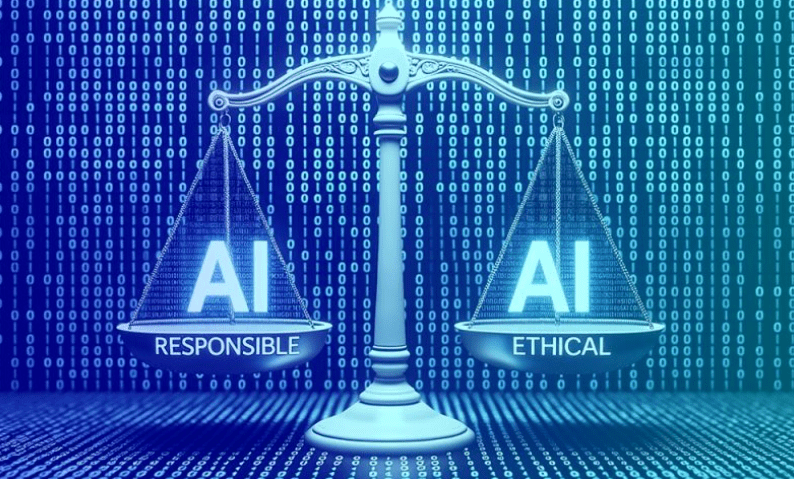
When defense counsel was caught red-handed using AI to transcribe voir dire, the courtroom froze. The judge’s question—“Are you giving them realtime?”—made the truth unmistakable. Rather than confront, the reporter stayed calm, answered honestly, and later turned it into an upsell. The same attorney who relied on illegal AI ended up buying realtime from the pro she tried to replace. But AI note-taking tools may be capturing juror identities and responses, permanently exposing private citizens.
When the Record Breaks – A Deposition Disaster That Proves Why Humans Beat Machines
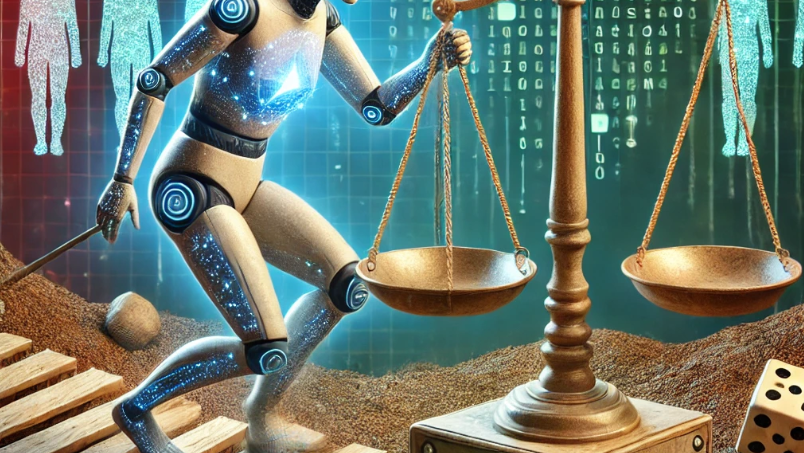
During a deposition, an attorney slammed the table in frustration—causing a digital “court reporter” to lose a large portion of the testimony due to equipment failure. Unlike certified stenographers, machines can’t adapt in real time or ensure the integrity of the record. This incident is a stark reminder: when accuracy matters, only a trained, licensed court reporter can truly safeguard the legal record.
 STENOIMPERIUM