
The profession is the forest—and we are the trees. Yet many have been persuaded to welcome the very axe designed to replace us. Digital and AI models present themselves as allies, promising convenience and efficiency, while quietly eroding our roots: accuracy, ethics, and due process. The future of the record depends on whether we recognize the axe for what it is—and defend the forest together.
Tag Archives: court reporter
When Disclosure Isn’t Enough – Why AB 711 Doesn’t Serve Court Reporters or Access to Justice
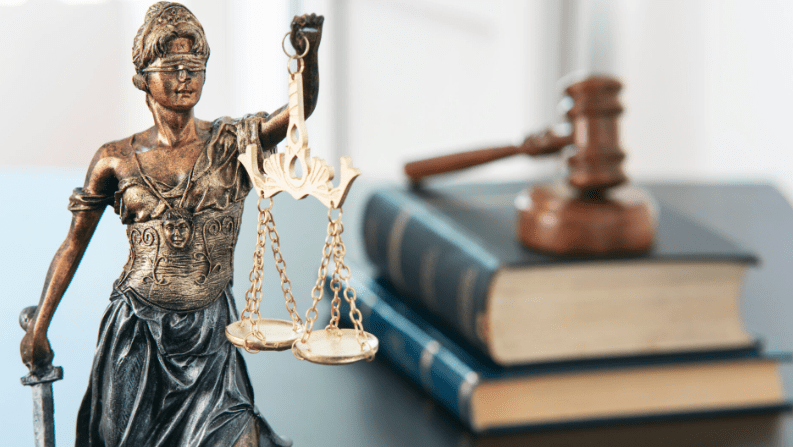
AB 711 claims to curb “reporter waste,” but it’s a paperwork fix for a resource crisis. Mandating disclosure of who will hire a court reporter doesn’t solve shortages, improve access, or strengthen the profession—it risks normalizing hearings without certified stenographers. California needs investment in reporters, not bureaucracy that treats them as optional.
The Penny Auction Rebellion – How Stenographers Can Take Back the Record

In 1936, farmers fought foreclosure by staging “penny auctions,” bidding pennies on their neighbors’ land and giving it back to them.
Today, stenographers can do the same — through unity, co-ops, and reporter-owned platforms to reclaim our profession from AI, digital recording, and private equity control.
When Regulation Becomes Endorsement – How the CRB’s Firm Registration List Rewards Non-Reporter-Owned Corporations
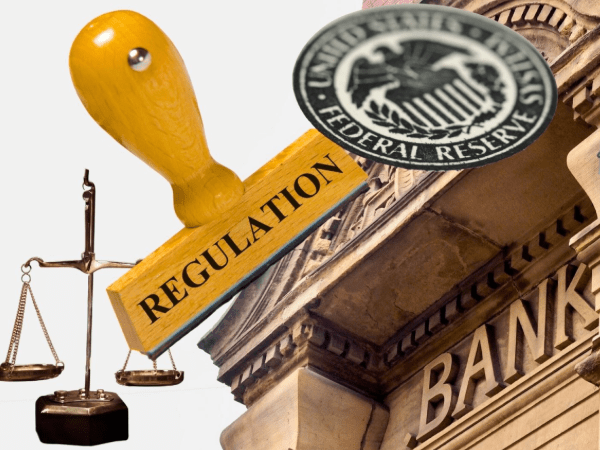
California’s Court Reporters Board has turned oversight into inadvertent endorsement. Its public “Registered Firms” list features non-CSR-owned conglomerates like Veritext and Magna—but omits legitimate CSR-owned professional corporations. The result? True shorthand reporting firms are hidden while unlicensed corporations gain state-backed visibility. It’s a structural inequity that undermines professional integrity and consumer trust—and it demands reform.
When Defense Counsel Brought AI to Voir Dire And How One Court Reporter Turned an Ethical Breach Into an Opportunity
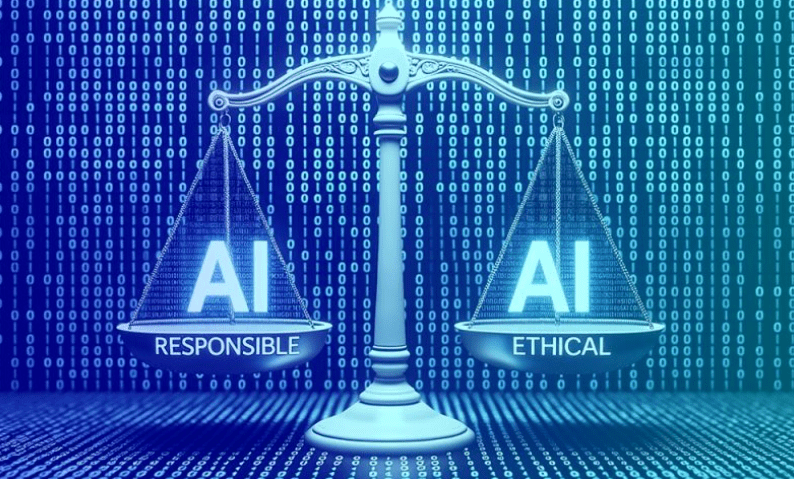
When defense counsel was caught red-handed using AI to transcribe voir dire, the courtroom froze. The judge’s question—“Are you giving them realtime?”—made the truth unmistakable. Rather than confront, the reporter stayed calm, answered honestly, and later turned it into an upsell. The same attorney who relied on illegal AI ended up buying realtime from the pro she tried to replace. But AI note-taking tools may be capturing juror identities and responses, permanently exposing private citizens.
The Death of Expertise and the Erosion of the Record & Why Court Reporters Are the Last Line of Truth

In The Death of Expertise, Tom Nichols warns that society is replacing knowledge with convenience. Court reporting stands at that fault line. AI may transcribe words, but it cannot witness truth. Only a certified reporter — physically present, ethically bound — can certify a record. To sign off on machine output isn’t innovation; it’s fraud. And it marks the death of expertise itself.
Beneath the Surface – The Hidden Burnout Crisis in Court Reporting
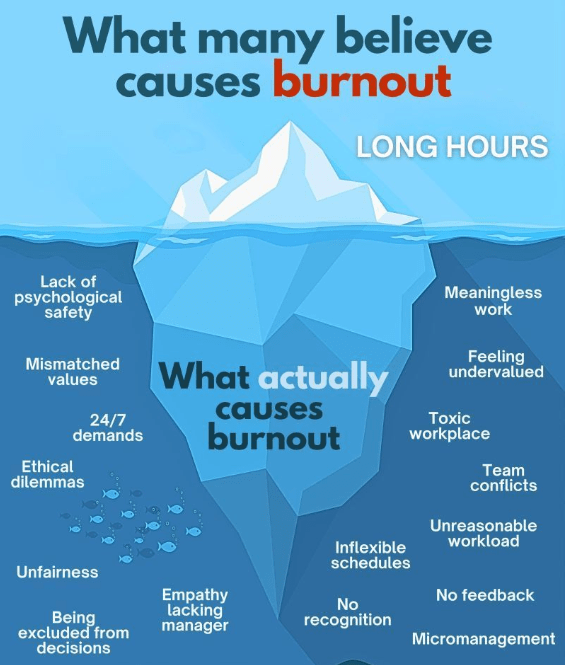
Burnout in court reporting isn’t about long hours—it’s about how those hours feel. When reporters lose psychological safety, recognition, or autonomy, exhaustion turns into disengagement. The real burnout triggers aren’t visible on the surface—they’re cultural, ethical, and emotional. Until agencies and courts address those invisible causes, the profession will keep losing its best reporters beneath the surface.
Train Like an Athlete – The Mental Conditioning of a Future Court Reporter

Stenography isn’t just skill — it’s mental athleticism. Like NBA rookies, students must fail, reflect, and adjust daily. Every dropped word is data, not defeat. Treat your practice like training camp: review your “film,” log your growth, and build proof, not praise. Five minutes of reflection a day turns pressure into performance.
The Battle for the Record Is Here — and CCRA Needs You

CCRA has taken a historic stand for every California court reporter. With attorney Scott Kronland of Altshuler Berzon, we’re defending the integrity of the record before the California Supreme Court. The fight against electronic recording isn’t just about jobs—it’s about justice. Your profession. Your record. Your voice. Stand with us. Join CCRA. Donate today.
The Neuroscience of Speed – Why Positivity Makes Better Court Reporters

Neuroscience proves what every court reporter already knows: mindset matters. Chronic negativity literally shrinks your focus center, while gratitude and optimism strengthen it. Students who stay positive pass speeds faster. Working reporters who train their brains for abundance write cleaner realtime. You don’t just train your fingers—you train your brain.
Why Transcript Correction Disputes Are Rising — And Where the Problem Originated

Certified court reporters are seeing a rise in large-scale transcript correction requests, but the issue is not declining reporter skill. It stems from the increased use of digital audio and ASR-generated transcripts being treated as equivalent to stenographic reporting. Once attorneys began comparing transcripts with software tools, the inconsistencies became clear. Accuracy starts at the point of capture, and the method matters.
The Court Reporting Industry Faces Structural Stress

The court reporting sector is showing signs of structural stress after years of private-equity consolidation and rising interest rates. Higher transcript costs and declining reporter compensation have prompted some firms to explore lower-cost recording methods, though many of these alternatives face evidentiary and certification limits. As labor supply tightens and compliance standards remain unchanged, the market appears to be shifting back toward models emphasizing reliability and credentialed recordkeeping.
When a Video Is Played in Court – How to Handle, Certify, and Communicate It Professionally

When an attorney asks you to “take down” a video played in court, your authority comes from Rule 2.1040(d)—not the attorney. Always obtain a court order, mark the playback as a “transcription of an electronic recording,” and certify it separately. This protects your license, the record’s integrity, and your professional credibility while keeping the attorneys—and the judge—happy.
Why the Legal System Doesn’t Understand What’s Happening to Court Reporting

The justice system assumes court reporting is “handled,” but the record itself is collapsing under the rise of uncertified digital labor and AI transcripts. Attorneys, judges, and legislators don’t realize that without certified stenographers, accuracy, ethics, and access to justice all fail. This roadmap shows how to unite the legal community to protect the record—and the rule of law itself.
“They Don’t Know We Need Them” – The Growing Silence Around the Disappearing Court Reporter

As digital recording and AI transcription quietly replace certified court reporters, the justice system risks losing its most vital safeguard — the human record. Attorneys, judges, and legislators don’t realize they’re standing on a collapsing foundation. Without stenographers, there is no certified transcript, no reliable appeal, and no accountability. Saving steno isn’t nostalgia — it’s protecting the rule of law itself.
Court Reporters v. Digital Recording and Voice Recognition – A Comprehensive Breakdown

Digital recording and ASR may promise convenience, but they fail the test of law and logic. Machine transcripts aren’t sworn, certified, or admissible—they’re hearsay without a human declarant. Court reporters remain the only officers of the record who can guarantee accuracy, authenticity, and accountability in real time. Justice still depends on human precision.
The Rebirth of Steno – How a New Generation of Reporters Is Reclaiming the Record

After years of “steno is dying” headlines, the data tells a different story. Enrollment is climbing, schools are reopening, and the profession has grown by 231% in just two years. A new generation of reporters is reclaiming the record—proving that integrity, accuracy, and human intelligence can’t be replaced by algorithms. This is the rebirth of steno.
The Freelancer’s Harvest & What a California Farmer Can Teach Court Reporters About Diversification

When a California farmer’s entire grape crop was rejected over a 0.1% sugar shortfall, he lost a year’s income overnight. Freelancers face the same risk when they depend on one agency or client. If that relationship sours—or gets bought out—you’re back at zero. Diversify now. Build multiple income streams so your livelihood doesn’t hinge on someone else’s decision.
🎃 The Ghost of the Record – A Halloween Costume for the Court Reporting Industry

This Halloween, the scariest thing in court reporting isn’t a ghost or vampire — it’s the empty reflection of automation, profit, and lost authorship floating where truth once lived. Don’t be haunted by hollow promises. Protect the record. Defend your craft. Keep the soul in stenography. Happy Halloween!
The Endgame Nobody Sees Coming – Reporters, Not Agencies, Will Control the Future

Big agencies believe consolidation is their final victory. In reality, they’re setting the stage for their own disruption. Reporters hold the licenses, the legal authority, and now — thanks to modern tech — the tools to bypass the middle layer entirely. When the market flips, it won’t be agencies in control. It will be the reporters.
Zoom, the Record, and the Reporter – Where Ethics Are Clear and the Law Is Catching Up
As remote depositions become routine, reporters face growing pressure to act as both stenographer and Zoom host. NCRA ethics are clear: reporters cannot record or serve as videographers—but may host solely to prevent unauthorized recording or AI bots. When firms or attorneys refuse to disable ASR, the reporter’s duty is to withdraw, protecting the integrity of the record above all.
Spooky Season or Shady Season?
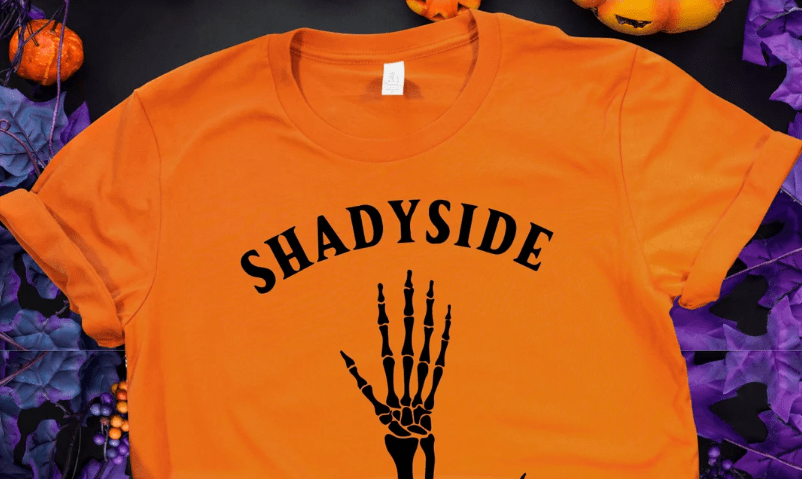
Magna’s Halloween “Spooky Season” giveaway offers $25 gift cards for every 100-page transcript — a festive twist that may violate California’s court-reporting ethics code. By tying rewards directly to transcript production, the program breaches CCR § 2475(b)(8), which bans gifts or incentives for reporting services. What looks like a treat could become a costly trick for Magna and participating reporters.
StenoImperium Marks 400 Articles – A Chronicle of Truth, Transparency, and Tenacity
StenoImperium celebrates its 400th article — a milestone built on truth, transparency, and independence. While often mistaken for Stenonymous, we are not the same. We’re two separate blogs, on opposite coasts, with distinct voices and philosophies, united only by our shared passion for stenography and protecting the integrity of the record in an era of automation and misinformation.
Dividing Zero – The Illusion of Division in the Court Reporting Profession

There is no “division” in the court reporting profession — only distinction. Reporters are more united than ever: mentoring students, fighting the shortage myth, and defending the record against digital and AI intrusion. Outsiders may market unity to mask exploitation, but unity built on falsehoods isn’t healing. It’s control. You can’t divide zero.
The Secret Trick That Builds a Cult – How Charisma Can Capture an Entire Industry
When loyalty to a personality replaces loyalty to principle, the cult has already begun.
The court-reporting industry, like many others facing disruption, must guard against emotional capture disguised as empowerment.
Movements built on belonging can uplift — or quietly control.
Charisma isn’t leadership; unity without dissent isn’t strength.
The future of this profession depends on discernment.
What Court Reporters Can (and Cannot) Talk About – Ethics, Boundaries, and Public Perception

Court reporters hold the public’s trust—and that includes what we say after we leave the room. Sharing case details, even without names, can still identify participants and damage our impartiality. Confidentiality isn’t just about secrecy; it’s about respect, neutrality, and professionalism. Protecting the record means protecting our reputation—on and offline.
The Ring, the Record, and the Reckoning – What Tolkien Can Teach the Court Reporting Profession About Power and Purpose

Tolkien’s warnings weren’t about magic—they were about human nature. The court reporting profession stands at the same crossroads: mistaking convenience for progress, surrendering truth for efficiency. Like the Ents, we waited for proof. Like Númenor, we believed we’d never drown. But Samwise reminds us—our duty isn’t power. It’s preservation. The record is the ring, and we must never let it fall.
Making a Record – Why Attorneys Keep Losing Their Exhibits on Appeal

Attorneys often assume that showing or publishing an exhibit makes it part of the record—it doesn’t. Only the judge can direct that an exhibit be “marked” or “received.” The clerk keeps the official list; the reporter records what’s said. If you skip the formal steps, your exhibits vanish on appeal. Make your record right, or risk losing it forever.
When the DRA Ignores Its Own Backyard – Why California’s Court Reporting Schools Deserve Defense, Not Displacement

California’s only NCRA-approved court reporting school has faced relentless audits while producing more CSRs than any other in the state. Yet the DRA features out-of-state speakers poaching students into unproven “write shorter” programs instead of honoring educators using proven speed-building methods like RWG theory. If the DRA truly supports the profession, advocacy must start at home — with California’s own schools.
AI Transcripts Gone Wild – The Day a Transcription Company Asked a Court Reporter to “Certify” Their Robot

A transcription company actually asked a certified court reporter to “sign off” on an AI-generated deposition—no oath, no saved audio, no chain of custody. When the attorney demanded a lawful certification, they tried to hire a reporter to legitimize their robot record. This isn’t innovation; it’s impersonation—and it threatens the integrity of every legal transcript in America.
The Rise of the AI Impostors – How Fake Court Reporters Are Flooding the Legal System

AI notetakers and unlicensed digital “reporters” are quietly infiltrating depositions, recording sensitive testimony without consent or accountability. Videographers are stunned when they see a real stenographer—proof of how rare human guardians of the record have become. Attorneys must learn to spot imposters, protect client confidentiality, and insist on certified court reporters before justice becomes just another algorithmic summary.
The Yin and Yang of Court Reporters – What Do You Do Outside the Record?

Kevin O’Leary says top talent balances discipline with creativity — the Yin and Yang of performance. Court reporters embody that perfectly. From musicians and marathoners to painters and pilots, our passions beyond the record fuel precision on the job. What’s your other side? Share what keeps you inspired beyond the transcript.
The Cracks Beneath the Surface – Rebuilding the Foundation of the Court Reporting Profession

A house that looks whole from the front but is gutted on the side—that’s our profession today. Stenographic court reporting was built on a solid legal foundation, but years of legislative erosion, agency consolidation, and technological shortcuts have hollowed it out. The cracks are showing. It’s time to stop patching and start rebuilding—before the next storm brings the whole structure down.
The Dreaded “C” Word – Myths and Truths About Carpal Tunnel Syndrome

Court reporters fear the “Big C” — carpal tunnel — as if it means the end of their career. But with today’s minimally invasive procedures and a focus on inflammation control, recovery and return to work are absolutely possible. My story proves it: I went from nerve damage and disability to pain-free reporting again. Carpal tunnel isn’t career-ending — it’s a wake-up call.
Dress Like You Belong in the Record

The court reporter should be the best-dressed person in the room. We’re not schoolteachers — we’re officers of the court, guardians of the record, and in many cases, we earn more than the judge, the attorneys, and the experts combined. Dress like your presence matters, because it does. Professionalism isn’t optional; it’s part of the record you create.
The End of the Record?

Verbit’s new mobile app lets anyone “record everything” — but at what cost? Without regulation, uncertified recordings could replace official transcripts, eroding reporter income and the integrity of the record itself. If the profession doesn’t fight back now, “copy sales” may be the least of what’s lost. This isn’t innovation; it’s deregulation disguised as convenience.
The Huseby-Esquire “Wash-Their-Hands” Buyout – A Case Study in Corporate Dodging and Reporter Exploitation

The Huseby-Esquire acquisition exposed a pattern of unpaid invoices and retaliation masked as “accounting confusion.” Reporters owed thousands are discovering their work vanished in a merger loophole — until laws like California’s SB 988 strike back. With WHD filings, certified letters, and public exposure, freelancers can turn the “wash-their-hands” tactic into corporate accountability.
The “Picky Reporter” Problem — and the Silence That Created It

The so-called “picky reporter” problem isn’t about ego — it’s economics. After decades of rate suppression and burnout, court reporters are finally valuing their time, skill, and certification. But the collapse of communication between agencies and reporters has turned a healthy market correction into a culture war. The cure isn’t compliance — it’s conversation, accountability, and restoring human connection to the profession.
The Notary Loophole – Why Digital “Oath-Taking” May Jeopardize the Record

Digital firms are exploiting the “notary loophole” — using notaries instead of licensed court reporters to swear in witnesses and certify transcripts. But notaries aren’t officers of the court. This practice risks inadmissible records, broken chain of custody, and malpractice exposure. Only certified stenographers can lawfully administer oaths and safeguard the integrity of the record.
Where the Record Is Really Being Written – A Quiet Transformation Hidden in Plain Sight

Courtrooms across America are quietly shifting from certified verbatim reporting to AI transcripts, digital recordings, and agency-controlled “roughs.” The result? Hearsay masquerading as the official record — with no clear custodian, no accountability, and enormous power flowing to private platforms. This isn’t just a professional issue; it’s a constitutional one. If we lose control of the record, we lose control of justice itself.
Free Roughs, Hidden Costs – How AI Transcription Is Quietly Rewriting the Legal Record

Kerala is openly mandating AI transcription in every courtroom. In the U.S., the same shift is happening quietly. Esquire and Veritext now hand out free AI rough drafts, reshaping transcript control through corporate platforms — while some LA Superior Court judges secretly use machine drafts during remote hearings. Policy, business, and judicial habit are converging — outside public view.
Should Court Reporters Redact Social Security Numbers in Transcripts?

Some reporters are quietly redacting Social Security numbers from transcripts—without realizing they may be altering the official record. Privacy concerns are valid, but under most state and federal rules, redaction is the attorney’s responsibility, not the reporter’s. Here’s why automatic redaction could violate ethical duties—and how to protect both accuracy and privacy the right way.
The CA Law Has Changed – Freelancers Now Have Legal Protection — Even If Agencies Don’t Know It Yet

California’s new Freelance Worker Protection Act (SB 988) is in effect, but many agencies are still unaware they’re breaking the law. Reporters can protect themselves through education and documentation—adding FWPA clauses to rate sheets, email signatures, and job confirmations. Timely payment is now required, and retaliation for collection efforts is prohibited. Knowledge is power—spread awareness and stand firm.
Do Freelance Court Reporters Have to Provide Parking Receipts? The Truth About Fixed-Rate Line Items and 1099 Independence

One agency insists I upload parking receipts — even though my rates are fixed by contract. Here’s the truth: 1099 reporters don’t owe receipts for fixed-rate line items. The “requirement” is usually a software stopgap, not a legal rule. Upload your rate sheet or agreement instead — protect your independence and bypass bureaucracy.
Breaking News!!! L.A. Judge Refuses Jury Readback Instruction in Civil Trial — Citing “Time” as Reason

In Department 16 of Los Angeles Superior Court, Judge Steve Cochran told jurors, “We don’t do that,” referring to readback of testimony—directly contradicting CCP § 614, which guarantees every civil jury the right to request testimony readback during deliberations. His refusal highlights a growing erosion of due process as judges quietly sidestep mandatory procedures meant to preserve the integrity of the record.
The Real Markup – Why Attorneys Think Reporters Are Overcharging (and Who’s Actually Pocketing the Profit)

Attorneys often assume court reporters are the ones driving up transcript costs. In reality, it’s the agencies in the middle—marking up reporter rates and layering on fees for condensed transcripts, concordances, exhibits, and repositories that reporters don’t see a penny of. As transparency grows, attorneys are discovering the truth: working directly with certified reporters saves money and strengthens the record.
Top Court Reporting Trends to Watch in 2025 – Real Innovation, Legal Integrity, and the Return to Verbatim

The future of court reporting isn’t automated—it’s live, verbatim, and unstoppable. In 2025, certified stenographers and voice writers are shattering the shortage myth, expanding remote coverage, and using cutting-edge tools to uphold the integrity of the record. “Record now, transcribe later” isn’t innovation—it’s regression. The real revolution is happening in real time, with reporters leading the charge.
Protected: Thousands of California Court Reporters Just Got an Email — and It’s Damage Control Disguised as “Dialogue”
There is no excerpt because this is a protected post.
Hope Is Our Weapon – How Court Reporters Can Win This War

“Without hope, we’re doomed.” Jane Goodall’s message is our call to action. Court reporters aren’t losing — we’re fighting strategically. Exposing the notary loophole, revealing hearsay flaws, and modeling decentralized custody of records are how we win. Hope isn’t wishful thinking — it’s our strongest weapon. The record is the battlefield. And we are its guardians.
He Who Controls the Record, Controls Reality – Why Court Reporters Are the Last Line of Defense

Whoever controls the record controls reality. Across history, power has always sought to erase, rewrite, or distort inconvenient truths. In today’s courtrooms, the neutral stenographic reporter is the last line of defense against narrative manipulation by judges, agencies, corporations, or algorithms. Undermining their role isn’t modernization — it’s historical amnesia. Guard the record, or lose the truth.
 STENOIMPERIUM