
As courts experiment with generative AI, the judiciary risks embracing a technology that is not yet reliable, transparent, or safe enough for justice. From hallucinated legal authority to inaccurate ASR records, today’s AI systems already struggle with basic courtroom functions. Introducing them into judicial workflows now risks compromising confidentiality, fairness, and public trust at the very moment the courts can least afford it.
Tag Archives: ConfidentialityMatters
How Zoom Depositions, Consent Laws, and Competing Recordings Are a Growing Dilemma for Court Reporters
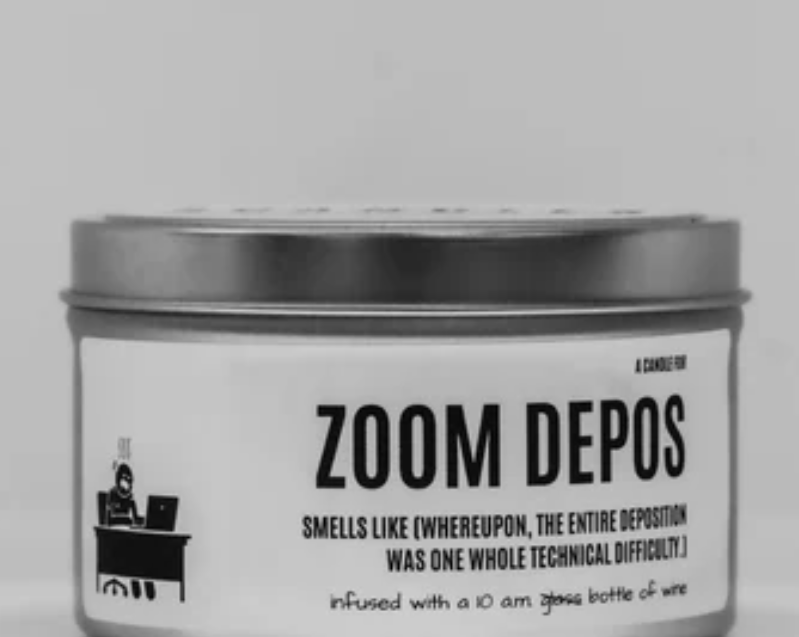
In the age of Zoom depositions, competing recordings raise more than technical concerns — they strike at the integrity of the record. When attorneys attempt to capture their own audio, they risk violating consent laws, breaching confidentiality, and undermining the court reporter’s role. Protecting the official record sometimes means halting proceedings, even when it costs time and money.
Who’s Reading the Jurors’ Notes? A Confidentiality Breach Hiding in Plain Sight

After a jury trial concluded, I witnessed a courtroom assistant reading through jurors’ notebooks for entertainment—laughing, speculating, and sharing contents with the clerk. Juror notes are confidential and must be destroyed, not treated like gossip fodder. This isn’t just unprofessional—it’s a breach of trust that undermines the integrity of our justice system.
The Ethical Crossroads of Technology in Law – Why Attorneys Must Defend Human Court Reporters

Attorneys have an ethical obligation to verify the integrity of the record. Yet ASR transcripts, often created without disclosure or certification, are slipping into legal proceedings unchecked. With error rates nearing 30%, no human accountability, and real risks to confidentiality, lawyers must take a stand. Certified human stenographers remain the gold standard. Accept no substitutes—your client’s rights may depend on it.
 STENOIMPERIUM