
Court reporting technology vendors are not Big Tech. They are small, specialized companies serving a shrinking professional market. Expecting instant, round-the-clock concierge support misunderstands the realities of the industry. Professional competence requires patience, self-sufficiency, and deep knowledge of one’s tools. When a reporter’s livelihood depends entirely on immediate vendor intervention, the risk is not poor service—it is misplaced dependency.
Tag Archives: chatgpt
Opinion: Texas Isn’t Confused About Digital Reporting — Only the Vendors Are

Texas is not confused about digital reporting — only the vendors are. Esquire, U.S. Legal, and Veritext recast a business model as a legal right, insisting courts ignore reliability gaps, nonexistent licensure, and the safeguards built directly into Rule 203.6. The trial court didn’t err; it exercised discretion. Corporate convenience is not access to justice, and marketing cannot replace a certified, accountable record.
The Trojan Horse Problem – Why Software Companies Should Not Masquerade as Court Reporting Agencies

Software companies moving into the court reporting agency space do not represent innovation; they represent structural risk. When the same platform controls the technology, the data, and the labor pipeline, independence erodes and normalization begins. The danger is not sudden replacement but gradual acceptance, until reporters become optional upgrades instead of guardians of the record. The profession must recognize this encroachment and defend its sovereignty.
Why Judges Cannot Rely on AI Captions – The Legal and Ethical Imperative of Certified Realtime

Judges may think AI captions save money, but the law is clear: only a certified court reporter can create the official record. ASR is error-prone, insecure, and unauthorized — and I’ve personally seen judges forced into readback when captions got it wrong. Bridge with Boost offers the lawful, accurate, profession-saving alternative that protects evidentiary integrity, judicial ethics, and access to justice.
Why Congress Must Hold Hearings on the Integrity of Court Reporting in the Age of Digital Recording and AI

Congress must investigate: Who protects the record when justice is on the line? The integrity of the legal record is at risk. Attorneys report defective transcripts, hidden digital recorders, and AI posing as stenographers. This isn’t just an industry dispute — it threatens due process nationwide. Congress must act. A hearing is urgently needed to expose these practices, enforce responsible charge, and protect the record. Our democracy depends on accurate transcripts.
What If the United States Made Your Voice and Likeness Your Property?

What if your voice became your legal property? Denmark’s proposed law could make every voice and likeness owned — with takedowns and royalties for unauthorized use. If the U.S. follows, ASR and digital reporting face huge risks, while stenographers become the gold standard for secure, human-verified transcripts. In a world of deepfakes, stenography is justice’s strongest safeguard.
Why AI Will Never Replace Human Court Reporters – The Hearsay at the Heart of the Machine

AI is nothing more than a statistical parrot—rearranging old data, guessing the next word. In court, that’s not testimony. That’s hearsay. Only a certified, sworn reporter can deliver a verbatim, admissible record. Machines can imitate, but only humans safeguard justice. Stenography isn’t nostalgia—it’s necessity.
Why Transcribing from Electronic Recordings Is Hearsay — and the Stenographic Profession’s Strongest Defense

AI and electronic recordings can’t replace stenographic reporters. Why? Because transcripts created by someone not present are hearsay — and hearsay is inadmissible. Only a sworn reporter assumes Responsible Charge of the record, accountable under law. AI can’t be punished, fined, jailed, or defend its transcript in court. Without accountability, it’s just unverifiable hearsay.
Outsider Companies Are Knocking – Why Court Reporters Must Push Back and Protect the Profession

Over the past year, a growing number of emails, social media posts, and marketing campaigns have landed in court reporters’ inboxes. The message is always the same: “Join us. Work with us. We’re the future of legal reporting.” Recently, one such email from a company called Prevail Legal circulated among reporters. Their pitch sounded familiar:Continue reading “Outsider Companies Are Knocking – Why Court Reporters Must Push Back and Protect the Profession”
The Irreplaceable Human Court Reporter – Why AI Will Never Capture the Record

A courtroom is not a lab. It is not a tech demo or a theoretical exercise in “innovation.” It is a crucible where freedom, reputation, livelihood, and even personal safety are decided every day. The people who work there know this truth in their bones: the record matters. And when it comes to creating thatContinue reading “The Irreplaceable Human Court Reporter – Why AI Will Never Capture the Record”
The Otter Lawsuit – AI, Privacy, and the Fight Over Consent

A groundbreaking lawsuit has been filed against Otter.ai, a company known for its AI-powered meeting transcription and recording services. At the center of the complaint is a fundamental question: Can AI companies record, transcribe, and train on private conversations without the explicit consent of all participants? The lawsuit, which touches multiple federal and state privacyContinue reading “The Otter Lawsuit – AI, Privacy, and the Fight Over Consent”
When Robots Win Trophies – What It Means for the Future of Stenography

A robot holding a trophy may symbolize progress, but in the courtroom, it represents a dangerous shortcut. While AI may offer speed, only a human stenographer ensures accuracy, accountability, and justice. When automation wins the spotlight, due process can lose. Let’s not trade trust for tech.
The High Cost of Convenience – How Digital Court Reporting Risks Destroying the Profession It Claims to Modernize

As court reporting agencies rush to adopt AI and digital tools, they risk undermining the very profession they rely on. Accuracy, ethics, and human expertise are being sacrificed for speed and cost. Agencies must choose: innovate with reporters, or replace them entirely—and suffer the consequences. The legal system deserves better than a transcript powered by hope and algorithms.
Why Human Stenographers Still Outperform AI in the “Cocktail Party” Problem—and Always Will in Legal Proceedings

AI still can’t match human stenographers—especially in legal settings. From overlapping speech and accents to emotional testimony, the “cocktail party problem” is far from solved. Only a certified court reporter can deliver 99% accuracy, real-time clarification, and a legally admissible record. Don’t fall for the hype. Humans are still the gold standard.
How Court Reporting Can Survive and Thrive in the Age of AI and ASR
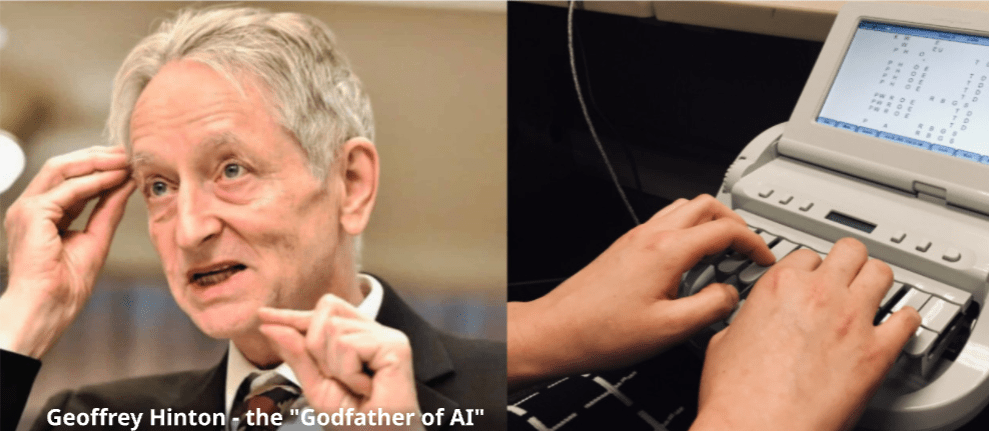
Court reporting isn’t just transcription — it’s the human backbone of justice. Whether using a steno machine or voice mask, stenographers capture the spoken word in real time to create certified, accurate records that AI simply can’t replicate. In the face of automation, our unity, skill, and accountability will define our survival. We aren’t obsolete — we’re indispensable. And now is the time to prove it.
ASR in Court Reporting – Tool, Threat, or Transformation?

As court reporting faces increasing pressure from digital disruption, the debate over ASR (Automatic Speech Recognition) intensifies. Can it be used responsibly — or does its adoption spell the end of human-led recordkeeping? This article explores the nuanced question: If ASR is wielded by a trained, licensed stenographer, does it become a tool — or remain a threat? The future of our profession may hinge on the answer.
The Future of Court Reporting & Why the Fight Is Now—And Why You Should Step Into Your Place & Join

A student recently asked me: “What are the chances of AI putting court reporters out of work in the next five to ten years?” The honest answer? It’s a tricky question. Because we’re not looking at a slow fade—we’re standing at a tipping point. The next one to three years will determine everything. There’s seriousContinue reading “The Future of Court Reporting & Why the Fight Is Now—And Why You Should Step Into Your Place & Join”
Save Steno Now, or Lose It Forever – Why Court Reporters Can’t Be Replaced by AI

Court reporting isn’t dying—it’s evolving. With overflowing steno schools, waitlists, and voicewriters accelerating training, we’re meeting demand. The real threat isn’t a shortage—it’s premature replacement by AI. If we let this profession collapse, we lose the infrastructure that guarantees accuracy in our justice system. If you want us tomorrow, you must choose to support us today—before it’s too late.
Court Reporters Are The Most Advanced Professionals in Realtime Transcription

Court reporting isn’t old-fashioned—it’s the most advanced transcription method in existence. Digital recording takes us back 100 years, while AI struggles with accuracy. Court reporters, powered by cutting-edge steno CAT software like Eclipse Boost, harness AI to enhance speed and precision—without losing control. No machine can match our expertise, adaptability, or real-time accuracy. We’re not outdated—we’re indispensable. 💯 #CourtReporting #StenoTech
Fighting Like Hell to Save the Stenography Profession Through Innovation, Grit, and Perseverance

The stenography profession is at a crossroads, facing threats from AI and digital transcription. But history shows that industries on the brink can fight back. By embracing innovation, public awareness campaigns, high school outreach, and social media engagement, stenographers can reclaim their place as the gold standard in legal documentation. It’s time to fight like hell—because the future of stenography depends on it.
The Battle Between Humans and AI in Court Reporting

The battle between humans and AI in court reporting is intensifying as Automatic Speech Recognition (ASR) technology advances. While ASR promises faster, cost-effective transcriptions, its current 76% accuracy rate still falls short in legal proceedings, where precision is critical. Human court reporters maintain an edge with their contextual understanding, adaptability, and ability to transcribe multiple speakers, ensuring accuracy that AI currently cannot match.
The Dangers of Relying on AI Notetakers During Depositions

AI notetakers in legal depositions and trials offer convenience, but they come with significant risks. Issues like consent, privacy breaches, data security, and potential inaccuracies can undermine confidentiality and compromise attorney-client privilege. Missteps can lead to unintended disclosures, jeopardizing sensitive information. For these reasons, hiring a certified court reporter remains the safest choice to ensure accuracy, confidentiality, and compliance in legal proceedings, safeguarding the integrity of the record.
The Dangers of Judges Using AI on the Bench

AI in the courtroom poses significant risks, including misinterpretation, bias, and lack of transparency. A real case highlighted how AI mistranslated a witness’s statement, nearly leading to a judicial error. Judges relying too heavily on AI may undermine fairness and accuracy in legal proceedings. To ensure justice, AI should remain an assistive tool, with human oversight and strict ethical guidelines governing its use.
Why AI in Microsoft Teams Meetings Could Be Bad News for Court Reporters

AI-driven transcription in Microsoft Teams is reshaping court reporting, posing potential threats to the profession. While AI enhances efficiency with real-time transcription, it struggles with accuracy, legal jargon, and contextual nuances. Court reporters offer human expertise in capturing complex speech and ensuring legal records’ integrity. As AI advances, the industry must balance innovation with human oversight to maintain accuracy, accountability, and job security in legal proceedings.
AI and Digital Technology in Court Reporting: Not the Revolution It Was Thought to Be
AI was expected to revolutionize court reporting, promising efficiency, accuracy, and cost savings. However, its real-world application has fallen short. AI struggles with legal terminology, misinterpretation, and lacks adaptability to courtroom nuances. Concerns over accuracy, trust, and job security persist among professionals. Rather than replacing stenographers, AI’s future lies in assisting them, ensuring legal records maintain the precision and reliability that human expertise provides.
Rethinking the “Digital Court Reporting Revolution”

The legal documentation landscape is rapidly transforming as Court Reporting Agencies (CRAs) integrate digital solutions and AI to meet growing demands for accuracy and accessibility. By embracing AI-powered transcription, human-AI collaboration, and automated workflows, CRAs can enhance efficiency, expand service capacity, and maintain high standards of legal accuracy. This shift towards hybrid models and advanced security standards will reshape the future of court reporting in 2025 and beyond.
 STENOIMPERIUM