
Corporate newsletters now celebrate “community” and “professional pride” while quietly advancing business models that make those same professionals optional. When private-equity-backed firms praise stenographers as essential yet invest in scalable digital replacements, the contradiction isn’t accidental — it’s strategic. Celebration becomes optics management, not advocacy, and reporters are left to reconcile flattering words with an economic reality moving in the opposite direction.
Tag Archives: business
The Illusion of Unity – When “Movement” Becomes Message Control

The rise of “STENO United” and the Fearless Stenographers Conference reflects a growing trend in our field: advocacy transformed into spectacle. Inspiration becomes insulation when branding replaces transparency, and unity becomes a tool for silencing dissent. Our profession doesn’t need one movement claiming moral authority—it needs distributed, ethical leadership grounded in accountability, not curated mythology.
The Trojan Horse Problem – Why Software Companies Should Not Masquerade as Court Reporting Agencies

Software companies moving into the court reporting agency space do not represent innovation; they represent structural risk. When the same platform controls the technology, the data, and the labor pipeline, independence erodes and normalization begins. The danger is not sudden replacement but gradual acceptance, until reporters become optional upgrades instead of guardians of the record. The profession must recognize this encroachment and defend its sovereignty.
Why Transcript Correction Disputes Are Rising — And Where the Problem Originated

Certified court reporters are seeing a rise in large-scale transcript correction requests, but the issue is not declining reporter skill. It stems from the increased use of digital audio and ASR-generated transcripts being treated as equivalent to stenographic reporting. Once attorneys began comparing transcripts with software tools, the inconsistencies became clear. Accuracy starts at the point of capture, and the method matters.
Agencies Exploit Reporters Twice – Once for Their Labor, Once for Their Marketing

Court reporting agencies profit twice: first from our labor, then by conscripting us as unpaid sales reps. Some agencies do better, but one is too many. Reporters are not brand ambassadors, cookie pushers, or mock jurors. We are officers of the court, and when neutrality is compromised, justice itself is at risk. Agencies must change — or be called out.
Why Congress Must Hold Hearings on the Integrity of Court Reporting in the Age of Digital Recording and AI

Congress must investigate: Who protects the record when justice is on the line? The integrity of the legal record is at risk. Attorneys report defective transcripts, hidden digital recorders, and AI posing as stenographers. This isn’t just an industry dispute — it threatens due process nationwide. Congress must act. A hearing is urgently needed to expose these practices, enforce responsible charge, and protect the record. Our democracy depends on accurate transcripts.
Digital Reporting, AI, and the Future of Court Reporting – Allegations, Lawsuits, and Industry Implications

Veritext’s reliance on digital recording and AI transcripts is finally facing attorney pushback—and possible lawsuits. For years, I’ve warned that agencies exploit loopholes like “agency certificates” to bypass stenographers. Without a responsible charge statement, the legal record is at risk of fraud and failure. It’s time for attorneys and reporters alike to demand accountability and protect the integrity of the record.
The Knox County Privacy Breach – A Wake-Up Call on Confidentiality and Professional Duty

A hidden microphone at the Knox County courthouse exposed private meetings and cost three officials their careers. Beyond Nebraska, the message is clear: confidentiality is the backbone of justice. Court reporters, attorneys, and judges alike must protect the record, audit technology, and guard against shifting liability. Trust, once lost, is nearly impossible to restore.
Outsider Companies Are Knocking – Why Court Reporters Must Push Back and Protect the Profession

Over the past year, a growing number of emails, social media posts, and marketing campaigns have landed in court reporters’ inboxes. The message is always the same: “Join us. Work with us. We’re the future of legal reporting.” Recently, one such email from a company called Prevail Legal circulated among reporters. Their pitch sounded familiar:Continue reading “Outsider Companies Are Knocking – Why Court Reporters Must Push Back and Protect the Profession”
The Case for Court Reporter Cost Transparency and Industry Reform

Attorneys are furious over rising court reporting costs—but the truth is, reporters aren’t the ones profiting. Agencies are marking up per diems by 100–200%, keeping fees for add-ons like exhibits and digital access, while reporters see less than half. It’s time for legislative reform, transparency, and a fair compensation model that protects the profession—and restores integrity to the legal record.
How Court Reporting Can Survive and Thrive in the Age of AI and ASR
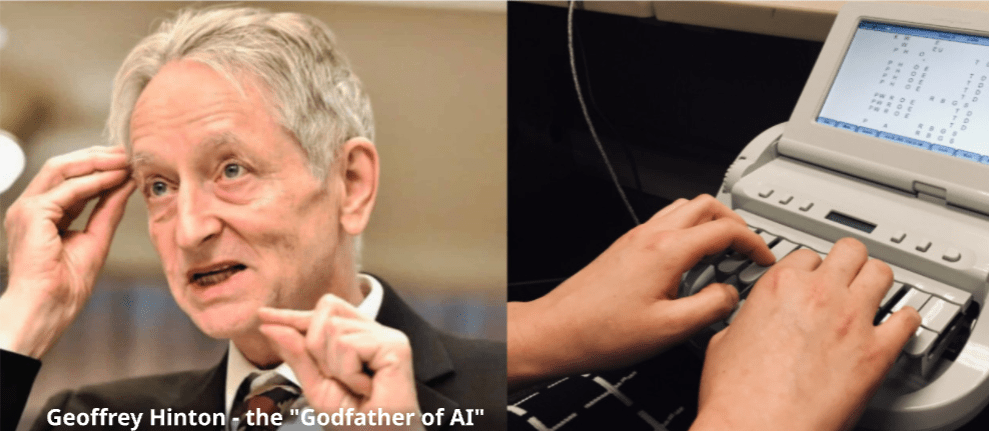
Court reporting isn’t just transcription — it’s the human backbone of justice. Whether using a steno machine or voice mask, stenographers capture the spoken word in real time to create certified, accurate records that AI simply can’t replicate. In the face of automation, our unity, skill, and accountability will define our survival. We aren’t obsolete — we’re indispensable. And now is the time to prove it.
Why AAERT-Certified Digital Reporters Are Not the Answer to the Court Reporter Crisis
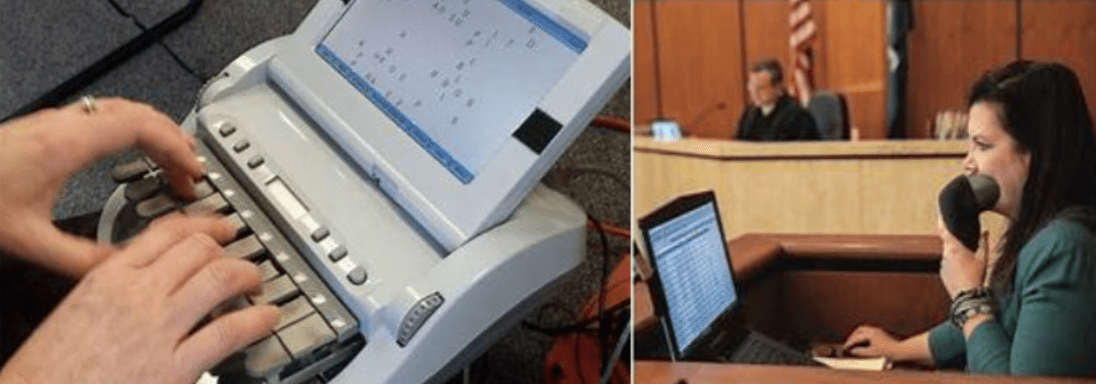
Digital reporters certified by AAERT are not equivalent to licensed court reporters. They don’t write realtime, certify records on the spot, or meet the legal standards required in high-stakes proceedings. While digital recording may seem like a quick fix for shortages, it risks long-term damage to the integrity of the record. The solution isn’t substitution—it’s investment in the gold-standard profession that’s already working.
The Scopist Crisis – A Silent Threat to the Integrity of Court Reporting
The scopist shortage is becoming a hidden crisis in court reporting. Too many unqualified applicants—often unfamiliar with software like StenoCat32—are delivering error-filled transcripts that compromise accuracy and trust. As court reporters face mounting pressure, it’s time to demand better training, certification, and collaboration from those supporting our record.
ASR in Court Reporting – Tool, Threat, or Transformation?

As court reporting faces increasing pressure from digital disruption, the debate over ASR (Automatic Speech Recognition) intensifies. Can it be used responsibly — or does its adoption spell the end of human-led recordkeeping? This article explores the nuanced question: If ASR is wielded by a trained, licensed stenographer, does it become a tool — or remain a threat? The future of our profession may hinge on the answer.
Crushing it with Carol!

Carol Reed Naughton’s victory in the NCRA VP race is more than a win—it’s a rejection of toxic leadership. In a profession where integrity is often tested, the community chose accountability over ambition, process over performance. This result proves that even in environments where manipulation can thrive, truth still resonates. For every steno who values ethics over ego—this moment is yours.
Should Reporters Be Rallying Behind Shaunise Day?

Shaunise Day has positioned herself as a voice within the court reporting profession—despite never completing certification or working as a licensed reporter. While she promotes events and media under the banner of advocacy, many professionals question her credibility and qualifications. In a field defined by precision and licensure, critics argue that leadership should come from those who’ve earned their place within the industry through experience and certification.
The Hidden Cost of AI and Digital Reporters is A Looming Crisis in the Court Reporting Industry

As agencies and tech vendors chase profits, they’re offloading transcript cleanup onto scopists and proofreaders, driving up subcontractor rates and forcing court reporters to raise theirs just to survive. Attorneys balk at rising costs, unaware reporters are earning the same as decades ago. This shift isn’t just inefficient—it feels intentional, pushing experienced professionals out to make way for cheaper, lower-quality digital alternatives masked as innovation.
The California Court Reporting Crisis and How the System Undermines Its Own Professionals

California court reporters are being edged out as agencies prioritize out-of-state labor for remote jobs—often at the expense of legal compliance. Despite clear transcript standards, violations go unchecked due to the CRB’s lack of enforcement authority. Without reforms to licensing, job assignment transparency, and regulatory power, California’s reporting professionals face burnout, underemployment, and a system that no longer supports the high standards it claims to uphold.
Fixing Court Reporting Compensation – Why the FairSplit Proposal Deserves a Second Look

The FairSplit proposal aims to restore fairness and transparency to court reporting by introducing a revenue-sharing model between agencies and reporters. Instead of fixed rates, it advocates for equitable percentage splits of all billables, including per diems. This empowers independent reporters, promotes ethical agency practices, and offers a sustainable alternative to the venture-capital-driven status quo prioritizing profit over professionalism. It’s time to reclaim control of our profession.
Fixing the Broken Court Reporting Compensation Model: A FairSplit™ Proposal

Court reporters are vital to the legal system but are often underpaid and overworked. The FairSplit™ model aims to fix that with a fairer compensation structure—70/30 revenue splits, transcript ownership rights, and 100% per diem pay. It’s a blueprint for restoring dignity, transparency, and sustainability in the profession. FairSplit™ is more than a model—it’s a movement for justice in justice.
The Silent Professionals – What Court Reporting Teaches Us About High-Potential Employees

Court reporters are the silent professionals who exemplify high-potential traits: initiative, integrity, focus, and continuous growth. Though often overlooked, their precision and professionalism mirror what makes top employees thrive in any field. They work without drama, adapt across hierarchies, and know when to speak up. Their quiet discipline reminds us that leadership isn’t always loud—it’s often about doing the right work with unwavering excellence.
Why AAERT Certification Falls Short in the Court Reporting Profession

AAERT certification may exist, but it does not meet the rigorous standards of licensed stenographic court reporters. Unlike stenographers, who provide realtime, verifiable transcripts and are held to strict legal and ethical codes, AAERT-certified digital reporters often work with less oversight and accountability. In high-stakes legal proceedings, accuracy and reliability are paramount — and that’s why stenography remains the trusted standard in the court reporting profession.
The Silent Squeeze! How Insurance Companies and Contracting Are Crippling Court Reporters—and How to Fight Back

Insurance company contracting is quietly destroying the court reporting profession. Illegal in many states but rarely enforced, this practice strips independent reporters of long-time clients, undermines transcript integrity, and centralizes control in the hands of big-box firms. We must educate attorneys, demand legal enforcement, and organize as a profession. This is more than business—it’s about preserving justice, impartiality, and the future of court reporting.
The Hidden Hands in the Courtroom – How Insurance Companies Are Undermining Court Reporting and What We Can Do About It

Insurance companies are quietly driving the shift from certified stenographers to digital court reporting, prioritizing cost-cutting over courtroom accuracy. This threatens the integrity of legal records, disproportionately harms vulnerable litigants, and benefits insurers when ambiguity delays or denies justice. Certified stenographers are essential to preserving the truth in legal proceedings—replacing them with flawed technology compromises fairness in our courts. It’s time to protect professionalism over profit.
Membership Boundaries Are Not Exclusion – A Counterpoint to Christopher Day

Professional associations like NCRA and CalDRA exist to serve their members — and that includes offering member-only social media spaces. Restricting access isn’t exclusion; it’s about delivering value to those who support the organization. While open forums like Stenonymous have their place, national associations have a different mission. The real challenge isn’t access — it’s ensuring membership remains meaningful, relevant, and worth the investment.
A Gentle and Straightforward Reply to Christopher Day’s Response
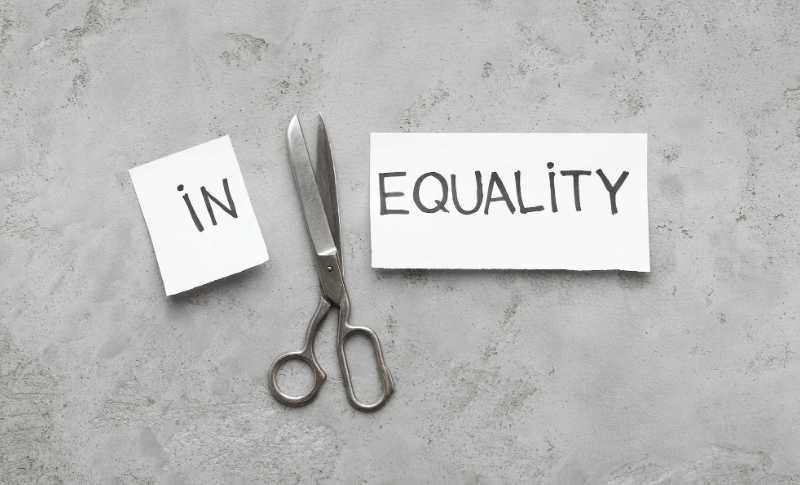
Digital pay parity might sound fair, but it risks blurring the line between skilled stenographers and less-trained digital reporters. Instead of raising digital to match steno, we should protect the value of expertise and focus on raising industry standards. Pay equality alone won’t stop corporations from chasing cheaper options — quality, skill, and human judgment are what truly set stenographers apart and secure their future.
Court Reporter Payment Delays – What California Law Says and How to Respond When Agencies Stall

In the world of freelance court reporting, payment disputes are an all-too-common headache. One of the most frustrating scenarios is when a court reporting agency delays payment to the reporter because they themselves haven’t been paid by the attorney or law firm requesting the transcript. For years, this practice left reporters in financial limbo, despiteContinue reading “Court Reporter Payment Delays – What California Law Says and How to Respond When Agencies Stall”
Antitrust Concerns in Court Reporting and Navigating the Legal Landscape
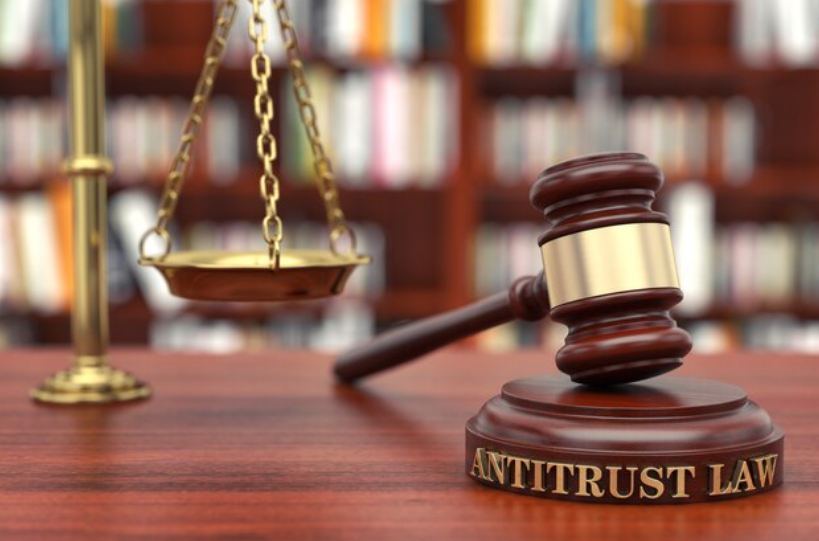
Introduction Antitrust laws exist to ensure fair competition in the marketplace. While court reporting may not seem like a typical industry subject to antitrust scrutiny, it is not exempt from these legal principles. Recent discussions within professional associations, such as the Texas Court Reporters Association (TEXDRA), highlight the importance of understanding what court reporters, includingContinue reading “Antitrust Concerns in Court Reporting and Navigating the Legal Landscape”
Building Strong Networks as a Court Reporter: Identifying People Who Will Advocate for You

Building strong professional networks is essential for court reporters. By observing how others behave, how they network, and what feedback they receive, you can identify those most likely to advocate for you. People who highlight others’ achievements, share opportunities, and offer support without expecting anything in return are key connections. Likewise, being a generous, supportive professional fosters reciprocal relationships that help propel your career forward.
Court Reporters Are The Most Advanced Professionals in Realtime Transcription

Court reporting isn’t old-fashioned—it’s the most advanced transcription method in existence. Digital recording takes us back 100 years, while AI struggles with accuracy. Court reporters, powered by cutting-edge steno CAT software like Eclipse Boost, harness AI to enhance speed and precision—without losing control. No machine can match our expertise, adaptability, or real-time accuracy. We’re not outdated—we’re indispensable. 💯 #CourtReporting #StenoTech
Taming the Tech Tyrant: Conquering the Chaos of Courtroom Correspondence

Is your inbox overflowing, distracting you, and slowing down your productivity? Court reporters deal with constant email communication, but without a system, it can become overwhelming. By adopting structured strategies—such as scheduled inbox management, the “Four Ds” decision-making method, and email automation tools—you can regain control. Improve efficiency, reduce stress, and turn your email from a burden into a productivity-boosting tool today!
The Digital Court Reporting Scam – How Aspiring Court Reporters Are Being Duped
Digital court reporting programs are misleading aspiring court reporters, especially in states like California, where digital recording of legal proceedings is illegal. Many students invest time and money in these courses, only to find out they do not lead to licensure. Universities continue to offer these programs for profit, despite their lack of credibility. Prospective students must research and choose accredited stenographic training instead.
Success of a Court Reporter: Defining and Measuring Achievement

Success in court reporting comes in many forms—financial stability, professional influence, and personal fulfillment. Whether measured by certifications, income, client demand, leadership roles, or even luxury lifestyles like exotic cars and designer bags, success remains subjective. True excellence, however, lies in the quality of work produced. The real measure is not just perception but the accuracy, reliability, and impact a court reporter leaves behind.
Attorneys: A Great Transcript Starts with YOU!

Attorneys play a crucial role in ensuring an accurate court transcript. By speaking clearly, marking exhibits properly, understanding turnaround times and costs, and providing spellings for unusual names or terms, attorneys can help court reporters create a flawless record. Treating court reporters as neutral professionals and being mindful of off-the-record conversations further contributes to maintaining a clear, reliable, and professional transcript. Collaboration leads to success!
Appeals and Court Reporters The Frustrations and Need for Change

The appeals process for court reporters is plagued by inefficiencies, unresponsiveness, and unnecessary burdens placed on responsible professionals. Instead of chasing down transcripts, each reporter should be required to upload their own work by a set deadline. A more structured, accountable system will ensure fairness, reduce delays, and maintain professionalism. It is time for change in Los Angeles County’s approach to handling appeals.
AB 711 A Missed Opportunity for Court Reporting Reform in California

AB 711 aims to address California’s court reporter shortage by requiring attorneys to disclose whether they will provide a certified shorthand reporter for hearings. However, industry experts argue the bill is a superficial fix, ignoring more effective solutions, like CoverCrow – a tech-driven platform that streamlines reporter scheduling and distributes court reporter resources more efficiently, eliminating the double appearances. True reform requires embracing innovation, expanding education programs, and fostering mentorship to sustain the profession.
Court Reporters Must Go West!

Court reporters today face a growing demand for services, much like pioneers seeking new paths to the American West. By leveraging platforms like CoverCrow, which connects reporters and agencies, the profession can build efficient, collaborative “roads” to meet these demands. With centralized job boards and seamless communication, court reporters can cover work across the country, ensuring efficiency and accuracy while maintaining traditional methods of reporting.
The Consequences Attorneys Face for Using Digital Court Reporters in States Requiring Licensed Court Reporters

Attorneys who use digital court reporters in states requiring licensed professionals risk severe consequences. Courts may impose fines, revoke privileges, and hold attorneys accountable for noncompliance. The Morgan & Morgan case underscores the importance of verifying legal filings and ensuring compliance. Attorneys must review filings, confirm legal requirements, and avoid shortcuts that could lead to sanctions, financial penalties, and reputational damage.
How the NCRA Can Increase Its Membership and Thrive Again

The NCRA can revitalize its membership by advocating for state-mandated certification, ensuring legal recognition and job security for court reporters. By lobbying for standardized state licensing, transitioning from proprietary certifications, and fostering industry partnerships, the NCRA can strengthen career stability and elevate professional standards. This bold shift would cement court reporters’ essential role in the legal system and make the organization more relevant than ever.
AI and Digital Technology in Court Reporting: Not the Revolution It Was Thought to Be
AI was expected to revolutionize court reporting, promising efficiency, accuracy, and cost savings. However, its real-world application has fallen short. AI struggles with legal terminology, misinterpretation, and lacks adaptability to courtroom nuances. Concerns over accuracy, trust, and job security persist among professionals. Rather than replacing stenographers, AI’s future lies in assisting them, ensuring legal records maintain the precision and reliability that human expertise provides.
Has Digital Reporting Crossed the Rubicon in Court Reporting?

Digital reporting is reshaping the court reporting industry, moving from early adoption into the mainstream. AI-driven transcription tools, cost efficiency, and a stenographer shortage drive its growth. However, legal challenges and potential legislative bans pose barriers. As firms adopt hybrid models, traditional stenographers must adapt. The shift is inevitable—where will the industry stand as digital reporting continues its rise?
The Hidden Truth About Unpaid Transcript Copy Orders in the Legal Industry

Unpaid transcript copy orders are a hidden issue in the court reporting industry, often resulting in lost income for reporters. Some agencies may fail to disburse payments, either through oversight or lack of transparency. By tracking orders, following up on payments, and advocating for industry accountability, court reporters can protect themselves. Awareness and vigilance are crucial to ensuring fair compensation for their hard work.
Stenograph’s Price Hike Raises Antitrust Concerns
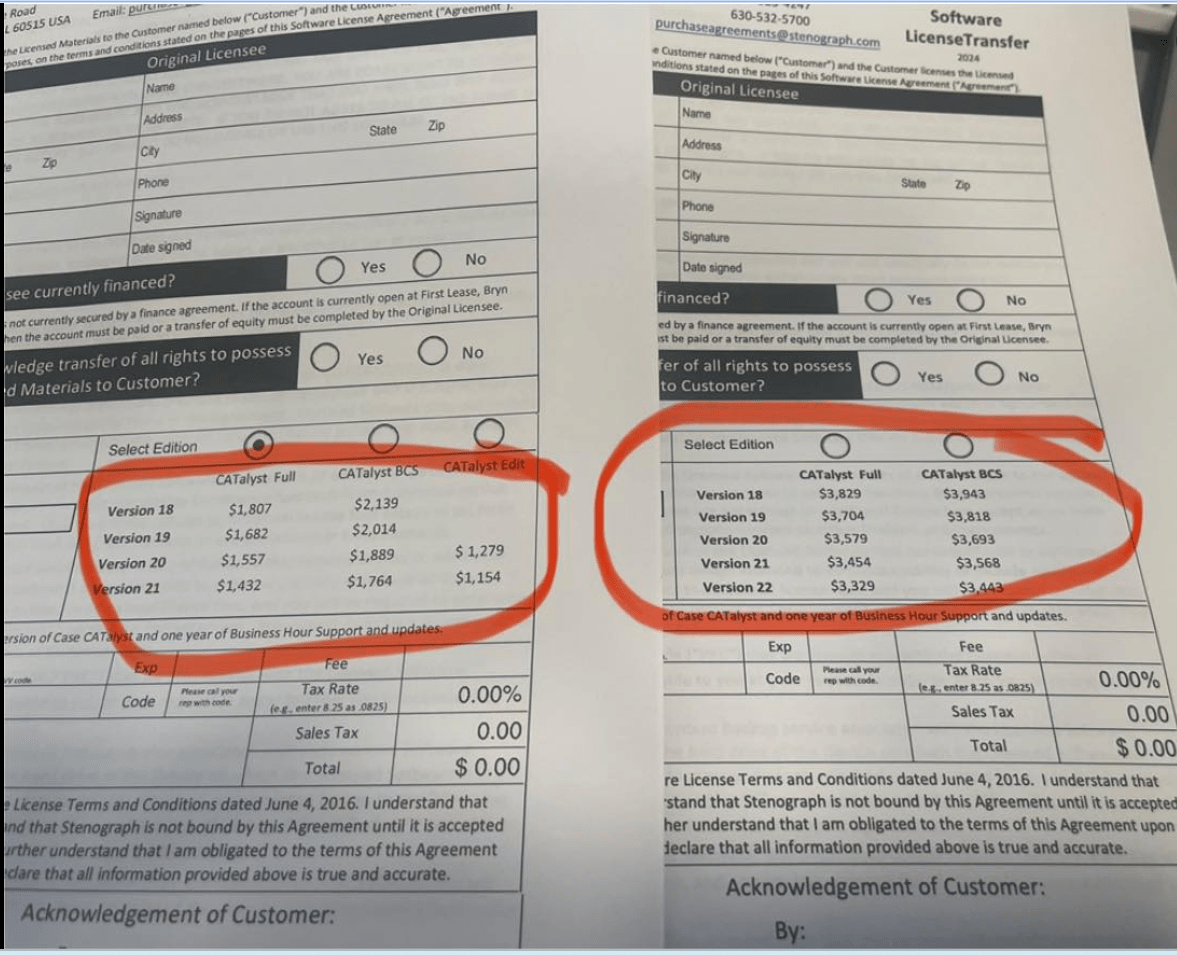
A recent consumer post highlights a significant increase in Stenograph’s software license transfer fees, jumping from $1,400 to $3,400. This price hike raises concerns about anti-competitive practices, potentially restricting competition and harming retiring professionals who rely on selling their software. The situation mirrors historical antitrust cases, prompting questions about whether Stenograph’s actions could violate antitrust laws, potentially leading to legal challenges and investigations into monopolistic behavior.
The Hidden Costs of Replacing Human Court Reporters with Digital Alternatives

Agencies charge attorneys the same fees for both digital court reporters and traditional stenographers, so there are no upfront savings when choosing digital alternatives. Despite the initial cost being the same, certified shorthand reporters ultimately save law firms money by ensuring accurate, reliable transcripts. They help avoid costly mistakes, delays, and legal challenges, offering more value and protecting a firm’s reputation compared to digital reporting methods.
Regulating Technology in Court Reporting
The rise of artificial intelligence (AI) and automatic speech recognition (ASR) threatens the accuracy and integrity of court reporting. These technologies are unreliable in legal settings, where precision is critical. To protect due process, strict regulations must prohibit AI and ASR from replacing certified human court reporters. Upholding the principle of “Responsible Charge” ensures accountability, ethical standards, and the continued trustworthiness of legal transcripts.
The FBI’s Battle Against Transnational Crime and the Shadowy Operations of Steno Nexus

FICTION, SHORT STORY: Steno Nexus, led by the enigmatic Serena Vale, operates as a respected legal industry firm—while secretly laundering money for a transnational criminal network. Under FBI scrutiny, its façade is unraveling, revealing deep connections to illicit enterprises. As investigators close in, the fate of this hidden empire hangs in the balance.
When Your Job Gets “Canceled” but You Catch It Billing Anyway

Some court reporters discover their “canceled” jobs were reassigned to digital reporters without notice. This deceptive practice undermines stenographers and affects legal record quality. By informing attorneys and holding agencies accountable, reporters can combat these unethical tactics and protect both their profession and the integrity of legal proceedings.
The Impact of Corporate Mergers on the Court Reporting Industry: A Growing Crisis

The consolidation of the court reporting industry by large corporations like Veritext has led to higher prices, reduced service quality, and worker exploitation. As smaller firms are acquired, competition dwindles, leaving consumers and court reporters vulnerable. This growing monopoly stifles innovation and creates barriers for aspiring professionals. Regulatory action is crucial to restore fairness, protect workers, and ensure consumers aren’t overcharged for essential legal services.
Corporate Sponsorships Solicited by a For-Profit Steno, LLC, but with No Business Entity in California
Shaunise Day’s for-profit LLC, Steno In The City, raised over $100,000 in corporate sponsorships for an event in California, but without being properly registered as a business entity in the state. This violation of California business laws could result in significant legal and criminal consequences, including fines, tax evasion charges, and potential civil lawsuits from sponsors. Proper registration is crucial to avoid such legal pitfalls.
Digital Court Reporting: Trying to Disrupt the Stenographic Industry in the Same Way Uber Revolutionized Transportation

Digital court reporting is disrupting the traditional stenographic industry much like Uber revolutionized transportation. By leveraging advanced audio, video, and AI-driven transcription systems, digital reporting offers faster, more cost-effective, and scalable solutions. With benefits like real-time access and reduced labor costs, digital court reporting is reshaping how legal professionals handle court transcripts, improving accessibility and efficiency in the legal process, similar to Uber’s impact on the taxi industry.
 STENOIMPERIUM