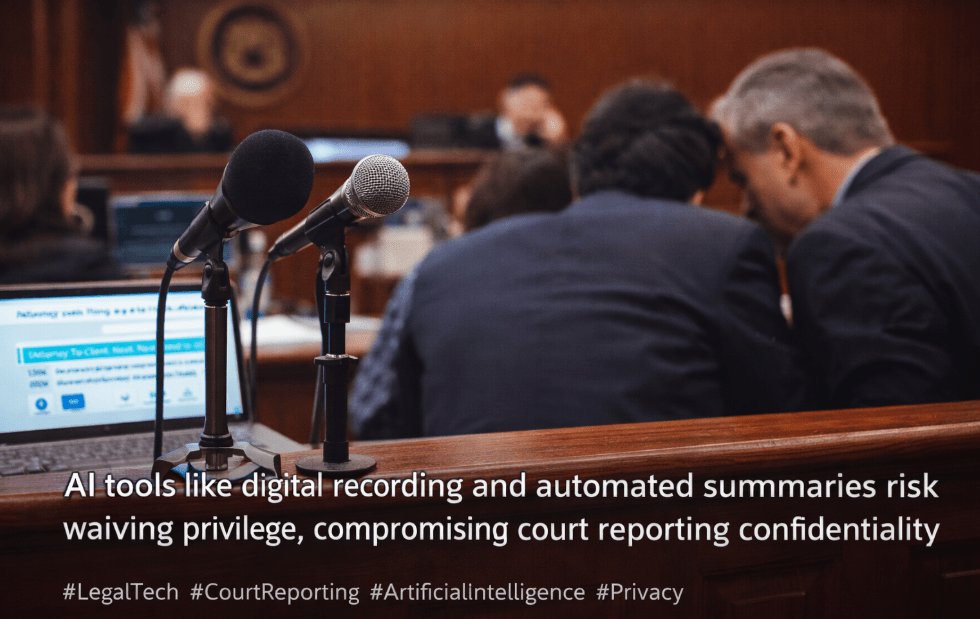
A federal court has drawn a stark line: conversations with AI systems are not privileged. That conclusion reaches far beyond chatbots. Digital recordings, automated deposition summaries, and cloud transcript analytics may transform confidential litigation strategy into discoverable material. The issue is no longer convenience versus tradition — it is custody versus disclosure. When legal data leaves human control, the record itself may become evidence.
Tag Archives: ArtificialIntelligence
When Software Becomes a Silent Witness – Ethics, Technology, and the Coming Evidentiary Reckoning
For the first time, courts are being asked not merely to use technology, but to trust it. As software moves into the evidentiary core of proceedings, responsibility is diffusing, accountability is thinning, and ethical frameworks are lagging behind technical adoption. This is not a workflow shift. It is an evidentiary one.
When Machines Become Witnesses – Why the Federal Judiciary’s AI Evidence Proposal Quietly Reinforces the Role of Court Reporters
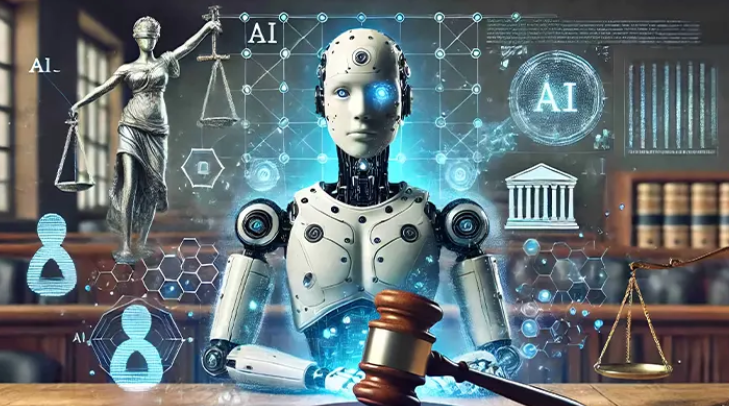
The federal judiciary’s proposed rule on AI-generated evidence quietly draws a critical line: machine output is not inherently trustworthy and must be tested like expert testimony. That distinction reinforces the structural role of court reporters. A certified transcript is a human-governed legal record, not algorithmic evidence. Once the human layer disappears, the court record itself becomes something the law now admits is dangerous.
Why Judges Shouldn’t Rely on AI Yet – A Cautionary Case Against Generative AI in the Courts

As courts experiment with generative AI, the judiciary risks embracing a technology that is not yet reliable, transparent, or safe enough for justice. From hallucinated legal authority to inaccurate ASR records, today’s AI systems already struggle with basic courtroom functions. Introducing them into judicial workflows now risks compromising confidentiality, fairness, and public trust at the very moment the courts can least afford it.
The AI Question Everyone Is Asking—And Almost Everyone Is Answering Wrong

The AI debate in court reporting and captioning is being framed incorrectly. This is not about whether humans are “better” than machines. It is about risk, accountability, and appropriate use. AI may assist in low-stakes contexts, but when the record carries legal or reputational consequences, decision-makers still need a licensed professional who can certify, correct, and stand behind the work.
When the Machine Gets It Wrong, Who Pays the Price?

Courts have been clear: artificial intelligence may assist lawyers, but it does not absolve them. When ASR systems miss testimony or AI summaries omit critical facts, responsibility does not vanish into the software. It lands squarely on the professionals who relied on it. As automation reshapes the legal record, a new reckoning over accountability is quietly approaching.
When Capital Moves Faster Than the Courts – AI, Evidence, and the Next Legal Reckoning

As venture capital floods legal technology, artificial intelligence is being woven into the heart of litigation—often faster than courts, ethics rules, or evidentiary standards can respond. Tools that summarize testimony or generate chronologies promise efficiency, but raise unresolved questions about reliability, consent, and admissibility. History shows that when automation outpaces scrutiny, courts eventually intervene—sometimes after irreversible damage has already been done.
Hiring to Train AI – When Data Collection Crosses the Line

TransPerfect’s $30 “Remote Data Contributor” job isn’t just harmless side work — it’s part of a massive AI training pipeline. By paying people to record their voices, companies quietly harvest human speech to teach machines how to sound like us. It’s data extraction disguised as inclusion — and it’s accelerating the automation of human jobs, one voice at a time.
How AI and Digital Reporting Are Undermining Court Reporting – What Every Court Reporter Needs to Know to Protect Their Career

AI and digital reporting technologies are threatening the traditional court reporting profession, but court reporters can safeguard their careers by staying informed, embracing new tools, and advocating for the accuracy and integrity of the court record. Learn how to stay ahead in this evolving landscape and ensure your skills remain essential.
 STENOIMPERIUM