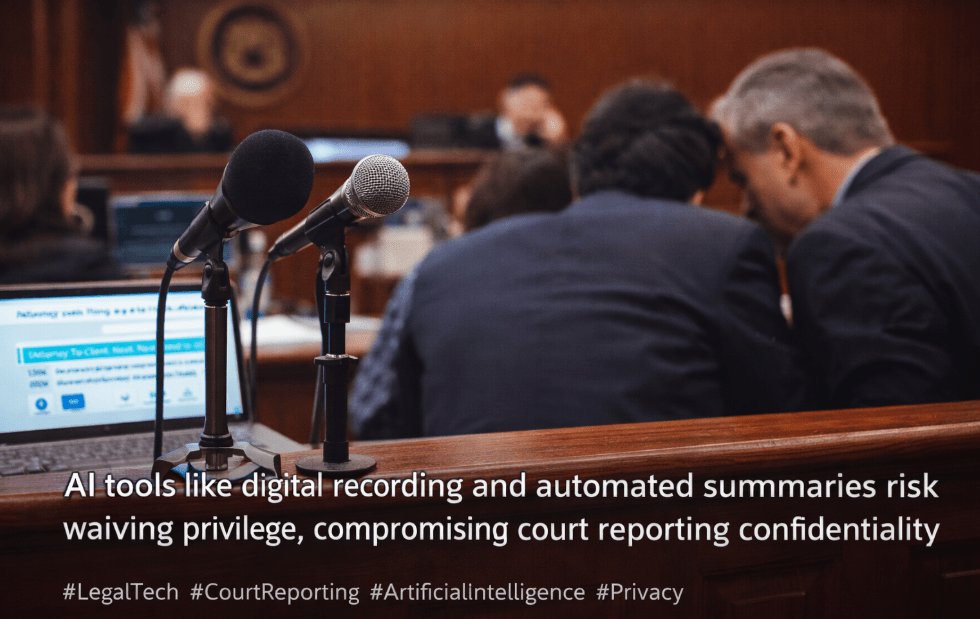
A federal court has drawn a stark line: conversations with AI systems are not privileged. That conclusion reaches far beyond chatbots. Digital recordings, automated deposition summaries, and cloud transcript analytics may transform confidential litigation strategy into discoverable material. The issue is no longer convenience versus tradition — it is custody versus disclosure. When legal data leaves human control, the record itself may become evidence.
Tag Archives: artificial-intelligence
Court Reporters, Technology, and Reality – Resetting Expectations in a Small Industry

Court reporting technology vendors are not Big Tech. They are small, specialized companies serving a shrinking professional market. Expecting instant, round-the-clock concierge support misunderstands the realities of the industry. Professional competence requires patience, self-sufficiency, and deep knowledge of one’s tools. When a reporter’s livelihood depends entirely on immediate vendor intervention, the risk is not poor service—it is misplaced dependency.
Opinion: Texas Isn’t Confused About Digital Reporting — Only the Vendors Are

Texas is not confused about digital reporting — only the vendors are. Esquire, U.S. Legal, and Veritext recast a business model as a legal right, insisting courts ignore reliability gaps, nonexistent licensure, and the safeguards built directly into Rule 203.6. The trial court didn’t err; it exercised discretion. Corporate convenience is not access to justice, and marketing cannot replace a certified, accountable record.
The Trojan Horse Problem – Why Software Companies Should Not Masquerade as Court Reporting Agencies

Software companies moving into the court reporting agency space do not represent innovation; they represent structural risk. When the same platform controls the technology, the data, and the labor pipeline, independence erodes and normalization begins. The danger is not sudden replacement but gradual acceptance, until reporters become optional upgrades instead of guardians of the record. The profession must recognize this encroachment and defend its sovereignty.
Why Transcript Correction Disputes Are Rising — And Where the Problem Originated

Certified court reporters are seeing a rise in large-scale transcript correction requests, but the issue is not declining reporter skill. It stems from the increased use of digital audio and ASR-generated transcripts being treated as equivalent to stenographic reporting. Once attorneys began comparing transcripts with software tools, the inconsistencies became clear. Accuracy starts at the point of capture, and the method matters.
Agencies Exploit Reporters Twice – Once for Their Labor, Once for Their Marketing

Court reporting agencies profit twice: first from our labor, then by conscripting us as unpaid sales reps. Some agencies do better, but one is too many. Reporters are not brand ambassadors, cookie pushers, or mock jurors. We are officers of the court, and when neutrality is compromised, justice itself is at risk. Agencies must change — or be called out.
AI Summaries, CCR 2474, and the Fight Over Who Owns the Record

AI deposition summaries aren’t innovation—they’re exploitation. Agencies are monetizing transcripts into derivative products without consent or compensation, creating unjust enrichment while undermining the integrity of the record. California’s CCR 2474 wasn’t written with AI in mind, but the principle remains: reporters must not be in the business of interpretation. It’s time for contracts, regulation, and reform to safeguard neutrality, fairness, and trust in the transcript.
Why Congress Must Hold Hearings on the Integrity of Court Reporting in the Age of Digital Recording and AI

Congress must investigate: Who protects the record when justice is on the line? The integrity of the legal record is at risk. Attorneys report defective transcripts, hidden digital recorders, and AI posing as stenographers. This isn’t just an industry dispute — it threatens due process nationwide. Congress must act. A hearing is urgently needed to expose these practices, enforce responsible charge, and protect the record. Our democracy depends on accurate transcripts.
Digital Reporting, AI, and the Future of Court Reporting – Allegations, Lawsuits, and Industry Implications
Veritext’s reliance on digital recording and AI transcripts is finally facing attorney pushback—and possible lawsuits. For years, I’ve warned that agencies exploit loopholes like “agency certificates” to bypass stenographers. Without a responsible charge statement, the legal record is at risk of fraud and failure. It’s time for attorneys and reporters alike to demand accountability and protect the integrity of the record.
What If the United States Made Your Voice and Likeness Your Property?

What if your voice became your legal property? Denmark’s proposed law could make every voice and likeness owned — with takedowns and royalties for unauthorized use. If the U.S. follows, ASR and digital reporting face huge risks, while stenographers become the gold standard for secure, human-verified transcripts. In a world of deepfakes, stenography is justice’s strongest safeguard.
Why AI Will Never Replace Human Court Reporters – The Hearsay at the Heart of the Machine

AI is nothing more than a statistical parrot—rearranging old data, guessing the next word. In court, that’s not testimony. That’s hearsay. Only a certified, sworn reporter can deliver a verbatim, admissible record. Machines can imitate, but only humans safeguard justice. Stenography isn’t nostalgia—it’s necessity.
Why Transcribing from Electronic Recordings Is Hearsay — and the Stenographic Profession’s Strongest Defense

AI and electronic recordings can’t replace stenographic reporters. Why? Because transcripts created by someone not present are hearsay — and hearsay is inadmissible. Only a sworn reporter assumes Responsible Charge of the record, accountable under law. AI can’t be punished, fined, jailed, or defend its transcript in court. Without accountability, it’s just unverifiable hearsay.
Outsider Companies Are Knocking – Why Court Reporters Must Push Back and Protect the Profession

Over the past year, a growing number of emails, social media posts, and marketing campaigns have landed in court reporters’ inboxes. The message is always the same: “Join us. Work with us. We’re the future of legal reporting.” Recently, one such email from a company called Prevail Legal circulated among reporters. Their pitch sounded familiar:Continue reading “Outsider Companies Are Knocking – Why Court Reporters Must Push Back and Protect the Profession”
The Irreplaceable Human Court Reporter – Why AI Will Never Capture the Record
A courtroom is not a lab. It is not a tech demo or a theoretical exercise in “innovation.” It is a crucible where freedom, reputation, livelihood, and even personal safety are decided every day. The people who work there know this truth in their bones: the record matters. And when it comes to creating thatContinue reading “The Irreplaceable Human Court Reporter – Why AI Will Never Capture the Record”
The Otter Lawsuit – AI, Privacy, and the Fight Over Consent

A groundbreaking lawsuit has been filed against Otter.ai, a company known for its AI-powered meeting transcription and recording services. At the center of the complaint is a fundamental question: Can AI companies record, transcribe, and train on private conversations without the explicit consent of all participants? The lawsuit, which touches multiple federal and state privacyContinue reading “The Otter Lawsuit – AI, Privacy, and the Fight Over Consent”
When Robots Win Trophies – What It Means for the Future of Stenography

A robot holding a trophy may symbolize progress, but in the courtroom, it represents a dangerous shortcut. While AI may offer speed, only a human stenographer ensures accuracy, accountability, and justice. When automation wins the spotlight, due process can lose. Let’s not trade trust for tech.
The High Cost of Convenience – How Digital Court Reporting Risks Destroying the Profession It Claims to Modernize

As court reporting agencies rush to adopt AI and digital tools, they risk undermining the very profession they rely on. Accuracy, ethics, and human expertise are being sacrificed for speed and cost. Agencies must choose: innovate with reporters, or replace them entirely—and suffer the consequences. The legal system deserves better than a transcript powered by hope and algorithms.
Why Whisper Can’t Replace Court Reporters in the U.S. Legal System

Canada’s Legislative Assembly proved AI like Whisper can assist—but not replace—human editors. Meanwhile, U.S. courts risk due process by adopting ASR without oversight. Speaker errors, misattribution, and data risks abound. Justice demands more than a “good enough” transcript. We must follow Canada’s lead: human-led, AI-assisted. The record—and constitutional rights—depend on it.
Why Human Stenographers Still Outperform AI in the “Cocktail Party” Problem—and Always Will in Legal Proceedings

AI still can’t match human stenographers—especially in legal settings. From overlapping speech and accents to emotional testimony, the “cocktail party problem” is far from solved. Only a certified court reporter can deliver 99% accuracy, real-time clarification, and a legally admissible record. Don’t fall for the hype. Humans are still the gold standard.
Human Oversight is Now Law – Virginia Leads the Nation with Groundbreaking AI Legislation Protecting the Judicial Record
Virginia just became the first state to legally require human oversight of AI in courtrooms. With HB 1642, justice stays human-centered—protecting certified transcripts, ethical decision-making, and the future of court reporting. This is a national model for balancing innovation with integrity.
Empires Built on Convenience – The Parallel Collapse of Big Pharma and Court Reporting

The collapse of Big Pharma’s credibility mirrors the slow unraveling of the court reporting profession. Both industries ignored warnings from within, replaced professionals with profit-driven shortcuts, and now face a reckoning. As automated systems fail to protect the integrity of legal records, certified court reporters must reclaim their role as the Responsible Charge—before our justice system loses something it can’t afford: the truth.
How Court Reporting Can Survive and Thrive in the Age of AI and ASR
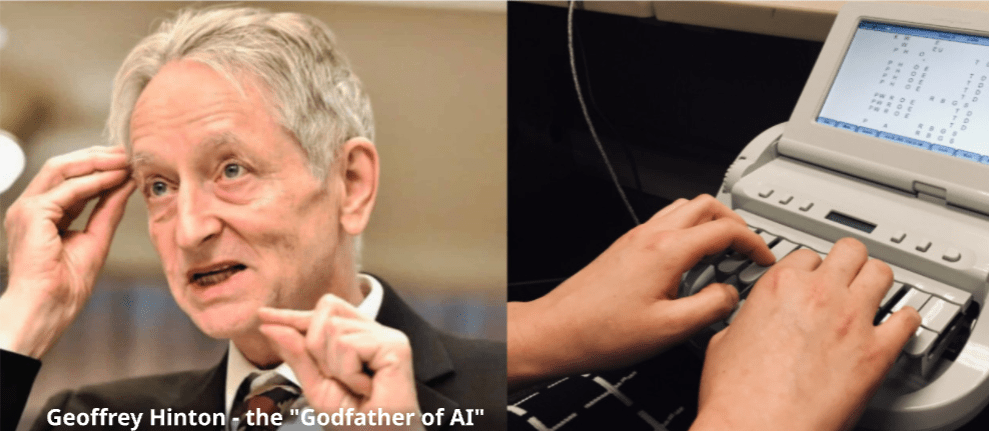
Court reporting isn’t just transcription — it’s the human backbone of justice. Whether using a steno machine or voice mask, stenographers capture the spoken word in real time to create certified, accurate records that AI simply can’t replicate. In the face of automation, our unity, skill, and accountability will define our survival. We aren’t obsolete — we’re indispensable. And now is the time to prove it.
The Scopist Crisis – A Silent Threat to the Integrity of Court Reporting
The scopist shortage is becoming a hidden crisis in court reporting. Too many unqualified applicants—often unfamiliar with software like StenoCat32—are delivering error-filled transcripts that compromise accuracy and trust. As court reporters face mounting pressure, it’s time to demand better training, certification, and collaboration from those supporting our record.
Protected: CA Legislative Proposal – Court Reporter Certification and Automated Transcription Integrity Act
There is no excerpt because this is a protected post.
ASR in Court Reporting – Tool, Threat, or Transformation?

As court reporting faces increasing pressure from digital disruption, the debate over ASR (Automatic Speech Recognition) intensifies. Can it be used responsibly — or does its adoption spell the end of human-led recordkeeping? This article explores the nuanced question: If ASR is wielded by a trained, licensed stenographer, does it become a tool — or remain a threat? The future of our profession may hinge on the answer.
The Future of Court Reporting & Why the Fight Is Now—And Why You Should Step Into Your Place & Join

A student recently asked me: “What are the chances of AI putting court reporters out of work in the next five to ten years?” The honest answer? It’s a tricky question. Because we’re not looking at a slow fade—we’re standing at a tipping point. The next one to three years will determine everything. There’s seriousContinue reading “The Future of Court Reporting & Why the Fight Is Now—And Why You Should Step Into Your Place & Join”
Save Steno Now, or Lose It Forever – Why Court Reporters Can’t Be Replaced by AI

Court reporting isn’t dying—it’s evolving. With overflowing steno schools, waitlists, and voicewriters accelerating training, we’re meeting demand. The real threat isn’t a shortage—it’s premature replacement by AI. If we let this profession collapse, we lose the infrastructure that guarantees accuracy in our justice system. If you want us tomorrow, you must choose to support us today—before it’s too late.
The Hidden Cost of AI and Digital Reporters is A Looming Crisis in the Court Reporting Industry

As agencies and tech vendors chase profits, they’re offloading transcript cleanup onto scopists and proofreaders, driving up subcontractor rates and forcing court reporters to raise theirs just to survive. Attorneys balk at rising costs, unaware reporters are earning the same as decades ago. This shift isn’t just inefficient—it feels intentional, pushing experienced professionals out to make way for cheaper, lower-quality digital alternatives masked as innovation.
One Man, Many Hats – Is It Time to Talk About Dave Wenhold’s Role Across Court Reporting Associations?

Dave Wenhold, Executive Director of both NCRA and ILCRA, wields uncommon influence across court reporting associations—raising serious questions about transparency and fairness. With overlapping leadership roles in multiple organizations, critics warn of blurred priorities, potential conflicts of interest, and limited oversight. As membership declines and industry threats grow, many are asking: is this governance structure truly serving the profession—or concentrating too much power in one place?
Fail to Adapt to Disruption and Pay the Price – Court Reporters Heed the Warning
Court reporting isn’t antiquated—it’s one of the most technologically advanced professions in the legal world. As we pass the tipping point of digital disruption, our challenge isn’t resisting change but leading it. Certified reporters, using sophisticated tools like ASR-integrated CAT software, must set the standard. The future depends on preserving integrity, enforcing certification, and maintaining responsible charge in every courtroom transcript.
A Gentle and Straightforward Reply to Christopher Day’s Response
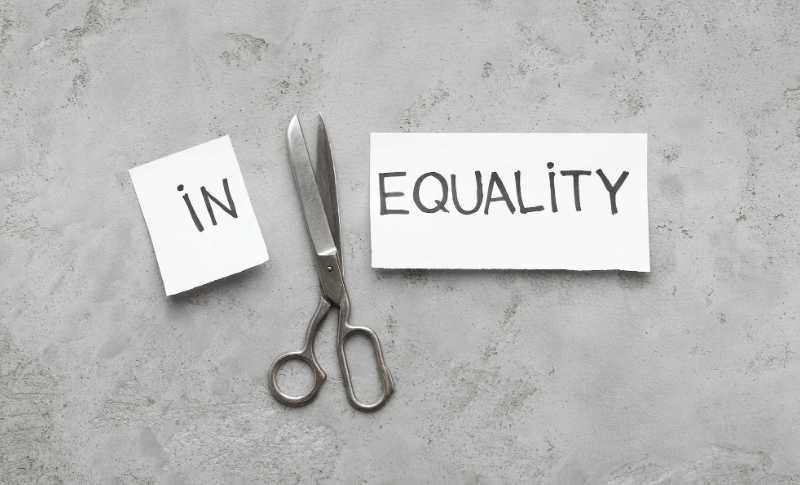
Digital pay parity might sound fair, but it risks blurring the line between skilled stenographers and less-trained digital reporters. Instead of raising digital to match steno, we should protect the value of expertise and focus on raising industry standards. Pay equality alone won’t stop corporations from chasing cheaper options — quality, skill, and human judgment are what truly set stenographers apart and secure their future.
Transcript Theft and Timeless Pricing Contributes To The Court Reporting Crisis

Court reporters are being squeezed by an outdated pricing model and rampant unauthorized transcript sharing. Despite legal protections under California law and federal copyright, attorneys often duplicate transcripts without paying, devaluing the reporter’s work. It’s time to modernize: shift all costs into the original transcript and make copies cheap or free. This simple change could restore fairness, stop transcript theft, and protect the profession’s future.
Steno Still Stands Strong
Verbatim court reporting relies on three methods: steno machine, steno mask, and AI/ASR. Only steno machine and mask writers are certified and legally accepted in over half the states. The steno machine remains the gold standard, offering unmatched accuracy and instant readback. AI/ASR, while emerging, lacks certification, reliability, and accountability—posing serious risks in legal settings where precision is non-negotiable. Certification must be required for all reporting methods.
The Role of Court Reporters and the Limits of Interpreter Expectations

Court reporters ensure accurate legal records, but they are not responsible for providing interpreters with LiveNote or laptops. Interpreters must work from what they hear, not read, as real-time feeds are unedited drafts. If an interpreter requires accommodations, it is the responsibility of their agency, not the court reporter. Setting clear boundaries protects court reporters from undue burdens while maintaining the integrity of legal proceedings.
Court Reporters Are The Most Advanced Professionals in Realtime Transcription

Court reporting isn’t old-fashioned—it’s the most advanced transcription method in existence. Digital recording takes us back 100 years, while AI struggles with accuracy. Court reporters, powered by cutting-edge steno CAT software like Eclipse Boost, harness AI to enhance speed and precision—without losing control. No machine can match our expertise, adaptability, or real-time accuracy. We’re not outdated—we’re indispensable. 💯 #CourtReporting #StenoTech
Transcript Theft: The Silent Threat to Court Reporters

Court reporters are increasingly encountering attorneys who discuss “splitting costs” but ultimately share a single transcript instead of ordering their own. This practice impacts reporters’ earnings and devalues their work. To address this, reporters must clarify orders upfront, advocate for firm policies, and reinforce ethical standards. As the legal landscape evolves, standing firm on fair compensation and professional respect remains essential for the future of court reporting.
Fighting Like Hell to Save the Stenography Profession Through Innovation, Grit, and Perseverance

The stenography profession is at a crossroads, facing threats from AI and digital transcription. But history shows that industries on the brink can fight back. By embracing innovation, public awareness campaigns, high school outreach, and social media engagement, stenographers can reclaim their place as the gold standard in legal documentation. It’s time to fight like hell—because the future of stenography depends on it.
The Battle Between Humans and AI in Court Reporting

The battle between humans and AI in court reporting is intensifying as Automatic Speech Recognition (ASR) technology advances. While ASR promises faster, cost-effective transcriptions, its current 76% accuracy rate still falls short in legal proceedings, where precision is critical. Human court reporters maintain an edge with their contextual understanding, adaptability, and ability to transcribe multiple speakers, ensuring accuracy that AI currently cannot match.
Digital Pay Parity A Pipe Dream of Unbalanced Benefit

Digital pay parity may seem like a solution, but it’s a false promise that upholds corporate greed while undermining human skill. Christopher Day of Stenonymous advocates for unionization to keep digital at bay, yet his vision still overlooks the irreplaceable expertise of real stenographers. True progress lies in recognizing the value of craftsmanship, not in embracing shortcuts that favor profits over people. The future is human, not digital.
Understanding the Use of Ellipses in Legal Transcripts and When They Are Appropriate

Ellipses are valuable tools in legal writing, allowing for concise quotations while maintaining clarity. However, their misuse can lead to misrepresentation, misleading citations, or even judicial scrutiny. Judges emphasize the importance of transparency, particularly in legal briefs and jury instructions. Attorneys should ensure ellipses do not alter meaning, adhere to ethical standards, and provide full context to uphold credibility in legal discourse and maintain judicial integrity.
The Decentralized Model and Why Entrusting Court Reporters with the Record is Superior to a Centralized System

A centralized court record system is vulnerable to floods, fires, cyberattacks, and corruption, risking catastrophic data loss. Court reporters, using eight backup methods, ensure unmatched redundancy and security. Inspired by the Mossad’s decentralized intelligence model, their independent record-keeping safeguards justice against systemic failures. By maintaining control in multiple hands, decentralization strengthens the integrity, reliability, and long-term preservation of legal records.
The Dangers of Relying on AI Notetakers During Depositions

AI notetakers in legal depositions and trials offer convenience, but they come with significant risks. Issues like consent, privacy breaches, data security, and potential inaccuracies can undermine confidentiality and compromise attorney-client privilege. Missteps can lead to unintended disclosures, jeopardizing sensitive information. For these reasons, hiring a certified court reporter remains the safest choice to ensure accuracy, confidentiality, and compliance in legal proceedings, safeguarding the integrity of the record.
Don’t Let Courts Push You Into Trusting Your Life to a Tape Recorder
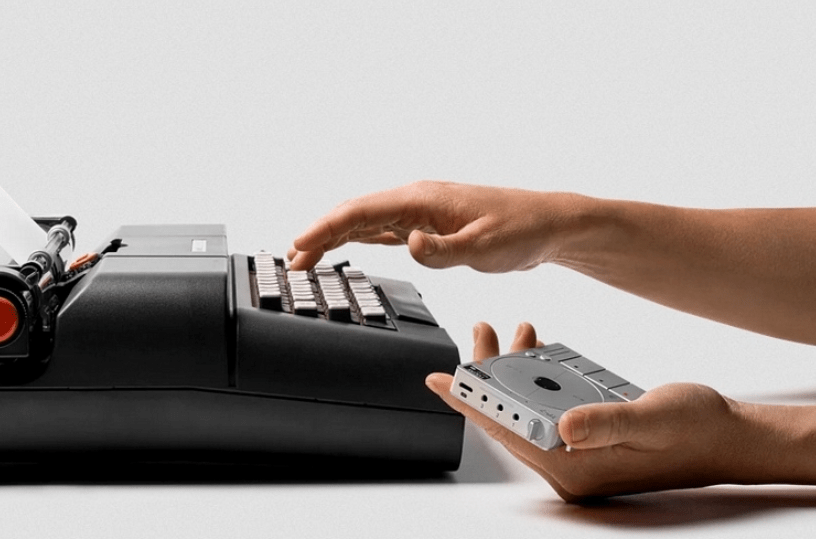
Electronic recording devices in courtrooms pose a serious risk to justice. Unlike trained court reporters, these systems fail to capture accurate, verbatim records, often resulting in missing or unintelligible testimony. Equipment failures, poor acoustics, and language barriers further compromise reliability. Instead of replacing human reporters, lawmakers should expand recruitment, implement remote reporting, and support voice writers to ensure fairness in legal proceedings. Justice depends on accuracy.
The Dangers of Judges Using AI on the Bench

AI in the courtroom poses significant risks, including misinterpretation, bias, and lack of transparency. A real case highlighted how AI mistranslated a witness’s statement, nearly leading to a judicial error. Judges relying too heavily on AI may undermine fairness and accuracy in legal proceedings. To ensure justice, AI should remain an assistive tool, with human oversight and strict ethical guidelines governing its use.
Why AI in Microsoft Teams Meetings Could Be Bad News for Court Reporters

AI-driven transcription in Microsoft Teams is reshaping court reporting, posing potential threats to the profession. While AI enhances efficiency with real-time transcription, it struggles with accuracy, legal jargon, and contextual nuances. Court reporters offer human expertise in capturing complex speech and ensuring legal records’ integrity. As AI advances, the industry must balance innovation with human oversight to maintain accuracy, accountability, and job security in legal proceedings.
AI and Digital Technology in Court Reporting: Not the Revolution It Was Thought to Be
AI was expected to revolutionize court reporting, promising efficiency, accuracy, and cost savings. However, its real-world application has fallen short. AI struggles with legal terminology, misinterpretation, and lacks adaptability to courtroom nuances. Concerns over accuracy, trust, and job security persist among professionals. Rather than replacing stenographers, AI’s future lies in assisting them, ensuring legal records maintain the precision and reliability that human expertise provides.
Has Digital Reporting Crossed the Rubicon in Court Reporting?

Digital reporting is reshaping the court reporting industry, moving from early adoption into the mainstream. AI-driven transcription tools, cost efficiency, and a stenographer shortage drive its growth. However, legal challenges and potential legislative bans pose barriers. As firms adopt hybrid models, traditional stenographers must adapt. The shift is inevitable—where will the industry stand as digital reporting continues its rise?
Parallels Between Unauthorized Legal Practice and Digital Court Recording
The unauthorized practice of law (UPL) and digital court recording share common concerns regarding regulation, ethical standards, and their impact on the justice system. Both require certification to ensure accuracy and confidentiality, and violations can disrupt legal proceedings. Unqualified legal advice or inaccurate court transcripts can lead to wrongful outcomes, highlighting the need for regulatory oversight to maintain integrity. Technology’s role in both areas requires careful navigation to avoid legal risks and uphold public trust.
Rethinking the “Digital Court Reporting Revolution”
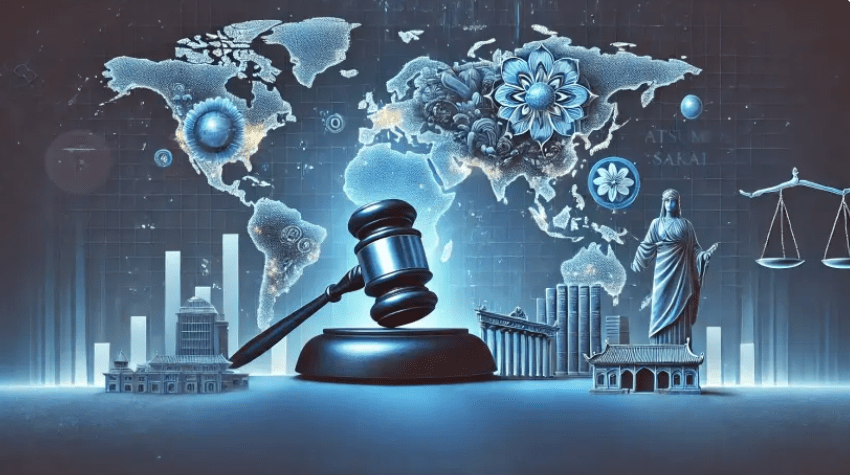
The legal documentation landscape is rapidly transforming as Court Reporting Agencies (CRAs) integrate digital solutions and AI to meet growing demands for accuracy and accessibility. By embracing AI-powered transcription, human-AI collaboration, and automated workflows, CRAs can enhance efficiency, expand service capacity, and maintain high standards of legal accuracy. This shift towards hybrid models and advanced security standards will reshape the future of court reporting in 2025 and beyond.
Why AI Translation Tools Have No Place in Legal Depositions and Courtrooms
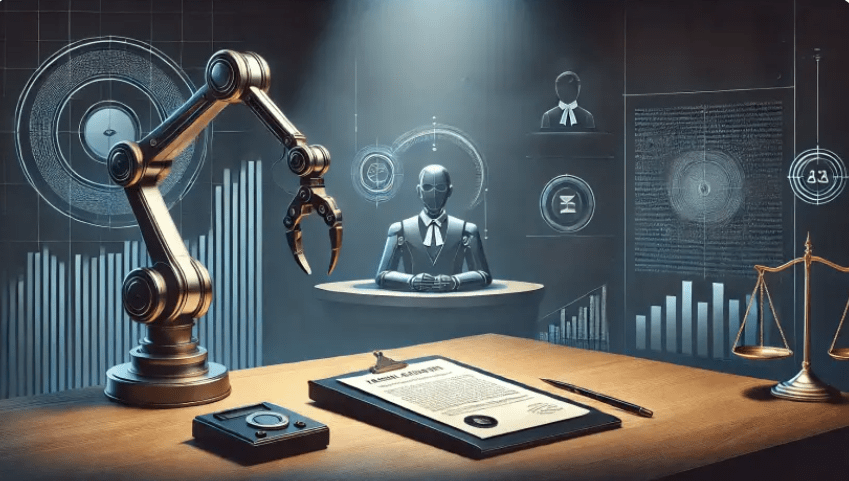
AI translation tools pose serious risks in legal settings, where precision and nuance are essential. Depositions and courtroom proceedings require human interpreters who understand legal terminology, cultural context, and ethical responsibilities. AI lacks the ability to interpret tone, intent, and specialized legal language accurately. Relying on technology over trained professionals can lead to misinterpretations, jeopardizing cases and undermining justice. Human expertise remains irreplaceable.
 STENOIMPERIUM