
The Heppner decision reframes the court-reporting debate. The issue is no longer speed or convenience but legal accountability. Courts protect communications only when a human professional bears fiduciary responsibility. Autonomous recording systems cannot testify, explain decisions, or hold privilege. When the record lacks a sworn custodian, attorneys inherit the risk. The question is simple: if the transcript is challenged, who can take the stand?
Tag Archives: AIinLaw
When the Record Speaks — and Software Interprets – The Unsettled Ethics of AI Deposition Summaries
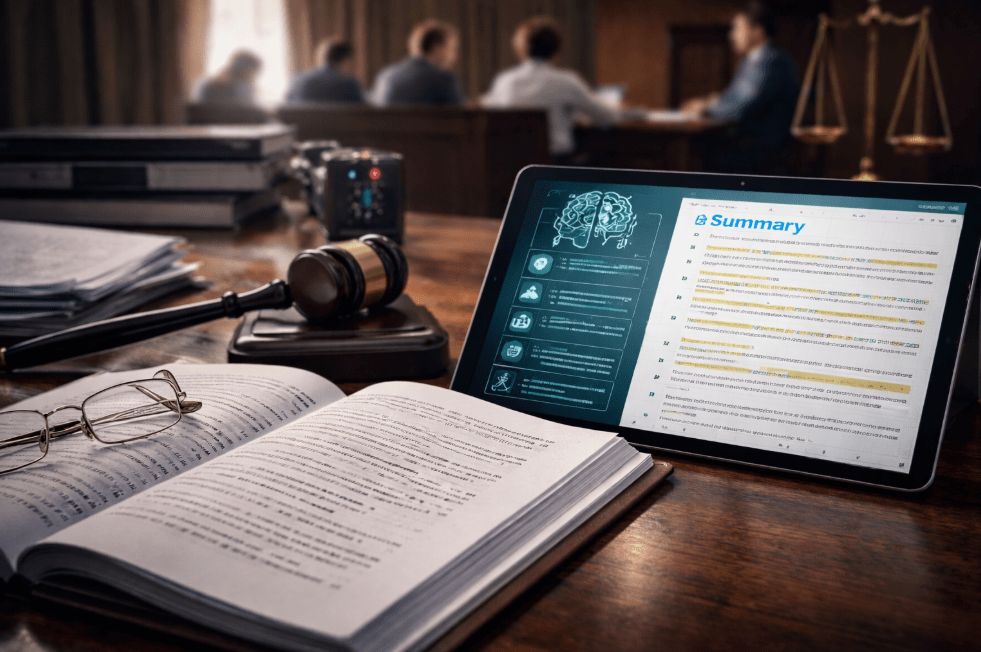
AI deposition summaries are being sold beside sworn transcripts, raising a question older than the technology itself: when interpretation travels with the record, does neutrality follow it? Advisory Opinion 32 was written to protect public confidence in the reporter’s role, not to regulate keyboards. Replacing a human summarizer with software may change the tool, but it does not automatically eliminate the appearance concerns the rule was meant to prevent.
The Fragile Spine of Justice – Why Courts Must Defend the Integrity of the Legal Record

The legal record is the spine of the justice system. Every appeal, ruling, and public trust in the courts rests on its integrity. When record-making is treated as a technical task rather than an evidentiary duty, courts risk weakening the very structure that allows justice to stand. Defending the record is not administrative—it is constitutional.
An Open Letter to Judges – On the Custody of the Record
The judiciary’s authority endures not through rulings alone, but through the integrity of the record. When courts weaken professional accountability over how proceedings are captured, they do not merely modernize operations—they destabilize the evidentiary foundation of justice itself. The legal record is not output. It is evidence. And evidence requires human, licensed custody.
The Record Is the Case – Why Saving Court Reporting Means Saving Legal Reality

The record is not a convenience. It is evidence.
Every ruling, appeal, settlement, and precedent rests on the integrity of the transcript. When courts weaken the standards governing how the record is created, they are not modernizing—they are destabilizing the very foundation of justice. Saving court reporting is not about preserving a profession. It is about protecting legal reality itself.
When an AI “Note-Taker” Shows Up to a Legal Proceeding

AI note-taking tools may be convenient in business meetings, but their presence in legal proceedings raises serious concerns about confidentiality, chain of custody, and record integrity. When unauthorized bots capture testimony, the official record can be compromised in ways that surface long after the proceeding ends. Protecting the record means understanding when technology crosses a legal line.
When the Machine Gets It Wrong, the Court Still Blames the Human
Courts across the country are delivering a blunt verdict on artificial intelligence: speed does not excuse accuracy. As lawyers face sanctions for AI-generated errors, judges are reaffirming an old rule in a new era—accountability remains human. In an age of automation, the certified court record and the professionals who create it have never mattered more.
Who Trained the Machine?

AutoScript AI is marketed as a “legal-grade” AI transcription solution trained on “millions of hours of verified proceedings,” yet the company provides no public definition of what verification means in a legal context or where that data originated. Founded and led by technology executive Rene Arvin, the platform reflects a broader trend of general ASR tools being rebranded for legal use without the transparency traditionally required in court reporting.
Could California Court Reporters Bring a Holmgren-Style Case Against CRB?
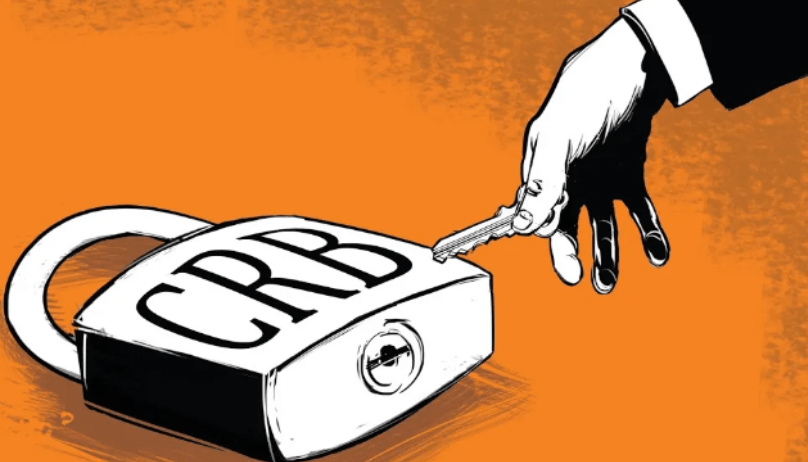
A quiet but consequential legal question is emerging in California: Can court reporters compel their own regulator to enforce laws already on the books against the expansion of digital-only reporting? Inspired by Texas’s Holmgren case, this analysis explores the hypothetical viability of a mandamus action against the Court Reporters Board for non-enforcement, examining standing, risk, and the strategic steps that would be required before such a case could responsibly proceed.
Fool’s Gold – Why Courts Cannot Turn Depositions Into a “Profit Center”

Courts are not “sitting on a gold mine” — they’re bound by the Constitution. Turning depositions into revenue streams ignores statutes, due process, and the ethical duty to safeguard verbatim accuracy. Sworn reporters are not obstacles but guardians of the record. Replacing them with AI “light edits” risks malpractice, reversals, and erosion of public trust. Fool’s gold is no substitute for justice.
AI Summaries, CCR 2474, and the Fight Over Who Owns the Record

AI deposition summaries aren’t innovation—they’re exploitation. Agencies are monetizing transcripts into derivative products without consent or compensation, creating unjust enrichment while undermining the integrity of the record. California’s CCR 2474 wasn’t written with AI in mind, but the principle remains: reporters must not be in the business of interpretation. It’s time for contracts, regulation, and reform to safeguard neutrality, fairness, and trust in the transcript.
 STENOIMPERIUM