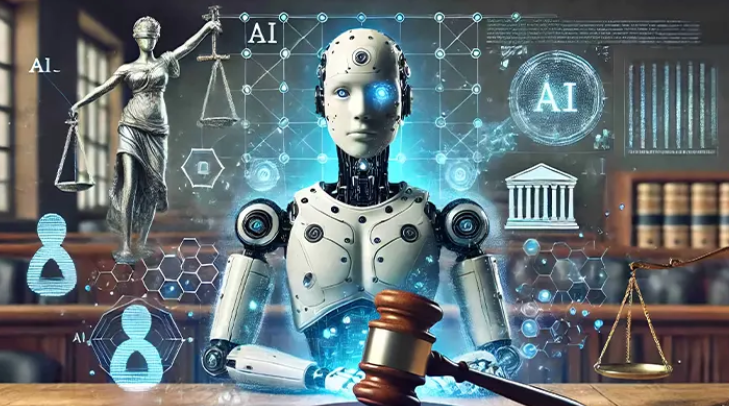
The federal judiciary’s proposed rule on AI-generated evidence quietly draws a critical line: machine output is not inherently trustworthy and must be tested like expert testimony. That distinction reinforces the structural role of court reporters. A certified transcript is a human-governed legal record, not algorithmic evidence. Once the human layer disappears, the court record itself becomes something the law now admits is dangerous.
Tag Archives: AIinCourts
Why Judges Shouldn’t Rely on AI Yet – A Cautionary Case Against Generative AI in the Courts
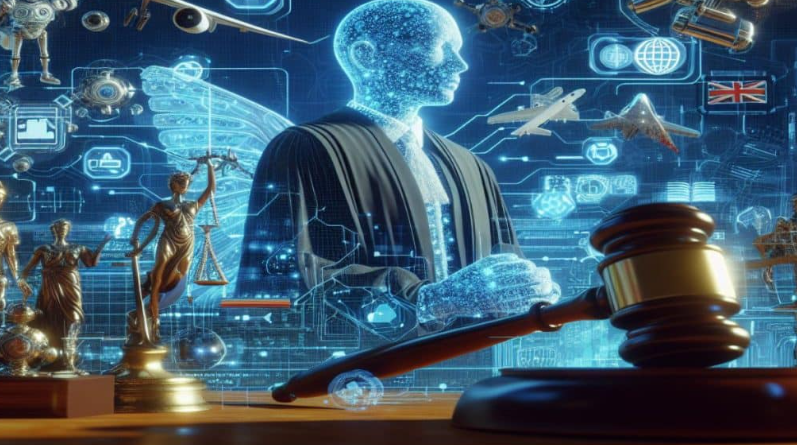
As courts experiment with generative AI, the judiciary risks embracing a technology that is not yet reliable, transparent, or safe enough for justice. From hallucinated legal authority to inaccurate ASR records, today’s AI systems already struggle with basic courtroom functions. Introducing them into judicial workflows now risks compromising confidentiality, fairness, and public trust at the very moment the courts can least afford it.
Petition to the National Court Reporters Association – In Re Stronger Regulatory Reforms for AI Innovation in Federal Court Proceedings

The integrity of the official court record is not a technology preference—it is a constitutional safeguard. This petition calls on the National Court Reporters Association to take a clearer, firmer position opposing AI-generated transcripts as the official record and to advocate for mandatory use of licensed stenographic court reporters to protect due process, accountability, and public trust in the justice system.
When Caution Becomes Capitulation – NCRA’s AI Filing and the Quiet Risk to the Court Record
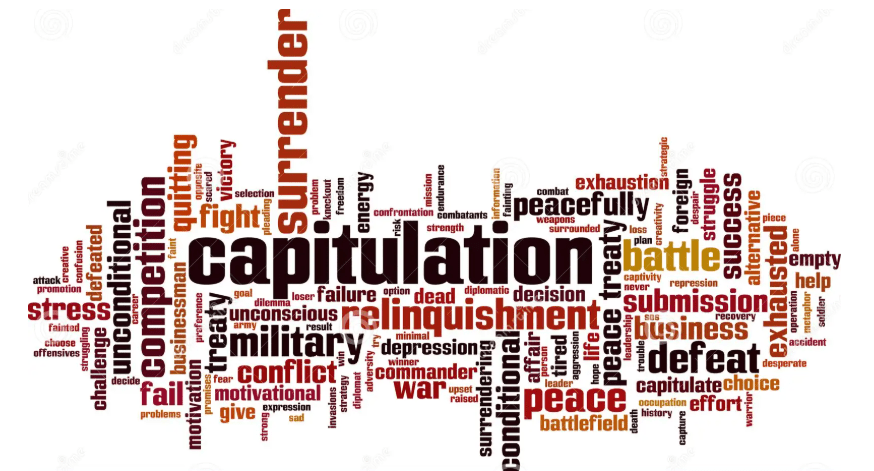
As courts rush to embrace artificial intelligence, a quiet but consequential shift is underway. A recent federal submission by the National Court Reporters Association acknowledges AI’s flaws—yet stops short of drawing the line where it matters most. When caution replaces clarity, the integrity of the official court record, and the constitutional rights it protects, are placed at risk.
 STENOIMPERIUM