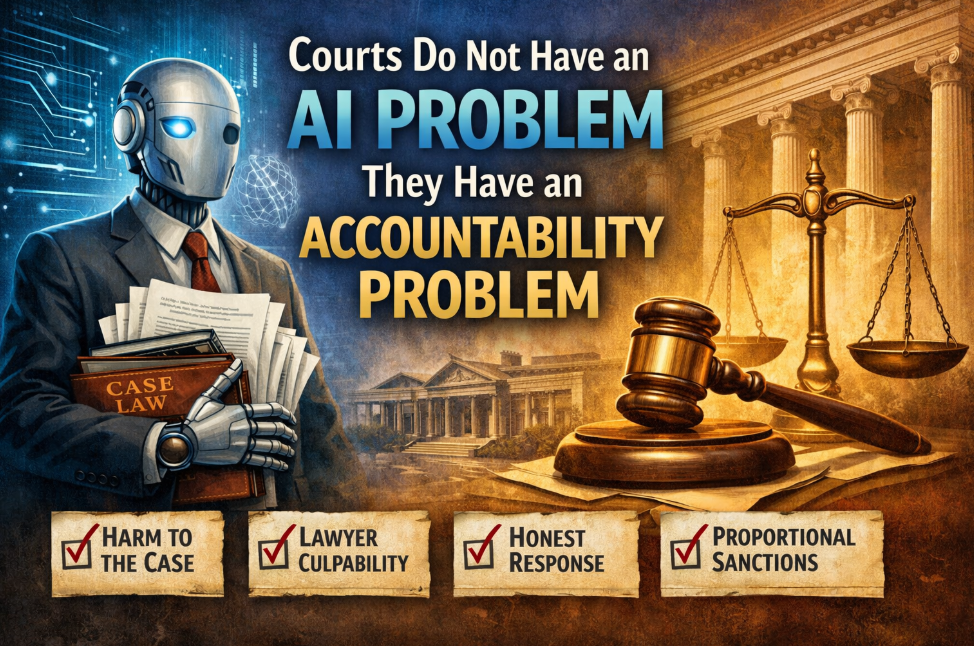
Courts do not face an artificial intelligence crisis so much as a crisis of accountability. AI-related errors expose gaps in supervision, verification, and professional responsibility, not rogue technology. Judicial legitimacy is not threatened by tools, but by inconsistent governance. The question before the courts is not whether AI will be used, but whether responsibility will remain clearly human.
Tag Archives: AIandLaw
When “Live Notes” Enters the Notice – What the Confusion Over AI in Depositions Is Really About

As artificial intelligence quietly enters deposition rooms under vague terms like “live notes,” court reporters are being forced into a new role: boundary-setters for the legal record itself. The issue is no longer whether proceedings can be recorded, but who controls what is captured, who is accountable for what is created, and what truly constitutes the official record in modern litigation.
You Can’t Stipulate Your Way Around the Law – The Dangerous Fiction of the “No-Reporter Stipulation”

A court transcript is not a convenience. It is evidence. When attorneys stipulate to proceed without a court reporter, they are not authorizing an “alternative record.” They are agreeing that no lawful evidentiary record will be created. What follows—a stipulated statement of proceedings—is not a transcript, but a negotiated reconstruction. And evidence cannot be manufactured after the fact.
When the Courtroom Becomes a Dataset – Why Media Recording in 2026 Is No Longer Just “Coverage”
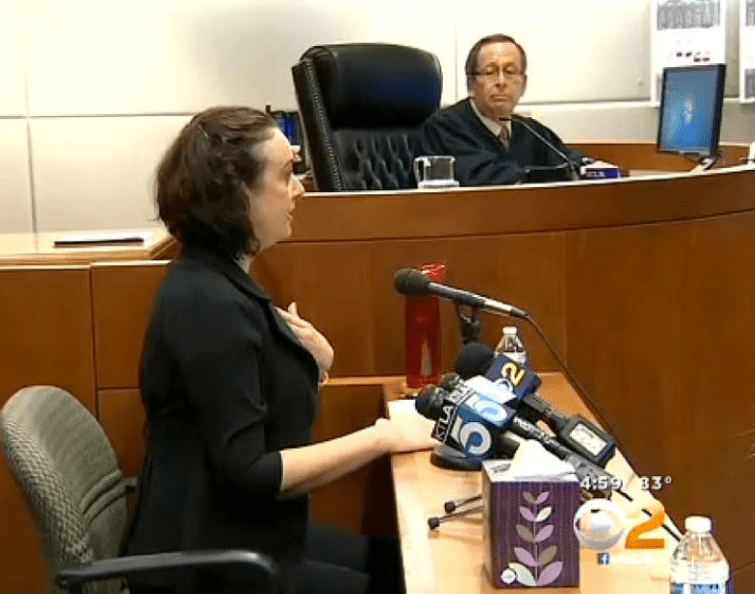
Courtroom recording is no longer simply about cameras and coverage. In 2026, it is about what happens after the audio leaves the room: automated transcription, cloud storage, permanent datasets, and uncontrolled reuse. When proceedings become machine-readable assets, courts risk losing authority over the official record, participant privacy, and the conditions necessary for fair, orderly justice.
Why “We’re Embracing AI” Is the Wrong Message for Court Reporting

In an era of relentless reassurance, court reporters are being told that embracing AI is the path forward. But optimism without precision is dangerous. Technology that assists a licensed human record is not the same as technology that replaces it. When method, authority, and chain of custody are blurred, the integrity of the legal record—not just a profession—is placed at risk.
Who Trained the Machine?

AutoScript AI is marketed as a “legal-grade” AI transcription solution trained on “millions of hours of verified proceedings,” yet the company provides no public definition of what verification means in a legal context or where that data originated. Founded and led by technology executive Rene Arvin, the platform reflects a broader trend of general ASR tools being rebranded for legal use without the transparency traditionally required in court reporting.
The Death of Expertise and the Erosion of the Record & Why Court Reporters Are the Last Line of Truth

In The Death of Expertise, Tom Nichols warns that society is replacing knowledge with convenience. Court reporting stands at that fault line. AI may transcribe words, but it cannot witness truth. Only a certified reporter — physically present, ethically bound — can certify a record. To sign off on machine output isn’t innovation; it’s fraud. And it marks the death of expertise itself.
Why the Legal System Doesn’t Understand What’s Happening to Court Reporting

The justice system assumes court reporting is “handled,” but the record itself is collapsing under the rise of uncertified digital labor and AI transcripts. Attorneys, judges, and legislators don’t realize that without certified stenographers, accuracy, ethics, and access to justice all fail. This roadmap shows how to unite the legal community to protect the record—and the rule of law itself.
StenoImperium Marks 400 Articles – A Chronicle of Truth, Transparency, and Tenacity
StenoImperium celebrates its 400th article — a milestone built on truth, transparency, and independence. While often mistaken for Stenonymous, we are not the same. We’re two separate blogs, on opposite coasts, with distinct voices and philosophies, united only by our shared passion for stenography and protecting the integrity of the record in an era of automation and misinformation.
The Ring, the Record, and the Reckoning – What Tolkien Can Teach the Court Reporting Profession About Power and Purpose

Tolkien’s warnings weren’t about magic—they were about human nature. The court reporting profession stands at the same crossroads: mistaking convenience for progress, surrendering truth for efficiency. Like the Ents, we waited for proof. Like Númenor, we believed we’d never drown. But Samwise reminds us—our duty isn’t power. It’s preservation. The record is the ring, and we must never let it fall.
Where the Record Is Really Being Written – A Quiet Transformation Hidden in Plain Sight

Courtrooms across America are quietly shifting from certified verbatim reporting to AI transcripts, digital recordings, and agency-controlled “roughs.” The result? Hearsay masquerading as the official record — with no clear custodian, no accountability, and enormous power flowing to private platforms. This isn’t just a professional issue; it’s a constitutional one. If we lose control of the record, we lose control of justice itself.
Free Roughs, Hidden Costs – How AI Transcription Is Quietly Rewriting the Legal Record

Kerala is openly mandating AI transcription in every courtroom. In the U.S., the same shift is happening quietly. Esquire and Veritext now hand out free AI rough drafts, reshaping transcript control through corporate platforms — while some LA Superior Court judges secretly use machine drafts during remote hearings. Policy, business, and judicial habit are converging — outside public view.
Protected: Thousands of California Court Reporters Just Got an Email — and It’s Damage Control Disguised as “Dialogue”
There is no excerpt because this is a protected post.
Busting the Digital “Mythbusters” – Why AI and Recorders Can’t Replace Stenographers
Digital advocates claim transcripts generated from recordings and AI are just as accurate as stenography. But predictive algorithms don’t capture testimony verbatim—they guess. That’s hearsay, not a legal record. Unlike stenographers, digital systems outsource editing, compromise confidentiality, and fail the chain of custody. Justice demands certainty, not predictions. Only stenographers deliver a verbatim, admissible record you can trust in court.
AI Summaries in Litigation – Efficiency or a Lawsuit Waiting to Happen?

An AI-generated deposition summary missed a crucial medical statement about future surgery, leading an insurance company to undervalue a case—and a jury later awarded millions over policy limits. Now the question is: Who’s liable? The law firm? The AI vendor? Or the court reporting agency that sold the product? As AI floods legal workflows, expect a wave of litigation over errors that never should’ve been automated.
Are Paralegals Being Automated Out of the Legal Workforce? A Critical Look at Lexitas’ New AI Tool

Lexitas’ new AI tool, Deposition Insights+, claims to streamline litigation prep—but at what cost? By automating key tasks traditionally handled by paralegals and junior attorneys, this technology risks replacing human insight with algorithmic shortcuts. Legal professionals must ask: Are we empowering teams, or eroding jobs and skills? Efficiency shouldn’t come at the expense of accuracy—or accountability. The legal industry must tread carefully.
AI Might Be Cheaper—But It’s Gutting the Court Reporting Pipeline

Courtrooms aren’t podcasts—and AI isn’t ready to replace human court reporters. What’s at stake isn’t just jobs, but an entire pipeline: schools, certification boards, machine makers, and trained professionals. Once that system collapses, it’s gone. If we cut too deep, there will be no one left when AI fails. Choose accuracy. Choose humans. Choose us—while you still can.
 STENOIMPERIUM