
Court reporters are not just transcribers. They are custodians of a decentralized evidentiary system. Through layered capture, redundant backups, and personal legal responsibility, licensed reporters preserve the court’s memory across hundreds of sworn officers. Centralized recording systems collapse that structure into a single point of failure—making the legal record easier to manage, and easier to lose.
Tag Archives: Admissibility
Imagine the Crime Scene

A homicide scene is sealed. Shell casings lie on the ground. A knife glints in the dirt. But instead of licensed evidence technicians, untrained contractors gather the items, store them in a warehouse, and weeks later unlicensed processors label what matters. When court begins, no sworn professional can certify integrity. The “evidence” collapses into mere objects.
The Legal Record Is Not a Decorative Byproduct of Litigation. It Is Evidence.

A legal transcript is not a convenience product. It is evidence. Evidence requires provenance, certification, and lawful creation. When proceedings are merely recorded and later transcribed by unlicensed individuals, the result is not a court record—it is media. Courts are quietly replacing evidentiary safeguards with technical workflows, downgrading the legal record from authenticated proof to a reconstructive artifact.
The Lessons of Badran – A Roadmap for How NCRA Must Defend the Legal Record

The Badran ruling exposed a growing risk: courts are redefining admissibility without guidance from the profession that creates the record. As audio-based reporting and vendor workflows spread, efficiency arguments are replacing evidentiary law. This article offers a clear roadmap for how NCRA can act—now, in active cases, and long-term—to defend due process, professional oversight, and the integrity of the record.
When the Record Becomes Elastic – Why Badran v. Badran Misunderstood Admissibility

Badran v. Badran exposes the danger of redefining testimony after the fact. In a remote deposition, a vendor-produced transcript was altered based on audio review, adding remarks not perceived in real time as testimony. Efficiency and stipulation cannot convert recordings into evidence. Without a licensed reporter in responsible charge, the record becomes elastic—and due process collapses.
When Efficiency Overrides the Law – Why Badran v. Badran Got Admissibility Wrong
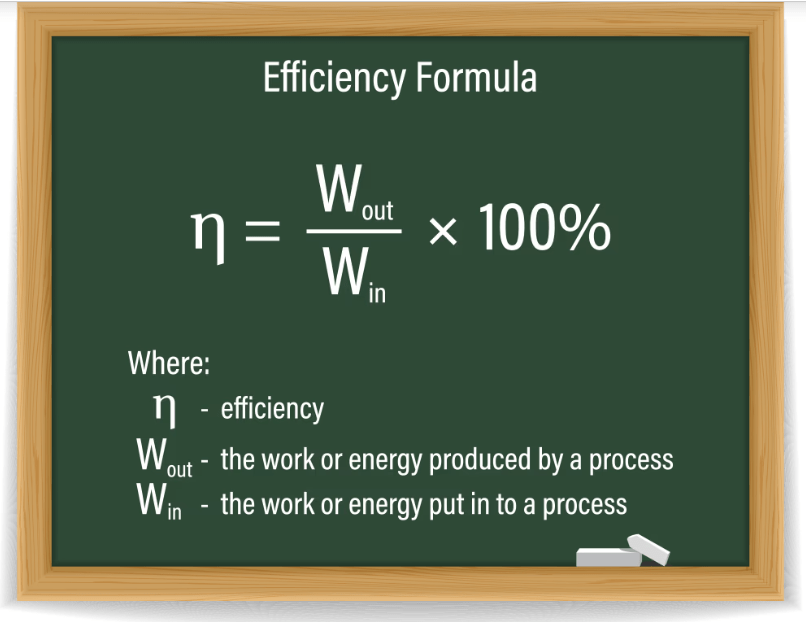
The Badran v. Badran ruling did not affirm professionalism in modern depositions; it excused its absence. Admissibility does not turn on convenience, volume, or after-the-fact agreement. It turns on lawful process and qualified human oversight. Agencies are not officers of the record, and parties cannot stipulate away licensure, evidentiary foundation, or due process in the name of efficiency.
When Capital Moves Faster Than the Courts – AI, Evidence, and the Next Legal Reckoning

As venture capital floods legal technology, artificial intelligence is being woven into the heart of litigation—often faster than courts, ethics rules, or evidentiary standards can respond. Tools that summarize testimony or generate chronologies promise efficiency, but raise unresolved questions about reliability, consent, and admissibility. History shows that when automation outpaces scrutiny, courts eventually intervene—sometimes after irreversible damage has already been done.
 STENOIMPERIUM