
Courts are not “sitting on a gold mine” — they’re bound by the Constitution. Turning depositions into revenue streams ignores statutes, due process, and the ethical duty to safeguard verbatim accuracy. Sworn reporters are not obstacles but guardians of the record. Replacing them with AI “light edits” risks malpractice, reversals, and erosion of public trust. Fool’s gold is no substitute for justice.
Tag Archives: AccessToJustice
Why Court Reporters Shouldn’t Negotiate Down — But Must Negotiate for Their Value

In California, court reporters are legally bound to publish consistent rates and apply them equally to all clients. My rates aren’t negotiable, because fairness, ethics, and transparency matter more than undercutting for a job. Consistency protects our licenses, our profession, and the record itself. My rates are my rates—for everyone, every time.
Small Agencies in Crisis – Competing Fairly in an Unfair Market
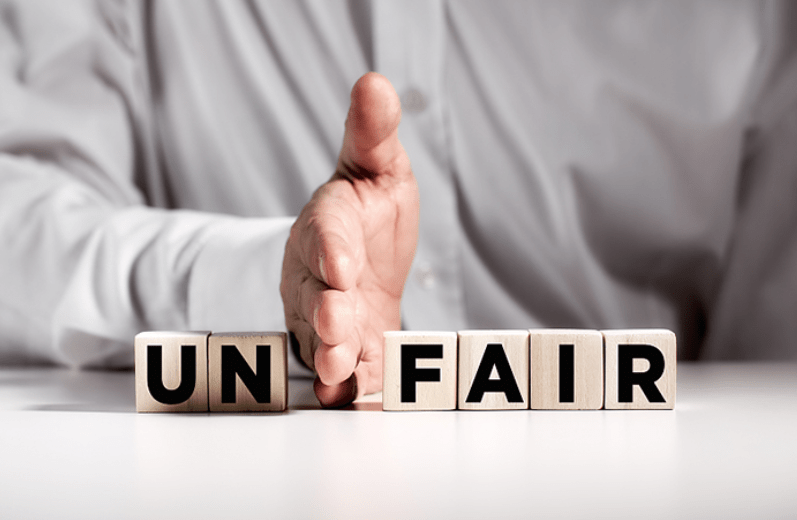
Small, reporter-owned agencies are being squeezed by Big Box firms offering lavish gifts, delayed payment schemes, digital reporters, and AI summaries. Competing on those terms is impossible — and unethical. But survival is still possible. By flipping their business model upside down — paying reporters faster, networking instead of consolidating, and selling ethics instead of perks — small agencies can thrive again.
Agencies Exploit Reporters Twice – Once for Their Labor, Once for Their Marketing

Court reporting agencies profit twice: first from our labor, then by conscripting us as unpaid sales reps. Some agencies do better, but one is too many. Reporters are not brand ambassadors, cookie pushers, or mock jurors. We are officers of the court, and when neutrality is compromised, justice itself is at risk. Agencies must change — or be called out.
AI Transcripts vs. Human Court Reporters & Why the Record Still Needs a Person

Stanford’s data shows ASR makes twice as many errors with Black speakers as white speakers. The NCRA warns of bias, misattribution, and chain-of-custody failures. In trial after trial, I’ve seen judges and attorneys turn back to the human transcript when accuracy matters. Until a machine can raise its right hand and swear to accuracy, the record still belongs to court reporters.
Who’s Really Swearing in Your Witness?
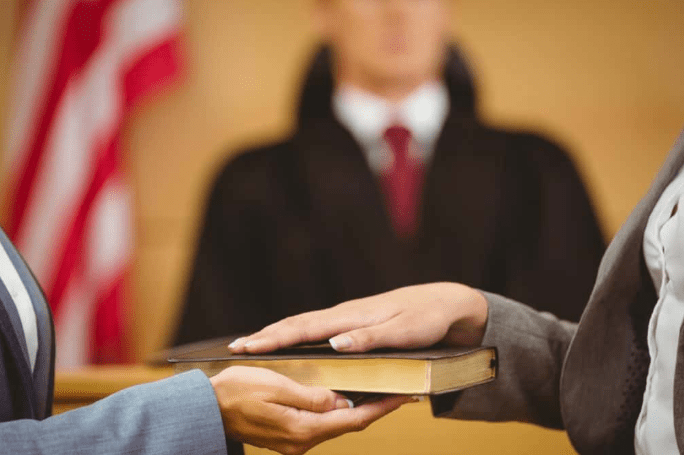
Attorneys can stipulate to many things, but not to override law. Only a judge can validate agreements that alter statutory or constitutional requirements. The 5th and 14th Amendments guarantee due process: no person can be deprived of rights without it. When a deposition officer asks parties to “stipulate” to a remote oath, that shortcut risks invalidating the entire proceeding.
Fair Compensation in the Age of Derivative Products – Why Reporters Must Create a New Rate Sheet
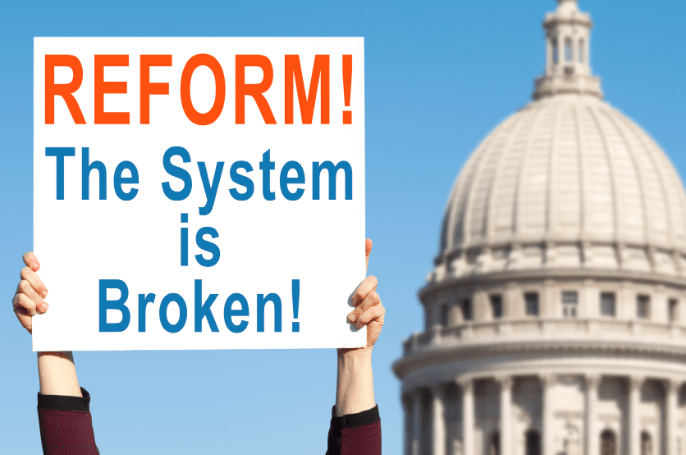
Agencies are profiting from condensed transcripts, indexes, concordances, and now AI summaries—often billing attorneys transcript-level rates while paying reporters nothing. This is unjust enrichment. Reporters must reclaim fairness by publishing new rate sheets that define compensation for every derivative product. From condensed pages to AI outputs, the message is clear: if it’s built on the transcript, reporters deserve their share.
AI Summaries, CCR 2474, and the Fight Over Who Owns the Record

AI deposition summaries aren’t innovation—they’re exploitation. Agencies are monetizing transcripts into derivative products without consent or compensation, creating unjust enrichment while undermining the integrity of the record. California’s CCR 2474 wasn’t written with AI in mind, but the principle remains: reporters must not be in the business of interpretation. It’s time for contracts, regulation, and reform to safeguard neutrality, fairness, and trust in the transcript.
Who Owns the Transcript?

AI-generated deposition summaries may look like efficiency, but they’re really exploitation. Agencies are repackaging reporters’ transcripts into derivative products—condensed transcripts, indexes, concordances, now AI summaries—without consent or compensation. This is unjust enrichment. Reporters must protect their work with contracts, while the Court Reporters Board closes loopholes in CCR 2474. The official record is sacred, and AI summaries threaten its integrity.
Busting the Digital “Mythbusters” – Why AI and Recorders Can’t Replace Stenographers
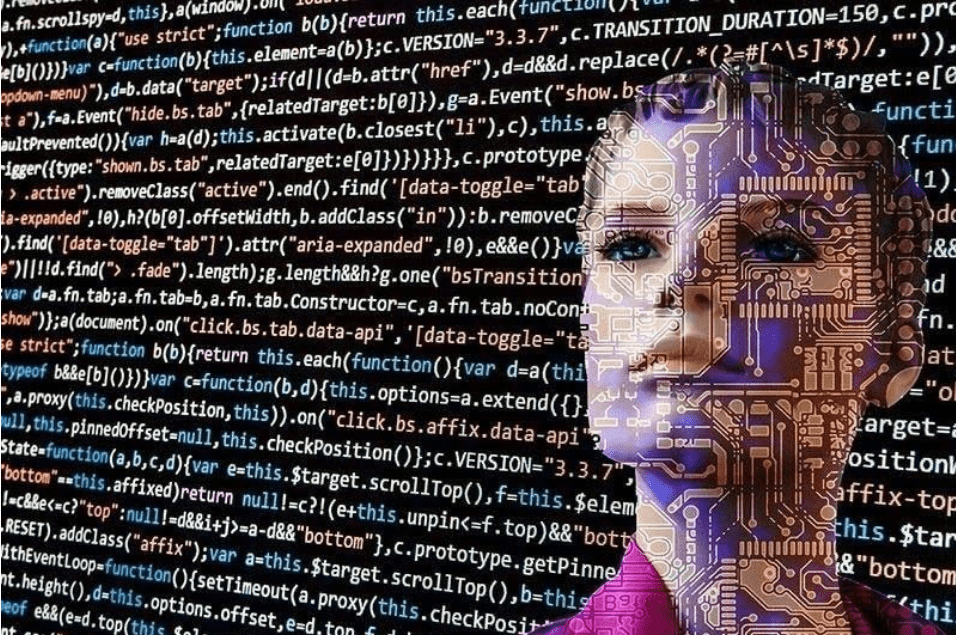
Digital advocates claim transcripts generated from recordings and AI are just as accurate as stenography. But predictive algorithms don’t capture testimony verbatim—they guess. That’s hearsay, not a legal record. Unlike stenographers, digital systems outsource editing, compromise confidentiality, and fail the chain of custody. Justice demands certainty, not predictions. Only stenographers deliver a verbatim, admissible record you can trust in court.
Weekly Pay vs. 30-Day Law – What California Reporters Need to Know About Lexitas’s New Policy

California law now requires agencies to pay reporters within 30 days of completing services—no exceptions for invoices, transcripts, or copy orders. Lexitas’s new weekly pay schedule sounds reporter-friendly, but compliance hinges on separating per diems, transcript deadlines, and copy orders. “Pay when paid” is no longer legal. Reporters must stay vigilant and hold agencies accountable.
Why Congress Must Hold Hearings on the Integrity of Court Reporting in the Age of Digital Recording and AI

Congress must investigate: Who protects the record when justice is on the line? The integrity of the legal record is at risk. Attorneys report defective transcripts, hidden digital recorders, and AI posing as stenographers. This isn’t just an industry dispute — it threatens due process nationwide. Congress must act. A hearing is urgently needed to expose these practices, enforce responsible charge, and protect the record. Our democracy depends on accurate transcripts.
Digital Reporting, AI, and the Future of Court Reporting – Allegations, Lawsuits, and Industry Implications
Veritext’s reliance on digital recording and AI transcripts is finally facing attorney pushback—and possible lawsuits. For years, I’ve warned that agencies exploit loopholes like “agency certificates” to bypass stenographers. Without a responsible charge statement, the legal record is at risk of fraud and failure. It’s time for attorneys and reporters alike to demand accountability and protect the integrity of the record.
What If the United States Made Your Voice and Likeness Your Property?

What if your voice became your legal property? Denmark’s proposed law could make every voice and likeness owned — with takedowns and royalties for unauthorized use. If the U.S. follows, ASR and digital reporting face huge risks, while stenographers become the gold standard for secure, human-verified transcripts. In a world of deepfakes, stenography is justice’s strongest safeguard.
Why AI “Prediction” Can Never Replace Verbatim Court Reporting

CAT software doesn’t replace court reporters—it’s a tool they control to produce a verbatim, certified record. Digital/AI systems are different: they predict what might have been said, dropping words, mishearing accents, and collapsing overlapping speech. In court, guesses aren’t good enough. Justice requires certainty, and certainty requires stenographers—not algorithms.
Why Digital Recording Endangers Justice in Texas

The Texas Supreme Court is weighing whether to treat digital recording as equal to stenography. But digital transcripts—outsourced, uncertified, and based on hearsay—threaten accuracy, security, and due process. Claims of a “stenographer shortage” are exaggerated; online programs are thriving, with waitlists in California. Protecting litigants means protecting verbatim reporting—not lowering standards for convenience.
The Last Guardians of Trust & Why Human Court Reporters Still Matter

“Cracker Barrel isn’t the last bit of nostalgia we have left,” says veteran court reporter Al Betz. “That may belong to live court reporters you can trust to keep an accurate record. A human being has to be ‘the one’ responsible, not the machine.” In an age of automation, justice still requires accountability only humans can provide.
When AI Requires Constant Human Monitoring, It’s Just Inefficiency in a High-Tech Costume & Why You Should Hire a Stenographer

When AI requires constant human monitoring, it isn’t efficiency—it’s inefficiency in a high-tech costume. In the legal field, accuracy isn’t optional. Stenographers deliver real-time precision, ethical accountability, and certified records without layers of human correction. Efficiency means getting it right the first time. Bring expertise to the table. Hire a stenographer.
Why Transcribing from Electronic Recordings Is Hearsay — and the Stenographic Profession’s Strongest Defense

AI and electronic recordings can’t replace stenographic reporters. Why? Because transcripts created by someone not present are hearsay — and hearsay is inadmissible. Only a sworn reporter assumes Responsible Charge of the record, accountable under law. AI can’t be punished, fined, jailed, or defend its transcript in court. Without accountability, it’s just unverifiable hearsay.
Hearsay on the Record – When Transcripts Lose Their Voice
“I know you think you understand the words I said, but what you understand is not what I meant.” That statement could be made in any courtroom in America. It captures the perennial problem of miscommunication. Words are slippery things—spoken in haste, accented by dialect, altered by noise, or even obscured by emotion. Now imagineContinue reading “Hearsay on the Record – When Transcripts Lose Their Voice”
AB 711 Passed—But Is It Really a Win? Why This New Law Signals the Next Phase in the Elimination of Certified Court Reporters

When a judge tells attorneys they “don’t need a court reporter”—despite one being present and assigned—the threat to justice becomes undeniable. AB 711 enables this erosion, shifting the burden of preserving the record onto attorneys while courts quietly sideline certified reporters. The result? Trials with no transcript, no appeal, and no accountability. This isn’t modernization. It’s judicial overreach.
Trial Without a Reporter – What I Witnessed in L.A. Court Should Alarm Every Litigator

When a judge told attorneys, “you don’t need a court reporter” — despite one being present and assigned — it exposed a growing judicial trend: bypassing licensed reporters in favor of unregulated recordings. Critics say it’s not about shortages. It’s about power, profit, and erasing the record itself.
Why AAERT-Certified Digital Reporters Are Not the Answer to the Court Reporter Crisis
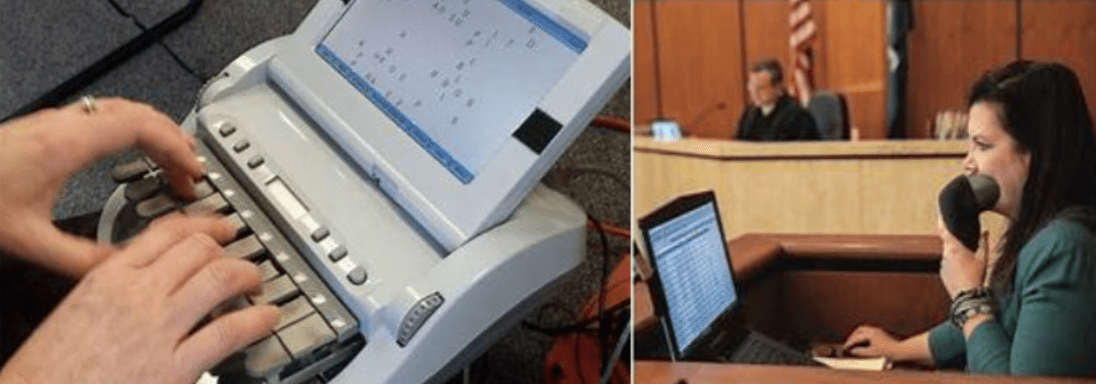
Digital reporters certified by AAERT are not equivalent to licensed court reporters. They don’t write realtime, certify records on the spot, or meet the legal standards required in high-stakes proceedings. While digital recording may seem like a quick fix for shortages, it risks long-term damage to the integrity of the record. The solution isn’t substitution—it’s investment in the gold-standard profession that’s already working.
ASR in Court Reporting – Tool, Threat, or Transformation?

As court reporting faces increasing pressure from digital disruption, the debate over ASR (Automatic Speech Recognition) intensifies. Can it be used responsibly — or does its adoption spell the end of human-led recordkeeping? This article explores the nuanced question: If ASR is wielded by a trained, licensed stenographer, does it become a tool — or remain a threat? The future of our profession may hinge on the answer.
Save Steno Now, or Lose It Forever – Why Court Reporters Can’t Be Replaced by AI

Court reporting isn’t dying—it’s evolving. With overflowing steno schools, waitlists, and voicewriters accelerating training, we’re meeting demand. The real threat isn’t a shortage—it’s premature replacement by AI. If we let this profession collapse, we lose the infrastructure that guarantees accuracy in our justice system. If you want us tomorrow, you must choose to support us today—before it’s too late.
 STENOIMPERIUM