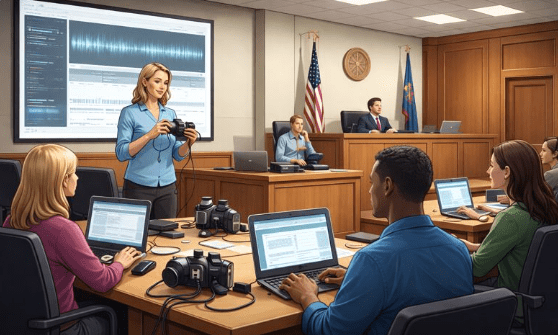
Courts across the country are quietly launching in-house voice-writing programs, training clerks and court staff to become certified reporters. Framed as a solution to shortages, these initiatives shift education inside the institution itself. But when courts become the classroom, deeper questions emerge about independence, professional standards, and who ultimately controls the creation of the legal record.
Tag Archives: AccessToJustice
The Vanishing 70/30 – How Hidden Billing Practices Are Reshaping Court Reporting Economics
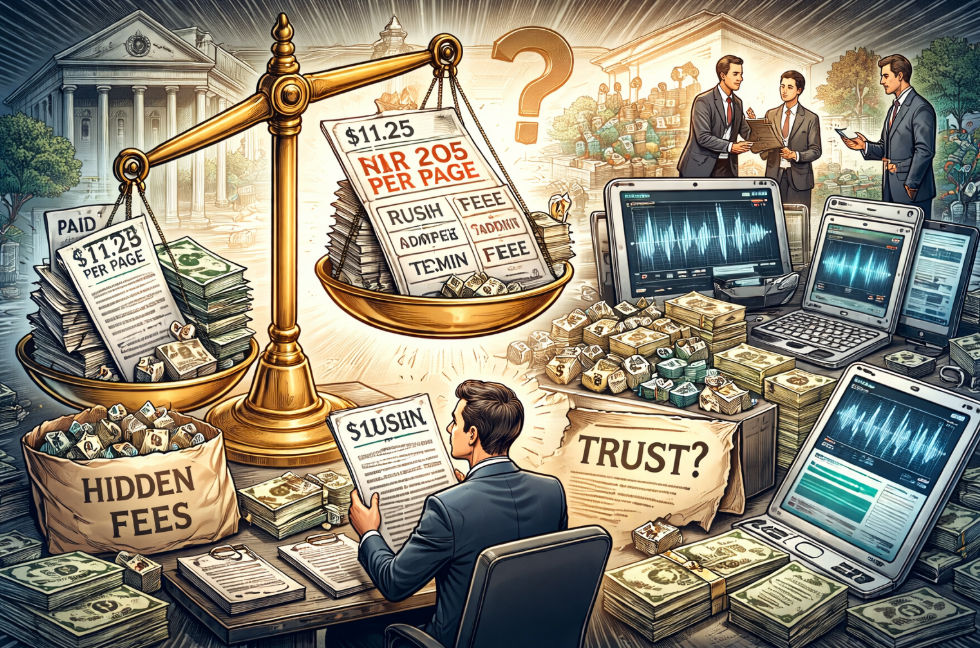
For years, reporters were told agencies shared transcript revenue fairly — once roughly 70/30, later framed as 50/50. But when a reporter earns $2.80 per page while the client pays over $11, the numbers reveal something else entirely. Hidden fees and opaque billing distort the market, push attorneys toward cheaper alternatives, and damage trust in stenography itself. Transparency isn’t regulation — it’s survival.
Why AI Cannot Replace Human Stenographers — and Why the Math Finally Caught Up With the Marketing
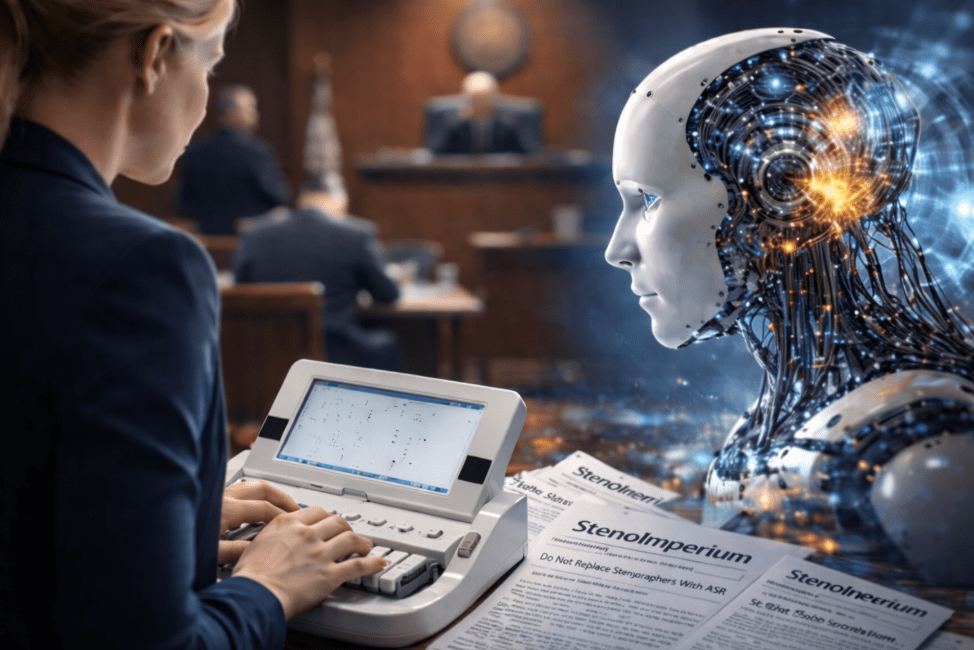
A former AI CEO and his Stanford-trained son just proved what court reporters have been warning for years: AI systems have a hard computational ceiling. When real-world tasks exceed it—as legal proceedings routinely do—AI doesn’t “struggle.” It hallucinates. That limitation isn’t temporary or ethical. It’s mathematical. And it explains why human stenographers remain irreplaceable in the creation of a legal record.
Court Transcript Rules Shift in Los Angeles County – What Litigants Need to Know
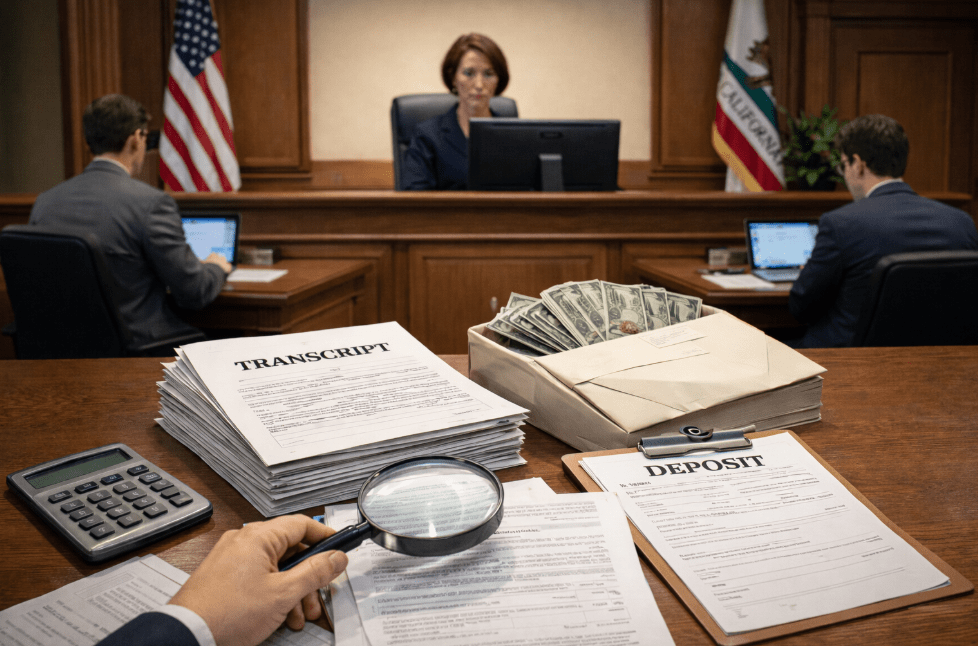
On January 21, 2026, the Los Angeles County Superior Court quietly clarified how parties may purchase reporter’s transcripts on appeal—reshaping the financial and procedural mechanics behind who pays, who receives copies, and how the official record moves forward. While technical on its face, the change touches the core of appellate practice: access to the words that ultimately decide cases.
Court Reporters’ Open Letter – The Rule of Law Begins With the Legal Record
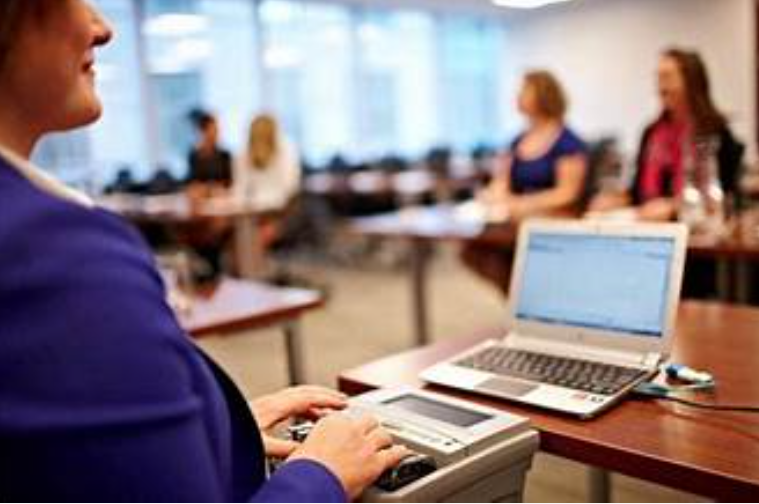
The legal record is not a convenience or a product. It is constitutional infrastructure. As courts quietly replace licensed stenographic court reporters with unregulated recording systems, they are not modernizing procedure. They are removing accountability from the point where law becomes fact. Without a trustworthy, professionally certified record, due process weakens, appellate rights erode, and judicial legitimacy itself is placed at risk.
The Fragile Spine of Justice – Why Courts Must Defend the Integrity of the Legal Record
The legal record is the spine of the justice system. Every appeal, ruling, and public trust in the courts rests on its integrity. When record-making is treated as a technical task rather than an evidentiary duty, courts risk weakening the very structure that allows justice to stand. Defending the record is not administrative—it is constitutional.
Who Is Really Overcharging Attorneys? Inside the Business of Court Reporting in the Private-Equity Era

When attorneys receive shocking court reporting invoices, frustration is understandable. But those inflated charges are not enriching court reporters. They are the product of private-equity consolidation, corporate billing structures, and middlemen who control pricing while paying reporters a shrinking share. If the profession is being hollowed out, it is not by stenographers. It is by the business models built on top of them.
An Open Letter to Judges – On the Custody of the Record
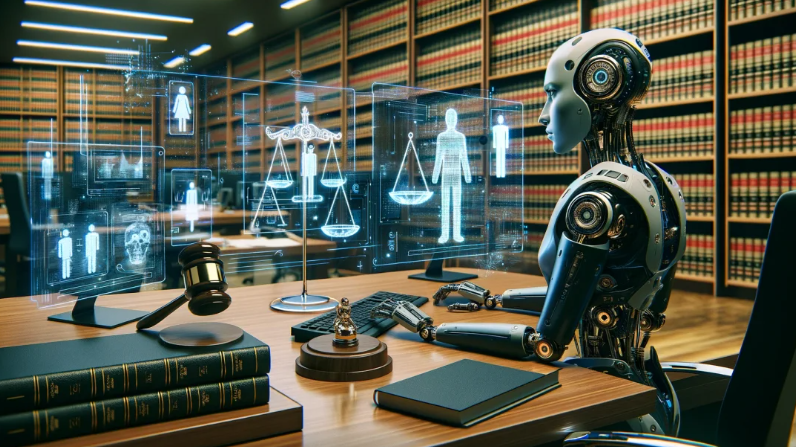
The judiciary’s authority endures not through rulings alone, but through the integrity of the record. When courts weaken professional accountability over how proceedings are captured, they do not merely modernize operations—they destabilize the evidentiary foundation of justice itself. The legal record is not output. It is evidence. And evidence requires human, licensed custody.
The Record Is the Case – Why Saving Court Reporting Means Saving Legal Reality

The record is not a convenience. It is evidence.
Every ruling, appeal, settlement, and precedent rests on the integrity of the transcript. When courts weaken the standards governing how the record is created, they are not modernizing—they are destabilizing the very foundation of justice. Saving court reporting is not about preserving a profession. It is about protecting legal reality itself.
The Legal Record Is Not a Decorative Byproduct of Litigation. It Is Evidence.
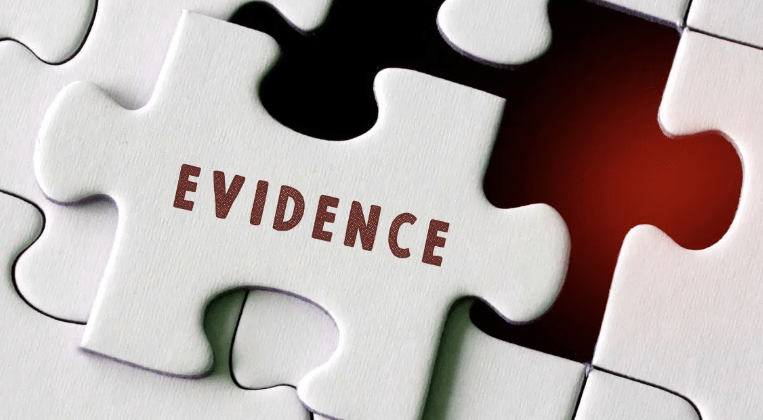
A legal transcript is not a convenience product. It is evidence. Evidence requires provenance, certification, and lawful creation. When proceedings are merely recorded and later transcribed by unlicensed individuals, the result is not a court record—it is media. Courts are quietly replacing evidentiary safeguards with technical workflows, downgrading the legal record from authenticated proof to a reconstructive artifact.
Why Judges Shouldn’t Rely on AI Yet – A Cautionary Case Against Generative AI in the Courts
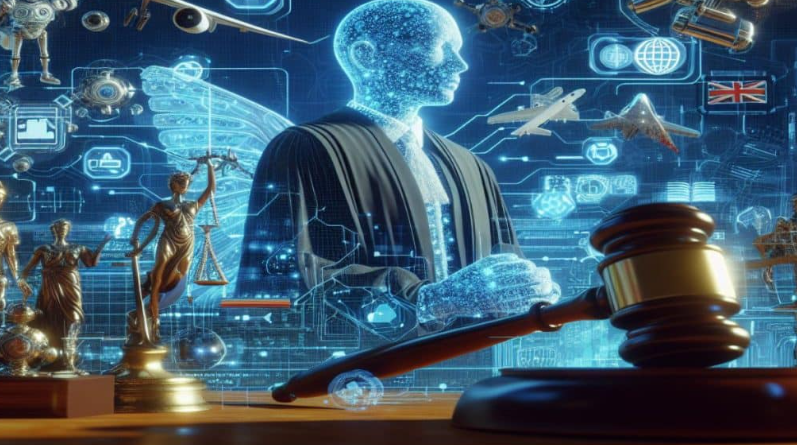
As courts experiment with generative AI, the judiciary risks embracing a technology that is not yet reliable, transparent, or safe enough for justice. From hallucinated legal authority to inaccurate ASR records, today’s AI systems already struggle with basic courtroom functions. Introducing them into judicial workflows now risks compromising confidentiality, fairness, and public trust at the very moment the courts can least afford it.
When a Profession Is Under Siege, Its Trade Association Should Not Be Hosting Craft Night

As courts experiment with digital capture and AI transcription, the integrity of the legal record is under unprecedented pressure. Yet California’s flagship Court Reporting & Captioning Week is being promoted with craft nights and lifestyle events. At a moment that demands advocacy, public education, and professional defense, the association’s messaging risks trivializing a profession that exists to safeguard due process itself.
AB 1189 Collapses — and Why That Matters More Than the Victory Lap Suggests

Assembly Bill 1189 did not collapse because of rhetoric or resistance to change. It failed because it attempted to shift control of California’s official legal record away from the state and into private hands. While its withdrawal is significant, it is not the end of the effort to reframe record creation. The next proposal will be quieter, cleaner, and harder to spot.
When an AI “Note-Taker” Shows Up to a Legal Proceeding

AI note-taking tools may be convenient in business meetings, but their presence in legal proceedings raises serious concerns about confidentiality, chain of custody, and record integrity. When unauthorized bots capture testimony, the official record can be compromised in ways that surface long after the proceeding ends. Protecting the record means understanding when technology crosses a legal line.
The AI Question Everyone Is Asking—And Almost Everyone Is Answering Wrong

The AI debate in court reporting and captioning is being framed incorrectly. This is not about whether humans are “better” than machines. It is about risk, accountability, and appropriate use. AI may assist in low-stakes contexts, but when the record carries legal or reputational consequences, decision-makers still need a licensed professional who can certify, correct, and stand behind the work.
When the Record Is Public, Who Pays for It?

Court transcripts are treated as public goods, but the labor that creates them is not. While federal courts quietly preserve a temporary restriction period before transcripts become freely accessible, state court systems operate under very different economic models. Together, these frameworks reveal how control of the legal record has shifted away from court reporters, steadily separating access from fair compensation.
The Readback Problem in Voice Writing—and How to Solve It
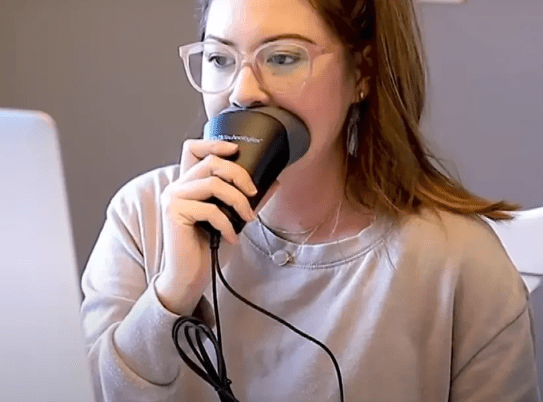
Readback is where the record proves its reliability. For voice writers, that moment too often collapses into rewind and guesswork when ASR fails. The solution is not better training, but better software: a persistent phonetic fallback, confidence-aware output, and word-level audio that function like steno notes. Voice does not need perfection—it needs an inspectable substrate.
The Voice Writing Question – Is the Fastest Entry Path Quietly Reshaping—and Risking—the Court Reporting Profession?
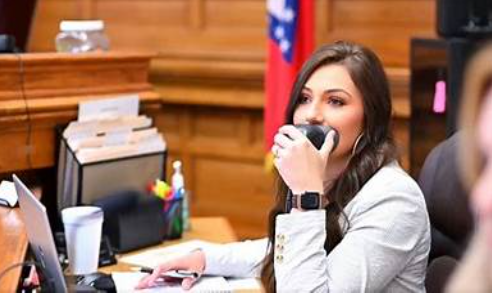
Voice writing is rapidly being marketed as the fastest path into court reporting, even as it remains unrecognized as stenography by the profession’s own national association. This article examines the growing disconnect between how voice writing is sold and how the legal record actually functions, why many machine reporters are learning voice for longevity—not superiority—and what happens when speed of entry outpaces experience in a profession built on precision.
When the Record Goes Missing – Digital Recording, Judicial Discretion, and the Fragility of the Official Court Record

As courts increasingly replace stenographic reporters with digital recording systems, the promise of efficiency collides with a harder truth: a recording is not the same as a reliable record. When equipment fails, speakers overlap, or entire proceedings go unrecorded, there is no safety net. The cost savings vanish quickly—leaving judges, attorneys, and litigants to reckon with what was lost.
The Quiet Exploitation Behind the Federal Court Record
For more than twenty years, federal courts have profited from certified transcripts produced by court reporters—without compensating the professionals who created and certified the official record. PACER refunds may address user overcharges, but they do nothing to resolve the underlying exploitation of court reporters’ labor. Until reporters are paid for their work product, the federal court record rests on an unsustainable imbalance.
When Software Tries to Stand In for a License – Why ASR “Cleanup” Is Not Court Reporting

As courts embrace automated speech recognition, a critical question is being overlooked: who controls the legal record, and where does it live? Replacing licensed court reporters with cloud-based transcription and post-hoc “cleanup” introduces risks that go far beyond accuracy. From silent realtime edits to juror privacy in voir dire, the integrity of the record—and public trust in the justice system—are at stake.
If You Want Lower Transcript Costs, Help Create More Court Reporters

Transcript prices are not rising because court reporters are greedy; they are rising because there are fewer of them. Like any market, court reporting follows basic economic rules: when supply shrinks and demand grows, prices increase. If attorneys want lower transcript costs, the solution is not cheaper capture methods—it is helping rebuild, retain, and respect the human court reporting workforce.
When Caution Becomes Capitulation – NCRA’s AI Filing and the Quiet Risk to the Court Record
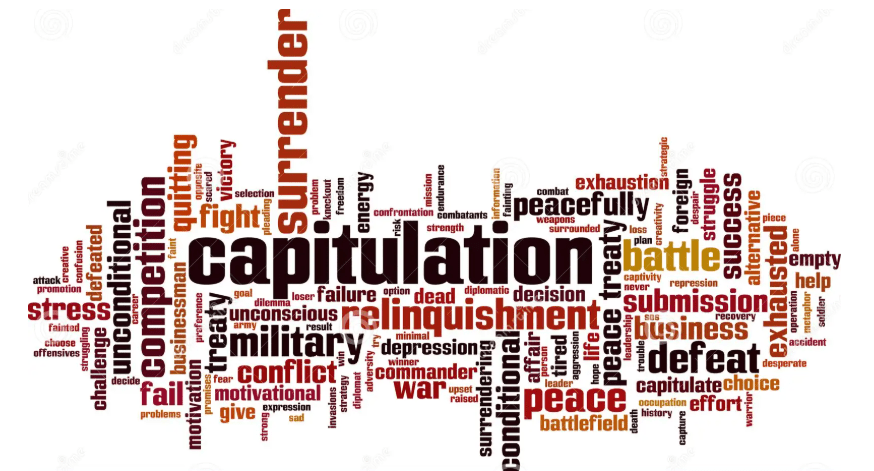
As courts rush to embrace artificial intelligence, a quiet but consequential shift is underway. A recent federal submission by the National Court Reporters Association acknowledges AI’s flaws—yet stops short of drawing the line where it matters most. When caution replaces clarity, the integrity of the official court record, and the constitutional rights it protects, are placed at risk.
Celebration or Contradiction – When Corporate CEU’s Collide With the Reality of the Record

Corporate newsletters now celebrate “community” and “professional pride” while quietly advancing business models that make those same professionals optional. When private-equity-backed firms praise stenographers as essential yet invest in scalable digital replacements, the contradiction isn’t accidental — it’s strategic. Celebration becomes optics management, not advocacy, and reporters are left to reconcile flattering words with an economic reality moving in the opposite direction.
The Profession No One Talks About—Until Everything Depends on It

From ancient Phoenician scribes depicted in Disney’s EPCOT to modern realtime stenographers writing 225 words per minute at 95 percent accuracy, court reporters have always safeguarded civilization’s most critical words. They are the neutral architects of the legal record, preserving testimony that determines rights, liberty, and history itself. In an era of automation myths, their human precision remains indispensable.
The Polite Language of Professional Displacement

Veritext’s latest CEU webinar series is being framed as professional development, but its core message deserves scrutiny. By asserting that capture method does not matter, the programming advances a narrative that conflicts with evidentiary law, professional ethics, and NCRA’s stated mission. With CEU approval still pending, members have a narrow window to speak up—before silence is mistaken for consent.
Who Trained the Machine?

AutoScript AI is marketed as a “legal-grade” AI transcription solution trained on “millions of hours of verified proceedings,” yet the company provides no public definition of what verification means in a legal context or where that data originated. Founded and led by technology executive Rene Arvin, the platform reflects a broader trend of general ASR tools being rebranded for legal use without the transparency traditionally required in court reporting.
The Masks Court Reporters Wear—and the Cost of Wearing Them Too Long

Court reporters are trained to capture the truth verbatim, yet many have learned to suppress their own. In a profession built on accuracy and independence, silence has become a survival strategy. Over time, professionalism has been mistaken for passivity, and conformity for neutrality. The result is a culture where dissent feels dangerous—and where thinking independently is quietly discouraged.
Opinion | Digital Reporting Is Not “Clearly Lawful.” It Is Clearly Inferior — and Legally Dangerous

Digital reporting is not merely a different tool — it is a different evidentiary product. A transcript created after the fact from audio is reconstruction, not a contemporaneous verbatim record. Without licensed stenographic capture, individual accountability, and real-time certification, courts are left with hearsay dressed up as efficiency. The integrity of the record is not optional.
Opinion: Texas Isn’t Confused About Digital Reporting — Only the Vendors Are

Texas is not confused about digital reporting — only the vendors are. Esquire, U.S. Legal, and Veritext recast a business model as a legal right, insisting courts ignore reliability gaps, nonexistent licensure, and the safeguards built directly into Rule 203.6. The trial court didn’t err; it exercised discretion. Corporate convenience is not access to justice, and marketing cannot replace a certified, accountable record.
Save Us, Elon – The Justice System Is Sleepwalking Into Collapse

America’s justice system is quietly collapsing as courts replace human stenographers with error-prone ASR. When the record fails, due process dies — and with it, the safeguards that protect us from wrongful convictions, corruption, and authoritarian drift. This is a plea to Elon Musk: recognize the danger before it becomes irreversible. Without a reliable human record, there is no justice — and no freedom.
A Harbinger of Collapse – What One Facebook Post Reveals About the Future of Court Reporting in the United States

A single Facebook post from a Canadian reporter—reduced to just 3–6 jobs a month—should terrify every U.S. attorney and stenographer. It is a glimpse of what happens when ASR replaces certified professionals: the market collapses, accuracy disappears, and justice erodes. Canada didn’t fail because reporters weren’t skilled. It failed because decision-makers chased “cost savings.” The U.S. is next—unless we stop it now.
When the Bill Comes Due – How California’s SB 988 Exposes a Nationwide Gap in Reporter Payment Protections

California’s SB 988 requires court reporting firms to pay reporters within 30 days — but attorneys have no matching deadline to pay the firms. This imbalance creates cash-flow strain, especially for small agencies, and highlights a national gap in reporter protections. With one-third of U.S. reporters in California, what happens here shapes the entire industry. Other states could — and should — follow with smarter, reciprocal legislation.
The Weight of Watching- A Court Reporter’s Reflection When Justice Falters
Court reporters are trained to remain neutral observers, preserving the record without influence or intervention. Yet we also witness the moments when the justice system’s safeguards fail—when potential juror bias goes unexamined or judicial oversight falls short. We cannot raise concerns or redirect the process; our role is silence. The emotional toll comes from knowing what fairness requires, and watching when it is not upheld.
A Membership Wall Around Opportunity – NCRA’s New Jobs Board Restriction Raises Questions in a Shrinking Profession

The National Court Reporters Association has quietly restricted its Jobs Board to dues-paying members only, blocking more than 13,000 qualified non-member reporters from viewing official court reporter openings. The move comes amid nationwide staffing shortages in court systems and raises concerns that a membership paywall could shrink the hiring pool and undermine efforts to preserve stenographic officialships. Critics warn the policy conflicts with the profession’s survival needs.
The Bubble Beneath the Record – A Financial Crisis in Court Reporting Is Coming

A financial bubble is forming beneath the court reporting industry. Private equity markups have pushed attorneys toward cheaper “alternative” record methods, but those substitutes fail evidentiary standards and are beginning to collapse under legal scrutiny. As reporters reject unsustainable rates and attorneys realize uncertified transcripts don’t hold up in court, the industry is nearing a correction. The record cannot be commodified—and the bubble will burst.
When Disclosure Isn’t Enough – Why AB 711 Doesn’t Serve Court Reporters or Access to Justice
AB 711 claims to curb “reporter waste,” but it’s a paperwork fix for a resource crisis. Mandating disclosure of who will hire a court reporter doesn’t solve shortages, improve access, or strengthen the profession—it risks normalizing hearings without certified stenographers. California needs investment in reporters, not bureaucracy that treats them as optional.
The Penny Auction Rebellion – How Stenographers Can Take Back the Record

In 1936, farmers fought foreclosure by staging “penny auctions,” bidding pennies on their neighbors’ land and giving it back to them.
Today, stenographers can do the same — through unity, co-ops, and reporter-owned platforms to reclaim our profession from AI, digital recording, and private equity control.
When Regulation Becomes Endorsement – How the CRB’s Firm Registration List Rewards Non-Reporter-Owned Corporations
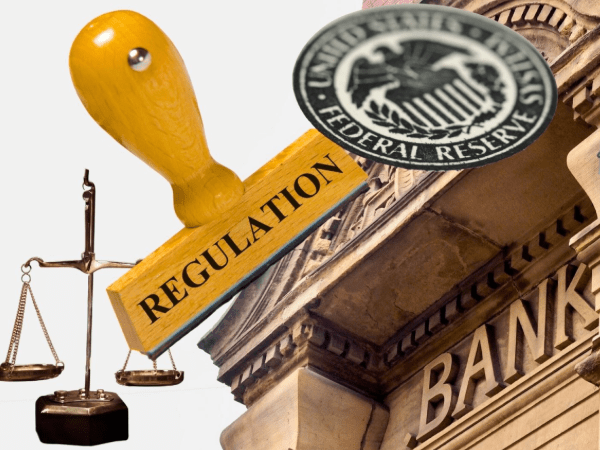
California’s Court Reporters Board has turned oversight into inadvertent endorsement. Its public “Registered Firms” list features non-CSR-owned conglomerates like Veritext and Magna—but omits legitimate CSR-owned professional corporations. The result? True shorthand reporting firms are hidden while unlicensed corporations gain state-backed visibility. It’s a structural inequity that undermines professional integrity and consumer trust—and it demands reform.
The Battle for the Record Is Here — and CCRA Needs You

CCRA has taken a historic stand for every California court reporter. With attorney Scott Kronland of Altshuler Berzon, we’re defending the integrity of the record before the California Supreme Court. The fight against electronic recording isn’t just about jobs—it’s about justice. Your profession. Your record. Your voice. Stand with us. Join CCRA. Donate today.
Why Transcript Correction Disputes Are Rising — And Where the Problem Originated

Certified court reporters are seeing a rise in large-scale transcript correction requests, but the issue is not declining reporter skill. It stems from the increased use of digital audio and ASR-generated transcripts being treated as equivalent to stenographic reporting. Once attorneys began comparing transcripts with software tools, the inconsistencies became clear. Accuracy starts at the point of capture, and the method matters.
Why the Legal System Doesn’t Understand What’s Happening to Court Reporting

The justice system assumes court reporting is “handled,” but the record itself is collapsing under the rise of uncertified digital labor and AI transcripts. Attorneys, judges, and legislators don’t realize that without certified stenographers, accuracy, ethics, and access to justice all fail. This roadmap shows how to unite the legal community to protect the record—and the rule of law itself.
Court Reporters v. Digital Recording and Voice Recognition – A Comprehensive Breakdown

Digital recording and ASR may promise convenience, but they fail the test of law and logic. Machine transcripts aren’t sworn, certified, or admissible—they’re hearsay without a human declarant. Court reporters remain the only officers of the record who can guarantee accuracy, authenticity, and accountability in real time. Justice still depends on human precision.
The Rebirth of Steno – How a New Generation of Reporters Is Reclaiming the Record

After years of “steno is dying” headlines, the data tells a different story. Enrollment is climbing, schools are reopening, and the profession has grown by 231% in just two years. A new generation of reporters is reclaiming the record—proving that integrity, accuracy, and human intelligence can’t be replaced by algorithms. This is the rebirth of steno.
The End of the Record?

Verbit’s new mobile app lets anyone “record everything” — but at what cost? Without regulation, uncertified recordings could replace official transcripts, eroding reporter income and the integrity of the record itself. If the profession doesn’t fight back now, “copy sales” may be the least of what’s lost. This isn’t innovation; it’s deregulation disguised as convenience.
The Notary Loophole – Why Digital “Oath-Taking” May Jeopardize the Record
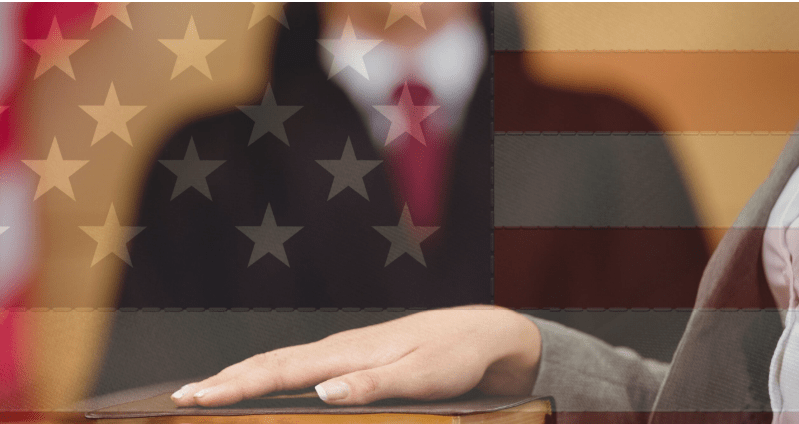
Digital firms are exploiting the “notary loophole” — using notaries instead of licensed court reporters to swear in witnesses and certify transcripts. But notaries aren’t officers of the court. This practice risks inadmissible records, broken chain of custody, and malpractice exposure. Only certified stenographers can lawfully administer oaths and safeguard the integrity of the record.
Free Roughs, Hidden Costs – How AI Transcription Is Quietly Rewriting the Legal Record

Kerala is openly mandating AI transcription in every courtroom. In the U.S., the same shift is happening quietly. Esquire and Veritext now hand out free AI rough drafts, reshaping transcript control through corporate platforms — while some LA Superior Court judges secretly use machine drafts during remote hearings. Policy, business, and judicial habit are converging — outside public view.
The Real Markup – Why Attorneys Think Reporters Are Overcharging (and Who’s Actually Pocketing the Profit)
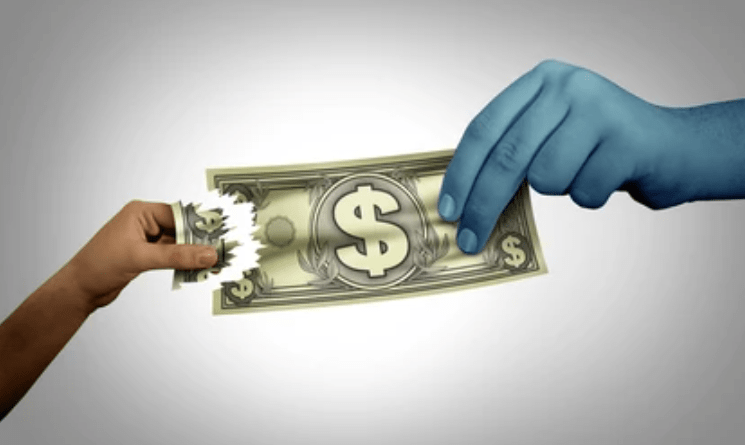
Attorneys often assume court reporters are the ones driving up transcript costs. In reality, it’s the agencies in the middle—marking up reporter rates and layering on fees for condensed transcripts, concordances, exhibits, and repositories that reporters don’t see a penny of. As transparency grows, attorneys are discovering the truth: working directly with certified reporters saves money and strengthens the record.
Credentials vs. Competence – Rethinking Professional Standards in Court Reporting

Court reporting’s future depends on more than letters after our names. Credentials have value, but without strong state licensure, standardized titles, and real enforcement, they offer no structural protection. As attorneys push back on “high rates” and cheaper labor undercuts skilled reporters, the profession must unify around measurable skill, fair rates, and regulatory strength—not voluntary designations.
“No Such Thing as a Job Nobody Wants” – Debunking a Convenient Myth in the Court Reporting Industry
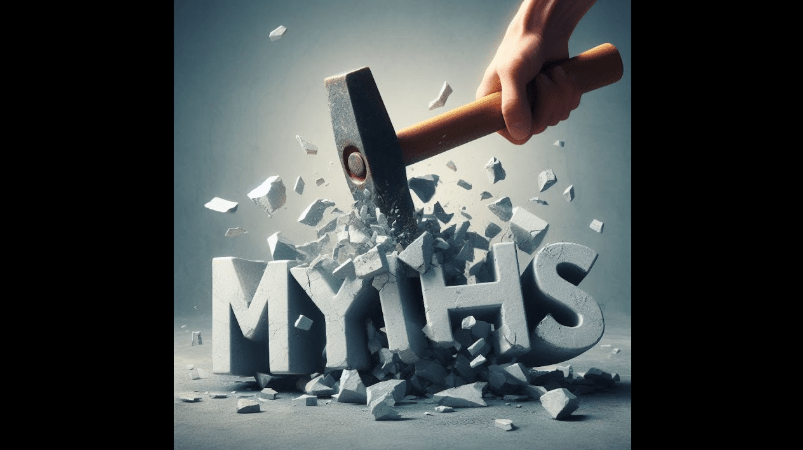
Agencies claim they use digital recorders only for the “jobs no one wants.” But reporters know better. Short PI and workers’ comp depos aren’t unwanted—they’re flexible, essential, and often preferred. Labeling them “undesirable” masks profit motives, undercuts opportunities for new talent, and devalues critical legal proceedings. There’s no such thing as a job nobody wants—only work that deserves respect and fair pay.
 STENOIMPERIUM