In recent years, the rise of digital court reporting has stirred significant debate within the legal transcription community. Proponents argue that digital reporting — often certified through the American Association of Electronic Reporters and Transcribers (AAERT) — provides a viable alternative to traditional stenography. Yet, for seasoned legal professionals and advocates of judicial integrity, this shift raises serious concerns. The core issue isn’t simply about innovation versus tradition — it’s about the legitimacy, reliability, and accountability of the record-keeping method used in our courts.
While AAERT has been in existence for over three decades and offers certification for digital reporters and transcribers, its credentials are not held in the same regard as those of licensed stenographers — and for good reason. In fact, within the professional world of court reporting, AAERT certifications are widely seen as insufficient substitutes for the rigorous training, licensure, and real-time capabilities that define a certified stenographic reporter.
The Misconception of Certification Parity
The key argument made by digital court reporting advocates is that “digital court reporters are certified — through AAERT.” But this assertion glosses over the deeper realities of certification standards, enforcement, and function. Not all certifications carry equal weight. While AAERT may issue credentials, they lack the statutory authority, institutional oversight, and technical robustness found in state licensing systems for stenographers.
Stenographers must often undergo two to four years of formal education, pass state or national licensure exams (such as the RPR, CSR, or RMR), and meet continuing education requirements to remain in good standing. They are often governed by state agencies or judicial boards, subject to ethical codes, and held personally accountable for the integrity of the record.
In contrast, AAERT’s certification process — while structured — is relatively minimal. A digital court reporter can be certified through a multiple-choice exam and a practical test involving audio recording, with far less emphasis on live interaction, real-time accuracy, or procedural legal knowledge. There is no state licensure or legal mandate requiring AAERT certification in most jurisdictions, and many digital operators in practice are uncertified altogether.
Real-Time vs. Deferred Accountability
One of the starkest differences between stenographers and digital reporters lies in how the record is captured and preserved. Certified stenographers are trained to produce real-time transcripts — verbatim records created as testimony unfolds. They can instantly flag inaudible responses, seek clarification from witnesses, and ensure the record is accurate as it happens. This capacity not only protects the parties in a proceeding but also ensures that attorneys, judges, and appellate courts have immediate access to a trustworthy record when it matters most.
By contrast, digital court reporters rely on audio capture, typically recording proceedings for later transcription — sometimes by entirely different individuals, in remote locations, and days or weeks later. Even with AAERT certification, this “record now, transcribe later” model introduces critical vulnerabilities: corrupted audio, crosstalk, missed words, technical malfunctions, and human error in post-production transcription. These are not hypotheticals; they are recurring issues in court systems that have experimented with digital replacements.
And while stenographers sign and swear to the accuracy of their work, the digital model often separates the original recorder from the transcriber, muddying the chain of accountability. In legal proceedings, where the verbatim record is often the basis for appeals, settlements, or criminal sentencing, that separation is a dangerous gamble.
Institutional Preferences Tell the Story
Perhaps the most telling indication of AAERT’s limited legitimacy in the court reporting world is found in institutional preferences. Federal courts, superior courts, and appellate jurisdictions overwhelmingly continue to require stenographers — particularly in high-stakes or complex cases. While some lower-level or administrative hearings may accept digital methods due to budget constraints, courts still default to stenography when accuracy, speed, and reliability are non-negotiable.
Why? Because court administrators, judges, and litigators have seen the difference in performance firsthand. A live stenographer not only delivers a transcript that meets immediate and long-term needs — they become part of the judicial process, actively protecting the record and the rights of all participants.
AAERT Acknowledges Its Own Limits
To its credit, AAERT does not claim to be a replacement for state-licensed stenographic systems. Its mission is to promote standards in digital and electronic recording, not to regulate or enforce licensure. It lacks statutory authority and is not recognized as a governing body by any state bar or judicial oversight board. Even AAERT itself has acknowledged that there must be a trained, certified professional in the room — whether that’s a stenographer, a voice writer, or a digital reporter.
But therein lies the problem: In real-world practice, many digital reporting services cut corners. Budget-conscious courts and private agencies often deploy unlicensed, uncertified recorders — or rely on remote audio capture with no professional present in the room at all. AAERT’s existence is no safeguard against such practices, and its certification is too often used as a veneer of credibility over an inherently riskier model.
Protecting Due Process, Not Turf
Critics of stenographic advocacy sometimes accuse stenographers of simply trying to protect their turf. But this isn’t about market share or nostalgia. It’s about protecting due process and ensuring the judicial system runs on an accurate, verifiable, and transparent record. The stakes are too high — people’s freedom, financial futures, and legal rights — to rely on anything less.
Stenographic court reporters have earned their place through proven performance, legal recognition, and professional accountability. AAERT certification, while a nod toward standardization in the digital space, does not — and cannot — match the gold standard that stenography represents.
In summary, AAERT certification may exist, but that doesn’t make it equal — or even comparable — to the rigorous credentials held by certified stenographers. In the eyes of courts, legal professionals, and anyone who understands the importance of an accurate record, the distinction is clear. Certification alone is not enough. What matters is who is behind the certification, how the record is created, and what standards are enforced to protect the integrity of justice.
Until AAERT — and the digital court reporting industry at large — can meet those benchmarks, their certifications will continue to be viewed by the professional court reporting community not as legitimate substitutes, but as inadequate alternatives. And when it comes to preserving the voice of the courtroom, “adequate” simply isn’t good enough.
In the world of stenography—a profession built on accuracy, integrity, and discretion—many court reporters are finding themselves at a crossroads. One name in particular, the branded entity known as Steno In The City (registered trademark) (SITC), once promoted as a glamorous and innovative hub for legal professionals, has recently become a source of division, scrutiny, and, increasingly, rejection.
As reports from StenoImperium continue to surface, raising concerns about their business model and the use of unpaid volunteer labor, according to published reports and postings on SITC’s own social media accounts and website, many stenographers are choosing not to attend SITC events. Some are even publicly condemning the organization, drawing comparisons to celebrities who have refused party invitations from embattled music mogul Sean “Diddy” Combs. In both scenarios, what appears extravagant may be masking deeper concerns, as some critics suggest.
The Glamour vs. The Grit
SITC’s branding suggests sophistication: rooftop mixers, influencer-style content, luxury settings, and promises of community and opportunity. But as StenoImperium’s detailed exposés point out, much of this polish may mask a darker underbelly of mismanagement and manipulation.
In an article published in March 2025, SITC was found to be in violation of Louisiana solicitation and volunteer laws—a significant infraction for any business, let alone one so publicly aligned with a professional field. SITC has been reported to the State of Louisiana for potential violations of solicitation and volunteer laws. The state acknowledged receipt of the complaint, according to documentation provided by the whistleblower.
Further reporting exposed the use of unpaid labor to run high-end events. Court reporters, many with years of experience and education, were reportedly expected to “volunteer” in exchange for exposure or community goodwill—prompting criticism from some within the stenographic community. (StenoImperium, Feb 26)
“I didn’t enter this field to work red carpet events or chase social media fame,” says one stenographer who declined to attend an upcoming SITC conference. “I went into it to serve the justice system. What they’re doing feels like a mockery of that mission.”
The Diddy Comparison
The backlash bears striking resemblance to the resistance seen by high-profile figures in the entertainment industry against party moguls like Sean “Diddy” Combs. Just as SITC offers luxury and glitz to mask deeper concerns, Diddy’s lavish events have faced boycotts from celebrities who question the ethics, culture, and chaos behind the scenes.
Take actress Jenny Mollen, who famously declined a Diddy party invitation at the age of 19. “He seemed… small, strange, not someone I wanted to be around,” she said, describing the environment as one of overindulgence and dysfunction. Similarly, stenographers are now asking: Is this really where our professional standards should be heading?
Rapper Ice Cube has been vocal about his refusal to associate with Diddy events. “I’ve never gone to one, and I don’t plan to,” he said, noting his objections to questionable business practices. This mirrors what stenographers are now feeling: a refusal to align with behavior that tarnishes their profession.
Perhaps most vocally, 50 Cent has called Diddy “unmanned” and mocked his extravagant parties as hollow. His refusal to associate with Diddy stems from principle, not fear—and many in the stenographic community are taking a similarly firm stand with SITC.
SITC’s Party Culture and “Influencer Takeover”
One of the most damning accusations against SITC is how it has drifted from the values of professional court reporting. Instead of providing meaningful career development, critics argue, SITC has embraced the aesthetics of Instagram-worthy events and influencer-style promotion.
In a piece titled “All That Glitters Is Not Gold”, StenoImperium broke down how volunteers are exploited under the guise of “community” and networking. “The appearance of luxury masks the devaluation of labor,” the article stated.
Moreover, the organization has faced criticism regarding internal operations and how dissenting voices are handled. A separate exposé alleged that whistleblowers who raised red flags about SITC’s business model were met with online harassment and even threats of violence. The whistleblower filed for a temporary restraining order against a SITC-affiliated individual for alleged cyberstalking after criticizing SITC, as documented by StenoImperium. Additionally, a woman hired by SITC sent a cease and desist letter while falsely claiming to be a licensed attorney in California. She was reported to the California Bar, which completed an investigation and confirmed she was acting unlawfully. The case has been referred to the California District Attorney for potential prosecution and is currently pending.
A Profession Built on Integrity
The comparison to Diddy is more than a pop-culture analogy. It reflects a growing discomfort within the stenography field about image vs. substance. Just as Diddy’s empire is now under increased scrutiny for decades of unchecked behavior, SITC’s glittering façade is no longer fooling seasoned professionals who are demanding transparency and accountability.
SITC is also accused of allegedly structured in a way that allows it to operate with minimal regulatory oversight, according to critics., sidestepping fair labor practices and exploiting the goodwill of newer, eager court reporters. In short, it’s not just about flashy parties—it’s about real harm.
“I’m not here to be ‘seen’ at an event,” said another stenographer who has rejected multiple SITC invites. “I’m here to do my job. And that means standing up for my peers and protecting the ethics of our profession.”
Turning Down the Invitation
The growing boycott of SITC is not a tantrum—it’s a conscious rejection of a narrative that equates glamour with legitimacy. Like Ice Cube and 50 Cent opting out of Diddy’s world, court reporters are choosing principle over popularity.
As one StenoImperium article warns, “Influence must not be mistaken for truth.” The rejection of SITC events marks a reclaiming of that truth by a community tired of being used as props in someone else’s PR campaign.
The Future of Stenography
The industry is at a pivotal moment. With AI encroaching on jobs, certification standards under attack, and now influencer-style groups trying to hijack the profession’s public image, it’s more important than ever to demand integrity.
By refusing to attend SITC events, many stenographers are taking a quiet yet powerful stand. Just like those celebrities who declined Diddy’s infamous invites, they are saying: Not everything shiny is worth showing up for.
Because in a profession built on capturing every word, sometimes silence—especially in the form of absence—speaks the loudest.
Disclaimer: This article includes opinions and commentary based on publicly available information and firsthand accounts. Allegations referenced herein are drawn from published reports, personal communications, and documentation provided by individuals involved. No claims of legal guilt or liability are implied unless confirmed by official authorities. The purpose of this article is to inform and foster dialogue within the stenographic community.
“My use of the phrase ‘Steno In The City’ is purely descriptive and used solely to refer to the trademark holder in the context of journalistic critique and commentary. No content on the site implies affiliation, endorsement, or partnership with the trademark holder.”
“Steno In The City is a registered trademark of its respective owner. This blog is not affiliated with or endorsed by that brand.”
In the evolving world of court reporting, the convergence of tradition and technology has reached a pivotal point. At the center of this transformation is Eclipse RSR—a voice-to-text software by Advantage that’s rapidly redefining what it means to be a modern court reporter.
For years, the field has been primarily dominated by stenographers and voice writers, with digital reporting often viewed as the lesser sibling. But RSR (RealSpeak Realtime) is changing that narrative. Designed as the next iteration of Eclipse software, RSR builds on familiar platforms and integrates automatic speech recognition (ASR) to allow users—stenos, voice writers, and even newcomers—to produce real-time transcripts with remarkable accuracy and speed.
While RSR isn’t generative AI in the typical sense, it is an advanced ASR tool that transforms spoken words into editable text in real time. For traditional stenographers, it might sound like heresy, but many are quietly experimenting with RSR—and some are already using it in their daily workflow. The benefits are hard to ignore: streamlined real-time transcripts, quicker rough drafts, and powerful collaborative features like “team editing,” where scopists or editors can join a live deposition and assist in real-time editing. This drastically reduces turnaround times and enhances transcript quality.
The Resistance and the Shift
Not everyone is thrilled. Some highly skilled realtime stenographers express concern over training digital reporters to use these tools, fearing it may erode their hard-earned market share. After all, helping someone new master RSR might just equip them to compete for the same realtime jobs. But many within the community also see the inevitability of change. Instead of resisting, they advocate for owning the transition—helping train others, shaping ethical standards, and ensuring quality remains high.
This shift is not just about technology; it’s about labor, economics, and professional identity. Many digitals, once relegated to low-paying roles with little autonomy, are seizing the opportunity RSR offers. It empowers them to produce and certify their own work, assuming they have the necessary skills in grammar, punctuation, and transcript editing. For some, it’s a lifeline out of exploitative agency structures where they log notes while someone else gets paid to finalize their work.
The Skills Gap
Despite RSR’s promise, it’s not a magic button. It demands competence. Knowing how to edit effectively in Eclipse, maintain transcript integrity, and manage the demands of realtime work is critical. Those who assume the software alone will do the job are in for a wake-up call. Professionals—regardless of background—must still meet the same high standards.
And that’s why some stenos don’t see RSR as a threat, but as a tool—especially valuable for those dealing with physical strain, career burnout, or a lack of retirement savings. With RSR, they can continue working without the physical toll of machine writing.
The Economics of Access
There is, however, a significant barrier to entry: cost. RSR is expensive, and many digital reporters earning hourly wages struggle to afford it. Agencies, which often control the software, are slow to provide access or support. As a result, even as the technology becomes more widespread, many digitals remain on the fringes—locked out of opportunities that could elevate them to full reporting professionals.
This has sparked frustration. Many aspiring reporters feel left behind—not for lack of skill, but due to institutional reluctance to invest in them. Meanwhile, some experienced reporters, disheartened by industry gatekeeping and gossip, are taking matters into their own hands: investing in RSR independently, training others, and pushing for a more equitable system.
The Future of Reporting
The world of court reporting is evolving rapidly. With RSR, we are witnessing not the end of steno, but a diversification of pathways into the profession. Whether you’re a steno veteran, a digital reporter, or a language-savvy newcomer, the same message rings true: adapt, learn, and evolve.
RSR isn’t perfect. It won’t replace the best realtime reporters overnight. But it’s here. It’s powerful. And it’s leveling the playing field for those willing to master it.
The question is no longer if this technology will reshape the industry, but how we, as a community, choose to shape it.
For decades, court reporters have been the quiet backbone of the legal system—meticulously recording testimony, ensuring accurate transcripts, and supporting the machinery of justice. Yet over the past 30 years, a growing threat has chipped away at the profession: insurance companies contracting with court reporting agencies. What was once a collaborative, local industry driven by relationships and reputation has become increasingly monopolized, opaque, and exploitative. As large agencies secure exclusive deals with insurers, thousands of independent court reporters and small firms have seen their businesses gutted. This isn’t just an industry inconvenience—it’s a structural crisis. And unless meaningful action is taken, court reporting as a viable profession may not survive.
Understanding the Contracting Problem
At the heart of this issue is the practice of contracting, where insurance companies form long-term exclusive agreements with large court reporting agencies to handle proceedings like Examinations Under Oath (EUOs), depositions, and more. On its surface, this might seem like simple business logistics. But in reality, it’s often illegal, anti-competitive, and deeply harmful to working reporters.
More than 30 U.S. states have laws or ethics rules in place that prohibit or restrict these kinds of third-party contracts. These laws exist to maintain impartiality, prevent conflicts of interest, and preserve a level playing field for professionals. But enforcement is minimal or nonexistent. As a result, insurance companies and large agencies continue these arrangements unchecked, often under the radar, leaving solo practitioners and small businesses at a devastating disadvantage.
Real-World Consequences
For many court reporters, the consequences of contracting are personal and painful:
Loss of long-time clients: Attorneys are often told by insurers that they must use a particular court reporting agency, regardless of prior relationships or preference. The implication is clear: comply or risk losing insurance coverage or client support. As a result, even reporters with decades-long client relationships find themselves ghosted overnight.
Unfair competition: Big-box reporting firms—often backed by venture capital—can offer perks that independent firms simply cannot. From deep rate discounts to luxury travel packages, they lure in clients with benefits that have nothing to do with the quality of their reporting services.
Ethical erosion: The impartiality of the transcript is fundamental to justice. But when the agency that hires the reporter is beholden to an insurance company with a financial interest in the outcome, can we really trust the neutrality of the process?
Economic devastation: Reporters in states like California, Florida, and Alabama have reported losing 50% or more of their clients due to contracting. Many have been forced to close their businesses altogether. These are not isolated incidents—they are part of a national trend.
Data and privacy concerns: Large agencies tied to insurers often compile extensive databases of litigants, witnesses, and attorneys. These massive repositories of sensitive information are shared, analyzed, and monetized without regulation or oversight. Meanwhile, transcription jobs are increasingly being outsourced overseas to cut costs, raising further security red flags.
Why Isn’t Anyone Doing Anything?
The truth is, court reporters have been sounding the alarm for years, but their concerns have largely fallen on deaf ears. Attorneys, often overworked and unaware of the deeper implications, comply with insurer directives. Judges remain mostly uninvolved. And legislators haven’t felt the pressure to act.
Even when reporters file complaints, enforcement agencies rarely act. In many cases, they claim that it’s unclear who has jurisdiction. It’s a legal gray zone that benefits those with money and power—and leaves individual reporters without recourse.
How We Fight Back: Actionable Steps
If this pattern continues, court reporting risks becoming a commodity rather than a profession. But the tide can turn. Here’s how:
1. Organize, Organize, Organize
Independent reporters must join together—state by state and nationally—to push back. State associations should make contracting enforcement a central advocacy issue. Unions or cooperatives could be formed to pool resources and create stronger collective bargaining power.
2. Push for Enforcement of Existing Laws
Most states already have laws that prohibit or limit these kinds of contracts. The problem isn’t a lack of legislation—it’s lack of enforcement. Reporters can pressure state bar associations, judicial councils, and regulatory boards to start holding bad actors accountable.
3. Educate Attorneys
Many attorneys do not realize they have a choice or that these contracts may be unethical or illegal. Providing information—through seminars, handouts, or one-on-one conversations—can empower lawyers to push back on insurer demands. Remind them: a biased transcript serves no one in the long run.
4. Public Awareness Campaigns
Use media, social platforms, and op-eds to shine a light on this issue. Public concern over data privacy, outsourcing, and justice system transparency is growing. The court reporting industry can align its message with these broader movements.
5. Develop Alternative Networks
Instead of working through agencies that prioritize contracts over quality, independent reporters can create their own referral networks, listing services, or nationwide platforms that connect attorneys directly with experienced, vetted reporters. Technology doesn’t have to be the enemy—it can be the solution.
6. Litigate
If enough evidence can be gathered showing harm, anti-competitive behavior, or data violations, class action lawsuits or challenges under state business ethics laws could force major change. One well-timed lawsuit could set a precedent.
7. Advocate for New Rules
In states where contracting laws are weak or vague, industry groups should lobby for clear rules and strict penalties. Ban third-party contracting outright or require full disclosure and approval from both parties involved in litigation.
A Glimmer of Hope
Although the damage is real and ongoing, many reporters note that attorneys do eventually care—often after experiencing the downsides of working with large agencies. Late reporters, inaccurate transcripts, poor communication—these issues eventually reach a tipping point. And when that happens, many lawyers find themselves trying to get back in touch with the very reporters they were forced to abandon.
The question is: Will there still be an independent reporting industry left by then?
Conclusion
The contracting of court reporting services by insurance companies is not just a business trend—it’s a legal, ethical, and professional crisis. It undermines the impartiality of the justice system, destroys small businesses, and prioritizes cost over quality. But reporters are not powerless. By organizing, advocating, and educating, they can push back and reclaim their profession.
Because court reporters are not just service providers. They are guardians of the record. And the integrity of that record depends on who holds the pen—and who holds the power.
Here’s a Flyer you can use, add a website of your choice at the bottom, make into post cards to pass out to court reporters and attorneys.
In recent years, an alarming trend has taken hold in courtrooms across the country: the steady replacement of certified stenographers with digital court reporting systems. While marketed as a cost-saving solution, this shift is not merely a product of technological progress—it is, in large part, driven by the quiet influence of insurance companies seeking to cut costs, often at the expense of accuracy, fairness, and transparency in our justice system.
At the heart of this issue is a disturbing irony. Court reporting—a profession rooted in preserving the integrity of legal proceedings—is now being compromised by corporate interests that benefit when that very integrity is diluted.
The Rise of Digital Court Reporting
On the surface, digital court reporting may seem like a reasonable evolution. Using audio recordings and transcription software, it promises efficiency and affordability. But anyone familiar with courtroom dynamics knows that this is no simple tech upgrade. Replacing certified stenographers with digital systems is akin to replacing skilled pilots with autopilot alone: convenient, yes—but catastrophic when something goes wrong.
Certified stenographers are highly trained professionals. They don’t just transcribe; they ensure clarity in the moment. If someone mumbles, talks over another speaker, or uses unclear terminology, a stenographer can interrupt, clarify, and correct in real-time. Digital systems can’t do that. What results is a flawed transcript riddled with inaudibles, inaccuracies, and ambiguities—problems that may not become apparent until the record is needed for appeal, deposition, or testimony.
The Role of Insurance Companies
So why the push for digitization, despite these drawbacks?
Enter the insurance companies. As major players in civil litigation—particularly in personal injury and workers’ compensation cases—insurance providers have a vested interest in minimizing costs. That includes not only payouts but also the costs of litigation itself. By pressuring law firms and court systems to adopt cheaper digital reporting, they reduce overhead in the short term.
But the long-term consequences are deeply concerning. Faulty or incomplete transcripts can hinder appeals, obscure testimony, and erode the public’s trust in the judicial process. When the record is unclear, the truth becomes harder to prove. For insurers, that’s not a bug—it’s a feature. Every instance of ambiguity is an opportunity to delay, deny, or underpay a claim.
The result is a courtroom dynamic subtly tilted in favor of those with deep pockets and a preference for delay. Plaintiffs, especially those without strong legal representation or with limited resources, are disproportionately affected. The promise of justice—already fragile—is weakened further.
The Human Cost
Let’s be clear: this is not just a professional turf war. It is a matter of justice and access.
Imagine a young woman testifying in a sexual harassment case, her voice shaking as she describes events she’s struggled to talk about. If her words are misheard or lost in a digital recording, there may be no chance for correction. A certified stenographer would catch the mistake and ask for clarification. A microphone does not.
Or consider an elderly man suing after a slip-and-fall injury. If his words are mistranscribed and the insurance company challenges the record, his credibility may be unfairly questioned. What’s more, litigants in lower-income communities—where courts are most likely to adopt budget tech—suffer the brunt of these “cost savings.”
Certified court reporters are not just transcribers. They are gatekeepers of accountability. Their presence ensures the record reflects what was actually said, not what a flawed machine believes was said. Undermining their role is a threat not only to their profession but to every person seeking a fair hearing.
Why This Matters Now
This issue is particularly urgent in the current legal climate. Courts are backlogged. Judges are overwhelmed. The temptation to automate what seems like a “simple” task is strong. Vendors promising quick, AI-based solutions are well-funded and persuasive. And insurance companies, under the guise of streamlining, are quietly lobbying for these changes in procurement policies and legislative amendments.
Even some attorneys, facing pressure from clients and insurers to cut costs, have become complicit—opting for digital reporting because it shaves off a few dollars on the invoice. But the question must be asked: at what cost?
The answer is painfully clear. At the cost of fairness. At the cost of credibility. At the cost of justice.
What We Can Do About It
Fortunately, this tide is not irreversible. There are concrete steps that can be taken—by courts, attorneys, lawmakers, and concerned citizens—to push back against the creeping influence of profit-driven motives in the judicial system.
1. Mandate Certified Stenographers for All Legal Proceedings States and court systems must adopt regulations that require certified stenographers in all proceedings where a legal record is necessary. Hybrid or optional models create loopholes that corporations exploit.
2. Educate Judges and Attorneys Many decision-makers do not fully understand the difference between human and digital reporting. Awareness campaigns by stenographers’ associations and legal watchdog groups can change that.
3. Expose the Money Trail Transparency matters. If insurance companies are lobbying for or funding the expansion of digital reporting, that information should be public. Journalists and advocates can help shine a light on the connections between policy shifts and industry lobbying.
4. Push for Federal and State Legislation Laws that protect the integrity of the legal record must keep pace with technology. This includes protections for the stenography profession and quality standards for transcripts submitted in court.
5. Support the Training Pipeline The stenography profession is facing a shortage of new recruits. Investment in training programs, scholarships, and public awareness can help bring new talent into the field and ensure longevity.
6. Call Out the Conflict of Interest When insurers influence how legal records are kept—records that may determine their financial liability—we must recognize the inherent conflict. Courts must remain impartial. Allowing a financially interested party to dictate procedural standards threatens that neutrality.
The Bottom Line
Digital court reporting is not inherently evil. But in the hands of those who benefit from confusion and inaccuracy, it becomes a dangerous tool. The growing influence of insurance companies on court reporting is not just a story about technology or budgets. It’s a story about who controls the narrative in our courtrooms—and by extension, who gets justice.
Certified stenographers may seem like one small cog in a vast legal machine. But when that cog is removed or replaced with a faulty substitute, the entire system suffers. Justice requires a clear, accurate, and unbiased record. That is something only a human professional—trained, accountable, and present—can truly guarantee.
It’s time to put people before profits and preserve the integrity of our courts. Because justice should not be something we bargain down to the lowest bidder.
In recent years, the field of court reporting has come under a calculated and well-funded assault. Under the guise of innovation and efficiency, digital alternatives are being pushed aggressively by organizations and individuals with clear financial incentives. Certified stenographers — the gold standard for accuracy and integrity in the legal system — are being sidelined. The forces behind this shift aren’t invisible. They can be named, documented, and held accountable.
To counter this, a comprehensive advocacy strategy is needed — one that not only identifies bad actors but also equips stenographers and allies with polished materials and a coordinated plan. Here’s how we do it.
1. Creating a “Bad Actor” Index: The Dark Money Map
The erosion of stenographic standards is not an accident. It is the product of a deliberate campaign by entities that stand to profit from replacing human expertise with unverified digital tools. It’s time to map the landscape.
We propose the creation of a public, well-researched “Bad Actor Index” or Dark Money Map — a centralized resource that tracks the individuals, organizations, and interests pushing uncertified digital reporting into our justice system.
This index could include:
Agencies endorsing uncertified digital methods Some court reporting agencies are actively promoting digital alternatives without disclosing their limitations. These entities should be listed with documented evidence of their practices and statements.
Vendors with vested interests Companies like Stenograph have pivoted away from supporting stenographers and are now aligned with the push for automation. Their leadership’s known ties to STTI (Speech-to-Text Institute) — an advocacy group promoting digital reporting — should be transparently disclosed.
STTI: Following the money STTI presents itself as a neutral educational group, but its mission and funding sources tell another story. By detailing its board members, sponsors, and marketing strategies, the index will show how STTI functions as a lobbying tool, not a genuine solution to any alleged “shortage.”
Lobbyists, PR firms, and the “shortage” myth The idea of a stenographer shortage is often repeated without evidence — a narrative used to justify the shift to cheaper, untested methods. We will track who is promoting this talking point and investigate their connections to digital vendors.
Conflicts of interest in regulatory roles Instances where former executives from digital-first companies move into influential positions within state or national regulatory bodies need to be highlighted. These revolving doors undermine trust and compromise the impartiality of rulemaking.
The goal of the index is not to attack — it’s to inform. It will be factual, verifiable, and constantly updated. Most importantly, it will be public. We can build it as a downloadable PDF, an interactive website, or a visual chart that shows connections at a glance. This is accountability in action.
2. Transforming Articles into Advocacy Materials
Many stenographers and allies have already written powerful articles and commentaries, but these important messages often don’t reach the right audiences. That’s where format and presentation come in.
By repurposing existing content into impact-driven materials, we can amplify its effect and reach new decision-makers. Here’s what we can create from the articles you’ve already written:
Polished blog posts and LinkedIn articles These will be adapted with SEO-optimized headlines, subheadings, and shareable quotes to spark conversation and build awareness in the professional sphere.
Media-ready op-eds Articles tailored for mainstream press or legal publications will feature persuasive structure, citation of relevant legal precedent or industry data, and a tone appropriate for editorial pages.
White papers for court administrators We can distill key arguments into a formal document designed to influence administrative policy — using facts, expert testimony, and clear conclusions.
Slide decks for briefings Visual presentations for bar associations, judicial councils, or advocacy events are often more effective than written reports. These will use concise text, impactful images, and consistent design to support in-person or remote briefings.
No matter the format, each material will match the expectations of its target audience. I’ll handle the editing, formatting, and tone — you bring the message, and I’ll help it land with impact.
3. Coordinated Advocacy Campaign
Bringing these materials together into a single, unified effort creates momentum. We propose a Coordinated Advocacy Package that positions stenographers not just as defenders of tradition, but as modern, strategic advocates for accuracy, equity, and integrity in the legal system.
Here’s what that package could include:
✅ A 1-Page Summary: “Why Stenography Matters”
This quick-read document will lay out the case in plain language for legal professionals, judges, journalists, and the public. It will cover:
What stenography is and why it matters
The risks of uncertified digital reporting
How the public can help preserve quality in the courts
✅ The “Dark Money Map”
An eye-catching, evidence-backed visualization of the network pushing digital alternatives. Think of it as an accountability chart — a who’s-who of digital disruption and the conflicts of interest driving it.
✅ Briefing Slide Deck
Ideal for live presentations or self-guided review by legal stakeholders. This deck will combine data, quotes, and expert commentary in a digestible format that leaves a lasting impression.
✅ Outreach Scripts and Emails
We’ll create ready-to-send templates for:
Contacting judges and court administrators
Reaching out to law firms and bar associations
Social media campaigns encouraging public support
These templates will make it easy for stenographers and their allies to speak with one voice.
✅ Social Media Kits
We’ll design shareable images, short captions, and hashtags that help stenographers engage their audiences without having to be professional marketers. Whether it’s on Instagram, LinkedIn, Facebook, or X, you’ll have everything needed to get the word out quickly and consistently.
This Is a Fight Worth Having
Stenographers are not just technicians; they are guardians of the legal record. Every attempt to replace certified professionals with uncertified machines threatens not only livelihoods, but justice itself. And the threat isn’t hypothetical — it’s already here, being quietly normalized under the banner of “innovation.”
The time to act is now — not defensively, but with strategy, clarity, and unity. By exposing the dark money, sharpening our message, and coordinating our efforts, we can protect the integrity of our legal system and the future of the profession.
Let’s map the problem, elevate the truth, and move together with purpose.
The stenographic profession isn’t dying — it’s being hijacked.
Despite what you’ve been told by vendors, private equity–owned agencies, and recently invented certification mills, there is no shortage of court reporters. In fact, the profession is experiencing a resurgence not seen since the 1980s. Stenographic schools are full, waitlists are growing, and our technology is more sophisticated than ever. So why is there a sudden push to replace us?
The answer is simple: profits.
And what’s at stake isn’t just our careers — it’s the integrity of the legal record.
The Engineered Narrative
For years now, corporate players have pushed a narrative of a “stenographer shortage,” using it as cover to flood the industry with underqualified “digital reporters” and voice recognition tools. These replacements are marketed as modern solutions, but in reality, they are a trojan horse for dismantling a profession that has maintained accuracy, confidentiality, and legal trust for generations.
This movement has been spearheaded by agencies seeking higher margins and vendors like Stenograph, whose former president also sat on the board of the Speech-to-Text Institute (STTI) — the very organization promoting uncertified alternatives and unaccredited credentials. The conflict of interest is blatant.
The goal? Replace certified stenographers with digital button-pushers and offshore transcribers. Cut costs. Increase profits. And destroy the most reliable link in the chain of justice.
It’s Time to Fight Back — Strategically and Loudly
To reverse this tide, we must do more than just defend ourselves — we must go on the offensive. Here’s how:
1. Reclaim the Narrative Through Truth-Telling
We must expose the fraud of the so-called “shortage.” A coordinated media campaign — backed by timelines, data, and testimonials — can shine a light on the orchestrated push to devalue our profession.
We need:
Op-eds in legal and tech publications
Video content explaining why steno beats digital
Publicly accessible briefs for attorneys and judges explaining what’s really going on
Truth is on our side — it’s time we told it like it is.
2. Build Economic Power with Reporter-Owned Alliances
For decades, reporters took home 70% of the rate. Today? It’s often 50% or less — and agencies are pushing to cut that even further with digital substitutes.
We need to:
Form a national stenographic guild that can collectively bargain and advocate
Encourage the rise of reporter-owned co-ops to contract directly with courts and firms
Publish and circulate fair compensation benchmarks
Let’s take our economic power back.
3. Educate the Legal Community — Before It’s Too Late
Lawyers and judges are often unaware they’re being sold a lesser service. Digital reporting has serious legal consequences: inaccuracies, missing testimony, compromised confidentiality.
We must:
Offer CLEs (Continuing Legal Education) to explain the risks of uncertified records
Submit white papers to bar associations and court administrators
Organize local outreach teams to meet with judges and court clerks
Education is protection — for everyone in the justice system.
4. Expose the Sham Certifications and Questionable Practices
Alternative certifications created by vendors lack oversight, standards, and legitimacy. They are being used to give a false sense of credibility to digital services that don’t hold up under scrutiny.
We can:
Document the differences between NCRA/official certification paths and “instant credential” programs
Petition courts to require nationally recognized certifications
Advocate for legal definitions that restrict who can represent themselves as a court reporter
Fraud can’t stand up to sunlight.
5. Lead the Tech Revolution — Don’t Let It Lead Us
Stenographers aren’t tech-averse. We are the tech. Our tools now include advanced ASR (Automatic Speech Recognition) integrated directly into our CAT software — not to replace us, but to augment us.
We’re still writing. We’re still in control. But we’re doing it faster and better than ever.
Let’s:
Promote our hybrid human-machine capabilities as the future of real-time reporting
Develop “tech-forward” badges to signal our use of advanced tools under certified control
Build or support software from within the steno community
Innovation should serve skill — not replace it.
The Fight for the Record Is the Fight for Truth
The integrity of the legal record is not negotiable. It cannot be auctioned off to the highest bidder or delegated to the lowest-cost contractor. Certified stenographic court reporters are not optional accessories — we are essential guardians of justice.
And we’re not going anywhere.
But we need to be louder, bolder, and more unified than ever before.
This isn’t just about saving our profession. This is about saving the truth itself from being outsourced, diluted, and corrupted.
The court reporting profession is often misunderstood as relic-like in an age of rapid digital change. The truth? We’ve long been leaders in real-time transcription and digital integration. For over a decade, we’ve quietly used advanced tools—AI-assisted editing, live streaming, integrated CAT systems—that surpass many of today’s trending tech startups. But our technology is developed for, marketed to, and consumed within our 32,000-strong professional community. That’s why the world doesn’t realize just how advanced we are.
We are now past what Malcolm Gladwell calls “the tipping point.” The legal transcription space is experiencing irreversible change. But the path forward must not be dictated by profit-driven software vendors or cost-cutting court systems. It must be shaped by professionals who understand what is truly at stake: the integrity of the record.
Right now, uncertified operators are entering the courtroom with automatic speech recognition (ASR) tools connected to CAT software. Some, like ProCAT’s DepoDash and Stenograph’s MAXScribe, operate entirely without a certified reporter. Others, like Eclipse Boost, keep certified professionals in charge of the transcript and simply enhance productivity with integrated ASR. That’s the critical distinction.
Certification is the gatekeeper. It’s what separates a legal record from a best guess. Voice writers once faced resistance too, but they proved themselves through certification. They must pass the same tests as stenographers and cannot access recordings during transcription—ensuring the integrity of the process. ASR-based reporters must meet the same standard.
We propose this: if ASR is to be accepted, it must come with binding certification standards. The individual who monitors the proceeding must be the same individual who produces and certifies the transcript. That’s what it means to be in “responsible charge.” This is non-negotiable.
And let us be clear—the last thing we can allow is for courts themselves to become the record keepers via electronic recording systems. Centralized control of the record by the court is a direct threat to impartiality and transparency. Stenographers are independent, ethical officers of the court. Courts controlling the record is like letting the referee write the scoreboard.
To safeguard the profession, national and state associations must act now. We urge them to adopt a Responsible Charge Statement as policy. This would define who qualifies as the true custodian of the record—not the agency, not the software, not the court system. Only the trained, certified reporter present at the proceeding.
This isn’t just a battle over tools. It’s a battle over truth. Without certified reporters, we risk degrading the integrity of transcripts, undermining appeals, and eroding public trust in the justice system.
We must lead the digital shift. But we must do it on our terms—with our ethics, our certification, and our charge. The record must remain ours.
Adapt or Be Replaced: Court Reporting in the Age of Technological Disruption
In today’s rapidly evolving digital world, the court reporting industry stands at a pivotal crossroads. We are beyond what Malcolm Gladwell famously described as “the tipping point“—we have already crossed the threshold of irreversible change. The digital disruption is here, and resisting it is no longer an option. Our challenge now is to lead the change, not to fight against it.
Contrary to the misconception that court reporting is an antiquated profession, it is, in fact, one of the most technologically advanced sectors in the legal ecosystem. Our community—comprising around 27,000 professionals—utilizes cutting-edge tools like computer-aided transcription (CAT), AI-assisted scoping, and real-time digital delivery systems.
Yet, we remain one of the best-kept secrets in the tech world. The sophisticated technology we rely on is marketed and tailored almost exclusively to our niche market, making it relatively unknown outside our circles. We adopt it, consume it, and refine it, but the open market rarely sees it. As a result, the public—and sometimes even our adjacent legal partners—underestimates how digitally native and innovative our work truly is.
Like many other industries that have faced significant disruption from emerging technologies, the question is no longer whether change will come, but how to adapt to it. The warning signs are clear: companies and professions that fail to embrace innovation or guide its responsible implementation are often replaced by those that do. For court reporters, this is both a challenge and an opportunity. Like many other industries that have faced significant disruption from emerging technologies, the question is no longer whether change will come, but how to adapt to it. The warning signs are clear – companies and professions that fail to embrace innovation or guide its responsible implementation are often replaced by those that do. For court reporters, this is both a challenge and an opportunity.
The Cost of Failing to Adapt
History is replete with examples of industries that did not heed the warnings of disruption. Kodak, once a titan of the photography world, failed to embrace digital imaging technology. Blockbuster resisted the streaming model pioneered by Netflix until it was too late. Nokia and BlackBerry, both dominant mobile phone manufacturers, lost their edge by underestimating the iPhone’s game-changing potential. As documented in a Thomasnet article on disrupted companies, the failure to innovate led these firms from market dominance to near-obsolescence.
The court reporting industry is not immune to these forces. The rise of automatic speech recognition (ASR) and computer-aided transcription (CAT) technologies, paired with artificial intelligence, has introduced new ways of capturing the spoken word in legal settings. While these tools promise speed and cost-effectiveness, they also threaten to blur the lines between certified professionals and unregulated operators.
Digital Innovation vs. Digital Disruption
A Profession Facing New Realities
In the ASR-integrated CAT space, there are now three prominent solutions with distinct differences in how they engage professional court reporters. Listed here in order of technological maturity, launch date, and industry integration:
Eclipse Boost, developed by Advantage Software over a decade ago, is the most sophisticated ASR-integrated CAT system on the market. It is actively used by certified court reporters and was the first of its kind to integrate ASR with traditional CAT software while keeping the reporter fully in control of the transcript production process. This model represents the only ASR-integrated CAT system currently endorsed by and used within the certified court reporting community.
ProCAT’s DepoDash is an AI-powered, cloud-based platform that predates MAXScribe. It delivers on-demand verbatim transcripts using ASR technology and employs scopists to edit the transcript in real time as the proceeding is happening. Although DepoDash offers innovative real-time collaboration features, it operates without the involvement of certified court reporters, raising concerns about transcript reliability and professional oversight.
Stenograph’s MAXScribe is a full ASR-driven digital reporting solution designed to operate without a certified court reporter. It integrates real-time ASR translation and collaborative editing tools to streamline transcript production, but similarly lacks the professional accountability expected in legal recordkeeping.
There are now four primary methods of capturing a verbatim record:
Traditional Machine Stenography: The tried-and-true gold-standard method used by certified stenographers who rely on their skills and training to produce highly accurate transcripts. This method is still far superior to all other methods of creating a transcript and protecting the record.
Voice Mask Stenography (Voice Writing): Voice writers speak into a voice-silencing mask and use CAT software to transcribe their dictated input. Importantly, they may only record their own voice—not the room—and are not allowed to access audio recordings when transcribing from the Certified Shorthand Reporter (CSR) exam.
Stenography Augmented with ASR-Enhanced CAT Software: Tools like Eclipse Boost, developed by Advantage Software more than ten years ago, integrate ASR with traditional CAT workflows, but maintain the human reporter firmly in control of the editing and final transcript. This hybrid system enhances productivity and speed while preserving accuracy and professionalism.
Pure ASR/CAT Software with Uncertified Operators: This method relies entirely on automatic speech recognition technology paired with a CAT software, but without the involvement of certified court reporters. Two notable examples are ProCAT’s “DepoDash” and Stenograph’s “MAXScribe.” DepoDash employs scopists to edit the transcript in real time as the proceeding occurs, while MAXScribe produces transcripts using ASR with collaborative editing tools. Both systems raise significant concerns about the absence of professional certification, accountability, and the preservation of transcript integrity in legal proceedings.
Certification as the Equalizer
What differentiates professionals from unqualified operators is certification. When voice writers sought entry into the profession, they met resistance. Over time, however, the community developed standardized certifications that upheld the integrity of the field. Today, voice writers can sit beside traditional stenographers and take the same CSR test, both written and skills-based, to earn the same professional recognition. The only difference is that voice writers must use a voice mask that does not pick up room noise, and they may not listen to their recordings while transcribing.
This model provides a viable framework for the future inclusion of ASR reporters. If ASR/CAT practitioners are to be accepted as legitimate court reporters, they too must be subject to rigorous certification. This should include:
A skills test identical in difficulty and format to the one taken by stenographers and voice writers.
A prohibition against using audio recordings during the transcription portion of the test, just as voice writers are prohibited.
Mandatory deletion of any room recordings immediately after the exam, to ensure that the transcript is produced solely from notes in CAT software.
Certification would not only establish accountability, but also create a professional standard that filters out those using fringe or unsophisticated technology in ways that could compromise transcript integrity.
The Danger of Unregulated Technology
Without certification requirements, there’s a risk of allowing underqualified individuals to operate under the guise of court reporters. Many ASR systems that output to Microsoft Word or basic editing software lack the precision tools necessary for legal transcription. These systems might suffice for casual dictation, but they fall short in the legal environment, where formatting, timestamps, speaker identification, and rigorous accuracy are essential.
Legal proceedings are not environments where “close enough” is acceptable. Transcripts influence appeals, determine legal outcomes, and establish official records. It’s imperative that anyone involved in their creation is held to the highest standards.
The Role of Human Judgment
Despite technological advancements, the human element remains vital. Legal discourse often includes jargon, overlapping speech, regional dialects, and emotional intensity. Human court reporters bring contextual awareness and judgment that no algorithm can replicate. Even the most advanced ASR needs oversight and correction. This is why the integration of ASR into CAT software like Eclipse Boost is successful—it supports the human, it doesn’t replace them.
Advantage Software’s foresight in developing Eclipse Boost over a decade ago demonstrates that innovation and professionalism can coexist. Their model is a powerful reminder that the court reporting industry doesn’t have to choose between tradition and technology—it can choose both, thoughtfully.
The Role of Responsible Charge
A cornerstone of professional court reporting is the concept of “responsible charge.” This means that the person who monitors the proceeding and captures the record must also be the person who certifies and produces the final transcript. They are the accountable professional, responsible for the accuracy and integrity of the record from start to finish.
This role is critical because it ensures that no part of the record creation process is outsourced to an unqualified third party or subjected to tampering. A court reporter who is in responsible charge is ethically and legally bound to uphold the standards of the profession throughout the entire process. Importantly, a court reporting agency itself cannot serve as the responsible charge. This has been underscored by policy changes such as those highlighted in the Los Angeles Superior Court’s recent update, which now requires explicit identification of the reporter in responsible charge—not the agency. For further reference, see the article “Why Are Court Reporting Agencies Now On the Record? A Look at the New L.A. Superior Court Form and the Responsible Charge” (Steno Imperium, 2025).
As we evaluate how to integrate ASR technology into the field, it is imperative that ASR reporters adhere to this same principle. The individual who monitors the ASR output, who ensures its fidelity during the proceeding, must be the same person who edits, certifies, and submits the transcript. Only by maintaining this chain of accountability can we preserve the credibility of the legal record.
This is not simply about maintaining tradition; it is about protecting the public interest. If an ASR-generated transcript is edited or reviewed by someone other than the responsible charge of the proceeding, the integrity of that transcript is inherently compromised. Therefore, any certification or professional standard established for ASR/CAT reporters must include the requirement that the ASR operator be the person in responsible charge throughout the entire process.
A cornerstone of professional court reporting is the concept of “responsible charge.” This means that the person who monitors the proceeding and captures the record must also be the person who certifies and produces the final transcript. They are the accountable professional, responsible for the accuracy and integrity of the record from start to finish.
This role is critical because it ensures that no part of the record creation process is outsourced to an unqualified third party or subjected to tampering. A court reporter who is in responsible charge is ethically and legally bound to uphold the standards of the profession throughout the entire process.
As we evaluate how to integrate ASR technology into the field, it is imperative that ASR reporters adhere to this same principle. The individual who monitors the ASR output, who ensures its fidelity during the proceeding, must be the same person who edits, certifies, and submits the transcript. Only by maintaining this chain of accountability can we preserve the credibility of the legal record.
This is not simply about maintaining tradition; it is about protecting the public interest. If an ASR-generated transcript is edited or reviewed by someone other than the responsible charge of the proceeding, the integrity of that transcript is inherently compromised. Therefore, any certification or professional standard established for ASR/CAT reporters must include the requirement that the ASR operator be the person in responsible charge throughout the entire process.
A Call to National and State Associations
To ensure lasting protection for the court reporting profession, national and state court reporting associations must take a unified stand and adopt a formal Responsible Charge Statement. Such a statement would codify the requirement that the person capturing the record is the same individual who certifies and produces the final transcript—reinforcing a single point of professional accountability.
By adopting this position, associations can draw a clear line between certified professionals and unlicensed, unregulated participants entering the industry through ASR-driven shortcuts. This proactive step would eliminate ambiguity, protect consumers, and safeguard the high standards the legal system relies upon.
With a Responsible Charge Statement embedded into testing, licensing, and certification criteria, associations can lead the charge to future-proof the profession. Without it, the industry risks being overrun by uncertified operators who lack the legal and ethical responsibilities that define a true court reporter.
The Peril of Courts Owning the Record
One of the greatest emerging threats to the integrity of the judicial process is the trend toward courts using electronic recordings and assuming the role of official record-keeper. While this may seem efficient or cost-effective on the surface, it undermines a critical safeguard in our legal system: the independence of the record creator.
As outlined in the article “The Peril of Courts Owning the Record”, when courts take on the dual role of conducting proceedings and producing the record, they effectively eliminate a crucial check on judicial power. Stenographic court reporters are independent officers of the court. They are trained, licensed, and ethically bound to ensure the accuracy and completeness of the record. They are not subject to the institutional biases or conflicts of interest that can arise when the judiciary controls both the event and its documentation.
Centralizing record ownership within the court system invites risks of error, omission, or manipulation—whether intentional or accidental. It also diminishes the public’s trust in the fairness and transparency of legal proceedings. Keeping certified court reporters in the role of responsible charge is not only a matter of tradition; it is a structural necessity to preserve due process and protect against potential ab
Guarding the Profession’s Future
In the business world, hostile takeovers often force change upon stagnant companies. The Harvard Law School Forum on Corporate Governance outlines how these actions are signals that companies must evolve or be overtaken. Court reporting faces a similar threat—not from a hostile bidder, but from the unchecked adoption of unvetted technology.
We can either lead the evolution of our profession or be led by forces that may not share our commitment to accuracy, ethics, and professionalism. Requiring certification for ASR/CAT reporters is how we protect the profession and ensure its integrity.
Adapt with Standards, Not Compromise
Adaptation doesn’t mean dilution. Traditional machine stenographers don’t need to surrender their workflow to new tools. But the profession as a whole must decide how to address the reality of multiple reporting methods emerging in the marketplace. Certification is the path forward.
By insisting on rigorous standards for anyone using ASR/CAT systems—just as we did with voice writers—we preserve the credibility of court reporting. We protect the public from poor-quality transcripts and fraudulent practitioners. And we maintain our place as indispensable, certified professionals.
The future of court reporting will include multiple paths to verbatim capture. But only one path guarantees continued respect and relevance – adaptation through integrity, accountability, and professional standards.
It is time to bring ASR reporters into the fold—not by resisting them, but by certifying them, regulating their practices, and demanding they meet the same high bar the rest of us have cleared. That is how we stay strong in the face of disruption. That is how we endure.
As a court reporter, I’ve spent countless hours in depositions, hearings, and trials, capturing every spoken word to create an accurate, impartial, and comprehensive record. Over the years, I’ve noticed a recurring moment that often sparks confusion amongst attorneys and judges: the infamous “uh-huh” versus “huh-uh.”
Many attorneys and judges, with good intentions, will instruct witnesses to answer only “yes” or “no” during depositions and trials. I often hear some version of, “Please answer with a clear ‘yes’ or ‘no’ because the court reporter can’t type ‘uh-huh.'” The idea behind this request is understandable: attorneys want clarity in the record. But here’s the truth that often gets lost: we court reporters can absolutely write ‘uh-huh,’ ‘huh-uh,’ and any other utterance. In fact, we already do.
Let me pull back the curtain a bit. Court reporters write phonetically using a shorthand system, typically a stenotype machine, designed to capture sounds quickly and accurately. Every utterance with meaning—whether it’s a formal “yes,” a casual “yeah,” a hesitant “mmm-hmm,” or a subtle “uh-huh”—makes it into the transcript. These utterances are not lost because of our limitations. Rather, they make it into the record exactly as they were spoken.
So where does the confusion come from?
The problem doesn’t lie in our ability to capture these sounds; it lies in the interpretation afterward. Unlike a straightforward “yes” or “no,” the sounds “uh-huh” and “huh-uh” can be ambiguous on paper. To the ear, they’re usually clear because tone, inflection, and context tell you what was meant. But when those utterances appear in a transcript as “uh-huh” or “huh-uh” (or some variation of phonetic spelling), it can be difficult for someone reading the transcript to know whether the witness meant “yes” or “no.”
This lack of clarity can lead to arguments between counsel. I’ve witnessed attorneys debate the meaning of these utterances during trials or deposition reviews. I’ve seen transcripts annotated, questioned, and even contested over what should be a straightforward affirmation or negation. This confusion is compounded by the fact that, for more than a century, there hasn’t been an industry-wide standard for how court reporters write these specific utterances. Different reporting schools teach different phonetic spellings, and different regions may adopt their own conventions.
In other words, it’s not that we can’t type it—it’s that the reading of it later isn’t as simple as reading “yes” or “no.”
A perfect example of the issue arose in a recent trial, when an attorney said:
“You can say ‘yeah,’ actually. ‘Yeah’ is totally fine. What His Honor was talking about was if you say ‘uh-huh,’ then it comes out ‘u-h, dash, h-u-h’ and we have no idea whether that’s ‘uh-huh’ or ‘huh-uh.’ But ‘yeah’ is totally fine.”
This quote reflects the common misconception. The issue isn’t the court reporter’s ability to transcribe; it’s that, absent clarification, someone reading the transcript later may second-guess what was meant.
A simple solution: establish the meaning at the outset.
Attorneys can easily resolve this confusion with one small procedural step. At the beginning of a deposition or proceeding, counsel can state for the record:
“For the purposes of this deposition, when I or the witness say ‘uh-huh,’ it will be understood to mean ‘yes,’ and when I or the witness say ‘huh-uh,’ it will be understood to mean ‘no.'”
By making this clarification up front, you create a key for interpreting those utterances throughout the transcript. This statement becomes part of the official record, leaving no room for later disagreement. Any reader—whether it’s another attorney, a judge, or an appeals panel—can refer to that clarification and confidently understand the meaning.
Imagine how much smoother proceedings could be if this simple declaration became standard practice. You wouldn’t have to interrupt a witness mid-sentence to demand a formal “yes” or “no.” The conversation could flow more naturally. And, most importantly, no time would be wasted later debating what “uh-huh” or “huh-uh” meant.
Why it matters to the court record.
Court reporters take pride in creating a verbatim record. Our goal is not to paraphrase or translate but to capture exactly what was said. We don’t interpret; we transcribe. That’s why we transcribe “uh-huh” as “uh-huh” and “huh-uh” as “huh-uh,” instead of arbitrarily replacing them with “yes” or “no.” Substituting those words would cross the line into interpretation, which is outside the scope of a reporter’s role.
But a procedural statement by counsel empowers the transcript to retain both fidelity and clarity. Once that clarification is on record, the phonetic utterances can be left as-is in the transcript, with no danger of misinterpretation. Everyone wins: the court reporter remains neutral and verbatim, and the attorneys preserve clarity for later reference.
A professional partnership.
Attorneys and court reporters are partners in creating the record. We each bring professional expertise to the table, with a shared goal of accuracy and clarity. Misunderstandings about our capabilities—such as the mistaken belief that we “can’t type ‘uh-huh'”—are easy to clear up with open communication.
Rather than relying solely on instructing witnesses to say “yes” or “no” (which, let’s be honest, doesn’t always work—people revert to their natural speech patterns under pressure), consider adopting the procedural clarification method. It’s a proactive, practical approach that respects the roles of everyone involved.
In closing, I encourage attorneys to think of court reporters not as limited in what we can capture, but as highly skilled professionals trained to record every sound with precision. We can—and do—type “uh-huh” and “huh-uh.” The key to avoiding confusion isn’t in our keyboard; it’s in providing a simple interpretive statement at the outset of the proceeding.
With that one small step, we can eliminate unnecessary interruptions, reduce ambiguity in the record, and foster smoother proceedings for everyone involved.
After all, the best transcript is one that needs no guesswork.
In the rapidly evolving world of court reporting, a quiet but alarming trend has been gaining momentum: the proliferation of uncertified individuals advertising their services as court reporters, scopists, and proofreaders. Thanks to the accessibility of digital recording tools and online freelance platforms, it has never been easier for someone to claim professional credentials without truly earning them. But while this democratization of access might seem harmless on the surface, it poses significant risks to the integrity of the legal record and the reputations of certified professionals.
For those of us dedicated to the art and science of capturing the verbatim record, the influx of unvetted freelancers is not just a market challenge—it’s a red flag signaling a deeper problem in the industry. How do we, as professionals, ensure that the people we trust with our transcripts are qualified, ethical, and accountable? And more importantly, what’s at stake if we don’t?
The Mirage of Digital Convenience
Digital recording devices and transcription software have made it easier than ever for newcomers to enter the world of court reporting. Armed with a digital recorder and a laptop, anyone can market themselves as a “digital court reporter” or freelance proofreader. But make no mistake: tools do not make a professional. Certification, training, and adherence to ethical standards are what set true professionals apart from hobbyists or opportunists.
When uncertified individuals enter the marketplace, they not only dilute the value of the profession but also introduce risks that many clients and agencies fail to recognize until it’s too late. The record you create isn’t just words on a page; it represents real lives, legal rights, and sensitive information. The mishandling of such information can have legal, ethical, and professional repercussions—and the responsibility ultimately falls on the court reporter whose name appears on that transcript.
A Growing Problem of “Fly-by-Night” Providers
With the rise of online job boards, social media groups, and freelance marketplaces, it’s easier than ever to connect with scopists and proofreaders from around the globe. But this convenience comes with a cost: anyone can create a profile, claim experience, and accept work—regardless of their actual qualifications.
These “fly-by-night” providers might disappear after a single project, or worse, mishandle confidential information without accountability. In a profession where accuracy, confidentiality, and chain of custody are paramount, hiring someone without proper vetting is akin to handing sensitive legal documents to a stranger on the street.
Unfortunately, many court reporters learn this lesson the hard way. A poorly scoped transcript. A missed deadline. A breach of confidentiality. Each of these outcomes reflects not just on the subcontractor but on the reporter who entrusted them with the work.
Your Name, Your Reputation, Your Risk
As a court reporter, you are the final line of defense. It doesn’t matter if you hired a scopist through a reputable agency or a freelancer in an online group; the courts, attorneys, and clients will hold you accountable for the quality and integrity of the transcript. Your name is on the certificate page. Your certification lends credibility to the record. And any errors or breaches will come back to you.
That’s why it’s critical to treat every hiring decision with the same level of scrutiny and professionalism that you apply to your own work. Just because someone claims to be a scopist or proofreader doesn’t mean they possess the skill, training, or ethical commitment required for the job.
How to Protect Yourself and Your Work
In this increasingly digital and remote marketplace, due diligence is not optional; it’s essential. Here are some practical steps every court reporter should take before entrusting their work to a scopist or proofreader:
Verify Credentials: Ask for proof of training, certifications, or formal education in scoping or proofreading. Membership in professional associations can be an indicator of credibility.
Check References and Reviews: Don’t rely solely on profiles or self-promotion. Speak with past clients or employers to get a sense of reliability, quality, and professionalism.
Test Their Skills: Before sending a sensitive transcript, provide a sample file or test assignment to evaluate their accuracy and attention to detail.
Clarify Confidentiality Expectations: Require a signed confidentiality agreement that outlines how sensitive information will be handled, stored, and transmitted.
Know Their Location and Legal Environment: Be aware of where your freelancer is located. Different countries have different data protection laws, and some regions have higher incidences of online fraud and data breaches.
Use Secure Communication Channels: Avoid emailing transcripts or using unsecured file-sharing platforms. Invest in encrypted, professional-grade tools that safeguard your files.
Build Long-Term Partnerships: Whenever possible, cultivate relationships with a small group of trusted professionals rather than hiring strangers for each job. This builds loyalty, familiarity, and consistency.
The Industry’s Responsibility
While individual reporters must take ownership of their hiring choices, the broader industry must also address this growing challenge. Agencies, professional associations, and educational institutions need to emphasize the importance of credentialing, ethics, and ongoing professional development. We cannot allow the market to be overrun by untrained individuals whose primary qualification is a digital recorder and a Wi-Fi connection.
There should be clear standards and guidelines for what constitutes a qualified scopist, proofreader, or court reporter. Without these guardrails, we risk eroding the trust and credibility that our profession has painstakingly built over decades.
The Bottom Line: Trust, But Verify
The future of court reporting will undoubtedly continue to embrace digital tools and remote collaboration. But as we welcome innovation, we cannot sacrifice the core values that make our profession indispensable: accuracy, confidentiality, and accountability.
Every transcript you produce is a reflection of your skill and integrity. Every professional you hire to assist in that process becomes an extension of your reputation. And in a marketplace flooded with uncertified providers, the burden of discernment has never been higher.
Trust—but verify. Ask the tough questions. Do the legwork. Because at the end of the day, it’s not just a transcript you’re sending out into the world. It’s your name. Your credibility. And your professional legacy.
Stay vigilant. Stay professional. And above all, stay committed to the standards that set true court reporters apart from the rest.
Christopher Day’s recent article criticizing the National Court Reporters Association (NCRA) for limiting access to its social media groups to members raises some provocative points — but it also overlooks some crucial realities about how professional associations operate.
Day paints the NCRA’s decision as a self-destructive move that alienates potential members and accelerates decline. But here’s the reality: the NCRA is hardly unique in restricting certain benefits to members. In fact, the California Deposition Reporters Association (CalDRA) — widely respected in the field — does the exact same thing. You cannot access their social media pages unless you’re a member.
Why? Because professional organizations exist to serve their members.
Membership dues pay for advocacy, training, certifications, and yes, even moderated spaces where professionals can exchange ideas freely. If these groups are open to anyone, including those who don’t contribute financially or subscribe to the association’s mission, the value of membership diminishes. Why pay dues if you can get all the benefits for free?
Let’s be honest: Facebook groups are not public utilities. They are curated spaces, and in the context of professional organizations, they are part of the membership package. They’re where members share sensitive discussions about clients, contracts, technology, and ethics — often in ways that simply can’t happen in wide-open public forums. This isn’t about secrecy; it’s about creating a trusted environment.
Day suggests that excluding non-members stifles engagement and innovation. But it’s equally true that a chaotic free-for-all often undermines serious professional dialogue. CalDRA’s model shows that member-only spaces can thrive, sustaining an engaged, dedicated core without needing to throw open the doors to everyone on the internet.
Day also implies something “nefarious” might be going on. That’s a heavy charge with no evidence. Restricting member benefits is not evidence of wrongdoing; it’s evidence of an organization trying to deliver meaningful value to those who support it.
And let’s remember: nothing stops anyone — including Day — from creating their own open, alternative spaces. He’s done it himself with Stenonymous, which he proudly says is open to all. That’s great. But expecting the NCRA to model itself after his platform ignores the fundamental differences between a personal blog or grassroots group and a national professional association with regulatory, educational, and lobbying roles.
If Day is serious about creating “a new association dedicated to stenographers,” he should pursue it — but undermining the value of membership organizations by insisting they offer everything for free is not the answer.
Professional communities thrive when they have both open spaces and protected spaces. The NCRA — like CalDRA — has every right to define where those lines are drawn.
The real challenge is not whether NCRA’s social media groups are open to non-members, but whether the organization is delivering enough value to make membership worthwhile. That’s the conversation worth having.
In the annals of history, certain figures stand out not only for their personal courage but for the ripple effects their actions set in motion. One such figure is Agnodice, the first recorded female physician in ancient Greece. Her story—of disguise, defiance, and ultimately, triumph—not only broke barriers for women in medicine but also offers a timely and powerful lesson for another embattled profession today: court reporting.
Agnodice’s journey began in a time when women were forbidden to study or practice medicine. Undeterred, she cut her hair, donned the clothes of a man, and entered medical school in Alexandria. After earning her education, she returned to Athens, where she became known for assisting women in childbirth. When suspicion and envy grew among her male colleagues, Agnodice stood trial. To save herself, she revealed her true identity as a woman—only to be sentenced to death for violating the law that barred women from medicine. But something remarkable happened: the women of Athens, led by the wives of the very judges who condemned her, rose up in protest. Their collective voice forced the court to reverse its decision, and from that day forward, women in Athens were allowed to practice medicine, at least for female patients.
This is not merely a historical anecdote. It is a living blueprint for how marginalized or threatened groups can resist powerful forces and reclaim their rightful place. And it speaks directly to today’s court reporters, who face their own battle: a struggle to protect a centuries-old profession from the encroachment of corporate interests and inferior technologies.
For decades, human stenographers have been the silent backbone of the justice system, capturing every word, pause, and inflection with remarkable precision. They are not mere typists; they are the guardians of the legal record, ensuring that justice is not just done, but seen to be done. Yet, in recent years, the rise of big-box agencies and corporations has threatened to erode this essential role. These entities push for digital recording devices, artificial intelligence tools, and automated transcription services—promising speed and cost-efficiency but often delivering inaccuracy and diminished accountability.
Many court reporters feel the ground shifting under their feet, and understandably so. But if Agnodice’s story teaches us anything, it is this: you are not powerless. In fact, you have more power than you may realize—but only if you harness it together.
Much like the women of Athens who rallied behind Agnodice, court reporters today must recognize their collective strength. Too often, we think of professional threats as isolated battles to be fought individually—one stenographer negotiating rates here, another raising concerns about AI accuracy there. But fragmented efforts rarely produce meaningful change. History shows that when people unite around a common cause, they can alter the course of entire professions and even societies.
One powerful historical parallel is the play Lysistrata by Aristophanes, in which Greek women band together to end a war by withholding intimacy from their husbands until peace is achieved. It is a bold, humorous, and exaggerated example—but it underlines a truth: collective action, especially from those traditionally underestimated, has the power to reshape outcomes.
For court reporters, this means coming together in visible, organized ways. It means joining professional associations, attending meetings, supporting legislation that safeguards the profession, and educating the public and the legal community about the indispensable role human reporters play. It also means being unafraid to challenge narratives that portray automation as inevitable and human skill as obsolete.
The stakes could not be higher. If the justice system relies on cheap but error-prone technology, we risk miscarriages of justice. Imagine the consequences of a transcript that misses a key statement, misattributes testimony, or fails to capture the nuance of courtroom exchanges. These are not minor glitches; they are potential grounds for appeal, mistrial, or worse—miscarriage of justice. Only trained human court reporters, with their skill and judgment, can provide the level of reliability the courts demand.
But the effort to defend the profession cannot rest solely on technical arguments. Like Agnodice’s supporters, who spoke not just of medicine but of their right to be cared for by women, court reporters must articulate why their work matters on a human level. They must tell the stories of how they have safeguarded truth in the courtroom, caught errors that could have derailed cases, or provided clarity in moments of chaos. These narratives have the power to rally allies—not just within the profession but among judges, attorneys, and the public.
It’s also worth remembering that Agnodice did not win her battle alone. She needed the solidarity of others to break through the legal and cultural barriers of her time. Court reporters, too, need allies: sympathetic lawyers, judges, journalists, and policymakers who understand the risks of replacing trained professionals with machines. Building these alliances takes work, but it is essential.
Of course, collective action requires sacrifice. It may mean investing time in advocacy when you would rather be resting after a long day in court. It may mean confronting uncomfortable truths about divisions within the profession—whether by experience, geography, or specialty—that weaken its unity. And it may mean taking professional risks to speak out against forces larger than any one individual. But these sacrifices pale in comparison to what is at stake: the future of a profession that upholds the very foundation of justice.
It is tempting, in the face of powerful corporations and relentless technological change, to feel defeated before the fight even begins. But history is filled with examples of underdogs who defied the odds. Agnodice’s story is just one among many, but it stands out because it shows that even in rigidly hierarchical societies, change was possible when enough people cared to make it happen.
Court reporters today are standing at a crossroads. Will they allow their profession to be reshaped by outside forces with little regard for quality or ethics? Or will they, like Agnodice and the women of Athens, tap into their collective strength to resist, adapt, and ultimately prevail?
The choice is clear. To protect the integrity of the courtroom, to defend the craft that only human hands and minds can deliver, court reporters must do more than simply excel at their work. They must organize, advocate, and demand recognition—not just for themselves, but for the future of justice.
The good news is that the power to shape that future is already within their grasp. The time to tap into it is now.
Christopher Day of Stenonymous put out a thoughtful and respectful reply to my critique of digital pay parity, and I appreciate that. I respect Christopher’s long-standing commitment to this industry and his willingness to engage in open debate. But I still disagree with his core argument, and I think it’s worth laying out why — plainly and without dressing it up.
Christopher’s central idea is this: if we push for digital reporters to get the same pay as stenographers, companies will stop favoring digital over steno because they’ll lose the financial advantage. In his view, this levels the playing field and takes away the main reason corporations push digital: cost-cutting.
I think that’s overly optimistic — and here’s why.
Raising digital pay doesn’t make digital better
First, digital reporting and stenography are not the same job. Stenographers have years of training, practice, certification, and expertise that digital reporters generally don’t. Steno isn’t just pushing a button and recording words — it’s an active, skillful process that requires listening, judgment, and split-second decisions.
So when we talk about “pay parity,” we’re essentially saying: let’s pay the less trained, less skilled worker the same as the one who spent years mastering their craft.
That’s not fixing the problem. That’s rewarding the problem.
We should be pushing to raise standards, not lower the bar. If digital reporters want equal pay, the answer isn’t just to hand it over — it’s to demand that the work match the same level of training, certification, and skill that stenographers bring.
Companies won’t stop at parity — they’ll push for cheaper
Even if you did get digital pay raised to match steno pay, it’s naive to think companies will just throw up their hands and say, “Well, I guess we’ll go back to hiring stenographers.”
Corporations don’t stop looking for ways to cut costs. If they can’t save money on digital pay, they’ll look for the next thing — probably automation, AI, offshoring, or cutting corners somewhere else. If you think big-box companies are going to eat higher labor costs without finding another pressure point, you’re underestimating how corporate economics work.
And remember, they’ve already spent years investing in digital. They’ve sunk money into the tech, the training systems, the sales pitch. They’re not going to walk away from all that just because of wage increases.
Perception is shaped by more than money
Christopher rightly points out that perception shapes reality — but I think he misses an important piece. If we push for digital pay parity, we risk sending the public, the legal community, and the courts a dangerous message: that digital and steno are interchangeable.
Right now, one of the strongest arguments stenographers have is quality. When we advocate for ourselves, we can say, “Look, we deliver better results, we’re more accurate, we have the experience.” If we declare digital equal in pay, we lose that ground in the public conversation. People will assume that if they cost the same, they must be equally good. That’s how perception works too.
We shouldn’t help digital reporters look like they’re on the same professional level if they’re not. That undercuts one of the most important distinctions we have in this fight.
Respect all workers, but don’t confuse the work
Christopher says we shouldn’t deride digital reporters or assume they’re less intelligent — and I agree. We’re all just people trying to earn a living.
But skill is not the same thing as intelligence. Respecting someone’s dignity doesn’t mean pretending their work is the same as someone else’s. A digital reporter working with basic equipment and less training is not doing the same job as a seasoned stenographer managing complex, high-stakes litigation.
We can stand up for fair treatment and better wages across the board without confusing or collapsing the standards that protect professional excellence.
Unionization doesn’t need to be built on concession
One of Christopher’s strongest points is his push for unionization, and I’m with him there. Organizing and collective bargaining are powerful tools — and this industry would benefit from them.
But here’s where we split: you don’t need to sacrifice standards to build a union. In fact, unions often work best when they protect standards — when they ensure that wages reflect training, that skill is recognized, and that workers aren’t undercut by lower-cost, lower-quality alternatives.
The idea that we have to concede “digital = steno” just to bring people together under one bargaining umbrella is, to me, unnecessary. We can have solidarity without surrendering what makes each role unique.
Focus on pride and distinction, not just survival
I get the urgency behind Christopher’s argument. He’s trying to find ways to keep this profession alive and stop the corporate slide toward cheap, fast, and disposable labor. But I think there’s another path.
Instead of focusing on pay parity, we should be doubling down on what makes stenographers irreplaceable. We should be running public campaigns on accuracy, quality, accountability, and expertise. We should be lobbying for regulations that require minimum standards for legal records — standards digital can’t meet without fundamentally changing its training and certification systems.
In other words, we shouldn’t meet digital halfway. We should raise the ceiling so that only the best work, from any method, qualifies for the jobs that matter most.
Wrapping it up
Christopher, I respect the hell out of what you’re trying to do. You’ve been an honest, consistent advocate for this profession, and your heart is in the right place. We both want the same thing: for stenographers to thrive, for this industry to have a future, and for working people to have power in the face of corporate consolidation.
But I think your digital pay parity idea risks giving away too much. It risks erasing the hard-won, hard-earned value of this craft. It muddies the message, it levels the field in a way that doesn’t lift everyone, and it hands corporations an easy out.
Let’s organize. Let’s advocate. Let’s push for fair treatment.
But let’s also stand unapologetically for the unique value of human expertise.
Because at the end of the day, that is what will set us apart — and that’s the message worth fighting for.
The news came quietly, but for many in the court reporting world, it felt like the end of an era. A longtime court reporting professional recently shared that, after 33 years, her signature Hunter Green transcript covers — beautifully embossed with her company’s logo — will soon be gone forever. The supplier, Pengad, the only U.S. company offering hot-stamped embossing for transcript covers, announced it will discontinue the service due to equipment failure and the unavailability of parts.
The court reporter’s decision to order one last batch of plain green covers, knowing that even those will vanish when the manufacturer’s stock runs out, became more than just a supply problem — it became a symbol of something larger. As she put it: “Wake up, America. This is happening everywhere. We are not thriving; we are surviving.”
Her words capture the heart of a challenge facing the court reporting industry today: as demand shrinks and technology reshapes the profession, longtime vendors, suppliers, and manufacturers are closing their doors. The quiet disappearance of embossed green covers is a small but powerful reminder of how technological change and market contraction are transforming not only how court reporters work, but also the very identity of their profession.
The Vanishing Ecosystem
For decades, the court reporting industry relied on a complex ecosystem of specialized suppliers. These companies provided everything from stenography machines, ribbons, and paper to transcript covers, archival supplies, and technical support. This ecosystem allowed court reporters to maintain the high standards of accuracy, professionalism, and presentation that the legal system depends on.
But that ecosystem is shrinking.
The rise of digital tools, voice recognition software, and AI-assisted transcription has changed the economics of court reporting. While many seasoned reporters argue—rightly—that human judgment, accuracy, and discretion remain irreplaceable, the reality is that many courts, agencies, and law firms are under pressure to cut costs. This has led to a gradual decline in the demand for human court reporters, and by extension, for the vendors who support them.
As demand shrinks, small vendors find themselves unable to justify the costs of maintaining highly specialized equipment. The company that produced the embossed covers faced exactly this problem. When its hot-stamping machine failed and replacement parts proved unavailable or too expensive, the company made the difficult decision to end the service. With no other hot-stamping providers in the U.S., the market for embossed transcript covers simply evaporated overnight.
More Than Just Supplies
While the loss of a particular color or cover style may seem trivial from the outside, it touches something deeply personal for the professionals who rely on these products. For many court reporters, their materials — from the machines they use to the covers that protect their transcripts — are part of their professional identity. They signal care, craftsmanship, and a commitment to excellence.
When vendors disappear or product lines are discontinued, it isn’t just an inconvenience; it’s a loss of tradition and pride. The Hunter Green covers, for example, were more than just stationery. They were a visual representation of a court reporter’s attention to detail and the importance of the record they provided. Losing them feels like losing a piece of the profession itself.
Surviving, Not Thriving
The phrase “we are not thriving; we are surviving” resonates far beyond the specific case of transcript covers. Across the country, court reporters and their support industries are grappling with an uncomfortable reality: they are working harder than ever to maintain high standards in a market that increasingly prioritizes speed and cost over quality.
Many court reporters have adapted by adding new skills, adopting cutting-edge software, and offering real-time services. But even those who thrive in this evolving landscape often find that their suppliers and vendors are not as lucky. Small manufacturers struggle to compete with larger, global firms; niche products disappear as demand drops; and once-common services become specialty offerings or vanish entirely.
The Paradox of Progress
One of the great paradoxes of the modern era is that even as technology expands our capabilities, it can also narrow our choices. In theory, the court reporting world has more tools than ever: digital recorders, advanced transcription software, remote depositions, and cloud-based storage solutions. Yet as the industry shifts toward digital solutions, the infrastructure that supported the analog world — from stenography repair shops to specialty paper suppliers — is crumbling.
This shift raises important questions about what gets lost when industries become hyper-efficient. Are we trading away craftsmanship and care for convenience? Are we eroding the human expertise that underpins trust in the legal record? And what does it mean for professionals who have built their careers not just on skill, but on the small details that signal integrity and pride in their work?
A Wake-Up Call for the Industry
The disappearance of the embossed Hunter Green transcript covers is, in some ways, a wake-up call. It reminds us that no industry is immune to disruption, and that change, even when driven by innovation, often comes at a cost.
For court reporters, the challenge is to find a way to honor tradition while adapting to the future. That may mean embracing new technologies while continuing to advocate for the value of human judgment and accuracy. It may mean educating clients, courts, and the public about why skilled court reporters remain essential to the justice system. And it may mean finding new ways to express professionalism and care, even when beloved tools and supplies are no longer available.
For the broader legal community, the challenge is to recognize the pressures facing court reporters and to support efforts that preserve the quality and integrity of the official record. That includes making thoughtful decisions about when and how to integrate technology and being mindful of the downstream effects those decisions have on the people and businesses who serve the legal system.
Looking Ahead
The court reporting industry is at a crossroads. As technology continues to reshape how work is done, the disappearance of small but meaningful details — like embossed transcript covers — highlights the deeper tensions at play. It’s a reminder that progress is rarely seamless and that the loss of tradition often accompanies innovation.
While some changes are inevitable, they do not have to be purely negative. There is still time to build a future for court reporting that honors the professionalism and craftsmanship of the past while embracing the tools of tomorrow. Doing so will require creativity, resilience, and a commitment to maintaining the human element at the heart of the legal record.
For now, the message from court reporters is clear: appreciate the small details while they last, support the professionals who uphold the standards of the industry, and recognize that even the simplest objects — like a green cover with a gold-embossed logo — can carry deep meaning in the story of a profession.
The Florida Professional Reporter (FPR™) credential holds an important place in Florida’s legal community, signifying a reporter’s knowledge of state-specific laws, ethics, and procedures. But when someone misrepresents themselves as an FPR™ without being eligible, it threatens the reputation of the Florida Court Reporters Association (FCRA) and risks misleading clients, attorneys, and the public.
Recently, concerns have surfaced about digital reporters using the FPR™ title despite no longer being eligible under FCRA rules. This raises the question: What can we do to stop fraudulent use of this credential?
Here’s a practical action plan:
✅ 1. Report to FCRA The first and most important step is to notify FCRA’s ethics committee or board of directors. Provide the individual’s name, LinkedIn profile, website, or other public claims — along with evidence of how they are using the FPR™ or “certified court reporter” title. FCRA can investigate and, if necessary, send a cease-and-desist letter or revoke the use of the credential.
✅ 2. Check State Regulations While Florida doesn’t have state licensing for court reporters, misrepresenting professional credentials may violate consumer protection laws. You can submit a complaint to the Florida Attorney General’s Office or the Department of Agriculture and Consumer Services, which investigates deceptive business practices.
✅ 3. Notify Platforms and Agencies If the person lists the FPR™ credential on LinkedIn, their business website, or an agency profile, report the misrepresentation directly to the platform or the agencies they work with. Many platforms have policies against false credentialing and will review such reports.
✅ 4. Send a Direct Notice FCRA, or legal counsel on behalf of FCRA, can send a formal notice letter to the individual, advising them that they are no longer authorized to use the FPR™ title and must cease using it immediately. This often leads to quick correction without further escalation.
✅ 5. Verify Facts Before Going Public Before making any public accusations or posts, it’s critical to confirm the facts. Incorrectly labeling someone as fraudulent could expose you to defamation risk. Let FCRA or the proper regulatory channels handle the investigation first.
Why This Matters
Professional credentials exist to signal trust, competence, and accountability. When they are misused, it erodes the public’s confidence in the profession and harms those who have worked hard to earn and maintain their designations.
As the landscape of court reporting evolves — with digital reporters now active in some states — clear boundaries, credential protections, and enforcement are more important than ever.
By working together to protect the integrity of the FPR™ credential, we safeguard not only the reputation of Florida court reporters, but also the fairness and accuracy of the legal record itself.
In the intricate web of litigation, where procedural precision is paramount, one often overlooked regulation is causing waves beneath the surface of California’s legal community. Governed by California Government Code § 69954(d), strict rules limit how court transcripts may be used and shared. Yet increasingly, a troubling trend has emerged: attorneys sharing purchased transcripts with opposing law firms without authorization, in direct violation of the law.
Understanding Government Code § 69954(d)
California’s Government Code § 69954(d) is clear in its mandate:
“Any court, party, or person who has purchased a transcript may, without paying a further fee to the reporter, reproduce a copy or portion thereof as an exhibit pursuant to court order or rule, or for internal use, but shall not otherwise provide or sell a copy or copies to any other party or person.”
This provision serves several important purposes:
Protecting Court Reporter Revenue: Court reporters invest significant skill, time, and effort into creating an accurate record. They are compensated not just for the initial transcription, but through the regulated sale of certified copies.
Maintaining Chain of Custody and Integrity: Controlling transcript distribution ensures the integrity of the official record.
Upholding Fairness: Equal access to records ensures no party gains an unfair advantage by obtaining copies through unauthorized channels.
Purchasing a transcript grants a party certain limited rights—such as using it internally or submitting it as an exhibit when ordered by a court—but it does not authorize resale or sharing with others, including co-counsel, third parties, or opposing attorneys.
The Growing Problem: Unauthorized Sharing Among Law Firms
Despite the clear restrictions, reports have surfaced of attorneys circumventing these rules. In many instances, an attorney who purchases a transcript will share it—whether by email, file share, or physical copy—with an opposing firm involved in the same or related litigation. This is often done casually, without acknowledgment of the legal implications.
The motivations vary:
Cost Savings: Purchasing multiple copies of transcripts can be expensive, especially for lengthy proceedings. Firms may rationalize sharing as a way to minimize litigation expenses.
Collaboration Pressures: In complex multi-party cases, opposing counsel may seek efficiency by pooling resources, including transcripts.
Ignorance of the Law: Some attorneys and staff are unaware of the restrictions outlined in § 69954(d), mistakenly believing that once purchased, a transcript is theirs to distribute freely.
Regardless of motive, unauthorized sharing is a direct violation of California law—and can have serious consequences.
Why Unauthorized Sharing Matters
1. Financial Harm to Court Reporters
Court reporters often operate as independent contractors or small businesses. Their income is heavily dependent on transcript sales. Unauthorized sharing undermines their rightful earnings and threatens the sustainability of the profession.
2. Violation of Ethical Obligations
Attorneys have a professional duty to uphold the law and to act with integrity. Disregarding transcript-sharing restrictions not only breaches statutory law but can also implicate ethical rules related to honesty and fairness.
3. Potential for Court Sanctions
Violations of court rules and statutes can lead to sanctions. If a court determines that an attorney engaged in unlawful sharing, the consequences could include monetary penalties, disqualification, or even disciplinary action before the State Bar.
4. Damage to Litigation Integrity
Unauthorized distribution of transcripts can raise questions about the authenticity and completeness of the records being relied upon, complicating proceedings and potentially leading to disputes over the official record.
Real-World Examples of Violations
Though many instances of illegal sharing are never formally reported, some cases have come to light through complaints filed by court reporters or discovery disputes revealing the misconduct.
In one situation, a deposition transcript purchased by one firm was quietly shared with three other parties in related litigation, depriving the court reporter of significant income. When the reporter discovered the violation, a motion was filed with the court to enforce transcript restrictions and recover lost fees, resulting in a court order reprimanding the attorneys involved.
In another case, a joint defense group informally circulated purchased transcripts among themselves without court authorization. After a reporter’s audit uncovered the sharing, multiple firms faced not only demands for unpaid transcript fees but also reputational damage within the court system.
Compliance Strategies for Attorneys
Given the risks, attorneys must take proactive steps to ensure compliance with § 69954(d):
Purchase Individual Copies: Each party requiring access should purchase their own copy directly from the court reporter.
Seek Court Orders Where Appropriate: In some cases, parties can seek a court order authorizing sharing under specific conditions.
Use Summaries Instead of Full Transcripts: When collaboration is necessary, attorneys can circulate their own written summaries of testimony (so long as they do not reproduce or distribute the actual transcript).
Educate Staff and Co-Counsel: Firms should train legal staff, paralegals, and co-counsel on the rules governing transcript use to avoid inadvertent violations.
Consult with Court Reporters: When in doubt, attorneys should consult directly with the court reporter to understand the permissible scope of transcript use.
Enforcement and the Future
There is a growing push within the court reporting industry to crack down on illegal sharing. Trade associations and individual reporters are increasingly vigilant, auditing transcript sales and usage. Some are lobbying for even stronger penalties for violators, recognizing that enforcement is key to maintaining the financial viability of their work.
Technological solutions are also being explored, such as watermarking transcripts with unique purchaser identifiers to deter and trace unauthorized sharing.
Ultimately, protecting the integrity of court transcripts protects the integrity of the entire legal system. Attorneys, as officers of the court, have a special responsibility to lead by example—respecting the law, honoring the rights of court reporters, and ensuring fair access to the judicial process.
Conclusion
The unauthorized sharing of court transcripts may seem like a minor infraction to some, but it strikes at the heart of the legal system’s commitment to fairness, integrity, and respect for all participants in the litigation process. California Government Code § 69954(d) is not a mere technicality; it is a necessary safeguard.
As awareness grows, so too must vigilance. Attorneys must remember that convenience or cost-saving cannot justify breaking the law. By respecting transcript rights and encouraging compliance within the legal community, they not only protect themselves from liability but also contribute to a more ethical and sustainable profession.
In many spiritual beliefs, a bird’s death marks the end of one chapter and the start of another.
Night had fallen over the neighborhood, but the pool lit the backyard in a wavering blue glow, casting long, shimmering reflections against the backdrop of trees. From the field beyond the neighborhood, smoke curled into the dark sky, low and restless. A brush fire, small but stubborn, lit the horizon with a smoldering glow. Overhead, a helicopter circled endlessly, its spotlight slicing through the smoke, the blades drumming a warning into the bones of the earth.
The two young girls splashed in the jacuzzi, their laughter high and bright, their voices bright and wild, splashing water that glittered like stars under the backyard lights, cutting through the strange tension like birdcalls at the edge of a storm. They were untouched by the strangeness of the night, unaware — still sealed inside the easy magic of childhood, their laughter a bubble of normalcy against the backdrop of smoke and sirens. Their voices untouched by the strange, charged energy all around them — innocent islands in the midst of rising chaos.
It happened in an instant. The puppy, still clumsy with joy, tore through the yard, crashing through a thick bush. The leaves shook violently. Then, like a fallen star, a broken shape tumbled out onto the cement – a baby bird, thrown from its hidden nest.
The man, chasing after the dog, almost ran over it, shouting, waving the dog away. He stopped cold. “It’s a bird.” Kneeling down to try to capture it, clumsily pawing at it trying to pick it up, to no avail. “Come pick it up,” he called to me. He straightened, backed away, and motioned for me to come closer while he shooed the dog away. As I approached, I could see a small shape lay trembling in the pavement: a baby bird, fallen too soon from its veiled world.
It was warm and wet from the dog’s mouth, trembling with some final reserve of life. It smelled faintly of earth, of feathers, of something slipping away. The bird, slick and broken, settled into my palms as if it knew no other choice. The man turned away, chasing the dog back, searching for the nest.
She was left alone with it.
It was so light, so impossibly fragile. For a moment, she thought it was already gone. But then — a flutter. Wild, desperate, furious with life. The tiny heart beating against her skin, wings pushing against the inevitable.
Passing overhead, the helicopter roared on. Beyond the fence, fire licked at the darkness. And in her hands, the bird fought — a desperate, frantic flutter — wings shivering against her skin as if trying to rise one last time.
She bent her head low over it, whispering in the voice she used to soothe her daughter from bad dreams. “You’re okay,” she murmured. “You’re not alone. You’re safe.” She stroked the damp feathers with the gentlest brush of her fingertip, trying to smooth away the terror.
The bird’s wings moved once more, a fierce and beautiful surge against the dying night —— stronger than before, as if to fight death off with its whole being —and then went still.
She carried the bird closer to the pool’s edge, into the clean, sharp light. Blood darkened the down around its head — or was it the eye? In the shifting shadows and thin darkness, she couldn’t quite tell.
Behind her, the man swept his phone’s flashlight through the tangled bush, still searching for the nest, as if returning it to its home could undo the damage.
She held the bird under his light and said, “look, I think it’s bleeding.” It lay still in her hands now, terribly still. She brushed its foot with her finger, teasing gently, almost begging for a response. But the bird didn’t move.
The man turned, glanced, and said, in a voice stripped of ceremony, “It’s dead.” Then, as if the weight of it hadn’t yet fallen heavy enough, he echoed it again —“It’s dead.”
The girls went on laughing in the jacuzzi, their splashes sending tiny waves across the glowing pool. They were oblivious — untouched by the small death cradled just steps away. To them, the cold night was still alive with games and light and the promise of summer. They would not remember the way a bird had fallen that night, or how quietly life could slip away.
But she would.
But the words meant nothing in the sacred silence that wrapped around her.
Because she knew. She had been chosen — for a moment, for a breath, for a life. To carry it from terror to peace. To hold its last wild beat inside her hands.
When she looked up, she could feel it — the fire, the stars, the spinning blades — all bearing silent witness. She had not merely watched the bird die. She had walked with it to the edge of the world.
Later, when the night had gone still and the girls’ laughter had faded into dreams, she would sit with the memory of it. She would wonder if it had been an omen — if death delivered into her hands was some silent curse, a shadow cast over her without warning.
She would learn that a dying bird in your hands can symbolize the loss of innocence, the fragility of life, or the end of a cycle. In some superstitions, a bird dying in your hands could be seen as a bad omen, a sign of impending change, loss, or sorrow.
But in her heart, she knew otherwise.
Because somewhere in the heavy night, in the glow of water and firelight, something sacred had unfolded. A life had been held. Witnessed. Loved.
In the shadow of burning fields, under the judgment of smoke and stars, she had been a shelter for something wild and fleeting.
And even as sorrow rooted itself quietly inside her chest, she understood: The bird had not fallen into darkness alone. It had fallen into grace — and she had carried it there.
Sonnet – The Dying in My Hands
The smoke drew scars across the broken skies, The fields were bleeding light from dying flame; The earth gave up a bird with bloodied eyes, And summoned me by grief, and not by name.
It thrashed against the weight of coming night, A heart too frail to bear the world’s decay; I spoke soft lies and tried to still its fight, Yet felt its final tremble slip away.
The dog, the fire, the laughter far and thin, The hollow throb of rotors overhead— All spun around the silence sealed within My cupped, unwilling hands that cradled dead.
No God, no fate, no mercy heard its call; I was the one who bore the weight of fall.
In today’s fast-paced tech landscape, software end-of-life (EOL) events are increasingly common—and often disruptive. From operating systems to cloud platforms, companies regularly sunset older versions of software, pushing users to adopt newer iterations whether they’re ready or not. While the logic often revolves around security, performance, and modernization, the reality on the ground can be chaotic—especially when the new version isn’t quite ready for prime time.
That’s the situation facing court reporters across the country with the recent EOL of StenoCat32, a long-trusted software by Gigatron Software Corporation that has served as a cornerstone in the court reporting world for decades.
Forced Upgrades in Mission-Critical Fields
Gigatron officially announced the end-of-life for StenoCat32 in early 2025, with support and updates ceasing shortly thereafter. Users were informed they’d need to migrate to the company’s newer platform, which comes with a modernized interface, cloud capabilities, and enhanced integration options.
However, this transition has not been smooth for everyone.
Court reporters—who rely on real-time stability and precision—have reported numerous bugs and performance issues with the new version. Some cite crashes during live depositions, incomplete file exports, and issues syncing with essential CAT hardware. Others worry that their workflow is being dictated by a software schedule rather than practical readiness.
The Bigger Picture: EOL as a Business Model
StenoCat32’s retirement is not an isolated case. Major players like Microsoft, Adobe, and Salesforce routinely phase out legacy products to streamline operations and encourage adoption of newer, often subscription-based models. While this strategy makes sense from a maintenance and revenue standpoint, it often leaves end users scrambling to adapt—especially in niche or highly specialized industries.
“In fields like court reporting, reliability isn’t optional—it’s everything,” said one California-based court reporter, who requested anonymity. “When the tool you rely on every day gets replaced with something half-baked, it’s not just inconvenient. It can be damaging to your career.”
A Tough Balancing Act
To be fair, Gigatron has emphasized that the new version is actively being patched and improved based on user feedback. The company has hosted webinars and support sessions to help ease the migration. Still, critics argue that a grace period or dual-support window would have allowed professionals more breathing room to transition.
“The rollout felt abrupt,” said another user. “We were given a deadline, and that was it. No fallback, no rollback.”
What Can Be Done?
For now, the best advice for affected users is to:
Stay current on updates and patches.
Participate in beta feedback if possible.
Keep open communication with Gigatron support and user communities.
But perhaps more broadly, the StenoCat32 situation underscores a critical lesson in the age of cloud-driven software lifecycles: not every upgrade is an improvement—at least not at first.
As more industries find themselves tethered to subscription timelines and mandatory migrations, it may be time to revisit how software companies approach the concept of “sunsetting.” Because for users, it’s not just about innovation—it’s about trust.
Quaverly Rothenberg, a City Councilor from Northampton, Massachusetts, has long positioned herself as a progressive voice in local government—but outside of City Hall, she’s made a name for herself in an entirely different and controversial domain: the court reporting world.
Recently, Rothenberg didn’t make headlines—but she did raise suspicions—not for her political activity, but for an unusual social media move. According to a concerned parent and court reporter, Rothenberg attempted to follow their daughter’s Instagram account, raising eyebrows and prompting discomfort. The incident, which is seen by some as “creepy,” adds to a growing list of unconventional behavior associated with Rothenberg.
Beyond politics, Rothenberg identifies as a “QWERTY transcriptionist,” claiming an almost mythical ability to type 300 words per minute on a typewriter—yes, a typewriter—using Word macros. She is said to have commissioned a specially-built “quiet” typewriter for use during legal depositions, and has reportedly used it while working as a pseudo wannabe court reporter. The image of a manual typewriter clacking away during a deposition is jarring in a world dominated by steno machines and voice writing technology—but Rothenberg insists she’s not only keeping up, she’s thriving.
Rothenberg has made waves—and enemies—among traditional court reporters. She’s been a fixture in court reporting forums and communities for nearly a decade, often infiltrating stenographic groups despite openly refusing to learn steno or voice writing. Instead, she champions her old-school approach, claiming that she earns a solid income using her unorthodox setup.
What’s more, she allegedly has court reporters from New Hampshire and Colorado who support her approach, amplifying her presence and influence. Critics argue that her persistence undermines professional standards and could mislead newcomers about what’s required to succeed in the field. Supporters, on the other hand, the few that are out there, admire her audacity and DIY ethic.
Politically, Rothenberg is no stranger to controversy either. In early 2025, she was formally censured by the Northampton City Council for misusing a non-emergency dispatch line during a winter storm. During the call, she attempted to access emergency contact information for city workers, claimed that City Council “outranks the mayor,” and made false statements about department leadership. Her behavior was deemed “unbecoming” by her peers.
Rothenberg has defended her approach in both government and transcription, framing herself as an outsider challenging the status quo. Whether she’s pioneering a new kind of typing revolution—or simply refusing to evolve—is a matter of debate.
Whether Rothenberg is a quirky innovator or a chaotic distraction depends on whom you ask. But with her presence spanning local government, obscure internet forums, and now stalking a real court reporter and her daughter on social media, one thing is clear: she’s not your average politician—or court reporter.
In the often-overlooked world of court reporting, one issue continues to spark frustration and burnout: managing multi-reporter appeals. For many in the field, the role of “lead reporter” has become synonymous with “designated babysitter”—a role taken on not by choice, but by systemic inefficiency.
When it comes to compiling and filing appeals, especially in jurisdictions like Los Angeles County, the burden frequently falls on one reporter to corral contributions from several others. This process, as many seasoned professionals can attest, can stretch over weeks—or even months—requiring relentless follow-up, repeated requests, and emotional labor that far exceeds the scope of the job.
And yet, the real question lingers: Why is this still the system?
A Broken Model
At the heart of the issue is a model that requires one court reporter to gather, format, and submit not only their own transcripts, but those of every other reporter involved in a given case. This setup assumes a level of cooperation and organization that, frankly, is not always present.
It’s not uncommon for lead reporters to find themselves chasing down colleagues for transcripts, exhibits, certifications, or even basic communication. Emails go unanswered. Deadlines pass without updates. And in many cases, the silence isn’t due to ill intent—it’s due to an underlying issue of lack of standardized expectations, unfamiliarity with appeal procedures, or simply a broken workflow.
To put it bluntly: the process isn’t just inefficient—it’s demoralizing.
Communication Breakdown
Perhaps the most baffling piece of the puzzle is the lack of response from some court reporters involved in an appeal. In an age where we’re all constantly tethered to phones, emails, and job boards, failing to acknowledge a request—or even confirm receipt—is seen not only as irresponsible, but disrespectful.
Lead reporters often find themselves running detective work: digging through court minute orders, confirming dates, verifying the right email addresses, or determining whether a reporter was even present during the proceedings. It’s a tedious process that burns time, energy, and goodwill. Even more concerning, delays like these can jeopardize the entire appeal process—leading to missed deadlines, funding issues, and the potential for cases to be abandoned.
And yet, the burden always falls on one person.
Toward a Better System – Individual Accountability
So, what would a better system look like?
Imagine if each reporter involved in a case were responsible for submitting their own work—independently—by a set deadline. Simple. Logical. Fair. This would eliminate the bottleneck caused by one person having to collect, organize, and submit everyone’s files. Each reporter would retain responsibility for their transcript, their formatting, and their timely submission.
In fact, this system is already functional in other jurisdictions. In Michigan, for example, court reporters routinely submit their appeal transcripts as individual PDFs, labeled by date, each beginning on Page 1. There’s no need for special covers or sequential pagination across volumes. It’s cleaner, easier, and far less prone to the delays that plague multi-reporter submissions in other states.
Why can’t L.A. County—or any jurisdiction—do the same?
YesLaw and the Role of Technology
Another proposed solution is to centralize the process using platforms like YesLaw. When clerks issue the appeal order, they already know which dates and which reporters are involved. Why not use that information to open a shared workspace or submission portal?
From there, each reporter could upload their transcript directly into the system. YesLaw—or a similar platform—could handle the chronological ordering, ensuring consistency and completeness. If a reporter doesn’t submit, it’s immediately obvious. The missing file isn’t buried in a lead reporter’s inbox or lost in the shuffle of unanswered emails.
Notably, participation in YesLaw isn’t currently mandatory in some jurisdictions, which undermines the efficiency such a system could bring. But with proper implementation and training, this type of technology could remove much of the administrative burden that lead reporters currently shoulder.
Changing the Culture
At the core of this conversation lies a deeper issue: culture. There’s an ingrained expectation that if one reporter is designated the lead, they will “handle it.” That includes tracking down nonresponsive colleagues, dealing with incomplete files, requesting affidavits for missing days, and recalculating page counts due to unreported material.
But this expectation is toxic—and it’s burning out even the most dedicated professionals.
Court reporters need to start viewing appeal collaboration with the same urgency and professionalism they bring to live proceedings. That means answering emails. Meeting deadlines. Asking for help when needed. And above all, respecting the time and efforts of your colleagues.
Being unresponsive doesn’t just create more work for someone else—it directly harms the integrity of the case and the reputation of the profession.
The Case for Standardization
While appeals involve nuance, the actual process should not be a mystery. Most counties, including Los Angeles, have clear formatting manuals and procedural guidelines. These should be standard reading for every court reporter.
Moreover, more robust onboarding and training around appeal procedures should be instituted—especially for newer reporters. Not everyone is a seasoned pro, and many may simply be unsure of how to participate effectively in the appeals process.
That’s where mentorship, ongoing education, and clear expectations from the court and agencies come into play.
Time for a Leadership Shift
If this system is to change, it needs to happen at the administrative level. Court administrations, unions, and professional organizations should advocate for individual submission systems, mandatory training, and digital portals that reduce dependency on a single lead reporter.
Whether the solution lies in reforming YesLaw practices, creating official policy updates, or simply implementing a shared responsibility structure, the time for change is now.
Final Thoughts
Court reporters are some of the most skilled professionals in the legal system. They handle rapid-fire dialogue, technical jargon, and high-stakes pressure with unmatched precision. There is no reason those same professionals should be reduced to babysitting their peers during the appeals process.
Let’s stop normalizing disorganization. Let’s stop excusing silence. Let’s stop punishing those who step up to lead.
Instead, let’s build a system where responsibility is shared, communication is expected, and professionalism is the norm—not the exception.
In the intricate gears of the justice system, court reporters are the invisible hands preserving every word, pause, and objection. They are the guardians of the record, yet their profession is being quietly undermined—not by irrelevance, but by an outdated pay model and widespread misuse of their work.
At the core of the crisis is a mid-century pricing structure that never caught up to 21st-century technology. Court reporters have traditionally been compensated not for their time in the chair, but for sales of the original transcript and copies. That system made sense when copies meant retyping pages or using carbon paper. Today? A transcript can be duplicated in seconds, and that has led many attorneys to devalue, disregard, or outright steal the reporter’s work.
A Broken Business Model Meets a Culture of Convenience
Here’s the friction: Most attorneys today treat a “copy” of a transcript the same way they treat a photocopy—expecting it to cost pennies or to be freely shared among colleagues. But in most states, including California, the law is clear: only the purchasing party is entitled to a copy, and the reporter retains control over the distribution of their work.
The pricing problem is compounded by legal misunderstanding. In California, Government Code § 69950 sets the official fees court reporters may charge for originals and copies in superior court. But the statute doesn’t address ownership or sharing of those transcripts.
That’s governed by other laws:
California Code of Civil Procedure § 2025.510 states that the deposition officer (the reporter) holds the original transcript in custody and transmits it to the noticing attorney. Only parties who pay for a copy are entitled to one.
Federal Copyright Law (Title 17 U.S. Code) gives reporters ownership of their transcripts as original works. Unauthorized reproduction, scanning, or sharing—even between co-counsel—may constitute copyright infringement.
In plain terms: if an attorney didn’t pay for the transcript, they have no right to share or receive it. Yet this violation happens daily—quietly, pervasively, and without consequence.
Ethical Erosion and the Silent Epidemic
The implications are more than financial. This unchecked sharing undermines the very structure that reporters rely on to make a living. Reporters often spend hours transcribing proceedings, editing, certifying, and delivering accurate transcripts—only to see their work distributed for free or passed around like office memos.
Some attorneys may be unaware they’re violating the law. Others assume that because digital copying is effortless, it must also be free. But every unauthorized copy is a loss of income, and for freelancers and small firms, that can be the difference between survival and collapse.
A Bold but Simple Fix – Flip the Fee Structure
As one industry observer put it, “We’re still operating on a 1950s cost paradigm.” And that’s the heart of the problem. To truly fix this broken system, the profession must adopt a pricing model that reflects modern expectations.
Here’s the solution:
Load all transcript production and profit costs into the original transcript price.
Reduce the cost of copies to mere cents—or even allow unlimited free duplication.
Empower attorneys to share freely only after the original is paid for in full.
This realignment achieves multiple goals:
Meets attorney expectations for low-cost, digital-friendly access.
Ensures fair compensation for the reporter through the original sale.
Discourages piracy by eliminating the incentive to “sneak a copy.”
And if multiple parties want the transcript? Let them split the cost of the original however they like. That’s a market decision, not a legal loophole.
The Profession Must Lead the Change
This transformation won’t be easy. Some reporters will hesitate to raise rates for fear of losing work. Some attorneys will resist paying more upfront. But without change, the profession remains vulnerable, undervalued, and underpaid.
It’s time for court reporters—and the associations and firms that represent them—to push for a pricing structure that reflects both legal ownership and technological reality. Education, enforcement, and ethical clarity will all be part of that shift.
Because in the end, the integrity of the record is only as strong as the system that supports those who create it.
In recent years, Florida has emerged as a pioneer in integrating digital reporters into its court reporting framework. The Florida Court Reporters Association (FCRA) has introduced certifications like the Florida Professional Reporter (FPR™) and Florida Professional Reporter-Certified (FPR-C™) to accommodate both traditional stenographers and digital reporters.
Understanding the FPR™ and FPR-C™ Certifications
The FPR™ certification is a knowledge-based exam focusing on Florida-specific laws, ethics, and court procedures. It covers topics such as Florida’s Rules of Court, federal rules, appellate procedures, and transcript production. This certification is open to various professionals, including stenographic court reporters, students, scopists, and court reporting managers.
The FPR-C™ certification serves as a skills complement to the FPR™. It’s a voluntary examination designed for stenographic and voice writers, requiring candidates to demonstrate proficiency in real-time transcription using their own equipment.
Who Transcribes the Record?
One important distinction in Florida’s evolving court reporting model is who actually produces the transcript. The answer varies based on the reporter’s method:
Stenographers (machine or voice writers) who hold the FPR typically both report verbatim andthen transcribe the proceeding using steno machines or voice technology. They produce the final transcript themselves.
Digital reporters with the FPR, on the other hand, capture high-quality audio recordings of legal proceedings but do not always transcribe the recordings personally. Instead, they may:
Monitor and annotate the recording in real-time,
Then send the audio to a separate unlicensed transcriptionist or editing team,
With the final transcript reviewed for accuracy before submission.
This model increases flexibility, but also introduces more variables into the transcript production chain.
Potential Benefits of Florida’s Approach
Addressing the Stenographer Shortage: By recognizing digital reporters, Florida aims to mitigate the nationwide shortage of stenographers, ensuring that court proceedings are adequately documented.
Flexibility and Inclusivity: The certifications accommodate a broader range of professionals, including those using digital recording methods, thereby expanding the pool of qualified court reporters.
Standardization of Knowledge: The FPR™ ensures that all certified reporters, regardless of their method, possess a uniform understanding of Florida’s legal and ethical standards.
Concerns and Potential Risks
While Florida’s inclusive approach offers solutions to certain challenges, it also raises several concerns:
Accuracy and Reliability: Digital recording methods may lack the real-time accuracy of traditional stenography, potentially leading to errors in legal transcripts.
Security and Confidentiality: Electronic recordings are susceptible to technical failures and unauthorized access, posing risks to the confidentiality of sensitive legal information.
Erosion of Professional Standards: The voluntary nature of the FPR-C™ skills test may lead to inconsistencies in the proficiency levels of certified reporters.
Potential Devaluation of Stenographic Expertise: Equating digital recording methods with traditional stenography might undermine the specialized skills and training that stenographers possess.
Outsourced Transcription: With digital reporters often outsourcing the transcription process, there may be less accountability or quality control compared to a single professional managing both the recording and transcript creation.
Lack of Responsible Charge: Perhaps one of the most fundamental concerns is that digital reporters are not considered the “responsible charge” of the record. In legal proceedings, the individual in responsible charge is ultimately accountable for the integrity, accuracy, and timely delivery of the official transcript. Stenographers and voice writers, who both capture and transcribe the record, assume this responsibility by default. However, digital reporters who record proceedings and hand off transcription duties to third parties create a fragmented chain of custody over the legal record. This raises serious concerns about who is held accountable if errors or disputes arise.
Implications for Other States
Florida’s model could influence other states to reconsider their court reporting standards. However, it’s crucial to balance the integration of digital methods with the maintenance of high professional standards to ensure the integrity of legal proceedings.
Other states adopting this model may experience short-term relief from staffing shortages, but must also be prepared to regulate a more complex ecosystem of audio technicians, transcriptionists, and editors. Without strict oversight, this model could compromise transcript accuracy and court transparency.
Conclusion
Florida’s initiative to incorporate digital reporters through certifications like the FPR™ and FPR-C™ represents a significant shift in the court reporting landscape. While it addresses certain practical challenges, it’s imperative to critically assess the potential implications to uphold the accuracy, reliability, and professionalism essential to the legal system.
As other states consider following Florida’s lead, they must weigh the benefits of flexibility and accessibility against the risks of reduced quality control and weakened accountability in the judicial record.
Example of a digital reporter using an FPR certification. She has no steno machine or voice training. She was a paralegal who got her Florida FPR certification in 2017 and is now calling herself a “certified court reporter” because she has her Florida FPR credential. See for yourself.
Post-Conclusion Follow-Up
Following the publication of this article, several responses highlighted important clarifications about the role of digital reporters in Florida and the position of the Florida Court Reporters Association (FCRA). Notably, FCRA does not currently recognize or embrace digital court reporters as members, nor does it allow them to hold the FPR™ certification. While some digital reporters were able to take the FPR exam when it was first created in 2007, FCRA has since restricted the credential to stenographic and voice writers.
The confusion may partly stem from the fact that Florida’s court system uses a mix of official reporters, freelance reporters, and in-house digital reporters depending on the judicial circuit. However, those digital reporters do not transcribe proceedings themselves, and their role is distinct from that of certified court reporters.
Additionally, concerns have been raised about individuals using the FPR designation despite no longer being eligible or active members of FCRA. This includes reported cases like a digital reporter issued the FPR in 2017 who continues to identify publicly as a certified court reporter—a title that may mislead the public and clients about the nature of her certification and professional standing.
These developments underscore the complexity of the debate and the need for transparency, clear credentialing, and public education. As other states, like Georgia, move to allow digital reporters into their associations, it becomes even more urgent for professional bodies, courts, and agencies to establish consistent policies and enforce ethical use of credentials. Without clear boundaries, the public’s trust in the integrity of the legal record could be at risk.
How to Address Fraudulent Use of the FPR™ Credential
The integrity of professional credentials like the Florida Professional Reporter (FPR™) is essential to maintaining trust in the legal system. When someone misrepresents themselves as an FPR™ holder without current eligibility, it not only damages the reputation of the Florida Court Reporters Association (FCRA) but also misleads clients and the public. Here’s a practical summary of steps to address this issue:
Report to FCRA: Start by contacting the FCRA ethics committee or board. Provide the individual’s name, public profiles (such as LinkedIn or websites), and evidence of how they are presenting themselves as an FPR™ or certified court reporter. FCRA can investigate and, if needed, issue a cease-and-desist.
Check State Regulations: While Florida does not license court reporters statewide, misrepresenting professional credentials can fall under deceptive business practices. You can file a complaint with the Florida Attorney General’s Office or the Department of Agriculture and Consumer Services, which handles consumer protection issues.
Alert Platforms and Agencies: If the person is advertising the FPR™ credential on platforms like LinkedIn, business websites, or agency directories, report the false credentialing directly to those platforms or notify the agencies they work with. Many sites prohibit misrepresentation under their terms of service.
Send a Direct Notice: Optionally, FCRA or an attorney can send a formal notice letter directly to the individual, advising them that their use of the FPR™ title is unauthorized and must stop immediately. A legal warning often prompts quick correction.
Ensure Verification Before Public Action: It’s crucial to confirm the facts before making any public accusations. Publicly labeling someone as “fraudulent” without solid verification can expose you to defamation risks. Let official bodies handle the investigation and response.
By following these steps, you help uphold the standards of the court reporting profession and ensure that respected credentials like the FPR™ retain their value and credibility. With the increasing mix of traditional and digital reporters in the legal field, clear boundaries and enforcement are more important than ever.
In the heart of our judicial system, there exists a quiet crisis—one that is rarely acknowledged, yet deeply felt by the professionals who ensure an accurate record of every word spoken in court: the pro tempore court reporters. These highly skilled stenographers, many of whom are women, are facing increasing discrimination not for the quality of their work, but for the perceived size of their paychecks.
The Misunderstood Economics of the Profession
To the untrained eye—particularly that of some judges, clerks, and attorneys—a court reporter’s invoice can seem exorbitant. A $5,000 daily bill for a trial with expedited transcripts transcripts and per diems and realtime services may raise eyebrows, especially in post-verdict motions to tax costs where such expenses are scrutinized. However, this figure is wildly misleading and reflects a fundamental misunderstanding of how court reporters are paid.
These invoices are not direct payments to the reporters. Rather, they are billed through agencies—third-party businesses that often take 50% or more of the total fee right off the top. The reporter, who actually sits in court for hours and then spends additional time meticulously preparing the transcript, walks away with only a fraction of what’s billed. If a reporter invoices $300,000 over a year, their actual take-home income is closer to $100,000—after agency cuts, subcontractor payments, and significant business expenses.
Hidden Costs – Subcontractors and Equipment
Producing a verbatim transcript of a trial isn’t a solo act. Reporters often hire scopists and proofreaders—skilled professionals who help refine and perfect the final product. Scopists alone may charge $3.00 per page, which on a full trial day could amount to $600 or more. This cost is borne by the reporter, not the agency.
On top of that, court reporters must maintain their own equipment and software. A professional stenographic machine costs upwards of $5,000. So does the Computer-Aided Transcription (CAT) software essential to converting steno notes into readable transcripts. Add to that other business expenses—insurance, continuing education, internet services, office supplies—and it becomes clear that these professionals are entrepreneurs, not court employees, bearing all the financial risk with none of the job security.
A Disguised Form of Gender Bias
What compounds the issue is the undercurrent of gender discrimination cloaked in economic judgment. Court reporting has traditionally been a female-dominated field, while judges and attorneys have historically been predominantly male. When male judges or attorneys see a $5,000 invoice from a woman, there’s an implicit message: She shouldn’t be making more than I do.
This resentment isn’t just internal—it manifests in daily microaggressions and overt hostility. Reporters are often ignored during courtroom introductions, their presence and role diminished to invisibility. Judges routinely refuse to slow down their speech, even after multiple polite requests, making the job unnecessarily difficult. Clerks enforce abrupt, inflexible shutdowns at 4:30 p.m. sharp, giving reporters just two minutes to pack up expensive and sensitive equipment. Lunch breaks become a scramble as court reporters are shooed out the door the moment the bell rings, with no regard for the time or care required to secure their setup.
This disrespect isn’t simply bad manners. It’s symptomatic of a broader systemic bias—an economic and gender-based devaluation of the reporter’s role and labor.
Stagnant Statutory Rates – A 50-Year Disparity
Adding insult to injury, the statutory rates for transcripts remain stuck in a time warp. In 1970, the going rate was $3.00 per page. Today, in many jurisdictions, it’s only $3.99 per page. Adjusted for inflation, that 1970 rate should be nearly $18 per page in 2025 dollars. That means court reporters are making less, not more, than they were half a century ago—despite exponential increases in the cost of living, doing business, and technological demands.
How is it that the backbone of the judicial record-keeping process is expected to carry on with outdated compensation, all while being accused of overcharging?
The Reality of Freelance Court Life
Unlike salaried government employees, pro tempore reporters do not receive pensions, health benefits, or paid time off. They aren’t guaranteed work every day, with cancellations wreaking havoc on predictable income. A two-week trial can be canceled the night before, leaving a gaping hole in a reporter’s monthly revenue without any compensation for the lost opportunity.
Despite all of this, the professionalism and precision demanded of them never waver. They are expected to produce perfect transcripts under immense time pressure and with no room for error—while absorbing emotional exhaustion from hearing difficult cases and enduring physical fatigue from long hours seated in courtrooms.
Mastering the Craft – Decades of Dedication
The work court reporters perform—especially realtime reporting during trials—is not a skill that can be learned overnight. It takes years of rigorous training just to become certified, and over a decade of hands-on courtroom experience to provide high-quality realtime services, where the spoken word is transcribed and displayed in real-time with near-perfect accuracy. True mastery can take upwards of 20 years. This is a highly specialized, mentally and physically demanding profession that requires intense focus, linguistic expertise, and the ability to process multiple conversations at once—often in chaotic, high-stakes environments. The level of concentration and technical skill required is akin to that of concert pianists or air traffic controllers. And yet, despite the immense dedication it takes to reach this level, court reporters are too often treated as expendable or replaceable, rather than as the uniquely skilled professionals they are.
Time for Judicial Accountability
It’s time for the judicial system to recognize the vital role of court reporters and to correct the economic and gender biases that plague the profession. Judges must be educated on the actual economics behind reporter invoices. Clerks must be trained to treat court reporters with the same courtesy and respect given to other court staff. Attorneys should acknowledge the importance of an accurate record and advocate for fair treatment of those who provide it.
And most importantly, statutory rates must be revisited. If we value the integrity of the legal process, then we must properly compensate those who protect it.
The Unseen Guardians of the Record
Court reporters are not overpaid. They are overworked, underappreciated, and often misunderstood. Their invoices are not reflections of individual greed, but of a system that allows third-party agencies to exploit their labor, all while judges and attorneys cast judgment based on flawed assumptions.
Let us not continue to penalize these professionals for the illusion of wealth when in truth, they are fighting to survive in a broken system. Let us instead advocate for a judiciary that honors the contributions of court reporters—financially, professionally, and personally.
It’s time to bring this conversation out of the shadows and into the courtroom, where justice begins with the record—and the record begins with them.
Defending the Record: How We Can Support AB 882 and Push Back Against Judicial Council Overreach
The fight to protect the integrity of California’s court record is entering a new and urgent phase. With the Judicial Council working aggressively to expand the use of electronic recording in our courtrooms—often outside legislative oversight—court reporters, legal professionals, and the public face a critical moment. Assembly Bill 882 (AB 882) may not be perfect, but it represents a necessary foothold in an otherwise shifting landscape. Supporting this bill is only the beginning. We must also develop long-term strategies to hold the courts accountable and secure the future of our profession.
Why AB 882 Matters Now
California’s courts have been quietly bypassing long-standing state law by introducing electronic recording into courtrooms that are legally required to have certified shorthand reporters. These efforts are gaining momentum, and now, with the California Supreme Court considering a case that could eliminate legal safeguards against electronic recordings, the urgency could not be greater.
AB 882 offers a measured, temporary solution that still preserves essential protections. It allows electronic recording only in limited circumstances—when no court reporter is available—and only in family law, probate, and civil contempt matters. It requires court leadership to document their lack of staffing, and crucially, it prohibits the displacement of working reporters. Even more importantly, the bill expires in 2028, giving the profession and the Legislature time to revisit and revise the policy once more data and oversight are available.
While not a total victory, AB 882 is a strategic compromise that keeps certified court reporters at the table, where they can influence ongoing policy discussions. Letting this opportunity pass could cede critical ground to those advocating for a future in which our role is minimized or replaced.
How You Can Support AB 882
Contact Your Legislators: A personal phone call or email to your Assemblymember and State Senator makes a big difference. Let them know why you support AB 882 and how electronic recordings threaten the reliability and integrity of the court system.
Attend Hearings: If you’re able, show up to committee hearings or floor votes where AB 882 is being discussed. A visible presence reminds lawmakers that court reporters are watching and engaged.
Submit Letters of Support: Through your union, association, or as an individual, submit letters of support for AB 882 through the Legislature’s online portal or via email to committee members.
Engage with Legal Allies: Reach out to attorneys, bar associations, and legal aid organizations who rely on accurate records. Help them understand how the erosion of court reporting affects their clients and cases.
Speak Publicly: Whether at town halls, legal panels, or in op-eds for your local paper, make your voice heard. Frame the issue not as one of job protection, but of justice protection—because that’s what it truly is.
Beyond the Bill: Bigger Moves to Push Back
Supporting AB 882 is just one step. The Judicial Council has spent years building a quiet infrastructure of digital recording systems while failing to prioritize recruitment and retention of certified court reporters. It’s time we matched that strategy with one of our own.
Here are some ways we can go further:
1. Demand Transparency and Oversight
One of the most powerful tools we have is public accountability. We need to advocate for audits and oversight hearings into:
How the Judicial Council has allocated funding meant for court reporter positions.
Whether counties using electronic recording are in violation of current state law.
The outcomes of cases where recordings failed or produced incomplete transcripts.
This kind of scrutiny can expose the risks to litigants and pressure courts to reverse course.
2. Pressure the Judicial Council Directly
Most of the Judicial Council’s decisions happen outside of public view. That needs to change.
Submit public comments at Judicial Council meetings.
Organize targeted campaigns to demand court reporting be treated as a priority, not an afterthought.
Request data through public records requests on where and how electronic recording is being used.
The more we shine a light, the harder it will be for these shifts to happen in the shadows.
3. Support Reporter Training and Pipeline Programs
The courts argue they have no choice but to turn to recordings because of a lack of available reporters. While we know this problem stems from their own failure to hire and support staff, we can still take the lead in solving it.
Advocate for state-funded court reporting scholarships and tuition assistance programs.
Work with community colleges to expand or reestablish reporting programs, especially in underserved regions.
Create mentorship pipelines between veteran reporters and students.
By increasing the supply of certified professionals, we remove the courts’ main excuse for turning to machines.
4. Partner with Access-to-Justice Organizations
Many nonprofit and legal advocacy groups are deeply concerned about equity in the courts—but they may not yet see the link between unreliable recordings and barriers to justice.
Build coalitions with:
Legal aid groups
Domestic violence support organizations
Disability rights advocates
Immigrant legal defense networks
Explain how electronic recordings disproportionately hurt the most vulnerable—those who need a complete and accurate record the most but are least able to fight for it.
5. Harness Technology—On Our Terms
Technology isn’t inherently the enemy—but unaccountable, poorly maintained, and unverified systems are.
We can advocate for technology that supports reporters, not replaces them. That means:
Promoting real-time transcription for access and transparency.
Exploring AI tools that assist reporters in their work, rather than substitute for them.
Demanding independent validation and testing of any electronic recording system before it is considered in a legal setting.
Conclusion: This Is the Time to Act
Court reporters are more than transcriptionists—we are guardians of the record, the only ones trained and legally accountable for capturing every word spoken in the courtroom. The Judicial Council’s efforts to normalize electronic recordings are a direct threat not just to our profession, but to due process and access to justice.
AB 882 is a step toward reclaiming the narrative, creating accountability, and keeping certified professionals at the heart of the justice system. But it’s not enough to defend. We must also go on offense: organize, speak out, and push for the future we want to see.
Let’s be clear—machines don’t deliver justice. We do.
Once upon a time, there was a system. A smooth, well-oiled, time-tested method that allowed court reporters like me to deliver daily trial transcripts—accurate, polished, and fast. Attorneys could rely on same-day delivery, and in return, I could count on the premium income from daily transcript orders. That income made it possible to hire a team: seasoned scopists and proofreaders who helped me deliver under pressure, ensuring quality and speed without sacrificing either.
That system is unraveling.
Lately, in an effort to trim costs, attorneys have pivoted from ordering certified daily transcripts to requesting “roughs” instead. On paper, it seems like a cheaper option: a rough is just $2.50 per page, compared to $5.99 for a daily. But here’s the kicker—they still end up ordering a final transcript later at the regular delivery rate of $3.99 per page. That means they’re paying $6.49 per page total, more than the $5.99 they’d pay for a next-day certified expedite that includes everything.
But that’s not even the real problem.
When only a rough is ordered, I still have to prep it like a daily—my team of scopists scopes it that same day, and I deliver it as a rough without doing the final proofing or certification. Then the clock starts ticking on the 30-day deadline for the certified final. What attorneys don’t see is the domino effect this has on the entire process.
Sometimes, they wait until the eve of closing arguments to request the final. That’s not just unreasonable—it’s impossible.
Meanwhile, my backlog of pages grows. I’m not only finishing the final versions from the current trial, but I’m also juggling other ongoing cases, appellate transcripts, and trying to line up support for upcoming work. When I do manage to secure a team for a scheduled daily trial, I rely on that commitment. But then, on the first day, an attorney casually tells me, “We won’t need dailies this week.”
Now my pre-booked scopists, having cleared their schedules for nothing, go find other work. And wouldn’t you know it—by Friday, the attorney changes course and orders a daily transcript. Only now, there’s no one left to help. One of my best scopists is out recovering from surgery. Another is brand new. And I’m re-scoping my own work deep into the night.
Sunday night rolls around, and I get the dreaded email: “Hi, am I ever going to receive these?”
What attorneys don’t see behind that question is a court reporter who has been working non-stop all weekend. A woman with a husband and an 8-year-old daughter who miss her deeply. A family fraying at the edges. A home office that has become a pressure cooker. A husband half-jokingly asking if there’s a “Disgruntled Husbands of Court Reporters” Facebook group. A little girl tugging at her mom’s sleeve, asking why she’s always in her office. And a reporter whose nails haven’t seen a manicure in weeks, whose soul hasn’t seen a day off in longer.
This isn’t sustainable.
Attorneys: I get it. Budgets are tight. But roughs aren’t the answer. They’re a short-term saving that leads to long-term chaos—for you and for us. Consider ordering a next-day expedite instead. You’ll get the certified transcript you need, quickly and cleanly. And you’ll be supporting a system that’s built to deliver under pressure—when it’s properly supported.
Court reporting is more than just typing fast. It’s an intricate dance of accuracy, speed, and expertise. When you value the work we do, we can deliver our best.
Judges play a crucial role in maintaining the integrity and fairness of the legal system. They are expected to uphold the law impartially, treat all parties with respect, and conduct themselves with the highest ethical standards. However, when a judge acts unprofessionally or engages in misconduct, it can undermine public confidence in the judiciary. In California, there is a formal process for addressing judicial misconduct, ensuring accountability and upholding the integrity of the courts. This article explores how judges can be reported for unprofessional conduct on the bench and who is eligible to file such complaints.
Understanding Judicial Misconduct
Judicial misconduct refers to behavior by a judge that violates the standards set by the California Code of Judicial Ethics. Misconduct can occur both on and off the bench and includes a wide range of actions that may compromise a judge’s impartiality, integrity, or professionalism. Examples of judicial misconduct include:
Rude, abusive, or inappropriate treatment of attorneys, litigants, witnesses, jurors, or court staff
Failure to disqualify oneself from a case where impartiality could reasonably be questioned
Communicating with one party in a case without the other party being present (ex parte communication)
Improper use of contempt or sanctions powers
Unreasonable delays in rendering decisions
Criminal conduct, bribery, or unethical behavior outside of the courtroom
Not all undesirable behavior qualifies as misconduct. For instance, an unpopular decision or a judge’s legal error typically does not constitute misconduct unless it is accompanied by evidence of bias, abuse of power, or unethical intent.
Who Oversees Judicial Conduct in California?
The Commission on Judicial Performance (CJP) is the independent state agency responsible for investigating complaints of judicial misconduct and incapacity in California. Established by the California Constitution, the CJP has the authority to discipline judges and court commissioners. Its mission is to protect the public, promote the integrity of the judiciary, and maintain public confidence in the judicial system.
Who Can File a Complaint?
Anyone can file a complaint with the Commission on Judicial Performance. This includes:
Attorneys
Litigants
Court employees
Witnesses
Jurors
Members of the public
Although attorneys are in a unique position to observe judicial behavior, they account for only a small percentage of complaints. For example, in a recent report, only about 3% of complaints were filed by attorneys. Most complaints come from litigants or members of the public who directly interact with the courts.
How to File a Complaint
Complaints about judicial misconduct must be submitted in writing. There are two main ways to file:
Online Complaint Form: The CJP provides an online form that can be filled out and submitted through its official website.
Mailing a Printable Form: A printable version of the complaint form can be downloaded, completed, and mailed to the Commission’s office at:
Commission on Judicial Performance 455 Golden Gate Avenue, Suite 14400 San Francisco, CA 94102
What Information Should Be Included?
When filing a complaint, it is important to include specific and detailed information to help the Commission evaluate the allegations. The complaint should include:
The full name of the judge, court commissioner, or referee
The court in which the judicial officer serves
Case name and number, if applicable
Dates and descriptions of the misconduct
Supporting documents such as transcripts, court orders, or recordings
Names and contact information of any witnesses
Complaints should be factual and avoid speculation or personal attacks. Including as much relevant detail as possible will help the Commission assess the validity of the complaint.
What Happens After a Complaint is Filed?
Once a complaint is submitted, the CJP reviews it to determine whether it falls within its jurisdiction and whether it warrants further investigation. If the complaint is outside the Commission’s jurisdiction (for example, it concerns a federal judge or involves a legal ruling rather than misconduct), it will not be investigated.
If the complaint is within jurisdiction and appears credible, the Commission may conduct a confidential investigation. This process may include reviewing court records, interviewing witnesses, and requesting responses from the judge involved. Depending on the findings, the Commission has several disciplinary options:
Advisory Letter: A confidential letter warning the judge about inappropriate conduct
Private Admonishment: A confidential disciplinary action for more serious misconduct
Public Admonishment or Censure: Public disciplinary actions that serve as formal rebukes
Removal or Retirement: In extreme cases, the Commission can recommend removal from office or forced retirement
All proceedings are confidential unless a public disciplinary action is taken.
Limitations and Challenges
While the CJP plays a vital role in maintaining judicial accountability, critics have pointed out some challenges, including the low percentage of complaints that lead to public discipline and the confidentiality of most proceedings. These factors can create a perception of limited transparency. However, the Commission must balance the need for confidentiality with the rights of judges and the interests of justice.
Conclusion
Judicial integrity is essential for a fair and trustworthy legal system. When judges act unprofessionally, it is important that there is a clear and accessible process for holding them accountable. In California, the Commission on Judicial Performance provides that mechanism. Whether you are an attorney, litigant, court employee, or concerned citizen, you have the right to report judicial misconduct. By understanding the complaint process and providing detailed, factual information, you can help protect the integrity of the courts and ensure that justice is administered with fairness and respect.
We’ve all heard the advice: “Follow your passion!” But for many successful court reporters, passion alone wasn’t the full equation. True fulfillment in this field often comes from discovering where your love for words, precision, and service meets a real-world need.
Passion Meets Purpose
If you’re drawn to the rhythm of language, the art of capturing every word, and the behind-the-scenes role of justice, that passion can spark a lifelong career. But passion without purpose can feel aimless. That’s where the power of court reporting comes in—combining skill with societal impact.
The Purpose Behind the Profession
Court reporting isn’t just a job—it’s a public service. Every day, stenographers uphold the integrity of the justice system by ensuring accurate, real-time records. Your work becomes a vital part of history, providing a voice for those who need it most. When passion meets this kind of purpose, work transforms into a calling.
Discovering Your Strengths as a Stenographer
Start with your strengths. Are you detail-oriented? A fast typist? Do you have a natural ear for dialogue and tone? These are crucial skills in court reporting—and they might come more naturally to you than you think.
Then, reflect on your interests. Do you enjoy being in environments where important things happen? Are you fascinated by law, language, or storytelling? These are signs that the world of stenography might just be your niche.
The World Needs Court Reporters
Look around—there’s a growing need for skilled stenographers in courtrooms, deposition settings, and even broadcast captioning. As technology evolves, the human touch in transcription and real-time captioning remains irreplaceable.
By applying your skills to serve justice, accessibility, and communication, you’re meeting a real-world need in a way only you can. That’s where passion and purpose align—and where your career can truly take off.
Overcoming Challenges
Pursuing a career in court reporting isn’t without its hurdles. Mastering shorthand, passing certification exams, and building speed all take time. There might be moments of doubt or plateaus in progress. But each of these challenges is part of the journey.
Invest in your growth. Find mentors, seek feedback, and practice relentlessly. The path may not be instant, but the reward is long-lasting—and meaningful.
Redefining Success
When you work at the intersection of passion and purpose, you’re not just building a career—you’re creating impact. You’re preserving testimony, ensuring accountability, and making legal processes accessible and transparent. That’s success far beyond a paycheck or a title.
Your Unique Role
The world needs more people who care deeply, listen attentively, and type accurately at 225+ words per minute. No one else brings your exact perspective, your voice, your commitment. That’s your power as a court reporter.
Take the time to explore this field. Shadow professionals. Practice with purpose. Reflect on what draws you to this work. The magic happens when you find that sweet spot where what you love to do meets what the world genuinely needs.
Your career in court reporting could be more than a job—it could be your legacy.
The court reporting industry is one of the most vital components of the judicial system. Without the accuracy and detail provided by court reporters, legal proceedings would lack a reliable record. Yet, despite the essential nature of their work, court reporters—whether freelance or official—find themselves living with the constant fear of retribution. This fear manifests in a number of ways, from concerns about complaining about attorneys who steal transcripts to apprehensions about agencies not paying for orders in a timely manner. These worries are compounded by a deep-seated fear of becoming an outcast in a small, tightly-knit community.
In a profession that demands precision, integrity, and trust, the concept of retribution in the court reporting industry has become insidious. It can feel as though one misstep or complaint could lead to a career-ruining consequence. As a result, many reporters remain silent, reluctant to speak out against unethical practices or wrongdoings. But what does this silence cost the industry, and what can be done to address it?
The Fear of Retaliation: An Inescapable Reality
The fear of retribution in the court reporting world is not just a theoretical concern—it’s a very real issue that affects the lives and careers of many reporters. This fear can be seen in several areas of the industry, particularly in relation to attorneys and agencies.
Attorneys Stealing Transcripts
One of the most common sources of fear is the theft of transcripts by attorneys. Many court reporters work hard to create an accurate, detailed record of proceedings, only to have their work taken without permission or proper compensation. This is particularly difficult for freelance reporters who rely on the completion of these transcripts for their income. When an attorney steals a transcript, they can use it without compensating the reporter for their time and expertise. However, the reporter might hesitate to confront the attorney, fearing that speaking up will result in a loss of future work opportunities.
This fear stems from a strong, almost unavoidable, reality in the industry: the risk of alienation. Freelance court reporters often rely on their relationships with attorneys to secure work. If an attorney is offended by a reporter’s complaint, that reporter may find themselves without future assignments. The power imbalance between court reporters and attorneys in this context is stark. Attorneys control the flow of work, and a single complaint could lead to significant career consequences for a reporter.
Agencies: Payment Delays and Inaction
Another area of fear revolves around agencies. Many court reporters face the frustration of agencies not paying for copy orders or taking an excessively long time to do so. In some cases, reporters may not even receive payment for their work at all. This is a particularly troubling situation for freelance reporters, who often live paycheck to paycheck. However, the fear of complaining to the agency can outweigh the desire for payment. Reporters may worry that by speaking up, they will be blacklisted or seen as difficult to work with.
Agencies, like attorneys, wield significant power in the court reporting world. They control assignments, dictate payment terms, and determine the amount of work a reporter receives. For freelancers, speaking out about unethical or unfair treatment could result in a loss of business. As a result, many reporters swallow their frustration and keep quiet, allowing the cycle of unfair practices to continue.
The Fear of Being an Outcast
While the fear of retribution from attorneys and agencies is tangible, there is another, more insidious aspect of this issue that haunts the court reporting community: the fear of becoming an outcast. The court reporting world is relatively small, especially in local markets. Reporters frequently work with the same attorneys, agencies, and colleagues, and networking events, conferences, and even casual interactions at the courthouse can be rife with gossip and whispers.
This sense of interconnectedness creates an environment where becoming an outcast can feel like a fate worse than failure. In small communities, being ostracized can lead to a severe reduction in work opportunities. Reporters who speak out against unethical practices or even those who complain about the industry’s challenges can quickly find themselves labeled as troublemakers. Gossip spreads quickly, and a single complaint can follow a reporter throughout their career, influencing future job prospects.
Moreover, court reporting schools, conferences, and social media groups can become breeding grounds for this type of behavior. Facebook groups, which are meant to foster collaboration and support, can sometimes devolve into spaces where people tear each other down. The intense focus on networking and personal relationships in the court reporting world can turn seemingly harmless criticisms into career-ending moments.
Being an outcast in such a tight-knit community is not just about the loss of work—it’s about the loss of belonging. In a profession where freelancers often work alone, finding a sense of camaraderie can be crucial. When that camaraderie is stripped away, it can leave court reporters feeling isolated and vulnerable.
The Psychology of Silence
The fear of retribution and ostracism can be understood through the lens of psychology. In any profession, fear of retaliation often leads individuals to remain silent, even when they are faced with unethical or unjust behavior. This phenomenon is well-documented in organizational psychology and is often referred to as the “chilling effect.” When individuals fear that speaking up will lead to negative consequences, they are less likely to report wrongdoing or advocate for change.
In the court reporting industry, the chilling effect is particularly pronounced. Freelance court reporters face the risk of losing not just income, but their entire livelihood, if they speak out. Official reporters, while employed by the court, still face the fear of retaliation in the form of social isolation, strained professional relationships, or even disciplinary actions if they speak out against the status quo.
The fear of being labeled a troublemaker or difficult to work with can make reporters hesitant to engage in discussions about the industry’s challenges or injustices. This silence can allow unethical practices to persist unchecked, ultimately harming the integrity of the profession as a whole.
Breaking the Silence: Steps Toward Change
Breaking the cycle of fear and retribution in the court reporting industry will require a multifaceted approach. The first step is to acknowledge the issue. By recognizing the toxic culture of silence that exists in the industry, court reporters, agencies, and attorneys can begin to address the problem.
One potential solution is the creation of more robust support networks for reporters. These networks can provide safe spaces for court reporters to voice their concerns and share their experiences without fear of retaliation. Online communities, professional organizations, and conferences can be platforms for fostering open dialogue and mutual support. Encouraging transparency and ethical behavior should become a priority for all stakeholders in the court reporting industry.
Furthermore, agencies and employers must take steps to ensure that court reporters are treated fairly and ethically. Establishing clear, transparent payment policies and addressing concerns promptly can help reduce the fear of retribution. Similarly, attorneys should be held accountable for their actions, particularly when it comes to stealing transcripts or failing to compensate reporters for their work.
In addition, greater emphasis should be placed on training and educating court reporters about their rights and the resources available to them. Knowing that they have options, and that they are not alone in facing challenges, can empower reporters to speak out against wrongdoing and fight for a fairer, more transparent industry.
Conclusion
The fear of retribution in the court reporting industry is a pervasive issue that has far-reaching consequences for both individual reporters and the profession as a whole. It creates a culture of silence that allows unethical practices to continue unchecked. By addressing this issue head-on, fostering supportive networks, and promoting transparency, we can begin to dismantle the culture of fear that holds so many court reporters back. It’s time for the industry to prioritize ethical practices, open dialogue, and mutual support, ensuring that no reporter ever has to choose between their livelihood and their integrity.
Court reporting is a high-pressure profession that demands precision, speed, and focus. Whether you’re transcribing live testimony, legal proceedings, or depositions, the stakes are high. The job can require long hours, intense concentration, and the pressure of producing flawless transcripts — all of which can contribute to stress and anxiety.
Recent studies suggest that professionals in high-accountability roles, like court reporters, often experience higher levels of anxiety than the general workforce. If left unaddressed, anxiety can affect mental well-being and job performance — potentially leading to burnout, decreased accuracy, and reduced job satisfaction.
Fortunately, there are effective ways to manage the stress that comes with this line of work. In this guide, we explore common causes of anxiety in court reporters and share practical strategies to help you stay grounded, focused, and well.
Understanding Anxiety in Court Reporting
Court reporting requires intense focus, rapid processing, and a keen ear. Many reporters feel pressure to “get it all right,” knowing there’s little room for error in legal documentation. This can lead to anticipatory anxiety before proceedings, or lingering stress afterward — especially when new to the field.
Common symptoms of anxiety for court reporters might include:
Constant worry about making errors in transcripts
Physical symptoms like headaches, jaw tension, or back pain from prolonged sitting
Difficulty sleeping before big cases or deadlines
Feeling overwhelmed by caseload or tight turnaround times
Irritability or emotional exhaustion after high-stress sessions
Struggling to focus when fatigued or distracted
Negative self-talk after perceived mistakes
Mental burnout after consecutive high-stress days
Why Court Reporters Experience Anxiety
Several key stressors are built into the nature of court reporting. Understanding these can help reduce their impact:
1. Intense Concentration Over Long Periods
A full day of recording court proceedings without breaks can be both mentally and physically draining. Repetitive strain, eye fatigue, and the toll of intense focus all contribute to exhaustion and stress.
2. Pressure to Be Perfect
Court reporters are expected to capture every word spoken — often in fast-paced, overlapping conversations. A single missed word could impact a case, which creates a heavy sense of responsibility. That constant need for accuracy and attention to detail can cause anxiety over time.
3. Tight Deadlines and Heavy Workloads
Turnaround times for transcripts can be demanding, especially in busy jurisdictions or freelance environments. The pressure to produce high-quality transcripts quickly can build up, especially when balancing multiple assignments or juggling unpredictable schedules.
4. Emotional Exposure to Difficult Testimony
Though court reporters are not active participants in trials, they still hear and record traumatic or emotionally charged testimony. Over time, being exposed to difficult content — such as criminal cases or family disputes — can take a toll on mental health.
5. Lack of Recognition and Isolation
Many court reporters work behind the scenes, with little acknowledgment or interaction with peers. Remote or freelance reporters in particular may feel isolated, which can amplify anxiety. A lack of professional support or community adds to the emotional burden.
How Court Reporters Can Manage Anxiety
While the challenges are real, court reporters can build effective strategies to protect their mental health. Here are some tailored ways to reduce anxiety in this profession:
1. Seek Professional Help
If anxiety starts interfering with your work or daily life, don’t hesitate to reach out for help. Therapy can offer tools to manage stress and improve mental resilience. Signs it may be time to seek support include:
Trouble sleeping or relaxing
Constant worry about performance
Feeling emotionally numb or overly reactive
Panic or dread before assignments
Persistent physical discomfort
2. Prioritize Your Own Self-Care
Court reporters often sit for long hours and hyper-focus on others’ words — but it’s essential to turn that care inward. Stay hydrated, nourish your body, and prioritize regular breaks. Gentle stretching, balanced meals, and quality sleep form the foundation of your well-being.
3. Create a Pre-Session Routine
Prepare your mind before high-pressure assignments. A simple pre-session ritual — like a short walk, breathing exercise, or listening to calming music — can help reduce anticipatory anxiety and sharpen your focus.
4. Practice Mindfulness
Between proceedings or during breaks, take a few moments to ground yourself. Even 60 seconds of mindful breathing can help reset your nervous system and give you the calm clarity needed to continue working effectively.
5. Take Micro-Breaks Throughout the Day
Your brain needs time to reset. Between court sessions or while editing transcripts, pause for a few minutes to stretch, look away from your screen, or breathe deeply. These micro-breaks can help prevent burnout.
6. Connect with Fellow Reporters
Talking to others who understand your unique stressors can be incredibly validating. Whether through online forums, associations, or local meetups, sharing experiences with colleagues can make you feel less alone — and more supported.
7. Improve Time Management
Use productivity tools or scheduling systems to streamline your workload. Block off time for breaks, batch similar tasks, and give yourself realistic deadlines. Feeling more in control of your time can significantly ease anxiety.
8. Delegate or Ask for Help
If you’re part of a larger legal team or agency, don’t hesitate to ask for support when your load feels too heavy. You’re not expected to do it all — and sharing tasks reduces pressure and promotes collaboration.
9. Set Boundaries
You don’t have to say yes to every extra job or urgent deadline. Protect your time and energy by setting limits. Learn to decline work that could overload your schedule or compromise your mental health.
10. Try Journaling
Writing down your thoughts, worries, or reflections after a tough session can be therapeutic. Journaling helps release built-up tension and gives you perspective — allowing you to identify patterns that may trigger stress and develop strategies to manage them.
11. Create a Relaxing Space at Home
After absorbing the pressure of a courtroom or hearing room, coming home to a peaceful, calming environment can make all the difference. Set up a reading nook, burn a calming candle, or wind down with music. Make your space one that supports your recovery.
12. Develop an Unwind Routine
Just like athletes cool down after a game, court reporters need rituals to decompress after intense focus. Whether it’s a walk, yoga session, or just sipping tea in silence, give yourself time to mentally leave the courtroom behind.
You’re Your First Priority
As a court reporter, you carry the weight of precision and professionalism every day. But the most important record to keep is your own well-being. Court reporter anxiety is real — and addressing it allows you to continue excelling in your vital role.
Online mental health support, like Talkspace or similar services, offers flexible, confidential care that fits your demanding schedule. You deserve the same support and care that your job provides others. Prioritize yourself, so you can show up at your best — in and out of the courtroom.
In April 2025, a freelance court reporter shared a troubling story: an attorney attempted to oppose the appointment of a reporter pro tempore during a hearing. Despite clear legal precedent, the attorney challenged the reporter’s right to be present simply because the reporter was a freelancer.
This should no longer be happening. California law settled this issue seven years ago with the passage of AB 2664, a bill designed to stop exactly this kind of obstruction. And yet, here we are.
The Law is Clear: AB 2664
Back on May 10, 2018, AB 2664—authored by Assemblymember Chris Holden and championed by the California Deposition Reporters Association (CalDRA)—was passed unanimously in the Assembly by a vote of 72 to 0. It was a landmark win for the court reporting profession, particularly for freelancers who were regularly being sidelined by attorneys using procedural tricks to prevent proceedings from being reported.
The bill’s core purpose was simple: to ensure that when one party in a case wants the record preserved, a reporter—whether staff or freelance—must be appointed. Attorneys could no longer refuse to stipulate to a reporter for the sake of strategy, delay, or intimidation.
“Help is on the way for freelancers and litigants who have been victims of lawyer hardball litigation tactics,” said CalDRA Legislative Chair Antonia Pulone at the time.
Pulone, who was the true architect behind the bill, poured her heart and soul into this legislation. It was her tireless work, strategic thinking, and deep understanding of both the legal and legislative worlds that ensured AB 2664 became law.
Yet, sadly, the profession lost this brilliant advocate far too soon. In August 2021, Toni Pulone passed away after a long battle with cancer. Her death left a profound void in the field of court reporting, and her absence has been felt deeply ever since. The fight for freelancers—particularly in the face of obstructionist tactics in court—has been harder without her leadership.
While then-CalDRA President Cheryl Haab was more visible in the role and quick to offer the message: “Freelancers, we’ve got your back,” those inside the organization knew who truly drove the effort. Pulone was the architect, the strategist, the one who rolled up her sleeves and got the bill across the finish line.
Toni’s passing has left the profession without one of its most skilled and passionate advocates, and the fight for freelancers has felt like it has been floundering without her guiding hand.
And Yet, in 2025…
Despite the clear legal mandate established by AB 2664, many freelancers still report being challenged in courtrooms—especially when appointed as reporters pro tempore. These objections are often made under the guise of formality or due process, but in practice, they serve to exclude qualified professionals and to prevent proceedings from being transcribed—an act that can have severe consequences for litigants seeking appeals or official records.
The tactic hasn’t changed: one party doesn’t want a record, so they try to block the appointment of a freelance reporter. The only difference now is that it’s illegal.
Whether through ignorance or indifference, some attorneys are still disregarding the law. That’s why reporters today need to be as vigilant and prepared as ever—armed with the knowledge of AB 2664and ready to cite it when challenged.
What AB 2664 Actually Says
The heart of AB 2664 is that if even one party in a case wants a record of the proceedings, a reporter must be appointed. The court is not permitted to withhold this appointment based on whether both parties agree. This applies to official staff reporters as well as reporters pro tempore—so long as the reporter meets the qualifications.
Blocking a freelancer without valid cause is not just unprofessional—it’s a violation of state law.
Know Your Rights, Know the Law
For court reporters, particularly freelancers who work in court, memorizing AB 2664is not optional. Print it, carry it, and be ready to present it. If you’re appearing in court and an attorney attempts to block your appointment, you need to be ready to respond confidently and with authority.
It’s unfortunate that in 2025, nearly a decade after this bill became law, court reporters still have to fight these battles—but they do. So be ready. Don’t let legal gamesmanship silence the record.
A Call to the Courts
This is not just a problem for court reporters—it’s a problem for the justice system. When attorneys are allowed to prevent the creation of an official record, they undermine transparency, due process, and the appellate system itself. Courts must be more proactive in enforcing AB 2664 and protecting the integrity of the judicial process.
If a party wants the record preserved, there should be no debate. The law has spoken.
The Fight Isn’t Over
CalDRA’s triumph in 2018 was a major step forward, but it wasn’t the end of the road. The continued obstruction of freelance reporters proves that vigilance, education, and enforcement are still needed.
As CalDRA said back then, “We’ve got your back.” But it’s also up to every reporter to know their rights, cite the law, and push back when challenged. You are not alone—and you are not without power.
The law is on your side. The record matters. Don’t let anyone tell you otherwise.
On April 1, 2025, several cities across Southern California implemented sales tax increases aimed at bolstering public services and addressing community challenges. Notably, Los Angeles County’s sales tax rose from 9.5% to 9.75% following the approval of Measure A by voters in November 2024, with the additional revenue earmarked for homelessness services and affordable housing initiatives. Similarly, Seal Beach in Orange County increased its sales tax by 0.5%, raising the rate from 8.75% to 9.25%. Other cities, such as South El Monte and Fountain Valley, also saw their sales tax rates climb to 10.75% and 8.75%, respectively.
These tax adjustments have sparked discussions among various professional communities, including court reporters in the region. Court reporters, who play a crucial role in the legal system by transcribing spoken or recorded speech into written form, often operate as independent contractors or small business owners. Consequently, changes in tax policies can have significant implications for their operational costs and overall financial well-being.
Impact on Operational Expenses
For court reporters, the increase in sales tax translates to higher costs for essential business expenditures. Equipment such as stenotype machines, computers, and specialized software are integral to their profession. With the elevated sales tax rates, purchasing or upgrading this equipment becomes more expensive. For instance, acquiring a new stenotype machine priced at $5,000 would now incur an additional $12.50 in sales tax in Los Angeles County due to the 0.25% increase. While this may seem modest in isolation, the cumulative effect across multiple purchases can be substantial.
Furthermore, court reporters often require office supplies, recording devices, and other materials to perform their duties effectively. The increased sales tax applies to these items as well, further inflating operational costs. For those who maintain a physical office space, expenses related to office furniture and equipment are also subject to the higher tax rate.
Effect on Professional Services
In addition to tangible goods, court reporters may utilize various professional services, such as equipment maintenance, software subscriptions, and continuing education courses. Depending on the taxability of these services, the increased sales tax could result in higher fees. For example, a software subscription that previously cost $1,000 annually would now carry an additional $2.50 in sales tax in areas with a 0.25% increase. While some service providers may absorb these costs, others might pass them on to consumers, thereby affecting court reporters’ expenses.
Potential for Increased Client Fees
To offset the rise in operational costs, court reporters might consider adjusting their service fees. However, this approach requires careful consideration, as higher fees could impact client relationships and competitiveness in the market. Legal professionals and agencies that rely on court reporting services may be sensitive to price changes, especially if they operate within strict budgetary constraints. Therefore, court reporters must balance the need to maintain profitability with the potential risk of losing clients to competitors who may not adjust their pricing structures.
Broader Economic Implications
The sales tax increases in Southern California are part of broader efforts by local governments to address pressing issues such as homelessness and affordable housing. While the additional revenue generated is intended to fund vital community services, it also places an added financial burden on residents and businesses. For court reporters, who often function as small business owners or independent contractors, these tax hikes underscore the importance of strategic financial planning and adaptability in a changing economic landscape.
Strategies for Mitigation
To navigate the financial impact of the sales tax increases, court reporters can consider several strategies:
Advance Purchases: Where feasible, purchasing necessary equipment and supplies before anticipated tax hikes can result in cost savings.
Expense Management: Regularly reviewing and optimizing business expenses can help identify areas to reduce costs without compromising service quality.
Client Communication: Transparent discussions with clients about potential fee adjustments and the reasons behind them can foster understanding and maintain trust.
Professional Associations: Engaging with professional organizations can provide access to resources, advocacy, and collective bargaining opportunities that may help mitigate financial challenges.
Conclusion
The recent sales tax increases in Southern California present both challenges and opportunities for court reporters in the region. While higher operational costs are an immediate concern, these changes also highlight the need for proactive financial management and adaptability. By implementing strategic measures and staying informed about policy developments, court reporters can continue to provide essential services while navigating the evolving economic environment.
In the world of freelance court reporting, payment disputes are an all-too-common headache. One of the most frustrating scenarios is when a court reporting agency delays payment to the reporter because they themselves haven’t been paid by the attorney or law firm requesting the transcript. For years, this practice left reporters in financial limbo, despite fulfilling their duties and delivering transcripts on time. However, recent legislative changes in California have made it clear: this practice is now illegal — at least within the Golden State.
If you’re a court reporter working on California cases — even if you live and work in another state — here’s what you need to know about your rights, what the law says, and how you can take action when agencies dodge timely payment.
The Problem: “We’ll Pay You When We Get Paid”
Many court reporting agencies have operated on a flawed (and arguably unethical) model: they don’t pay the reporter for copies or original transcripts until they get paid by their client. This might sound like a reasonable business practice on the surface, but for independent contractors — many of whom rely on regular payment to pay rent, health insurance, or other bills — it’s an unstable, unfair, and potentially exploitative situation.
Some agencies may take 60, 90, or even 120 days to pay, if at all. Worse still, some reporters find themselves chasing agencies for months with no clear answer or transparency, especially when dealing with out-of-state or international firms.
The Legal Shift: California Senate Bill 241
In response to these widespread concerns, California Senate Bill 241 (SB 241) was passed and signed into law. This bill provides long-needed protection for freelance deposition reporters working in California.
Here’s what SB 241 mandates:
Prompt payment: Court reporting firms must pay reporters within a reasonable timeframe — typically 30 days from the date of delivery or per the terms of the agreement — regardless of whether the agency has received payment from its client.
No contingency-based payments: Payment cannot be delayed based on the agency’s own cash flow, collections, or payment status with the attorney or party who ordered the transcript.
Freelancer rights enforcement: Reporters can file complaints with the Court Reporters Board of California if agencies violate these rules.
Statewide application: If a case is venued in California — even if the reporter or agency is out-of-state — California law still applies.
This legislation aims to uphold the dignity and financial security of freelance professionals, especially as the industry trends toward gig work and independent contracting.
Read the Fine Print: Legal Protection Requires Action
While SB 241 is a major win, it’s important to understand its limitations. The law establishes what should happen — but it doesn’t guarantee that reporters will automatically be paid. In fact:
There is no built-in enforcement mechanism that forces agencies to comply. If an agency fails to pay on time, it’s up to the reporter to pursue legal remedies.
In most cases, the reporter must file a civil claim — often in small claims court — to recover their fees.
Having a contract or at least written documentation (such as an invoice, email confirmation, or terms agreement) is essential. Without this, enforcing your rights may be difficult.
So while the law is on your side, you still need to protect yourself proactively. Don’t assume that citing SB 241 will resolve every issue without follow-through.
Why This Matters
Let’s be clear: reporters are professionals, not lenders. They provide a highly specialized and critical service to the legal system. When they deliver accurate and timely transcripts, they’ve completed their job. Holding their compensation hostage while waiting on law firms to pay is not only unfair — it’s now illegal in jurisdictions like California.
Further, delayed payment isn’t just an inconvenience. For many freelancers, it can mean falling behind on bills, being unable to make equipment upgrades, or choosing between health insurance and groceries. Inconsistent pay undermines the sustainability of the profession and pushes skilled reporters out of the industry.
What You Can Do If an Agency Delays Payment
If you’ve found yourself in the unfortunate position of waiting — and waiting — for a check, here’s how you can proceed:
1. Review the Case Details
Was the deposition conducted for a California case?
Was the agency operating in California or facilitating a deposition governed by CA laws?
Was there a clear agreement or invoice with payment terms?
If yes, then California’s payment laws likely apply, even if you’re based in another state.
2. Document Everything
Keep a thorough paper trail:
Date transcript was delivered
Date invoice was sent
All email or text communication
Any acknowledgment from the agency regarding receipt
This documentation will be crucial if you escalate the matter.
3. Follow Up Regularly
Send friendly but firm reminders. A typical escalation might look like:
Week 1: Send a follow-up asking for payment status.
Week 2-3: Reiterate your payment terms and include the delivery date.
Week 4: Notify the agency that you’re considering further action if payment isn’t made within a set number of days.
4. Send a Demand Letter
If it’s been 30 days or more and you still haven’t been paid, send a formal demand letter. This should include:
Summary of the work performed
Total amount due
Date payment was due
A final deadline before further steps are taken (e.g., reporting to regulatory boards, small claims court, or collections)
5. File a Complaint
If the agency is based in or working on a case venued in California, you can file a complaint with the Court Reporters Board of California. Visit their website for a complaint form and submission guidelines.
6. Consider Small Claims Court
If the amount owed is significant (and especially if the agency is based in the U.S.), you might consider filing in small claims court. Many freelancers have successfully recovered fees this way, especially when backed by a well-documented case.
How to Protect Yourself in the Future
Unfortunately, these situations can be more common than they should be. Here are a few ways to protect yourself moving forward:
Vet agencies carefully: Look for payment reviews from other reporters. Ask around in reporter forums or state associations.
Use written agreements: Spell out payment terms, deadlines, and consequences for non-payment in writing.
Invoice immediately: Don’t wait — invoice as soon as the job is done.
Set late fees: Include reasonable late fees in your contracts to discourage delays.
Avoid red flags: If an agency is vague about payment terms or evades questions, think twice before accepting the job.
Beyond California: A Nationwide Need for Reform
While California’s SB 241 is a step in the right direction, there are 49 other states where court reporters still face the same outdated and unfair payment practices. The lack of consistent nationwide protection leaves too many freelancers vulnerable to delays, non-payment, and financial stress.
It’s time for a broader conversation — and nationwide reform — that ensures all court reporters, no matter where they live or work, are paid fairly and promptly for their services. Until then, reporters in other states will need to rely on contracts, community knowledge, and legal action to protect themselves.
Final Thoughts
California’s new law is a major step forward in protecting freelance court reporters from unfair and exploitative payment practices. But laws only work when they’re enforced — and that means reporters need to be empowered with information and ready to act when their rights are violated.
Whether you’re based in California or simply covering a California case, don’t let agencies string you along with vague promises or excuses. You’ve done the work — now you’re entitled to get paid.
If you’re dealing with a slow-paying agency now and need help crafting a professional follow-up or demand letter, feel free to reach out. You’re not alone, and you deserve to be compensated for your work.
For many court reporters, especially freelancers, online groups have become vital tools for finding work. Facebook groups, listservs, and community forums often act as informal job boards where agencies or reporters post upcoming needs for coverage—depositions, hearings, and trial work. In theory, these groups are a great way to match demand with available talent. In practice, however, some of these spaces are becoming more about social cliques than professional networks.
Reporters have complained that certain group admins—who may be working reporters themselves—are using their position to play favorites, distributing jobs to friends or withholding opportunities from those they dislike or deem unworthy. One particular concern involves long-form trial work, which can be lucrative and career-defining. Rather than allowing open bidding or fair rotation, these jobs are allegedly being handed off to a select few, often behind closed doors.
The Problem with “CSR Brokers” and Pay-to-Play Gatekeeping
This kind of job brokering has a name in the industry: “CSR brokers.” These individuals act like mini-agencies within the freelance ecosystem. They’re not necessarily licensed agencies, but often serve as middlemen—grabbing a job lead from a client or platform, then redistributing it to another reporter (sometimes for a cut of the pay).
But there’s a deeper layer to the issue. According to multiple freelance reporters, these so-called gatekeepers aren’t just handing out jobs to friends—they’re also receiving kickbacks from agencies in exchange for help covering jobs. These perks can include priority access to higher-paying assignments, exclusive job leads, or other forms of compensation that aren’t made transparent to the rest of the group.
In effect, some of these moderators and brokers are operating under a pay-to-play system, leveraging their group control for personal gain. That’s not just unethical—it might also be legally questionable, particularly if the group presents itself as a neutral professional forum, but is functioning more like a closed-loop business with under-the-table deals.
Is It Legal to Exclude People From Job Alerts?
The legality of these exclusionary and self-serving practices depends on a number of factors, but there are strong arguments to suggest that such behavior could be unlawful—especially if the group or its moderators are making money or functioning like a business.
Discriminatory Practices: If someone is excluded from job opportunities based on protected characteristics—such as age, race, gender, or disability—that’s a clear violation of anti-discrimination laws. Even if exclusion is based on personal opinion or hearsay, the reporter being denied work could potentially argue defamation or interference with prospective economic advantage.
Unfair Competition: When moderators or CSR brokers manipulate access to job postings to favor friends or to secure personal financial gain, it may fall under the category of unfair business practices. In California, for example, the Unfair Competition Law (UCL) is broad enough to potentially cover these situations, especially if they result in economic harm to another working professional.
Labor Law Considerations: If a group is operating as a quasi-employment board and taking compensation or perks for placements, it may fall under labor board jurisdiction. Misclassifying the relationship, or failing to operate as a registered agency, could open the door to regulatory consequences.
Professional Harm and Industry-Wide Consequences
The impact of favoritism and exclusion goes beyond individual hurt or lost income. It affects the credibility of the entire industry. Court reporting is a profession rooted in trust, accuracy, and impartiality. When job opportunities become subject to popularity contests or social alliances—or worse, when group leaders are profiting from their control over access—it weakens the foundation of that trust.
Furthermore, young or newly licensed reporters—who often rely heavily on these groups to break into the field—are particularly vulnerable. They may find themselves permanently sidelined not because of lack of skill, but because of who they know (or don’t know). This discourages new talent, reinforces toxic hierarchies, and contributes to burnout among those trying to make an honest living.
Transparency, Accountability, and Reform
So what can be done? Here are a few ways the industry—and those within it—can move toward a more fair and legal model of job sharing:
Open Job Boards: Professional organizations and independent platforms should commit to open-access job boards, where all qualified reporters can see and apply for work without discrimination.
Moderator Ethics Guidelines: Group moderators should be held to clear standards of fairness, transparency, and accountability. If a group presents itself as a professional network, it must be managed professionally—with disclosures if financial incentives are involved.
Agency Oversight: States should consider implementing or strengthening oversight for those who broker court reporting jobs without operating as licensed agencies. If you’re making money by controlling access to work, you should be subject to the same rules as a registered business.
Legal Action: Excluded reporters may need to explore legal remedies. This could involve consulting labor attorneys, filing complaints with professional boards, or even pursuing civil claims in cases of economic harm.
Community Advocacy: Reporters should unite to expose favoritism, call out unethical practices, and support peers who’ve been unfairly treated. Peer-led initiatives that promote transparency can go a long way in restoring trust.
Final Thoughts
Court reporters are the guardians of the record—an essential part of the justice system. They deserve an industry that treats them fairly and transparently. While informal job networks can be a great way to connect professionals with opportunities, they must not become tools of exclusion, favoritism, or secret financial arrangements. If someone is qualified, certified, and available, they should have an equal shot at the job. Anything less isn’t just unethical—it could be illegal.
The path forward requires awareness, accountability, and collective action. Freelancers shouldn’t have to rely on favoritism or backroom deals to feed their families. It’s time for the court reporting community to demand better: end the pay-to-play gatekeeping, stop the favoritism, and restore fairness to the profession.
When people think of court reporters, they often imagine eagle-eyed professionals sitting silently in the courtroom, capturing every word with robotic precision and hyper-focus. What they don’t imagine is that, while fingers are flying across the keys, the court reporter is mentally meal-prepping, wondering what their dog is doing at home, or trying to remember if they sent that text they meant to send earlier. But here’s the truth: we court reporters are human. Highly trained professionals, yes—but still, human.
There’s a kind of magic in what we do. We’re expected to produce a flawless record of everything said, often in chaotic, emotionally-charged, or technically dense environments. And we do—day in and day out. But while the outside world thinks we’re hanging on every word, the reality is much more complex. So, what are court reporters really thinking while we’re on the record?
The Myth of Constant Focus
Let’s set the record straight: we’re not always fully mentally present during every moment of testimony. That might shock attorneys, judges, and the occasional juror, but it’s the honest truth. Our hands are tracking every word, every cough, every stammer—and it’s all there. But our brains? Sometimes, they’re miles away.
There’s a reason for that. Stenographic reporting is, in many ways, muscle memory and reflex. It’s like a musician playing a song they’ve practiced for years; their hands know what to do. Similarly, our fingers know the rhythm and flow of speech, and often, they take over while our minds drift. In fact, it’s sometimes easier to perform well without being emotionally or mentally involved in the testimony. Being too focused can actually trip us up—especially when content is difficult, fast-paced, or emotionally charged.
Testimony vs. Tacos & The Wandering Mind
So where do our minds go? Everywhere.
One moment we’re in a deposition, the next we’re building a grocery list: “Eggs, spinach, oat milk…” Someone says something mildly amusing and suddenly we’re thinking about that one text we forgot to send or the friend we haven’t called back. Sometimes it’s as mundane as wondering whether our dog misses us or how our kid’s day is going. Other times we’re silently fuming over the pace of a fast talker, mentally begging them to slow down so we can catch up without sweating.
And still, the record is pristine. We capture it. We always do.
One of the best indicators that we’ve mentally checked out is the classic “Can you read that back?” moment. If you’ve never had your heart drop into your stomach when someone says that—while you realize you have no memory of what was just said—you’re not really a court reporter. But here’s the kicker: when we go back and read it, it’s there. Clean, accurate, perfect. It’s one of the bizarre superpowers of this job: we can type without thinking, and the record is still there.
So, Do You Have an Opinion?
Ah, the dreaded question from attorneys: “What do you think?” or “How do you think that went?”
We get it often. Sometimes it’s innocent curiosity. Other times, it’s strategic fishing. But here’s our line—and most of us stick to it: We don’t give opinions.
Ethically, we can’t. And practically? We’re just not paying enough attention to have a meaningful opinion. Not because we’re negligent, but because our job is not to analyze. It’s to capture. And trust me, there’s a huge difference.
Some of us have learned the hard way. One court reporter shared that they knew someone who got burned because an attorney asked a casual opinion, and that tiny comment turned into a credibility issue later. Since then, many of us have adopted a firm stance: “I wasn’t listening,” or “I don’t pay attention to what’s said, only how fast it’s said.”
Sometimes we break the tension with humor: “I was thinking about dinner,” or “Honestly, I was planning my weekend.” It throws attorneys off at first, but it’s true—and it’s safer that way. Even when we do have opinions (and let’s be real, we do), it’s better to keep them to ourselves. Because opinions can entangle us in ways we don’t want to be entangled.
When We Are Fully Present
Of course, there are times when we’re 100% dialed in. Fast talkers. Difficult accents. Expert testimony on subjects like medicine or engineering that make our heads spin. Those moments demand our attention—no drifting allowed. We’re fully engaged, hanging on every syllable, praying we don’t drop a word.
Interpreted depositions are another beast altogether. Many reporters say their minds wander more during those because of the repetition—it’s easy to mentally check out during the interpreted back-and-forth. Some even admit to checking emails or texts in the background (yes, really), though that’s obviously a personal line every reporter navigates differently.
And then there’s humor. Say something funny in the room and suddenly, we’re there with you. Our ears perk up. We’ll remember that joke for days.
The Irony of Inattention
It still amazes many of us how well we do our jobs even when our minds are elsewhere. It’s a surreal feeling to realize you haven’t processed what was said in the last 30 minutes, but you know it’s all right there in the transcript. There’s a deep trust we develop in our training, our skillset, and our shorthand brain-finger connection.
Some of us even know reporters who play solitaire during civil trials. Shocking? Maybe. But the record? Flawless. That’s the reality of a job where muscle memory meets multitasking.
Final Thoughts
What are court reporters really thinking when we’re on the record? Sometimes we’re deeply focused. Sometimes we’re building a grocery list or wondering if our dog is lonely. But always, we’re doing our jobs—and doing them well.
When attorneys ask us for opinions, the best response is usually, “I wasn’t listening,” or “You talked fast, but you made my job easy.” It’s the safest, truest thing we can say. Because at the end of the day, we’re not participants—we’re observers. And sometimes not even that. We’re the silent keepers of the record, working behind the scenes with fingers flying and minds wandering, capturing everything and judging nothing.
And honestly? It’s kind of amazing what we can do.
Choosing between a career as a freelance court reporter and becoming an official court reporter is one of the biggest decisions you’ll make in this field. Both paths come with unique benefits and serious trade-offs — and which one is best for you depends largely on your personality, financial situation, lifestyle, and where you are in your career and personal life.
If you’re currently freelancing and considering taking the plunge into officialdom, or just trying to make sense of what each path might hold, you’re not alone. Many reporters have walked this road before and shared their insights. Let’s dive deep into the real pros and cons of both freelance and official court reporting work, informed by decades of collective experience in the field.
The Freedom and Hustle of Freelance Life
Pros of Freelancing:
Flexibility. This is the number-one reason many reporters go freelance. You choose your schedule, your clients, the type of work you take on, and how much you want to work. Want to work only Tuesdays and Thursdays? Done. Need to take two weeks off in July? Just don’t schedule anything.
Higher Earning Potential. With the right clients and a good workflow, freelancers can make serious money — especially on high-profile or expedited cases. Realtime work and large-volume jobs can boost income significantly.
Variety and Independence. Freelancing often means you’re in new locations, with new attorneys, and hearing new stories daily. For those who get bored easily or dislike the routine of the same courtroom and judge, this is a major plus.
Family Flexibility. Many freelancers value being able to attend their children’s school events, take care of elderly parents, or simply enjoy more autonomy over their personal lives.
Cons of Freelancing:
No Guaranteed Income. Some weeks you’re flush with work. Others, it’s crickets. Cancellations happen. Clients delay payments. Budgeting becomes more complex and inconsistent.
Self-Employment Burdens. You’re on your own for taxes, insurance, retirement planning, and equipment. It requires strong financial discipline and business sense.
Work Creep. Many freelancers find themselves working nights and weekends to meet transcript deadlines. There’s no PTO, so if you’re not working, you’re not earning.
Client Hassles. You may have to chase down invoices or deal with unprofessional attorneys. It’s all part of running your own show.
The Structure and Stability of Officialdom
Pros of Being an Official:
Reliable Paycheck. Whether court is light or packed, your salary is stable. That kind of consistency can be a huge relief, especially during economic downturns or personal emergencies.
Benefits. Many official positions come with health insurance, paid time off, pensions, and retirement options. For many, this is the tipping point.
Paid Time Off. You’re not losing money when you go on vacation, get sick, or take a mental health day — a luxury freelancers don’t usually have.
Court Support. You’re not responsible for collecting payments or chasing invoices. The court system handles that, and judges back you up when needed.
Cons of Being an Official:
Less Flexibility. You’re working someone else’s schedule — and that someone is usually a judge. If your judge is heavy-handed with the gavel or likes running late sessions, expect long days with limited downtime.
Judicial Personalities. The judge you’re assigned to can make or break the experience. A supportive judge who values your work is a dream. One who treats you like a clerical tool? Not so much.
Transcription Demands. While you may not chase jobs, you might be buried in transcript orders — especially if you’re in court every day with minimal time to actually transcribe.
Job Security vs. Change. If you love variety and moving around, official work might feel repetitive. Same building, same courtroom, same faces every day.
The Human Element: What the Community Says
Veterans of both sides emphasize one truth: There is no universal “best” — only what fits best for you at the time.
Many reporters freelance early in their careers or while raising children, then transition to official work for the stability and benefits. Others do the reverse: tired of court politics or seeking entrepreneurial freedom, they leave officialdom for the gig-based lifestyle of freelancing.
One reporter with 46+ years in the field summarized it this way:
“At each stage of my life and career, the choice I made at that time was the best fit. Neither choice has to be forever.”
Several common themes emerged in personal reflections:
Officials often seem more “settled” and financially secure.
Freelancers tend to be more adventurous, social, and independent.
The quality of your judge and colleagues can vastly influence job satisfaction.
Benefits like pensions and insurance carry more weight as you age.
Flexibility is golden, but it’s not without its price — in stress and hustle.
Zoom, Tech, and the Post-Covid Landscape
Technology has added another layer to the conversation. Zoom has been a game-changer, especially during the pandemic, offering new flexibility for freelancers. Many reporters now prefer remote work, while others miss the courtroom energy.
That said, some officials note that their schedules have become more flexible post-Covid, with less travel and more administrative support for remote proceedings. This could blur the lines between freelance and official lifestyles in some jurisdictions.
How to Choose What’s Right for You
Here are a few key questions to guide your decision:
Do you value freedom or stability more right now?
Do you need health insurance or a pension plan?
How disciplined are you financially?
Do you enjoy managing a business, or do you prefer just focusing on your writing?
Can you tolerate unpredictable workloads, or do you need a steady paycheck?
Are you more energized by variety or structure?
The good news? You don’t have to pick one forever. Many reporters have shifted back and forth over their careers. Think of your career path as a flexible one — just like the freelance schedule you’re trying to weigh.
Final Thoughts
Freelance or official, court reporting is a profession built on skill, resilience, and adaptability. Your path may evolve over time, and that’s okay. Listen to your instincts, consider your current life needs, and know that there’s no “wrong” choice — just what works best for you now.
And if you’re still unsure? Try talking to people doing both. Ask to shadow an official for a day. Spend time auditing your freelance workflow. Sometimes the best answer comes not from a pros and cons list — but from how you feel in the rhythm of the job.
Whatever path you choose, may it bring you purpose, security, and a few good laughs along the way.
Antitrust laws exist to ensure fair competition in the marketplace. While court reporting may not seem like a typical industry subject to antitrust scrutiny, it is not exempt from these legal principles. Recent discussions within professional associations, such as the Texas Court Reporters Association (TEXDRA), highlight the importance of understanding what court reporters, including freelancers, can and cannot discuss without violating federal laws. This article delves into antitrust concerns in the court reporting profession and provides guidance on navigating these legal boundaries.
Understanding Antitrust Laws
Antitrust laws, particularly the Sherman Act, are designed to prevent anti-competitive practices such as price-fixing, monopolization, and collusion among competitors. In court reporting, these laws ensure that firms and individual reporters compete fairly, benefiting both consumers and the industry as a whole.
Common Antitrust Issues in Court Reporting
Several antitrust concerns arise in the field of court reporting, including:
Price Fixing – Agreements between firms or individuals to set prices for court reporting services can violate federal laws. Even informal discussions about standard pricing could be interpreted as collusion.
Boycotting Competitors – Encouraging or organizing a group boycott against a business that provides court reporting services, including those using digital recording, may be considered an illegal restraint of trade.
Market Allocation – Agreements to divide markets, clients, or geographic areas among court reporters or firms are unlawful.
Exclusive Agreements – Contracts that unfairly restrict competition by preventing certain court reporters or firms from working in specific areas could raise antitrust concerns.
TEXDRA’s Position and Guidelines
TEXDRA has taken a clear stance against digital recording as an alternative to traditional stenographic court reporting. However, they also emphasize compliance with antitrust laws by cautioning members against discussions or actions that could lead to violations. Their guidelines prohibit:
Any communication that might suggest coordinated pricing, wage agreements, or market division.
Encouraging boycotts of competitors, including those using digital recording.
Agreements that limit access to the market for other professionals.
What Freelancers Can and Cannot Discuss
Permissible Discussions:
General industry trends, such as the demand for court reporting services.
Non-price-related service improvements, such as technology advancements in stenography.
Legislative efforts that promote fair competition and transparency in court reporting.
Personal experiences without suggesting collective action to restrict trade.
Prohibited Discussions:
Setting or agreeing upon standard rates for services.
Discussing profit margins or financial performance of competitors.
Coordinating a refusal to work with certain clients or businesses.
Agreeing to divide work based on geography, clients, or firms.
Publicly Posting Rates: Is It Allowed?
A common question among court reporters is whether publicly sharing rates on websites constitutes an antitrust violation.
The answer is no — simply posting your rates publicly on your own website is not a violation of antitrust laws, as long as it is done independently.
Public transparency about pricing is legal and can be a valuable marketing tool. However, trouble arises when competitors coordinate or agree on pricing strategies, even informally.
Examples of What’s Allowed:
✅ A freelancer independently posts their rates online to inform potential clients.
✅ Multiple reporters each choose to post rates online without consulting each other.
Examples of What Violates Antitrust Laws:
🚫 A group agrees in a private forum to raise or align their rates, then posts them.
🚫 A discussion where someone says, “Let’s all keep rates at $X to avoid undercutting.”
The key is independence. Pricing decisions must be made individually, without any form of coordination or agreement among competitors.
The Role of Professional Associations
While organizations like TEXDRA play a crucial role in advocating for court reporters, they must also ensure compliance with antitrust laws. Their guidelines and legal oversight help prevent members from inadvertently violating these laws through discussions or collective actions.
Legal Implications of Violating Antitrust Laws
Violating antitrust laws can lead to severe consequences, including:
Fines and Penalties – The Department of Justice (DOJ) enforces antitrust laws and can impose substantial fines on individuals and organizations found guilty of violations.
Lawsuits – Competitors or clients who suffer damages due to antitrust violations may file lawsuits seeking compensation.
Reputational Damage – Being associated with anti-competitive practices can harm a court reporter’s or firm’s professional standing.
Best Practices for Staying Compliant
To ensure compliance with antitrust laws, court reporters should:
Avoid Sensitive Discussions – Refrain from discussing pricing, market allocation, or competitor exclusion in professional settings.
Use Caution in Online Forums – Be mindful of what is posted in professional group discussions, as online communications can be used as evidence in antitrust cases.
Seek Legal Guidance – If unsure whether a discussion or business practice might violate antitrust laws, consulting with an attorney can provide clarity.
Participate in Compliance Training – Understanding antitrust laws through professional development opportunities can help prevent inadvertent violations.
Antitrust Compliance FAQ for Freelancers
Q: Can I post my rates on my website?
A: Yes, as long as you do so independently and without coordinating with competitors.
Q: Can I talk to other reporters about how much I charge?
A: No. Discussing rates, discounts, or salary information with competitors could be considered price-fixing.
Q: What if someone in a group chat suggests we all raise our rates together?
A: Do not engage. This type of conversation could be used as evidence of collusion and is a violation of antitrust laws.
Q: Can we share opinions about bad clients or agencies?
A: Be cautious. Complaining could cross into territory that looks like a coordinated boycott. Focus on personal experiences rather than suggesting collective action.
Q: Can we collaborate on educational events or skill-sharing?
A: Absolutely. Sharing knowledge and improving the profession is encouraged, as long as it doesn’t involve pricing or market manipulation.
Conclusion
Antitrust concerns in court reporting are real and must be taken seriously. While professional associations like TEXDRA advocate for the industry, they also emphasize the importance of compliance with federal laws. Freelancers and firms should be mindful of their discussions and business practices to avoid any legal repercussions. By staying informed and adhering to best practices, court reporters can ensure they operate within the bounds of the law while maintaining a competitive and fair industry.
In the world of court reporting, accuracy isn’t just a preference—it’s a legal necessity. Capturing the spoken word verbatim in judicial proceedings is a critical responsibility, and over the years, three primary methods have emerged to fulfill this role: the steno machine, the steno mask (also known as voice writing), and the newest contender, AI-powered automated speech recognition (ASR). While all three methods aim to transcribe spoken dialogue, not all are created equal—nor are they equally accepted under the law.
Currently, only two of these methods—the steno machine and the steno mask—are backed by certification requirements, rendering them legally acceptable in 24 states across the United States. Among them, the steno machine stands tall as the gold standard, praised for its precision, reliability, and unmatched ability to produce instant readbacks.
The Steno Machine: Precision in Motion
The steno machine is a specialized keyboard that allows trained court reporters to press multiple keys simultaneously, generating phonetic codes representing words, syllables, and phrases. This shorthand is then translated into English through software. Historically, these codes were imprinted on paper, but now they’re stored digitally, allowing for fast retrieval and editing.
What truly sets the steno machine apart is its ability to provide instant readback—an essential function in any courtroom. When a judge or attorney requests a statement to be repeated, the stenographer can immediately scroll through their steno notes and read back the exact words spoken. Even in instances where a word or phrase isn’t properly translated by the software, a machine writer can rely on the steno outlines to interpret and deliver an accurate account, thanks to the visual imprint (or shadowing) left on the paper or digital display.
This capability is unique to the steno machine. It’s not only the fastest method, but also the most accountable, allowing real-time correction and verification on the spot.
The Steno Mask Writer: A Compromised Backup
Steno mask writers—or voice writers—speak directly into a hand-held, soundproof mask equipped with a microphone, repeating verbatim everything said in the courtroom. Their speech is translated into text by speech recognition software. While this method has gained some ground, especially in states like Georgia, it still lacks the immediacy and self-sufficiency of the steno machine.
When an error occurs or a readback is requested, the voice writer can’t rely on a visual shorthand outline. Instead, they must play back their audio recording—of their own voice only, not ambient sound—delaying the process and compromising real-time accuracy. This latency could be critical during high-stakes proceedings where every second counts.
Moreover, the accuracy of this method hinges heavily on the reporter’s personal voice dictionary and their experience in building and maintaining it. An underdeveloped or poorly trained dictionary can lead to missed words, misinterpretations, or delays in transcription—none of which are acceptable in a legal environment.
AI/ASR: The Future That’s Not Quite Ready
Artificial intelligence and automated speech recognition (ASR) have burst into the courtroom tech scene in recent years, especially following the widespread adoption of virtual proceedings during the COVID-19 pandemic. Companies like Zoom have partnered with ASR developers to provide live transcriptions of remote hearings and depositions. At first glance, this seems like an ideal solution—cost-effective, high-speed, and always available.
But dig a little deeper, and the flaws are glaring.
ASR technology currently averages around 76% accuracy, far below the standard required for legal proceedings where precision is non-negotiable. These AI systems cannot discern context, handle multiple speakers reliably, or identify nuanced legal jargon. Furthermore, ASR systems are unmanned, meaning no human is monitoring or correcting the output in real-time. If an error occurs, there’s no accountability and no way to provide an instant readback—a serious drawback in a courtroom setting.
Worse yet, there’s no one to hold responsible for transcription errors. If a vital statement is misrepresented in a transcript, who is liable? The software? The vendor? Without a certified, accountable human being responsible for the transcript, the legal integrity of the record is severely compromised.
Certification: The Backbone of Legal Verbatim Reporting
Certification exists for a reason—it ensures a reporter has met rigorous standards for accuracy, speed, knowledge of legal procedures, grammar, and ethics. The Certified Shorthand Reporter (CSR) exam is a gold standard test that steno machine and mask reporters must pass. It ensures not only competence, but accountability.
By contrast, digital reporters—another recent trend fueled by transcription agencies—don’t meet this bar. These individuals are often not trained in legal proceedings, grammar, or punctuation. They serve as deposition officers who hit record, identify speakers, and make brief notes. Yet, they are not the ones producing the final transcript. Often, minimum-wage workers with no legal training are tasked with managing transcript production, introducing a dangerous lack of oversight. Years later, if an error is discovered in the transcript, the original team could be long gone—and no one can be held accountable.
The American Association of Electronic Reporters and Transcribers (AAERT) has attempted to fill this gap by offering a certification program for digital reporters. However, it lacks the depth and rigor of the CSR exam. It does not include testing on state-specific laws or robust language skills. This creates a professional chasm between certified reporters and digital recording operators—a gap that the legal field cannot afford to ignore.
A Growing Threat: Big Tech and the Push for Profit
The increased use of digital and AI-based transcription is not driven by a desire for accuracy—it’s driven by economics. Big transcription companies see an opportunity to maximize profits by replacing highly trained professionals with software and underpaid, unqualified workers. But in doing so, they’re threatening the very foundation of legal recordkeeping.
AI/ASR, when used in a vacuum without certification or human oversight, is not just insufficient—it’s dangerous. Legal outcomes depend on the integrity of the record, and if that record is flawed, the consequences can be devastating for justice.
The Only Path Forward: Equal Standards for All
If AI/ASR is ever to be accepted in legal proceedings, it must undergo the same rigorous certification process as steno machine and voice writers. There needs to be a new category of reporter: the AI/ASR Reporter. This person must:
Take the same CSR exam as their human counterparts.
Be in the room (or virtual space) during proceedings.
Be responsible for scoping and editing the AI feed in real-time.
Submit the transcript alongside steno and voice writers under identical conditions and deadlines.
Be the responsible party from the moment of capture to the final transcript delivery.
Only by requiring AI/ASR reporters to meet these professional benchmarks can we ensure that the technology serves the court, rather than undermines it.
However, there’s a major hurdle: the CSR exam does not allow recording of dictation. Since ASR is dependent on recordings to function, this creates an inherent incompatibility. Changing this rule to accommodate AI would degrade the standards that exist to ensure quality and accountability. And that’s a risk the legal field simply cannot take.
Conclusion: The Human Touch Still Matters Most
While technology will undoubtedly continue to evolve, accuracy, accountability, and certification remain the cornerstones of reliable court reporting. The steno machine, with its unmatched capability for instant readback and proven legal trustworthiness, remains the gold standard. Voicewriting has carved out a role in certain jurisdictions, but it still cannot match the machine’s immediacy. AI/ASR, for all its futuristic appeal, is not ready for the courtroom—at least not without human certification and oversight.
Until AI/ASR reporters can take the same certification exams and assume the same responsibilities, they should not be permitted to operate in legal settings. The stakes are simply too high, and the risks too great. In court, there’s no room for uncertainty—and no substitute for a certified, competent, and accountable human reporter.
In Los Angeles County, a storm is brewing within the legal system—one that could shake the very foundation of justice in California’s largest court system. At the heart of the matter lies a controversial move by Los Angeles County Presiding Judge Samantha Jessner, who recently issued a general order permitting electronic recording of proceedings in certain types of civil cases. On its face, the order may seem like a practical response to a court reporter shortage. But beneath the surface, legal experts, court observers, and concerned citizens are raising alarm bells. Critics say Judge Jessner’s order not only violates existing California law but also risks triggering a broader constitutional crisis—jury nullification.
The Legal Backdrop of California Government Code § 69957
To understand the magnitude of this decision, it’s important to first look at the law. California Government Code § 69957 explicitly limits the types of court proceedings that can be electronically recorded in lieu of official court reporters. The statute allows such recordings only in limited civil cases—typically smaller disputes involving damages below $25,000.
However, the statute prohibits electronic recording in unlimited civil, family, and probate courtrooms. These are high-stakes proceedings—cases involving millions of dollars, child custody, complex estates, and more. The law clearly indicates that human court reporters must transcribe these cases to ensure accurate and official records.
The Legislative Attempt That Failed
Earlier in 2024, California’s judiciary sought to change that. A proposed bill, AB 662, aimed to revise the Government Code and allow for broader electronic recording, including in unlimited civil, family, and probate matters. The judiciary’s argument was straightforward: the state faces a critical shortage of licensed court reporters, and electronic recording offers a stopgap solution.
But the California Legislature disagreed. In a decisive move, AB 662 was rejected—deemed inappropriate, perhaps unsafe, and certainly not a full replacement for trained professionals who capture the nuance, emotion, and verbal precision of courtroom proceedings. The bill’s failure reinforced the legal status quo: electronic recording remains strictly limited.
Presiding Judge Jessner’s recent order allowing electronic recording in civil, family, and probate courts defies California law—one that was already upheld in court 30 years ago. In the 1990s, the California Court Reporters Association (CCRA) sued LASC for the same issue and won. That decision was appealed and upheld. Jessner’s defiance now not only breaks the law—it violates settled case precedent.
In the 1990s, the California Court Reporters Association (CCRA) challenged the use of electronic recording in superior court proceedings, leading to significant legal decisions that continue to influence court practices today.
CCRA v. Judicial Council of California (1996):
In this case, the CCRA petitioned for a writ of mandate to prevent the Judicial Council from authorizing electronic recording in superior courts, arguing that such practices were inconsistent with statutory law. The trial court denied the petition, but upon appeal, the Court of Appeal ruled in favor of the CCRA. The appellate court found that the California Rules of Court permitting electronic recording were invalid as they conflicted with existing statutes requiring certified shorthand reporters for superior court proceedings. This decision underscored the necessity of adhering to legislative mandates regarding court reporting methods.
Los Angeles County Court Reporters Association v. Superior Court (1995):
Similarly, the Los Angeles County Court Reporters Association contested the Superior Court’s practice of using electronic recording devices instead of certified court reporters for general civil proceedings. The association sought a writ of mandate to compel the court to cease this practice, arguing it violated statutory provisions. The trial court ruled in favor of the association, ordering the Superior Court to stop using electronic recording in specified circumstances. This decision was upheld on appeal, reinforcing the requirement for certified court reporters in superior court proceedings and highlighting the judiciary’s obligation to comply with statutory requirements.
These cases established clear legal precedents emphasizing that the use of electronic recording in superior court proceedings, without explicit legislative authorization, is impermissible. They highlight the judiciary’s duty to adhere strictly to statutory mandates concerning court reporting methods.
Is Jessner’s Order a Legal End-Run?
With the bill defeated, the courts were expected to respect the will of the legislature. But Judge Jessner had other plans.
In a sweeping General Order issued after the failure of AB 662, Jessner authorized the use of electronic recordings in exactly the kinds of cases the law prohibits: unlimited civil, family, and probate. Critics argue that this is not only a defiance of the legislature but a direct contravention of the law itself.
Legal scholars and former judges have described the move as an overreach—what some call “legislating from the bench.” In effect, Jessner made a unilateral decision to expand the court’s powers, a responsibility that belongs solely to the state legislature. Her justification? A persistent shortage of court reporters.
Fact or Fiction? Questioning the Reporter Shortage Narrative
But that justification may not hold up under scrutiny.
Documents obtained through public records requests and interviews with court insiders suggest that the data Jessner cited to support the court reporter shortage may have been overstated or manipulated. While there is a known shortage of reporters statewide, critics say the Los Angeles Superior Court (LASC) has failed to address the problem in meaningful ways—such as improving working conditions, increasing pay, or investing in recruitment.
Instead, some accuse court leadership of manufacturing a crisis to justify policy changes that benefit the court’s administrative convenience at the expense of legal safeguards. By framing the shortage as a dire emergency, Jessner’s order attempts to bypass legal channels and implement a solution that had already been rejected through the proper democratic process.
The Reporter Shortage: Priorities, Budget Constraints, and Emerging Solutions
The court reporter shortage in California is not a sudden crisis; it’s the result of years of systemic strain, budgetary decisions, and shifting courtroom priorities. In response to dwindling staffing levels, courts across the state, including Los Angeles County, began quietly pulling certified reporters from civil courtrooms several years ago. In 2012 for Los Angeles county and back as early as 2018 in Orange County, and misdemeanor cases a decade earlier than that. The rationale was rooted in triage: felony and juvenile matters, often involving fundamental rights and liberty, were deemed higher priority and continue to receive first access to the remaining pool of reporters.
In counties like Sonoma, the shortage is even more acute. With 25 courtrooms and only eight reporters on staff, administrators are routinely forced to use electronic recording—even for felony calendars—when reporters are unavailable. The shortage is compounded by the courts’ reluctance to pay freelance or pro tempore reporters competitive rates, leaving them with few options when a staff reporter calls in sick or when demand exceeds supply. The daily pro tem rates that the Superior Court pay are 50-year old rates, going back to pre-1970; when given that freelancers rates have gone up, few are willing to go backwards in pay.
This strategy—prioritizing only the most serious cases—has left other vital proceedings like family law, probate, and general civil trials without the reliable and accurate records that certified reporters provide. These are often cases involving child custody, property disputes, and elder care—far from trivial, yet increasingly treated as expendable when staffing runs thin.
Yet, amid these challenges,a quiet shift may be underway. California recently authorized the use of voice writers—court reporters who use specialized speech recognition technology to create real-time transcripts. This move has begun to attract a new wave of applicants to the profession, offering a glimmer of hope for long-term staffing solutions.
Still, many argue that technology alone cannot replace the skill, accuracy, and accountability of a live reporter. The question remains: will California’s courts commit the necessary resources to rebuild the profession—or continue to drift toward a model that prioritizes cost-efficiency over courtroom integrity?
The Constitutional Crisis – Eroding Trust in the Judiciary
The implications of Jessner’s order extend beyond courtroom logistics. At stake is the integrity of the judicial system itself.
Imagine walking into a courtroom as a prospective juror. You are instructed by the judge, “Can you follow the law as I give it to you?” It’s a routine question in voir dire—the process of selecting a jury.
But now imagine the juror’s reply:
“Your honor, with all due respect, the judges in Los Angeles County have decided not to follow the law, so why should I?”
It’s a provocative response—but one grounded in real concerns. If judges can disregard the law and act unilaterally, what moral authority do they retain in asking jurors to uphold the law?
This is where the concept of jury nullification rears its head. Traditionally seen as a check against unjust laws or abusive prosecutions, jury nullification occurs when jurors acquit a defendant despite evidence of guilt because they believe the law itself is wrong or has been applied unfairly.
In this case, the danger is broader: that jurors may begin to see the judiciary as lawless, or worse, politically motivated. When trust in judicial impartiality erodes, the entire system suffers.
A Call for Accountability and Reform
This controversy points to a larger issue within the California judiciary—how courts respond to challenges, and whether they respect the legislative process.
No one denies that court reporter shortages are real and problematic. But the solution must lie in lawful reform, not judicial fiat. If court leadership believes electronic recording is necessary, they must make their case through the proper democratic channels—and respect the outcome.
To bypass the law because it is inconvenient sets a dangerous precedent. What happens the next time a judge finds another law too restrictive or outdated? Will they ignore that one, too?
What’s Next?
For now, legal watchdogs are calling for immediate action. Some advocate for judicial review of Jessner’s order, or for intervention by the California Judicial Council or even the State Bar. Others are considering litigation to challenge the order’s legality.
Meanwhile, the public—and especially jurors—are left in a troubling position. They are asked to follow the rules in a system where even the rule-makers seem to pick and choose which laws to obey.
The Los Angeles Superior Court system is not just facing a shortage of court reporters—it’s facing a crisis of confidence. And unless transparency, accountability, and respect for the rule of law are restored, that crisis could soon spill out of the courtroom and into the conscience of every citizen called to serve.
Today, April 3, 2025, marks the 10th anniversary of the “Why I Love Court Reporting” Facebook group, a community dedicated to celebrating and promoting the profession of court reporting. Over the past decade, this group has become a vital platform for court reporters, students, and enthusiasts to share experiences, offer support, and inspire one another. A strong and engaged community of 5,307 members shows how much passion and support there is for court reporting. Over the past decade, this group has truly become a cornerstone for professionals, students, and enthusiasts alike.
Origins and Purpose
Founded in 2015 by Cassandra Caldarella, a Certified Shorthand Reporter (CSR) and alumna of South Coast College, the group was established to highlight the positive aspects of court reporting. Caldarella’s passion for the profession is evident in her numerous articles and initiatives aimed at uplifting the community. She has been instrumental in creating platforms that allow individuals to express their love for court reporting and to support students transitioning into the field.
Community Impact
The “Why I Love Court Reporting” group has served as a beacon of positivity in the court reporting community. Members frequently share personal stories, professional achievements, and words of encouragement. For instance, Kathryn Thomas, a former student at South Coast College and winner of the “Why I Love Court Reporting” contest, shared how the reactions from others about her career choice boosted her confidence and reinforced her passion for the profession.
Educational Initiatives
Beyond fostering a supportive environment, the group has been involved in educational initiatives. Caldarella’s company, CoverCrow, Inc., launched a scholarship contest challenging students to articulate their passion for court reporting. This initiative not only provided financial support, but also encouraged students to reflect on their career choice and its impact.
The Profession’s Appeal
Court reporting offers numerous benefits that attract individuals to the field. According to Caldarella, some of the top reasons include:
Recession-Proof Career: The demand for court reporters remains steady, even during economic downturns.
High Income Potential: Salaries can be substantial, especially for those with specialized skills.
Variety of Settings: Court reporters work in diverse environments, keeping the job engaging.
Flexibility: Many court reporters enjoy flexible schedules, allowing for a better work-life balance.
Contribution to Justice: Providing accurate records is crucial for the legal system.
Challenges and Advocacy
Despite its many advantages, the profession faces challenges, such as the push for electronic recording in courts. Organizations like the Los Angeles County Court Reporters Association are actively advocating for the continued use of human court reporters, emphasizing the accuracy and reliability they bring to legal proceedings.
Looking Ahead
As the “Why I Love Court Reporting” group celebrates this milestone, it stands as a testament to the resilience and dedication of court reporters worldwide. The community’s unwavering support for one another ensures that the profession will continue to thrive and adapt in the years to come.
Conclusion
The 10th anniversary of the “Why I Love Court Reporting” Facebook group is more than just a celebration of time passed; it’s a recognition of the community’s collective efforts to uplift, educate, and advocate for the profession. As members reflect on the past decade, their shared experiences and camaraderie highlight the enduring appeal and importance of court reporting in the legal landscape.
ABOUT “Why I Love Court Reporting” Group: This is the “positive” group about court reporting. This group is for all steno court reporters, students, prospective students, court reporting school administrators and instructors to help shed some light on the positive aspects of the stenography/court reporting profession and to help promote the stenography profession and to help recruit future court reporters to this amazing profession. This is for stenographic reporters who are highly skilled in their trade to share their insights and inspire those students and prospective students who work diligently to become one.
(*** Stenography is defined as using shorthand to make a verbatim record. It includes the methods of a stenographic machines and voice writers that utilize a mask to record their voice dictating shorthand commands.)
Court reporters are the backbone of legal proceedings, ensuring an accurate, verbatim record of everything said during depositions, trials, and hearings. The demand for real-time transcription services has grown significantly, particularly in cases involving multiple languages where interpreters are necessary. However, a recent situation highlights a growing concern: what are the reasonable expectations of interpreters when working with court reporters, and where do we draw the line?
The Expectation for LiveNote and a Provided Laptop
In a recent case, a German interpreter insisted that the court reporter provide her with a laptop and LiveNote, claiming she could not work without them. This is a troubling expectation for several reasons:
Interpreters Are Expected to Work from What They Hear
The fundamental role of an interpreter is to listen to spoken words and convert them into another language in real-time. Requiring a written transcript as a crutch suggests a possible deficiency in their ability to perform the job.
LiveNote or any other real-time feed is an assistive tool, not an official transcript. It is subject to errors and omissions that a trained interpreter should not rely upon for translation accuracy.
Technology and Equipment Responsibilities
Court reporters are responsible for their own equipment, software, and ensuring that their transcription is as accurate as possible. However, providing hardware or software for an interpreter is beyond the scope of a court reporter’s duties.
If an interpreter requires assistive technology, it should be the responsibility of their agency or the party contracting their services to provide it—not the court reporter.
The Question of Accessibility
The Americans with Disabilities Act (ADA) ensures that individuals with disabilities receive reasonable accommodations, but it does not place the burden of providing those accommodations on an unrelated service provider.
If an interpreter has a hearing impairment that necessitates the use of real-time transcription, a separate live captioning professional should be brought in. A court reporter should not be expected to serve as both a stenographer and an accessibility provider simultaneously.
The Bigger Picture: Misuse of Realtime Feeds
Many court reporters have experienced situations where real-time feeds were used inappropriately. Some common issues include:
Calling Out Unedited Transcripts: Attorneys, witnesses, and interpreters have, on occasion, criticized the accuracy of real-time transcripts, failing to acknowledge that these are raw, unedited drafts. Unlike finalized transcripts, real-time feeds are generated on the fly and do not reflect the polished product that court reporters ultimately produce.
Dependency on LiveNote Instead of Listening: When an interpreter relies on reading text rather than listening, they are engaging in translation rather than interpretation. These are distinct skills, and the reliance on a written record raises concerns about the interpreter’s competency.
Unrealistic Expectations for Court Reporters: Some professionals assume that because a tool exists, it must be freely provided. However, LiveNote and other real-time software require setup, licensing, and technical maintenance—all responsibilities that fall outside a court reporter’s purview when it comes to third-party usage.
Setting Boundaries as a Court Reporter
So how do court reporters protect themselves from being taken advantage of in these situations? Here are some strategies:
Clarify Expectations Beforehand
If you’re scheduled for a deposition or trial that requires an interpreter, make sure it’s clear from the outset that you are not responsible for providing them with equipment or software.
Send an email outlining what you will and will not provide. If an interpreter insists on needing real-time access, direct them to the party that hired them.
Educate Attorneys and Legal Professionals
Many attorneys don’t understand the distinction between a court reporter and a CART (Communication Access Realtime Translation) provider. Make it known that CART services are separate from court reporting.
If an interpreter needs live captioning, suggest they hire a separate CART provider rather than expecting you to serve a dual role.
Insert Yourself in the Record When Necessary
If an interpreter calls out the quality of your real-time feed, don’t hesitate to state on the record that the transcript is unedited and should not be used as an official document.
If an interpreter misuses your transcript, document it. If they are unable to perform their duties based on auditory interpretation alone, that needs to be addressed by the party who hired them.
Protect Your Professional Boundaries
Court reporters should not feel pressured into providing additional services beyond their role. If an interpreter is unable to work without real-time transcription, this should be treated as a red flag.
If the issue persists, raise concerns with the hiring firm or legal team. It’s not your responsibility to accommodate an interpreter who cannot do their job independently.
Lessons from Past Experiences
This issue isn’t new. Many court reporters have faced similar situations where interpreters, attorneys, or other professionals misunderstood the role of a stenographer and misused real-time feeds. One court reporter recounted a deposition where a patent attorney in Asia openly criticized their imperfect real-time feed on the record, not understanding that raw real-time text is inherently different from an edited transcript. This highlights the necessity of educating legal professionals on the proper use of court reporting tools.
Similarly, another court reporter recalled a situation where a German interpreter’s inability to perform their job led to enormous financial consequences, including additional flights and hotel stays. These situations are preventable if clear expectations are set upfront.
Final Thoughts
Court reporters are highly trained professionals tasked with creating a verbatim record of legal proceedings. They are not responsible for providing accessibility services, technology accommodations, or acting as personal assistants to interpreters. While collaboration is essential in legal settings, boundaries must be respected to maintain the integrity of both professions.
If an interpreter cannot perform their duties without real-time assistance, that issue should be addressed by the hiring agency or law firm—not the court reporter. By setting clear expectations, educating legal professionals, and asserting professional boundaries, court reporters can protect themselves from undue burdens while ensuring that legal proceedings remain fair and accurate for all involved.
In the legal industry, court reporters play a crucial role in ensuring the accuracy of legal proceedings. However, excelling in this profession requires more than just technical skills—it demands strong networking and professional relationships. Knowing who will speak your name in rooms filled with opportunities can significantly impact your career. Here are three ways to identify those who will advocate for you and help you grow in the field of court reporting.
1. Observe Their Behavior: Do They Elevate Others?
One of the best ways to determine whether someone is likely to recommend you for opportunities is by observing how they talk about others. Ask yourself:
Do they primarily talk about themselves, or do they highlight the achievements of others?
Do they acknowledge and appreciate the contributions of their colleagues?
Do they celebrate the successes of people in their network, even when they haven’t reached the same level themselves?
People who uplift others and give credit where it’s due are often the ones who will mention your name in important conversations. In the legal world, where credibility and reputation are paramount, having someone vouch for you can open doors you never anticipated.
2. Observe How They Network: Are They Genuine Connectors?
Networking is an essential skill in the court reporting industry, but not all networking efforts are created equal. Some people network for personal gain, while others genuinely seek to connect and support those around them. Consider the following:
Do they share job leads and opportunities with others without expecting anything in return?
Do they make introductions between professionals who could benefit from knowing each other?
Do they offer mentorship or guidance, especially to those who are new in the field?
People who actively support others without ulterior motives are the ones most likely to mention your name when opportunities arise. If someone consistently shares knowledge, resources, and referrals, they will likely do the same for you when the time comes.
3. Seek Feedback from Reliable Sources: What Do Others Say About Them?
Sometimes, the best way to gauge whether someone will advocate for you is by listening to what others say about them. If a colleague or mentor has a reputation for being supportive and helpful, they are more likely to mention your name in important discussions. Here’s how you can gather insights:
Ask trusted colleagues if they’ve benefited from this person’s support or referrals.
Look for testimonials or endorsements on professional networking platforms.
Observe how they interact with others in professional settings.
If multiple people can attest to someone’s willingness to uplift others, chances are, they will do the same for you. Building a network of supportive professionals can be a game-changer in your career as a court reporter.
The Power of Relationships in Court Reporting
In court reporting, as in many professions, relationships matter just as much as skills. The legal industry is built on trust, and having the right people in your corner can significantly boost your career. Here’s why staying close to supportive individuals is invaluable:
Referrals Lead to Opportunities: The more people who recognize your skills and professionalism, the higher the chances of being referred for high-profile cases.
Collaboration Strengthens Your Career: Connecting with professionals who appreciate your work ethic can lead to partnerships that enhance your credibility.
Support in Challenging Times: Whether you need career advice, job leads, or guidance on industry trends, having a strong support system ensures you’re never alone in your journey.
The Role of Gratitude and Reciprocity
While identifying people who will advocate for you is important, it’s equally crucial to be that person for others. Building a thriving network isn’t just about finding people who will help you—it’s about being a valuable connection to those around you. Here are a few ways to reciprocate support:
Acknowledge and promote the work of others: If a colleague does excellent work, let others know about it.
Share job openings and opportunities: If you come across a job posting or opportunity that suits someone in your network, pass it along.
Provide mentorship and encouragement: Offer guidance to newcomers in the industry, just as someone once helped you.
By being a generous and supportive professional, you create an environment where people naturally want to help you in return.
Surround Yourself with the Right People
Success in court reporting doesn’t happen in isolation—it thrives on the support of a strong professional network. By observing how people behave, how they network, and what others say about them, you can identify those who are most likely to advocate for you in rooms full of opportunities.
At the same time, becoming a person who uplifts others will make you an invaluable asset in any professional circle. The more you give, the more you receive, and over time, this cycle of generosity and support will propel your career forward.
In a field where precision and trust are everything, surrounding yourself with people who genuinely want to see you succeed is one of the smartest career moves you can make. So, take the time to build meaningful connections, be a resource for others, and watch as opportunities begin to unfold in ways you never expected.
People love to label court reporting as “old-fashioned,” as if flawless accuracy, lightning-fast transcription, and steadfast reliability have somehow gone out of style. Spoiler alert: We’re not relics—we’re revolutionaries. Court reporters are the gold standard of realtime transcription, far surpassing AI, ASR, and digital recording. Let’s be clear: court reporting isn’t outdated; it’s unmatched. In fact, court reporters are the most advanced professionals in the realm of transcription—far beyond artificial intelligence (AI), automatic speech recognition (ASR), or digital recording methods. Let’s set the record straight: court reporting isn’t just a profession; it’s a highly specialized and technologically advanced skill that no machine can replicate.
Digital Recording? A Step Back in Time
Some claim that digital recording is the future of court reporting. The truth? It’s a step backward—by over a century. Before the advent of steno machines, courtrooms relied on manual transcription and audio recordings, fraught with inaccuracies and delays. If we revert to purely digital recording, we’re essentially returning to a primitive method that lacks the precision and dependability of a human court reporter.
Think about it: digital recordings capture sound, not language. A microphone doesn’t understand dialects, accents, or complex legal terminology. It doesn’t recognize when multiple people speak simultaneously or when an attorney mumbles an objection under their breath. A machine can’t ask for clarification when a crucial statement is unclear. Court reporters don’t just capture words—we interpret, contextualize, and ensure absolute accuracy in real time.
AI and ASR? Useful Tools, Not Replacements
Artificial Intelligence (AI) and Automatic Speech Recognition (ASR) have certainly advanced, but they remain imperfect. They lack the comprehension, adaptability, and decision-making capabilities that court reporters bring to the table. AI struggles with:
Accents and Dialects: Even the most advanced ASR programs falter when faced with heavy regional accents or multilingual speakers.
Homophones and Contextual Errors: AI doesn’t understand context. It may confuse “there,” “their,” and “they’re”—a mistake no seasoned court reporter would make.
Multiple Speakers and Overlapping Dialogue: AI systems are easily confused by simultaneous speech, leading to garbled transcripts.
Technical and Legal Terminology: A human court reporter understands complex jargon and can accurately translate specialized terminology that AI may misinterpret.
But here’s the most important fact: AI and ASR exist within the technology used by court reporters—not as replacements, but as powerful augmentations that make us even better.
Stenographers Are The Pinnacle of Advanced Transcription Technology
Far from being outdated, stenographic court reporting has continuously evolved to integrate cutting-edge technology. Steno Computer-Aided Transcription (CAT) software, such as Eclipse Boost from Advanced Technologies, incorporates AI-driven tools that enhance our abilities without removing our control.
Unlike standalone AI systems, which attempt (and fail) to replace human expertise, Eclipse Boost works with court reporters, providing:
Real-Time Augmentation: AI running in the background helps improve translation speed and accuracy, especially for difficult names and technical words.
Enhanced Word Recognition: The software suggests spelling corrections and translations for complex words while keeping the court reporter in the driver’s seat.
Speed Optimization: AI works in parallel with our stenographic skills, improving efficiency while maintaining human oversight and accuracy.
This isn’t automation replacing professionals—it’s innovation empowering experts. Court reporters wield the most advanced technology available in the transcription industry. We don’t fear AI; we use AI to remain the most effective, precise, and irreplaceable professionals in the field.
Why Court Reporters Will Always Be Essential
Beyond technology, court reporters bring something that no machine can: human judgment and reliability.
Accuracy Beyond Algorithms: A court reporter ensures every word is captured exactly as spoken, even in difficult acoustic environments.
Real-Time Transcription: Unlike post-processed ASR systems, court reporters provide live, on-the-spot transcripts.
Confidentiality and Ethics: Machines can be hacked or manipulated. Court reporters adhere to strict professional and ethical standards to maintain the integrity of legal proceedings.
Adaptability and Comprehension: We don’t just “listen”—we understand. We adjust for nuances, clarify ambiguity, and ensure precision in ways that technology simply cannot.
The Future of Court Reporting is Brighter Than Ever
As technology continues to advance, court reporters will always remain at the forefront. We are not only keeping up with innovation—we are leading it. With AI-enhanced steno CAT software like Eclipse Boost, we leverage the best of both worlds: human expertise coupled with technological augmentation.
So the next time someone calls court reporting “old-fashioned,” remind them that real-time stenographic reporting is the most advanced and reliable transcription method in existence. AI and digital recording may try to imitate us, but they’ll never replace the precision, adaptability, and professionalism that only court reporters bring to the table.
As a freelance court reporter, you’re constantly adapting to different environments, personalities, and unexpected challenges. One scenario that can throw off even the most seasoned professionals is something as seemingly simple as an inadequate chair. It may sound trivial to those outside the profession, but for court reporters, the right seating arrangement is critical for accuracy, efficiency, and endurance.
A recent discussion among reporters highlighted a situation in which an attorney refused to provide an adequate chair for a deposition, forcing the reporter into an uncomfortable and impractical working condition. The refusal wasn’t just dismissive—it was outright obstructive to the court reporter’s ability to perform their job. Let’s break down why this matters and how to handle such situations professionally.
Why Ergonomics Matter in Court Reporting
Court reporting is a highly specialized skill that demands focus, dexterity, and precision. The stenographic process involves repetitive hand movements, and even the slightest restriction can cause physical discomfort, reduce speed, and impact the quality of transcripts. Proper ergonomics is not a luxury—it is a necessity.
Arm Freedom is Essential – Stenographers rely on the ability to move their hands freely without obstruction. Chairs with high armrests or confined spaces restrict movement, which can lead to cramping, fatigue, and errors in transcription.
Posture and Endurance – Depositions can last for hours, requiring reporters to maintain an upright position with clear visibility of all parties. Uncomfortable seating can lead to back pain and affect concentration.
Speed and Accuracy – Court reporting requires a delicate balance of skill and physical ease. The ability to type at high speeds (200+ words per minute) without distraction is compromised if the body is in distress.
What to Do When a Chair Becomes a Problem
Step 1: Assess the Situation Immediately
Before unpacking equipment, take a moment to assess the seating situation. If the chair is restrictive or unsuitable, address the issue right away with office staff. This early intervention can prevent last-minute conflicts when proceedings are about to begin.
Step 2: Request a Reasonable Alternative
Most offices have various seating options available, and a polite request often resolves the issue. Suggested phrases include:
“This chair isn’t quite working for me—do you have another option that doesn’t restrict arm movement?”
“Would it be possible to switch to an adjustable chair for better positioning?”
Step 3: Stand Firm, But Professional
If resistance is met, calmly explain that the seating arrangement directly affects your ability to perform the job. This is not a personal preference—it’s a matter of professional necessity. In situations where the request is denied outright, contacting the scheduling agency is the next step. Agencies want jobs to proceed smoothly, and they can often intervene to facilitate a resolution.
Step 4: Know When to Walk Away
In the scenario where an attorney outright refused to accommodate, the reporter was placed in an impossible situation. While professionalism is always key, no job is worth compromising your ability to work effectively. Politely but firmly standing your ground is essential:
“I understand that office accommodations can be limited, but without the proper chair, I cannot perform my duties effectively. If no alternative is available, I will have to step away.”
A job done under physically restrictive conditions may lead to mistakes, delays, or even physical strain, none of which are acceptable risks.
Handling Difficult Attorneys and Office Staff
Attorneys come with different personalities—some are accommodating, while others may be dismissive or outright rude. When facing hostility, keeping a calm and professional demeanor is crucial.
Avoid Escalation – Keep interactions neutral. If an attorney is being difficult, engaging in an argument rarely helps.
Rely on the Agency – If hired through an agency, inform them promptly of the issue. They may be able to smooth things over with the client or provide guidance on handling the situation.
Document Incidents – If an attorney is particularly unprofessional, making a note of the incident (for the agency or personal records) can be useful, especially if similar problems arise with that firm in the future.
Preventative Measures for Future Depositions
To avoid finding yourself in a similar situation again, consider implementing proactive strategies:
Request Seating Preferences in Advance – If working in an unfamiliar office, it may be helpful to request a basic ergonomic setup through the agency ahead of time.
Carry a Portable Seat Cushion – While it won’t solve armrest issues, having a cushion can help with height adjustments and comfort.
Be Prepared to Say No – If an environment is not conducive to doing the job properly, it is better to walk away than to compromise performance and well-being.
Final Thoughts
This situation highlights an important reality for freelance court reporters: You have the right to reasonable accommodations that allow you to do your job effectively. While most attorneys and offices will be willing to accommodate such a simple request, there may be rare instances where you encounter resistance. When that happens, standing firm while maintaining professionalism is key.
At the end of the day, court reporters provide an essential service in the legal system. The ability to produce an accurate transcript should never be compromised by something as avoidable as an unsuitable chair. Your comfort directly impacts your efficiency—never feel guilty for advocating for what you need to do your job well.
For those who spend long hours reporting from home, investing in a high-quality chair is essential. I’ve had my Herman Miller Embody chair for about a decade, and I couldn’t report without it. Designed for long-term comfort and optimal posture, it provides the perfect balance of support and flexibility, reducing strain during marathon transcription sessions. If you’re looking for a game-changer in home office ergonomics, this chair is worth every penny.
Movie “Lucy” with Scarlett Johannson features the Herman Miller “Embody” chair.
For court reporters, every deposition presents its own unique challenges. Some days are smooth and efficient, while others can be long, exhausting, and fraught with unexpected difficulties. One issue that is becoming increasingly common in the field is the ambiguous and sometimes frustrating practice of attorneys discussing the “cost-sharing” of transcripts—only to later clarify that they intend to share a single transcript, rather than each ordering their own copies.
This practice raises concerns about fairness, ethics, and financial sustainability for court reporters, particularly in jurisdictions where the demand for real-time transcripts and expedited production is high. If you’re a court reporter facing this issue, you’re not alone.
A Shift in Attorney Practices
Recently, a long-time court reporter with decades of experience encountered a situation that reflects a growing trend. Before a deposition began, the attorneys informally discussed splitting the cost of the transcript. However, at the conclusion of the deposition, only the noticing attorney placed an order, leaving the reporter questioning whether the attorneys had always intended to share a single transcript rather than individually paying for their own copies.
This shift in behavior among legal professionals raises important questions:
Are attorneys becoming more strategic about reducing their costs at the expense of court reporters?
Is this an ethical gray area, or does it outright violate industry standards and policies?
What steps can court reporters take to protect their earnings and ensure proper transcript distribution?
The Business Side of Court Reporting
Many court reporters, especially those who have owned firms or worked independently, understand that transcript sales are a fundamental aspect of the profession. Unlike salaried employees, court reporters often rely on transcript orders as their primary source of income. When multiple attorneys rely on a single transcript instead of ordering their own copies, it directly impacts the reporter’s earnings.
While some firms have policies that require each attorney to place an order, enforcement can be inconsistent. Large court reporting agencies, often referred to as “big box” firms, may also prioritize volume over individual transcript sales, making it harder for reporters to push back on these practices.
The Noticing Attorney’s Power
In many jurisdictions, the noticing attorney is responsible for hiring the court reporter and is typically the party obligated to purchase the original transcript. However, this does not mean that other attorneys involved in the case should assume they are entitled to a free copy. The expectation should be that if they need a transcript, they should place an official order and pay for it accordingly.
Unfortunately, some attorneys—whether due to budget constraints, firm policies, or simple opportunism—choose to informally “share” a transcript, rather than ordering their own. This practice, while not necessarily illegal, is problematic because it undervalues the labor-intensive work of court reporters and reduces their earning potential.
Addressing Urgent Transcript Requests
Another challenge that often accompanies these situations is the expectation of quick turnaround times. In the case of the veteran reporter mentioned earlier, the noticing attorney casually stated they would call the firm if they wanted the transcript expedited by Monday. The reporter rightly pointed out that it would be best to discuss turnaround time directly with them, as they are the one responsible for actually producing the transcript.
This interaction highlights another growing concern: attorneys treating court reporters as interchangeable service providers, rather than skilled professionals with expertise in legal proceedings. The assumption that a transcript can be produced at a moment’s notice, without confirming availability with the actual reporter, reflects a lack of understanding (or appreciation) of the work involved.
Steps Court Reporters Can Take
So, how can court reporters navigate these issues and ensure they are fairly compensated for their work? Here are some strategies to consider:
1. Clarify Orders Before the Deposition Begins
At the start of each deposition, reporters should explicitly confirm who will be ordering a copy. If attorneys mention “splitting costs,” follow up with a direct question: “Just to clarify, will each of you be ordering your own copy of the transcript?” This puts them on the spot and discourages any ambiguity.
2. Work with Your Firm to Establish Policies
If you work for a larger agency, have a discussion about policies regarding transcript distribution. Some firms require attorneys to order their own copies to prevent cost-sharing abuses. If your firm doesn’t have such a policy, consider advocating for one.
3. Include Terms in Your Agreements
For independent court reporters and small firms, contracts should specify that each attorney must order their own copy if they wish to receive one. Having a clear, written policy can serve as protection against attorneys who attempt to circumvent standard practices.
4. Be Firm but Professional
When attorneys assume they can call the firm for expedited requests without consulting you, politely but firmly remind them that turnaround times must be discussed with the court reporter directly. For example, a simple statement like, “I want to ensure I can meet your deadline, so please confirm now if you need a rush order,” can prevent last-minute surprises.
5. Report Problematic Practices
If you repeatedly encounter attorneys engaging in unethical or questionable transcript-sharing practices, consider reporting the issue to your state’s court reporting association or regulatory board. Some states have guidelines that address these concerns, and bringing awareness to the issue can lead to industry-wide improvements.
The Future of Court Reporting in a Changing Legal Landscape
As the legal industry evolves, court reporters must stay proactive in protecting their work and ensuring fair compensation. The rise of digital reporting and AI-driven transcription services has already created challenges for traditional stenographers. Adding issues like transcript-sharing only makes it more important for reporters to advocate for their value and push back against practices that undermine their livelihood.
While there may be days when the job is frustrating, court reporters play a crucial role in the justice system. Without accurate, timely transcripts, legal proceedings would suffer immensely. The more reporters stand up for their rights and establish clear expectations with attorneys, the better the profession will be for all involved.
Have you experienced similar situations with transcript orders? How do you handle attorneys who try to share one copy instead of purchasing their own? Let’s continue the conversation and work towards solutions that benefit the entire court reporting community.
In the fast-paced world of court reporting, managing an overflowing email inbox can feel like an insurmountable challenge. Emails pile up, important messages get buried, and the constant influx can lead to significant stress and decreased productivity. Without a structured system, managing these communications can consume hours of your day, leading to frustration and inefficiency.
Understanding the Email Overload
For court reporters, timely and accurate communication is paramount. However, the sheer volume of emails—from deposition schedules to transcript requests—can quickly become overwhelming. Without an effective strategy, managing these communications can take up a disproportionate amount of time, reducing efficiency and focus.
Key Strategies for Taming Your Inbox
Adopt a Proactive Email Mindset Instead of allowing your inbox to dictate your day, set specific times to check and respond to emails. This practice minimizes constant interruptions and allows for more focused work periods.
Implement the “Four Ds” of Decision-Making When processing emails, apply the “Four Ds” method:
Delete: Immediately remove unnecessary emails. Do: If an email requires a quick response (typically under two minutes), address it immediately. Delegate: Forward emails to the appropriate person if it’s not your responsibility. Defer: For emails requiring more time, schedule them for later attention by converting them into tasks or calendar events.
This method ensures that each email is handled appropriately, reducing inbox clutter and preventing important tasks from being overlooked.
Utilize Folders and Labels Effectively Organize your inbox by creating specific folders or labels for different types of emails, such as “Agency Job Alerts,” “Agency Pay Statements,” “Transcripts,” “Agency Job Assignments,” or “NCRA.” This categorization allows for quicker retrieval and a more organized inbox.
Leverage Email Tools and Features Modern email clients like Outlook, Gmail, and/or Yahoo offer a variety of features designed to enhance productivity:
Rules and Filters: Automate the sorting of incoming emails into designated folders based on criteria like sender or subject line.
Templates: Create standardized responses for common inquiries to save time.
Flags and Stars: Mark important emails that require follow-up, ensuring they remain visible.
Regularly Declutter Your Inbox Set aside time weekly to review and clean your inbox. Archive or delete old emails, unsubscribe from irrelevant newsletters, and ensure your folders are up to date. Regular maintenance prevents the buildup of unnecessary emails and keeps your system efficient.
Change Your Email Message Mindset Become a “message detective” by analyzing each email for its core task or request. This approach allows you to prioritize effectively and respond more efficiently. By diagnosing the purpose of each message, you can determine the appropriate action without unnecessary deliberation.
Practical Application for Court Reporters
Implementing these strategies can lead to tangible benefits in the daily operations of court reporters:
Enhanced Focus: By scheduling specific times for email management, you can dedicate uninterrupted periods to transcription and other critical tasks.
Improved Organization: Utilizing folders and labels ensures that essential communications are easily accessible, reducing time spent searching for information.
Reduced Stress: A structured approach to email minimizes the feeling of being overwhelmed, leading to a more manageable workload.
By embracing these strategies and utilizing available tools, court reporters can transform their email from a source of stress into a tool that enhances productivity and organization. Taking control of your inbox is not just about managing emails—it’s about reclaiming your time and focus for the tasks that truly matter.
In an era marked by rapid technological advancements and shifting industry landscapes, court reporters face unprecedented challenges that demand innovative strategies to ensure their continued relevance and effectiveness. Drawing inspiration from the “Survival of the Fittest Playbook,” which outlines approaches for asset managers to navigate complex environments, we can derive valuable insights applicable to court reporting professionals. This article explores how court reporters can adapt to the evolving environment by embracing technological integration, pursuing continuous professional development, and upholding the highest standards of professionalism and ethics.
Understanding the Current Landscape
Historically, court reporting has centered around stenography, a method involving the real-time transcription of spoken words using shorthand. However, the rise of digital transcription services, voice recognition software, and artificial intelligence has introduced both opportunities and challenges to the profession. While these technologies claim to offer benefits such as increased speed and cost-effectiveness, they also pose concerns regarding accuracy and the nuanced understanding that experienced human reporters provide. Automated systems may struggle with accents, dialects, or colloquial language, potentially leading to errors that could significantly impact legal proceedings. In contrast, skilled court reporters bring a level of comprehension and discernment that machines currently cannot replicate.
Embracing Technological Integration
To remain indispensable in this changing landscape, court reporters must proactively integrate new technologies into their workflows. This involves staying informed about the latest advancements in CAT Software and understanding the limitations of competing automated systems. By leveraging technology to enhance their services, court reporters can offer real-time transcription, provide instantaneous access to transcripts, and utilize advanced CAT software such as Advantage Software’s Eclipse with Boost to improve accuracy and efficiency. Embracing technology not only streamlines processes, but also demonstrates a commitment to meeting the evolving needs of clients and the legal system.
Continuous Professional Development
In a rapidly evolving industry, ongoing education is paramount. Court reporters should actively seek opportunities for professional development, not only in court reporting techniques but also in related fields such as technology and legal knowledge. Enhancing skills in areas like real-time transcription, understanding legal terminology, and mastering new CAT software tools can broaden the scope of services offered and increase value to clients. Additionally, pursuing certifications and attending workshops or seminars can keep court reporters abreast of industry trends and best practices, ensuring they remain competitive and proficient.
Upholding Professionalism and Ethics
Maintaining the highest standards of professionalism and ethical conduct is essential for court reporters. This includes demonstrating reliability, impartiality, and respect for all parties involved in legal proceedings. As court reporters engage with new CAT technologies and adapt to changes, steadfast adherence to ethical practices ensures the integrity of the profession. This commitment builds trust with clients and upholds the credibility of the legal documentation process.
Adapting to New Challenges
The evolving landscape presents specific challenges that court reporters must navigate effectively:
Handling Emotional Testimonies: Court reporters often encounter emotionally charged testimonies. Developing strategies for mental preparation, stress management, and seeking support from peers can help maintain composure and ensure accurate, unbiased transcription during such instances.
Managing Technical Difficulties: Technical issues with recording equipment can arise unexpectedly. Being prepared to troubleshoot and having contingency plans in place are crucial for minimizing disruptions and maintaining the flow of proceedings.
Effective Communication: Clear communication with all participants in legal proceedings is vital. Introducing oneself, explaining roles, and setting expectations regarding the transcription process can prevent misunderstandings and facilitate smoother interactions.
As the court reporting profession continues to evolve amidst technological advancements and changing industry dynamics, adaptability becomes the cornerstone of resilience. By embracing technological integration, committing to continuous professional development, and upholding unwavering professionalism and ethics, court reporters can navigate the complexities of the modern legal landscape. These strategies not only ensure survival, but also position court reporters to thrive, delivering unparalleled value in an increasingly complex and challenging world.
In an era of rapid technological advancements, many professions face the risk of obsolescence. The stenography profession—one that has been essential to legal proceedings, government institutions, and business communications—is now at a crossroads. Digital recording technologies and artificial intelligence-driven transcription services threaten to replace human court reporters. However, history shows us that professions on the brink of extinction can be saved through grit, perseverance, innovation, relevance, and a reassertion of their value. If we want to preserve stenography, we need to fight like hell, and we need to do it now. Here’s how we can take inspiration from other industries and apply out-of-the-box thinking to secure the future of court reporting stenography.
Learning from Other Professions That Avoided Extinction
Many industries have faced existential threats but found ways to adapt and thrive. Here are a few examples:
1. The Resurgence of Print Media
With the advent of digital news, print media was declared a dying industry. However, major newspapers like The New York Times and The Washington Post reinvented themselves by investing in digital subscriptions, engaging content, and multimedia storytelling. They leaned into their credibility and expertise, proving their value in an era of misinformation.
Lesson for Stenographers: We must modernize how we present our profession. Social media, online marketing, and educational campaigns must highlight the superiority of human stenographers over AI-generated transcripts. Digital marketing strategies should reinforce why accuracy, confidentiality, and reliability matter in legal proceedings.
2. The Revival of Artisanal Craftsmanship
Traditional crafts like watchmaking, woodworking, and even bespoke tailoring faced extinction due to mass production. However, they made a comeback by emphasizing quality, uniqueness, and human craftsmanship. Brands like Rolex, Levi’s, and Etsy sellers leveraged the “handcrafted” movement to reintroduce their value to modern consumers.
Lesson for Stenographers: Court reporting is an art form requiring skill, experience, and acute attention to detail. By branding our profession as a highly skilled craft that no machine can replicate, we reinforce the need for human stenographers in legal proceedings.
3. The Evolution of Farming with Organic and Local Movements
Industrial farming nearly wiped out small-scale farmers, but they fought back by promoting organic, locally sourced, and sustainable agriculture. Consumers began to value these qualities over mass-produced food, leading to a thriving industry that rebranded itself.
Lesson for Stenographers: We must redefine what we bring to the table. By positioning stenographers as the “gold standard” in legal documentation—ensuring accuracy, neutrality, and security—we can differentiate our service from unreliable digital alternatives.
Out-of-the-Box Solutions to Save Stenography
1. Public Awareness Campaigns – Show the Public Why Stenographers Matter
A significant challenge in saving stenography is that most people are unaware of its importance. We need to show them our value. We need a widespread awareness campaign that highlights:
The consequences of inaccurate transcriptions in legal proceedings.
The failure rate of AI-generated transcripts.
The essential role stenographers play in ensuring fair trials.
Without an unbiased guardian of the record, justice collapses, leaving room for tyranny.
Imagine a viral marketing campaign with side-by-side comparisons of AI vs. human-generated transcripts, showing glaring errors and their potential legal ramifications.
2. High School Outreach Programs: Cultivating Future Stenographers
Many students never consider stenography as a career simply because they aren’t exposed to it. Creating school outreach programs that introduce high school students to stenography—through workshops, scholarships, and competitions—could inspire a new generation to enter the profession. If coding and STEM fields can be made “cool,” so can stenography.
3. Partnering with Influencers and Social Media Engagement
Professional fields like finance and law have successfully used social media influencers to make technical subjects engaging. A TikTok or YouTube channel dedicated to stenography—showcasing speed tests, behind-the-scenes court reporting, and industry insights—could generate interest in a way traditional outreach methods cannot.
4. Leveraging Technology Instead of Fighting It
Rather than resisting new technology, stenographers should integrate it into their workflow. Real-time transcription services that utilize both AI and human oversight could increase efficiency without compromising accuracy. Creating stenography-based apps that streamline reporting processes could also make the profession more appealing to younger generations.
5. Offering Specialized Services That AI Cannot Replicate
AI transcription services struggle with accents, multiple speakers, and legal jargon. Stenographers can carve out a niche by specializing in:
Complex legal cases where accuracy is paramount.
Highly confidential proceedings where human discretion is needed.
Transcription of medical or technical testimonies that require a deep understanding of terminology.
6. Advocating for Legislation to Protect Quality Standards
Lobbying for policies that mandate the use of certified human stenographers in court proceedings could help secure the profession’s future. This has worked for other industries—environmental groups have pushed for laws requiring sustainable farming practices, and medical professionals have successfully advocated for stricter certification standards.
7. Creating a Cohesive Front: Strength in Numbers
One of the biggest threats to stenography is division within the profession. Court reporters, legal professionals, and advocacy groups must come together to present a collective voice. Industry-wide coalitions could fund awareness campaigns, education programs, and lobbying efforts.
8. Stenography as a Luxury or Prestige Service
Just as handwritten letters became a luxury in an era of digital communication, stenographers could position themselves as the “premium” transcription service. High-end law firms and corporations could be targeted as clientele willing to pay for guaranteed precision.
The Time to Act Is Now
The stenography profession will not survive unless we take bold, decisive action. We must embrace innovation, redefine our value, and educate the public on why human court reporters are irreplaceable. Other industries have fought extinction and won—so can we. But it requires resilience, a willingness to adapt, and an unwavering commitment to the profession.
It’s time to fight like hell for stenography. If we don’t, no one else will.
The realm of court reporting has seen significant technological advancements in the last few decades, with automation creeping into nearly every field. One area where this shift is particularly noticeable is in the transcription of courtroom proceedings. With the advent of Automatic Speech Recognition (ASR) technology, many have speculated that AI might soon replace human court reporters, making traditional methods obsolete. However, as promising as ASR might seem, it is clear that human court reporters still possess an undeniable advantage when it comes to accuracy, comprehension, and adaptability. This tug of war between human expertise and AI promises to continue, with significant implications for the future of legal documentation and the justice system as a whole.
The Rise of Automatic Speech Recognition Technology
ASR technology, which converts spoken words into written text, has been in development for decades. In the early stages, it was mostly used for dictation or simple transcription tasks, like converting voice memos to text. Today, AI systems like Google’s Speech-to-Text, Amazon Transcribe, and Otter.ai have made impressive strides, claiming to provide real-time transcription that can be used in a variety of fields, including court reporting.
These systems have promised to revolutionize how legal proceedings are documented, reducing both cost and time. For courts, ASR could potentially eliminate the need for human court reporters or stenographers, while also offering a faster turnaround for transcriptions. ASR technology relies on deep learning algorithms and vast datasets to train its models, with the potential to refine its accuracy over time. In theory, AI should be able to catch up to and surpass human court reporters as the technology evolves.
However, the reality of this technological transition is far more complex. While ASR offers impressive speed, it has yet to match human accuracy, especially in the nuanced, high-stakes environment of a courtroom. The idea that ASR could replace humans entirely is still distant, with accuracy rates currently hovering around 76%. This gap in precision is a major hurdle in its full integration into court reporting, especially when the stakes are as high as they are in legal proceedings.
The Challenges of ASR in Court Reporting
Despite its technological advances, ASR still faces significant challenges in accurately transcribing courtroom proceedings. One of the most significant issues is its relatively low accuracy rate. ASR can often struggle with distinguishing between speakers, especially in situations where there is a lot of background noise or multiple voices talking over each other. In a courtroom, where different people speak in rapid succession and occasionally over one another, this becomes a serious problem. This limitation often results in transcripts that are incomplete or riddled with errors, undermining their utility in legal contexts.
ASR systems also struggle with the nuances of language. In legal proceedings, there is a particular lexicon of technical terms, legal jargon, and specialized vocabulary that AI models have trouble recognizing and transcribing accurately. In a field where precise wording can make or break a case, the inability to accurately transcribe legal terminology can have severe consequences.
Moreover, ASR struggles with issues like accents, dialects, and varying speech patterns. While human court reporters are trained to recognize these variations and adapt to them, ASR systems still rely on standardized datasets and often falter when faced with speakers who deviate from these norms. In a multicultural society, where accents and speech patterns vary significantly, this poses a substantial obstacle for AI-based transcription.
Human Court Reporters as Unmatched Experts
Human court reporters, on the other hand, have an advantage over AI in numerous ways. Trained professionals, typically specializing in stenography or shorthand, have been key to the legal system for centuries. Their ability to transcribe in real-time with near-perfect accuracy is unparalleled, and their expertise cannot be replicated by machines in its entirety.
One of the key reasons human reporters maintain a competitive edge over ASR is their ability to understand context. While ASR can transcribe words as they are spoken, human court reporters can read the room, picking up on non-verbal cues, the tone of voice, and the nuances of legal jargon that a machine simply cannot process. Furthermore, human reporters can correct mistakes as they go, asking for clarification or rephrasing when needed, ensuring that the final transcript is as accurate as possible.
Human court reporters are also highly trained to navigate the intricacies of a courtroom. They understand the importance of confidentiality, the nuances of legal proceedings, and the significance of precise wording. In the fast-paced environment of a courtroom, this expertise is indispensable.
Additionally, human reporters have an unrivaled ability to transcribe multiple speakers simultaneously, particularly in situations where there is cross-talk or interruptions. This is something that ASR technology, with its reliance on algorithms and voice separation techniques, still struggles to manage effectively. In situations where legal proceedings can become tense, with numerous individuals speaking at once, the human court reporter’s ability to follow the conversation and produce a clear and accurate record is essential.
The Risks of Relying on ASR for Court Transcriptions
While ASR offers the appeal of speed and cost-efficiency, it introduces serious risks when used for transcribing court proceedings. In legal contexts, where the integrity of a transcript is paramount, errors can have significant consequences. A single mistake in a transcription could alter the outcome of a case or lead to appeals, delays, and miscarriages of justice.
One of the most concerning risks is the potential for bias in ASR systems. As with all AI technologies, ASR systems are only as good as the data they are trained on. If the training data includes biases—whether linguistic, regional, or cultural—those biases may be reflected in the transcriptions. This is particularly problematic in a legal context, where fairness and impartiality are of utmost importance. Human court reporters, on the other hand, are trained to handle such issues in a way that ensures accuracy and neutrality.
Another potential danger is the reliance on ASR systems that are not fully tested or refined. With an accuracy rate of only 76%, it is clear that AI transcription technology still has a long way to go before it can be trusted to handle the complexities of court reporting. Errors in transcription could lead to misinterpretations of evidence, incorrect legal decisions, and a breakdown in the trust that the public has in the justice system.
The Challenges of ASR in Court Reporting
Despite the current limitations of ASR, it’s clear that the future of court reporting may involve a combination of human expertise and AI assistance. Rather than fully replacing human court reporters, AI could serve as a tool to support them, improving efficiency without sacrificing accuracy.
For instance, AI could be used to generate initial drafts of transcriptions, which human court reporters could then review and correct. This hybrid approach would allow court reporters to focus on more complex tasks, like ensuring that the transcription is contextually accurate and capturing the nuances of a particular case, while leaving the more tedious aspects of transcription to AI. By leveraging the strengths of both human intelligence and AI, courts could ensure that transcriptions are both efficient and reliable.
As ASR technology improves, it may one day offer more competitive accuracy rates, but until that day comes, human court reporters remain an essential part of the legal process. Their ability to adapt to the unique challenges of courtroom transcription, to understand context, and to ensure the accuracy of transcriptions is unparalleled by any AI currently available.
The tug of war between humans and AI in the field of court reporting is far from over. While ASR technology holds promise, its current limitations make it no match for the skill and accuracy of human court reporters. The future may see a shift toward a hybrid model, where AI assists rather than replaces human workers. However, until ASR reaches the level of precision necessary to handle the complexities of legal proceedings, human expertise will remain the cornerstone of accurate court transcription. In a field where every word matters, the human touch will continue to reign supreme for the foreseeable future.
In the maze of many-minded musings, a misplaced message murmurs, misguiding. There, within the realms of digital discourse, where technology tempts and tarnishes, the tides of truth twist and turn. In these swirling waters, Christopher Day’s words, all wrapped in revelation, ring out like a hollow echo—unaware of their weighty faults, their fragile fabric. A new, narrow narrative on digital pay parity is spun, but allow me, with an artist’s ink and alliteration’s flair, to challenge the changeless chase, to chart a counter-course to this claim, and let the loud, lively lines of logic burst forth.
Toxic Temptation of Digital’s Distant Dream
Let’s first dive, dear reader, into the digital delight that Day deems inevitable. Digital pay parity, he suggests, will shift the scales, settle the score, save the scene. But no—this is not salvation, nor a so-called solution. It’s a silken snare, spun to seem sweet, but underneath, it chokes. This charming chant of “equal pay” presupposes that parity will make a change, but in fact, it merely perpetuates the plague of corporate greed and stunted industry standards. How can digital parity shift a system that thrives on mediocrity, not mastery?
The cry for digital acceptance rings through corporate halls, but is it truly the wave of wisdom or the whimper of welfare for the wealthy? Don’t mistake digital’s dominance for the dawn of a new day; it’s merely the dull drum of dollars dictating direction. True progress, true parity, rises from the roots of real skill, not through a corrupted compromise in coin. And let us never forget, for all of its touted triumphs, the digital device will never emulate the essence of experience.
Reality, Reality, Reality? Refrain, and Reflect
Day dances through his supposed “reality” with a hasty hand, painting a picture of power where digital dominance seems a destined fate. But reality isn’t one-size-fits-all. Reality is riddled with ruin for the real practitioners, not the digital dreamers. Digital’s rise, in truth, is but a product of a market manipulated by money, not merit. Let us not ignore the fact that the ‘reality’ Day speaks of is the same reality that leads to layoffs, loss of livelihood, and the lowing of laborers in long-standing lines of work.
The banks and the bottom lines may crave the cold, consistent comfort of digital, but they sacrifice quality in the process. Real-time stenography, with its complex craft, cannot be replaced by a machine’s hollow hum. Skill over speed—substance over surveillance. The lament of the lost stenographer rings louder than any clattering keystroke of a machine. Reality isn’t about corporate convenience; it’s about the craft’s value.
Shifting Sands – Lenders and Loans, Mired in Misinformation
Ah, and then there are the lenders—those mighty money-men whose machinations move markets. But their backing is not a badge of brilliance. It is, at best, a sign of short-sightedness, a mirror reflecting a misguided faith in efficiency over artistry. To invest in a system that undervalues human expertise in favor of digital shortcuts is to champion a future built on shaky sands. Will the lenders, in their hunger for higher margins, ever learn to value the irreplaceable human element? Or will their investments lead them toward ruin when digital’s limits are exposed?
Funding flows for the digital future only to feed a corporate beast that cares little for craftsmanship and far more for profit. The corporate heart beats not for progress, but for padding its pockets. It is the artisans, the true stenographers, who deserve the wealth—those whose hands hold history in every stroke. This “parity” isn’t the promise of preservation, but the propagation of profit-driven mediocrity.
Poisonous Pessimism, Divisive Digitalism
Now let us turn to the tale of toxic positivity and anti-digital angst. Day paints these two camps as opponents, clashing in a cacophony of confusion. But these aren’t the true enemies—these are just the distractions. The real threat lies in the corporate world’s cunning control, a world where we, the craftsmen of the courtroom and conference, are caught in a corporate cage, neither truly free nor fairly paid. The divide isn’t between positivity and anti-digital; the divide is between those who understand the value of real work and those who let digital devices dictate their worth.
Let’s abandon the false dichotomy of digital versus analog. The true question isn’t whether to embrace or reject the machine—it is whether we as a people will allow our skills to be diminished in the name of convenience. Will we permit ourselves to be rendered irrelevant by a machine’s mechanical murmur? Or will we stand firm, our skill and expertise shining brighter than any digital device?
Lackluster Loyalty – Let the Corporate Masters Count Their Coins
For all of his lamenting, Day fails to notice a crucial truth—corporations and their backers are not the misunderstood victims of the market. No, they are the victors in a rigged game, and they’ve been playing us for years. The lack of unity, the disjointed ranks, and the divisiveness that Day decries are not weaknesses but a sign of the system’s strength. The system thrives on division, on distracting us with false hope, and on profiting from our fractured field. Digital pay parity is just another tactic in this timeless strategy—a promise of equality that ultimately benefits only those already at the top.
Irreplaceable? Not If You’re Replaced
The notion that “I am irreplaceable” is not a delusion—it is a truth in training. The digital future cannot and will not replace the expertise, the nuance, and the expertise of the human hand, no matter how often it is repeated. Machines lack the depth of decision, the ability to adapt, to perceive the nuances of meaning, to sense the shifting rhythms of the spoken word. Those who claim that we are headed toward a digital dominance are not acknowledging the very real limits of technology.
And so, let us not pretend that digital’s rise is anything but a corporate calculation—a calculated, cold climb toward convenience over craftsmanship. To counter this claim, we must stand strong in our belief in human skill, not let the cold clatter of machines dictate our destiny.
Final Flourish: A Future of Fortitude and Faith
So, let us end with a flourish, for we are not defeated yet. Digital pay parity will not save us. It is not a silver lining, nor a shining solution. The future of stenography lies not in accepting digital as a tool of equal worth, but in reasserting the irreplaceable value of human expertise. Let us not be seduced by a false promise of parity. Let us rise in the knowledge that true equality, true value, will come from upholding the art and the artisans, not by succumbing to the corporate tide.
For the future is not digital—it is human. Always has been. Always will be.

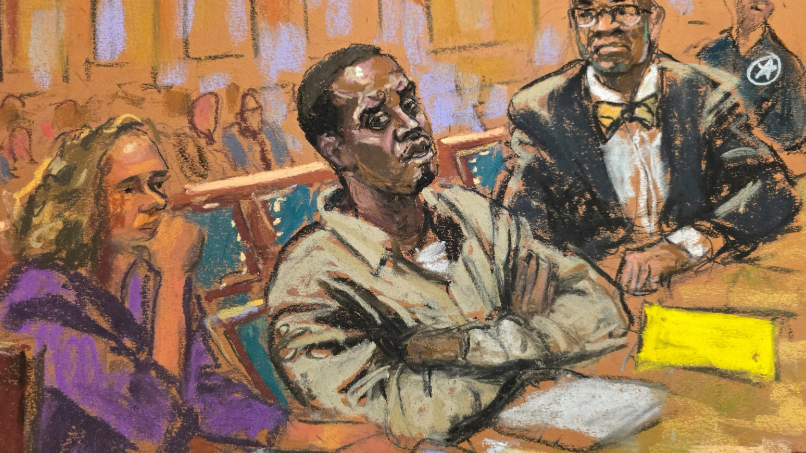



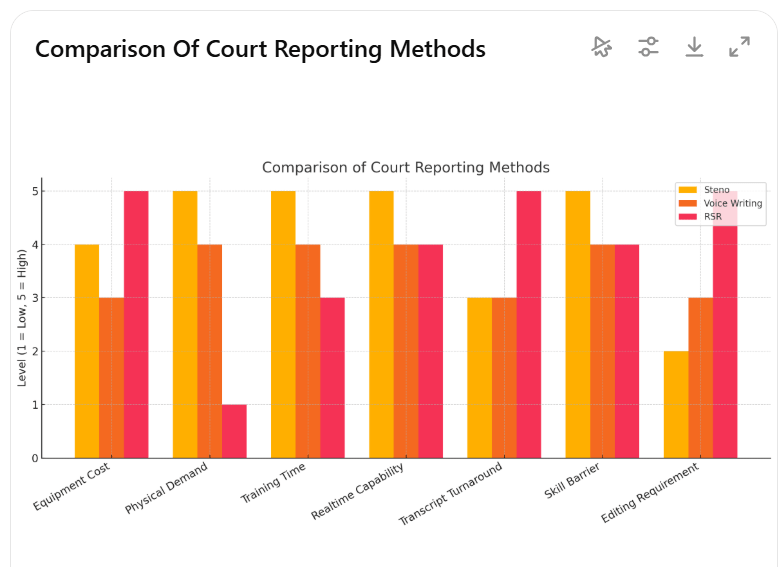





















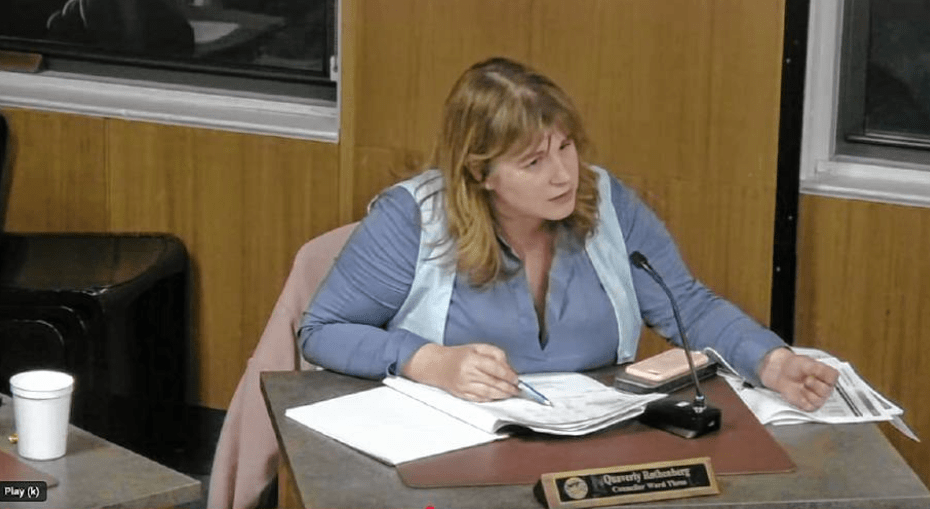




















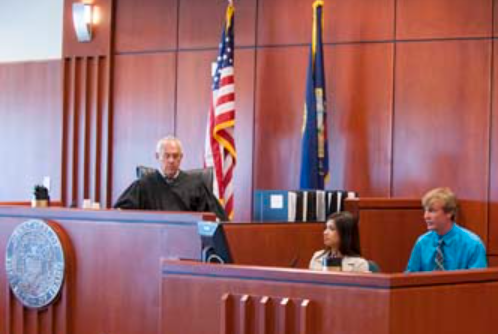
















 STENOIMPERIUM
You must be logged in to post a comment.