
Courtrooms across America are quietly shifting from certified verbatim reporting to AI transcripts, digital recordings, and agency-controlled “roughs.” The result? Hearsay masquerading as the official record — with no clear custodian, no accountability, and enormous power flowing to private platforms. This isn’t just a professional issue; it’s a constitutional one. If we lose control of the record, we lose control of justice itself.
Category Archives: Legal Services
Free Roughs, Hidden Costs – How AI Transcription Is Quietly Rewriting the Legal Record

Kerala is openly mandating AI transcription in every courtroom. In the U.S., the same shift is happening quietly. Esquire and Veritext now hand out free AI rough drafts, reshaping transcript control through corporate platforms — while some LA Superior Court judges secretly use machine drafts during remote hearings. Policy, business, and judicial habit are converging — outside public view.
Should Court Reporters Redact Social Security Numbers in Transcripts?

Some reporters are quietly redacting Social Security numbers from transcripts—without realizing they may be altering the official record. Privacy concerns are valid, but under most state and federal rules, redaction is the attorney’s responsibility, not the reporter’s. Here’s why automatic redaction could violate ethical duties—and how to protect both accuracy and privacy the right way.
The CA Law Has Changed – Freelancers Now Have Legal Protection — Even If Agencies Don’t Know It Yet

California’s new Freelance Worker Protection Act (SB 988) is in effect, but many agencies are still unaware they’re breaking the law. Reporters can protect themselves through education and documentation—adding FWPA clauses to rate sheets, email signatures, and job confirmations. Timely payment is now required, and retaliation for collection efforts is prohibited. Knowledge is power—spread awareness and stand firm.
Do Freelance Court Reporters Have to Provide Parking Receipts? The Truth About Fixed-Rate Line Items and 1099 Independence

One agency insists I upload parking receipts — even though my rates are fixed by contract. Here’s the truth: 1099 reporters don’t owe receipts for fixed-rate line items. The “requirement” is usually a software stopgap, not a legal rule. Upload your rate sheet or agreement instead — protect your independence and bypass bureaucracy.
Breaking News!!! L.A. Judge Refuses Jury Readback Instruction in Civil Trial — Citing “Time” as Reason

In Department 16 of Los Angeles Superior Court, Judge Steve Cochran told jurors, “We don’t do that,” referring to readback of testimony—directly contradicting CCP § 614, which guarantees every civil jury the right to request testimony readback during deliberations. His refusal highlights a growing erosion of due process as judges quietly sidestep mandatory procedures meant to preserve the integrity of the record.
The Real Markup – Why Attorneys Think Reporters Are Overcharging (and Who’s Actually Pocketing the Profit)

Attorneys often assume court reporters are the ones driving up transcript costs. In reality, it’s the agencies in the middle—marking up reporter rates and layering on fees for condensed transcripts, concordances, exhibits, and repositories that reporters don’t see a penny of. As transparency grows, attorneys are discovering the truth: working directly with certified reporters saves money and strengthens the record.
Top Court Reporting Trends to Watch in 2025 – Real Innovation, Legal Integrity, and the Return to Verbatim

The future of court reporting isn’t automated—it’s live, verbatim, and unstoppable. In 2025, certified stenographers and voice writers are shattering the shortage myth, expanding remote coverage, and using cutting-edge tools to uphold the integrity of the record. “Record now, transcribe later” isn’t innovation—it’s regression. The real revolution is happening in real time, with reporters leading the charge.
Protected: Thousands of California Court Reporters Just Got an Email — and It’s Damage Control Disguised as “Dialogue”
There is no excerpt because this is a protected post.
Hope Is Our Weapon – How Court Reporters Can Win This War

“Without hope, we’re doomed.” Jane Goodall’s message is our call to action. Court reporters aren’t losing — we’re fighting strategically. Exposing the notary loophole, revealing hearsay flaws, and modeling decentralized custody of records are how we win. Hope isn’t wishful thinking — it’s our strongest weapon. The record is the battlefield. And we are its guardians.
He Who Controls the Record, Controls Reality – Why Court Reporters Are the Last Line of Defense

Whoever controls the record controls reality. Across history, power has always sought to erase, rewrite, or distort inconvenient truths. In today’s courtrooms, the neutral stenographic reporter is the last line of defense against narrative manipulation by judges, agencies, corporations, or algorithms. Undermining their role isn’t modernization — it’s historical amnesia. Guard the record, or lose the truth.
When Leadership Starts to Look Like a Fan Club

In our profession, real leadership is built on shared values, not personalities. When branding starts to overshadow substance and questioning becomes uncomfortable, it’s time to pause. We can admire energy without surrendering judgment. The future of court reporting belongs to all of us—not a fan club. Let’s protect our integrity by staying grounded in transparency, ethics, and collective strength.
Credentials vs. Competence – Rethinking Professional Standards in Court Reporting

Court reporting’s future depends on more than letters after our names. Credentials have value, but without strong state licensure, standardized titles, and real enforcement, they offer no structural protection. As attorneys push back on “high rates” and cheaper labor undercuts skilled reporters, the profession must unify around measurable skill, fair rates, and regulatory strength—not voluntary designations.
Mark Kislingbury’s 370 WPM ‘Guinness Record’ That Wasn’t: How a Historic Steno Feat Went Unratified

Shaunise Day’s handling of the 2022 Steno in the City™ event was professionally negligent. She failed to submit the proper paperwork to Guinness, and as a result, Mark Kislingbury’s historic 370 WPM performance was never ratified. That failure didn’t just cost him recognition — it misled the community and damaged the profession.
The Great Theory Divide – Why “Short Writing” Alone Won’t Save Court Reporting

Court reporting’s future hinges on how we train new reporters. While “short writing” promises speed, decades of data show it fails to scale. Traditional phonetic theories taught in NCRA-accredited programs remain the backbone of reporter education—emphasizing accuracy, clarity, and proven outcomes. Recruitment reform, not shortcuts, will strengthen the pipeline and ensure a generation ready to protect the record.
From Wax Tablets to Quill to Realtime – A 2,000-Year Journey of Shorthand

Long before steno machines, Ancient Greek scribes developed shorthand to capture debates and court proceedings. The Romans expanded it, Taylor and Pitman refined it, and Ward Stone Ireland’s 1911 machine revolutionized it. Today’s realtime theories trace their lineage back over 2,000 years—a legacy of precision, linguistic mastery, and adaptation that defines the court reporting profession.
“No Such Thing as a Job Nobody Wants” – Debunking a Convenient Myth in the Court Reporting Industry
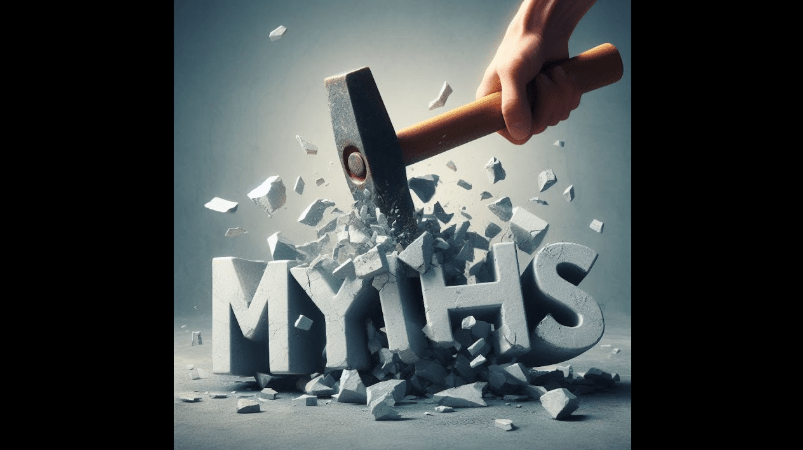
Agencies claim they use digital recorders only for the “jobs no one wants.” But reporters know better. Short PI and workers’ comp depos aren’t unwanted—they’re flexible, essential, and often preferred. Labeling them “undesirable” masks profit motives, undercuts opportunities for new talent, and devalues critical legal proceedings. There’s no such thing as a job nobody wants—only work that deserves respect and fair pay.
Time to Man Up – Court Reporting Is at War — Start Acting Like It

The court reporting profession is at war — and wars aren’t won by polite committees. We need to man up, raise our standards, challenge the old guard, and lead with courage. The culture that got us here can’t get us out. Either we act like guardians of the record or watch our profession be dismantled piece by piece.
Fool’s Gold – Why Courts Cannot Turn Depositions Into a “Profit Center”

Courts are not “sitting on a gold mine” — they’re bound by the Constitution. Turning depositions into revenue streams ignores statutes, due process, and the ethical duty to safeguard verbatim accuracy. Sworn reporters are not obstacles but guardians of the record. Replacing them with AI “light edits” risks malpractice, reversals, and erosion of public trust. Fool’s gold is no substitute for justice.
Gen Z Makes Stenography Cool Again

Gen Z is turning stenography into the next breakout career trend—thanks to viral TikToks, Instagram reels, and a renewed thirst for independence. With stylish “day-in-the-life” videos, real-time steno tutorials, and six-figure salary reveals, they’re transforming a centuries-old profession into a modern lifestyle brand. Court reporting has never looked this cool—and it’s Gen Z who’s putting it back on the map.
Why Court Reporters Shouldn’t Negotiate Down — But Must Negotiate for Their Value

In California, court reporters are legally bound to publish consistent rates and apply them equally to all clients. My rates aren’t negotiable, because fairness, ethics, and transparency matter more than undercutting for a job. Consistency protects our licenses, our profession, and the record itself. My rates are my rates—for everyone, every time.
When the Horse Is Dead – Lessons for the Court Reporting Profession

The “Dead Horse Theory” warns against clinging to what no longer works. In court reporting, denial looks like endless committees, reshuffled leadership, or shiny tech distractions. We can’t revive failed strategies. The courage to dismount—naming what’s broken and moving toward real solutions—is the only path forward. Our future depends on choosing life over illusion.
You Can’t Call Yourself a Leader if no one Grows When You’re Around

Leadership in court reporting isn’t about titles, control, or being the loudest voice. True leaders create growth. They mentor students, pay fairly, and model integrity. If the people around you aren’t stronger, more confident, and more skilled because of your presence, your “leadership” is a façade. You can’t call yourself a leader if no one grows when you’re around.
Unleash the Power Within the Court Reporting Profession

Court reporters and small agencies: this is not the end — it’s the beginning of transformation. When you step into the fire of immersion, fear fades, energy multiplies, and breakthroughs happen. You are the guardian of truth, and together we are unstoppable. Don’t wait. Reclaim your value, stand tall, and help save the profession today.
Small Agencies in Crisis – Competing Fairly in an Unfair Market
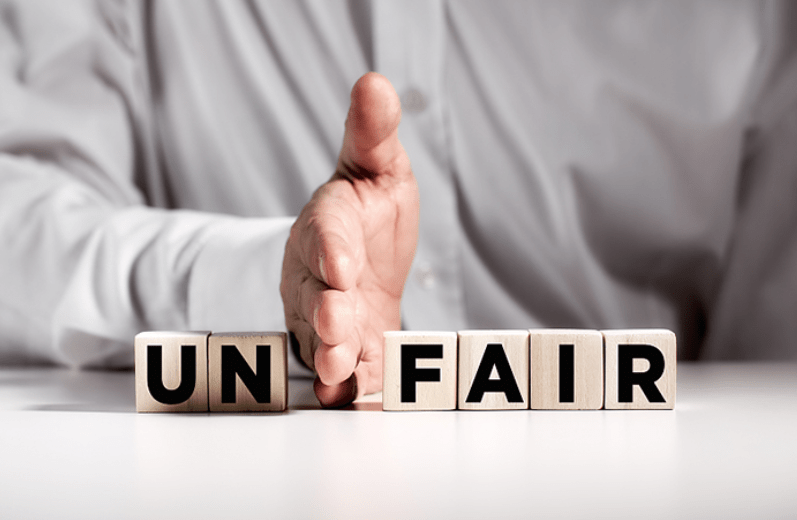
Small, reporter-owned agencies are being squeezed by Big Box firms offering lavish gifts, delayed payment schemes, digital reporters, and AI summaries. Competing on those terms is impossible — and unethical. But survival is still possible. By flipping their business model upside down — paying reporters faster, networking instead of consolidating, and selling ethics instead of perks — small agencies can thrive again.
Agencies Exploit Reporters Twice – Once for Their Labor, Once for Their Marketing

Court reporting agencies profit twice: first from our labor, then by conscripting us as unpaid sales reps. Some agencies do better, but one is too many. Reporters are not brand ambassadors, cookie pushers, or mock jurors. We are officers of the court, and when neutrality is compromised, justice itself is at risk. Agencies must change — or be called out.
“Spin to Win” for Transcripts? Why This Giveaway Likely Violates California Lottery & Professional Standards Laws

Magna’s “Spin to Win” wheel isn’t harmless fun—it’s an illegal lottery in disguise. By tying raffle entries to transcript submissions and page counts, the company recreates the same scheme Shaunise Day’s Steno in the City™ ran in Long Beach without DOJ registration. In California and most states, Prize + Chance + Consideration = lottery. No free entry means no compliance.
The Incontrovertible Record – Why a Stenographer’s Notes Still Reign Supreme

In every courtroom, voices overlap, tempers flare, and the stakes couldn’t be higher. Amid the chaos, one thing never wavers: the stenographer’s notes. They are the unshakable record—neutral, permanent, and immune to distortion. Machines may glitch, audio may falter, but the stenographer’s notes never lie. They remain the ultimate safeguard of truth in our justice system.
Saving the Profession Isn’t a Runway Walk, It’s a Battlefield

Saving stenography isn’t a runway walk—it’s a battlefield. Agencies have leveraged legislation to gain ground, and courts now put their names on forms once reserved for reporters. Power circles inside our own profession deflect responsibility, as seen in the Notary Loophole fallout. The truth is simple: reporters must reclaim leadership, defend independence, and fight for the integrity of the record.
AI Transcripts vs. Human Court Reporters & Why the Record Still Needs a Person

Stanford’s data shows ASR makes twice as many errors with Black speakers as white speakers. The NCRA warns of bias, misattribution, and chain-of-custody failures. In trial after trial, I’ve seen judges and attorneys turn back to the human transcript when accuracy matters. Until a machine can raise its right hand and swear to accuracy, the record still belongs to court reporters.
When Recruitment Crosses the Line – Court Reporting Schools Push Back After DRA Event

California court reporting schools are pushing back after the last DRA conference, where a speaker allegedly recruited students directly out of their programs—even inside private Teams accounts. One 200-wpm student on the verge of the CSR was lost. School leaders say enough is enough: associations must protect students from solicitation if they want them in the room.
How Zoom Depositions, Consent Laws, and Competing Recordings Are a Growing Dilemma for Court Reporters

In the age of Zoom depositions, competing recordings raise more than technical concerns — they strike at the integrity of the record. When attorneys attempt to capture their own audio, they risk violating consent laws, breaching confidentiality, and undermining the court reporter’s role. Protecting the official record sometimes means halting proceedings, even when it costs time and money.
Technology and Workplace Efficiency – The Court Reporter’s Competitive Edge

Court reporters ranked technology and workplace efficiency as their #1 priority in the latest NCRA poll (37.2%). From realtime integration to secure tools like Eclipse Boost, technology is not a threat but an amplifier—when it’s reporter-controlled. Efficiency means more accuracy, faster turnaround, less stress, and stronger client loyalty. The future of steno is in our hands.
Why Judges Cannot Rely on AI Captions – The Legal and Ethical Imperative of Certified Realtime

Judges may think AI captions save money, but the law is clear: only a certified court reporter can create the official record. ASR is error-prone, insecure, and unauthorized — and I’ve personally seen judges forced into readback when captions got it wrong. Bridge with Boost offers the lawful, accurate, profession-saving alternative that protects evidentiary integrity, judicial ethics, and access to justice.
The Language of CCP 2093(a) & Why Notaries Are Not Deposition Officers

California Code of Civil Procedure § 2093(a) names notaries and deposition officers as able to administer oaths—but only certified shorthand reporters are authorized to take testimony and certify transcripts. The “notary loophole” misleads attorneys into believing oaths alone make a deposition valid. Without a CSR, the record collapses. Learn why due process demands stenographers—not shortcuts.
Who’s Really Swearing in Your Witness?
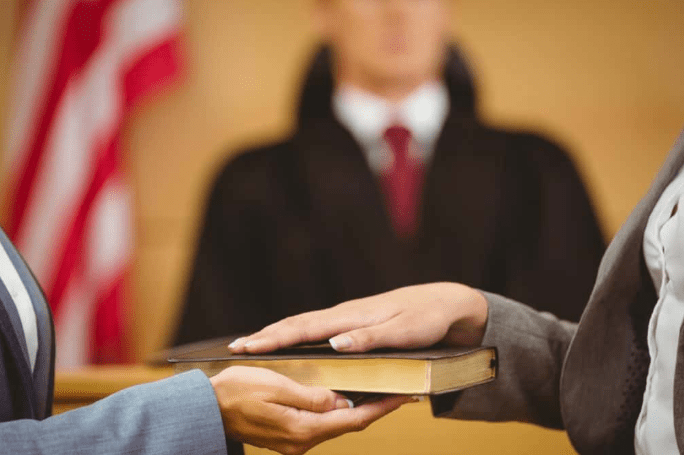
Attorneys can stipulate to many things, but not to override law. Only a judge can validate agreements that alter statutory or constitutional requirements. The 5th and 14th Amendments guarantee due process: no person can be deprived of rights without it. When a deposition officer asks parties to “stipulate” to a remote oath, that shortcut risks invalidating the entire proceeding.
Fair Compensation in the Age of Derivative Products – Why Reporters Must Create a New Rate Sheet
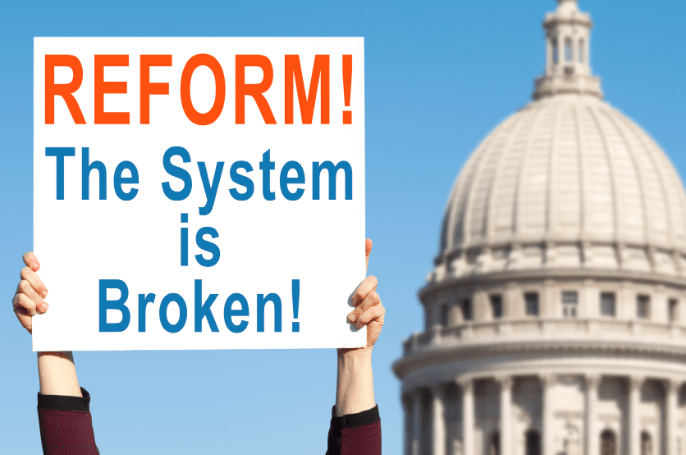
Agencies are profiting from condensed transcripts, indexes, concordances, and now AI summaries—often billing attorneys transcript-level rates while paying reporters nothing. This is unjust enrichment. Reporters must reclaim fairness by publishing new rate sheets that define compensation for every derivative product. From condensed pages to AI outputs, the message is clear: if it’s built on the transcript, reporters deserve their share.
AI Summaries, CCR 2474, and the Fight Over Who Owns the Record

AI deposition summaries aren’t innovation—they’re exploitation. Agencies are monetizing transcripts into derivative products without consent or compensation, creating unjust enrichment while undermining the integrity of the record. California’s CCR 2474 wasn’t written with AI in mind, but the principle remains: reporters must not be in the business of interpretation. It’s time for contracts, regulation, and reform to safeguard neutrality, fairness, and trust in the transcript.
Who Owns the Transcript?

AI-generated deposition summaries may look like efficiency, but they’re really exploitation. Agencies are repackaging reporters’ transcripts into derivative products—condensed transcripts, indexes, concordances, now AI summaries—without consent or compensation. This is unjust enrichment. Reporters must protect their work with contracts, while the Court Reporters Board closes loopholes in CCR 2474. The official record is sacred, and AI summaries threaten its integrity.
Parasites with Power – How Toxic Management is Destroying Court Reporting in Superior Courts

Toxic bosses in superior courts aren’t leaders—they’re parasites with power. Court reporters are bullied, gaslit, and punished for human missteps while corruption thrives. Instead of compassion or rehabilitation, reporters are discarded, treated worse than criminals for delays often born of impossible workloads or unforeseen crises. Real reform means accountability, support, and a path back—not destruction of careers that sustain justice.
Busting the Digital “Mythbusters” – Why AI and Recorders Can’t Replace Stenographers

Digital advocates claim transcripts generated from recordings and AI are just as accurate as stenography. But predictive algorithms don’t capture testimony verbatim—they guess. That’s hearsay, not a legal record. Unlike stenographers, digital systems outsource editing, compromise confidentiality, and fail the chain of custody. Justice demands certainty, not predictions. Only stenographers deliver a verbatim, admissible record you can trust in court.
The Moment the Notary Loophole Was Unleashed in a Firestorm

On July 21, 2018, CalDRA President Cheryl Haab led a pivotal town hall in Huntington Beach where Kimberly D’Urso pressed the issue of reporter-free depositions and Ed Howard advanced a flawed interpretation of California law. This “notary loophole” allowed videographers with notary commissions to bypass court reporters—fracturing the chain of oath, taking, and certification, and putting the admissibility of testimony at risk.
Weekly Pay vs. 30-Day Law – What California Reporters Need to Know About Lexitas’s New Policy

California law now requires agencies to pay reporters within 30 days of completing services—no exceptions for invoices, transcripts, or copy orders. Lexitas’s new weekly pay schedule sounds reporter-friendly, but compliance hinges on separating per diems, transcript deadlines, and copy orders. “Pay when paid” is no longer legal. Reporters must stay vigilant and hold agencies accountable.
Major Impacts on Court Reporting if U.S. Adopts a “Voice & Likeness Property Law”

If the U.S. adopts a Denmark-style “Voice & Likeness Property Law,” digital reporting and ASR systems could face insurmountable hurdles. Every participant’s consent — and even royalties — would be required for recordings, making stenographers the clear, risk-free choice. In a world grappling with deepfakes, our ability to capture the record without recording voices positions stenographers as the most reliable safeguard of truth.
Who Really Has the Authority to Swear in Witnesses? The Notary vs. Court Reporter Divide

Who really has the authority to swear in witnesses—court reporters or notaries? It’s not a technicality. The power to administer an oath is what gives testimony its binding force. Court reporters, as officers of the court, carry statutory authority. Notaries don’t. Digital reporters straddle the line, often skipping safeguards entirely. The result? A dangerous fault line threatening the integrity of legal proceedings.
Why Congress Must Hold Hearings on the Integrity of Court Reporting in the Age of Digital Recording and AI

Congress must investigate: Who protects the record when justice is on the line? The integrity of the legal record is at risk. Attorneys report defective transcripts, hidden digital recorders, and AI posing as stenographers. This isn’t just an industry dispute — it threatens due process nationwide. Congress must act. A hearing is urgently needed to expose these practices, enforce responsible charge, and protect the record. Our democracy depends on accurate transcripts.
Digital Reporting, AI, and the Future of Court Reporting – Allegations, Lawsuits, and Industry Implications

Veritext’s reliance on digital recording and AI transcripts is finally facing attorney pushback—and possible lawsuits. For years, I’ve warned that agencies exploit loopholes like “agency certificates” to bypass stenographers. Without a responsible charge statement, the legal record is at risk of fraud and failure. It’s time for attorneys and reporters alike to demand accountability and protect the integrity of the record.
What If the United States Made Your Voice and Likeness Your Property?

What if your voice became your legal property? Denmark’s proposed law could make every voice and likeness owned — with takedowns and royalties for unauthorized use. If the U.S. follows, ASR and digital reporting face huge risks, while stenographers become the gold standard for secure, human-verified transcripts. In a world of deepfakes, stenography is justice’s strongest safeguard.
Why AI “Prediction” Can Never Replace Verbatim Court Reporting

CAT software doesn’t replace court reporters—it’s a tool they control to produce a verbatim, certified record. Digital/AI systems are different: they predict what might have been said, dropping words, mishearing accents, and collapsing overlapping speech. In court, guesses aren’t good enough. Justice requires certainty, and certainty requires stenographers—not algorithms.
Beyond the Hype – Redefining Court Reporting in the Age of AI

Artificial intelligence is changing the conversation in court reporting—but it’s not a substitute for human judgment, ethics, and accountability. The real risk lies in misleading narratives and policy shifts that treat automation as “good enough.” By uniting as professionals and adopting AI on our terms, we can protect the record, strengthen our work, and ensure justice remains built on accuracy.
 STENOIMPERIUM