
The court reporter “shortage” has been exaggerated by misleading data—like inflated claims of 60,000 past reporters and failed projections from the 2013 Ducker Study. In reality, California has over 5,500 active reporters, with new licensees—especially voice writers—on the rise. With realistic recruitment, the shortage could be resolved in under six years. The crisis isn’t supply—it’s misinformation and mismanagement.
Author Archives: stenoimperium
EXPOSÉ: The California Court Reporters Board’s Data Discrepancies and the Push Toward Digital Recording

Introduction In recent years, California has faced a well-documented shortage of certified shorthand reporters (CSRs), the professionals responsible for preserving verbatim transcripts of courtroom proceedings. This shortage has prompted a flurry of legislative activity, public concern, and institutional strategy-shifting within the judiciary. However, beneath the surface of these systemic discussions lies an alarming and potentiallyContinue reading “EXPOSÉ: The California Court Reporters Board’s Data Discrepancies and the Push Toward Digital Recording”
“Can You Read That Back?” – Why It’s Time for Law Schools to Teach Elocution and Respect for the Record

Too many lawyers enter practice with strong writing skills but poor oral communication, undermining the integrity of the record. From rushed speech to outright hostility toward court reporters, this widespread problem erodes professionalism. Law schools must require elocution and courtroom communication training before graduation. Clear speech isn’t optional—it’s essential to justice. Respecting the record means respecting the people who preserve it, starting with how we speak.
Who Owns the Record? What the Biden Leak Means for Court Reporters

President Biden’s leaked audio wasn’t just a political moment—it was a wake-up call for court reporters. When legal recordings fall into untrained hands, confidentiality and trust go with them. This blog explores why court reporters, as the Responsible Charge, are essential to protecting the integrity of the record—and what’s at stake if we’re pushed out of the process.
The Silent Professionals – What Court Reporting Teaches Us About High-Potential Employees

Court reporters are the silent professionals who exemplify high-potential traits: initiative, integrity, focus, and continuous growth. Though often overlooked, their precision and professionalism mirror what makes top employees thrive in any field. They work without drama, adapt across hierarchies, and know when to speak up. Their quiet discipline reminds us that leadership isn’t always loud—it’s often about doing the right work with unwavering excellence.
The Court Reporter Shortage Is a Myth: A Manufactured Crisis to Push Automation

The so-called court reporter shortage is a manufactured crisis driven by budget cuts and tech interests—not a true lack of skilled professionals. Courts and private vendors push this narrative to justify replacing trained stenographers with unreliable digital systems. In reality, systemic underinvestment and poor recruitment are to blame. This myth threatens due process and shifts the burden of justice onto those who can least afford it.
The Biden Audio Leak Is a Warning to All of Us in Court Reporting
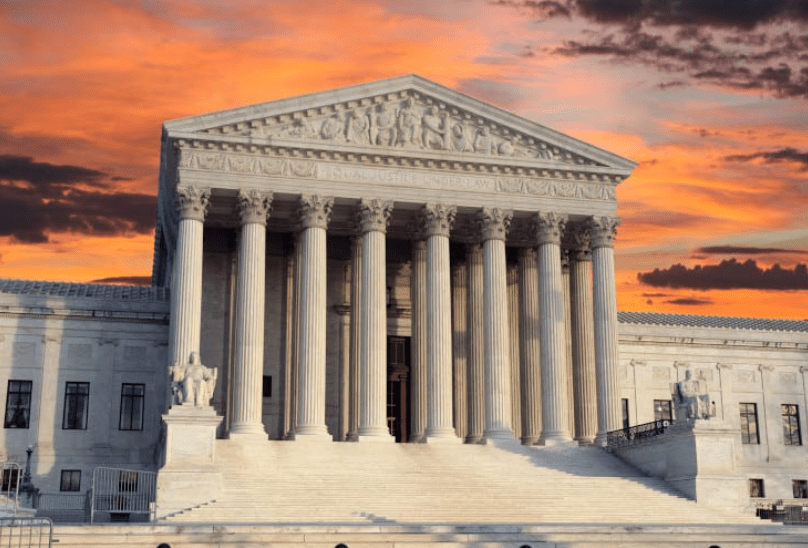
The leak of President Biden’s deposition audio reveals a deeper issue: what happens when legal recordings are handled by bureaucracies instead of court reporters? With a track record of confidentiality and ethical responsibility, court reporters must remain the Responsible Charge of legal records. This incident is a warning—and a call to preserve the integrity of our justice system.
Flying Taxis and Olympic Chaos: A Court Reporter’s Take on Commuting to Downtown L.A.

As a court reporter commuting three hours a day in L.A. traffic, the thought of flying taxis during the 2028 Olympics sounds like a dream. With 15 million visitors expected and downtown courthouses near major venues, getting to work could become even harder. If air taxis are the future, maybe it’s time court staff get a seat—because justice doesn’t wait for traffic.
When “Bad Faith” Smells Like Strategy – The Quiet Shift in California’s Homeowners Insurance Market

In recent months, a disturbing trend has begun to surface in California’s already fragile homeowners insurance landscape. While much of the media coverage has focused on major insurers exiting the state or pausing new policies altogether, there’s a more subtle — and arguably more troubling — phenomenon at play: insurance companies that continue to operateContinue reading “When “Bad Faith” Smells Like Strategy – The Quiet Shift in California’s Homeowners Insurance Market”
Why AAERT Certification Falls Short in the Court Reporting Profession

AAERT certification may exist, but it does not meet the rigorous standards of licensed stenographic court reporters. Unlike stenographers, who provide realtime, verifiable transcripts and are held to strict legal and ethical codes, AAERT-certified digital reporters often work with less oversight and accountability. In high-stakes legal proceedings, accuracy and reliability are paramount — and that’s why stenography remains the trusted standard in the court reporting profession.
Declining the Invite – Why Court Reporters Are Refusing to Attend Extravagant Events
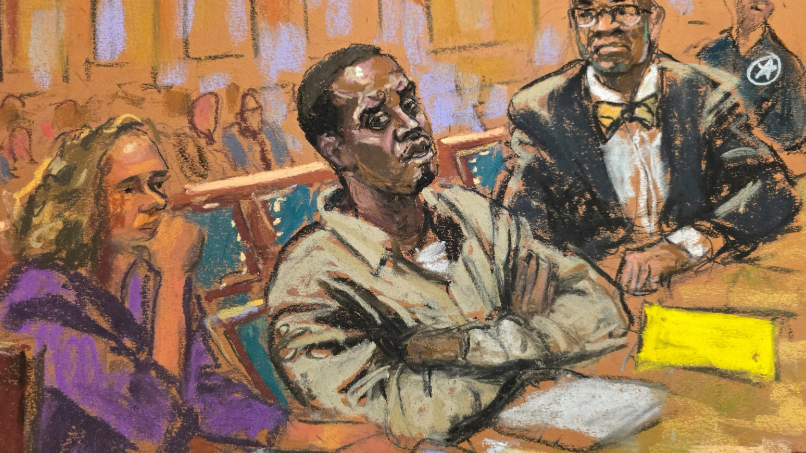
Many court reporters are rejecting invites to Steno In The City events, citing unethical practices, misuse of volunteers, and a focus on flashy image over professional integrity. Echoing celebrities who refused Diddy’s infamous parties, these stenographers are choosing principle over spectacle. As exposés from StenoImperium continue to surface, it’s clear that for many, the glamour isn’t worth compromising the values of their profession.
The Rise of Eclipse RSR – How Court Reporting is Evolving in 2025

Eclipse RSR is transforming court reporting by blending advanced voice-to-text technology with real-time editing capabilities. Unlike traditional steno or voice writing, RSR lowers physical demands while enabling fast, high-quality transcript production. Though not generative AI, it uses ASR to empower a broader range of professionals—including stenos, digitals, and newcomers—to thrive in a changing field. As technology evolves, adaptability is becoming the profession’s most valuable skill.
The Silent Squeeze! How Insurance Companies and Contracting Are Crippling Court Reporters—and How to Fight Back

Insurance company contracting is quietly destroying the court reporting profession. Illegal in many states but rarely enforced, this practice strips independent reporters of long-time clients, undermines transcript integrity, and centralizes control in the hands of big-box firms. We must educate attorneys, demand legal enforcement, and organize as a profession. This is more than business—it’s about preserving justice, impartiality, and the future of court reporting.
The Hidden Hands in the Courtroom – How Insurance Companies Are Undermining Court Reporting and What We Can Do About It

Insurance companies are quietly driving the shift from certified stenographers to digital court reporting, prioritizing cost-cutting over courtroom accuracy. This threatens the integrity of legal records, disproportionately harms vulnerable litigants, and benefits insurers when ambiguity delays or denies justice. Certified stenographers are essential to preserving the truth in legal proceedings—replacing them with flawed technology compromises fairness in our courts. It’s time to protect professionalism over profit.
Exposing the Threat to Stenography – A Call for Transparency, Strategy, and Action

A coordinated campaign is exposing the hidden network pushing uncertified digital court reporting. With a public “Dark Money Map,” polished advocacy materials, and targeted outreach tools, stenographers can fight back with clarity and impact. This effort reveals key players, debunks the shortage myth, and empowers professionals to defend accuracy and integrity in the legal system. It’s time to name names and take action.
The Real Threat to Stenography Isn’t Technology — It’s a Manufactured Crisis

The stenographic profession isn’t outdated — it’s under attack. A manufactured “shortage” narrative, pushed by corporate interests, aims to replace certified reporters with unregulated digital alternatives. But court reporting is thriving, technologically advanced, and essential to justice. It’s time to expose the fraud, reclaim our narrative, and fight for the integrity of the record — because the truth deserves a skilled human witness.
The Record Must Remain Ours – A Court Reporting Call to Action

Court reporters are not outdated—we’re digital pioneers. As ASR and CAT tools flood the market, we must assert professional control. Certification, responsibility, and independence are non-negotiable. The individual capturing the record must also certify it. Letting courts or unlicensed tech operators own the record threatens justice itself. We must lead the change—on our terms. The record must remain ours.
Fail to Adapt to Disruption and Pay the Price – Court Reporters Heed the Warning

Court reporting isn’t antiquated—it’s one of the most technologically advanced professions in the legal world. As we pass the tipping point of digital disruption, our challenge isn’t resisting change but leading it. Certified reporters, using sophisticated tools like ASR-integrated CAT software, must set the standard. The future depends on preserving integrity, enforcing certification, and maintaining responsible charge in every courtroom transcript.
A Court Reporter’s Perspective – Clearing Up the “Uh-huh” vs. “Huh-uh” Confusion in Transcripts

Attorneys often tell witnesses, “Please answer with ‘yes’ or ‘no’ because the court reporter can’t type ‘uh-huh.’” But the truth is, we can—and do—capture every utterance phonetically. The real issue arises when interpreting these sounds on paper. A simple solution? State upfront: “‘Uh-huh’ means yes; ‘huh-uh’ means no.” This small clarification eliminates later confusion and ensures a clear, undisputed record for all.
The Hidden Dangers of Hiring Uncertified Court Reporting Professionals – Why Due Diligence Matters Now More Than Ever

In today’s digital landscape, uncertified court reporters, scopists, and proofreaders are flooding the market, raising serious concerns for professionals. The rise of “fly-by-night” providers threatens the accuracy, confidentiality, and integrity of legal transcripts. Every hiring decision matters—because your name, reputation, and certification are on the line. Trust, but verify. Vet every collaborator carefully to protect your professional legacy and uphold the standards of the court reporting industry.
Membership Boundaries Are Not Exclusion – A Counterpoint to Christopher Day

Professional associations like NCRA and CalDRA exist to serve their members — and that includes offering member-only social media spaces. Restricting access isn’t exclusion; it’s about delivering value to those who support the organization. While open forums like Stenonymous have their place, national associations have a different mission. The real challenge isn’t access — it’s ensuring membership remains meaningful, relevant, and worth the investment.
The Power of Collective Action – What Court Reporters Can Learn from Agnodice

Court reporters stand at a pivotal moment, facing pressure from corporations eager to replace them with flawed technology. But like Agnodice, the first female doctor in ancient Greece, they hold untapped power. By uniting, advocating, and sharing their vital role in safeguarding justice, court reporters can resist this wave and preserve the integrity of the legal system. Together, they can shape the future — and win this battle.
A Gentle and Straightforward Reply to Christopher Day’s Response

Digital pay parity might sound fair, but it risks blurring the line between skilled stenographers and less-trained digital reporters. Instead of raising digital to match steno, we should protect the value of expertise and focus on raising industry standards. Pay equality alone won’t stop corporations from chasing cheaper options — quality, skill, and human judgment are what truly set stenographers apart and secure their future.
When Green Covers Go – Shrinking Demand and Shifting Court Reporting

As demand dwindles and technology reshapes court reporting, long-standing vendors are closing their doors, and beloved traditions are fading away. The disappearance of embossed green transcript covers symbolizes a larger shift in an industry struggling to survive rather than thrive. Amid rapid change, court reporters face the challenge of honoring their craft while adapting to a future where even the smallest details carry deep meaning.
Protecting the Integrity of the FPR™ Credential – What We Can Do About Fraudulent Use

Protecting the integrity of the FPR™ credential is vital to maintaining trust in Florida’s legal system. When individuals misuse this title, it undermines the profession and misleads the public. By reporting concerns to FCRA, notifying regulatory agencies, alerting platforms, and verifying facts before acting publicly, we can help ensure that court reporting credentials remain credible, respected, and protected from misuse.
The Silent Breach – How Attorneys Are Illegally Sharing Court Transcripts in Violation of California Law

Under California Government Code § 69954(d), parties who purchase court transcripts may use them internally or as exhibits but cannot share copies with others. Despite this, many attorneys unlawfully distribute transcripts to opposing firms, undermining court reporters’ earnings and violating legal ethics. Unauthorized sharing risks sanctions, financial penalties, and damages the integrity of litigation. Compliance is essential to uphold fairness and professional responsibility.
When the Bird Fell

On a strange, smoky night, with a brush fire burning in the distance and laughter rising from a pool, a woman is called to save a wounded bird fallen from its nest. As helicopters circle overhead and children play unaware, she cradles the fragile creature through its final moments. The story explores loss, innocence, and the quiet grace found in bearing witness to life slipping away.
The End of Software Lifecycles – When “Upgrade” Means “No Choice” — And Why Court Reporters Are Concerned
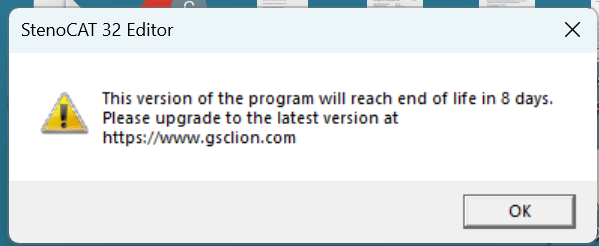
Gigatron has officially retired StenoCat32, forcing court reporters to migrate to a new version that’s still riddled with bugs. Users report instability, lost data, and workflow disruptions—raising serious concerns in a field where precision is critical. While Gigatron promises ongoing fixes, the rushed transition highlights a growing industry trend: when software reaches end-of-life, users often have no choice but to upgrade, ready or not.
Quirky Quaverly Causes Commotion
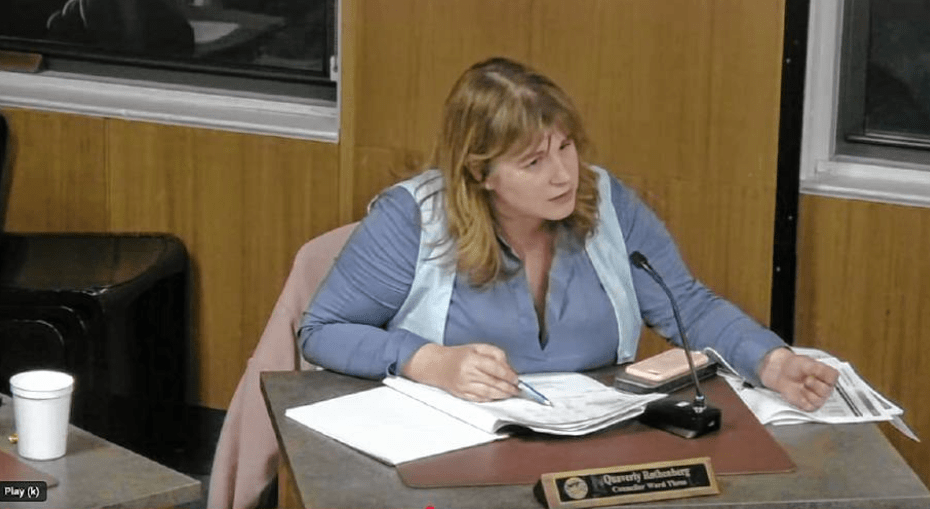
Quaverly Rothenberg, a City Councilor from Northampton, Massachusetts, has long positioned herself as a progressive voice in local government—but outside of City Hall, she’s made a name for herself in an entirely different and controversial domain: the court reporting world. Recently, Rothenberg didn’t make headlines—but she did raise suspicions—not for her political activity, but forContinue reading “Quirky Quaverly Causes Commotion”
The Appeal of Reform – A Call for Change in How Court Reporters Handle Appeals

Court reporters are experts in real-time transcription, yet the appeal process often turns them into reluctant project managers. Chasing down transcripts, begging for responses, and managing silence from colleagues isn’t just frustrating—it’s unsustainable. It’s time to modernize the system. Each reporter should submit their own work independently, on deadline. Let’s shift the culture, share the responsibility, and restore professionalism to the appeals process.
Transcript Theft and Timeless Pricing Contributes To The Court Reporting Crisis

Court reporters are being squeezed by an outdated pricing model and rampant unauthorized transcript sharing. Despite legal protections under California law and federal copyright, attorneys often duplicate transcripts without paying, devaluing the reporter’s work. It’s time to modernize: shift all costs into the original transcript and make copies cheap or free. This simple change could restore fairness, stop transcript theft, and protect the profession’s future.
Florida’s Embrace of Digital Court Reporting – A Controversial Shift in Legal Transcription

Florida is redefining court reporting by certifying digital reporters through its FPR™ program, allowing them to capture proceedings without directly transcribing them. Unlike stenographers and voice writers—who are in responsible charge of the record—digital reporters often outsource transcription, raising concerns about accuracy, accountability, and legal integrity. This shift may influence other states, but the long-term risks demand careful scrutiny and stronger regulatory oversight.
Behind the Bench – The Economic Discrimination Against Pro Tempore Court Reporters

Pro tempore court reporters face economic discrimination rooted in misunderstanding and bias. Judges and attorneys see high invoices and assume excessive pay, unaware that agencies take 50%, and reporters shoulder business expenses, including subcontractors and costly equipment. Many reporters are women, and gender bias fuels resentment over perceived earnings. Despite outdated statutory rates and lack of benefits, court reporters remain essential yet undervalued pillars of the justice system.
Backing the Bill, Battling the Bench

California court reporters face a critical moment as the Judicial Council pushes to expand electronic recordings in courtrooms. AB 882 offers a temporary, balanced response—preserving live reporting where possible and requiring accountability where it’s not. Supporting this bill keeps our profession at the table. But we must go further—organizing, advocating, and building alliances to defend the record and protect access to justice statewide.
The Hidden Cost of Attorneys “Saving Money” – How Rough Orders Are Breaking the Court Reporting System

Attorneys think they’re saving money by ordering rough transcripts instead of daily certified copies, but they’re actually paying more—and overloading court reporters in the process. Without steady daily orders, reporters can’t retain scopists, leading to delays and burnout. Behind every transcript is a person working nonstop, juggling deadlines, family, and exhaustion. The solution? Order next-day expedites. It’s faster, cheaper overall, and keeps the whole system running.
How to Report Judicial Misconduct in California

In California, judicial misconduct can be reported by anyone—including attorneys, litigants, and the public—to the Commission on Judicial Performance. Misconduct includes unethical behavior like bias, rudeness, or abuse of power. Complaints must be submitted in writing with detailed information. The Commission investigates credible cases and may issue warnings, public censure, or removal to uphold judicial integrity and maintain public trust in the legal system.
Steno Success – Finding Your Purpose in Court Reporting

Court reporting is where passion meets purpose. It’s more than typing fast—it’s preserving truth, supporting justice, and giving voice to every word spoken. If you’re detail-driven, love language, and want meaningful impact, this profession offers deep fulfillment. Your skills matter here. With dedication and heart, stenography becomes more than a career—it becomes a calling. Discover the power of your unique voice in the courtroom and beyond.
The Fear of Retribution in the Court Reporting Industry – Navigating a Culture of Silence and Fear

The fear of retribution in the court reporting industry is a pervasive issue, where reporters hesitate to speak out against unethical practices like stolen transcripts or delayed payments due to the risk of losing work. This culture of silence is reinforced by tight-knit professional networks where outcasts face isolation and gossip. Addressing this fear requires fostering supportive communities and promoting transparency to protect reporters’ rights and uphold the integrity of the profession.
Court Reporter Anxiety – Managing Stress in a High-Stakes Career

Court reporting is a demanding profession that requires precision, focus, and mental resilience. The constant pressure to produce accurate transcripts, manage tight deadlines, and absorb emotionally intense content can lead to anxiety and burnout. Prioritizing mental health through self-care, mindfulness, and professional support is essential. By recognizing the signs of stress and taking proactive steps, court reporters can protect their well-being and thrive in their careers.
THE RECORD IS NOT OPTIONAL – Despite AB 2664, Attorneys Still Challenge Freelance Reporters in Courtrooms

In April 2025, a freelance court reporter shared a troubling story: an attorney attempted to oppose the appointment of a reporter pro tempore during a hearing. Despite clear legal precedent, the attorney challenged the reporter’s right to be present simply because the reporter was a freelancer. This should no longer be happening. California law settledContinue reading “THE RECORD IS NOT OPTIONAL – Despite AB 2664, Attorneys Still Challenge Freelance Reporters in Courtrooms”
Tax Tides and Transcript Troubles – How Southern California’s Hikes Hit Court Reporters

Southern California’s recent sales tax hikes—like Los Angeles County’s jump to 9.75%—are creating ripple effects beyond consumers, hitting independent professionals like court reporters. As essential legal transcribers, many are now facing increased costs for equipment, software, and supplies. These hikes are pushing court reporters to rethink budgets, consider fee adjustments, and find new strategies to stay competitive in a shifting economic landscape.
Court Reporter Payment Delays – What California Law Says and How to Respond When Agencies Stall

In the world of freelance court reporting, payment disputes are an all-too-common headache. One of the most frustrating scenarios is when a court reporting agency delays payment to the reporter because they themselves haven’t been paid by the attorney or law firm requesting the transcript. For years, this practice left reporters in financial limbo, despiteContinue reading “Court Reporter Payment Delays – What California Law Says and How to Respond When Agencies Stall”
The Rise of Private Gatekeepers in Freelance Court Reporting

Some freelance court reporters say Facebook job groups are being misused by “gatekeepers” who exclude others and give jobs to friends. These gatekeepers may also receive perks or higher-paying jobs from agencies in return. Reporters argue this favoritism is unethical—and possibly illegal. Job opportunities should be shared fairly, not brokered through backroom deals. The court reporting profession needs transparency, not cliques or hidden kickbacks.
Inside the Mind of a Court Reporter – Between Transcripts and Grocery Lists

While attorneys argue and witnesses testify, court reporters are silently working magic—capturing every word, even as their minds drift to dinner plans or dog cuddles. We may not always be mentally present, but the record is. Opinions? We keep those to ourselves. Our focus isn’t on the drama unfolding—it’s on the speed, clarity, and precision of speech. The result? A flawless transcript, every time.
Freelance vs. Official Court Reporting – Weighing the Pros and Cons for Your Career Path

Freelance court reporting offers freedom, flexibility, and the potential for high earnings—but it comes with uncertainty, no benefits, and a constant hustle. Official positions provide stability, a steady paycheck, and valuable perks like insurance and retirement, though the structure can feel rigid and depends heavily on the judge. Your choice depends on your lifestyle, risk tolerance, and what you value more: independence or security.
Antitrust Concerns in Court Reporting and Navigating the Legal Landscape
Introduction Antitrust laws exist to ensure fair competition in the marketplace. While court reporting may not seem like a typical industry subject to antitrust scrutiny, it is not exempt from these legal principles. Recent discussions within professional associations, such as the Texas Court Reporters Association (TEXDRA), highlight the importance of understanding what court reporters, includingContinue reading “Antitrust Concerns in Court Reporting and Navigating the Legal Landscape”
Steno Still Stands Strong

Verbatim court reporting relies on three methods: steno machine, steno mask, and AI/ASR. Only steno machine and mask writers are certified and legally accepted in over half the states. The steno machine remains the gold standard, offering unmatched accuracy and instant readback. AI/ASR, while emerging, lacks certification, reliability, and accountability—posing serious risks in legal settings where precision is non-negotiable. Certification must be required for all reporting methods.
A Crisis in the Courts – L.A. County’s Reporter Shortage, Jessner’s Controversial Order, and the Looming Threat of Jury Nullification

Los Angeles County is facing a legal crisis as Presiding Judge Jessner issues an order allowing electronic recordings in civil, family, and probate courts—directly violating California law. After the legislature rejected AB 662, which sought similar changes, Jessner acted unilaterally. Critics warn this judicial overreach undermines public trust and could spark jury nullification, with citizens questioning why they should follow laws judges themselves ignore.
“Why I Love Court Reporting” FB Group Celebrates a Decade of Dedication in the Court Reporters’ Community & Camaraderie

For ten years, the Why I Love Court Reporting Facebook group has fostered camaraderie, inspiration, and unwavering support for court reporters worldwide. With over 5,000 members, this thriving community celebrates the profession’s passion, perseverance, and purpose. As we mark this milestone, we honor the dedication of those who uphold justice with every keystroke. Here’s to a decade of dedication—and many more to come!
The Role of Court Reporters and the Limits of Interpreter Expectations

Court reporters ensure accurate legal records, but they are not responsible for providing interpreters with LiveNote or laptops. Interpreters must work from what they hear, not read, as real-time feeds are unedited drafts. If an interpreter requires accommodations, it is the responsibility of their agency, not the court reporter. Setting clear boundaries protects court reporters from undue burdens while maintaining the integrity of legal proceedings.
 STENOIMPERIUM