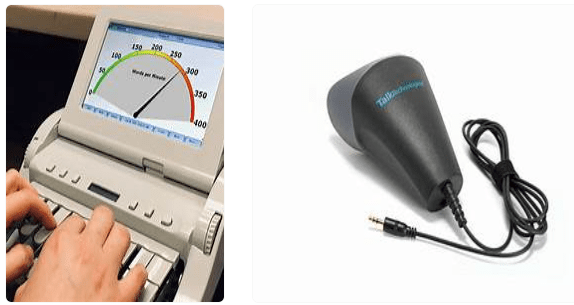
What truly sets court reporters apart isn’t the tool—steno machine or voice—but the human responsibility behind the record. Voice writers aren’t the enemy; AI is. Dividing ourselves by modality only weakens our profession. If we don’t expand and unify, we risk being replaced. NCRA must evolve. The future belongs to professionals—machine or voice—who uphold accuracy, ethics, and the integrity of the record.
Author Archives: stenoimperium
A Strategic Bypass or a Pattern of Evasion? A Deeper Look at Margary Rogers’ Candidacy for NCRA Vice President
Margary Rogers bypassed the official Nominating Committee process to run for NCRA Vice President—a move she admitted was “strategic.” But her track record tells a deeper story: financial mismanagement, declining membership, and unresolved debts during her tenure at MCRA. Meanwhile, Carol Reed Naughton followed the proper process, demonstrated steady leadership, and earned her nomination. This vote isn’t just about preference—it’s about protecting the integrity of our profession.
When Leadership Becomes a Target – Clarifying the Role of Advocacy and the NCSA Chair

Sponsoring a bylaw amendment isn’t a “conflict”—it’s democratic participation. A recent blog post attacks the NCSA Chair for doing exactly what leaders should: advocating transparently and encouraging voter engagement. This rebuttal sets the record straight, dismantling the emotional rhetoric and reminding the profession that anonymous accusations without substance aren’t reform—they’re distraction. Leadership requires integrity. Criticism should at least meet the same standard.
The Truth Hurts, Especially on Event Day

When truth disrupts the room, it’s doing its job. The timing of my article was intentional—not out of malice, but out of duty to transparency. If the reaction at that event was outrage, maybe it’s not the message but the mirror it held up. Criticism isn’t cruelty. Leadership requires scrutiny. If that stings, ask why—and who benefits from your silence.
When Campaign Emails Cross the Line – A Closer Look at the NCRA Vice President Race

Margary Rogers’ campaign email for NCRA Vice President sparked concern for its tone, tactics, and alignment. While promoting experience and leadership, the message included subtle jabs at opponents and leaned heavily on personal branding. With the profession at a crossroads, members should expect professionalism over promotion, and clarity over charisma. This election is about trust, not just titles—and our standards should reflect that.
The Future of Court Reporting & Why the Fight Is Now—And Why You Should Step Into Your Place & Join

A student recently asked me: “What are the chances of AI putting court reporters out of work in the next five to ten years?” The honest answer? It’s a tricky question. Because we’re not looking at a slow fade—we’re standing at a tipping point. The next one to three years will determine everything. There’s seriousContinue reading “The Future of Court Reporting & Why the Fight Is Now—And Why You Should Step Into Your Place & Join”
Save Steno Now, or Lose It Forever – Why Court Reporters Can’t Be Replaced by AI

Court reporting isn’t dying—it’s evolving. With overflowing steno schools, waitlists, and voicewriters accelerating training, we’re meeting demand. The real threat isn’t a shortage—it’s premature replacement by AI. If we let this profession collapse, we lose the infrastructure that guarantees accuracy in our justice system. If you want us tomorrow, you must choose to support us today—before it’s too late.
When Integrity Meets Intimidation – The Case of the Fearless Stenographers Conference

When accountability meets resistance, the truth becomes a threat. What began as a professional event—The Fearless Stenographers Conference—unraveled into a troubling case of legal noncompliance, financial secrecy, and online retaliation. This investigation sheds light on how one brand, led by Shaunise Day, crossed ethical and legal lines—and how silence, deflection, and intimidation replaced transparency when questions finally started to surface.
California’s Anti-SLAPP Law – Shielding Whistleblowers from Legal Intimidation
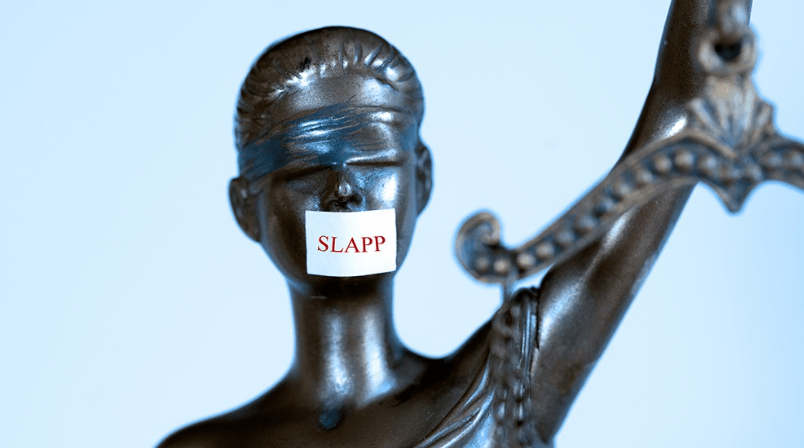
As a seasoned civil trial reporter, I’ve covered numerous Anti-SLAPP motions in California—where courts take free speech seriously. The recent trademark complaint against my blog isn’t about brand confusion; it’s about silencing criticism. California’s Anti-SLAPP law exists for exactly this reason: to protect public discourse from legal intimidation. I’m exercising my right to speak honestly—and I won’t be bullied into silence.
The SITC Events – Uncovering the Financials, the Fallout, and the Mob Response

At first glance, The Fearless Stenographers Conference seemed like a triumph for the court reporting community. But behind the scenes, it exposed a troubling pattern of financial opacity, legal noncompliance, and retaliatory behavior. When legitimate concerns were raised, Shaunise Day didn’t offer transparency—she launched a campaign of intimidation. This is not just a story about mismanagement. It’s a warning about what happens when ego overrides accountability.
Should Reporters Be Rallying Behind Shaunise Day?

Shaunise Day has positioned herself as a voice within the court reporting profession—despite never completing certification or working as a licensed reporter. While she promotes events and media under the banner of advocacy, many professionals question her credibility and qualifications. In a field defined by precision and licensure, critics argue that leadership should come from those who’ve earned their place within the industry through experience and certification.
Whistleblowers, Retaliation, and the Dark Reality of Gang Stalking

Why Is She Still Here?

She’s still here because branding outshines accountability. Without credentials, dodging criticism, and riding on polished marketing, her influence persists. Silence from the community, fear of backlash, and financial incentives keep the cycle going. But that grip loosens when we speak up, ask tough questions, and elevate real expertise. The power is ours—if we stop rewarding image and start demanding integrity in court reporting.
When Critique Gets Censored – My Experience With a Trademark Complaint

After receiving a trademark complaint from the founder of Steno In The City, I’m speaking out. This isn’t about infringement — it’s about silencing criticism. I’ve used the name fairly, for commentary and accountability. When brand protection takes priority over ethical responsibility, we have to ask: who’s being protected, and who’s being exploited? This is my experience, and why I won’t stay silent.
A Day Without a Court Reporter 🚨

Imagine waking up tomorrow and no steno court reporters exist—not a single shorthand operator, no schools, no mentor networks, no equipment, no institutional backbone. What follows isn’t a tech-forward utopia, but a digital heist that collapses under its own weight. 1. The Disappearance of the Ecosystem Once all that’s gone, you can’t rebuild overnight. UnlikeContinue reading “A Day Without a Court Reporter 🚨”
A Day Without a Court Reporter – A Legal System on the Brink

A world without court reporters isn’t silent—it’s lawless. When stenographers vanish, so does the integrity of our legal system. Digital recorders can’t replace human judgment, accountability, or accuracy. Justice slows, appeals collapse, and costs soar. Once institutional knowledge is gone, it’s gone for good. This isn’t a forecast—it’s already happening. And unless we act now, there’s no undoing the damage.
Surviving the Shift – How Human Court Reporters Can Navigate a Digital-First Future
As the legal industry leans toward digital solutions, seasoned court reporters face sudden displacement and growing uncertainty. Despite years of expertise, many are being replaced without notice, undervalued by decision-makers who prioritize cost over quality. But human skill still matters. Professionals must adapt, advocate for certified standards, and build strong relationships to stay relevant in a shifting landscape that increasingly overlooks the value of lived experience.
The Silence Is Deafening – ILCRA’s Quiet Retreat from Controversial Event Raises Bigger Questions

ILCRA has quietly removed all traces of its controversial June 20 event from its website—without explanation—following weeks of member backlash over its partnership with Steno-in-the-City. Meanwhile, the event remains live on SITC’s site, raising serious questions about accountability and transparency. Did ILCRA cancel? Withdraw? Or just retreat into silence? Either way, members say trust has already been broken—and leadership has failed to lead.
SITC and the Court Sponsorship Scandal – Legal Violations, Misused Funds, and Calls for Accountability

Steno in the City, a for-profit LLC, is facing legal scrutiny for soliciting sponsorships without proper registration in Louisiana and California. Marketed as a nonprofit-style event, “Fearless Stenographers 2025” misled sponsors, misused volunteer labor, and potentially diverted public court funds. With multiple state and federal laws potentially violated, legal experts and industry professionals are calling for accountability, transparency, and the return of misappropriated contributions.
Saving Court Reporting – Why Canada’s Loss Is America’s Opportunity to Help

Canada’s only accredited court reporting program is on the verge of collapse—and with it, the integrity of legal records, live captioning, and accessibility services. Called a “national crisis” by the Canadian Hard of Hearing Association, NAIT’s decision jeopardizes justice and inclusion. Court reporters aren’t typists—they are the final authority on the record. This profession is vital, and it must be protected.
“Posted Anonymously” – What the Surge of Hidden Voices Reveals About Court Reporting’s Online Culture

Court reporter Facebook Groups are seeing a surge in anonymous posts—revealing a profession gripped by fear, bullying, and reputational threats. Reporters hide their identities to ask questions, share concerns, or seek help without retaliation. This shift signals more than online drama—it exposes a toxic culture and a platform no longer safe or functional for professional dialogue. When voices go anonymous, it’s a warning we shouldn’t ignore.
California Court Reporters Board Strips School Names from CSR Results — A Troubling Move for the Industry
The California Court Reporters Board has removed school names from CSR exam results, sparking concern among the state’s few remaining court-reporting programs. This change, made without notice, strips schools of public recognition crucial for accreditation, recruitment, and credibility. At a time when the profession faces a severe shortage, the move threatens to further weaken the already fragile pipeline of trained court reporters in California.
Court Reporting Success – How to Train Like a Division I Athlete and Pass the CSR the First Time
Passing the CSR on the first try isn’t luck—it’s discipline. Treat court reporting school like a Division I athlete treats training: with laser focus, high standards, and intentional practice. Show up fully, write with purpose, and hold yourself accountable. Success comes not from time spent, but from how you spend it. Aim higher, work smarter, and the results will follow. Excellence isn’t optional—it’s your baseline.
The Hidden Cost of AI and Digital Reporters is A Looming Crisis in the Court Reporting Industry

As agencies and tech vendors chase profits, they’re offloading transcript cleanup onto scopists and proofreaders, driving up subcontractor rates and forcing court reporters to raise theirs just to survive. Attorneys balk at rising costs, unaware reporters are earning the same as decades ago. This shift isn’t just inefficient—it feels intentional, pushing experienced professionals out to make way for cheaper, lower-quality digital alternatives masked as innovation.
One Man, Many Hats – Is It Time to Talk About Dave Wenhold’s Role Across Court Reporting Associations?

Dave Wenhold, Executive Director of both NCRA and ILCRA, wields uncommon influence across court reporting associations—raising serious questions about transparency and fairness. With overlapping leadership roles in multiple organizations, critics warn of blurred priorities, potential conflicts of interest, and limited oversight. As membership declines and industry threats grow, many are asking: is this governance structure truly serving the profession—or concentrating too much power in one place?
It Wasn’t About Race — Until You Said It Was
I never mentioned race — but others did. The allegations I’ve raised involve data misuse, labor law violations, and nonprofit ethics. Yet, instead of addressing those facts, I’m accused of racism. Why? Because the subject happens to be Black? That’s not justice. That’s deflection. This was never about race — it’s about protecting a profession that deserves better. And I’m not backing down.
It’s Just a Cocktail Party — Or Is It? Why ILCRA’s Partnership with SITC Deserves Scrutiny

This isn’t just a cocktail party. It’s a joint branding and financial arrangement between ILCRA and a for-profit entity under multiple active investigations — involving labor law violations, data misuse, and unauthorized sponsorships. When member money and personal data are involved, fun doesn’t excuse fiduciary failure. Nonprofits must uphold ethics and transparency — not outsource risk under the guise of social networking.
StenoImperium Blogger Wasn’t Prepared for Haters – “It’s the Absolute Worst”

The StenoImperium blog exposed what the court reporting world refused to confront: exploitation, bullying, and a toxic culture of silence. While a few loud voices attacked, over 5,300 readers listened—and supported. The blogger faced retaliatory threats, doxxing, and harassment, from ONE person exposed in the blog articles, but didn’t back down. Truth doesn’t need to be liked. It just needs to be heard. And now, it’s being heard—louder than ever.
Gatekeeping, Fear, and the Silencing of Dissent is a Hot Crisis in the Court Reporting Community

In today’s court reporting profession, too many voices are silenced not by debate, but by dismissal. When someone asks, “Who are you?” before deciding whether to block you, it’s not curiosity—it’s control. Gatekeeping has replaced dialogue, and fear has replaced professionalism. We must stop judging messages by the messenger and start confronting the culture that protects power over truth. Silencing isn’t safety—it’s complicity.
The Digital Deception – How Non-Stenographic “Court Reporters” Are Undermining Legal Proceedings in Texas

Across Texas, some court reporting firms are violating state law by sending unlicensed “digital reporters” to depositions, misleading attorneys and undermining the integrity of the legal record. These firms prioritize profit over professionalism, substituting trained stenographers with unqualified button-pushers. The result: unreliable transcripts, legal setbacks, and a justice system strained by deception. Attorneys must stay vigilant, speak out, and demand licensed professionals—every time.
When the Boardroom Becomes a Crime Scene – Abuse, Silence, and Accountability in the Court Reporting Profession

Workplace intimidation in court reporting isn’t just toxic—it’s a weapon. When fear silences dissent and leadership enables abuse, the cost can be fatal. Whistleblowers are met not with concern, but with hostility: “Who is this?” That question isn’t curiosity—it’s a tactic. Silence protects power. Accountability must start with association boards and court leadership. Because when harm is ignored, complicity becomes policy.
Who Benefits? The Unanswered Questions About the Money Behind ILCRA’s Partnership with SITC
ILCRA’s decision to redirect event registration and payments to the for-profit Steno in the City raises serious ethical and legal concerns. By allowing a private LLC to collect member data, funds, and volunteer labor, ILCRA risks violating nonprofit standards and labor laws. This unprecedented move compromises member trust, blurs organizational accountability, and demands immediate transparency about where the money goes—and who truly benefits.
Who Owns the Guest List? How ILCRA’s Event Partnership with SITC Puts Member Data at Risk
A Storm Behind the Skyline: Why Is ILCRA Partnering with Steno in the City?
As the Illinois Court Reporters Association (ILCRA) prepares for its much-anticipated Summer Kickoff Cocktail Party on June 20, 2025, many in the court reporting community are raising serious questions—not about the event itself, but about its co-host: Shaunise Day and her brand, Steno in the City. At first glance, the collaboration may seem like aContinue reading “A Storm Behind the Skyline: Why Is ILCRA Partnering with Steno in the City?”
Court Reporting at a Crossroads: Why Are Organizations Partnering with Entities That Exploit the Profession?
The Manufactured Court Reporter ‘Crisis’ and the Dangerous Push for Unlicensed Transcription

The myth of a court reporter shortage is being exploited to push unlicensed transcription services into the legal system. But only certified court reporters—not agencies or transcriptionists—can serve as the Responsible Charge. They alone have the authority to certify transcripts, administer oaths, and safeguard the record. Replacing them with unqualified labor threatens due process and undermines the very foundation of courtroom integrity.
The California Court Reporting Crisis and How the System Undermines Its Own Professionals

California court reporters are being edged out as agencies prioritize out-of-state labor for remote jobs—often at the expense of legal compliance. Despite clear transcript standards, violations go unchecked due to the CRB’s lack of enforcement authority. Without reforms to licensing, job assignment transparency, and regulatory power, California’s reporting professionals face burnout, underemployment, and a system that no longer supports the high standards it claims to uphold.
California Court Reporters Are Being Squeezed Out – So How Do We Fix This?

California CSRs are being pushed into unsustainable in-person work while remote jobs go to out-of-state reporters—many unfamiliar with California’s strict formatting laws. As noncompliant transcripts flood the system and local professionals are quietly sidelined, the state’s regulatory board remains largely inactive. Without stronger enforcement, equitable job distribution, and industry-wide reform, the profession risks losing both its standards and its future in California.
Why Are Court Reporting Agencies Now on the Record? A Look at the New L.A. Superior Court Form and the Responsible Charge
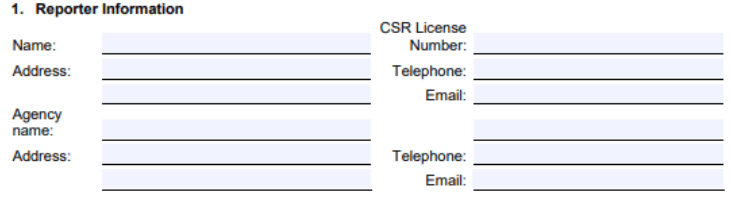
The revised Order Appointing Court Approved Reporter As Official Reporter Pro Tempore form at Los Angeles Superior Court now requests agency information—raising concerns among court reporters. Agencies handle billing and marketing, but they are not responsible for the official court record. Accountability must remain with the licensed reporter. If accessibility is the issue, update reporter contact details, not the form, to avoid misplacing legal responsibility.
The Peril of Courts Owning the Record – Why the Move Away from Stenographic Reporters Is a Dangerous Step Toward Tyranny

The move to electronic court recording shifts control of the legal record into the hands of the very courts it’s meant to hold accountable—a dangerous conflict of interest. Without independent stenographic court reporters safeguarding the record, transparency erodes, accountability vanishes, and justice itself is jeopardized. When the court owns the record, it controls the narrative—and unchecked power over the truth is the foundation of tyranny.
The Unsung Heroes of Court Reporting – Still Standing Strong Past 65

Many predicted a crisis in court reporting by 2018, citing mass retirements and declining enrollments. But they underestimated one thing: court reporters don’t retire at 65. These devoted professionals, many in their 70s, continue working with unmatched skill and passion. Their enduring presence has kept the legal system afloat—unsung heroes preserving the record, one word at a time, while others quietly left the field.
Fixing Court Reporting Compensation – Why the FairSplit Proposal Deserves a Second Look

The FairSplit proposal aims to restore fairness and transparency to court reporting by introducing a revenue-sharing model between agencies and reporters. Instead of fixed rates, it advocates for equitable percentage splits of all billables, including per diems. This empowers independent reporters, promotes ethical agency practices, and offers a sustainable alternative to the venture-capital-driven status quo prioritizing profit over professionalism. It’s time to reclaim control of our profession.
California’s AB 882 – A Temporary Solution or a Trojan Horse?

California’s AB 882 aims to address the court reporter shortage by temporarily allowing electronic recordings, but its vague language on “good-faith” hiring efforts leaves room for abuse. Without clear standards, the bill risks becoming a Trojan horse for permanent electronic recording. Real solutions require accountability, innovation, and long-term investment—not a short-term fix that could undermine human court reporting forever.
Fixing the Broken Court Reporting Compensation Model: A FairSplit™ Proposal

Court reporters are vital to the legal system but are often underpaid and overworked. The FairSplit™ model aims to fix that with a fairer compensation structure—70/30 revenue splits, transcript ownership rights, and 100% per diem pay. It’s a blueprint for restoring dignity, transparency, and sustainability in the profession. FairSplit™ is more than a model—it’s a movement for justice in justice.
Inside the Diddy Trial – The Rock Star is the Real-Time Court Reporter Behind the Scenes – While Media Leans on AI

While media outlets like Court TV rely on AI-generated summaries of the Diddy trial, a skilled real-time stenographic reporter from Southern District Reporters, P.C. is officially documenting every word in federal court. Despite public confusion, the court’s official transcript comes from this human professional—not artificial intelligence. Journalists like Meghann Cuniff have praised the court reporter’s accuracy and speed in such a high-profile, fast-paced case.
California’s AB 711 Is Out of Touch With the Realities of Court Reporting

California’s AB 711 paints a misleading picture of court scheduling and court reporters’ work. By requiring advance declarations about reporter use, it imposes unrealistic expectations in a field defined by unpredictability. Rather than supporting reporters, the bill marginalizes them, opens doors to low-quality alternatives, and adds bureaucratic burden without tangible benefit. AB 711 isn’t progress—it’s a policy built on misunderstanding, not meaningful reform.
The Realities of Court Reporting School, Certification, and Career Paths in California

Court reporting offers a high-demand, well-compensated career, but entering the field requires a major investment of time and money. With rigorous certification standards, state licensing requirements, and tuition costs exceeding $60,000, it’s not a casual commitment. However, the long-term rewards—job security, strong benefits, and six-figure potential—make it a viable path for those prepared to meet the challenge and navigate California’s competitive legal landscape.
Court Reporting vs. Other Professions – A Wake-Up Call on ROI for Students

Court reporting is one of the best-kept secrets in high-income careers. With just 1–3 years of training and a $20K–$65K investment, skilled reporters in California can earn $180K–$360K+, with top earners hitting $500K–$1M+. Compared to the time and cost of becoming a doctor or lawyer, court reporting offers an unmatched ROI—fast, lucrative, and future-proof for students seeking real financial freedom.
AB 711 – A Well-Intended Bill That Undermines the Realities of Court Reporting

California’s AB 711 aims to improve access to the record in civil courtrooms by requiring attorneys to declare whether they’ll provide a court reporter. While well-intended, the bill misunderstands the realities of freelance scheduling, creates administrative burdens, and risks normalizing reporter-free hearings. Without addressing core issues like real-time coverage gaps and recruitment challenges, the legislation may do more harm than good for working reporters and agencies.
A Judiciary at Risk – How California’s Lower Courts Are Courting a Constitutional Crisis

California’s judiciary faces a mounting crisis as lower courts, particularly in Los Angeles County, defy state law by replacing certified court reporters with electronic recording. Critics warn this shift threatens the integrity of court records, undermines public trust, and bypasses legislative authority. With data manipulation and unauthorized policies surfacing, legal experts fear a deliberate effort to weaken judicial independence and dismantle checks and balances in the justice system.
 STENOIMPERIUM