
AI in stenography isn’t just about transcripts — it’s about working smarter. From built-in features in everyday tools to research assistants and workflow boosters, AI can cut through the repetitive tasks that slow you down. The future isn’t replacing human skill — it’s freeing court reporters to focus on the work only they can do.
Author Archives: stenoimperium
When Robots Win Trophies – What It Means for the Future of Stenography

A robot holding a trophy may symbolize progress, but in the courtroom, it represents a dangerous shortcut. While AI may offer speed, only a human stenographer ensures accuracy, accountability, and justice. When automation wins the spotlight, due process can lose. Let’s not trade trust for tech.
Who’s Reading the Jurors’ Notes? A Confidentiality Breach Hiding in Plain Sight

After a jury trial concluded, I witnessed a courtroom assistant reading through jurors’ notebooks for entertainment—laughing, speculating, and sharing contents with the clerk. Juror notes are confidential and must be destroyed, not treated like gossip fodder. This isn’t just unprofessional—it’s a breach of trust that undermines the integrity of our justice system.
The Era of Aggregation – Lexitas, Veritext, Magna and Others Consolidating the Court Reporting Industry

The court reporting industry is undergoing rapid consolidation as giants like Lexitas, Veritext, Esquire, and Magna absorb smaller firms nationwide. While some see opportunity in acquisition, others are doubling down on independence. This article explores who’s buying, what they’re looking for, and how small agencies can survive—or sell—on their own terms.
How AI and Digital Reporting Are Undermining Court Reporting – What Every Court Reporter Needs to Know to Protect Their Career
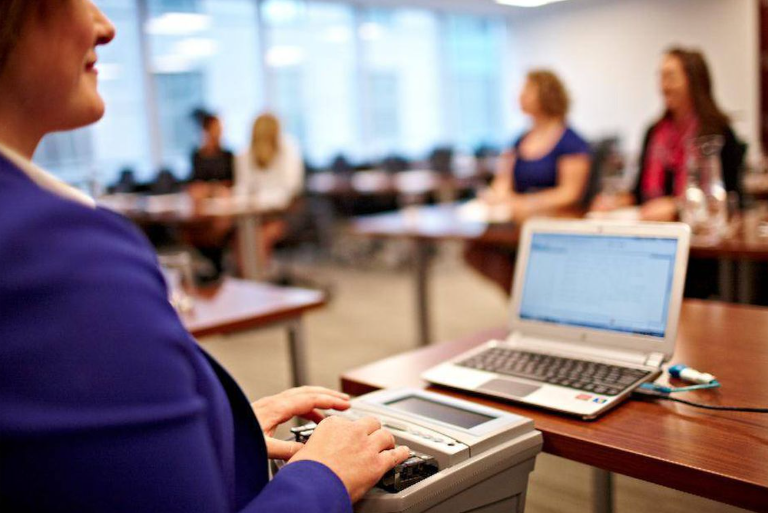
AI and digital reporting technologies are threatening the traditional court reporting profession, but court reporters can safeguard their careers by staying informed, embracing new tools, and advocating for the accuracy and integrity of the court record. Learn how to stay ahead in this evolving landscape and ensure your skills remain essential.
AB 711 Passed—But Is It Really a Win? Why This New Law Signals the Next Phase in the Elimination of Certified Court Reporters

When a judge tells attorneys they “don’t need a court reporter”—despite one being present and assigned—the threat to justice becomes undeniable. AB 711 enables this erosion, shifting the burden of preserving the record onto attorneys while courts quietly sideline certified reporters. The result? Trials with no transcript, no appeal, and no accountability. This isn’t modernization. It’s judicial overreach.
AB 711 Passed—But at What Cost? A Closer Look at the Real Consequences for California’s Legal System
AB 711 isn’t a victory—it’s a retreat. By shifting the responsibility of providing court reporters to attorneys, California courts are abandoning their duty to guarantee a fair, accurate record. This law deepens inequality, privatizes access to justice, and accelerates the erosion of the certified reporting profession. When justice depends on who can afford the record, justice is already lost.
No, You Never Served Me – The Truth Behind False Cease-and-Desist Claims

Shaunise Day falsely claimed a cease and desist “didn’t work” against me — but the truth is, it was never valid to begin with. The letter came from someone with a JD but no law license. The California State Bar ruled it was unauthorized practice of law, issued a cease and desist to her, and referred the case to the DOJ. Facts matter. Lies don’t intimidate me.
A Dangerous Shift in California – Why Changes to CSR Exam Requirements Could Gut the Stenographic Pipeline

A qualified student, ready to take California’s rigorous CSR exam after five years of training, was blocked by her school for not passing an internal 225 test—not a state requirement. Other schools refused to sponsor her out of fear of retaliation. Meanwhile, voice writers face fewer barriers. This isn’t about standards—it’s gatekeeping. Politics and policy shifts are sabotaging the steno pipeline from within.
Trial Without a Reporter – What I Witnessed in L.A. Court Should Alarm Every Litigator

When a judge told attorneys, “you don’t need a court reporter” — despite one being present and assigned — it exposed a growing judicial trend: bypassing licensed reporters in favor of unregulated recordings. Critics say it’s not about shortages. It’s about power, profit, and erasing the record itself.
The High Cost of Replacing a Court Reporter

Replacing a court reporter isn’t just a staffing issue—it’s a silent crisis. With veteran reporters retiring, mentoring gaps widening, and agencies scrambling to cover jobs, the true cost of turnover is mounting: lost trust, delayed justice, and record integrity at risk. Court reporters aren’t interchangeable. They’re essential. Until we start treating them that way, the system will keep bleeding talent—and accuracy.
A Victory for Nevada Court Reporters: Senate Bill 191 Signed, Rate Increases Effective January 2026
Nevada court reporters just won big—Governor Lombardo signed a rate increase into law, effective January 1, 2026. This echoes California’s 2021 rate hike from $3.00 to $3.99/page and signals rising recognition of our profession. Freelancers: This is your win, too. Celebrate with NVCRA this Saturday at Café du Central and get ready for what’s next.
Why Save Steno?

Stenographers aren’t relics—they’re the guardians of the record. In courtrooms where every word matters, only a trained human can ensure accuracy, context, and integrity. When we replace steno with machines, we invite errors, mistrials, and lost justice. This isn’t about resisting technology. It’s about protecting due process. Save steno—because once it’s gone, you won’t realize what you’ve lost until it’s too late.
When the Record Breaks – A Deposition Disaster That Proves Why Humans Beat Machines
During a deposition, an attorney slammed the table in frustration—causing a digital “court reporter” to lose a large portion of the testimony due to equipment failure. Unlike certified stenographers, machines can’t adapt in real time or ensure the integrity of the record. This incident is a stark reminder: when accuracy matters, only a trained, licensed court reporter can truly safeguard the legal record.
When AI Enters the Deposition Room – The Legal and Ethical Minefield of Unauthorized Recordings

Attorneys are increasingly attempting to use AI tools like Fireflies.ai to record and transcribe depositions—without proper authorization. These tools threaten confidentiality, compromise the integrity of the official record, and undermine the role of certified court reporters. Reporters must stand firm: unauthorized recording is not permitted. If challenged, document the exchange, contact your agency, and remember—you are the official record, and your judgment matters.
Protected: The Booth, the Database, and the Backdoor – How ILCRA’s Free Table at a For-Profit Event May Have Compromised Member Data
There is no excerpt because this is a protected post.
AI Summaries in Litigation – Efficiency or a Lawsuit Waiting to Happen?

An AI-generated deposition summary missed a crucial medical statement about future surgery, leading an insurance company to undervalue a case—and a jury later awarded millions over policy limits. Now the question is: Who’s liable? The law firm? The AI vendor? Or the court reporting agency that sold the product? As AI floods legal workflows, expect a wave of litigation over errors that never should’ve been automated.
Why Digital Recorders Are Not Court Reporters—And Why That Matters in California
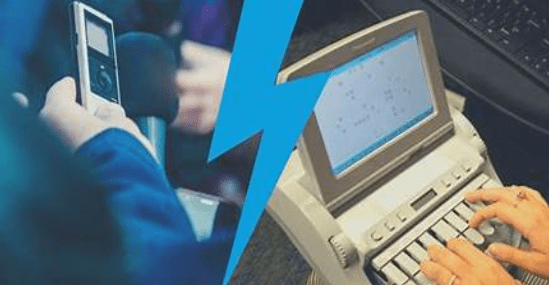
Digital “reporters” are not licensed court reporters—and in California, their use is illegal in most court proceedings. Attorneys cannot stipulate around the law or sidestep due process. When the record is flawed, justice is compromised. A certified shorthand reporter (CSR) is not optional—it’s essential. Don’t be misled: replacing a stenographer with a recorder isn’t innovation. It’s a legal and ethical liability.
Are Paralegals Being Automated Out of the Legal Workforce? A Critical Look at Lexitas’ New AI Tool

Lexitas’ new AI tool, Deposition Insights+, claims to streamline litigation prep—but at what cost? By automating key tasks traditionally handled by paralegals and junior attorneys, this technology risks replacing human insight with algorithmic shortcuts. Legal professionals must ask: Are we empowering teams, or eroding jobs and skills? Efficiency shouldn’t come at the expense of accuracy—or accountability. The legal industry must tread carefully.
The High Cost of Convenience – How Digital Court Reporting Risks Destroying the Profession It Claims to Modernize
As court reporting agencies rush to adopt AI and digital tools, they risk undermining the very profession they rely on. Accuracy, ethics, and human expertise are being sacrificed for speed and cost. Agencies must choose: innovate with reporters, or replace them entirely—and suffer the consequences. The legal system deserves better than a transcript powered by hope and algorithms.
Why Whisper Can’t Replace Court Reporters in the U.S. Legal System

Canada’s Legislative Assembly proved AI like Whisper can assist—but not replace—human editors. Meanwhile, U.S. courts risk due process by adopting ASR without oversight. Speaker errors, misattribution, and data risks abound. Justice demands more than a “good enough” transcript. We must follow Canada’s lead: human-led, AI-assisted. The record—and constitutional rights—depend on it.
Not Optional – Why Stenographers Are Essential to the Constitution and Your Freedom

Court reporters aren’t just transcribers—they’re constitutional safeguards. Without a certified human creating the record, due process collapses. No accurate transcript means no appeal, no accountability, no justice. Stenographers ensure the truth is preserved, rights are protected, and freedom is upheld. Replacing them with machines doesn’t save money—it erodes democracy. Court reporters are the quiet guardians of liberty. Lose them, and you lose the record that protects us all.
“Digital Gatekeeping: How Facebook Job Boards Are Quietly Controlling Access to Court Reporting Jobs—and Why It May Be Illegal”

Facebook job boards for court reporters are becoming digital gatekeeping machines—run by fellow CSRs who block access to jobs without cause. When licensed professionals are excluded from critical work opportunities by biased moderators, it’s not just unethical—it may be a violation of CRB standards and antitrust laws. It’s time to expose the harm and demand oversight.
Why Human Stenographers Still Outperform AI in the “Cocktail Party” Problem—and Always Will in Legal Proceedings

AI still can’t match human stenographers—especially in legal settings. From overlapping speech and accents to emotional testimony, the “cocktail party problem” is far from solved. Only a certified court reporter can deliver 99% accuracy, real-time clarification, and a legally admissible record. Don’t fall for the hype. Humans are still the gold standard.
“Be the Voice That Speaks for Me in Court”: The Sacred Power of Truth in a Profession Gone Quiet

When truth becomes dangerous, speaking out isn’t just brave—it’s sacred. A fellow reporter shared a prayer: “O Holy Spirit, be the Voice that speaks for me in court.” In a profession silenced by fear and gatekeeping, that voice matters more than ever. We don’t need permission to speak truth—we need conviction. Let integrity rise louder than intimidation.
Why Court Reporters Don’t Owe Agencies Loyalty—And Why That’s Okay

In a post-COVID world, court reporters are redefining their roles—not as agency staff, but as independent professionals. Remote work isn’t laziness; it’s survival. Agencies profiting off outdated loyalty narratives forget that freelancers have overhead, choices, and value. We’re not driving two hours for 16 pages anymore—and we’re done apologizing for it. The industry has changed. We adapted. Time for everyone else to catch up.
When Depositions Had Coffee Breaks – A Court Reporter’s Call to Action

There was a time when depositions had structure, civility, and coffee breaks. Now, reporters face 300-page days with no breaks, no boundaries, and inhuman turnaround times. We didn’t lose this all at once—it slipped away because no one said “no.” It’s time to draw the line. For our health, our quality, and the future of court reporting. We either reclaim our power—or watch it disappear for good.
Leadership in the Eye of the Storm

When the storm is coming and no one’s listening, that’s when true leadership begins.
In a dream, I saw tornadoes forming—and I was the only one who ran for shelter. That dream mirrors the reality of court reporting today. AI, ASR, and digital threats are merging—and too many are still sipping coffee. Here’s what it means to lead in the eye of the storm.
Human Oversight is Now Law – Virginia Leads the Nation with Groundbreaking AI Legislation Protecting the Judicial Record
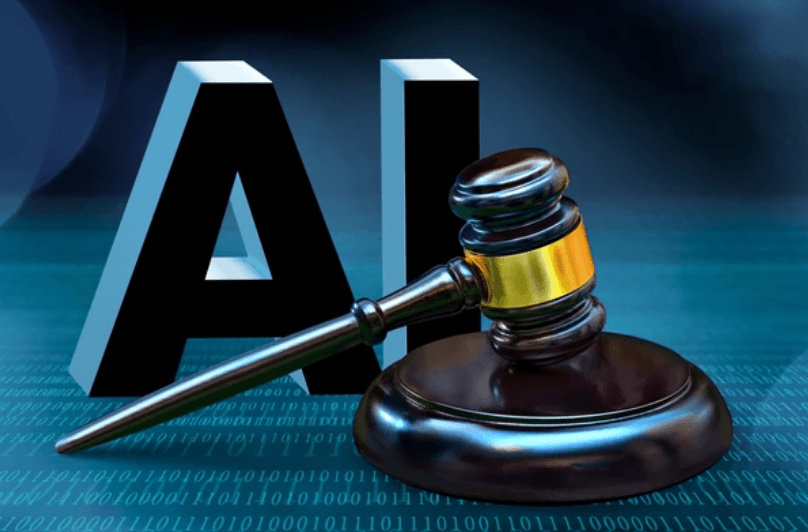
Virginia just became the first state to legally require human oversight of AI in courtrooms. With HB 1642, justice stays human-centered—protecting certified transcripts, ethical decision-making, and the future of court reporting. This is a national model for balancing innovation with integrity.
The Ethical Crossroads of Technology in Law – Why Attorneys Must Defend Human Court Reporters

Attorneys have an ethical obligation to verify the integrity of the record. Yet ASR transcripts, often created without disclosure or certification, are slipping into legal proceedings unchecked. With error rates nearing 30%, no human accountability, and real risks to confidentiality, lawyers must take a stand. Certified human stenographers remain the gold standard. Accept no substitutes—your client’s rights may depend on it.
When Advocacy Turns Hostile – A Call for Integrity in Court Reporting
When advocacy turns hostile, professionalism suffers. In the court reporting world, performative leadership and public bullying are replacing ethics and collaboration. This anonymous essay calls for a return to integrity — where disagreement isn’t met with defamation, and leadership doesn’t rely on intimidation. The future of steno depends not just on who speaks, but how we choose to lead.
AI Might Be Cheaper—But It’s Gutting the Court Reporting Pipeline

Courtrooms aren’t podcasts—and AI isn’t ready to replace human court reporters. What’s at stake isn’t just jobs, but an entire pipeline: schools, certification boards, machine makers, and trained professionals. Once that system collapses, it’s gone. If we cut too deep, there will be no one left when AI fails. Choose accuracy. Choose humans. Choose us—while you still can.
Ethical Red Flags – Are Attorneys Violating Rules of Professional Conduct by Retaliating Against Court Reporters?

Some plaintiff attorneys are retaliating against court reporters by replacing them with uncertified digital alternatives—not out of necessity, but spite. In doing so, they may be violating ethical rules around competence, candor, and fairness. Using uncertified transcripts can mislead the court, harm clients, and erode due process. It’s not just bad judgment—it may be professional misconduct.
The Backfire of the Stop the SoCal Stip Movement – How a Campaign to Protect Court Reporting Accelerated Its Threat

The Stop the SoCal Stip movement was meant to protect court reporters—but instead, it triggered resentment among attorneys that’s now fueling our replacement. What began as a legal ethics stand has been twisted into a narrative of greed. The result? Retaliation via digital recording and ASR. If we don’t reclaim the narrative, the gold standard of stenography could disappear.
Court Reporting at a Crossroads – How to Win the Battle for the Future of Justice
Court reporting isn’t dying—it’s being hijacked. Big-box firms are replacing certified professionals with offshore labor and uncertified notaries, bypassing due process and threatening our existence. But we hold the leverage: laws, credentials, and the truth. If we don’t act now, we face extinction. If we rise, we reclaim our rightful place at the top. The clock is ticking—our profession depends on it.
The Subtle Power of a Word – Why ASR Can’t Replace Human Court Reporters

One wrong word — like “sale” instead of “cell” — can alter the facts. ASR doesn’t understand the difference, and neither did my scopist, because they weren’t a trained court reporter. In legal proceedings, every word matters. Court reporters aren’t just typists — we are the responsible charge, the last line of defense for truth and accuracy in the record.
Empires Built on Convenience – The Parallel Collapse of Big Pharma and Court Reporting

The collapse of Big Pharma’s credibility mirrors the slow unraveling of the court reporting profession. Both industries ignored warnings from within, replaced professionals with profit-driven shortcuts, and now face a reckoning. As automated systems fail to protect the integrity of legal records, certified court reporters must reclaim their role as the Responsible Charge—before our justice system loses something it can’t afford: the truth.
The Case for Court Reporter Cost Transparency and Industry Reform
Attorneys are furious over rising court reporting costs—but the truth is, reporters aren’t the ones profiting. Agencies are marking up per diems by 100–200%, keeping fees for add-ons like exhibits and digital access, while reporters see less than half. It’s time for legislative reform, transparency, and a fair compensation model that protects the profession—and restores integrity to the legal record.
Court Reporting – The Delta Force of Professions

Court reporting school has a dropout rate as high as Delta Force selection—only 5 to 10% make it through. We’re not just typists; we’re elite professionals with real-time mental endurance and precision under pressure. Like Tier One operators, we train for years to master a high-stakes craft. We are the Responsible Charge of the official record—and no machine can replace that.
How Court Reporting Can Survive and Thrive in the Age of AI and ASR
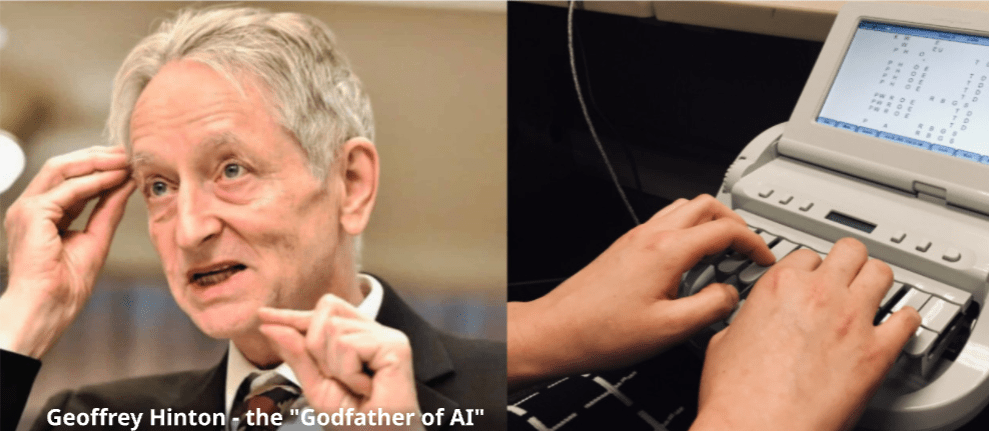
Court reporting isn’t just transcription — it’s the human backbone of justice. Whether using a steno machine or voice mask, stenographers capture the spoken word in real time to create certified, accurate records that AI simply can’t replicate. In the face of automation, our unity, skill, and accountability will define our survival. We aren’t obsolete — we’re indispensable. And now is the time to prove it.
Why AAERT-Certified Digital Reporters Are Not the Answer to the Court Reporter Crisis
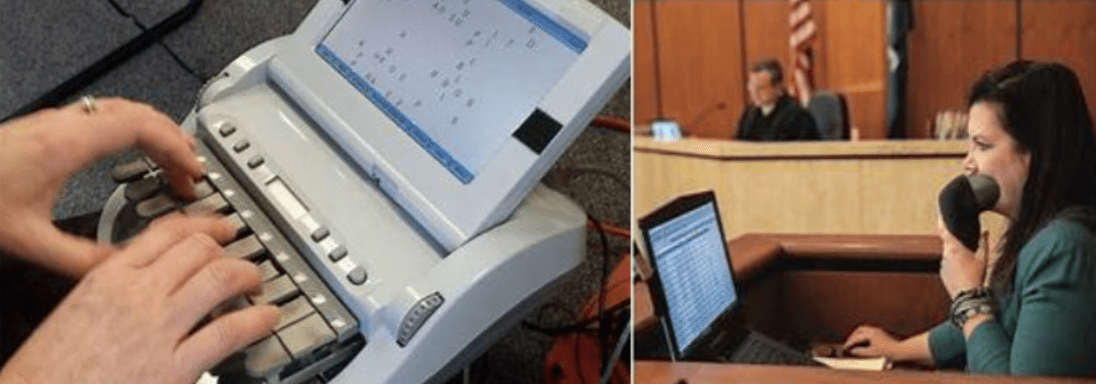
Digital reporters certified by AAERT are not equivalent to licensed court reporters. They don’t write realtime, certify records on the spot, or meet the legal standards required in high-stakes proceedings. While digital recording may seem like a quick fix for shortages, it risks long-term damage to the integrity of the record. The solution isn’t substitution—it’s investment in the gold-standard profession that’s already working.
The Scopist Crisis – A Silent Threat to the Integrity of Court Reporting
The scopist shortage is becoming a hidden crisis in court reporting. Too many unqualified applicants—often unfamiliar with software like StenoCat32—are delivering error-filled transcripts that compromise accuracy and trust. As court reporters face mounting pressure, it’s time to demand better training, certification, and collaboration from those supporting our record.
Protecting the Integrity of the Legal Record Nationwide – A Formal Request for NCRA to Lead on ASR Policy Reform
A National Model Law to Regulate the Use of ASR and Preserve Human Oversight in Legal Proceedings As part of this effort, I respectfully ask that NCRA spearhead a coordinated legislative campaign across all 50 states, using this proposal as a model law. NCRA can play a vital role by providing state associations with aContinue reading “Protecting the Integrity of the Legal Record Nationwide – A Formal Request for NCRA to Lead on ASR Policy Reform”
An Urgent Call for Federal Action – Protecting the Legal Record in the Age of ASR
To the NCRA Board of Directors and Executive Leadership: As our profession stands at a technological crossroads, we are faced with a choice: lead the conversation on responsible innovation—or watch from the sidelines as automation reshapes our industry without us. This letter is a call to action, urging the National Court Reporters Association to takeContinue reading “An Urgent Call for Federal Action – Protecting the Legal Record in the Age of ASR”
When “No Options” Isn’t an Option – The Quiet Collapse of Court Reporting in West Texas

In West Texas, court reporters are disappearing — and judges are turning to digital recording as a last resort. One court has had zero applicants and is now speaking with Verbatim. This isn’t about convenience; it’s a collapse. Melissa’s story reveals the human toll of inaction and the urgent need to protect the integrity of our record. “No options” is not an excuse. It’s a wake-up call.
Protected: CA Legislative Proposal – Court Reporter Certification and Automated Transcription Integrity Act
There is no excerpt because this is a protected post.
ASR in Court Reporting – Tool, Threat, or Transformation?

As court reporting faces increasing pressure from digital disruption, the debate over ASR (Automatic Speech Recognition) intensifies. Can it be used responsibly — or does its adoption spell the end of human-led recordkeeping? This article explores the nuanced question: If ASR is wielded by a trained, licensed stenographer, does it become a tool — or remain a threat? The future of our profession may hinge on the answer.
When a State Association Leaves the State – Why ILCRA’s Move to Florida Is a Red Flag for Court Reporters Everywhere
Illinois—home to one of the top four court reporting populations in the U.S.—just saw its association headquarters moved to Florida, a state that has eliminated licensing and gone digital. This alarming relocation by ILCRA raises serious concerns about transparency, oversight, and the future of stenography. Why outsource leadership to a state that no longer values licensed court reporters? Members must demand accountability now.
Crushing it with Carol!

Carol Reed Naughton’s victory in the NCRA VP race is more than a win—it’s a rejection of toxic leadership. In a profession where integrity is often tested, the community chose accountability over ambition, process over performance. This result proves that even in environments where manipulation can thrive, truth still resonates. For every steno who values ethics over ego—this moment is yours.
“Five-Oh-Two” & The Invisible Danger in ASR Court Transcripts

ASR may produce clean-looking transcripts, but it lacks the human judgment needed to capture meaning, nuance, and legal context. In court, where every word matters, even subtle misinterpretations can distort the record and impact outcomes. Accuracy isn’t just about words—it’s about understanding. That’s why certified court reporters remain essential in preserving the integrity of the legal process.
 STENOIMPERIUM