Courtrooms are built on the promise of fairness. Every participant, from the judge to the attorneys to the jurors, is part of a system designed to evaluate facts and apply the law. Yet there is another professional in the room whose role is often overlooked: the court reporter. We are the guardians of the record, charged with capturing every word accurately and neutrally. We are present for every moment, yet we must remain invisible.
As court reporters, we occupy a unique vantage point. We do not argue, decide, or influence. We observe. We listen to testimony from inches away, watch the jury from across the room, and see how counsel interacts not only with the evidence, but with one another. We understand the rhythm of a trial, and we recognize when something aligns with the norms and safeguards of the adversarial system. We also recognize when something does not.
In some trials, concerns arise regarding the impartiality of a juror. At times, new information may emerge suggesting a personal connection between a juror and an individual associated with one of the parties. When this happens, the legal process provides a clear and well-established safeguard: the court should conduct a brief and neutral inquiry to determine whether the juror can remain fair and unbiased. This is a routine measure intended to protect the integrity of the trial.
When such an inquiry is not conducted, the situation becomes more complex. The jury may proceed to deliberations with unresolved questions regarding impartiality. In some instances, deliberations may be unusually brief, leaving doubt as to whether the evidence was fully considered or whether the jury discussed the issues before reaching a decision. The legitimacy of any verdict rests not only on the outcome, but on the process that produced it.
Court reporters do not evaluate or influence these events, but we do witness them. We observe the proceedings closely, including the interactions and decision-making dynamics present in the courtroom. Our role is to record the record faithfully, not to interpret behavior or intention. But when the procedural safeguards designed to ensure fairness are not exercised, the weight of that moment is felt, even if it remains unspoken.
These experiences can leave a deep and lasting impression. Court reporters are trained to be neutral, but neutrality does not mean lack of awareness. We know the rules of evidence, the expectations of voir dire, the purpose of jury instructions, and the importance of deliberation. We are present for the mechanics of justice every day. When those mechanics break down, the disruption is not theoretical—it is observable, direct, and immediate.
The emotional weight of that position is rarely discussed. Our profession expects composure, steadiness, and the ability to maintain silence. We cannot object. We cannot suggest. We cannot correct. We carry our understanding privately, even when what we have watched feels inconsistent with the values the system is supposed to uphold.
This is not about who won the case. Verdicts favor one side and not the other; that is the nature of litigation. What matters is whether the process that produced the result was fair, transparent, and consistent with the rules that protect impartiality. When the court does not evaluate potential juror bias and deliberation is limited in scope or duration, the reliability of the process can come into question. This speaks less to the verdict itself and more to the legitimacy of the procedure that produced it.
When Judicial Gatekeeping Fails
The justice system depends on the careful examination of potential bias. When that examination does not occur, even the appearance of fairness can be affected, influencing how the process is experienced and remembered.
The integrity of a trial relies not only on the conduct of jurors and attorneys, but on the vigilance of the judge, who is tasked with safeguarding the fairness of the proceedings. The law is clear: when credible information arises suggesting that a juror may not be impartial, the court has a duty to conduct a reasonable inquiry. This duty is not discretionary. It is foundational to the right to an unbiased jury.
The justice system relies on a built-in mechanism to address potential juror bias: judicial inquiry. It is a simple, well-established safeguard intended to protect the fairness of the proceedings. When this safeguard is not utilized, the assurance of impartiality becomes harder to maintain, and confidence in the outcome may be affected.
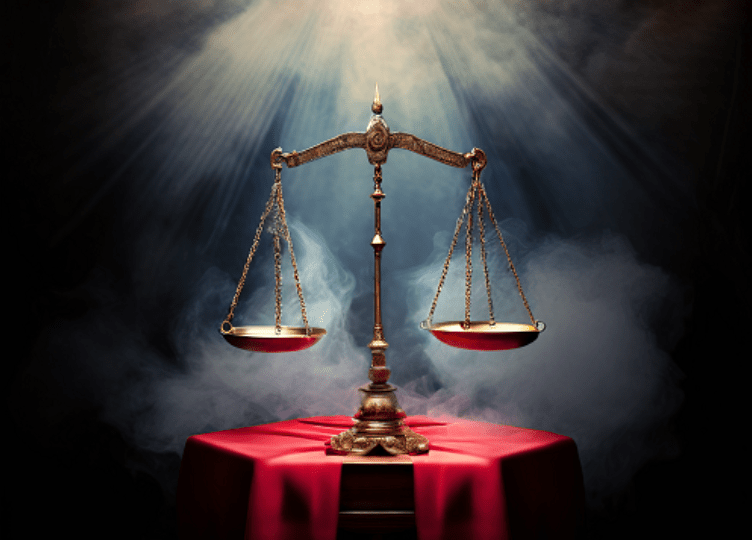
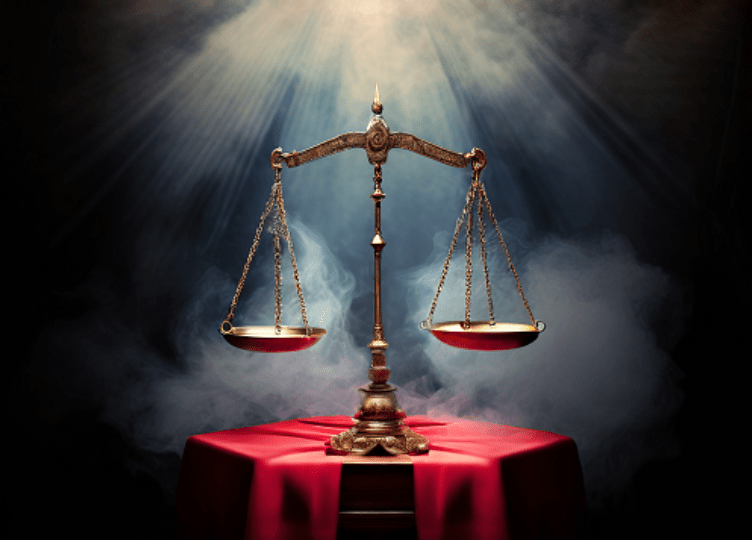
Judicial misconduct is often discussed in dramatic terms: bribery, intimidation, or overt abuse of authority. But misconduct can also take the form of failure to act when the law requires action. This is judicial misconduct in the form of failure to uphold required judicial duties. When a judge refuses to inquire into potential juror bias, the fairness of the trial is compromised before deliberations even begin.
When questions about juror impartiality are left unresolved, the role of judicial oversight becomes especially significant. The court’s responsibility includes ensuring that the jury is able to deliberate free from any reasonable concerns of bias. When these safeguards are not engaged, the reliability of the process itself can be called into question. The concern is not simply the outcome of the case, but the confidence the public places in the fairness of the system.
The Weight on the Attorneys
There is another layer to the pain of watching a trial end this way, one that is rarely recognized outside the legal profession. Many civil plaintiff attorneys work on a contingency basis. They do not bill their clients hourly. They front every expense associated with litigating the case — expert witnesses, depositions, investigations, document review, transcript preparation, exhibit creation, and trial presentation costs. In some cases, those expenses alone can reach hundreds of thousands of dollars, even before any attorney time is considered.
Financial stakes can be enormous in civil trials. I have seen post-trial cost motions where the court reporter and transcript fees alone exceeded $200,000. Expert witness fees, deposition transcripts from multiple sessions, and trial exhibits add quickly. Plaintiff attorneys often mortgage their homes or borrow against their retirement savings to finance cases they believe in. They do this because they trust the system — they believe that if they present the truth clearly and fairly, the process will protect their client.
When a jury reaches a decision without the benefit of a fully resolved inquiry into potential bias, the result carries consequences that reach far beyond the verdict alone; the loss is not merely emotional. It is financial, existential, and deeply personal. These attorneys did not simply lose a case. They lost the case they believed justified risking their stability, their practice, and sometimes their financial security. And if costs are awarded against them, they may now owe the defendant a portion of the defense’s legal expenses as well. In some matters, I have seen these awards reach three million dollars or more.
For many attorneys, the justice system is not merely a profession but a calling rooted in a belief in fairness, truth, and the rule of law. When the process appears to fall short of those ideals, it can shake that belief in profound ways. The attorney who has invested years of labor, personal conviction, and financial commitment in seeking justice for a client may feel as though the foundation beneath that work has shifted. It is not only the loss of a case that weighs heavily, but the loss of confidence that the system will protect the principles it claims to uphold. Such moments can test not only professional faith, but personal and spiritual faith as well — raising difficult questions about how to continue to advocate in a system that did not align with the values that inspired the work in the first place.
The public rarely sees this part. They see the attorney in the suit, not the line of credit behind them. They see closing argument, not the personal guarantees signed to finance expert testimony. They see a verdict slip, not the mortgage payment the attorney must now figure out how to make. When the process does not work as it should, the attorneys who tried to protect their client do not simply walk away and try again. They feel the loss on every level — professional, financial, and human.
And as the court reporter, I see this too. I see the shoulders drop. I see the silence after the courtroom empties. I see the attorneys gathering boxes that represent years of belief and work. I cannot speak to them in that moment. I cannot offer opinion or comfort. I preserve the record. And I feel the weight of what has happened.
Court reporters see the justice system at its best: when jurors take their responsibility seriously, when counsel advocates ethically, and when judges ensure procedural safeguards are honored. We also see the system when those safeguards falter. And when that happens, we feel it. Not outwardly. Not in the transcript. But internally, in the understanding that the public’s trust in the legal system is delicate and must be protected carefully.
The role of the court reporter requires emotional discipline, but it does not remove our humanity. We believe in fairness because we see how much effort goes into pursuing it. We expect the system to function because we know what it looks like when it does. When it does not, the impact lingers. We carry it home with us. We remember.
When the system breaks down, the consequences ripple outward. Plaintiffs lose their chance at redress. Defendants lose the legitimacy of a verdict. And the attorneys who risked their financial and professional stability to pursue justice are left with the weight of enormous litigation costs and the knowledge that the process failed them. Court reporters, though silent, witness these impacts. We cannot intervene, but we carry the memory of what we saw — the moment when the system, which is meant to protect fairness, did not.
Yet experiences like this underscore a broader truth: the justice system must function as it promises to function. Judicial responsibility is not symbolic — it is a necessary pillar of fairness. When concerns about juror impartiality arise, they must be examined. When judges decline to protect the integrity of the proceeding, the legitimacy of the verdict suffers, and with it, public trust.
This is why a robust judicial system is not merely ideal — it is essential. One that upholds the principles of impartiality, integrity, and adherence to the rule of law. Judges must be held accountable for their decisions, especially when those decisions affect the fairness of the trial process. Mechanisms should exist to ensure transparency and consistency, not just in dramatic cases, but in the quiet, everyday trials that shape real lives.
Only through the diligent and unwavering pursuit of justice — free from personal bias, complacency, and institutional inertia — can the judiciary maintain the confidence of the public it serves. When fairness is honored, trust is strengthened. When it is not, the consequences extend far beyond a single verdict. They echo in the lives of those who were asked to place their faith in the system, and in those of us who witnessed how that faith was tested.
This is the quiet burden of bearing witness to justice, not only when it works, but also when it does not.
StenoImperium
Court Reporting. Unfiltered. Unafraid.
Disclaimer
“This article includes analysis and commentary based on observed events, public records, and legal statutes.”
The content of this post is intended for informational and discussion purposes only. All opinions expressed herein are those of the author and are based on publicly available information, industry standards, and good-faith concerns about nonprofit governance and professional ethics. No part of this article is intended to defame, accuse, or misrepresent any individual or organization. Readers are encouraged to verify facts independently and to engage constructively in dialogue about leadership, transparency, and accountability in the court reporting profession.
- The content on this blog represents the personal opinions, observations, and commentary of the author. It is intended for editorial and journalistic purposes and is protected under the First Amendment of the United States Constitution.
- Nothing here constitutes legal advice. Readers are encouraged to review the facts and form independent conclusions.
***To unsubscribe, just smash that UNSUBSCRIBE button below — yes, the one that’s universally glued to the bottom of every newsletter ever created. It’s basically the “Exit” sign of the email world. You can’t miss it. It looks like this (brace yourself for the excitement):

 STENOIMPERIUM