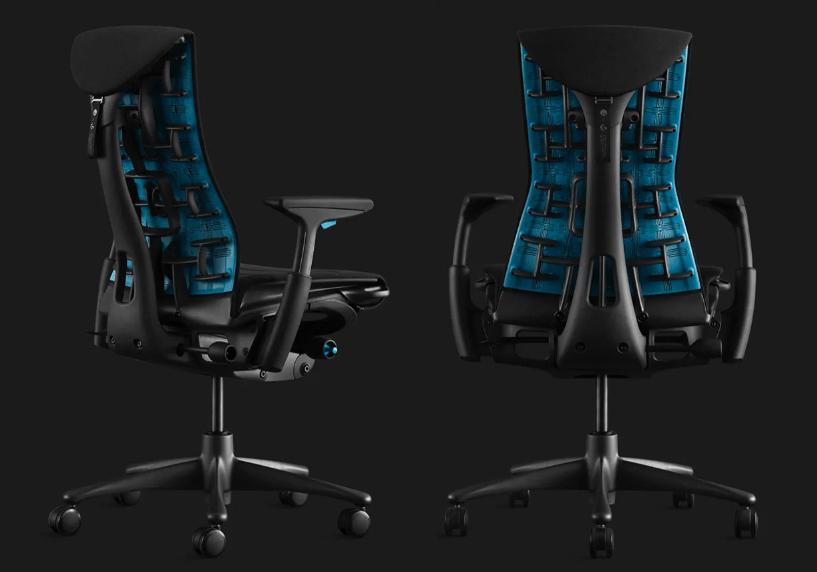
As a freelance court reporter, you’re constantly adapting to different environments, personalities, and unexpected challenges. One scenario that can throw off even the most seasoned professionals is something as seemingly simple as an inadequate chair. It may sound trivial to those outside the profession, but for court reporters, the right seating arrangement is critical for accuracy, efficiency, and endurance.
A recent discussion among reporters highlighted a situation in which an attorney refused to provide an adequate chair for a deposition, forcing the reporter into an uncomfortable and impractical working condition. The refusal wasn’t just dismissive—it was outright obstructive to the court reporter’s ability to perform their job. Let’s break down why this matters and how to handle such situations professionally.
Why Ergonomics Matter in Court Reporting
Court reporting is a highly specialized skill that demands focus, dexterity, and precision. The stenographic process involves repetitive hand movements, and even the slightest restriction can cause physical discomfort, reduce speed, and impact the quality of transcripts. Proper ergonomics is not a luxury—it is a necessity.
- Arm Freedom is Essential – Stenographers rely on the ability to move their hands freely without obstruction. Chairs with high armrests or confined spaces restrict movement, which can lead to cramping, fatigue, and errors in transcription.
- Posture and Endurance – Depositions can last for hours, requiring reporters to maintain an upright position with clear visibility of all parties. Uncomfortable seating can lead to back pain and affect concentration.
- Speed and Accuracy – Court reporting requires a delicate balance of skill and physical ease. The ability to type at high speeds (200+ words per minute) without distraction is compromised if the body is in distress.
What to Do When a Chair Becomes a Problem
Step 1: Assess the Situation Immediately
Before unpacking equipment, take a moment to assess the seating situation. If the chair is restrictive or unsuitable, address the issue right away with office staff. This early intervention can prevent last-minute conflicts when proceedings are about to begin.
Step 2: Request a Reasonable Alternative
Most offices have various seating options available, and a polite request often resolves the issue. Suggested phrases include:
- “This chair isn’t quite working for me—do you have another option that doesn’t restrict arm movement?”
- “Would it be possible to switch to an adjustable chair for better positioning?”
Step 3: Stand Firm, But Professional
If resistance is met, calmly explain that the seating arrangement directly affects your ability to perform the job. This is not a personal preference—it’s a matter of professional necessity. In situations where the request is denied outright, contacting the scheduling agency is the next step. Agencies want jobs to proceed smoothly, and they can often intervene to facilitate a resolution.
Step 4: Know When to Walk Away
In the scenario where an attorney outright refused to accommodate, the reporter was placed in an impossible situation. While professionalism is always key, no job is worth compromising your ability to work effectively. Politely but firmly standing your ground is essential:
- “I understand that office accommodations can be limited, but without the proper chair, I cannot perform my duties effectively. If no alternative is available, I will have to step away.”
A job done under physically restrictive conditions may lead to mistakes, delays, or even physical strain, none of which are acceptable risks.
Handling Difficult Attorneys and Office Staff
Attorneys come with different personalities—some are accommodating, while others may be dismissive or outright rude. When facing hostility, keeping a calm and professional demeanor is crucial.
- Avoid Escalation – Keep interactions neutral. If an attorney is being difficult, engaging in an argument rarely helps.
- Rely on the Agency – If hired through an agency, inform them promptly of the issue. They may be able to smooth things over with the client or provide guidance on handling the situation.
- Document Incidents – If an attorney is particularly unprofessional, making a note of the incident (for the agency or personal records) can be useful, especially if similar problems arise with that firm in the future.
Preventative Measures for Future Depositions
To avoid finding yourself in a similar situation again, consider implementing proactive strategies:
- Request Seating Preferences in Advance – If working in an unfamiliar office, it may be helpful to request a basic ergonomic setup through the agency ahead of time.
- Carry a Portable Seat Cushion – While it won’t solve armrest issues, having a cushion can help with height adjustments and comfort.
- Be Prepared to Say No – If an environment is not conducive to doing the job properly, it is better to walk away than to compromise performance and well-being.
Final Thoughts
This situation highlights an important reality for freelance court reporters: You have the right to reasonable accommodations that allow you to do your job effectively. While most attorneys and offices will be willing to accommodate such a simple request, there may be rare instances where you encounter resistance. When that happens, standing firm while maintaining professionalism is key.
At the end of the day, court reporters provide an essential service in the legal system. The ability to produce an accurate transcript should never be compromised by something as avoidable as an unsuitable chair. Your comfort directly impacts your efficiency—never feel guilty for advocating for what you need to do your job well.
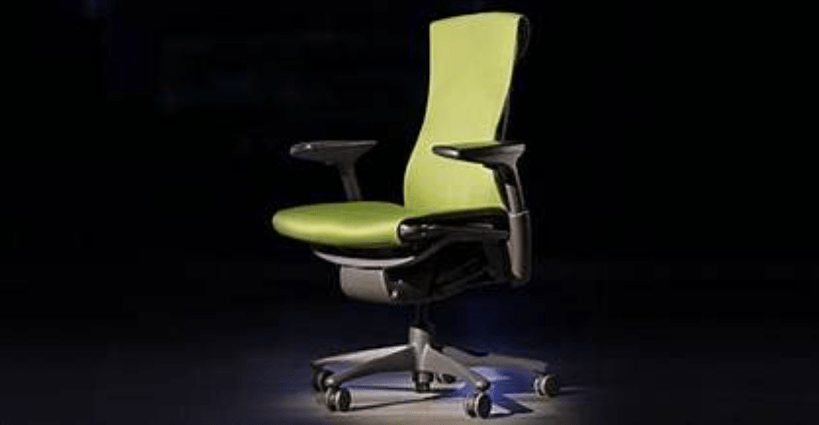
For those who spend long hours reporting from home, investing in a high-quality chair is essential. I’ve had my Herman Miller Embody chair for about a decade, and I couldn’t report without it. Designed for long-term comfort and optimal posture, it provides the perfect balance of support and flexibility, reducing strain during marathon transcription sessions. If you’re looking for a game-changer in home office ergonomics, this chair is worth every penny.


 STENOIMPERIUM